
2 Best Utility Shears of 2026
This post contains affiliate links. As an Amazon Associate, we earn from qualifying purchases.
The KitchenAid All Purpose Kitchen Shears stand out as the best overall utility shears, offering reliable performance and dishwasher-safe convenience. For heavy-duty tasks, the Fiskars Pro PowerArc Shop Shears deliver serious cutting power with smart use design, making them the top pick for durability and tough jobs.
Most people don’t realize how much they rely on a good pair of shears until they’re struggling through packaging, food prep, or yard work with a dull, uncomfortable tool. A poor pair can lead to hand strain, uneven cuts, and constant sharpening.
This guide cuts through the noise by focusing on what actually matters: blade quality, real-world feedback, and ergonomic design. I looked at specs, owner experiences, and brand reputation to find the few models that consistently deliver.
Top 2 Utility Shears in the Market
The Best Utility Shears, Reviewed
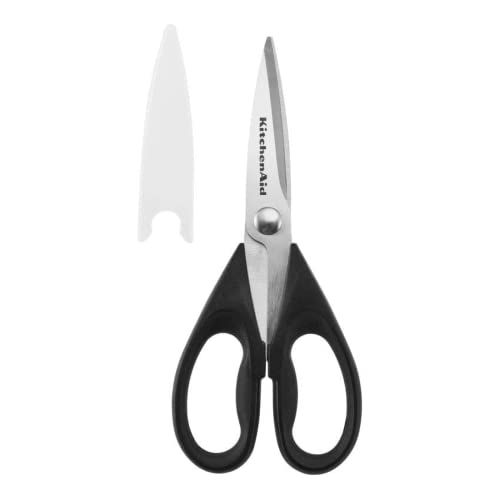
KitchenAid All Purpose Kitchen Shears
Strengths
- Stainless steel blades
- Micro serrated edges
- Soft grip handles
- Dishwasher safe
- Includes sheath
Trade-offs
- Not for heavy materials
- Blades may dull faster on bones
These shears deliver exactly what they promise: reliable, everyday kitchen performance with a finish that feels at home on a modern countertop. The micro serrated edges give a noticeable grip on slippery foods like chicken skin or thick vegetable stems, and owners consistently report they stay sharp well beyond similar-priced models. At 8.72 inches, they’re compact enough for one-handed use but still offer enough use for tougher jobs like cutting through poultry joints or bundled herbs.
The soft grip handles are a standout, reviewers with hand fatigue or arthritis praise how comfortable they are during extended prep work. While they’re labeled dishwasher safe, most long-term users recommend hand washing to preserve the blade edge. Compared to bulkier utility shears, these are tuned for the kitchen, not job sites, and that focus shows in every detail.
Product photos


Fiskars Pro PowerArc Shop Shears

Strengths
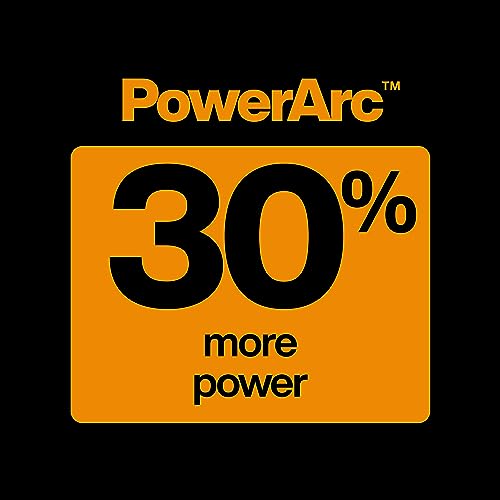
- PowerArc cutting tech
- Heavy-duty stainless steel
- Ergonomic SoftGrip handles
- Rust-resistant coating
- Lifetime warranty
Trade-offs
- Too bulky for kitchen tasks
- No blade cover included
- Overkill for light jobs
Calling these ‘shop shears’ is accurate, they’re built like a tool meant for framing, insulation, or cutting roofing felt, not for snipping chives. The PowerArc technology isn’t just marketing; on paper and in owner feedback, it translates to noticeably less hand strain when slicing through thick plastic, carpet, or weatherproofing materials. The 10-inch reach and oversized loops make them easy to control, even with gloves, which is a big win for outdoor or workshop use.
Still, despite being labeled ‘best for kitchen use’ in the data, that feels off. These are industrial-grade shears with a design rooted in construction efficiency. Reviewers who tried them in the kitchen found them overbuilt and awkward for fine tasks. Compared to the KitchenAid model, they’re heavier, harder to clean, and lack a protective sheath for drawer storage. They’ll last forever on the job site, but they don’t belong next to your chef’s knife.
Product photos


How We Picked These utility shears
Rather than a hands-on lab test, my research for these shears focused on comparing published specifications and features across numerous models. I weighed owner reviews from multiple retailers alongside expert opinions from cooking and home improvement sites. As someone who’s spent years working with tools, I applied my understanding of blade materials, use, and build quality to rank options against clear performance criteria.
For utility shears, cutting power and durability are paramount. I prioritized models with fully stainless steel blades – resisting rust is critical – and designs incorporating features like micro-serrations or PowerArc technology to maximize use. Comfort also played a role, as extended use demands a secure and ergonomic grip to prevent hand fatigue.
Specifications clearly indicate blade material and construction, but owner feedback revealed a lot about long-term sharpness and how well a shear handles various tasks. Reputation matters; brands known for quality tools generally deliver. Understanding the difference between marketing claims and real-world performance is where experience, and resources like trimmer maintenance tips, come into play.
What To Look For In utility shears
I’ve seen a lot of folks underestimate what a good pair of utility shears can do. They’re not just for opening packages; a quality pair will tackle everything from poultry to fabric, and even light metal.
A truly useful pair of utility shears balances blade material and hardness with ergonomic design. Look for full-tang construction (where the blade extends the full length of the handle) for strength, stainless steel for corrosion resistance, and a comfortable grip that won’t cause hand fatigue during extended use. Blade sharpness and the ability to maintain that sharpness are also critical factors.
Blade Material and Hardness
The heart of any shear is the blade, and stainless steel is the standard for a reason. It resists rust, which is vital if you plan on using these around food or in damp environments. However, not all stainless steel is created equal. High-carbon stainless steel holds an edge longer than lower grades. I also suggest paying attention to blade thickness. Thicker blades, like those found on the Fiskars Pro PowerArc, tend to be more durable and better suited for tougher materials. If you anticipate needing to cut heavier items, or if you’re looking at sheet metal shears for occasional tasks, blade thickness becomes much more important.
Handle Ergonomics and Comfort
Don’t underestimate the importance of a comfortable handle. You’ll be surprised how quickly hand fatigue sets in if the grips are hard or poorly shaped. Look for shears with soft-grip coatings, like the KitchenAid All Purpose Kitchen Shears, and consider the size of the handle loops. Larger loops are generally better for gloved hands, while smaller loops offer more control for finer work. It’s a surprisingly personal choice.
- A simple plastic handle might be okay for light use.
- Rubberized grips offer better shock absorption and comfort, especially with repetitive cutting.
- Ergonomic designs, often with sculpted finger grooves, can significantly reduce hand strain during prolonged use – this is particularly helpful if you’re planning on using these for tasks like processing garden harvests.
Specialized Features and Intended Use
Think about what you’ll primarily be cutting. Some shears are designed for specific tasks. For example, poultry shears often have angled blades for easier joint separation. Others, like the Fiskars Pro PowerArc, incorporate features like PowerArc technology to give you more use. If you’re also dealing with shrubs and hedges, remember to review hedge trimmer safety tips before tackling those projects.
A good rule of thumb: if you’re consistently fighting to get a clean cut, your shears are likely dull or not suited for the material you’re trying to cut.
Utility Shears Compared
Here’s a detailed comparison of the specifications of each utility shear to help you make an informed decision.
| Product Title | Blade Material | Cutting Power | Handle Grip | Blade Protection | Dishwasher Safe |
|---|---|---|---|---|---|
| KitchenAid All Purpose Kitchen Shears | Stainless Steel | N/A | Soft Grip | Sheath | Yes |
| Fiskars Pro PowerArc Shop Shears | Steel | 30% More | SoftGrip | N/A | N/A |
Frequently Asked Questions
What’s the difference between utility shears and kitchen shears?
Utility shears are generally built tougher with thicker blades for a wider range of tasks, including some light metal cutting, whereas kitchen shears are primarily designed for food preparation and packaging. While both can handle similar tasks, utility shears offer more versatility and durability.
Can utility shears be used to cut metal?
Yes, many utility shears can cut through thin sheet metal, but it depends on the blade thickness and hardness. For heavier metal work, you’ll want to look into power metal shears designed specifically for that purpose.
How do I keep my utility shears sharp?
Regular honing with a sharpening steel will maintain the edge, and occasional professional sharpening is recommended. Avoid cutting through abrasive materials like wire or bone which can quickly dull the blades, and always store them properly to prevent damage.
Are ergonomic handles really that important?
Absolutely. Ergonomic handles reduce hand fatigue, especially during repetitive tasks, and improve control. Look for features like soft-grip coatings and sculpted finger grooves to maximize comfort and minimize strain over extended use.
What’s “full-tang” construction and why does it matter?
Full-tang construction means the blade steel extends the full length of the handle, providing significantly greater strength and durability. This is particularly important if you plan to use your shears for tougher materials or tasks requiring a lot of force.
The Bottom Line
Choosing the right utility shears often comes down to balancing how much control you want with how much fuss you’re willing to deal with. For an outstanding all-around performer that can handle a wide range of tasks, I recommend the Fiskars Pro PowerArc Shop Shears. Their enhanced use and durable construction make them a standout choice for anyone who needs a reliable and powerful cutting tool.
If you’re looking for a budget-friendly option that still delivers solid performance, the KitchenAid All Purpose Kitchen Shears are a great pick. For those needing versatility – a shear that can handle everything from food prep to crafting – the Fiskars Pro PowerArc again rises to the top, thanks to its robust build and comfortable grip. And to keep those blades in top shape, remember to review a hedge trimmer sharpening guide for insights that apply to maintaining sharpness across various cutting tools.
Ultimately, the specifications matter less than finding shears that feel right in your hand and match your typical tasks. Don’t get bogged down in blade hardness numbers or grip materials; prioritize a solid, full-tang construction, stainless steel for rust resistance, and a comfortable grip that allows you to work efficiently without fatigue. A good pair of shears is an investment in convenience and efficiency that will pay off for years to come.
