
10 Best Roofing Tools of 2026
This post contains affiliate links. As an Amazon Associate, we earn from qualifying purchases.
The Toolant Pneumatic Roofing Nail Gun is our top overall pick for its reliable power and durable aluminum build, closely followed by the Metabo HPT for those prioritizing long-term durability. For cleanup and prep work, the PacTool Roof Snake stands out as the best tool for removing old nails efficiently.
Roofing jobs demand tools that won’t quit halfway through a hot day or fail when dust and moisture creep in. Too many people buy based on price alone, only to end up with jam-prone nailers or flimsy removal tools that wear out fast. This guide cuts through the noise, focusing on models backed by solid specs and real-world feedback from contractors and serious DIYers. We looked at performance, build quality, and practical value to find the tools that actually hold up on the roof.
Top 10 Tools For Roofings in the Market
The Best Tools For Roofings, Reviewed
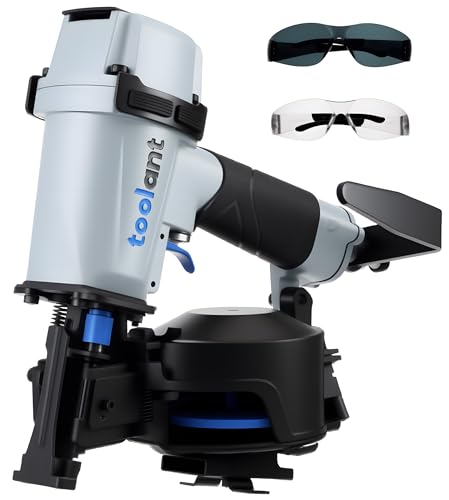
toolant Pneumatic Roofing Nail Gun
Strengths
- 15-degree coil compatible
- Lightweight and safe grip
- 3-year warranty with support
Trade-offs
- Slower firing rate
- Not for 16-degree coils
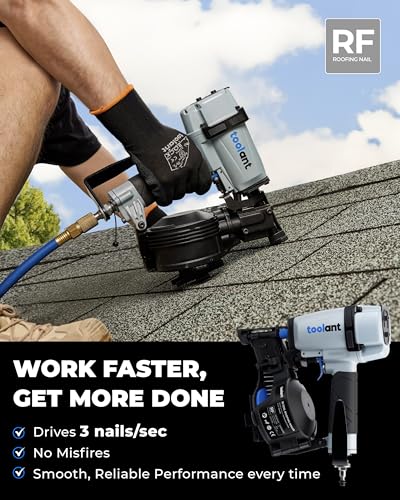
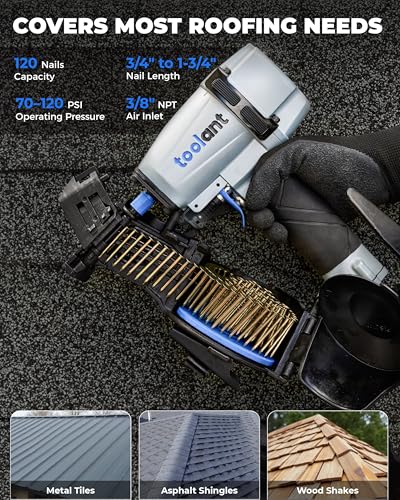
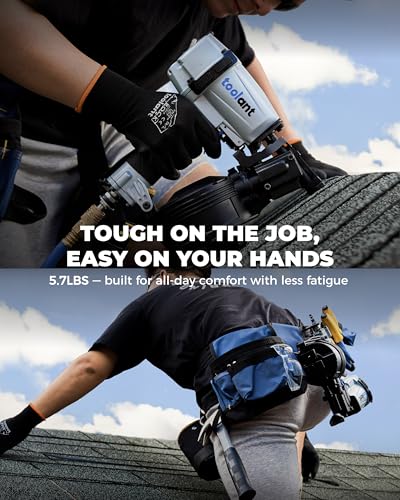
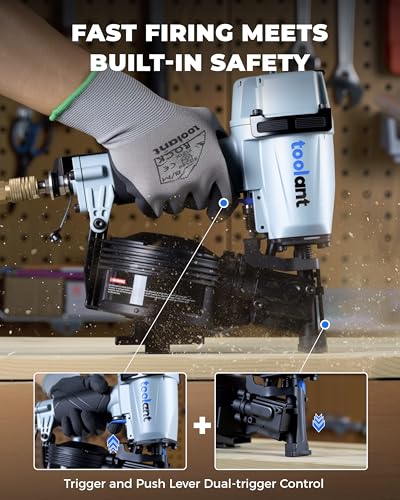
If you’re looking for the best overall balance of price, performance, and versatility, this toolant nailer is hard to beat. It fires 15-degree coils, the most common type, and handles nails from 3/4” to 1-3/4”, making it flexible across roofing, siding, and fencing jobs. Owners report smooth, jam-free operation and appreciate the anti-slip grip and dual-trigger safety, especially on steep roofs.
It matches the Metabo HPT in weight but adds a 3-year warranty with real support, video guides, manuals, troubleshooting. While it doesn’t fire quite as fast (3 nails/sec vs 10), it’s more than enough for most users. For DIYers and contractors alike, this is the smarter buy unless you need blistering speed.
Product photos
Metabo HPT Pneumatic Roofing Nailer

Strengths
- High firing speed
- Durable Japanese build
- 5-year warranty
Trade-offs
- 16-degree only
- Slightly heavier
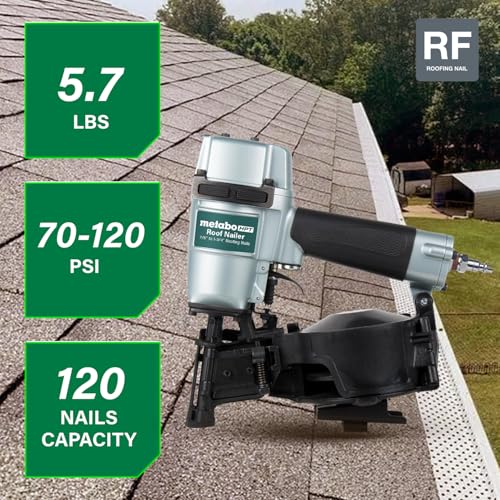
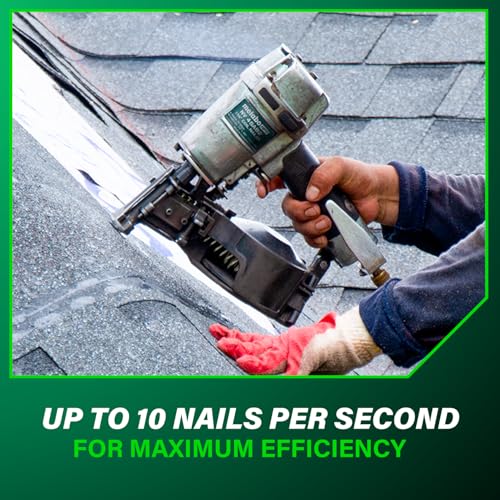
This Metabo HPT pneumatic nailer is built like a contractor’s favorite truck, rugged, reliable, and ready to log serious hours. On paper, its 10 nails per second capability stands out, and owners consistently report it powers through asphalt shingles without hesitation, even after full-day runs. The 5-year warranty and Japanese engineering give it serious credibility in a market where longevity isn’t guaranteed.
It’s not the lightest in class at 5.7 lbs, but the balanced design and side-loading magazine make it easy to manage overhead. Compared to the toolant model, it drives faster and feels more industrial, though it’s limited to 16-degree coils. If you’re running large roofing jobs where downtime isn’t an option, this is one of the few that earns the ‘pro-preferred’ label it carries.
Product photos


PacTool RS501 Roof Snake Tool

Strengths
- Patented offset nail slot
- Forged steel build
- Precise nail alignment
Trade-offs
- Higher price point
- No magnetic nail hold
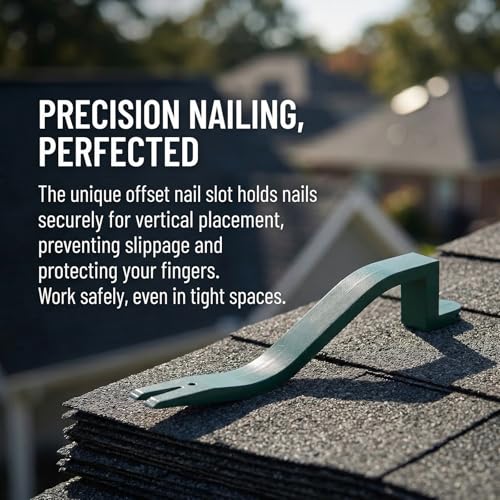
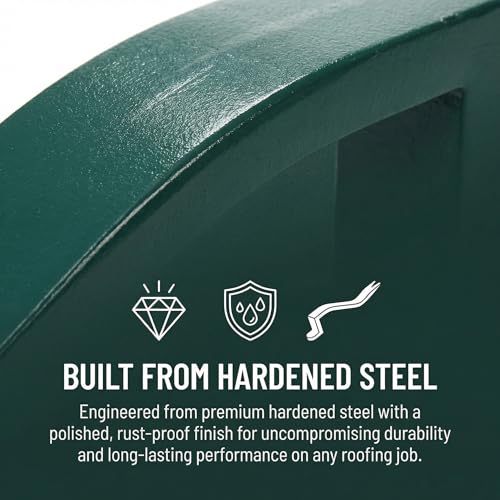
The PacTool RS501 is the go-to pry bar for roofers who value precision. Its offset nail slot is a standout, no more guessing where to place the next nail. That feature alone makes shingle alignment faster and more accurate, especially on 3-tab shingle courses. The high-strength steel holds up well, and the claw tip removes nails cleanly when driven under the head.
Owners consistently say this outlasts cheaper alternatives and feels more refined in hand. Compared to the WRINGKIT or generic 2-in-1 tools, it’s clearly built for daily use. It’s not flashy, but it does the job right. For anyone doing repeated shingle replacements, this is the smarter buy.
Product photos


El Burro Roof Tear Off Shovel
Strengths
- Long handle reduces strain
- Durable alloy steel
- 2-pack for crews
Trade-offs
- Bulky for storage
- No folding option
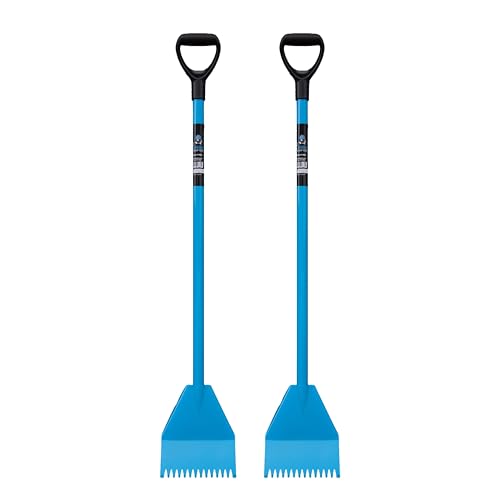
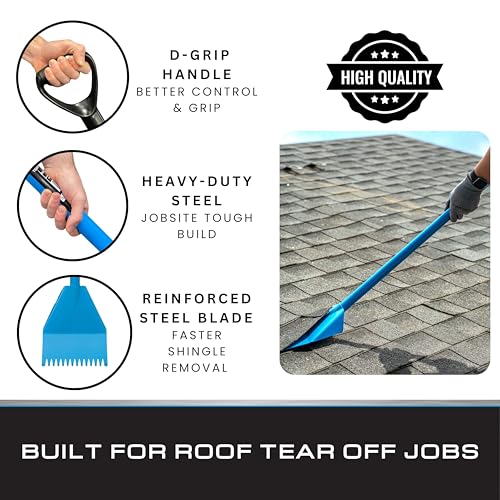
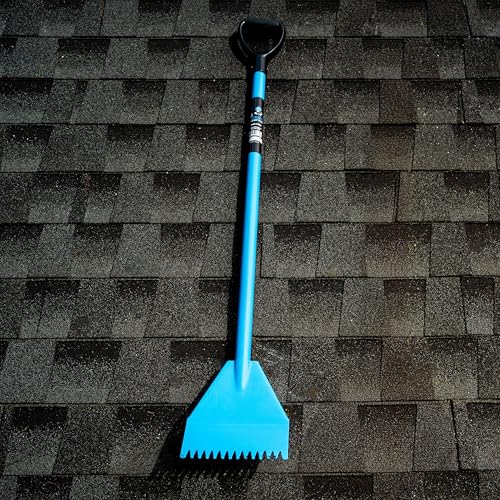
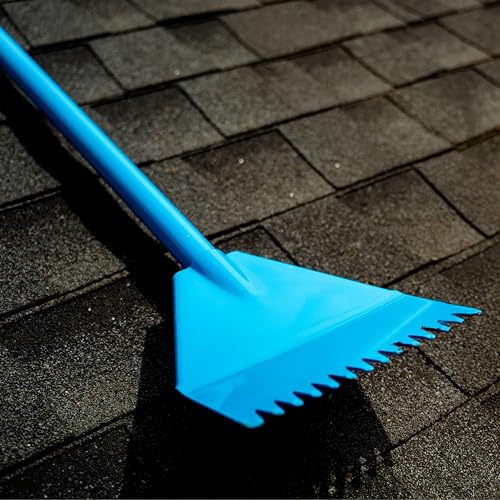
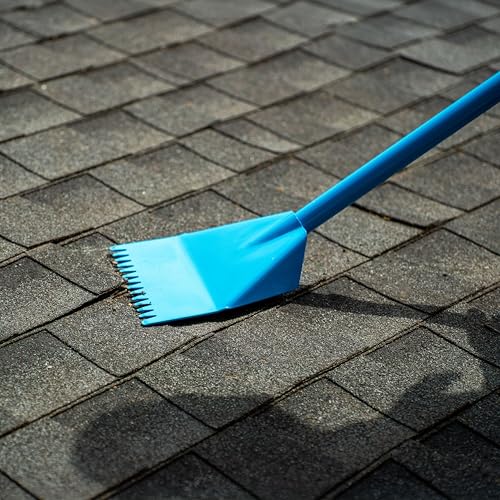
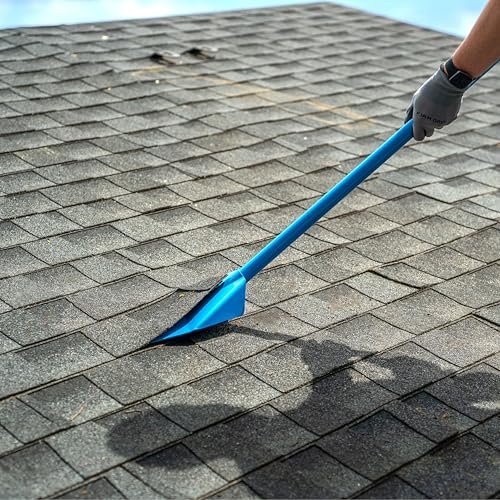
Tearing off old shingles is brutal work, and this El Burro shovel makes it a little less so. The 47.5-inch handle gives serious use, reducing strain on your back and arms, owners consistently say it’s easier on the body than shorter bars. The D-grip offers solid control, and the alloy steel holds up well under repeated prying.
Coming in a 2-pack is smart, rooftop crews can keep one ready while the other’s in use. Compared to single shovels, this set improves workflow. It’s not a replacement for a power stripper, but for hand removal, it’s among the best. The blue finish resists rust, though long-term durability depends on post-job care.
Product photos
Roof Shingle Nail Installer Puller
Strengths
- 2-in-1 functionality
- Nail alignment slot
- Lightweight and compact
Trade-offs
- Less durable than pro models
- Flexes under pressure
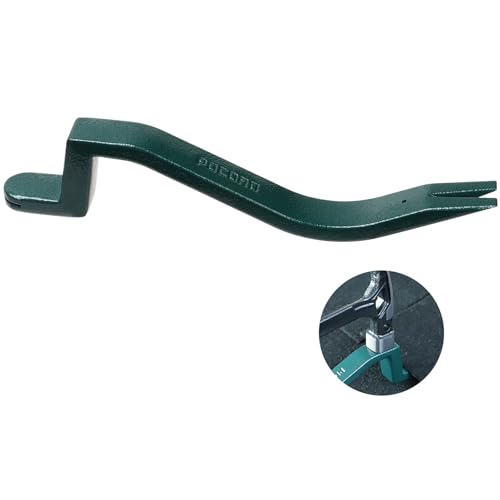
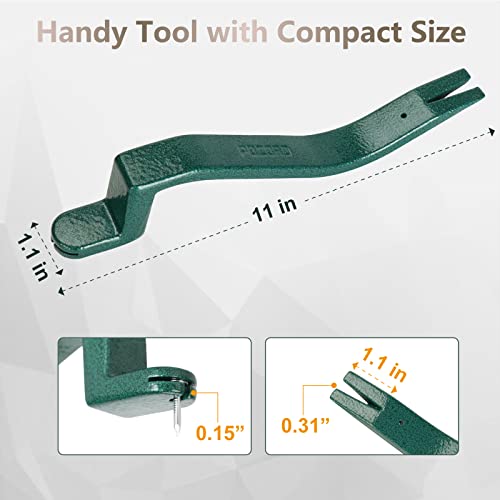
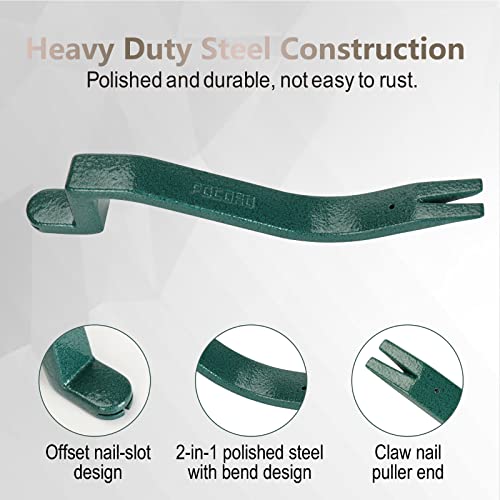
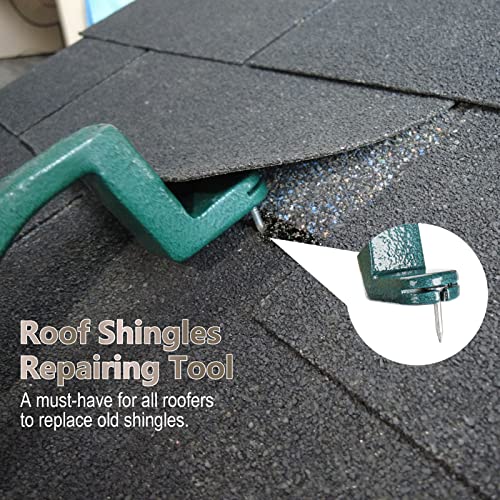
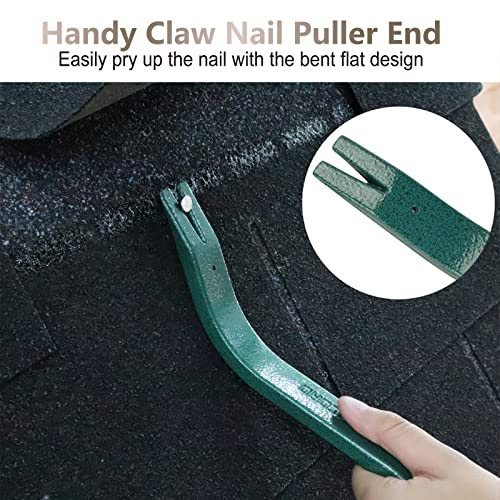
This 2-in-1 tool tries to do it all, pull nails and install them, but in practice, it leans more toward removal. The claw tip works well for prying out old nails without shredding surrounding shingles, and the nail-slot design does help keep new nails aligned. However, owners note the steel feels thinner than rivals like the PacTool RS501, and it can flex under heavy use.
It’s lightweight and fits in a tool belt easily, which is a win. But compared to dedicated tools, it’s more of a utility option than a primary remover. If you’re already carrying separate tools, this won’t replace them. But for light repairs or DIYers wanting one solid multi-use bar, it’s a reasonable pick.
Product photos

Toolwiz Magnetic Pick Up Sweeper

Strengths
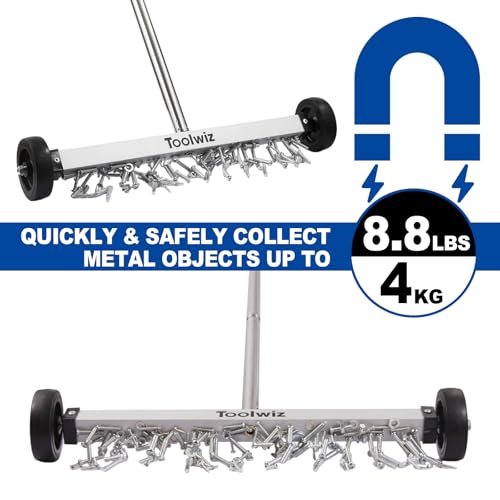
- Strong 8.8 lb magnet
- Adjustable height
- Smooth-rolling wheels
Trade-offs
- No foldable design
- Heavy when fully loaded
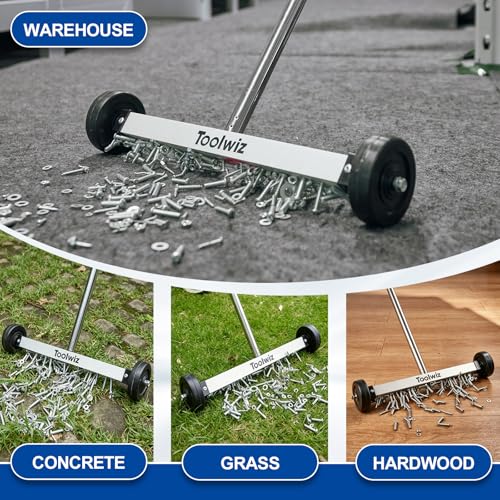
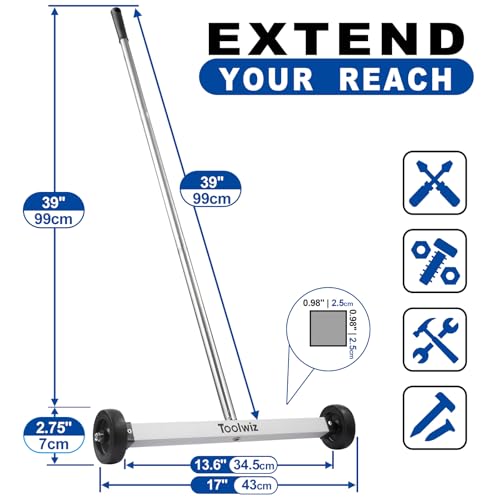
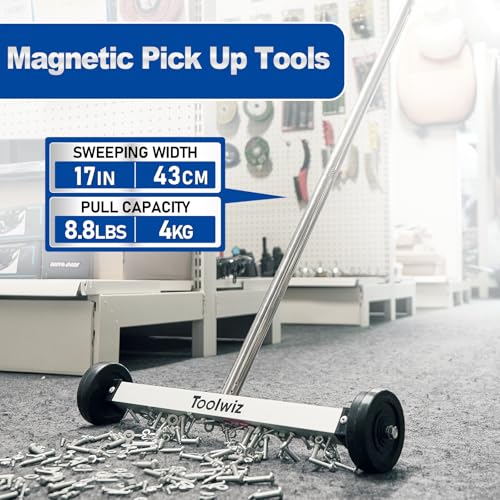
Cleaning up after a roofing job is no joke, and stray nails are a hazard. This 17-inch magnetic sweeper picks up ferrous debris efficiently, with an 8.8 lb capacity that handles most job site drop-offs. The three height settings are a big win, no bending over, which matters after a long day on the roof.
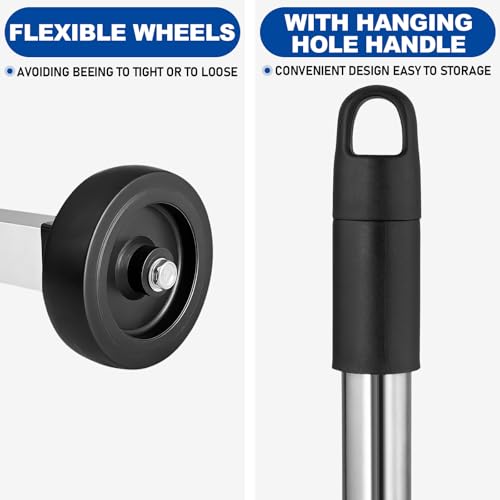
Owners like the smooth-rolling rubber wheels, which work well on gravel, grass, and concrete. The non-telescopic handle is sturdier than many competitors, though it doesn’t collapse for storage. Compared to handheld magnets, this covers ground faster and reduces fatigue. It’s not flashy, but it’s effective.
Product photos
WRINGKIT Shingle Removal Tool
Strengths
- Affordable price
- Good nail alignment
- Light and portable
Trade-offs
- Less durable finish
- Not for heavy use
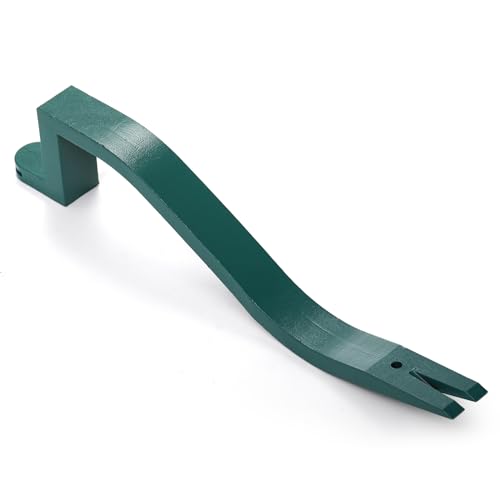
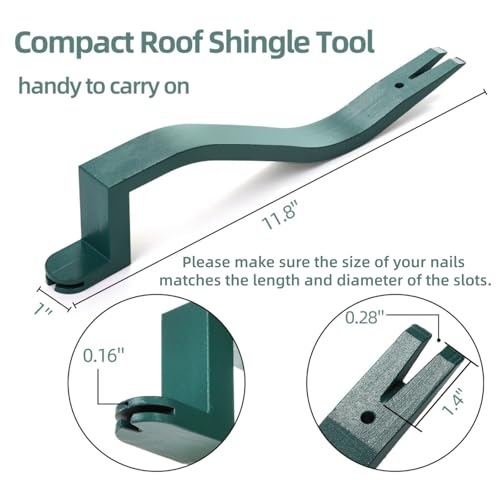
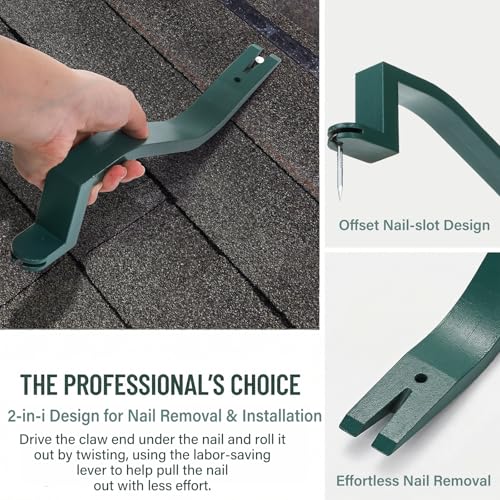
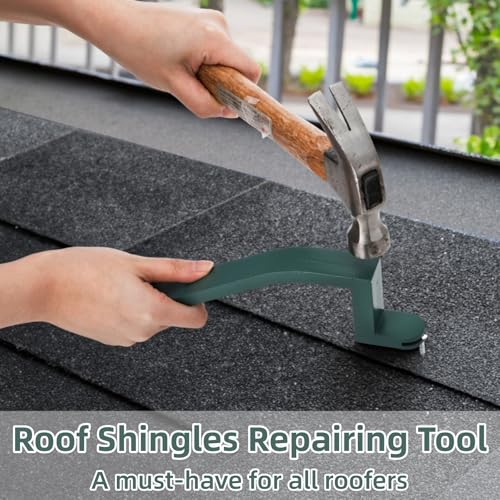
This is the budget version of the 2-in-1 nail tool, and it shows in the details. It copies the PacTool RS501’s design closely, nail slot, claw tip, pry edge, but the steel feels a bit softer, and some owners report early wear on the finish. Still, for occasional use or first-time roofers, it gets the job done without breaking the bank.
It’s slightly longer than average, which helps with use, and the nail-slot design does prevent finger-hits during installation. Compared to the PacTool, it’s not built to last years of daily use, but for a one-off repair or starter kit, it’s hard to beat the value.
Product photos
Heavy Duty Roofing Scissors 10inch
Strengths
- Sharp high-carbon blades
- Adjustable tension
- Comfortable rubber grip
Trade-offs
- Right-hand only
- No left-handed version
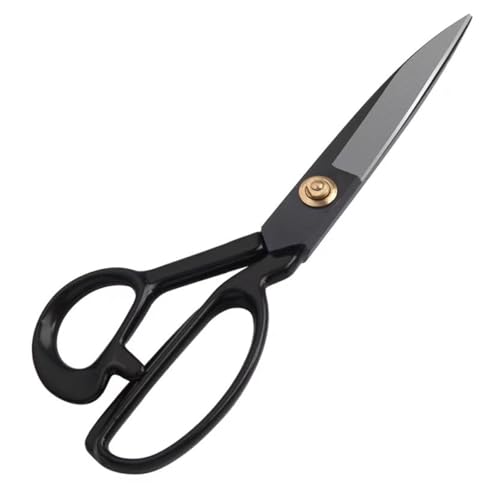
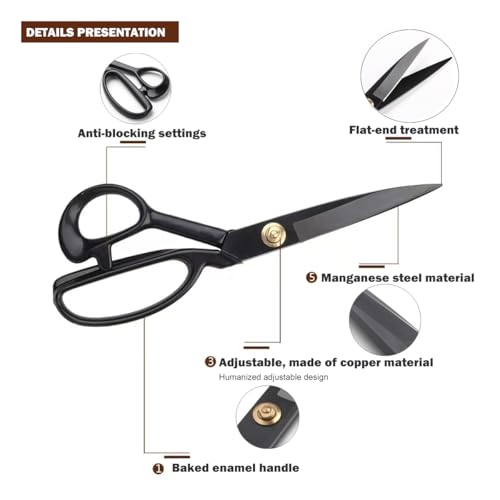
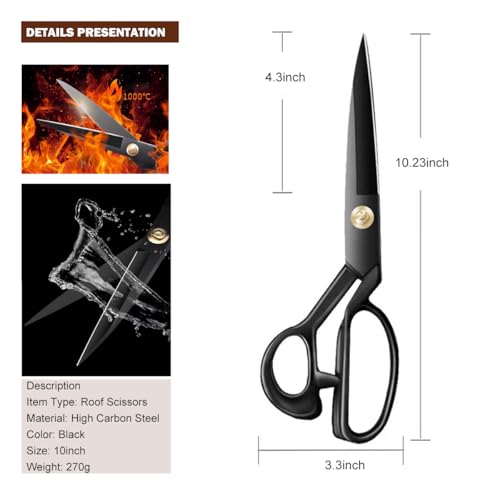
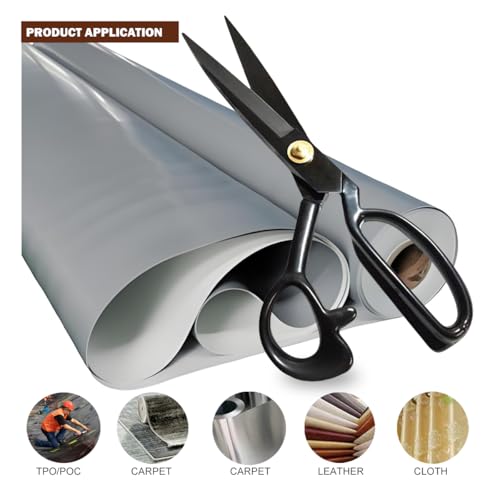
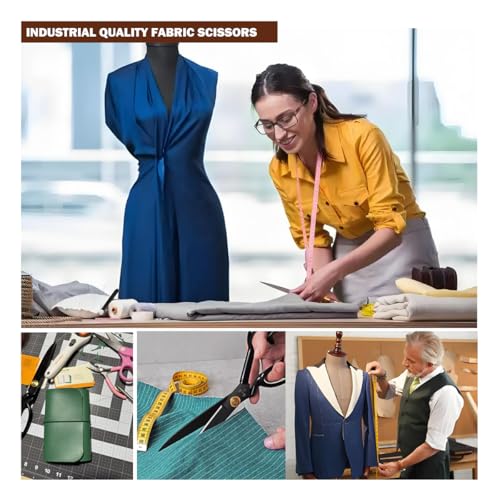
Cutting roofing membranes cleanly matters, frayed edges lead to leaks. These industrial scissors deliver with high-carbon steel blades that stay sharp through PVC, TPO, and fiberglass cloth. The adjustable rivet lets you fine-tune the tension, which is rare at this price, and the rubber-coated cast steel handles reduce hand strain during long cuts.
Owners report they outperform standard utility knives, especially on thick or layered materials. The lack of serrations means clean cuts without snagging, ideal for prepreg fabrics. But they’re right-handed only, and lefties will struggle. Compared to folding knives or hot air tools, these are better for controlled, cold cuts.
Product photos

QWORK Silicone Seam Roller
Strengths
- Dual roller design
- Heat resistant
- Comfortable wood handle
Trade-offs
- Brass roller not replaceable
- No spare parts available
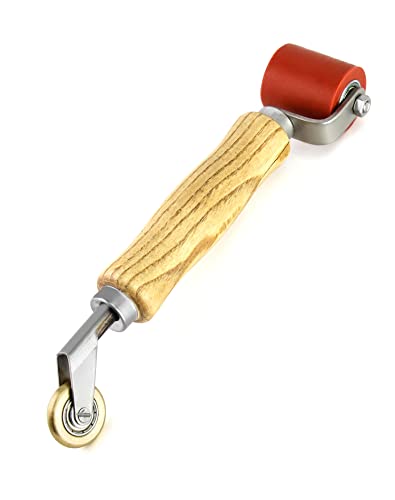
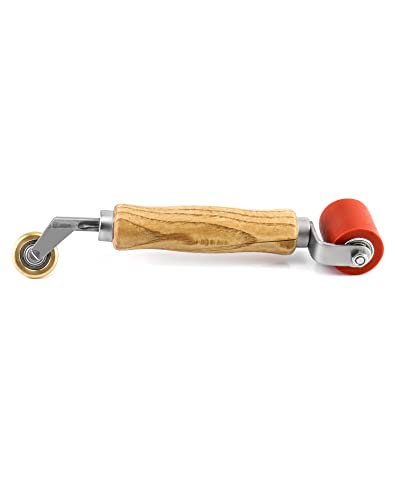
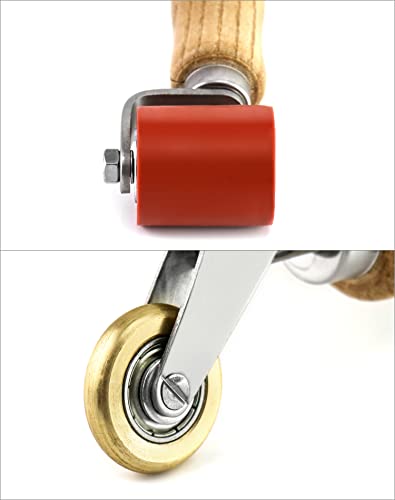
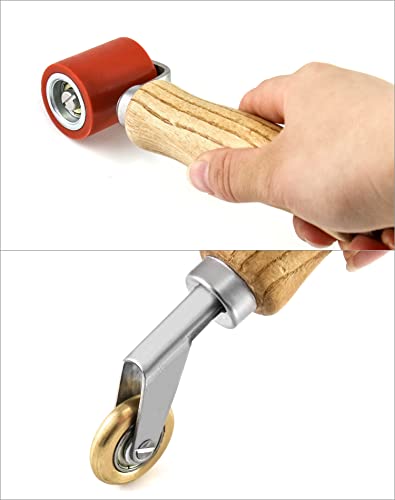
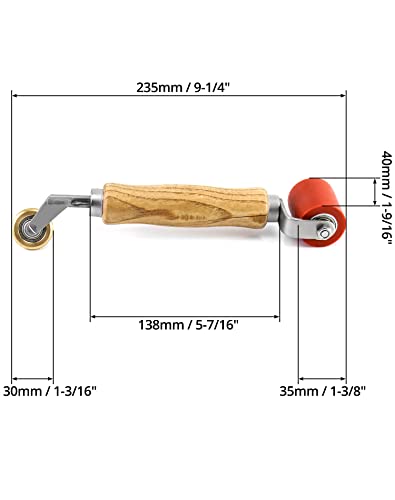
Seam sealing is where small tools make a big difference, and this QWORK combo roller delivers exactly what it promises. The 40mm silicone roller handles broad membrane seams on TPO or EPDM, while the 6mm brass detail roller is perfect for flashing corners or around vents, areas where larger rollers just can’t reach. Owners praise its heat resistance and the fact that the brass roller doesn’t corrode, even after repeated solvent exposure.
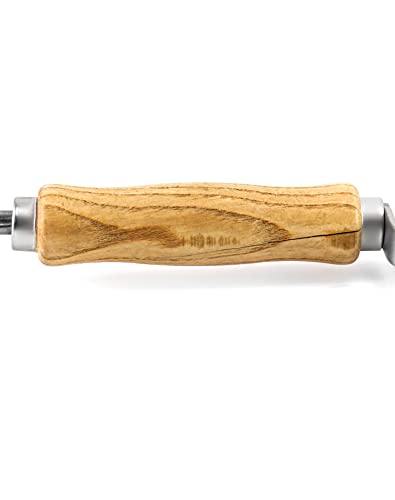
The wooden handle feels solid and reduces hand fatigue during long rolls, though it’s not replaceable if damaged. Compared to pricier kits, this one punches above its weight. It won’t replace a full pro kit with multiple attachments, but for most residential jobs, it’s all you’ll need.
Product photos
Magnetic Roofing Hammer Hatchet

Strengths
- Magnetic nail hold
- Multiple built-in tools
- Ergonomic wood handle
Trade-offs
- Magnet strength average
- Overbuilt for simple jobs
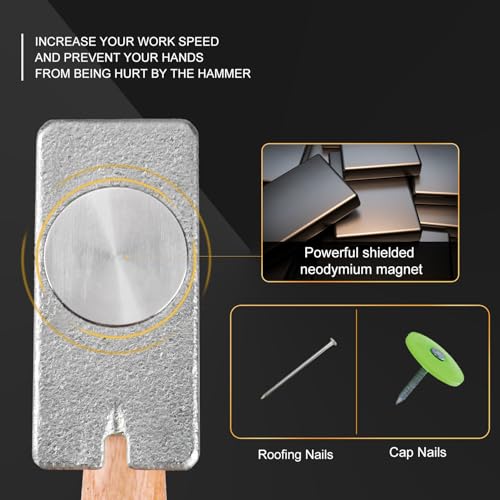
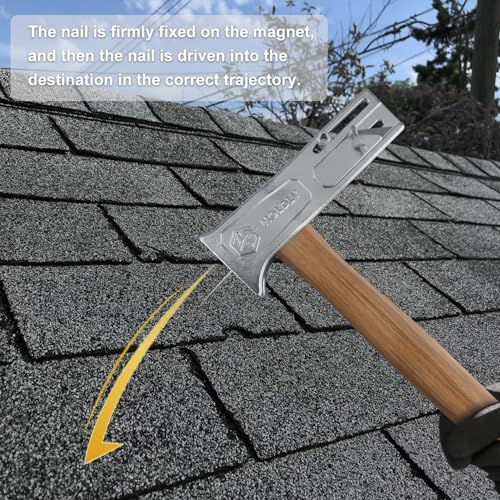
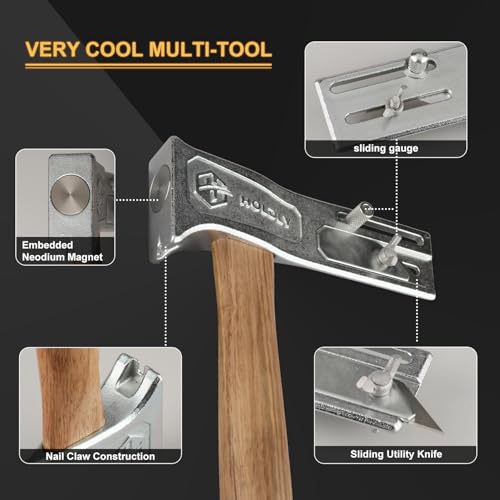
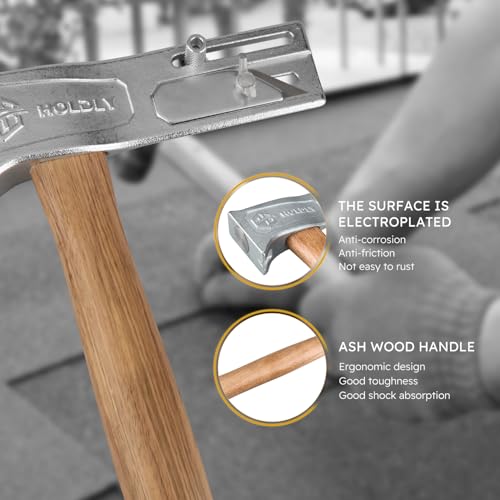
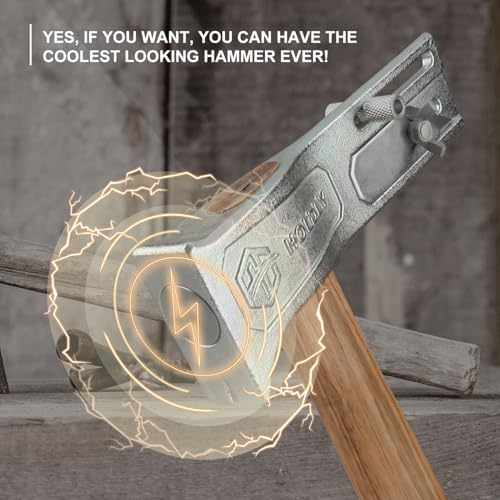
This hammer tries to be everything at once, a nail magnet, hatchet, knife, claw, and gauge, and it actually pulls it off. The magnetic face works well, letting you one-hand nails without fumbling, which speeds up felt and shingle work. The built-in knife cuts underlayment cleanly, and the hatchet edge handles minor tear-outs.
But the real win is the design, it’s balanced and durable, with a shock-absorbing wood handle. Some owners say the magnet isn’t as strong as high-end models, but it’s strong enough for roofing nails. Compared to standard hammers, this saves trips back to the tool belt. For a multi-function tool, it’s surprisingly competent.
Product photos
How We Chose These tools for roofings
I approached researching tools for roofing by gathering specifications and features from manufacturers, then cross-referencing that data with extensive owner and expert reviews. Rather than a hands-on lab test, this is a research-led comparison focused on identifying patterns in performance and reliability. I weighed information from contractor forums, home improvement sites, and professional tool review publications to build a clear picture of what consistently works well – and what doesn’t – on the jobsite.
For this category, durability and efficiency were the biggest determining factors. Roofing work is demanding, so a tool’s ability to withstand constant use and harsh weather is paramount. Beyond that, speed and ease of use directly impact a roofer’s productivity, making those characteristics heavily weighted in my assessment. Finding the right balance between these two, and factoring in value for the money, was key to ranking the options.
Product specifications reliably indicate build quality – materials used, weight, and overall construction. However, owner feedback proved crucial for understanding real-world performance and longevity. I paid close attention to comments regarding nail jams, ease of maintenance, and how well a tool holds up over extended periods. Reputable expert reviews helped validate those owner experiences and identify tools consistently praised for their performance, like those found among the essential power tools for roofing.
How To Choose The tools for roofings
Selecting the right roofing nail gun can significantly impact your speed, the quality of your work, and ultimately, your bottom line. It’s not just about driving nails; it’s about consistent performance and durability on the jobsite.
A quality roofing nail gun should prioritize consistent nail depth, reliable operation in various weather conditions, and a lightweight design to reduce fatigue during extended use. Look for models with adjustable features, durable construction (aluminum alloy is a plus), and a coil capacity that minimizes downtime for reloading. Nail compatibility (typically 15-degree coil nails) and air pressure range (70-120 PSI) are also key considerations.
Nailer Type and Coil Capacity
The vast majority of roofing nailers are pneumatic, meaning they require an air compressor to operate. While cordless options are emerging, they often lack the consistent power needed for demanding roofing work. Beyond that, coil capacity is crucial. A larger coil means fewer interruptions to reload, which is a huge time-saver when you’re working on a large roof. I often recommend considering a nailer that holds at least 120 nails. Don’t underestimate the impact of continuous operation; downtime adds up quickly.
Durability and Materials
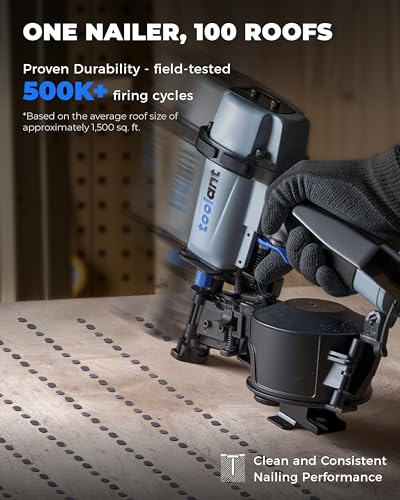
Roofing is tough work, and your nailer needs to withstand the elements and constant use. Look for models constructed with durable materials like aluminum alloy, and with Teflon coatings to resist corrosion. A tested lifespan of 500,000+ shots (like the Toolant model) is a good indicator of potential longevity.
Here’s what I look for in terms of build quality: * A solid aluminum magazine: Plastic can crack. * Reinforced internal components: Reduces wear and tear. * A robust safety mechanism: Prevents accidental firing, which is paramount on a sloped roof.
Ergonomics and Safety Features
Spending all day on a roof with a heavy, awkward nailer is a recipe for fatigue and potential injury. A lightweight design (under 6 pounds is ideal) is essential. Beyond weight, consider the grip. Rubberized, anti-slip grips are vital for maintaining control, especially when working in wet or angled conditions. Dual-trigger safety mechanisms are standard, but make sure it’s responsive and easy to operate without being overly sensitive. If you’re frequently measuring roof areas, pairing your nailer with some quality laser measuring tools for roofing can further improve efficiency.
A tired roofer makes mistakes. Prioritize a nailer that feels comfortable in your hands and minimizes strain during prolonged use.
Don’t forget about cleanup after the job. Having the right tools for removing old nails and debris is just as important. You might want to check out some options for shingle removal tools to make that process easier.
Tools for Roofings Compared
Here’s a comparison of key specs for various roofing tools to help you make an informed decision.
| Product Name | Best For | Features | Weight (lbs) | Nail Capacity | Material | Warranty |
|---|---|---|---|---|---|---|
| toolant Pneumatic Roofing Nail Gun | Best Overall | Fast nailing, durable, versatile | 5.7 | 120 | Aluminum Alloy | 3 Years |
| Metabo HPT Pneumatic Roofing Nailer | Best Durability | Powerful, efficient, user-friendly | 5.7 | 120 | N/A | 5 Years |
| PacTool RS501 Roof Snake Tool | Best Nail Removal | Commercial crowbar, nail puller | N/A | N/A | High-Strength Steel | N/A |
| El Burro Roof Tear Off Shovel | Best Shingle Removal | Faster tear off, heavy duty steel | N/A | N/A | Alloy Steel | N/A |
| Roof Shingle Nail Installer Puller | Best 2-in-1 Nail Tool | Anti-rust steel, nail-slot design | N/A | N/A | Steel | N/A |
| Toolwiz Magnetic Pick Up Sweeper | Best Nail Cleanup | Magnetic, portable, adjustable handle | 8.8 | N/A | N/A | N/A |
| WRINGKIT Shingle Removal Tool | Best Budget Friendly | Anti-rust steel, nail holding slot | N/A | N/A | Steel | N/A |
| Heavy Duty Roofing Scissors 10inch | Best for Cutting Membranes | Sharp blade, adjustable rivet | N/A | N/A | High-Carbon Steel | N/A |
| QWORK Silicone Seam Roller | Best Seam Sealing | Durable, ergonomic, heat resistant | N/A | N/A | Silicone/Brass | N/A |
| Magnetic Roofing Hammer Hatchet | Best Multi-Function Tool | Magnetic, multi-functional, durable | N/A | N/A | Wood/Metal | N/A |
Frequently Asked Questions
What air compressor size do I need for a roofing nailer?
A compressor with at least 6 gallons of tank capacity and a maximum PSI of 120 is generally sufficient for most roofing nailers. Larger tanks (10+ gallons) will reduce compressor cycling and provide more consistent air pressure for continuous use.
How often do I need to oil a pneumatic roofing nailer?
You should oil your nailer after every day of use, or every 20,000 nails fired, whichever comes first. Using a pneumatic tool oil specifically designed for air tools will keep the internal components lubricated and prevent rust.
Are cordless roofing nailers a viable option?
While cordless roofing nailers are improving, they currently don’t match the consistent power and runtime of pneumatic models. They can be useful for small repairs or jobs where an air compressor isn’t practical, but most professionals still prefer the reliability of pneumatic power.
What’s the difference between coil and stick roofing nails?
Coil nails, used with roofing nailers, are connected in a continuous strip for faster loading and less downtime. Stick nails are individual nails typically used with framing nailers and aren’t suitable for most roofing nailers.
What safety precautions should I take when using a roofing nailer?
Always wear safety glasses and a fall protection system when working on a roof. Ensure the nailer’s safety mechanism is functioning correctly and never point it at yourself or others. Also, consider using precision roofing cutting tools for detailed work and minimizing potential hazards.
The Bottom Line
Choosing roofing tools often comes down to balancing upfront cost with long-term durability and efficiency. While you can find affordable options, investing in quality pays off in reduced downtime and a more professional finished product. For an all-around solid performer that won’t let you down, I recommend the toolant Pneumatic Roofing Nail Gun.
If you have specific needs, there are excellent choices tailored to those tasks. For those prioritizing maximum longevity and reliability, the Metabo HPT Pneumatic Roofing Nailer is a great pick. And if you’re focused on quick and easy debris removal, the PacTool RS501 Roof Snake Tool is the clear winner. Don’t forget about the WRINGKIT Shingle Removal Tool if you’re on a tighter budget.
Ultimately, the best tools aren’t necessarily the most expensive or feature-rich. Prioritize a comfortable grip, reliable operation, and durable construction, those fundamentals are far more crucial than any extra bell or whistle. And remember to complement your power tools with essential hand tools for roofing for thorough jobsite coverage.
