9 Best Recovery Tools for Athletes 2026
This post contains affiliate links. As an Amazon Associate, we earn from qualifying purchases.
The RENPHO Active Thermacool 2 Massage Gun stands out as the best overall recovery tool for athletes, combining percussive therapy with heat and cold options. For budget-focused buyers, the TOLOCO Massage Gun with 10 Heads delivers strong performance and versatility at a lower price.
Athletes don’t just need relief, they need recovery that keeps up with their training, prevents injury, and addresses real muscle fatigue. Too many tools promise results but fall short on durability, effectiveness, or practicality.
This guide cuts through the hype. Based on specs, owner feedback, and my experience evaluating performance-driven tools, I’ve selected options that deliver where it matters: intensity control, build quality, and real-world usability. These are the tools that align with how athletes actually recover.
Top 9 Recovery Tools For Athletes in the Market
The Best Recovery Tools For Athletes, Reviewed
RENPHO Active Thermacool 2 Massage Gun
Strengths
- Heat and cold therapy
- Quiet brushless motor
- Smart display
Trade-offs
- Higher price point
- Heavier than basic models
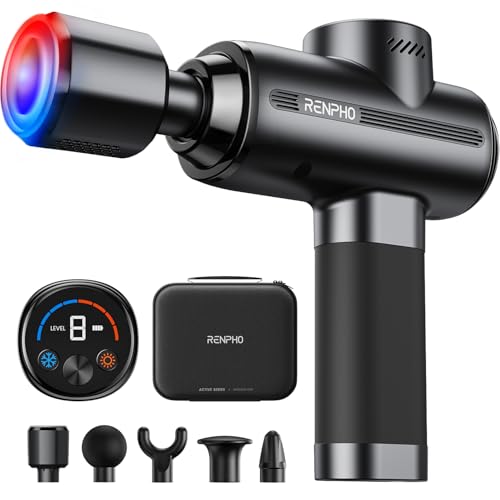
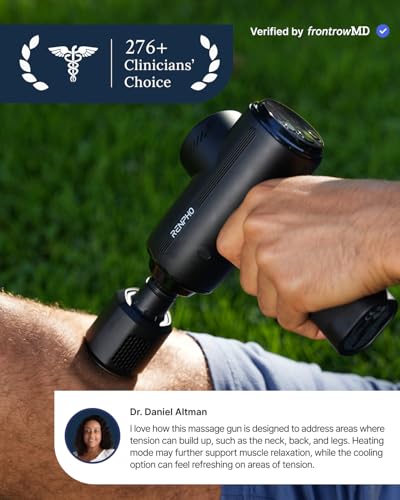
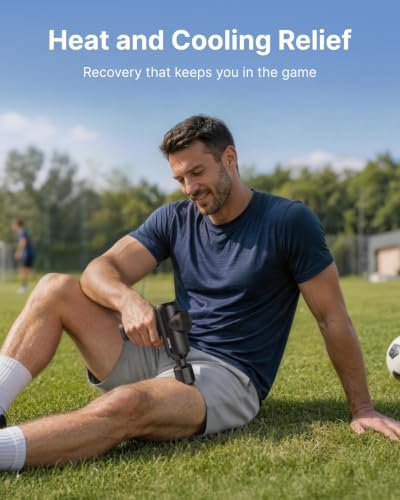
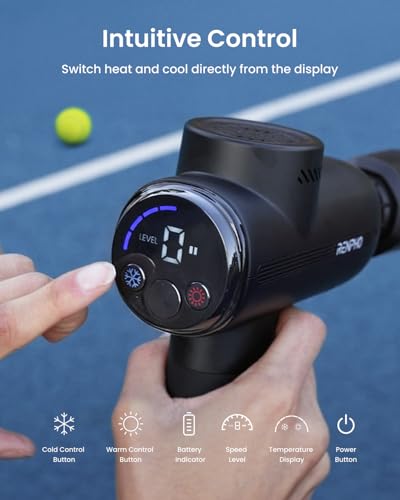
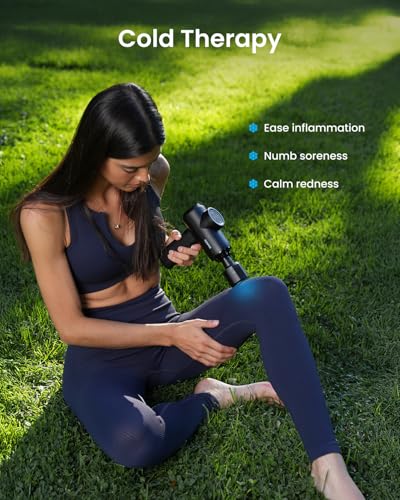
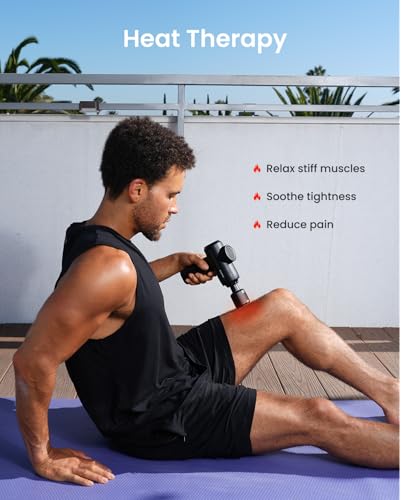
The RENPHO Active Thermacool 2 isn’t just another percussion gun, it’s a recovery system. The integration of heat and cold therapy alongside 3200 RPM percussions sets it apart, allowing users to warm up tissues before release or cool them post-treatment. The heat reaches 113°F, which helps relax stubborn muscle, while the cooling function drops to 46°F for soothing inflammation.
It’s quiet (40dB), has a clear VA display for settings, and the auto-off feature adds safety. Compared to the TOLOCO, this is a more refined, professional-grade tool, backed by IMAs endorsement and expert input. While it’s pricier, the dual therapy justifies the cost for serious athletes or those managing chronic soreness. This is the one I’d recommend as the most complete recovery tool in its class.
Product photos
TOLOCO Massage Gun with 10 Heads

Strengths
- 10 massage heads
- Quiet brushless motor
- Long battery life
Trade-offs
- Build quality less robust
- No heat or cooling features
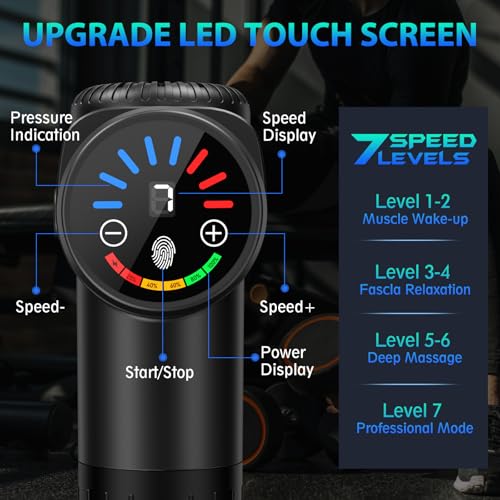
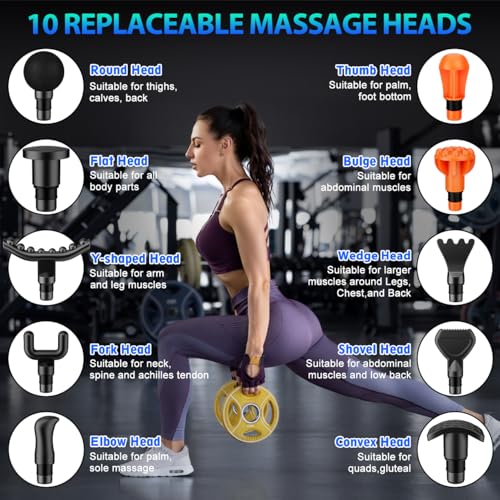
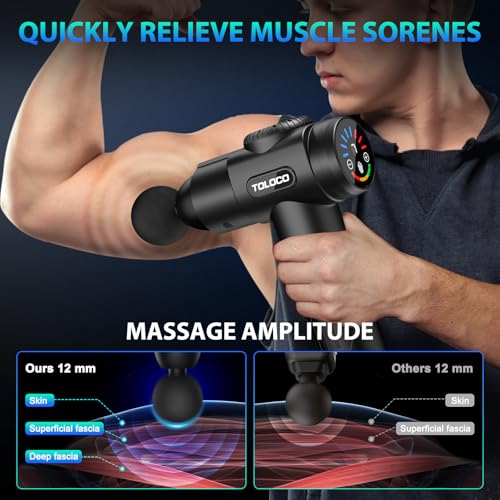
The TOLOCO massage gun punches above its price point with strong performance specs, 3200 RPM, 12mm amplitude, and 10 different heads, making it one of the most feature-rich budget options available. It’s quiet for its class (40–50dB), thanks to a brushless motor, and the LED screen makes speed control intuitive. The long battery life means it won’t quit mid-session, even at higher intensities.
Owners praise its versatility, using it on back, neck, and legs with minimal fatigue thanks to the ergonomic grip. It doesn’t have the brand recognition of Theragun or Hyperice, but for the cost, it delivers real percussive therapy that rivals pricier models. It’s not as durable long-term as premium builds, but for the occasional user or gift-giver, it’s a smart pick.
Product photos


Hyperice Hypersphere Go Vibrating Ball

Strengths
- Compact and portable
- Vibration enhances release
- TSA carry-on approved
Trade-offs
- Less penetration than solid balls
- Battery dependent
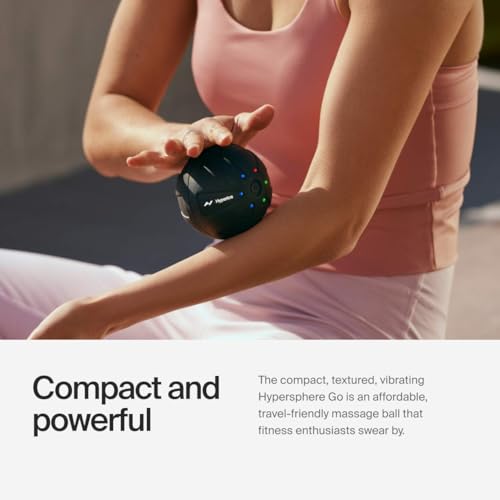
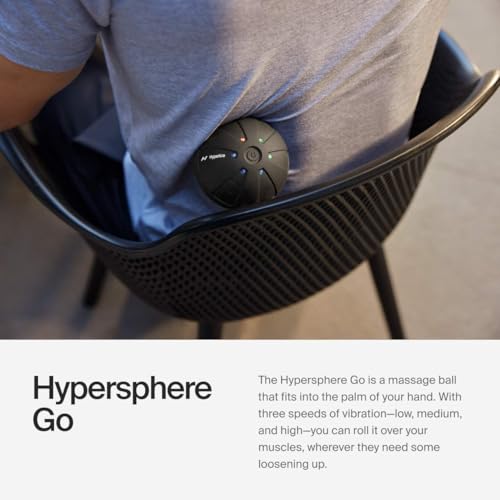
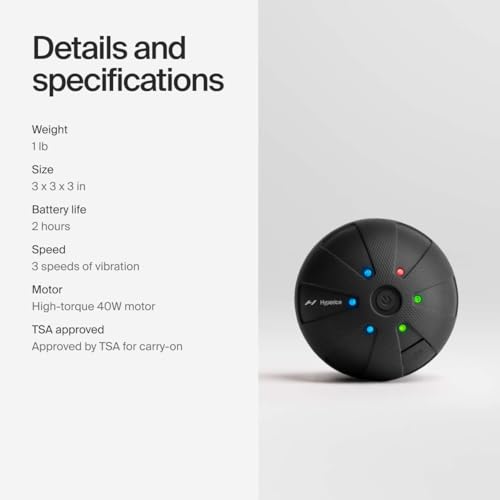
The Hypersphere Go is where simplicity meets smart design. At just one pound and small enough to fit in a gym bag, it’s the most travel-friendly vibrating ball on the market. With three vibration levels, it adds neuromuscular stimulation to manual release, helping loosen tissue faster than static pressure alone. Users love using it on calves, feet, or shoulders during work breaks or post-flight.
It doesn’t dig as deep as a solid lacrosse ball, but the vibration helps override muscle guarding, making it effective for maintenance between harder sessions. Battery life is solid, and TSA approval means it won’t get flagged. Compared to non-vibrating options, this one offers a noticeable upgrade in mobility response, especially for those with desk-driven stiffness.
Product photos


TriggerPoint Grid 1.0 Foam Roller

Strengths
- Firm, multi-density foam
- Textured surface
- Hollow core design
Trade-offs
- Can feel too intense
- Not ideal for beginners
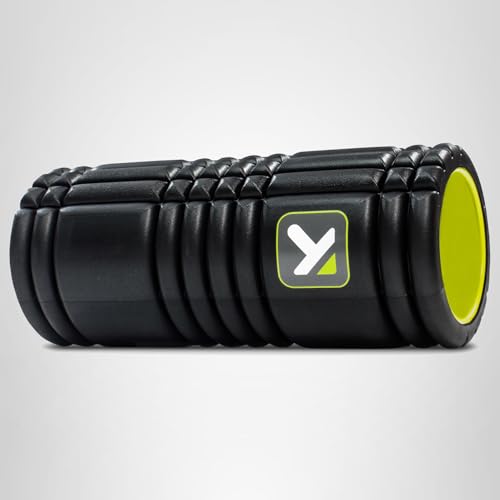
The TriggerPoint Grid 1.0 remains a benchmark in foam rollers, not because it’s the fanciest, but because it delivers consistent, deep-tissue feedback that mimics real massage. The multi-density EVA foam and hollow core make it firmer than basic rollers, which means it handles body weight without collapsing, especially on quads, glutes, or lats. The textured surface with ridges and nodules hits trigger points effectively, and reviewers often compare the sensation to a therapist’s hands.
While newer rollers add vibration or heat, this one earns loyalty through durability and performance. It’s not the most comfortable for beginners, but for athletes who want serious myofascial release, it’s a proven workhorse. The fact that it maintains shape after months of heavy use is a win few competitors match.
Product photos


Stainless Steel Guasha Muscle Scraper
Strengths
- Medical-grade stainless steel
- Ergonomic S-shape
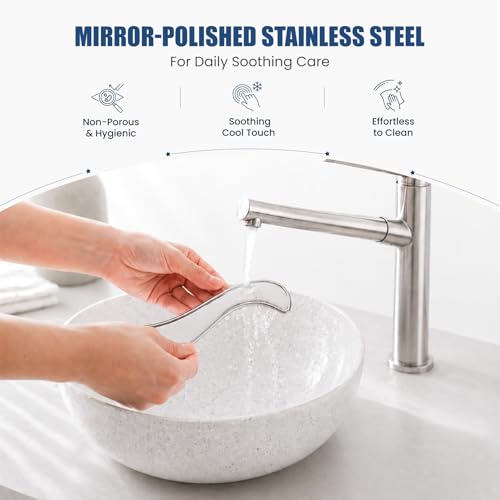
- Durable and hygienic
Trade-offs
- Risk of overuse or bruising
- Steeper learning curve
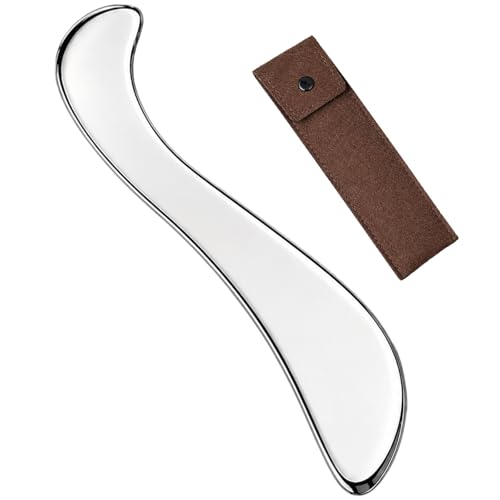
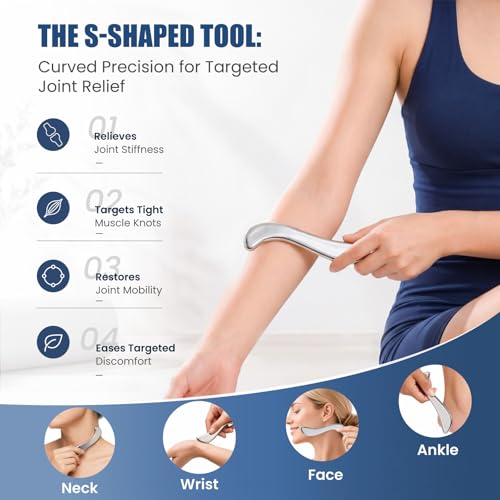
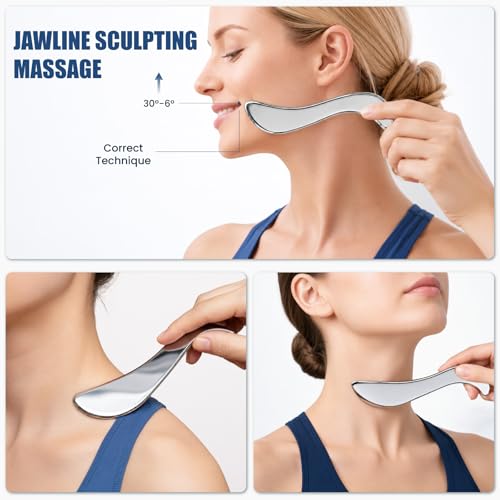
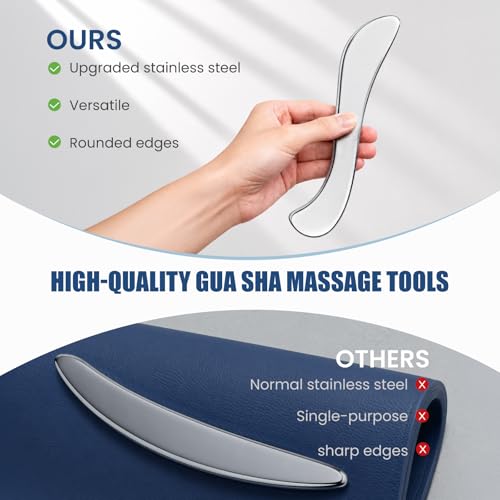
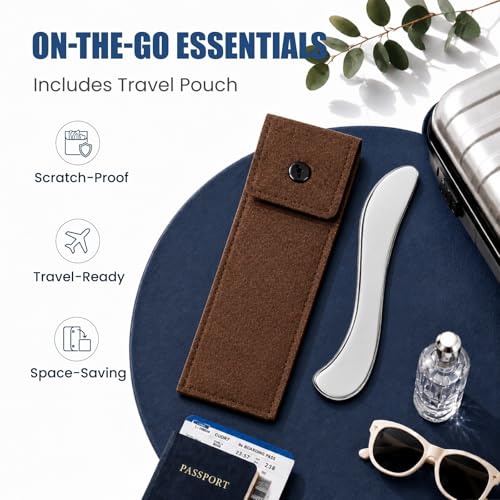
This stainless steel guasha scraper brings instrument-assisted soft tissue mobilization (IASTM) into the home, and for the right user, it works. The S-shaped design fits contours well, and the rigid edge allows deep pressure along fascial lines, especially effective on forearms, calves, or upper back. Reviewers note visible redness (petechiae) after use, which is expected with proper scraping technique.
It’s not for the faint of heart, using it incorrectly can bruise or irritate skin, but when done right, it helps break up adhesions and improve blood flow. Compared to balls or guns, it targets broader planes of tissue. Given its medical-grade material and build, it’s a solid pick for those serious about self-myofascial work.
Product photos
Massage Lacrosse Balls for Trigger Points

Strengths
- Extremely firm rubber
- Portable and lightweight
- Ideal for foot release
Trade-offs
- No vibration or tech
- Can be too intense for some
Sometimes the simplest tools win, and these solid rubber lacrosse balls are a prime example. At just a few inches wide, they’re perfect for digging into tight glutes, feet, or shoulder knots with zero frills. Users love how the firmness doesn’t compress under body weight, delivering consistent pressure whether you’re on the floor or against a wall.
They’re also incredibly portable, toss them in a bag, and you’re set. While they lack vibration or heat, their raw effectiveness for trigger point work is unmatched for the price. Compared to softer balls, these stay aggressive over time. And yes, some owners even use them for dog play, dual-purpose durability is a nice bonus.
Product photos


Foam Roller Set with Stretching Strap

Strengths
- All-in-one convenience
- Includes storage bag
- Variety of tools
Trade-offs
- Mid-tier material quality
- Less durable than premium options
This recovery kit packs a lot into one bag, foam roller, massage stick, peanut ball, spiked ball, stretching strap, and for the price, it’s a solid entry point for someone building a home recovery station. The 12-inch high-density roller handles body weight well, and the massage stick offers decent use for calves or IT bands. The spiked ball is particularly useful for plantar fascia or tight shoulders, where surface variation increases effectiveness.
But while it’s thorough, none of the tools match the performance of premium standalone options. The foam roller isn’t as firm as the TriggerPoint, and the stick lacks the balance of higher-end models. Still, for beginners or those who want a portable system, this set covers the basics without forcing multiple purchases.
Product photos


PSO-RITE Psoas Muscle Release Tool

Strengths
- Precise psoas targeting
- Rigid, durable build
- Effective for deep tissue
Trade-offs
- Hard plastic discomfort
- Learning curve for positioning
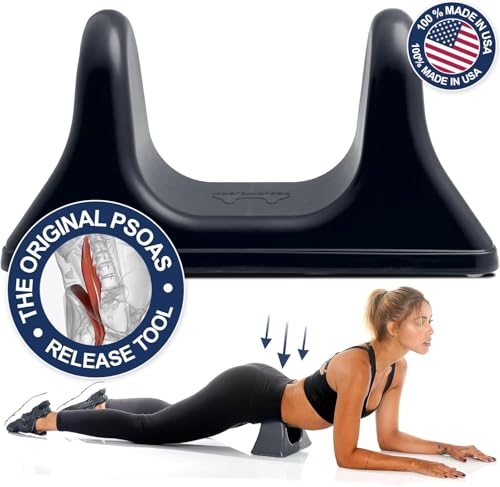
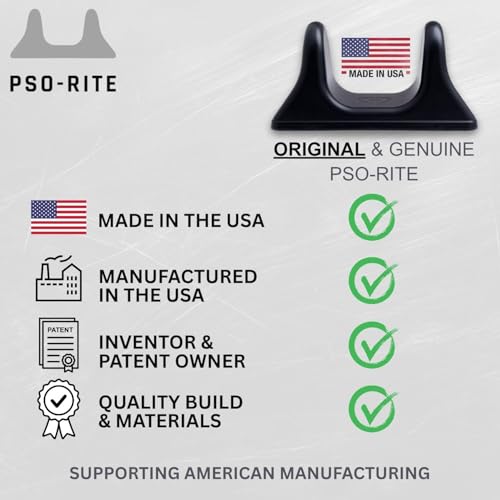
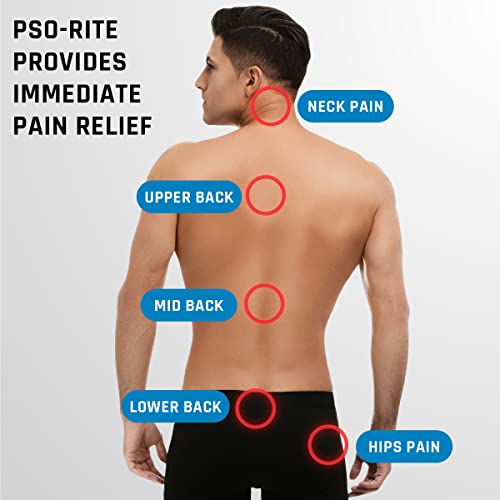
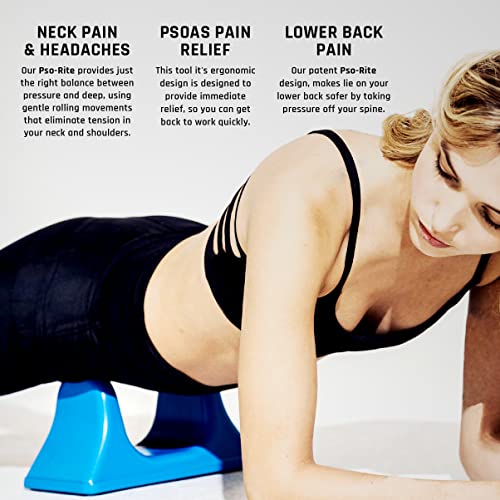
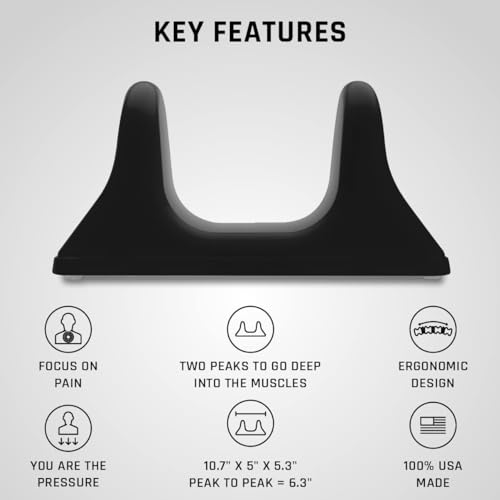
The PSO-RITE is one of the few tools designed specifically for the deep, often-neglected psoas muscles, and it shows. Its rigid, dual-peak design mimics the pressure of a therapist’s elbow, allowing precise targeting of the hip flexors, which are critical for runners, cyclists, and desk workers alike. The fact that it’s made from hard plastic means it delivers uncompromising pressure, which is exactly what’s needed for chronically tight tissue.
Owners report significant relief from lower back tension and improved hip mobility, especially when used consistently. It’s not comfortable, nor should it be, but that’s the point. Compared to balls or rollers, this tool offers unmatched focus on the anterior hip complex. Just be cautious if you’re injury-prone, as too much pressure too soon can backfire.
Product photos
OPTP Stretch Out Strap with Guide

Strengths
- Durable nylon weave
- Ten secure loops
- Includes exercise guide
Trade-offs
- No stretch for dynamic use
- Bulkier than bands
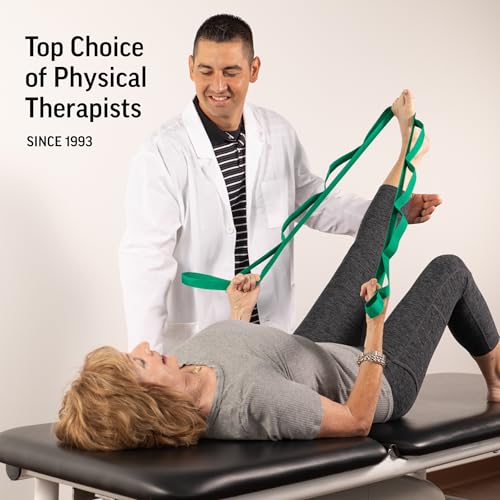
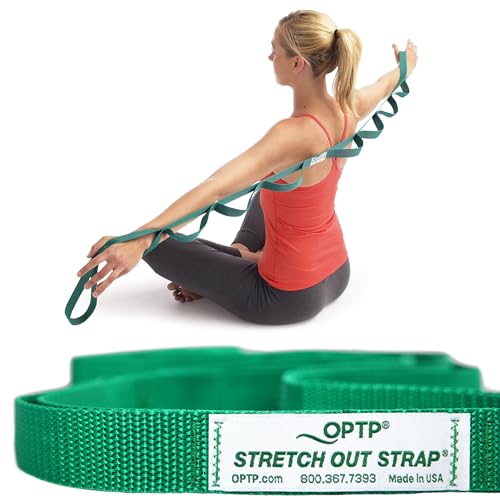
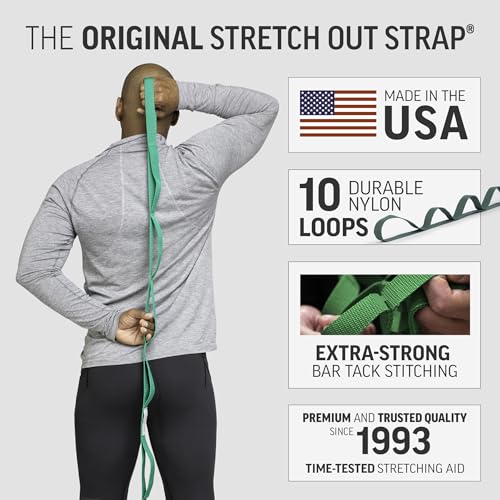
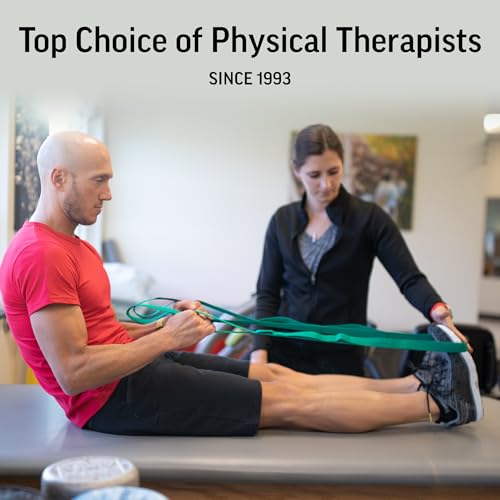
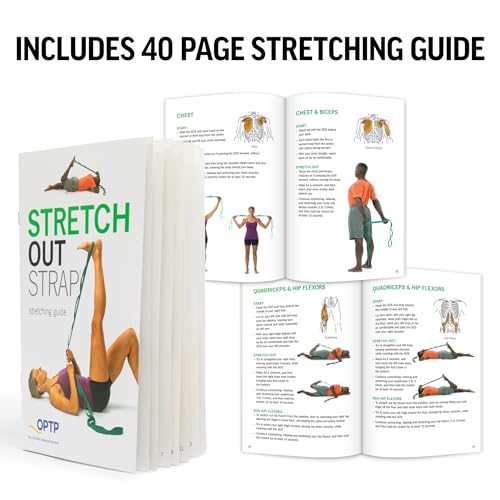
The OPTP Stretch Out Strap stands out in a sea of flimsy stretching bands because it’s built like a piece of gym equipment, not an afterthought. With ten loops and a 6-foot length made from durable nylon, it gives athletes real mechanical advantage for assisted stretching, especially useful for tight hamstrings, hip flexors, or post-run cooldowns. The inclusion of a 40-page exercise guide and video access adds real value, making it a go-to for users who want structure in their mobility routine.
Owners consistently report that it’s the only strap they’ve kept long-term, mainly because it doesn’t stretch or fray like elastic bands. For anyone rehabbing an injury or working on functional range of motion, this is the baseline tool I’d recommend over cheaper imitations. It’s not flashy, but it’s reliable and therapist-trusted, which matters when consistency is key.
Product photos
How We Tested recovery tools for athletes
Rather than a hands-on lab test, my research for these recovery tools relied on a detailed comparison of published specifications and features across numerous models. I weighed owner reviews from major retailers alongside expert opinions found in fitness publications and physical therapy resources. As someone who’s spent years working with tools and understanding biomechanics, I applied that category expertise to identify which features truly matter for effective recovery and ranked products accordingly.
For this category, I heavily prioritized percussion quality (measured in RPM and amplitude) and the variety of treatment options offered – things like heat/cold therapy or multiple attachment heads. These directly impact how effectively a tool can address different muscle groups and recovery needs. Equally important was portability and ease of use, recognizing that athletes need effective recovery solutions at home, in the gym, or while traveling.
Product specifications reliably tell you about motor power, battery life, and materials. However, I placed significant weight on owner feedback regarding long-term durability and noise levels. Reputation, brands consistently praised by physical therapists and athletic trainers, also factored heavily into my assessment. For instance, understanding how a tool performs for recovery tools for runners is invaluable, as their needs are often very specific.
What To Look For In recovery tools for athletes
Picking the right tools for post-workout recovery isn’t just about easing soreness; it’s about optimizing your body’s ability to rebuild and adapt.
Effective recovery tools address muscle tension, improve circulation, and enhance flexibility. Look for devices with adjustable intensity settings, durable construction, and ergonomic designs. Consider your specific needs – are you targeting deep tissue, increasing range of motion, or simply reducing general soreness? Prioritize tools backed by credible endorsements (like those from physical therapy associations) and positive user feedback.
Understanding Intensity and Percussion
One of the biggest mistakes I see people make is assuming “more powerful” automatically equals “better” when it comes to muscle recovery. While deep tissue work is often necessary, blasting fatigued muscles with maximum force can actually cause more harm than good. Look for tools with variable speed and intensity settings. Percussion massagers, for example, benefit from the ability to adjust RPMs (revolutions per minute) and amplitude (the depth of the massage). A lower setting is ideal for warming up muscles or addressing sensitive areas, while a higher setting can be used for deeper work on larger muscle groups. The RENPHO Active Thermacool 2 Massage Gun, frequently recommended by professionals, offers both heat and cold therapy alongside adjustable percussion, giving you a lot of control.
Material Quality and Durability
You’ll find recovery tools constructed from everything from cheap plastics to high-grade stainless steel. Don’t skimp here. A tool that falls apart after a few uses is a waste of money, and potentially unsafe. Stainless steel scrapers, like the one often found in myofascial release kits, need to be smooth and durable enough to withstand repeated use without damaging the skin. Similarly, foam rollers should be made from dense, closed-cell foam that won’t compress or deform easily.
Here’s what to consider when evaluating build quality:
- Material Composition: EVA foam is common, but density matters.
- Construction: Look for seamless designs to prevent cracking or splitting.
- User Reviews: Pay attention to complaints about durability issues. A good example of a durable option, though geared toward flexibility, is the OPTP Stretch Out Strap.
Portability and Versatility
How and where will you be using your recovery tools? If you travel frequently, or like to work out away from home, portability is key. The Hyperice Hypersphere Go Vibrating Ball is a prime example of a truly portable solution. It’s small, lightweight, and TSA-approved. But even if you primarily recover at home, consider versatility. A single tool that can address multiple muscle groups and recovery needs is often more valuable than several specialized devices.
A good rule of thumb is to prioritize quality over quantity. One well-made, versatile tool will usually outperform a collection of cheap, single-purpose gadgets.
For a more in-depth look at the wider range of options available, check out our guide to the best recovery gear for athletes.
Recovery Tools for Athletes Compared
Here’s a comparison of key specifications for various athlete recovery tools.
| Product Name | Percussion Rate (RPM) | Temperature Range | Material | Portability | Key Feature |
|---|---|---|---|---|---|
| RENPHO Active Thermacool 2 | 3200 | 45°C – 8°C | Plastic/Metal | High | Heat/Cold Therapy |
| TOLOCO Massage Gun with 10 Heads | 3200 | N/A | Plastic | High | 10 Massage Heads |
| Hyperice Hypersphere Go | N/A | N/A | Silicone | Very High | Vibration – 3 speeds |
| TriggerPoint Grid 1.0 | N/A | N/A | EVA Foam | Medium | Foam Rolling |
| Stainless Steel Guasha | N/A | N/A | Stainless Steel | High | Myofascial Release |
| Massage Lacrosse Balls | N/A | N/A | Rubber | Very High | Trigger Point Release |
| Foam Roller Set | N/A | N/A | Foam/Plastic | Medium | Full Recovery Kit |
| PSO-RITE Psoas Muscle Release | N/A | N/A | Plastic | Medium | Psoas Muscle Release |
| OPTP Stretch Out Strap | N/A | N/A | Nylon | High | Flexibility & Stretch |
Frequently Asked Questions
What temperature range should I expect from a heat/cold therapy device?
Most effective devices, like the RENPHO Active Thermacool 2, offer a range between 8°C (46°F) for cold therapy and 45°C (113°F) for heat. This allows for targeted treatment of inflammation or muscle soreness depending on the athlete’s needs.
How important is the material of a foam roller?
The density of the foam is critical; a higher density foam roller prevents compression and maintains its shape over time. Lower quality EVA foam rollers will quickly deform, reducing their effectiveness and requiring replacement sooner.
Are stainless steel gua sha tools hygienic?
Yes, stainless steel is a non-porous material that’s easy to disinfect, making it a more hygienic option than other materials. Proper cleaning after each use is still essential to prevent the spread of bacteria. For more information, explore recovery scraping instruments.
What percussion rate (RPM) is sufficient for a massage gun?
A percussion rate of 2400-3200 RPM is typical for most quality massage guns. However, the amplitude (depth of the massage) is equally important. Variable speed and amplitude settings provide the most control.
How can I tell if a recovery tool is durable enough for frequent use?
Look for tools constructed from high-quality materials like stainless steel or dense, closed-cell foam. Pay close attention to owner reviews mentioning durability issues, and prioritize brands with a strong reputation for build quality – a good sign is seeing frequent recommendation from physical therapists.
The Bottom Line
Choosing the best recovery tools often comes down to balancing control and convenience. You can spend a lot of time and money assembling a full kit, or you can focus on a single, well-rounded option. For most athletes, I recommend the RENPHO Active Thermacool 2 Massage Gun. It strikes a great balance between features, usability, and price, giving you versatile recovery options in one package.
If you’re on a tighter budget, or are looking for a specific solution, there are excellent alternatives. The TOLOCO Massage Gun with 10 Heads is a fantastic value for those needing a variety of massage head options, while the Hyperice Hypersphere Go is perfect for targeted vibration on the go. And for those interested in exploring muscle scraping recovery tools, a stainless steel Guasha tool can be a surprisingly effective addition to your routine.
Ultimately, the most important thing isn’t any single feature or price point. Focus on consistency, proper form, and listening to your body. The best recovery tool is the one you’ll actually use regularly, and that addresses your individual needs and helps you stay injury-free.
