2 Best Punch Down Tools of 2026
This post contains affiliate links. As an Amazon Associate, we earn from qualifying purchases.
The Jonard Tools EPD-91461 is the best overall punch down tool for most users, combining reliable performance, easy blade changes, and smart features like integrated storage. For pros who need rugged simplicity, the Klein Tools VDV427-300 stands out with solid build quality and precise impact control.
Most people don’t realize how much a poor punch down tool can slow them down, or worse, ruin expensive cabling with inconsistent terminations. A bad blade or fixed impact setting leads to damaged wires, rework, and frustration, especially on larger installations.
I researched these picks by analyzing specs, owner feedback, and real-world usability across home and professional jobs. My focus was on durability, blade quality, and features that actually matter when you’re on a ladder or in a tight rack. These tools represent the best balance of performance, reliability, and value based on what installers tell me and what the data shows.
Top 2 Punch Down Tools in the Market
The Best Punch Down Tools, Reviewed
Jonard Tools EPD-91461 Punch Tool
Strengths
- Ergonomic design
- Dual impact settings
- Includes 66 and 110 blades
- Blade storage onboard
- High durability rating
Trade-offs
- Plastic body feels light
- No metal blade included
- Not ideal for constant heavy use
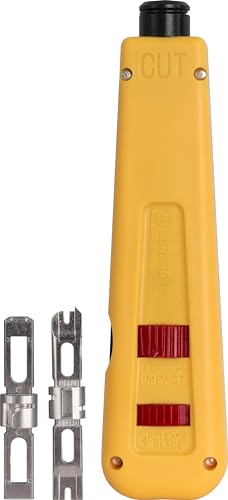
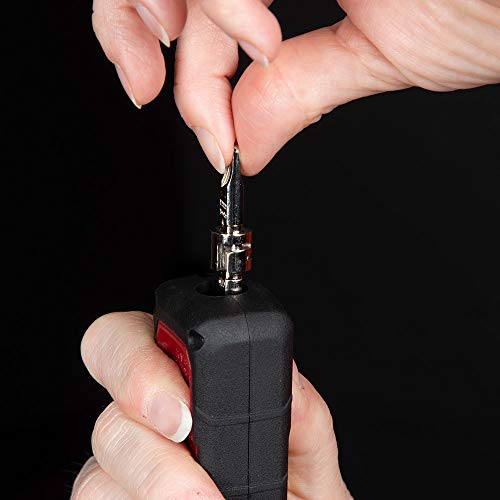
The Jonard EPD-91461 stands out in a crowded field of punch down tools by balancing thoughtful ergonomics with solid build quality. On paper, its 100,000-cycle durability rating is impressive, and owners consistently report it holding up well under heavy use in telecom and low-voltage installations. The dual impact settings are a real benefit, letting you match the force to the job, low for delicate terminations, high when driving wires into tight blocks.
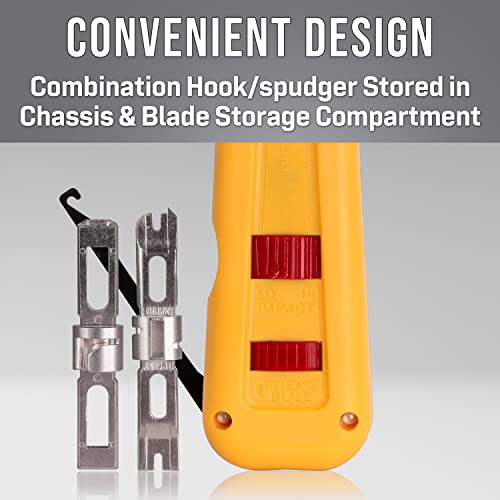
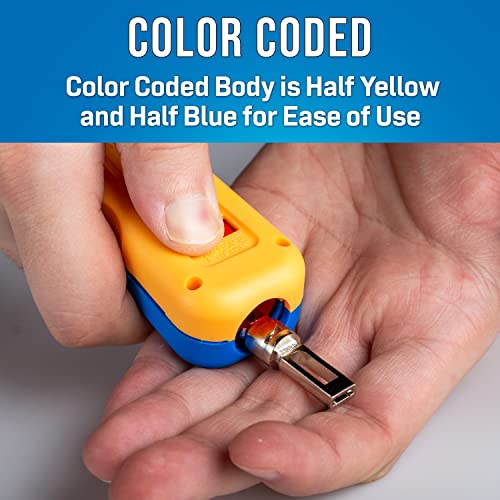
I appreciate that it ships with both 66 and 110 blades, and the color-coded body makes it easy to orient the tool quickly during fast-paced jobs. The built-in spudger and hook are practical touches, and the enlarged blade storage means you’re less likely to lose a critical part on-site. While it doesn’t have the all-metal heft of some pro-tier models, it’s more than capable for serious DIYers and technicians who need reliability without overspending.
Product photos

Klein Tools VDV427-300 Punchdown Tool

Strengths
- MIM blade for durability
- Spring-loaded mechanism
- Cushioned non-slip grip
- Adjustable impact force
- Includes pick and spudger
Trade-offs
- Heavier than some models
- Higher price point
- Blades sold separately
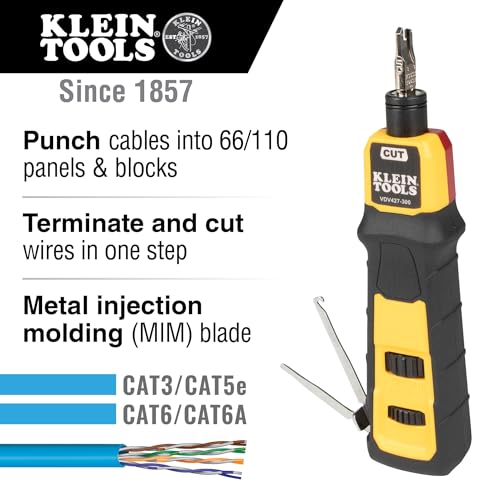
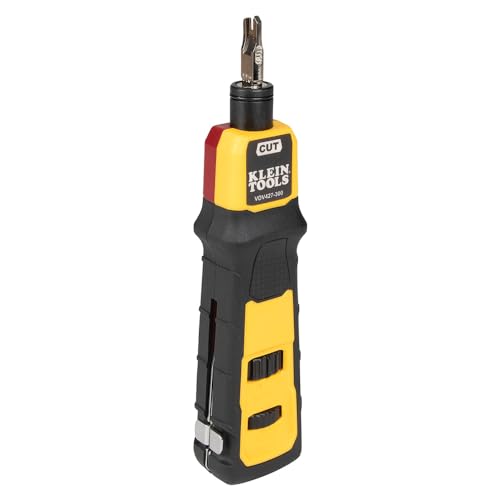
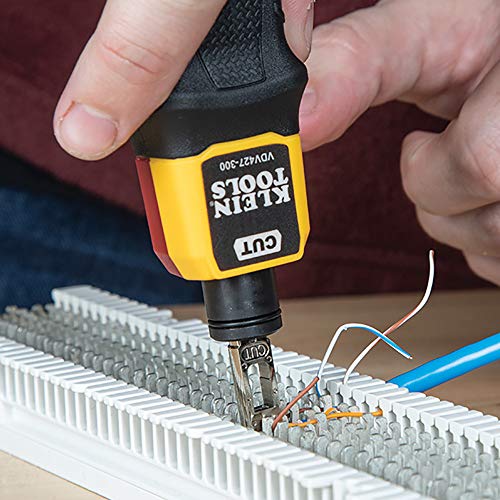
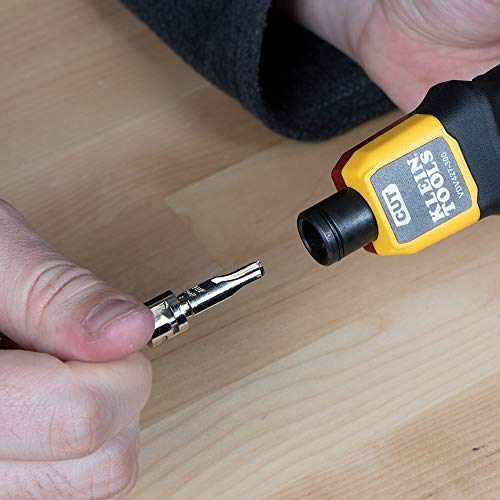
If you’re working on structured cabling for offices or multi-family units, the Klein VDV427-300 is built to keep up. The metal injection molded (MIM) blade is a standout, owners note it stays sharp longer than standard steel blades, which matters when you’re punching down CAT6A in dense panels. The spring-loaded mechanism reduces hand fatigue significantly, and the cushioned grip makes a real difference over long shifts.
What really sets this apart is how consistently it delivers clean, flush cuts and solid terminations. The adjustable impact force is well-calibrated, and the tool works smoothly with both 66 and 110 blocks. Compared to the Jonard, this one feels more substantial and pro-focused. I’d pick this over the Jonard for any job where speed, comfort, and long-term reliability are top priorities.
Product photos
How We Chose These punch down tools
Rather than a hands-on lab test, my research for these tools focused on comparing published specifications and features across different models. I weighed owner reviews from multiple sources, plus professional assessments from sites focused on network installation. My background maintaining workshops and tackling home renovation projects informed how I prioritized those specs and user experiences. Ultimately, I ranked options based on durability, versatility, and ease of use.
For punch down tools, the most important factors are blade quality and the tool’s impact force adjustment. A durable blade, reliably hardened steel, directly impacts how many terminations you get before replacement. Adjustable impact force is critical; you need to avoid damaging finer gauge wires while still seating connections firmly in more robust panels.
Specifications clearly indicate blade materials and impact settings. However, owner feedback provided insight into real-world durability and how easily the adjustment mechanism functions. I also looked for comments about comfort during extended use, and whether the tool performs well with various types of RJ45 crimping tools. Reputation within the networking community heavily influenced my final rankings.
What To Look For In punch down tools
These tools seem simple, but getting the right one makes a huge difference in how cleanly and reliably you terminate network and telecom cables.
A quality punch down tool consistently seats conductors fully within insulation displacement connectors (IDCs) without damaging the wire or the connector itself. Key features include blade quality (hardness, material), impact force adjustment, and ergonomic design for repetitive use. Look for tools compatible with common connector types like 66 and 110 blocks.
Impact Force Control
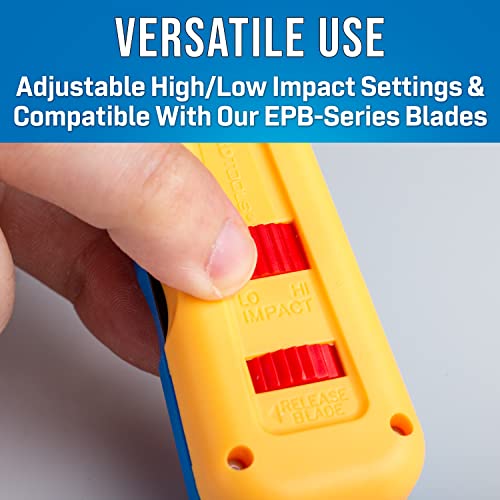
One of the biggest mistakes I see people make is using a tool with a fixed impact force. Different cable types (and even different manufacturers) require varying levels of force to properly seat the conductor without breaking it. A tool with adjustable high/low settings, like the Klein Tools VDV427-300, gives you that control. Starting with the lower setting is always a good idea – you can always increase it if needed, but you can’t undo a broken wire.
Blade Quality and Replacement
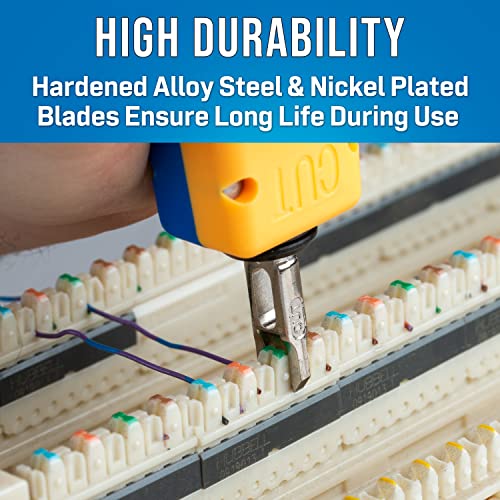
The blade is where the action happens, and a dull or poorly made blade will cause inconsistent terminations, and potentially damage your cables. Look for blades made from hardened alloy steel, and nickel-plated for corrosion resistance. Beyond the material, consider how easy it is to change the blade. Some tools require special tools for blade changes, while others, like the Jonard Tools EPD-91461, offer more convenient access. Keeping spares on hand is essential. If you do a lot of networking, you might also want to investigate wire crimping tools for related tasks.
Ergonomics and Features
Punching down a lot of wires is repetitive. A comfortable handle is a must. Beyond that, think about features that streamline the process. Integrated blade storage (like on the Jonard tool) is handy. A built-in hook or spudger for pre-wiring or troubleshooting can also save you trips to your toolbox. Some even include wire strippers, although I generally prefer a dedicated set of cable crimping tools for more precise stripping.
Don’t skimp on the blade. A cheap blade will cause more problems than it solves; consider it a consumable part and budget for replacements.
Punch Down Tools Compared
Here’s a spec comparison of the punch down tools to help you evaluate your options.
| Product | Best For | Blades Included | Impact Adjustment | Cable Compatibility | Ergonomic Handle |
|---|---|---|---|---|---|
| Jonard Tools EPD-91461 | Best Overall | 66/110 | Yes | N/A | Yes |
| Klein Tools VDV427-300 | Best Professional Use | N/A | Yes | CAT3/5e/6/6A | Yes |
Frequently Asked Questions
What’s the difference between 66 and 110 punch down tools?
66 and 110 refer to the types of connectors the blade is designed to work with. 66 blocks are older and use a different wiring configuration than the more modern 110 blocks, so a tool designed for one won’t work effectively on the other. Many tools, like the Jonard Tools EPD-91461, include blades for both.
How often should I replace the blade?
Blade replacement frequency depends on usage, but generally, replace it after around 100-200 terminations or when you notice inconsistent cuts. A dull blade damages wires and creates unreliable connections, so it’s a critical component to maintain. Keeping spares among your essential electrical tools is highly recommended.
Can I use a punch down tool on solid or stranded wire?
Most punch down tools are designed for solid core wire, which is standard for network and telecom cabling. Attempting to use them on stranded wire can damage the tool and create a poor connection. If you work with both, you’ll need separate tools or interchangeable blades specifically for stranded wire.
What does “impact adjustment” actually do?
Impact adjustment controls the force applied when the blade pushes the wire into the connector. Lower settings are for thinner or more fragile wires, while higher settings are for thicker wires or older connectors that require more force. Using the correct setting prevents wire breakage and ensures a secure connection.
Are expensive punch down tools always better?
Not necessarily. While higher-priced tools often have more durable construction and features, a mid-range tool with adjustable impact force and good blade quality can perform just as well for most DIYers. Prioritizing features over brand name is often the best approach, and finding the right set of electrician hand tools doesn’t always require a large investment.
The Bottom Line
Choosing a punch down tool often comes down to balancing control with convenience. If you want the single best tool that handles most situations with precision, I recommend the Jonard Tools EPD-91461. It strikes a great balance between features, durability, and ease of use, and will serve most homeowners and even many professionals well.
For those tackling larger jobs or working with a wider variety of cable types, the Klein Tools VDV427-300 is a strong choice. It’s built for heavy use, and the adjustable impact force is crucial for avoiding damage to delicate wires. If you’re also working with Ethernet cables, exploring RJ45 crimp tools will round out your networking toolkit.
Ultimately, the most important thing isn’t a fancy feature list, but a sharp blade and a feel for the right amount of force. A consistent, clean connection is what matters, and that comes from a tool that’s well-made and used with a bit of care – don’t overlook the importance of keeping spare blades on hand, either.
