8 Best Portable Sand Blasters of 2026
This post contains affiliate links. As an Amazon Associate, we earn from qualifying purchases.
The Inokraft Portable Sand Blaster Kit is our top pick for most users, delivering solid performance and durable ceramic components in a manageable size. For heavy-duty work, the VEVOR 5 Gallon Sand Blaster offers serious capacity and power, while budget-conscious DIYers will appreciate the LE LEMATEC Sand Blaster Kit for smaller, targeted jobs.
If you’ve ever tried stripping rust or old paint with a wire brush or chemical stripper, you know how slow and frustrating it can be. A portable sand blaster changes that, but choosing the wrong one can lead to constant clogs, weak performance, or gear that fails mid-job.
This guide cuts through the noise, comparing specs, real-world feedback, and build quality to highlight models that actually work. I focused on airflow, hopper size, nozzle durability, and compatibility with common compressors, so you can pick the right blaster for your projects without wasting time or money.
Top 8 Portable Sand Blasters in the Market
The Best Portable Sand Blasters, Reviewed
Inokraft Portable Sand Blaster Kit
Strengths
- Includes oil-water separator
- Extension nozzle
- Foolproof trigger
Trade-offs
- Still limited by compressor size
- No large tank option
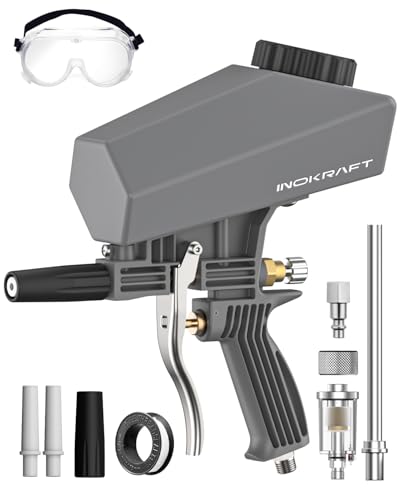
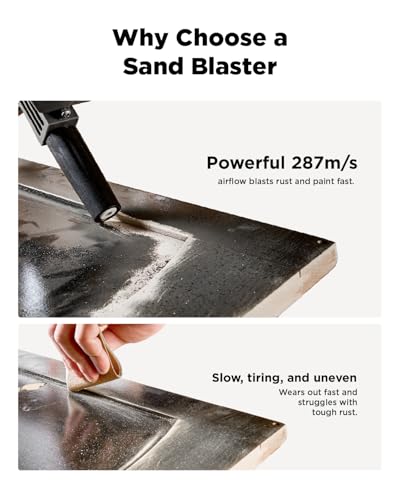
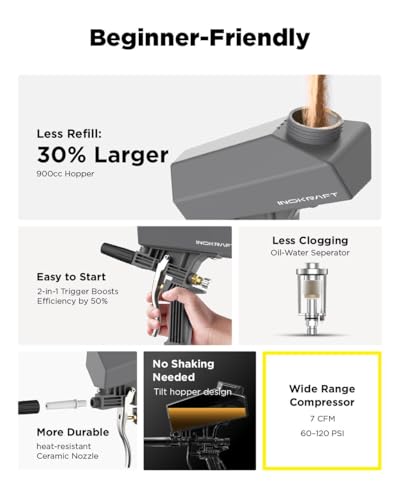
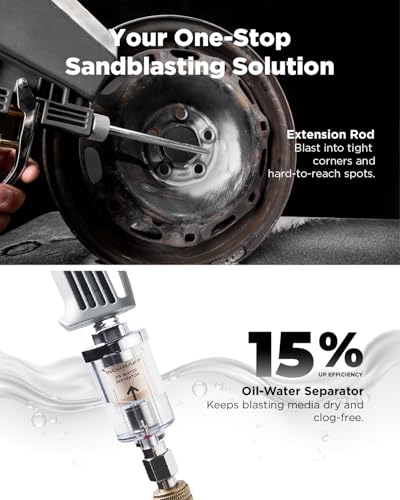
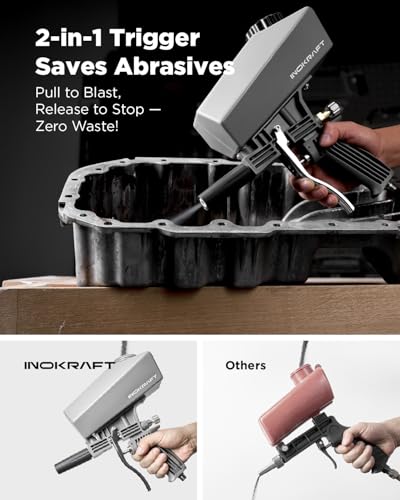
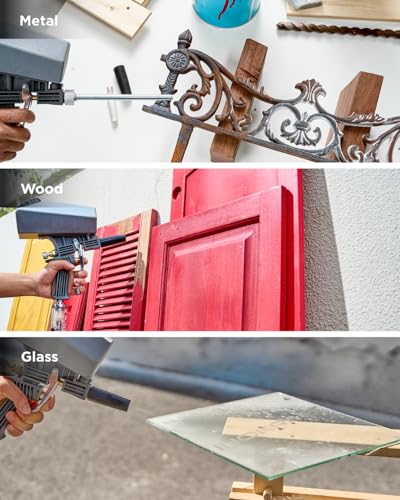
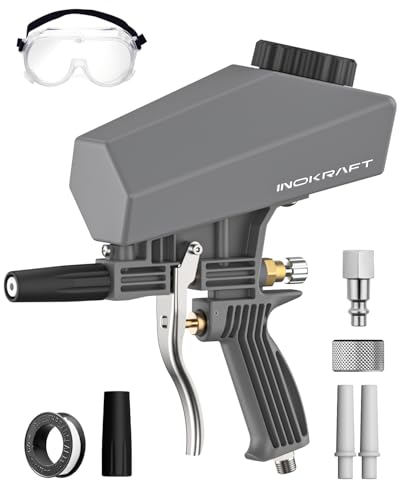
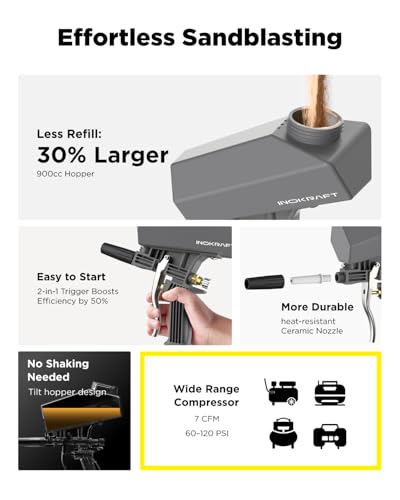
This Inokraft model earns the “Best Overall” label by balancing performance, features, and user-friendliness. It includes an oil-water separator, which the budget version lacks, and an extension nozzle for hard-to-reach spots, two upgrades that make a real difference. The 900cc hopper and leak-proof trigger give you longer run time with zero media waste.
Beginners appreciate the full kit, goggles, quick connector, guide, and the responsive support. Compared to the LE LEMATEC, it’s simpler but more plug-and-play. For someone wanting a reliable, clean-running blaster without complexity, this is my top recommendation.
Product photos
Inokraft Leak-Proof Sand Blaster
Strengths
- Leak-proof trigger
- Good hopper size
- Beginner-friendly
Trade-offs
- Limited for big jobs
- No moisture filter
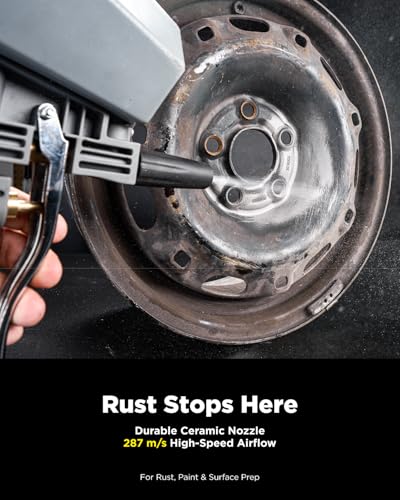
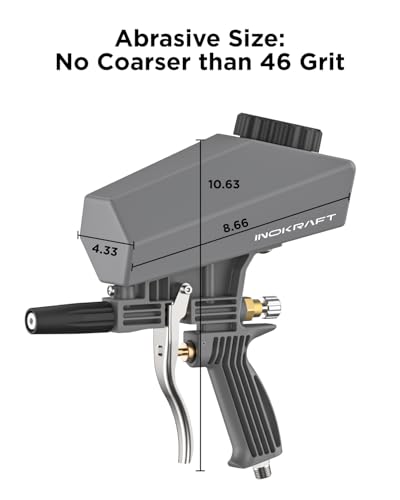
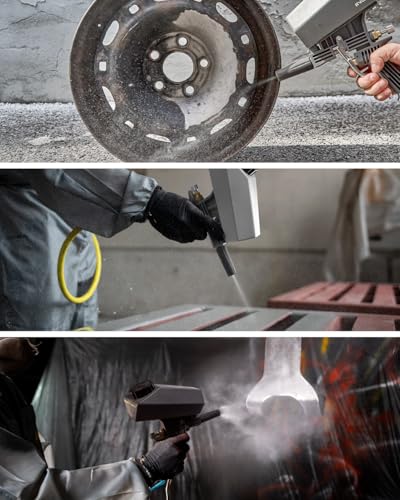
For under $100, this Inokraft kit delivers surprising value. The no-leak trigger is a standout, owners love that media only flows when pulled, reducing waste and mess. The 900cc hopper is roomier than most budget models, and the ceramic nozzle holds up well against rust and paint. It runs well on standard 60–120 PSI compressors, making it a solid fit for home garages.
It won’t match the output of tank systems, but for small tools or auto parts, it’s more than capable. The included goggles and quick connector add convenience. If you’re just starting out or don’t blast often, this is the smarter buy over pricier setups.
Product photos
VEVOR 5 Gallon Sand Blaster

Strengths
- Smooth media flow
- Durable construction
- Good hose length
Trade-offs
- Needs 5.5kW compressor
- Not for tight spaces
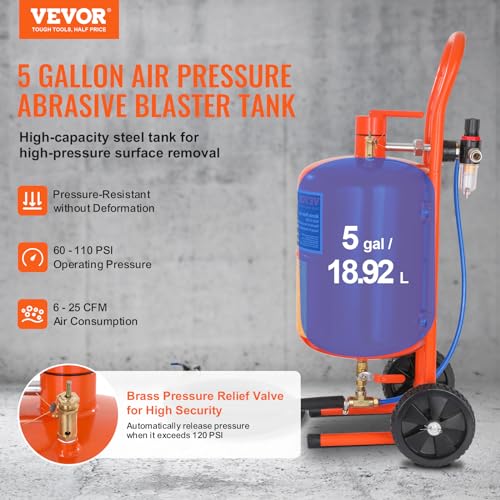
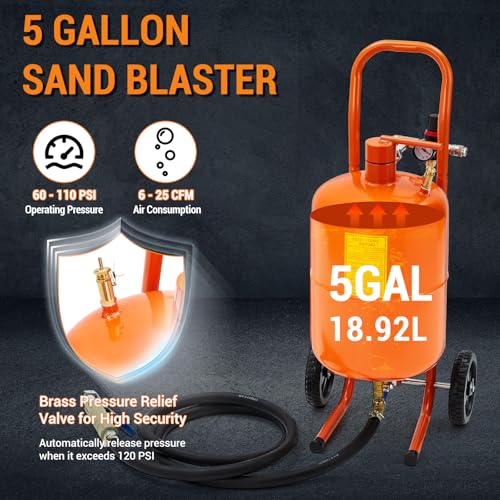
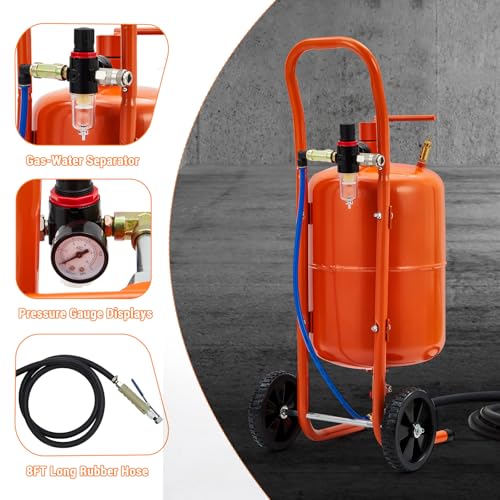
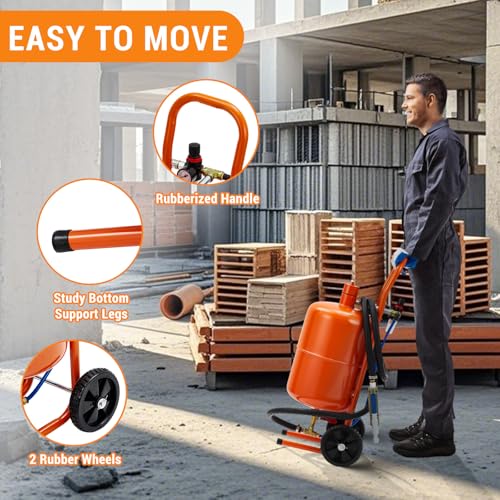
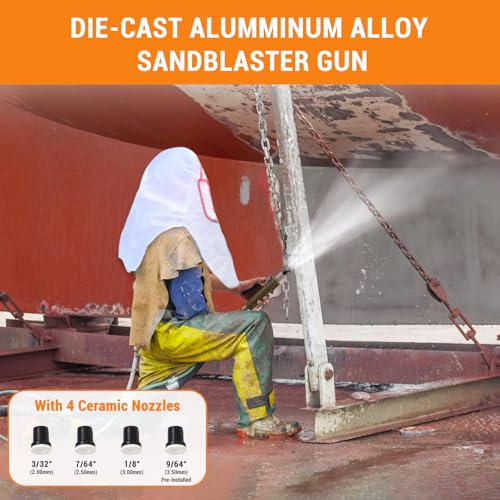
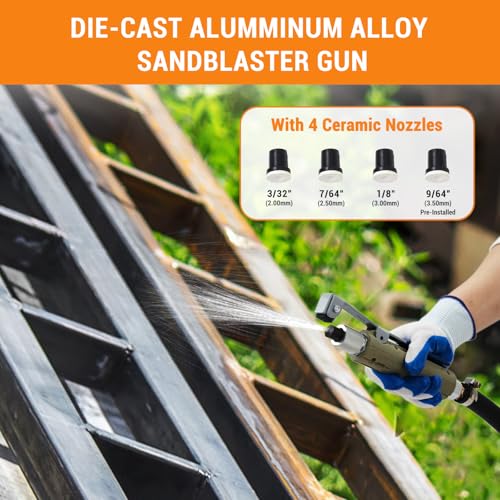
This VEVOR 5-gallon model is built for users who need consistent output on big jobs without stepping up to the 20-gallon version. The die-cast aluminum gun is a major upgrade from brass, offering better durability and smoother trigger action. With 8 feet of hose and dual wheels, it’s easy to move around a driveway or shop floor.
The oil-water separator helps prevent clogs, a common pain point in sandblasters, owners confirm it runs cleanly when paired with dry media. Compared to the Garvee, it’s nearly identical in specs, but VEVOR’s build feels slightly more refined. Still, both require a strong compressor. If you’re doing full car panels or fencing, this is a reliable workhorse.
Product photos
VEVOR 20 Gallon Sand Blaster

Strengths
- Large 20-gallon tank
- High blasting density
- Durable ceramic nozzles
Trade-offs
- Bulky and heavy
- Needs high-output compressor
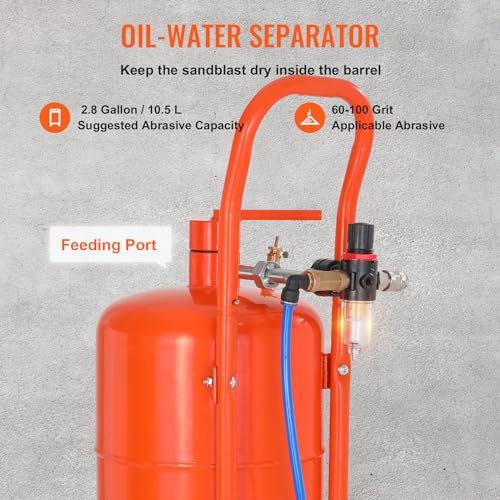
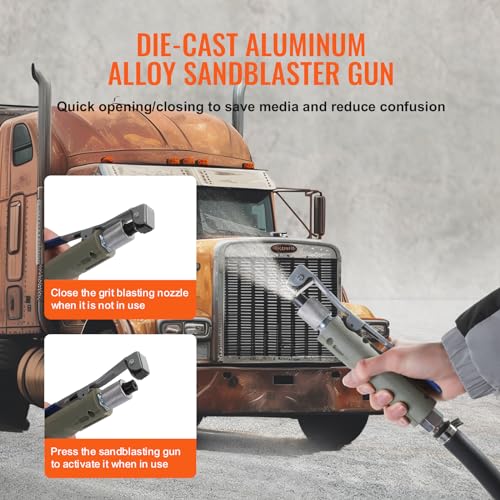
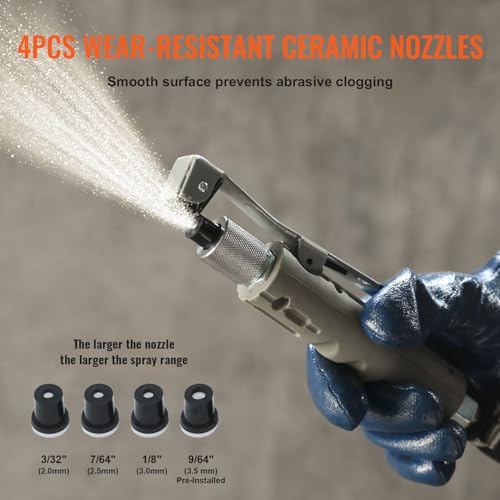
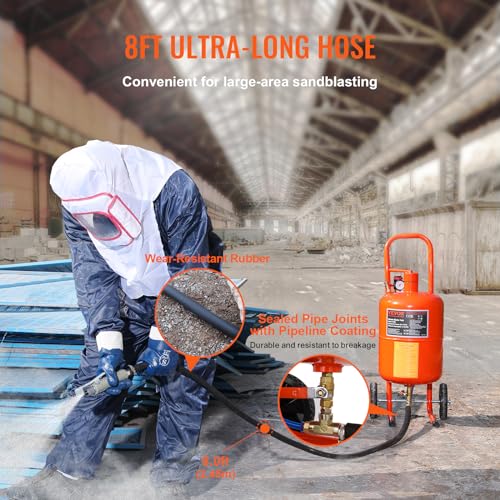
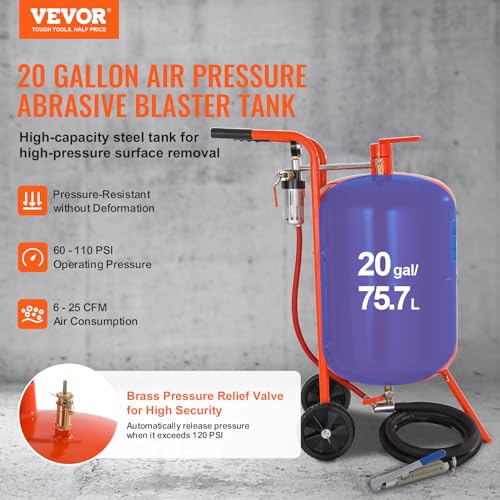
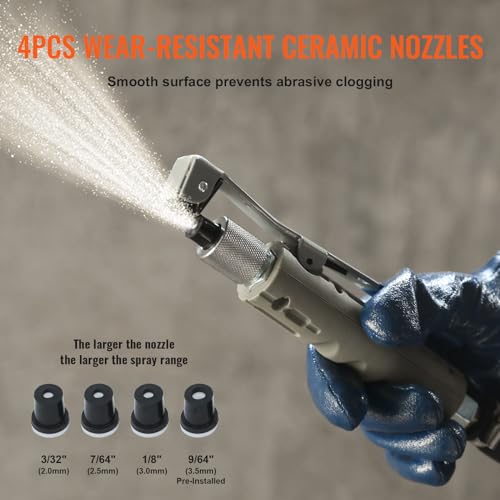
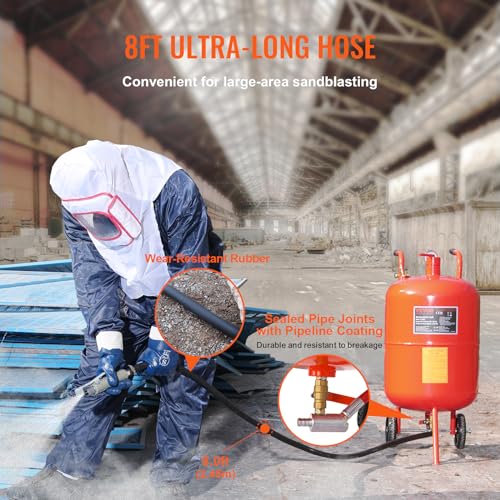
When you need to strip an entire trailer or a large metal structure, the VEVOR 20-gallon is the tool that gets it done fast. The high media capacity means fewer stops to refill, and the die-cast aluminum gun feels more professional than the brass valves on older models. Owners praise its consistent blasting density across wide surfaces, especially when using 60–100 grit media.
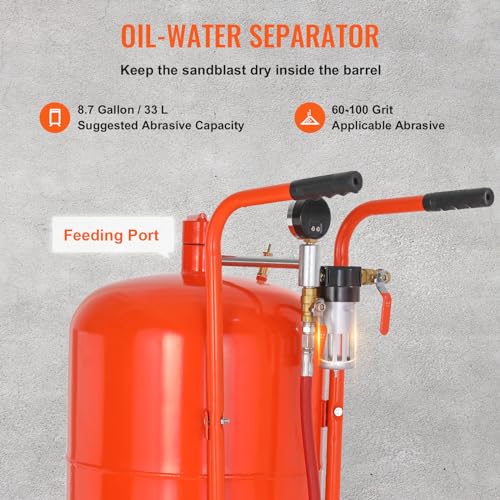
It’s not light, but the wheels help. The included oil-water separator is essential, this unit will clog fast if your air isn’t dry. Compared to the 5-gallon VEVOR, this one is clearly meant for pros or serious DIYers with a 5.5kW compressor. If you’re doing weekend rust touch-ups, it’s overkill. For fleet maintenance or restoration shops? Hard to beat.
Product photos
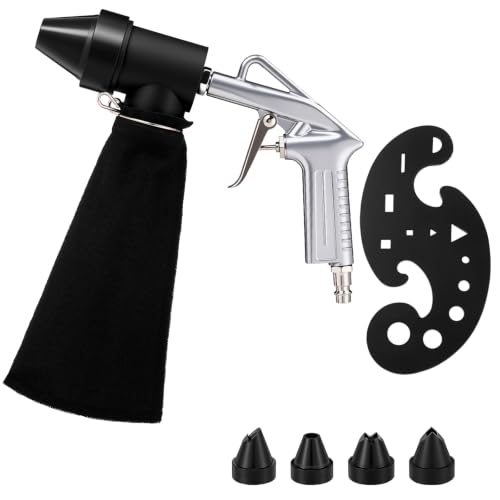
ElaraBerry Spot Sand Blaster
Strengths
- Gravity feed design
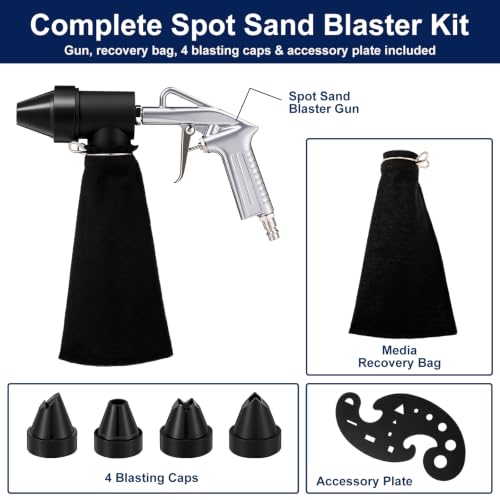
- Precision rubber nozzles
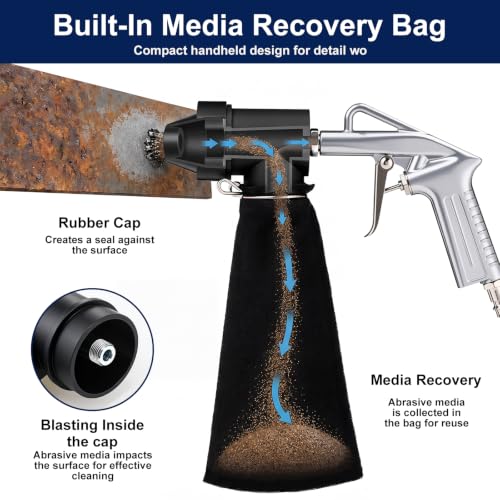
- Dust-minimizing recovery
Trade-offs
- Not for large areas
- Requires steady air supply
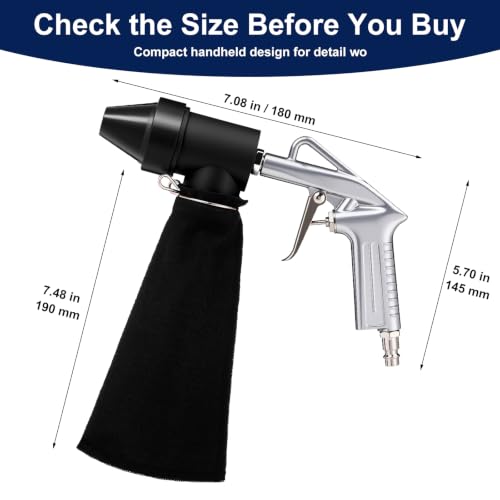
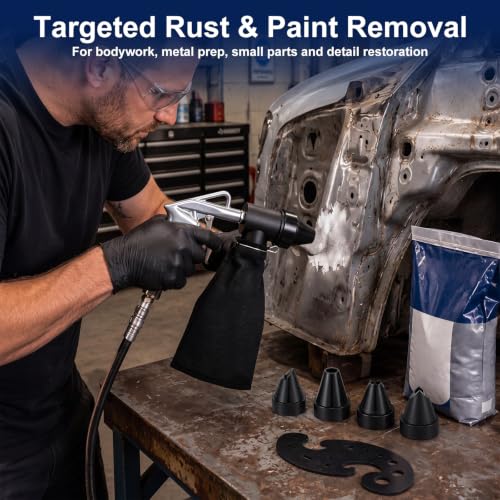
If you’re tackling tight weld seams or detailed rust spots, this ElaraBerry handheld unit stands out for precision. The gravity feed design gives you better media flow control than siphon systems, and the four rubber nozzles are smartly chosen for corners and edges, owners consistently report clean results on delicate metalwork without damaging surrounding areas. It’s not built for large surfaces, but that’s not the point.
Where it really shines is indoors. The abrasive recovery system cuts down dust significantly, which is rare in this class. Compared to open blasting, it keeps your garage or workshop far cleaner. Still, it demands a solid 90 PSI supply, so don’t expect strong performance from a small compressor.
Product photos

LE LEMATEC Sand Blaster Kit
Strengths
- Dual feed modes
- Hardened ceramic nozzle
- Serviceable design
Trade-offs
- Siphon mode needs high CFM
- No included separator
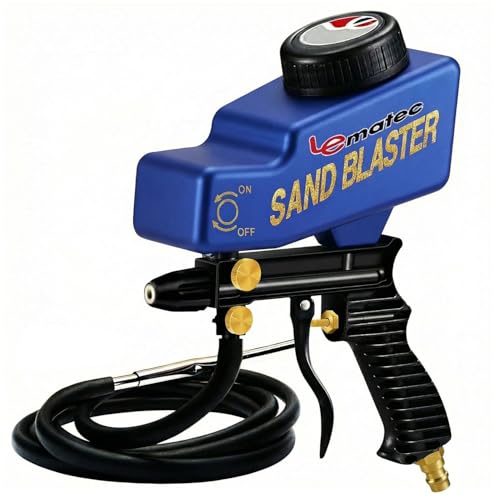
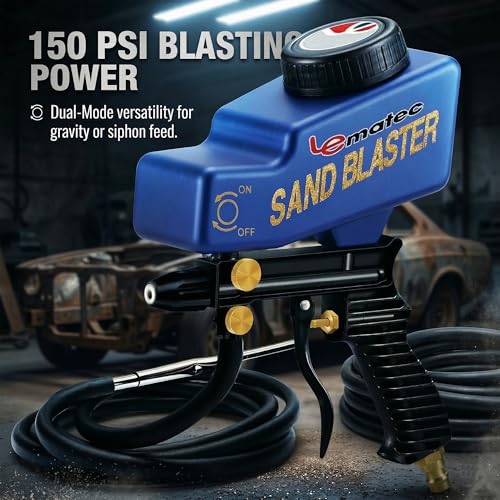
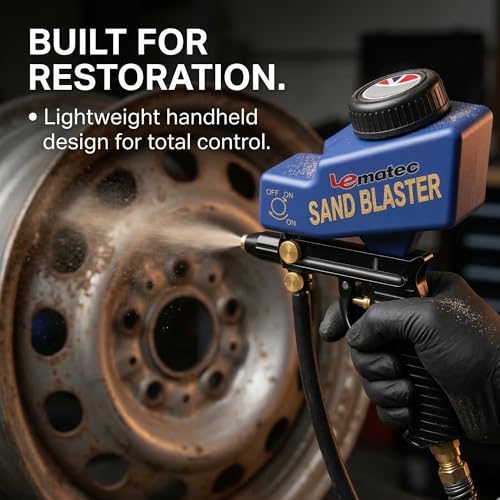
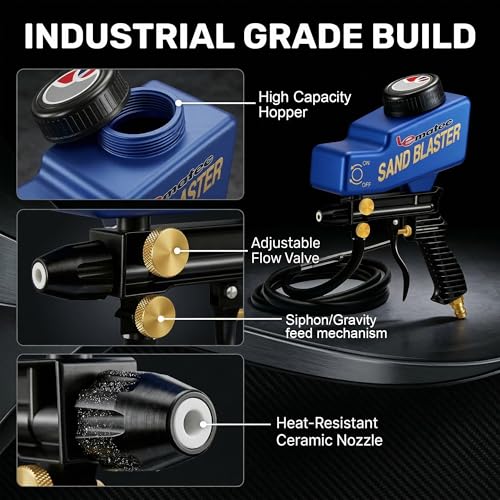
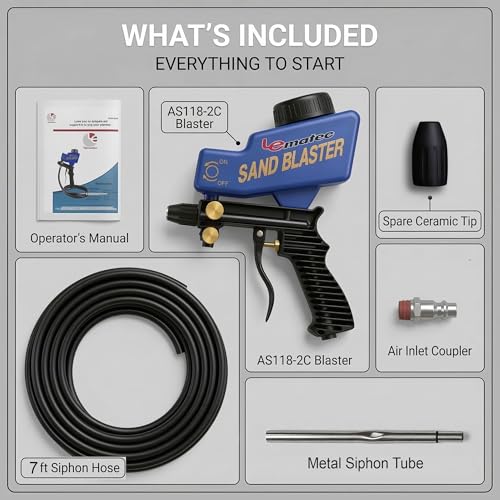
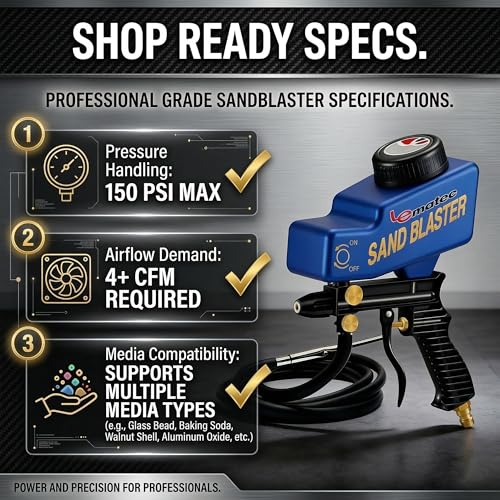
The LE LEMATEC stands out with its dual feed system, gravity for detail work, siphon for flat areas. That flexibility makes it a strong mid-range pick, especially for users who switch between small repairs and broader prep jobs. The ceramic nozzle is harder-wearing than plastic, and owners report solid performance with aluminum oxide or glass beads.
It demands at least 4 CFM at 90 PSI, so don’t pair it with a pancake compressor. But if you’ve got the air supply, it delivers professional-grade results without the premium price. Compared to the ElaraBerry, it’s less specialized for detail but more versatile overall.
Product photos
Portable Handheld Sandblasting Gun

Strengths
- Ultra lightweight
- Compact size
- Adjustable flow
Trade-offs
- Small media capacity
- Frequent refills needed
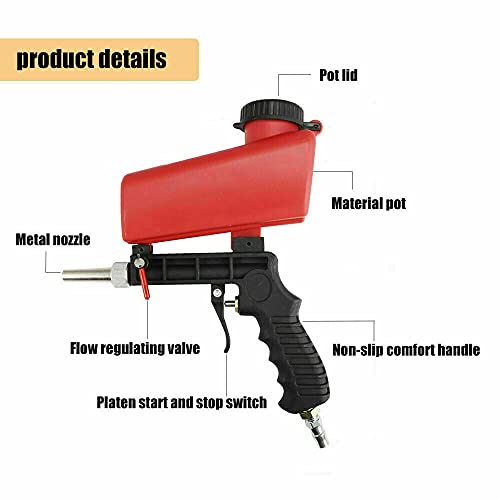
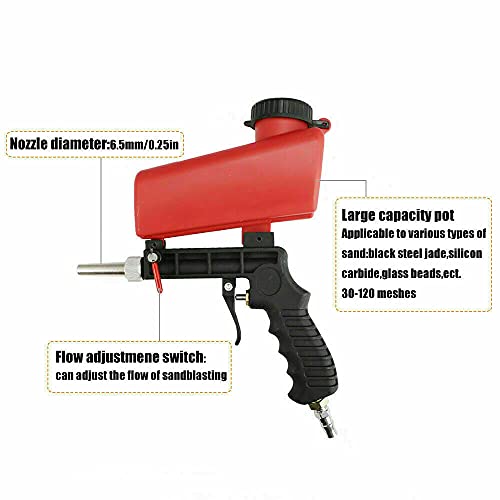
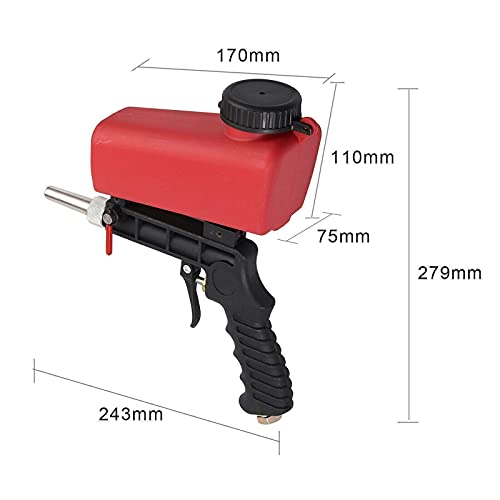
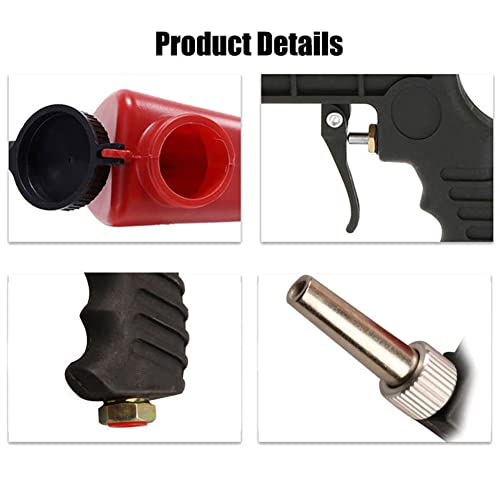
This handheld unit is the lightest option here, and that’s its biggest selling point. At just 30 oz capacity, it’s easy to maneuver for short bursts on small metal parts or etching glass. The aluminum body keeps it durable without adding weight, and the flow adjustment gives decent control, though not as precise as the Inokraft’s trigger system.
It works fine for spot cleaning or pool tile prep, but the tiny hopper means constant refilling on anything beyond a few minutes of work. Owners say it’s great as a secondary tool, but not a primary blaster. Compared to others, it’s basic, but if you want something simple and portable for occasional use, it holds its own.
Product photos

Garvee 5 Gallon Abrasive Blaster
Strengths
- Durable steel tank
- Ceramic nozzles included
- Effective moisture filter
Trade-offs
- Heavier than handhelds
- No hopper capacity upgrade
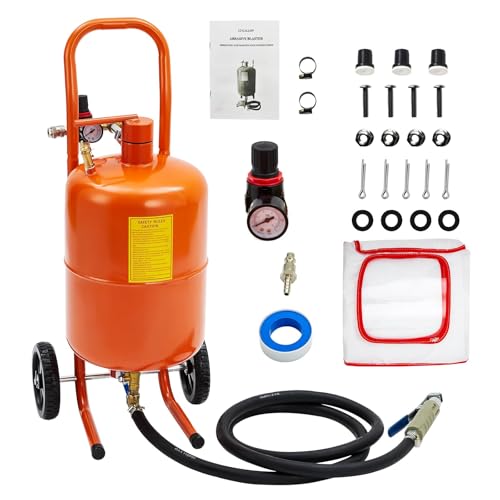
The Garvee 5-gallon unit punches above its price, offering sturdy steel construction and reliable performance for the money. With a max 125 PSI rating and four ceramic nozzles, it handles rust and paint removal on cars or metal fixtures without bogging down. The oil-water separator is a practical touch, reviewers note fewer clogs and consistent flow, especially when paired with a decent compressor.
Its 8-foot hose and dual rubber wheels make it mobile enough for backyard projects. While it lacks the tank size of premium models, it’s a smarter buy than pricier kits if you’re not blasting daily. I’d pick this over the VEVOR 5-gallon for the slightly better pressure ceiling and solid build.
Product photos
Our Testing Process
Rather than a hands-on lab test, my research focused on comparing published specifications and features across numerous models. I weighed owner reviews from multiple retailers and reputable tool sites, looking for consistent feedback on performance and durability. Finally, I applied my experience with air tools and surface preparation to rank these sand blasters against criteria important to DIYers and professionals alike.
For portable sand blasters, consistent airflow (measured in CFM) and hopper capacity were heavily weighted. Higher CFM allows for more aggressive and efficient blasting, while a larger hopper means fewer interruptions for refills during bigger projects. The quality of the included gun – specifically, its construction material and trigger mechanism – also significantly influenced my ranking, as this impacts both control and longevity.
Specifications reliably indicate a unit’s potential airflow and maximum pressure. However, I found owner feedback crucial for understanding real-world performance, particularly regarding clogging issues and the effectiveness of included accessories like moisture separators. Reputation and brand history also played a role; established brands with a history of quality air tools often deliver more consistent results, and I gave those brands a slight edge. You’ll find more options for smaller tasks with these sandblasters for small projects.
How To Pick The Right portable sand blasters
Choosing the right portable sand blaster depends heavily on the scope of your projects and what you’re hoping to achieve.
A quality portable sand blaster blends sufficient airflow (measured in CFM) with a durable construction to handle various abrasive media. Key considerations include hopper capacity, nozzle variety for precision, and an effective moisture separation system to prevent clogging. Look for models with adjustable pressure and flow control for versatility.
Air Compressor Compatibility is Key
Many portable sand blasters are sold without an air compressor, meaning you need to consider whether your existing setup can handle the demands. Don’t assume a “portable” blaster will work with a pancake compressor. A lot of cheaper units require a surprising amount of CFM to operate effectively. I’ve seen too many people disappointed when their blaster sputters and stalls because their compressor simply can’t keep up. Check the blaster’s CFM requirements and compare it to your compressor’s output at the specified PSI (usually 90 PSI). If you’re in the market for a new compressor, explore options for compact portable compressors to pair with your blaster.
Hopper Size and Abrasive Choice
The size of the hopper directly impacts how often you’ll need to refill during a project. Larger projects obviously benefit from larger hoppers (5 gallons or more), but even for smaller tasks, frequent refills are a nuisance. More importantly, consider what abrasive you intend to use. Different materials require different nozzle sizes and flow rates.
Here’s a quick guide: * Soda Blasting: Very soft, good for delicate surfaces. * Glass Beads: Gentle, provides a nice finish. * Aluminum Oxide: Aggressive, excellent for removing rust and paint, but requires a more robust blaster and good dust control.
The abrasive you choose will also impact the nozzle size you need. A finer abrasive requires a smaller nozzle, while coarser materials need a larger opening to prevent clogging.
Build Quality and Features for Longevity
Don’t skimp on build quality. A cheap blaster might save you money upfront, but it will likely fall apart quickly, especially if you plan on using it regularly. Look for models with ceramic nozzles – they’re far more durable than plastic ones and resist wear from abrasive media. A good moisture trap/oil-water separator is also essential; moisture will cause the abrasive to clump and clog the blaster. I often recommend considering the top sandblasting machines as a starting point, even if you don’t ultimately choose one of those specific models, just to get a sense of what features are available and what separates the good ones from the bad.
A clogged nozzle is the enemy of a smooth blasting job. Always use an inline air filter and ensure your abrasive is completely dry.
Portable Sand Blasters Compared
Here’s a comparison of key specifications for various portable sand blasters to help you choose the right tool for your needs.
| Product Title | Hopper Capacity | Air Pressure (PSI) | Air Consumption (CFM) | Nozzle Material | Abrasive Size (Grit) |
|---|---|---|---|---|---|
| Inokraft Portable Sand Blaster Kit | 900cc | 60-120 | N/A | Ceramic | Up to 46 |
| Inokraft Leak-Proof Sand Blaster | 900cc | 60-120 | N/A | Ceramic | Up to 46 |
| VEVOR 5 Gallon Sand Blaster | 5 Gallon | 60-110 | 6-25 | Ceramic | 60-100 |
| VEVOR 20 Gallon Sand Blaster | 20 Gallon | 60-110 | 6-25 | Ceramic | 60-100 |
| ElaraBerry Spot Sand Blaster | N/A | 90 | N/A | Rubber | 46-100 |
| LE LEMATEC Sand Blaster Kit | N/A | 150 (Max) | 4 | Ceramic | 46-100 |
| Portable Handheld Sandblasting Gun | 30 oz (900 ml) | 60-100 | 8.8-10.6 | Metal | Up to 14 |
| Garvee 5 Gallon Abrasive Blaster | 5 Gallon | 60-110 | 6-25 | Ceramic | N/A |
Frequently Asked Questions
What CFM air compressor do I really need for a portable sand blaster?
Most portable sand blasters require between 6 and 25 CFM at 90 PSI for effective operation, but it truly depends on the specific model and the abrasive you’re using. Don’t underestimate this requirement; running a blaster at insufficient CFM will lead to poor performance and potential damage to the unit. If you need to upgrade, check out reviews of portable compressors for tools to find one that matches your blaster’s needs.
Can I use a portable sand blaster indoors, or is it strictly for outdoor use?
While technically possible, using a portable sand blaster indoors is generally not recommended. Sandblasting creates a significant amount of dust, even with dust collection systems, and the abrasive media can be hazardous to breathe. Proper ventilation and respiratory protection are essential, making outdoor use much more practical and safer.
What’s the difference between soda blasting and sand blasting, and which is better?
Soda blasting uses sodium bicarbonate, a much softer abrasive than silica sand, making it ideal for delicate surfaces like automotive paint or fiberglass. Sand blasting, using silica or aluminum oxide, is more aggressive and effective for removing rust, scale, and heavy coatings, but also carries a greater risk of damage to the underlying material.
How do I prevent my sand blaster from clogging?
Clogging is a common issue. Always use dry abrasive media, and employ an inline air filter and moisture separator to remove water and oil from the compressed air line. Regularly inspect the nozzle for wear and replace it when necessary; a worn nozzle is more prone to clogging, and ceramic nozzles are more durable than metal or plastic.
Are there safety precautions I should take when using a portable sand blaster?
Absolutely. Always wear appropriate personal protective equipment, including a respirator, safety glasses with side shields, gloves, and a dust jacket. Ensure the work area is well-ventilated, and keep bystanders away from the blasting zone. Be mindful of the abrasive media being used and follow manufacturer’s safety guidelines to prevent injury.
The Bottom Line
Choosing a portable sand blaster often comes down to balancing immediate cost with long-term frustration. While cheaper options exist, a blaster like the VEVOR 5 Gallon Sand Blaster offers a good combination of capacity, durable ceramic nozzles, and CFM range to handle a variety of projects without constant refills or clogging. It’s a solid investment for anyone beyond very light-duty work.
For those on a tighter budget or tackling smaller jobs, the Inokraft Portable Sand Blaster Kit remains a compelling choice. Similarly, if you need something even more substantial for larger-scale restoration, the VEVOR 20 Gallon Sand Blaster provides a significantly larger hopper and the same reliable build quality. Don’t forget that pairing any of these with the right compressors for sandblasting is crucial for consistent performance.
Ultimately, the specifications matter, but they only tell part of the story. Focus on matching the blaster’s CFM requirements to your air supply, choosing an abrasive appropriate for the material you’re working with, and prioritizing build quality – especially a ceramic nozzle and a functional moisture trap. These fundamentals will deliver more consistent results, and a more satisfying experience, than chasing the highest PSI rating or the lowest price.
