2 Best Pocket Tools of 2026
This post contains affiliate links. As an Amazon Associate, we earn from qualifying purchases.
The Klein Tools 4-in-1 Precision Screwdriver is the best overall pocket tool for everyday reliability and clean design, while the Klein Tools 8-in-1 Impact Screwdriver stands out as the top choice for heavy-duty tasks and bit versatility. Both deliver the build quality and functional simplicity that make pocket tools worth carrying.
Most pocket tools either fail by being too flimsy to use or too small to be practical. I’ve seen plenty that look clever on paper but fall apart after two uses or lack the right bits for real problems. After comparing the field and weighing owner feedback, I focused on tools that strike a balance between durability, usability, and smart bit selection.
This guide covers what actually matters when choosing one: build materials, bit relevance, grip comfort, and how well it holds up over time. These picks aren’t based on hype, they’re grounded in specs and real-world performance from people who use them daily.
Top 2 Pocket Tools in the Market
The Best Pocket Tools, Reviewed
Klein Tools 4-in-1 Precision Screwdriver

Strengths
- Dual-length barrel
- Precision heat-treated bits
- Comfortable grip
- Compact with pocket clip
Trade-offs
- No square or Torx bits included
- Not impact rated
- Limited to light-duty tasks
This is the kind of tool I recommend when someone asks for one precision driver that actually covers the essentials without turning into a cluttered bit case. The 32614 nails the balance between utility and portability, with a dual-length barrel that gives you both stubby control and extended reach, a small detail, but one that owners say makes it more versatile than most 4-in-1 drivers. The precision-machined bits stand out, especially for electronics work, where stripped screws are a constant risk with cheaper tools.
The anodized aluminum barrel feels durable without being heavy, and the cushion-grip handle offers noticeably better torque than similar models with slick plastic bodies. It’s not impact rated like the 32308, so don’t use it with a hammer drill, but for smartphones, laptops, or appliance repairs, it’s more than capable. Compared to generic pocket drivers, this one just feels like it’s built to last. My recommendation for most DIYers and tech tinkerers is to start here, it’s the smarter buy over pricier kits that overpromise.
Product photos



Klein Tools 8-in-1 Impact Screwdriver
Strengths
- Impact rated blade
- Bits stored in handle
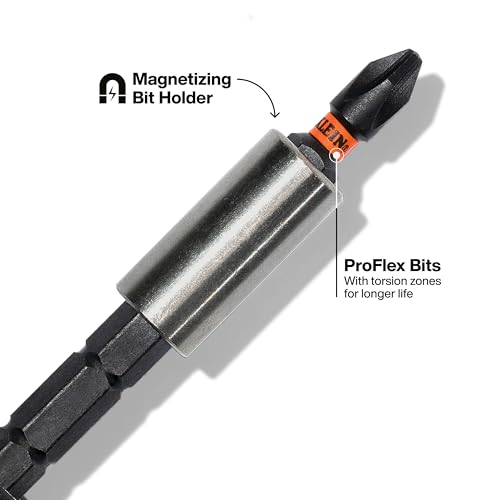
- Sturdy magnetic bit retention
Trade-offs
- Bulky for pocket carry
- Limited precision tips
- Not ideal for small electronics
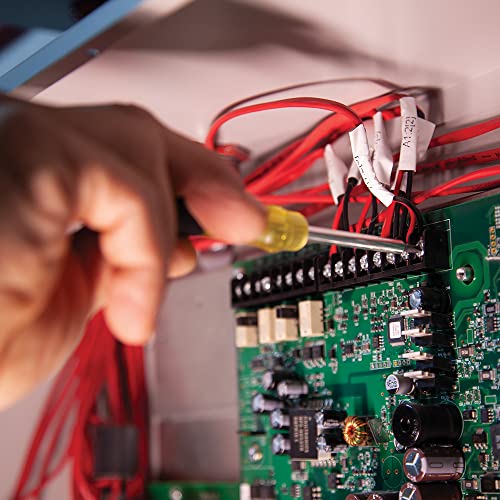
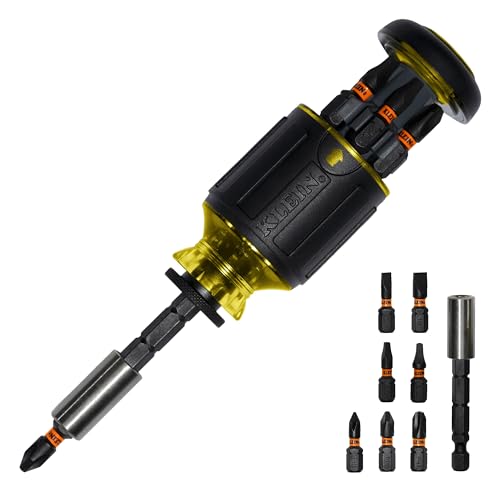
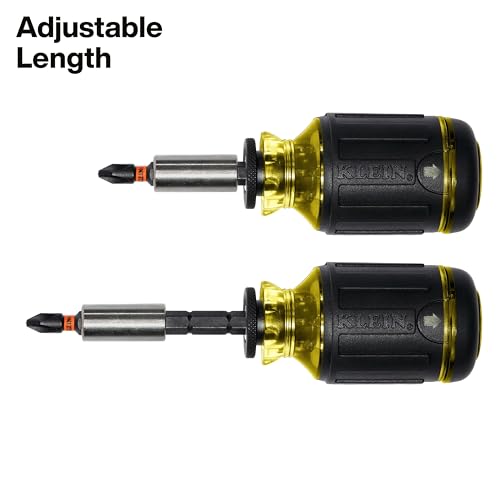
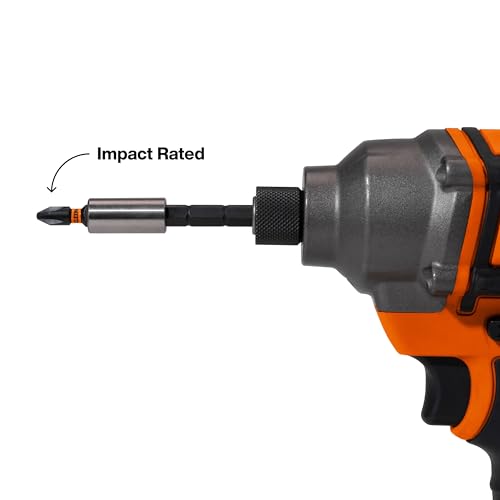
If you’re working in cramped electrical boxes or under dashboards, the Klein Tools 32308 is built for that grind. This isn’t a delicate electronics tool, it’s a heavy-duty stubby meant for contractors who need use in tight spots without sacrificing durability. The fact that it’s impact rated stands out, because most stubbies aren’t designed to handle that kind of stress, and owners consistently report it surviving jobsite drops and repeated use without bit slippage.
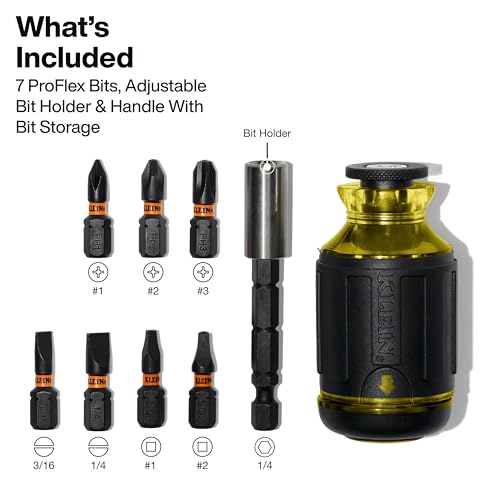
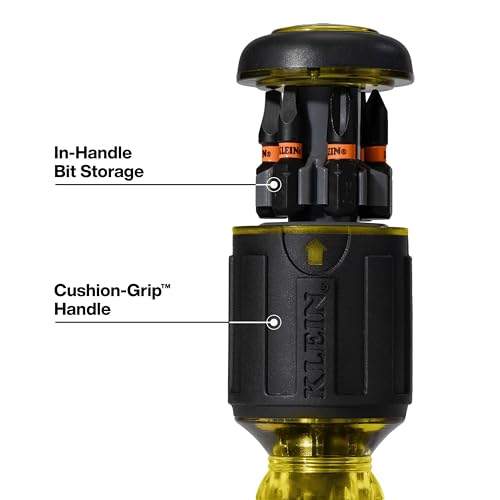
The 8-in-1 design houses seven bits plus a 1/4-inch nut driver inside the handle, which keeps things organized but does add bulk. It’s not the slickest EDC piece, but that’s not its job. Compared to lighter multi-tools, this one trades pocketability for real torque and ruggedness. I’d pick this over flimsier models any day if I’m doing electrical, HVAC, or automotive work where force matters more than finesse.
Product photos
How We Chose These pocket tools
Rather than a hands-on lab test, my research for these recommendations involved a detailed comparison of published specifications and features across many models. I then weighed owner reviews from multiple sources, alongside assessments from reputable tool review sites. My background means I can apply practical knowledge of what features matter most in a small, portable tool, and rank options based on those priorities.
For pocket tools, durability and bit versatility are paramount. A flimsy tool is useless, and limited bit options force compromises. I prioritized tools with robust construction – looking for materials like anodized aluminum and heat-treated steel – and those offering a range of bits to handle common tasks. Having a comfortable grip also significantly impacts usability for extended periods.
Specifications clearly indicate build quality and the number of included bits. However, owner feedback provided crucial insights into real-world durability and how well the tools hold up to regular use. Reputation matters too; brands consistently praised for quality, like Klein, generally deliver on their promises. You can learn more about maintaining other essential tools with a string trimmer basics guide.
How To Pick The Right pocket tools
I’ve spent years carrying tools – not just on job sites, but while traveling, doing quick fixes around the house, and even on camping trips. A good pocket tool isn’t about replacing a full kit; it’s about having something capable when you absolutely can’t carry everything.
A quality pocket tool balances size, functionality, and durability. Look for hardened steel bits, a comfortable grip (even on small models), and a secure bit retention system. Avoid flimsy plastic construction and prioritize tools that address common, everyday tasks rather than trying to do too much.
Bit Selection & Versatility
The biggest compromise with any pocket tool is the number of functions it can offer. Don’t fall for models boasting 20+ bits – most will be too small to be genuinely useful, or duplicates. I find focusing on the most common screw types is a smarter approach. Phillips head (#1 and #2 are critical), slotted, and Torx (especially T15 for electronics) should be your priorities. A small nut driver (1/4 inch is standard) is also incredibly helpful. Often, you’ll find that a selection of bits geared towards electronics repair are included, making these tools surprisingly versatile.
Build Quality & Materials
A cheap pocket tool is a frustrating pocket tool. Look beyond the initial price and consider the materials used. Anodized aluminum barrels resist corrosion, and hardened steel bits are essential – anything less will quickly round out or break under pressure. The bit retention system is also key. Some use magnetic holders, others friction fit, and still others use a locking mechanism. Magnetic is convenient, but can attract metal shavings. I’ve found that a robust friction fit, combined with a well-designed barrel, often provides the most secure hold.
- A magnetic bit holder is good for quick changes, but may attract metal debris.
- A solid, rotating cap provides better torque and comfort during use, reducing hand fatigue.
- A full-size handle (even on a stubby tool) is preferable to a tiny, uncomfortable grip – it lets you apply more force without hurting your hand.
Size vs. Usability Tradeoffs
There’s a constant tension between fitting in your pocket and actually being usable. It’s easy to find compact multi-tools that are too small to effectively tighten a screw, or so cramped that changing bits is a pain. Consider how you’ll actually use the tool. If you frequently work on electronics, a very small profile might be acceptable. But if you need something for general repairs, a slightly larger tool with a more substantial grip will be far more practical.
Don’t sacrifice function for size. A slightly larger tool you’ll actually use is far better than a tiny tool that sits in your pocket unused.
Pocket Tools Compared
Here’s a detailed comparison of the specifications of each pocket tool to help you make an informed decision.
| Product | Best For | # of Bits | Bit Types | Handle Material | Length |
|---|---|---|---|---|---|
| Klein Tools 4-in-1 Precision Screwdriver | Best Overall | 4 | Phillips, Slotted | Cushion-Grip | N/A |
| Klein Tools 8-in-1 Impact Screwdriver | Best Heavy-Duty Stub | 8 | Various | N/A | N/A |
Frequently Asked Questions
What’s the difference between a pocket tool and a multi-tool?
A pocket tool generally focuses on screwdriver bits and simple fastening tasks, while a multi-tool, like some multi-tools with knives, incorporates blades, pliers, and other implements. Pocket tools prioritize compactness for everyday carry, whereas multi-tools aim for broader functionality at the expense of size.
Are magnetic bit holders really that important?
Yes, magnetic holders offer quick bit changes, but they can attract metal shavings that interfere with precision work. A secure friction fit, or a locking mechanism, often provides a more reliable and cleaner solution, especially if you’re working with small electronics.
How much should I expect to spend on a good pocket tool?
Quality pocket tools range from around $15 to $40. Spending more typically gets you better materials (like hardened steel bits and anodized aluminum) and a more durable build, which is essential for long-term reliability.
Can a pocket tool really replace a full screwdriver set?
No, a pocket tool isn’t a replacement for a full set, but it’s excellent for quick fixes and situations where carrying a full kit isn’t practical. It covers the most common screw types and sizes, giving you essential functionality in a small package. For more extensive work, a dedicated set remains crucial.
What should I do if a bit starts to round out or strip a screw head?
Immediately stop applying force. Continuing will only worsen the damage. Consider using a screw extractor or, if possible, switching to a manual screwdriver with a properly sized bit to avoid further stripping.
The Bottom Line
Choosing a pocket tool often comes down to balancing how much you want to carry against how much capability you require. For the vast majority of homeowners and DIYers, the Klein Tools 4-in-1 Precision Screwdriver strikes the best balance – it’s compact enough for everyday carry, yet offers the essential bits to handle most common tasks around the house. It’s a solid, reliable choice that won’t leave you frustrated when you need it most.
If you frequently tackle tougher jobs or work with larger fasteners, the Klein Tools 8-in-1 Impact Screwdriver is the way to go. For those on a tighter budget, or who need a very specific function like electronics repair, there are other capable options available. Don’t overlook the value of learning a good winding trimmer line technique, as keeping your yard tools in top shape can prevent bigger repair jobs down the road.
Ultimately, the best pocket tool isn’t the one with the most features, but the one you’ll actually have with you when a quick fix is needed. Focus on durable construction, a comfortable grip, and a selection of bits that match your common projects – those fundamentals will serve you far better than chasing the highest number of functions or the lowest price.
