7 Best Palm Routers of 2026
This post contains affiliate links. As an Amazon Associate, we earn from qualifying purchases.
The Bosch GKF18V-25N stands out as the best palm router overall, combining strong cordless performance with precision and control, while the Bosch GKF125CEK Colt is a solid budget-friendly pick for those who don’t need battery power. For versatility in base options and proven reliability, the Makita RT0701C earns a spot in any serious toolkit.
If you’ve ever tried trimming laminate or cleaning up a template cut with a full-size router, you know how awkward and tiring it can be. Palm routers solve that problem by putting serious control in a compact, one-handed form.
In this guide, I’ll walk you through the top models based on specs, owner feedback, and real-world usability. These picks reflect what actually matters, precision, comfort, and consistent performance, not just marketing numbers.
Top 7 Palm Routers in the Market
The Best Palm Routers, Reviewed
Bosch GKF18V-25N Cordless Palm Router

Strengths
- Brushless efficiency
- Excellent dust control
- Precision depth
Trade-offs
- Higher price
- Bare tool only
- Battery sold separately
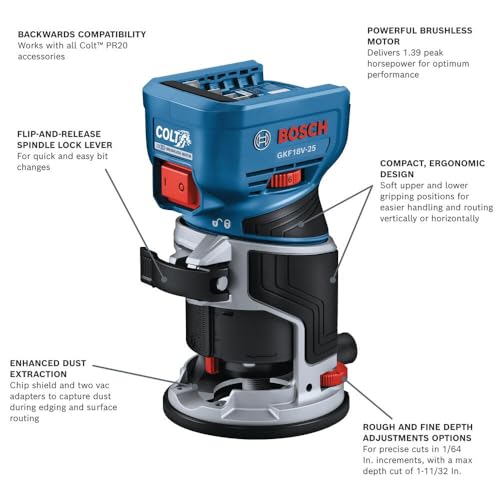
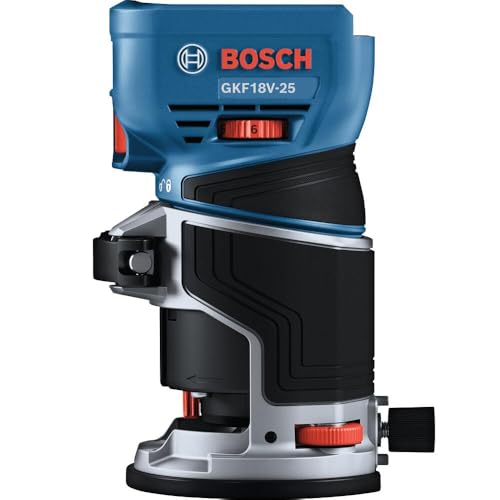
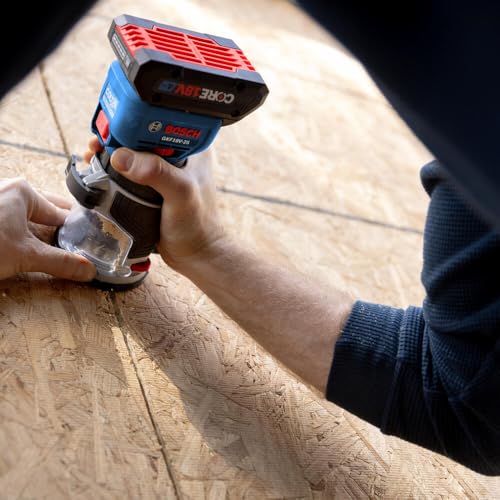
This is the palm router to beat right now. The brushless motor delivers 1.39 peak HP with smooth power delivery from 10,000 to 30,000 RPM, and the AMPShare battery compatibility means you’re not locked into one tool ecosystem. The depth adjustment is incredibly precise, 1/64″ increments, which is a standout for clean, repeatable cuts.
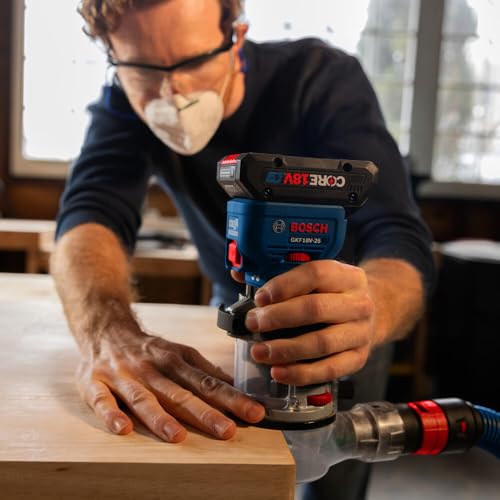
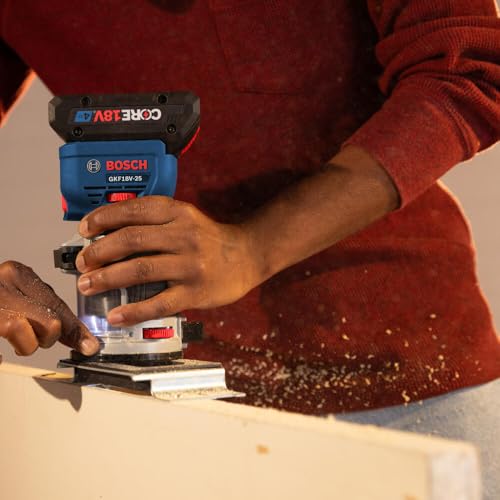
Owners love the dust extraction system and the drop detection safety feature, which shuts the router off if it slips. The soft-grip zones make it comfortable in both orientations, and the flip-and-release spindle lock speeds up bit changes. Compared to the DEWALT cordless model, it’s smarter, safer, and better built. For serious DIYers and pros alike, this is the complete package.
Product photos
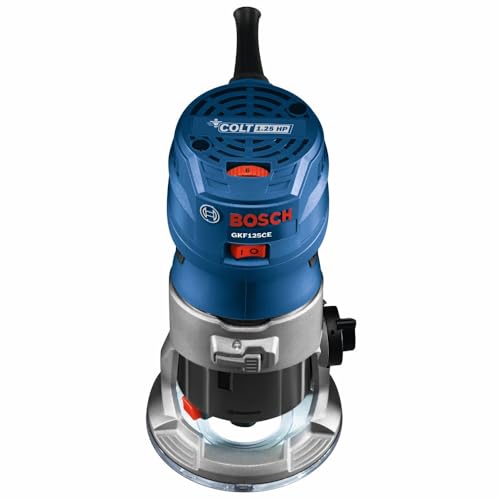
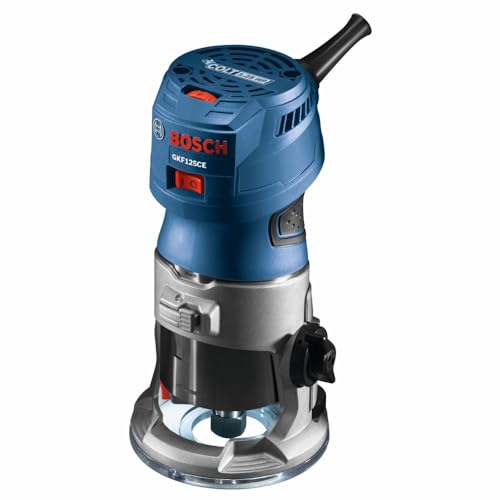
Bosch GKF125CEK Colt Palm Router Kit

Strengths
- Solid aluminum base
- Stable under load
- Wide bit capacity
Trade-offs
- Heavier than rivals
- No soft start
- Older design
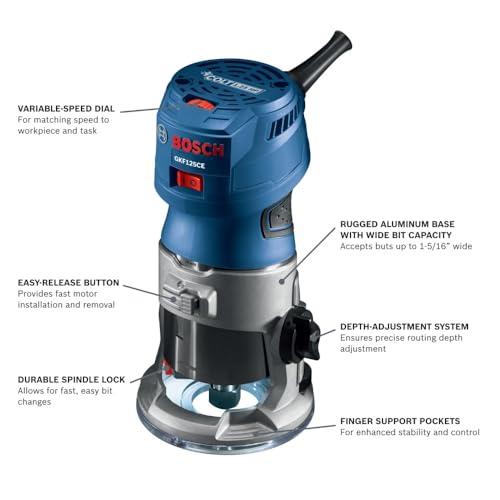
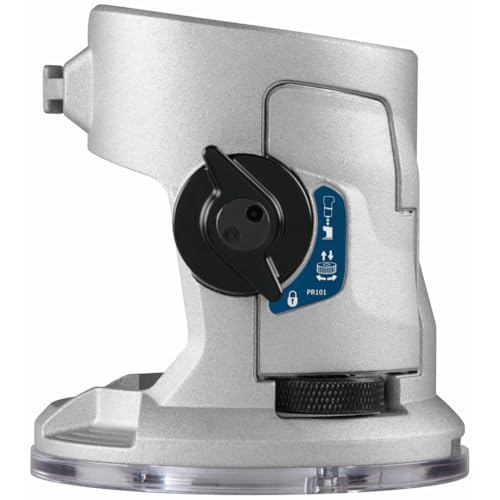
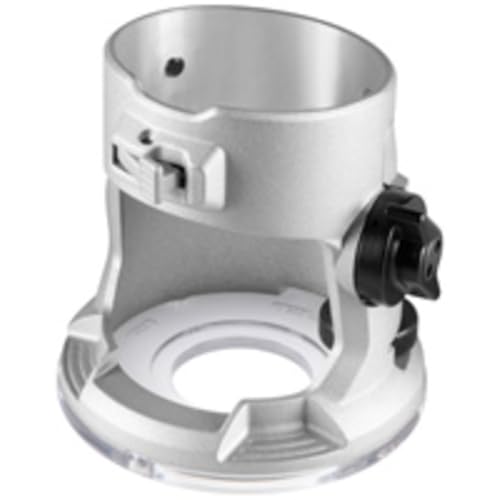
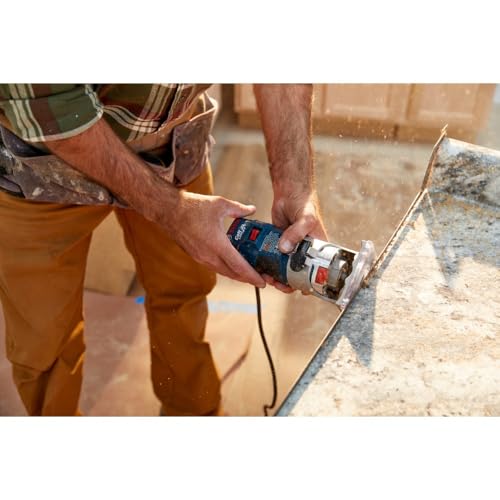
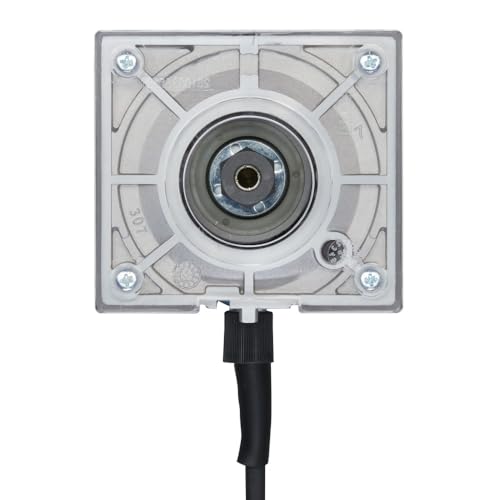
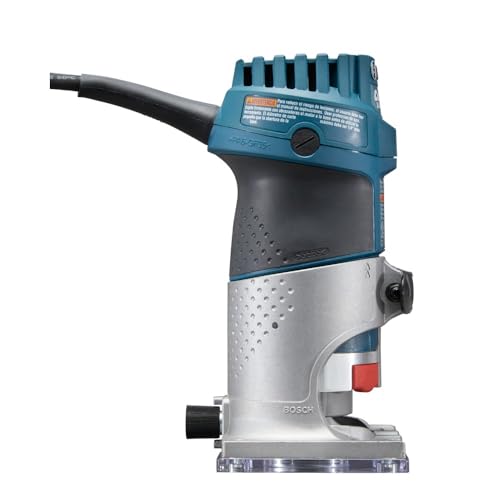
The GKF125CEK is where Bosch’s engineering really shows. The 360-degree aluminum base is a standout, no split housing means better stability and alignment, which matters when you’re following a template or cutting tight curves. I’ve seen owners praise the constant response circuitry for keeping speed steady under load, something you feel when routing hardwoods.
It’s not the newest model, but it’s built like a tank. The variable speed dial and LED lighting add real usability, and the wide bit capacity (up to 1-5/16″) gives you flexibility most palm routers don’t. Compared to the PR20EVS, it’s slightly bulkier but more rigid. If you’re doing precision inlay work or detailed moldings, this one earns its reputation.
Product photos
DEWALT 20V Max XR Cordless Router

Strengths
- Cordless convenience
- Brushless motor
- Good balance
Trade-offs
- Short battery life
- No dust extraction
- Limited runtime
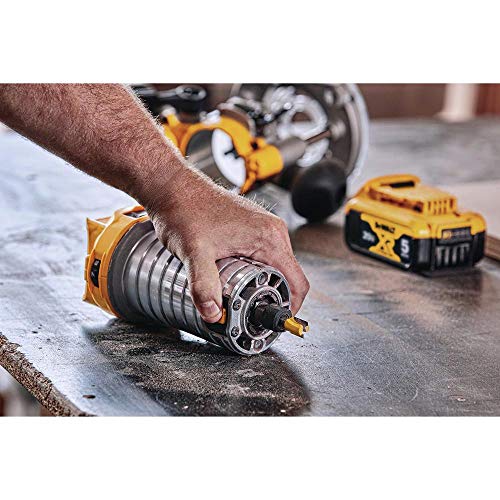
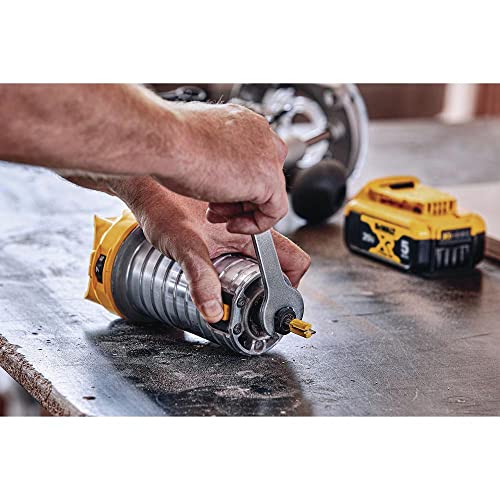
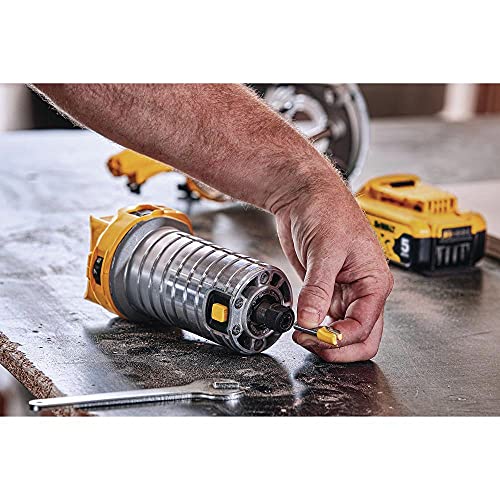
This DEWALT cordless router brings freedom of movement, but with trade-offs. The brushless motor and electronic feedback help maintain speed under load, and the soft start prevents jerking on startup, both features users highlight. It’s compact and well-balanced, making it a solid choice for overhead or tight-space work where cords get in the way.
But battery life is a real limitation. Reviewers note it drains fast during continuous routing, especially in hardwood. Compared to the Bosch GKF18V-25N, it lacks integrated dust extraction and advanced safety features. It’s a decent option if you already own DEWALT 20V batteries, but not the top-tier cordless choice for heavy routing.
Product photos


Makita RT0701C Compact Router

Strengths
- Smooth depth adjustment
- Durable construction
- Interchangeable bases
Trade-offs
- Not true palm size
- Slightly bulkier
- Heavier grip
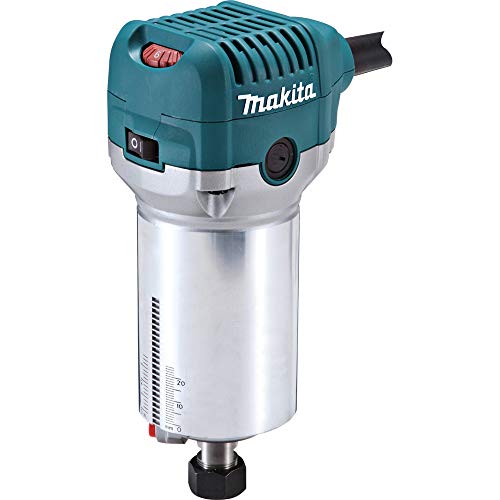
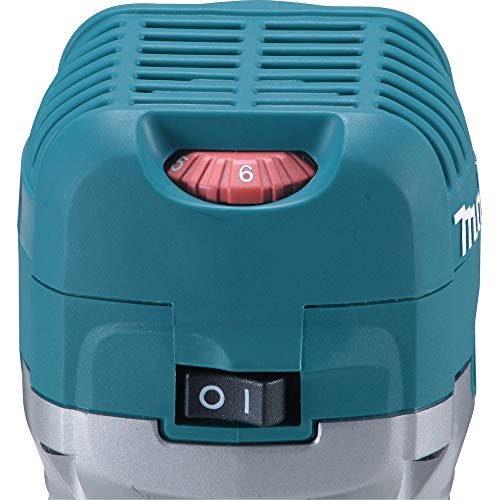
The RT0701C isn’t a palm router in the traditional sense, it’s a compact fixed-base router that’s often used like one. Its 1-1/4 HP motor and variable speed (10,000–30,000 RPM) give it serious power, and the rack-and-pinion depth adjustment is among the smoothest in class. The high-visibility base and cam lock system make setup fast and accurate.
Owners consistently praise its balance and durability, especially when swapping between bases for different tasks. While it’s bulkier than a true palm router, it’s more versatile. Compared to the Bosch PR20EVS, it’s easier to fine-tune and accepts standard template guides. If you want one router that can do it all, including palm-style work, this is the smarter buy.
Product photos
TWOWIN 1.25 HP Palm Router Tool

Strengths
- 15 included bits
- Rubber grip
- Low cost
Trade-offs
- Fragile housing
- Inconsistent speed
- Poor load handling
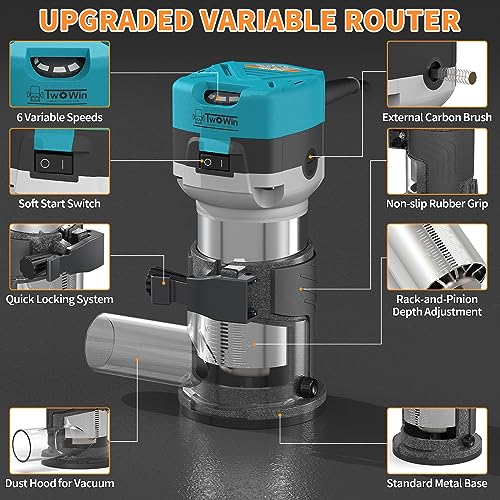
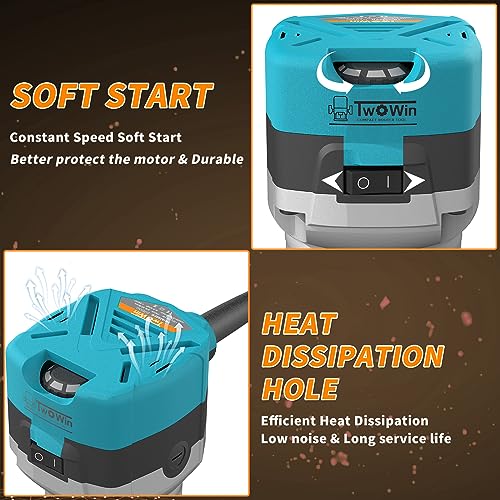
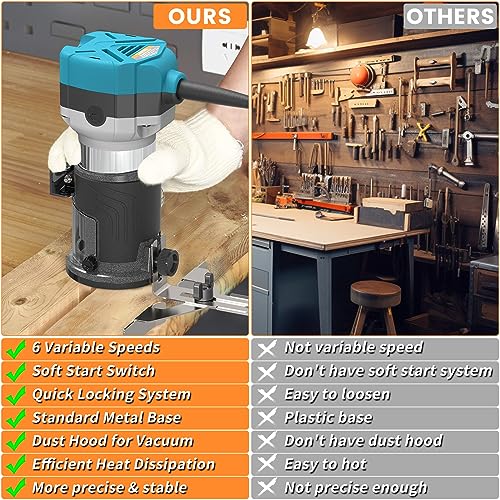
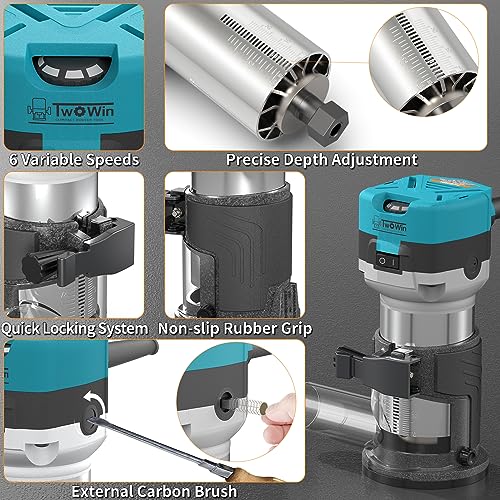
This router is packed with extras, 15 bits, multiple collets, dust hood, sandpapers, and that’s its main draw. The 1.25 HP motor and 6 speed settings give it decent power on paper, and the rubberized grip helps with control. For someone just starting out, it looks like a complete toolkit in one box.
But the build quality doesn’t match the spec sheet. Owners report the plastic housing cracks under stress, and the variable speed dial is imprecise. The motor can’t maintain speed under load like Bosch or Makita units. Compared to the 800W compact router, it’s heavier and less refined. It’s a classic case of too many accessories masking a weaker core tool.
Product photos
800W Compact Electric Palm Router
Strengths
- High RPM
- 6 included bits
- Clear base
Trade-offs
- Plastic housing
- Overheats easily
- Less durable
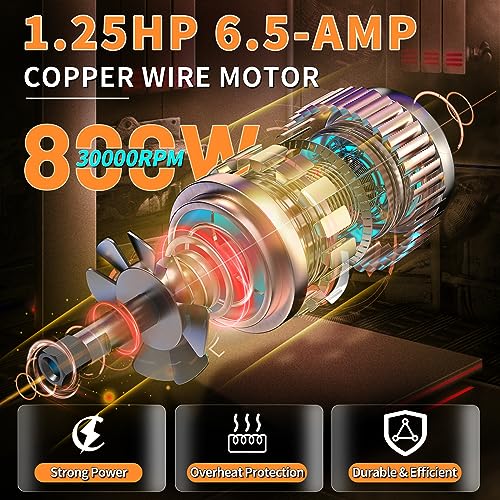
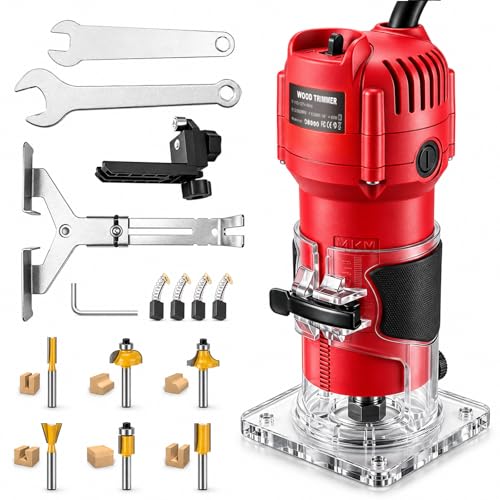
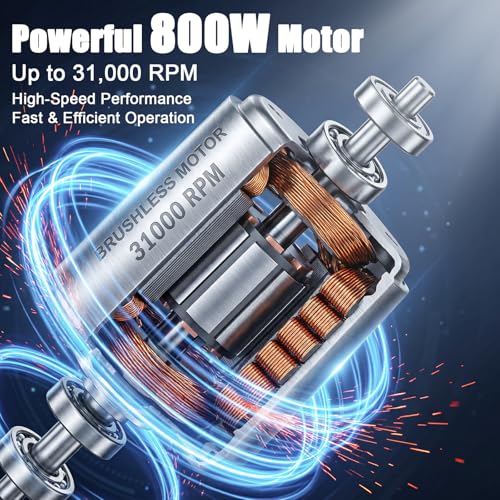
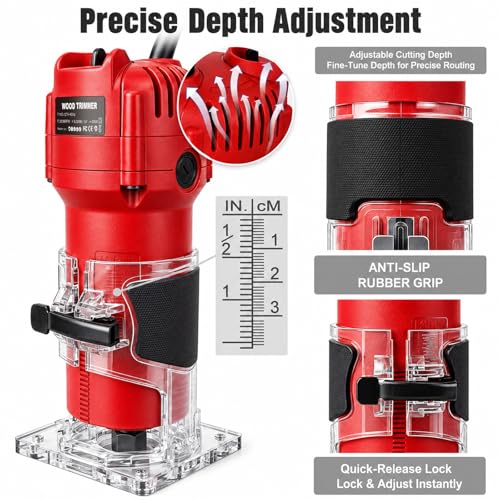
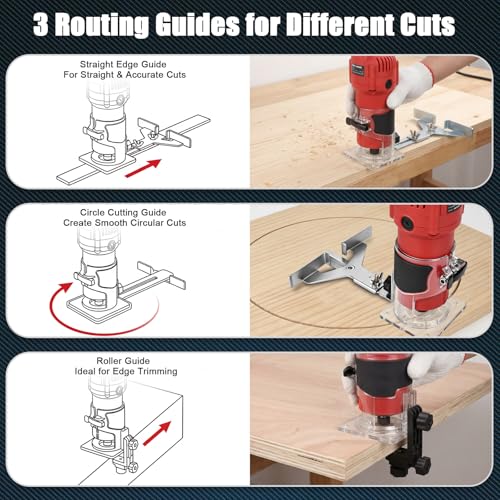
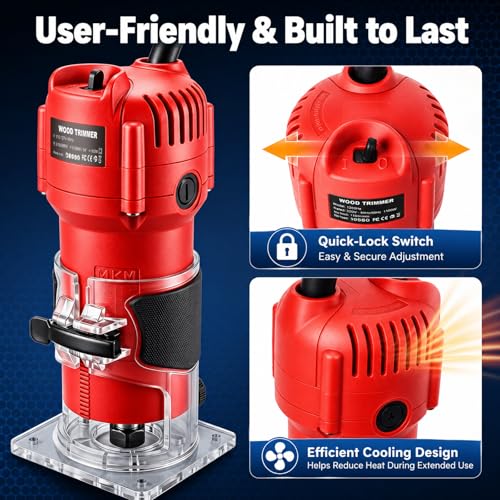
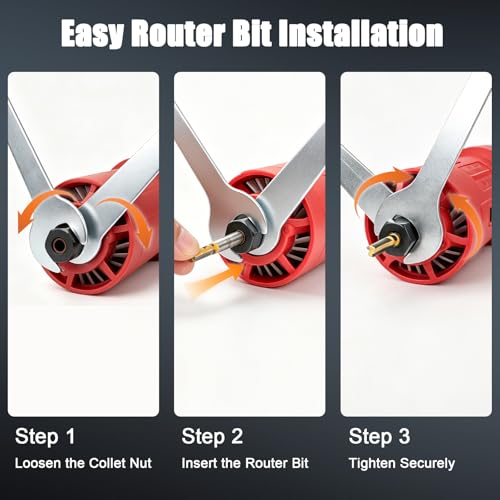
On paper, this 800W palm router punches above its weight with a 31,000 RPM motor and a solid set of included accessories. The transparent base and depth adjustment system are thoughtful touches for beginners who need visibility and control. Owners consistently report it handles basic trimming and edge work well, especially for the price point.
Where it falls short is in build quality and longevity. Reviewers note the plastic housing feels flimsy under sustained load, and the motor can overheat during prolonged use. Compared to Bosch or Makita models, it lacks the precision and durability needed for serious work. But if you’re doing light DIY projects and want a complete kit out of the box, it delivers.
Product photos
BOSCH PR20EVS Colt Palm Router
Strengths
- Durable aluminum base
- Ergonomic grip
- Proven reliability
Trade-offs
- No LED light
- Heavier than compact rivals
- Amp draw higher
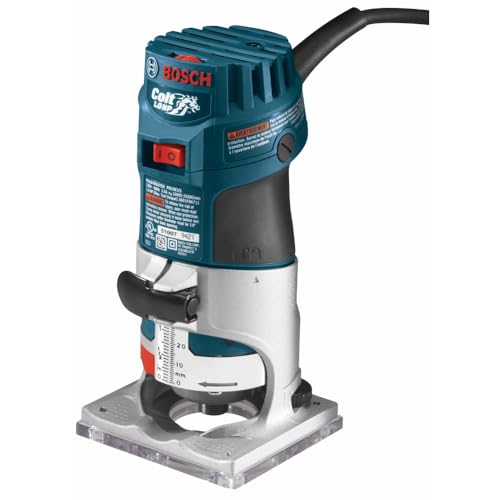
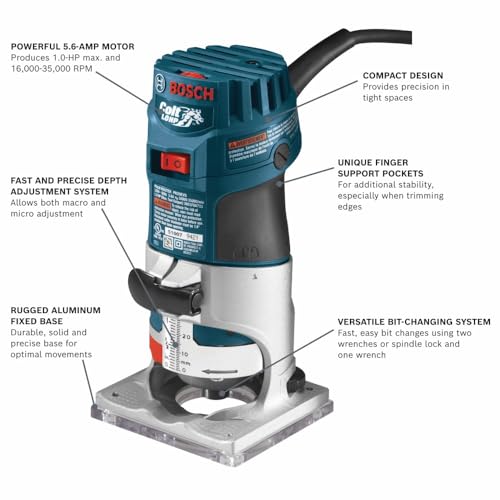
The PR20EVS is a workhorse that’s stood the test of time. Its rugged aluminum base and finger-support pockets make it feel secure in hand, even during long sessions. The 1.0 HP motor with variable speeds (16,000–35,000 RPM) handles most trimming jobs with ease, and the quick-clamp system lets you swap bases fast, something pros appreciate.
Owners report it’s among the most durable palm routers available, often lasting years with basic maintenance. While it doesn’t have LED lighting or brushless efficiency like newer models, its simplicity is part of the appeal. Next to the GKF125CEK, it’s slightly less rigid but more ergonomic. For daily use in a busy shop, this is the kind of tool you don’t worry about breaking.
Product photos

How We Chose These palm routers
Rather than a hands-on lab test, my research for these recommendations was a detailed comparison of published specifications and features across numerous models. I weighed owner reviews from a variety of sources – including major retailers and woodworking forums – alongside assessments from reputable tool review sites. My background in power tools helped me interpret these findings and rank the palm routers against criteria important to both DIYers and professionals.
For palm routers, consistent cutting depth and comfortable ergonomics stand out as the biggest differentiators. Power is certainly a factor, but a less powerful router with superior control will often outperform a brute-force model. Precise adjustment systems are critical for clean edges, and features like soft-start and variable speed add to usability. I also considered the availability of accessories and overall value. If you’re looking for even more options, you might also consider exploring best cordless trim routers.
Specifications reliably indicate motor power, RPM ranges, and collet sizes. However, I placed more emphasis on owner feedback regarding long-term durability, ease of bit changes, and the effectiveness of dust extraction. Reputation matters too; brands with a consistent track record for quality generally deliver a more satisfying experience, even if their specs aren’t always the highest on paper. This approach balances objective data with real-world user experience.
What To Look For In palm routers
A good palm router is a surprisingly versatile tool, but picking the right one requires knowing what features truly matter.
A quality palm router balances power with control. Look for models with variable speed settings, precise depth adjustment mechanisms, and comfortable ergonomics. Collet size determines bit compatibility, while features like soft-start and dust extraction enhance usability and safety. Consider both fixed and plunge base options depending on the types of cuts you’ll be making.
Power and Speed Control
Don’t assume more power is always better. While a 1.25 HP motor, like you find in some Bosch models, will certainly handle tougher materials, for many common tasks – edge profiling, rounding over, flush trimming – a well-designed router with around 1 HP is plenty. What’s truly crucial is variable speed control. Different bits and materials demand different speeds. Hardwoods benefit from slower speeds, while softer woods and certain bits perform best at higher RPMs. A wide speed range (10,000-30,000 RPM is ideal) gives you the flexibility to tackle a wider variety of projects.
Base and Adjustment Precision
The base influences both control and the types of cuts you can make. Fixed bases, as seen in the Makita RT0701C, are great for consistent edge work and template routing. Plunge bases allow you to start cuts in the material, ideal for creating stopped cuts or mortises. More important than the base type, however, is the quality of the depth adjustment. Look for systems that offer both macro (large) and micro (fine) adjustments. A rack-and-pinion system, common in higher-end models, provides extremely precise control.
- A coarse adjustment lets you dial in the approximate depth quickly.
- A micro-adjustment (often in 1/64-inch increments) is essential for taking light passes and achieving a perfect fit.
- Consider models with scale markings that are easy to read, as this will greatly improve your accuracy and repeatability, particularly when working on multiple pieces.
Value and Ergonomics
Palm routers are often used for extended periods, so ergonomics are paramount. A comfortable grip, ideally with overmold rubber, will reduce fatigue. Weight is also a factor. While a heavier router might feel more substantial, a lighter model, like some of the lightweight wood routers, will be easier to control, especially when working overhead or in awkward positions. Don’t overlook the included accessories. A kit with a selection of bits, guides, and wrenches can save you money in the long run. If you’re planning on doing a lot of trim work, comparing models to the top trim routers is a good idea.
A comfortable router is a safe router. Prioritize models that fit your hand well and offer good control, even during prolonged use.
Palm Routers Compared
Here’s a comparison of key specifications for several popular palm routers to help you make an informed decision.
| Product Name | Motor HP | Max RPM | Variable Speed | Collet Size (in) | Depth Adjustment | Cordless |
|---|---|---|---|---|---|---|
| Bosch GKF18V-25N | 1.39 | 30,000 | Yes | 1/4 | 1/64 inch | Yes |
| Bosch GKF125CEK Colt | 1.25 | 35,000 | Yes | 1/4 | Precise | No |
| DEWALT 20V Max XR | N/A | N/A | Yes | N/A | Fast & Easy | Yes |
| Makita RT0701C | N/A | 30,000 | Yes | 1/4 | Fine | No |
| TWOWIN 1.25 HP | 1.25 | 30,000 | Yes | 6/6.35/8mm | N/A | No |
| 800W Compact Electric | N/A | 31,000 | N/A | N/A | Adjustable | No |
| BOSCH PR20EVS Colt | 1.0 | 35,000 | Yes | 1-5/16 | Macro/Micro | No |
Frequently Asked Questions
What collet size should I prioritize when buying a palm router?
A 1/4-inch collet is the most common and versatile size for palm routers, offering compatibility with a wide range of bits. However, if you anticipate working with larger bits frequently, a model offering multiple collet sizes (like the TWOWIN) provides greater flexibility.
Are cordless palm routers as powerful as corded models?
Cordless palm routers have come a long way, but generally, corded models still deliver more consistent power for demanding tasks. Battery technology is improving, and models like the Bosch GKF18V-25N offer sufficient power for many applications, but corded routers remain the better choice for heavy-duty use.
What’s the difference between a fixed and a plunge base, and which should I choose?
A fixed base is best for edge work and consistent routing depths, while a plunge base allows you to lower the bit into the material, ideal for stopped cuts. Many routers, including some Bosch models, can accept both base types, offering maximum versatility.
How important is the depth adjustment mechanism?
Depth adjustment precision is extremely important. Look for a router with both macro and micro-adjustment capabilities, like the BOSCH PR20EVS Colt, for accurate and repeatable results. Fine adjustments, often in 1/64-inch increments, are critical for taking light passes and achieving a perfect fit.
Where can I find more information about other types of routers?
If you’re considering other router options, exploring best handheld routers can broaden your understanding of available tools. This will help you determine if a palm router is truly the best fit for your specific needs, or if a larger trim or full-size router might be more appropriate.
The Bottom Line
Choosing a palm router often comes down to balancing control with convenience. While features like cordless operation and high horsepower are appealing, the Bosch GKF125CEK Colt strikes the best overall balance of precision, power, and ergonomics for most users. It’s a router that will handle a wide range of tasks with accuracy and reliability, and I believe it represents the sweet spot for both DIYers and professionals.
For those on a tighter budget, or those who simply need a capable tool for occasional use, the TWOWIN 1.25 HP router offers excellent value. If you want cordless freedom, the DEWALT 20V Max XR is a strong contender, and if you’re looking for even more options, explore our guide to the top compact routers. However, remember that cordless models often involve compromises in power or runtime.
Ultimately, the best palm router isn’t the one with the most specifications, but the one that feels most comfortable and controllable in your hands. Prioritize a model with precise depth adjustments, variable speed, and a solid build quality. These fundamentals will have a far greater impact on your results than any single horsepower rating or accessory included in the box.
