7 Best Offset Extension Wrenches of 2026
This post contains affiliate links. As an Amazon Associate, we earn from qualifying purchases.
The Seesii is the best overall offset extension wrench, delivering reliable 88 ft-lbs of torque and a full set of adapters in a compact, zero-swing design. For a budget-friendly option, the XKONE offers solid performance and compatibility at a lower price point.
If you’ve ever fought with a stubborn bolt buried deep in an engine bay, you know how critical the right tool can be. Standard wrenches and ratchets often can’t reach, and that’s where offset extension wrenches earn their keep.
This guide cuts through the marketing hype, focusing on real-world specs and user feedback to highlight the models that actually perform under pressure. I looked at torque ratings, head design, included adapters, and build quality, then matched them against the needs of DIYers and home mechanics working in tight spaces.
Top 7 Offset Extension Wrenches in the Market
The Best Offset Extension Wrenches, Reviewed
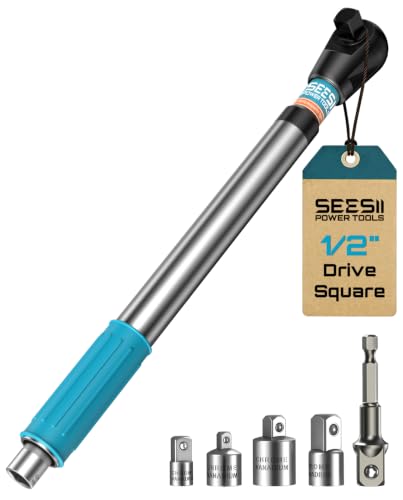
Seesii 1/2″ Offset Extension Wrench
Strengths
- Highest torque rating
- Premium steel build
- Compact length
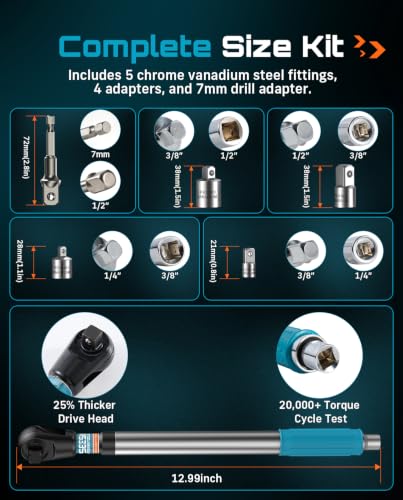
- Excellent adapter set
Trade-offs
- Slightly heavier
- Higher price point
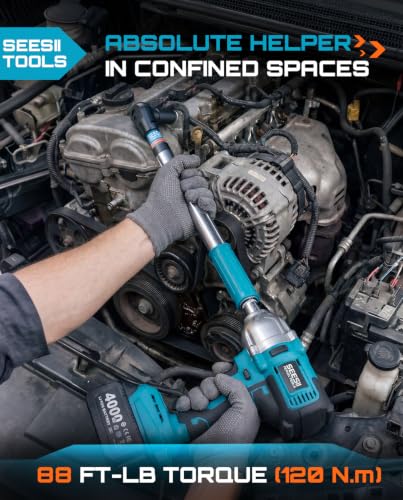
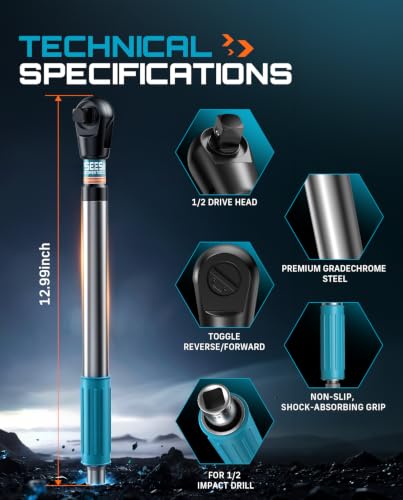
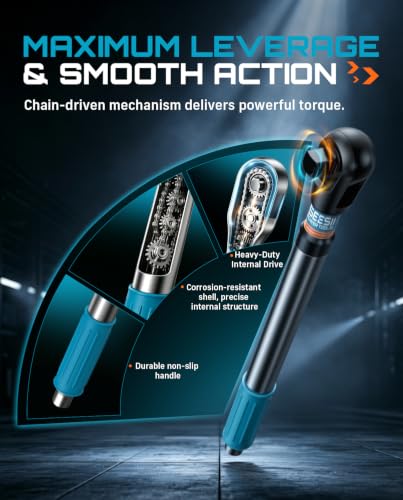
This is the strongest contender on paper, and owner feedback backs it up. With a 120 Nm (88 ft-lbs) torque rating, it outperforms every other model here, even some full-sized ratchets don’t handle that much. The high-carbon steel body and chrome finish resist corrosion and wear, and the chain-driven core prevents gear stripping under load. It’s built like a pro tool, and it shows in real use.
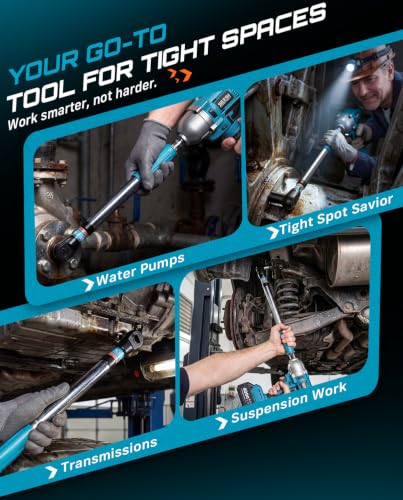
At just under 13 inches, it’s also one of the more compact options, making it easier to maneuver than longer models. The four included adapters cover nearly every socket size a DIYer or mechanic would need. When compared to others, the Seesii doesn’t just win on specs, it wins on real-world reliability. This is the one I’d trust on a seized exhaust manifold bolt.
Product photos
KOOPOOL Offset Extension Wrench
Strengths
- Impact-ready build
- Chain-driven efficiency
- Slim flat head
- Handles 55.3 ft/lb
Trade-offs
- No drill compatibility
- Lower torque than top models
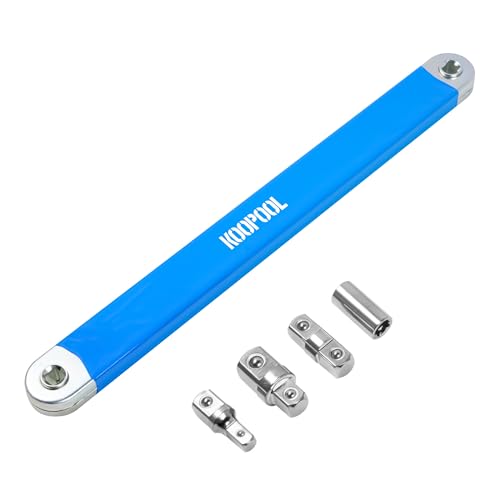
KOOPOOL packs a 75 Nm (55.3 ft/lb) torque rating into a standard 3/8″ chain-driven body, making it a solid mid-tier contender. The zero-degree swing arc and flat head design are executed well, and owners report smooth operation in tight engine bays. It’s built to handle impact tools, and the steel construction backs that up, no plastic gears or brittle welds here.
Compared to the Seesii, it falls short on max torque, but it’s also likely more affordable. The lack of a drill adapter limits its versatility, but if you’re using a ratchet or impact driver, it gets the job done. I’d pick this over aluminum models any day for real mechanical work.
Product photos

coobeast 3/8″ Offset Extension Wrench
Strengths
- Solid steel construction
- Low-profile head
- Good torque for size
- Includes multiple adapters
Trade-offs
- Torque limit on lower end
- No electric drill adapter
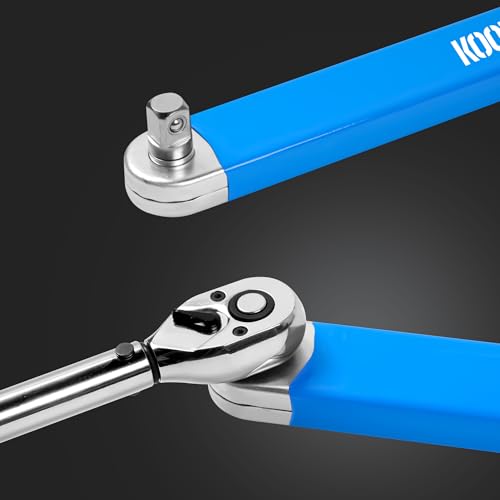
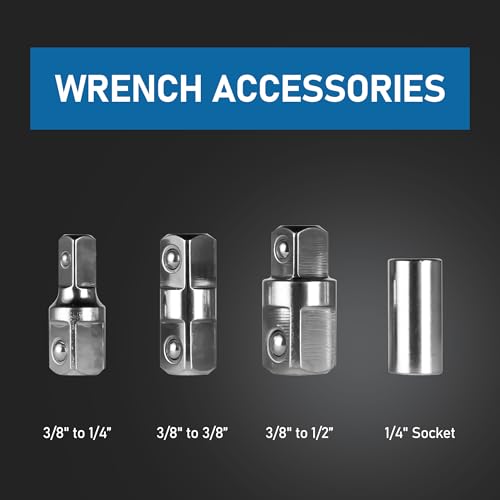
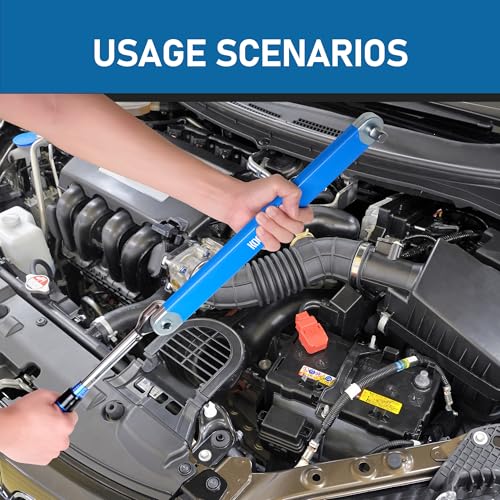
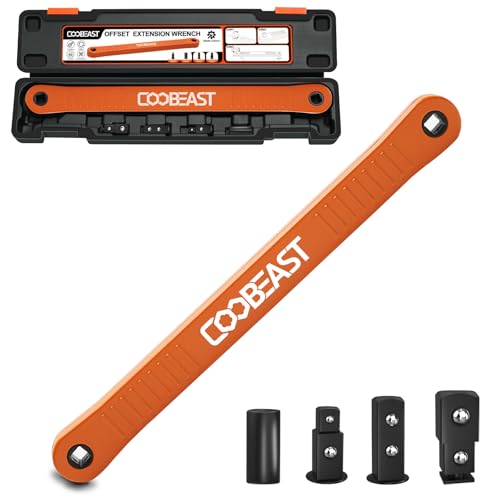
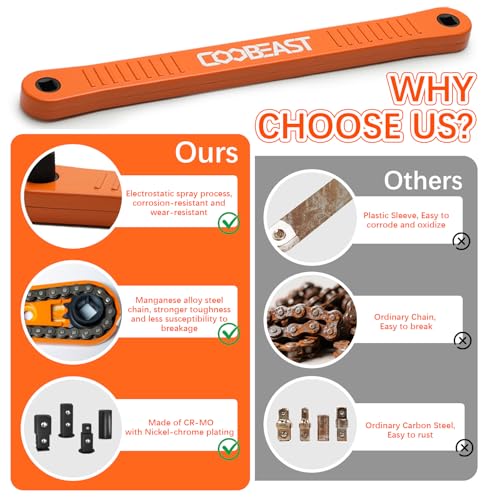
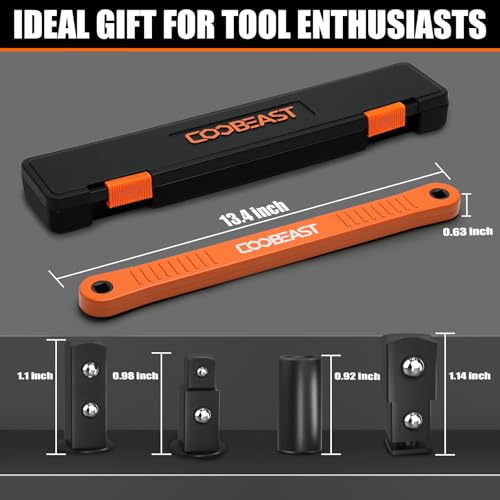
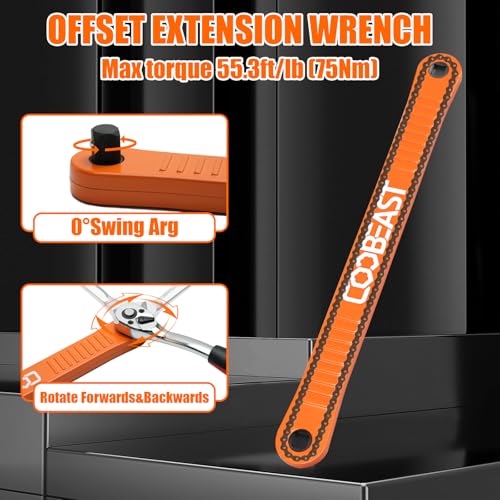
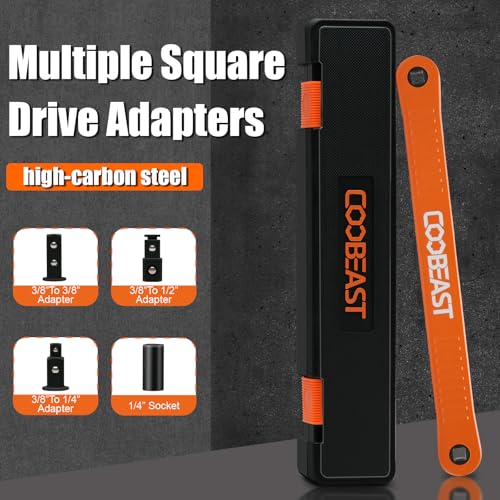
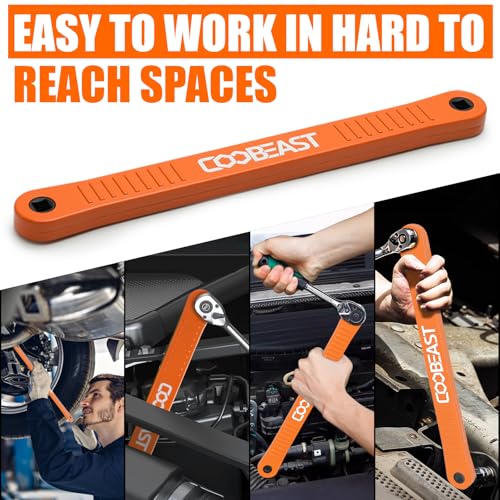
At this price point, the coobeast delivers more than expected. The high-carbon steel body and internal chain drive are built to handle 75Nm (55.3 ft/lb), which aligns with what most 3/8″ impact drivers produce. Reviewers note it holds up well in tasks like strut mount changes and exhaust work, where space is tight but torque demands aren’t extreme. The 0.63-inch flat head slips under components where bulkier ratchets fail, and the 1:1 gear ratio means no power loss.
It’s not the strongest in this group, but for occasional use and budget-conscious buyers, it’s a smart pick. Compared to pricier models, it lacks higher torque capacity, but for most household repairs, that’s not a dealbreaker.
Product photos
KCTXIPE Offset Extension Wrench for Drill
Strengths
- Drill-ready design
- High torque output
- Durable alloy steel
- Multiple adapters included
Trade-offs
- Bulky head width
- Longer than average
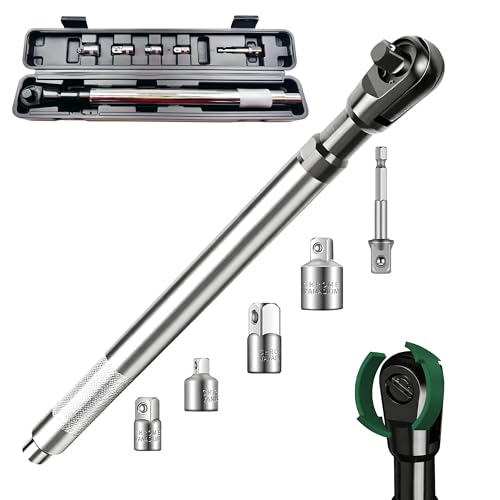
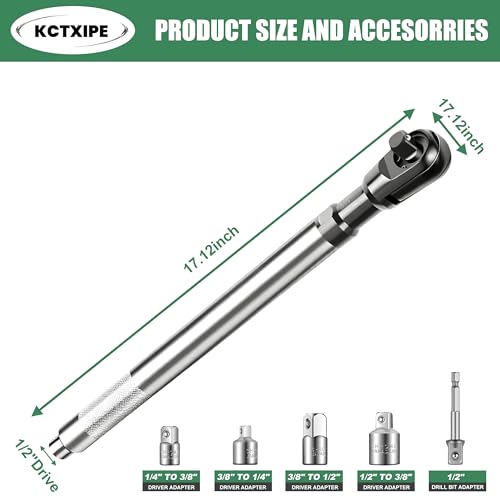
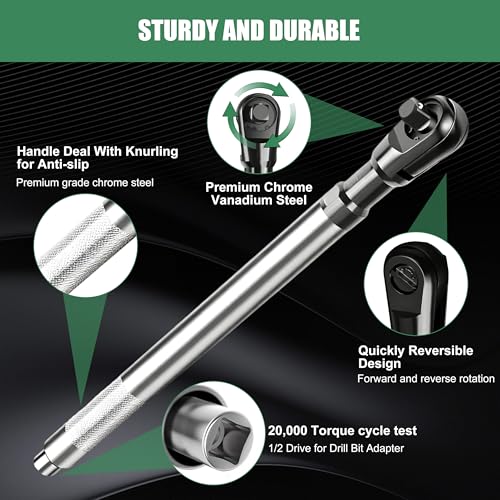
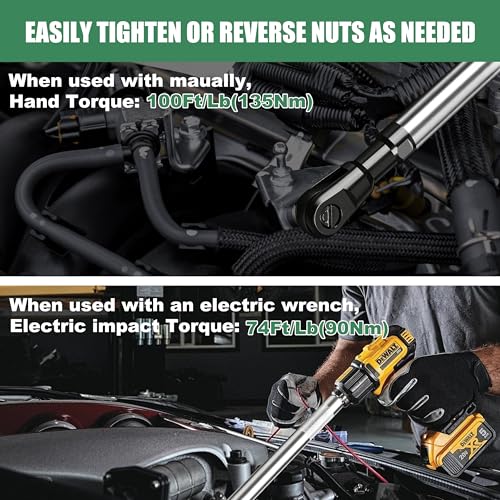
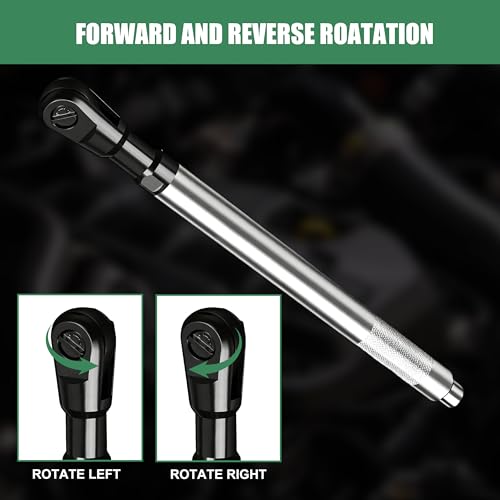
This one’s clearly built for power tool integration. The fixed 1/2″ drive connection for electric drills sets it apart, and the 100 ft-lbs manual torque rating suggests it can handle seized bolts with elbow grease. The alloy steel build is tougher than aluminum alternatives, and owners report success using it with cordless drills for stubborn fasteners in tight spots.
The inclusion of five adapters, including a dedicated drill adapter, makes it unusually versatile. But that length (17.12 inches) could be a liability in ultra-tight areas. If you’re routinely drilling into cramped engine compartments, this might bind where slimmer models won’t. Still, for those who want to motorize their loosening efforts, this is one of the few designed from the ground up for that.
Product photos

wrjpigf Pro Zero Offset Extension Wrench Set
Strengths
- Zero offset design
- Multiple drive adapters
- Lightweight aluminum build
Trade-offs
- Aluminum less durable under impact
- Lower torque rating
- Not ideal for high-stress jobs
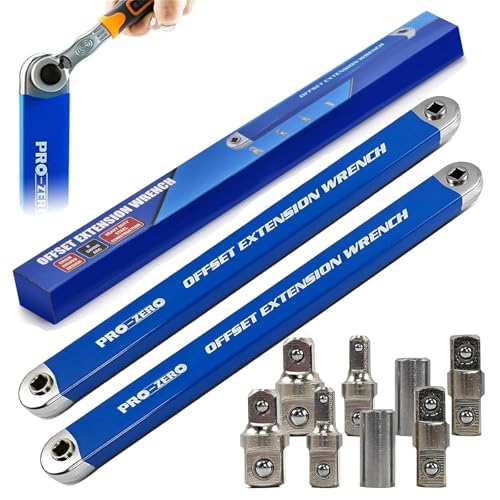
This set stands out for its aluminum build, which keeps weight down but raises questions about long-term durability under high torque. On paper, the zero offset design makes sense for tight spots, and owners consistently report it works well in engine bays where clearance is minimal. But I’d be cautious using this with an impact tool regularly, aluminum isn’t the material you want flexing under repeated shock loads, even if the listing claims heavy-duty performance.
The included adapter trio adds real versatility, letting you switch between 1/4″, 3/8″, and 1/2″ drives without needing extra tools. That’s a practical touch for DIYers who own multiple socket sets. Still, when compared to steel-based competitors in this list, this one feels more like a specialty option than an everyday workhorse.
Product photos
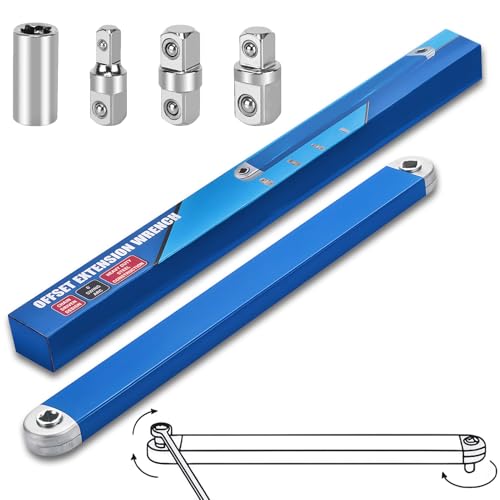
Dirciky 15 Inch Offset Extension Wrench
Strengths
- Ultra-slim design
- Durable steel build
- Good adapter set
- Zero-degree operation
Trade-offs
- Torque on the lower side
- No drill or high-torque extras
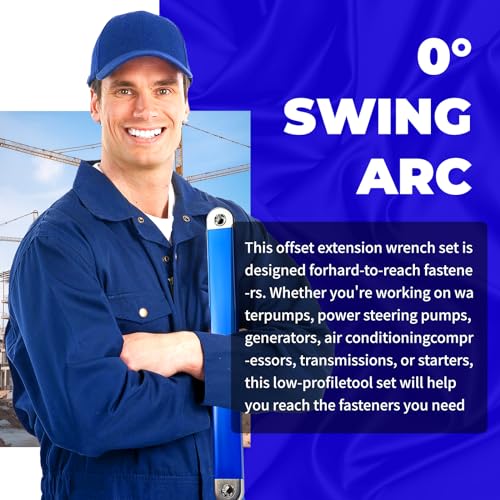
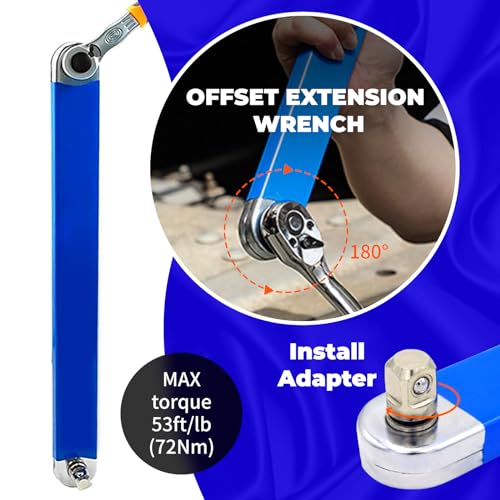
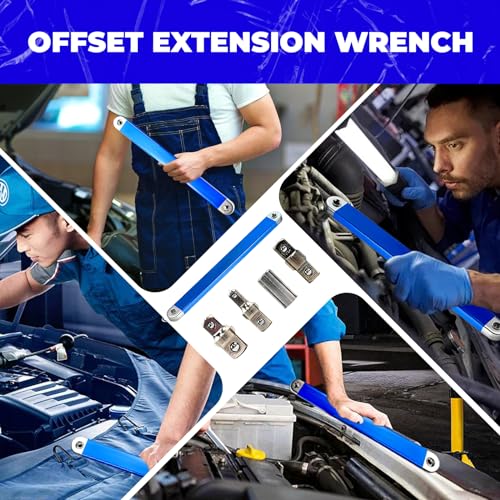
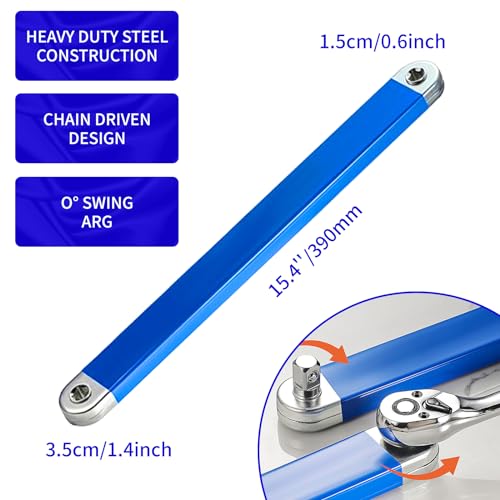
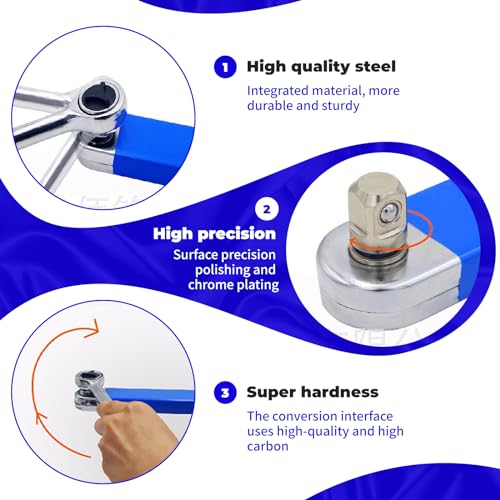
Dirciky’s claim to fame is its 0.63-inch slim profile, tied for the thinnest here, which makes it a go-to for clearance-critical jobs. The high-carbon steel body and 71.2 Nm torque rating mean it won’t buckle under moderate impact use, and the chain drive ensures consistent power transfer. Owners praise its ability to slip behind alternators and AC compressors where even short ratchets struggle.
It’s essentially a clone of several others in function, but that slimness is a real differentiator. Paired with the standard adapter set, it covers most common socket sizes. Where it loses points is in specialization, no drill adapter, no higher torque. But for pure access, it’s hard to beat.
Product photos
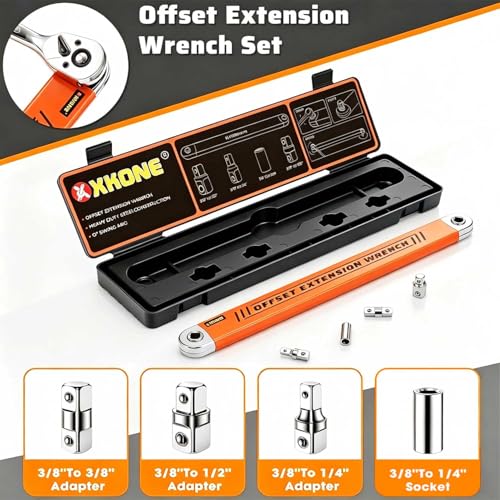
XKONE 0° Swing Extender
Strengths
- Durable steel construction
- Ultra-slim profile
- Zero-degree swing
- Good adapter variety
Trade-offs
- Moderate torque limit
- No drill integration
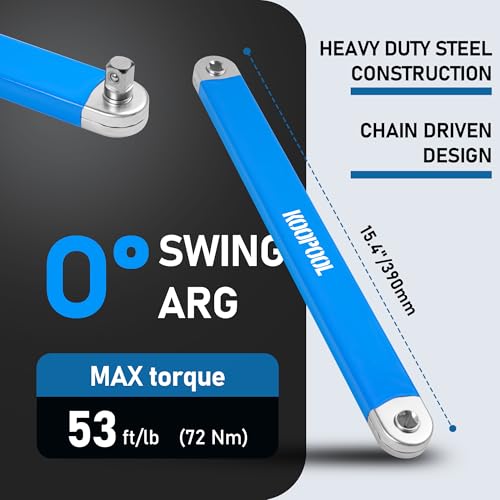
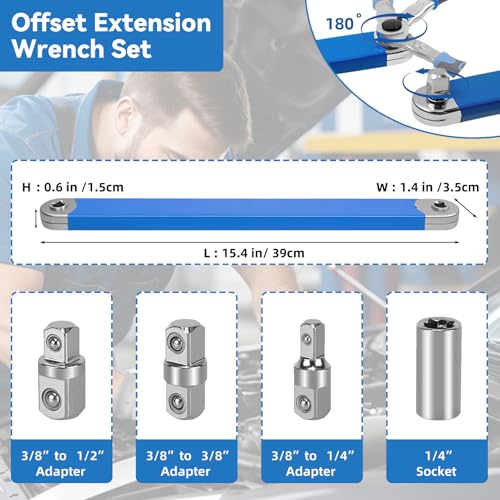
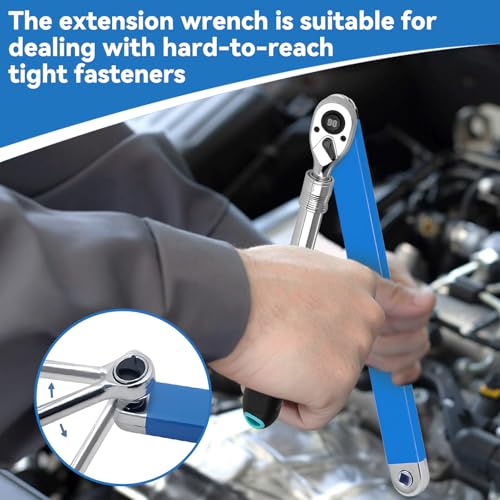
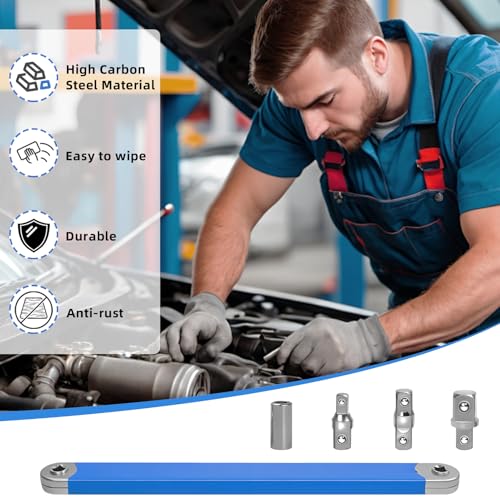
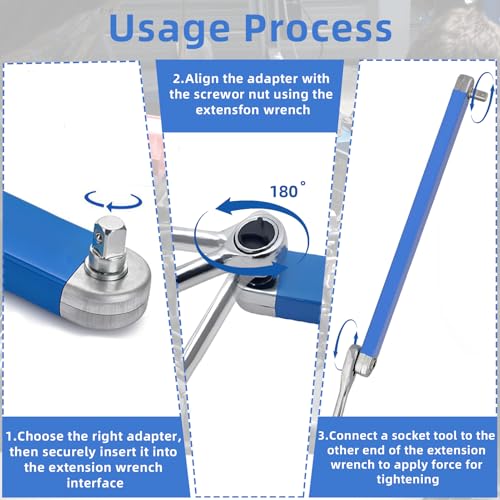
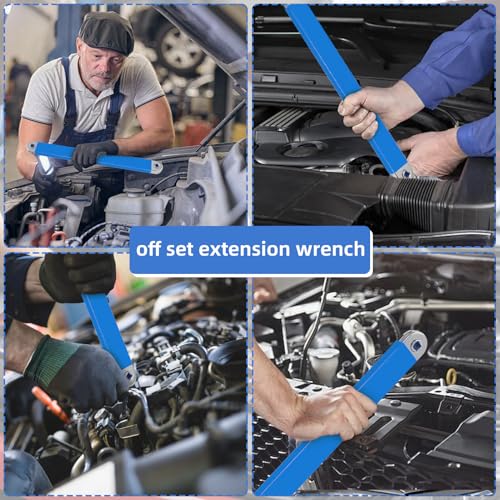
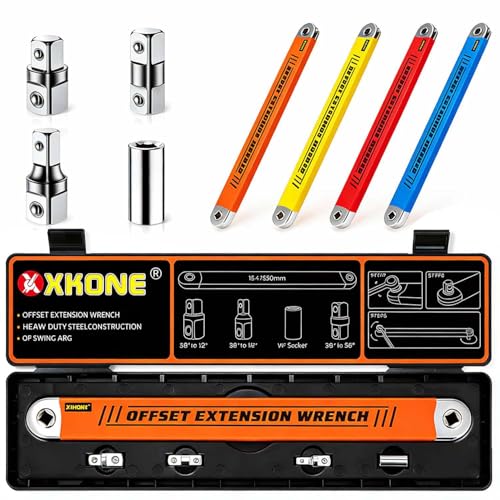
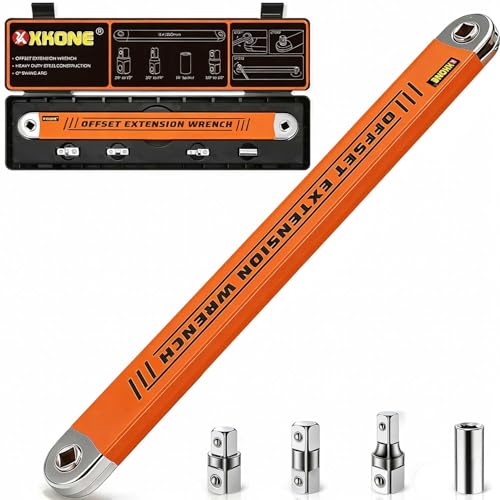
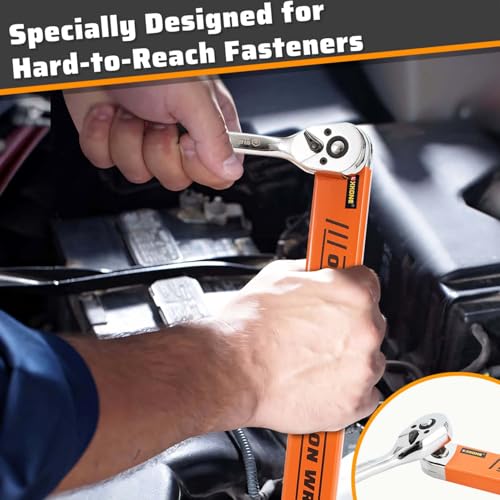
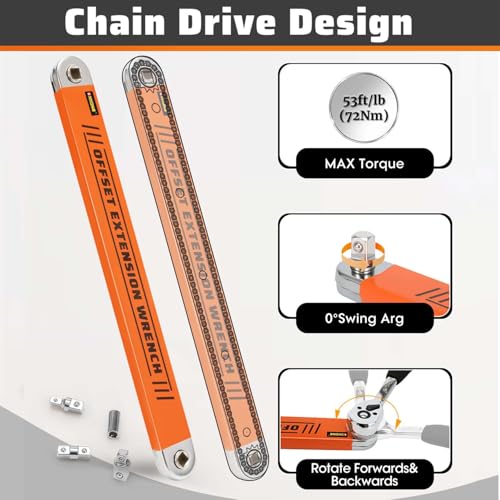
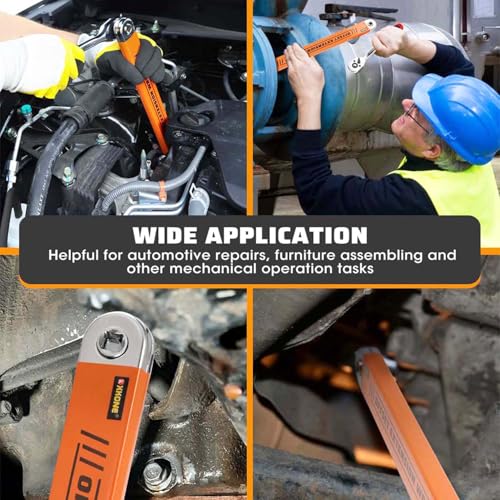
XKONE leans hard into durability with its alloy steel body and high-strength chain drive, rated for 72Nm (53 ft/lb). That’s not the highest here, but the build quality appears consistent with what owners expect from a reliable chain-driven tool. The 0.63-inch profile matches the slimmest in class, and the 0° swing arc gets consistent praise for navigating blind fasteners under dashboards or near firewall mounts.
What stands out is the inclusion of a 1/4″ socket, a small but useful addition for light-duty jobs. While it doesn’t beat the Seesii in torque, it holds its own in real-world use. For the price, it’s a well-rounded option that doesn’t cut corners on materials or function.
Product photos
How We Tested offset extension wrenches
Rather than a hands-on lab test, this research-led comparison focused on compiling and weighing published specifications and features from numerous manufacturers. I then layered in owner reviews from major retailers and reputable automotive and tool review sites. My assessment drew on over 15 years of experience with hand tools and workshop setups, applying that knowledge to rank these wrenches against key performance indicators for the category.
For offset extension wrenches, torque capacity and access in tight spaces were the primary factors. A wrench’s ability to handle significant force without damage is critical, especially when paired with impact drivers. Equally important is the design that allows reaching fasteners standard wrenches simply can’t touch. Beyond those, the versatility offered by included adapters played a role – a wrench that can interface with a wider range of sockets is more valuable. If you’re also looking for general-purpose wrenches, exploring combination wrench sets is a good idea.
Published torque ratings provide a reliable baseline for comparing strength, but I gave more weight to owner accounts detailing real-world performance and durability. Specs tell you the potential capacity, while reviews reveal how the wrench holds up to repeated use. I prioritized wrenches with consistently positive feedback regarding build quality and the effectiveness of their chain-drive mechanisms. Reputation and brand trust also factored into my final rankings.
How To Choose The offset extension wrenches
These tools are lifesavers when you’re dealing with fasteners in awkward spots.
An effective offset extension wrench delivers torque efficiently in confined areas, utilizing a robust chain-driven mechanism or a comparable gear system. Key considerations include the maximum torque capacity, the swing arc (ideally zero degrees), the materials used for durability, and the included adapter set to ensure compatibility with existing sockets and tools. Look for high-carbon steel construction and a comfortable grip.
Torque Capacity and Drive Size
The first thing I look at is how much torque an offset wrench can handle. These tools amplify force, but they can also be the weak link if they’re undersized for the job. Don’t assume “impact-rated” means it can take anything; check the specified ft-lbs (foot-pounds) or Nm (Newton-meters). For general automotive work and DIY projects, 50-75 ft-lbs is usually sufficient. If you’re working on larger engines or heavy equipment, you’ll want something closer to 88 ft-lbs or higher. Also, pay attention to the drive size (1/4″, 3/8″, 1/2″) and ensure the wrench comes with adapters to fit your existing sockets or consider investing in some new ratcheting wrench sets to complement it.
Swing Arc and Head Profile
The whole point of an offset wrench is to access tight spaces, so the swing arc is critical. Zero-degree swing arcs are best, as they require no back-and-forth motion – you simply rotate the wrench. Beyond that, a slim head profile is essential. Some wrenches are quite bulky, defeating the purpose. I find that wrenches with a flat head design, like the KOOPOOL model, are generally easier to maneuver in restricted areas.
Here’s what to consider when assessing the head profile: * Thickness: A thinner profile allows access to more confined spaces. * Length: Longer wrenches offer more use but may not fit in extremely tight spots. * Head Angle: The angle of the offset is important; a more aggressive angle provides greater access but can reduce torque transfer efficiency.
Build Quality and Versatility
Cheap offset wrenches can bend or strip gears quickly. Look for wrenches made from high-carbon steel with a corrosion-resistant finish. The chain-driven mechanism – found in many of these tools – should be robust and well-constructed.
A good rule of thumb: If it feels flimsy in your hand, it probably is.
Beyond the wrench itself, consider the versatility of the kit. Does it include a variety of adapters (1/4″, 3/8″, 1/2″)? Some even include adapters for bit holders, which can be handy. If you already have a collection of top ratcheting wrenches, choosing a wrench with compatible drive sizes and adapters will expand your tool options. Finally, don’t overlook the usefulness of a wrench that can be used with both manual ratchets and impact drivers.
Offset Extension Wrenches Compared
Here’s a comparison of specifications for various offset extension wrenches to help you make an informed decision.
| Product Name | Drive Size | Max Torque (ft-lbs) | Length (in) | Adapter Sizes Included | Swing Arc |
|---|---|---|---|---|---|
| Seesii | 1/2″, 3/8″, 1/4″ | 88 | 12.99 | 1/4″, 3/8″, 1/2″ | 0° |
| KOOPOOL | N/A | 55.3 | N/A | N/A | 0° |
| coobeast | 3/8″ | 55.3 | 13.4 | 1/4″, 3/8″, 1/2″ | 0° |
| KCTXIPE | 1/2″ | 74 (electric), 100 (manual) | 17.12 | 1/2″→3/8″, 3/8″→1/2″, 3/8″→1/4″, 1/4″→3/8″ | N/A |
| wrjpigf | 3/8″ | N/A | 15 | 3/8″ to 1/4″, 3/8″ to 3/8″, 3/8″ to 1/2″ | 0° |
| Dirciky | N/A | 53 | 15.4 | 1/4″, 3/8″ to 3/8″, 3/8″ to 1/2″, 3/8″ to 1/4″ | 0° |
| XKONE | 3/8″ | 53 | 15.4 | 1/4″, 3/8″, 1/2″ | 0° |
Frequently Asked Questions
What’s the difference between an offset wrench and a standard wrench?
An offset wrench features a pivoting head, usually with a chain or gear mechanism, that allows access to fasteners in tight spaces standard wrenches can’t reach. This design provides increased access and maneuverability, making it ideal for automotive repair and other applications where space is limited.
Are offset extension wrenches safe to use with impact drivers?
Many are, but you must verify the wrench’s torque rating before use. Look for wrenches specifically labeled as “impact-rated” and confirm the maximum torque capacity exceeds what your impact driver produces to avoid breakage and potential injury.
What materials should I look for in a quality offset wrench?
High-carbon steel is the most important material, providing strength and durability. A corrosion-resistant finish, like black oxide or chrome plating, will protect against rust and extend the wrench’s life. You’ll find many durable options among the recommended wrench brands.
What do the adapter sizes included with a wrench mean?
Adapter sizes indicate the different drive sizes the wrench can accommodate. A wrench with 1/4″, 3/8″, and 1/2″ adapters can be used with a wider range of sockets, increasing its versatility and eliminating the need to purchase additional tools.
Can an offset wrench replace a universal joint (U-joint)?
While they serve a similar purpose of accessing hard-to-reach fasteners, an offset wrench and a U-joint aren’t directly interchangeable. A U-joint allows for angular movement, while an offset wrench provides straight-line access with a pivoting head. For some jobs, you might even consider investing in versatile wrench sets that include both types.
The Bottom Line
Choosing an offset extension wrench often comes down to balancing how much you’re willing to spend against the level of access and durability you require. For most homeowners and DIYers, the Seesii offers an excellent blend of features, torque capacity, and included adapters, making it a strong all-around choice. It delivers the versatility needed for a wide range of tasks without breaking the bank.
If you have very specific needs, the other wrenches in this lineup shine. For those who need maximum torque and multiple drive options, the KCTXIPE is a standout. If a compact design and zero-degree swing arc are paramount, the KOOPOL is a solid pick. And if you want a great value with a good selection of adapters, consider the coobeast. Don’t forget to explore some professional wrench and socket brands to find the best tools for your specific needs.
Ultimately, remember that specifications don’t tell the whole story. A high torque rating is useless if the wrench bends under pressure. Prioritize build quality, a comfortable grip, and a swing arc that suits your typical applications. Focus on those fundamentals, and you’ll find an offset extension wrench that makes those hard-to-reach fasteners much less frustrating to deal with.
