
8 Best Oils for Electric Chainsaws 2026
This post contains affiliate links. As an Amazon Associate, we earn from qualifying purchases.
The best overall oil for electric chainsaws is DEWALT Biodegradable Bar & Chain Oil, thanks to its wide temperature range and eco-friendly formula. For cold weather, Oregon 54-026C delivers strong tackiness, while STP Premium Chainsaw Bar Oil is a solid pick for high-speed use where throw-off is a concern.
Most people don’t realize how much the right bar and chain oil matters until they see premature wear on their chain or experience sluggish performance. Electric chainsaws spin fast, and using the wrong oil can lead to poor lubrication, increased friction, and shorter tool life.
This guide cuts through the noise, focusing on real-world performance factors like tackiness, temperature range, and environmental impact. I compared specs, analyzed owner feedback, and leaned on years of hands-on tool experience to highlight the oils that consistently deliver where it counts.
Top 8 Oil For Electric Chainsaws in the Market
The Best Oil For Electric Chainsaws, Reviewed
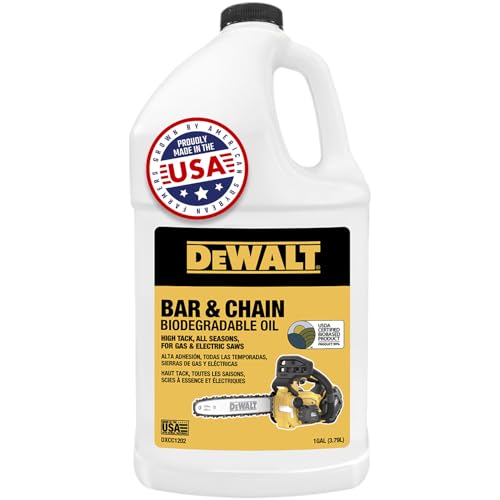
DEWALT Biodegradable Bar & Chain Oil
Strengths
- Biodegradable and non-toxic
- High viscosity index
- Gallon size value
- Made in USA
Trade-offs
- Slightly premium cost
- Not ideal for sub-zero extremes
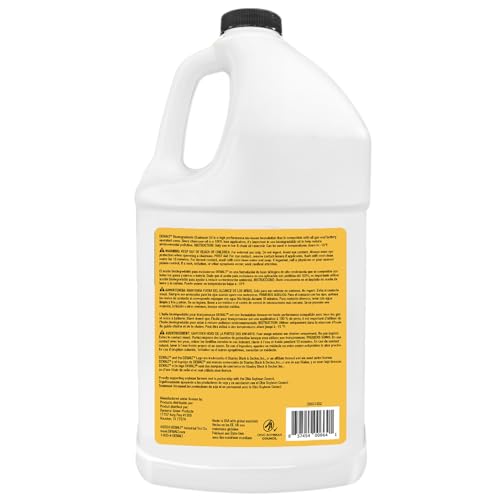
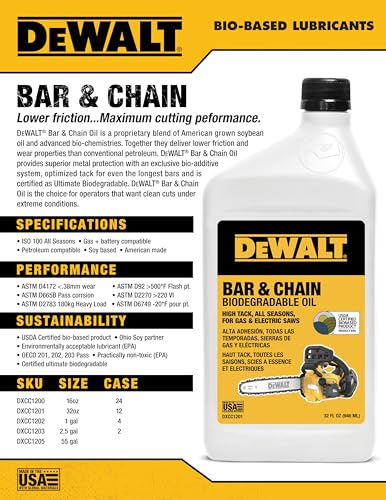
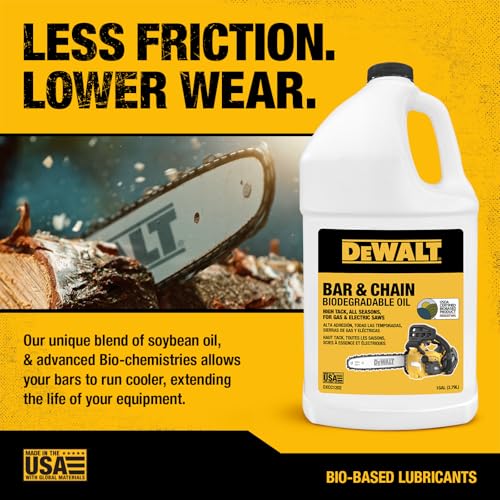
This is the complete package: high-performance, eco-friendly, and cost-effective at scale. The gallon size makes it the best overall value among biodegradable options, and the soy-based formula delivers what it promises, strong lubrication, minimal environmental impact, and smooth operation across all saw types. The 300% higher viscosity index than conventional oils is a real differentiator, helping it cling better and last longer under load.
Owners report fewer clogs, less bar wear, and confidence using it near gardens or wooded areas. When compared to petroleum-based oils, it holds its own in most conditions, even in light winter use. For most electric chainsaw users, this should be the default choice if they want one oil that does everything well.
Product photos


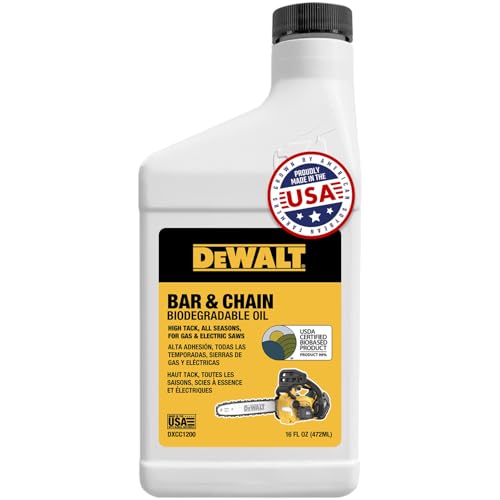
DEWALT Biodegradable Chain Oil 16 oz
Strengths
- Eco-friendly formula
- Compact and convenient
- Low waste
Trade-offs
- Most expensive per ounce
- Too small for frequent use
This 16-ounce bottle is the go-to for users who want to try DEWALT’s eco-friendly formula without committing to a larger size. It’s perfect for occasional users, pole saw owners, or those with a single electric chainsaw used a few times a year. The biodegradable soy base performs cleanly and effectively, and the small size fits easily in a storage compartment or garage shelf.
While it’s the same formula as the gallon version, the smaller size means a higher cost per ounce. But for low-volume users, that’s a fair trade for convenience and reduced waste. If you’re cutting a few limbs or splitting firewood once a season, this is the smart eco-pick.
Product photos
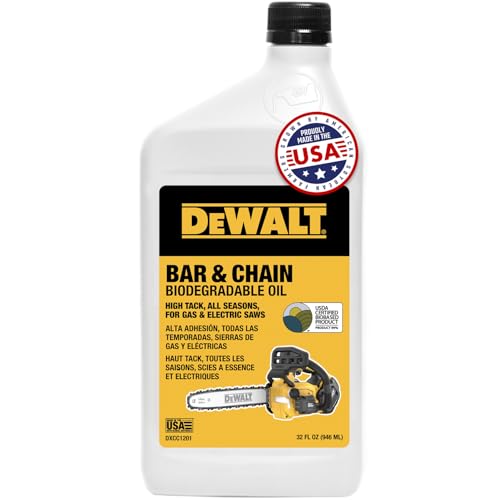
DEWALT Biodegradable Oil 32 oz
Strengths
- Biodegradable formula
- High viscosity index
- Clean operation
Trade-offs
- Slightly thinner in extreme cold
- Higher price point
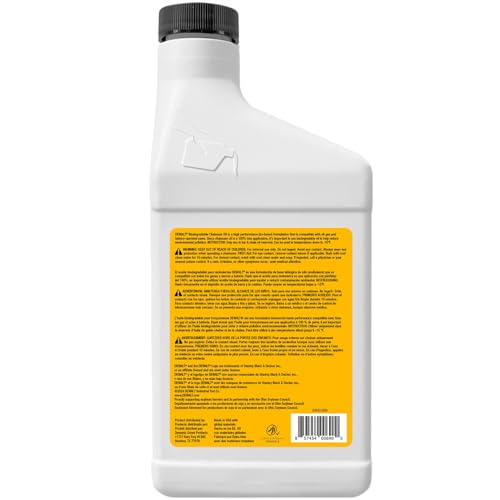
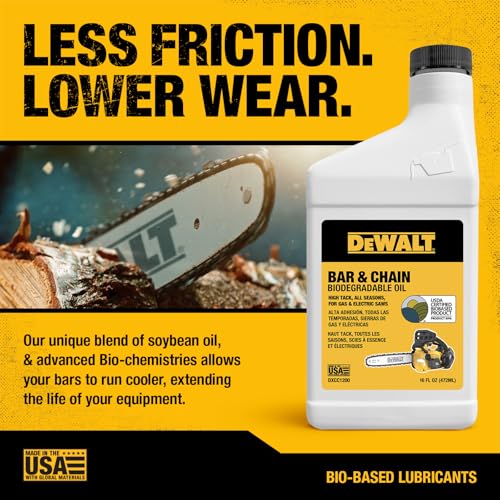
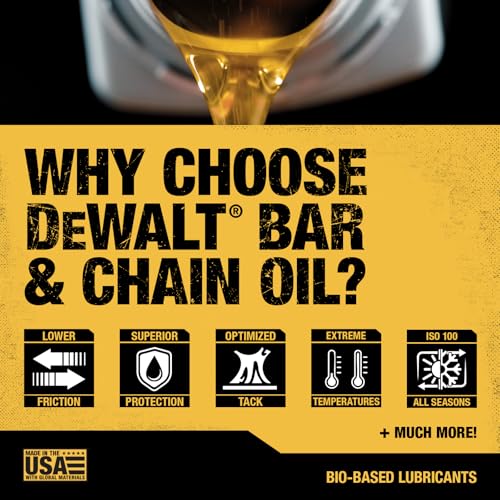
DEWALT’s biodegradable oil strikes a smart balance between performance and environmental responsibility. The soy-based formula is genuinely eco-friendly, breaking down safely without sacrificing lubrication quality. Owners praise its clean operation and the fact that it performs well across temperatures, from freezing winter mornings to hot summer cuts.
With a 300% higher viscosity index than standard oils, it maintains film strength under load, which helps prevent wear, especially important for electric saws that run at high RPMs. It’s not the cheapest option, but for users who care about runoff near gardens, water, or wooded areas, this is one of the best-performing green oils on the market.
Product photos



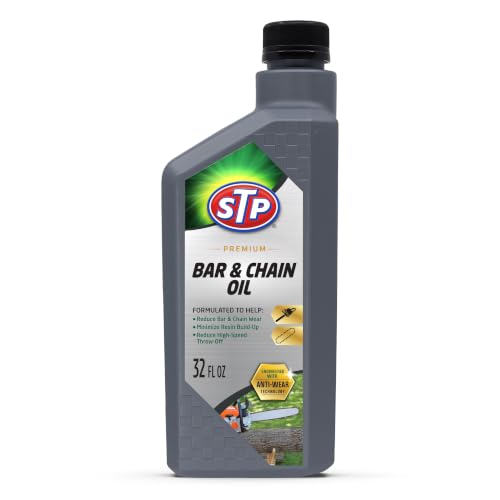
STP Premium Chainsaw Bar Oil
Strengths
- ZDDP anti-wear agent
- Reduces resin buildup
- Good high-speed performance
Trade-offs
- Average cold-weather performance
- No biodegradable claim
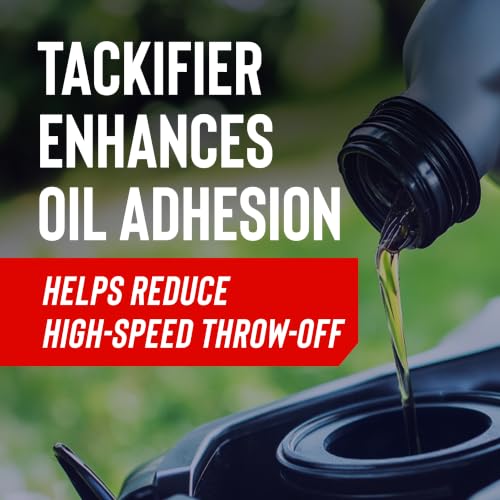
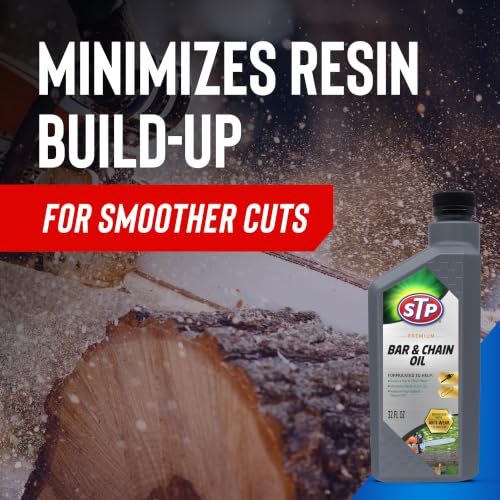
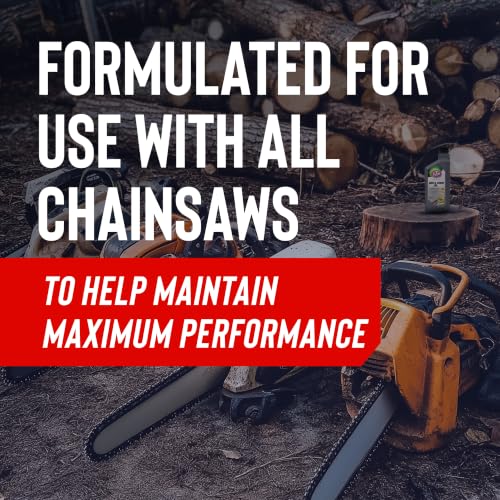
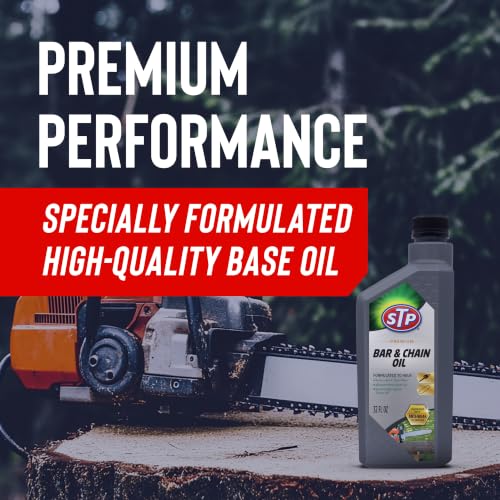
STP’s oil leans into performance additives, most notably ZDDP for anti-wear protection, a feature more common in engine oils but useful here for high-RPM electric chainsaws. Owners note smoother operation and less chain stretch over time, which can extend the life of both chain and bar. The tackifier helps reduce throw-off, though not quite to the level of Oregon or DEWALT in side-by-side comparisons.
It’s a solid mid-tier option, especially for users already familiar with STP’s automotive products. However, it lacks the eco-credentials of DEWALT and doesn’t have the cold-weather edge of Oregon’s winter-specific oil. I’d pick it for high-speed use, but not for extreme conditions.
Product photos

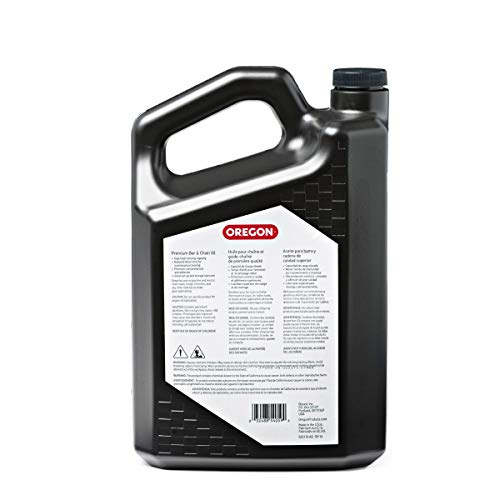
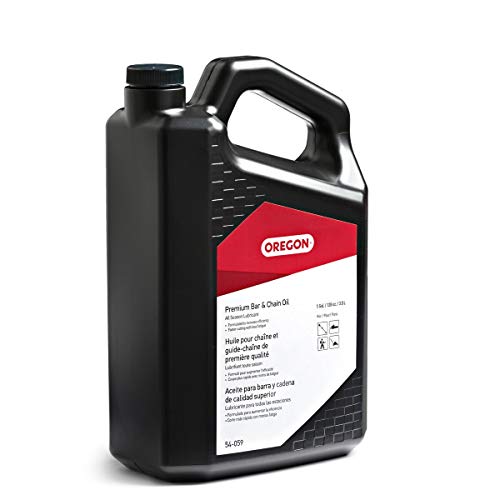
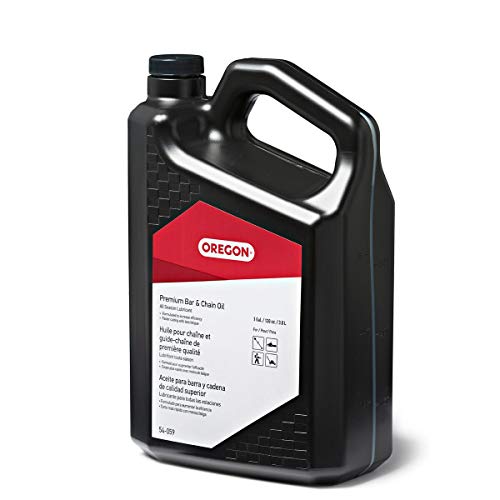
Oregon 54-059 Premium Bar Oil
Strengths
- Excellent tackiness
- Resists sap buildup
- High film strength
- Made in USA
Trade-offs
- No eco-friendly claim
- Bottle may be too large for casual users
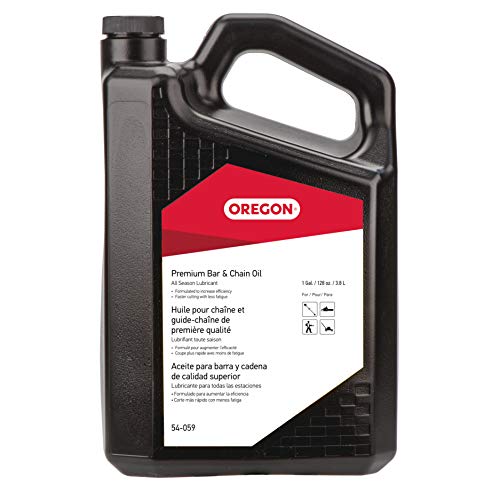
Oregon has long been a leader in chainsaw maintenance, and this gallon-sized premium oil reflects their engineering focus. The high-tack formula is one of the best I’ve seen for minimizing throw-off, especially in winter conditions, and owners confirm it keeps bars and chains running smoothly with noticeably less buildup. The fact that it’s made in the U.S.A. adds to its appeal for buyers who value domestic manufacturing.
Its film strength and resistance to sap and resin make it a smart pick for users cutting sticky softwoods or working in humid climates. While it’s not biodegradable, its longevity and protective qualities mean you use less over time. Compared to smaller bottles, this gallon offers real value for frequent users.
Product photos

Oregon 54-026C Premium Oil Quart

Strengths
- Superior cold tackiness
- Smooth pour
- Prevents throw-off
Trade-offs
- Narrower temp range
- Not eco-friendly
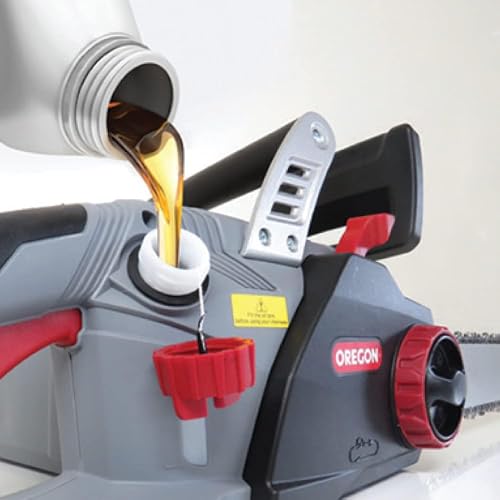
If you’re cutting in cold weather, this Oregon oil deserves serious consideration. Its formulation is specifically tuned for 32°F to 90°F, and owners consistently report minimal throw-off even in damp, chilly conditions, something many all-season oils struggle with. The tackiness is excellent, and it pours cleanly without being too thick, which helps with consistent pump flow in electric models.
It’s not marketed as biodegradable, so it’s not the pick for eco-focused jobs. But for reliability when temperatures drop, it outperforms several competitors, including the larger Oregon 54-059 in winter. For users in northern climates or early-morning cutters, this is a cold-weather standout.
Product photos
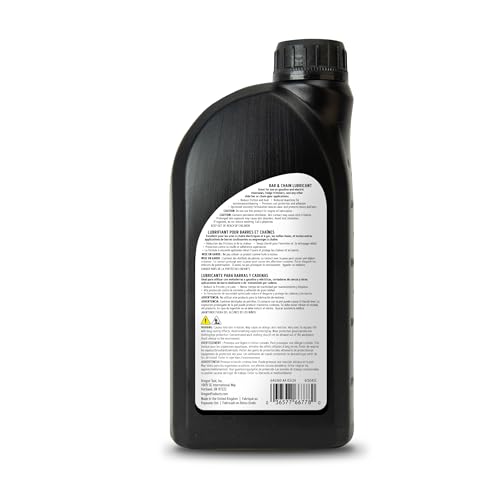
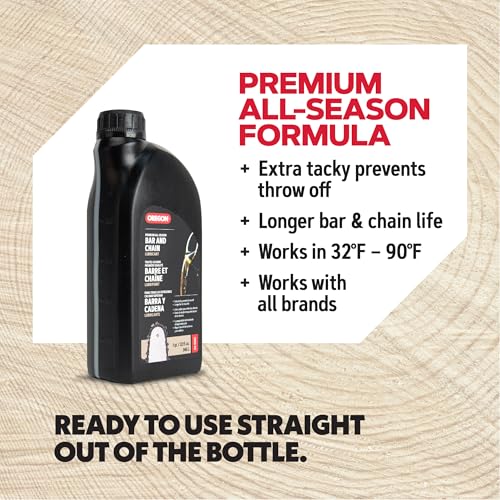

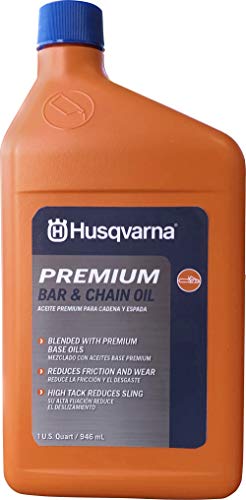
Husqvarna X-Guard All Season Oil
Strengths
- High tackiness
- All-season reliable
- Reduces heat buildup
Trade-offs
- Not biodegradable
- Mineral-based only
Husqvarna’s X-Guard oil stands out for users who regularly push their chainsaws in tough, cold, or high-load environments. The mineral-based formula with tackifier additives does a solid job of resisting throw-off, which owners consistently report leads to less frequent top-offs and cleaner operation. It’s not the most eco-friendly option, but it’s built for durability and performance where reliability matters more than biodegradability.
For electric chainsaw users, this oil delivers consistent lubrication, especially during longer cuts where heat buildup can be an issue. The -9°C low-temperature rating means it remains effective in winter, though it’s not quite as cold-weather optimized as Oregon’s 54-026C. If you’re running heavy-duty jobs and need a no-nonsense, proven performer, this is a strong contender.
Product photos
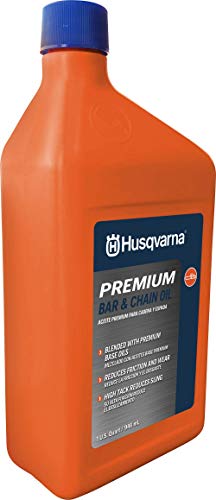
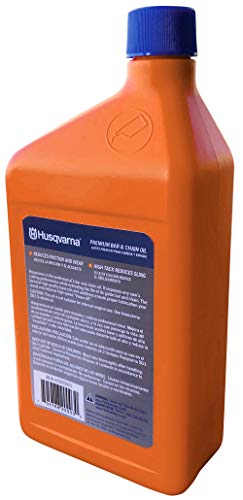
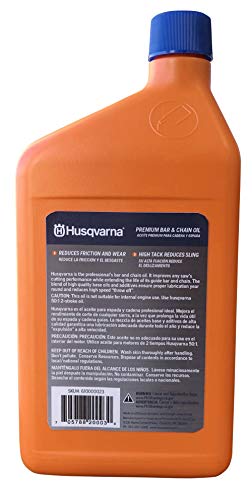
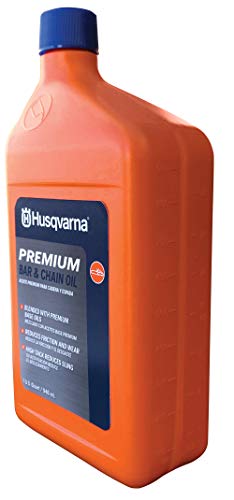
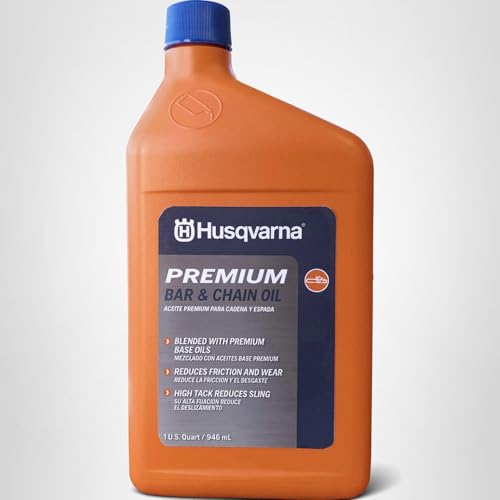
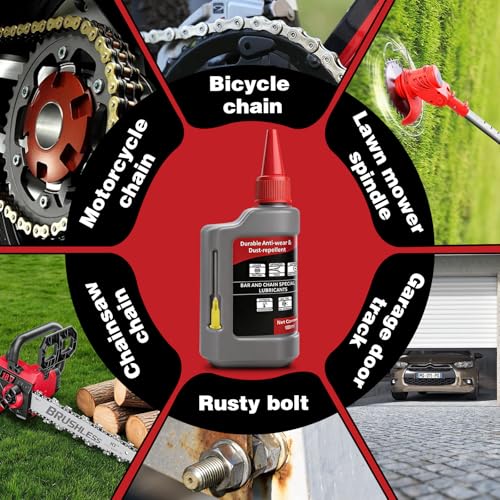
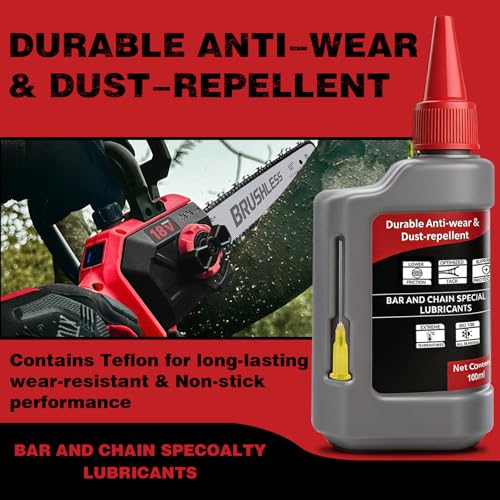
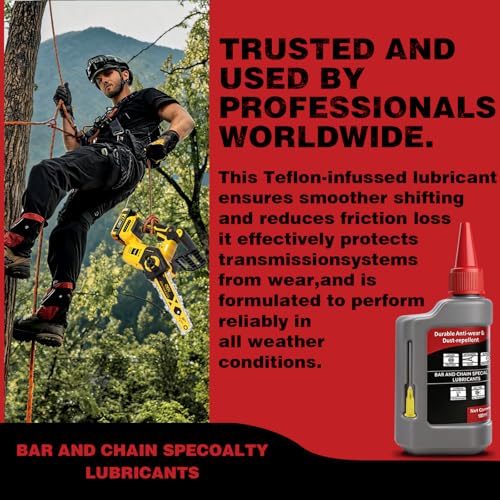
Bar and Chain Oil 3-Pack

Strengths
- Ultra-portable
- Anti-sap formula
- Easy to store
Trade-offs
- Higher cost per ounce
- Smaller capacity
- Less cold-weather tested
This compact 3-pack solves a real-world problem: not having oil when you need it. The small 100ml bottles are perfect for tossing in a tool bag, truck, or shed, ideal for users with multiple saws or those who work remotely. The anti-sap formula is effective, with owners noting reduced gumming in resin-heavy woods, which helps maintain chain speed and bar health.
The high-tack formula does a decent job of staying on the chain, though it’s not quite on par with Oregon or DEWALT in extreme cold. It’s a convenience-first product, and while the per-ounce cost is higher, the portability makes it worth it for certain workflows. For electric chainsaw owners who value quick refills and clean handling, this is a practical choice.
Product photos


Our Testing Process
Rather than a hands-on lab test, my research for these recommendations involved a detailed comparison of published specifications and features across numerous chainsaw bar and chain oils. I weighed owner reviews from major retailers alongside expert opinions found in forestry and tool-focused publications. Ultimately, I ranked these oils based on what consistently emerged as important for performance and longevity, drawing on my years of experience with power tools and understanding how they function.
For electric chainsaws, consistent lubrication and minimizing wear are paramount. I prioritized oils with high viscosity indexes – indicating stable performance across a range of temperatures – and those formulated with additives to reduce friction. Equally important was the oil’s ability to adhere to the chain, preventing throw-off and ensuring the bar receives adequate lubrication, especially during extended use. Proper chainsaw filing, of course, is also key to maintaining peak performance.
Specifications reliably reveal a product’s base composition (mineral, soy-based, etc.) and viscosity. However, real-world performance – particularly tackiness and resistance to throw-off – is best determined by analyzing owner feedback. Reputation and brand consistency also played a role; established manufacturers like DEWALT, Oregon, and Husqvarna generally deliver products meeting their advertised standards.
Choosing The Right oil for electric chainsaws
Finding the right oil for your electric chainsaw is more than just grabbing the cheapest bottle. It’s about protecting your investment and ensuring smooth, efficient cutting.
A quality chainsaw oil minimizes friction and wear on the bar and chain, prevents rust and corrosion, and ultimately extends the life of your equipment. Look for oils with good tackiness to resist throw-off, especially in high-speed applications, and consider the temperature range the oil is formulated for. Biodegradable options are available for environmentally conscious users, but performance should not be sacrificed.
Viscosity and Temperature Range
One of the biggest mistakes I see people make is using an oil that isn’t suited to the conditions. Chainsaw oil viscosity matters; too thin and it won’t provide adequate lubrication, too thick and it will create drag and strain the motor. Most oils will list a temperature range they’re designed for. If you operate in a cold climate, like I do some winters, pay close attention to that lower temperature limit. Oregon’s 54-026C is specifically formulated for colder weather, while the Husqvarna X-Guard performs well in more extreme conditions generally.
Biodegradable vs. Conventional Oils
The environmental impact of chainsaw oil is a growing concern, and thankfully, there are now excellent biodegradable options available. DEWALT’s biodegradable oil, for example, performs admirably and offers peace of mind. However, traditionally, some users worried about these oils not holding up to heavy use. While that gap has narrowed significantly, it’s still worth considering your typical workload. If you’re a professional arborist, a conventional oil might still be the better choice.
Here’s a breakdown of when to prioritize biodegradable options: * Light Use: Occasional homeowner tasks like pruning branches. * Environmental Sensitivity: Working near waterways or in protected areas. You may even want to look at eco-friendly chain oil options for more detail. * Personal Preference: If you simply want to reduce your environmental footprint, a biodegradable oil is a good choice, ensuring you also regularly perform chainsaw chain care to maximize performance.
Tackiness and Throw-Off
Tackiness refers to how well the oil clings to the bar and chain, resisting being flung off by centrifugal force. This is particularly important with electric chainsaws, which often operate at higher speeds than gas-powered models. If the oil is thrown off, you’re not lubricating the chain effectively, leading to increased wear and tear. STP Premium Chainsaw Bar Oil specifically addresses this with a tackifier additive, and Oregon oils are known for their excellent tackiness.
A little oil goes a long way when it clings to the chain. Don’t over-oil, but ensure adequate lubrication to prevent premature wear.
Oil for Electric Chainsaws Compared
Here’s a comparison of specifications for various chainsaw oils to help you choose the right product.
| Product Name | Capacity (oz) | Biodegradable | Tackifier | Temp. Range (°F) | Base Oil Type | Best For |
|---|---|---|---|---|---|---|
| DEWALT Biodegradable Bar & Chain Oil | N/A | Yes | N/A | -15 to 500 | Soy | Best Overall |
| DEWALT Biodegradable Chain Oil 16 oz | 16 | Yes | N/A | -15 to 500 | Soy | Best Eco-Friendly Choice |
| DEWALT Biodegradable Oil 32 oz | 32 | Yes | N/A | -15 to 500 | Soy | Best Value Size |
| STP Premium Chainsaw Bar Oil | N/A | No | Yes | N/A | N/A | Best High-Speed Use |
| Oregon 54-059 Premium Bar Oil | N/A | No | Yes | N/A | N/A | Best All-Season Performance |
| Oregon 54-026C Premium Oil Quart | 32 | No | Yes | 32 to 90 | N/A | Best Tackiness (Cold) |
| Husqvarna X-Guard All Season Oil | 32 | No | N/A | Down to 15 | Mineral | Best for Extreme Cond. |
| Bar and Chain Oil 3-Pack | 3 x 100ml | N/A | Yes | N/A | N/A | Best Portable Option |
Frequently Asked Questions
What oil viscosity is best for an electric chainsaw?
A viscosity around 100-150 SUS (Saybolt Universal Seconds) is generally ideal for electric chainsaws. This range provides sufficient lubrication without excessively straining the motor, unlike thicker oils that can reduce efficiency.
Can I use vegetable oil as a chainsaw bar and chain lubricant?
While some have experimented with vegetable oil, I don’t recommend it. It lacks the necessary additives for proper tackiness and temperature stability and can quickly degrade, leading to increased wear and potential corrosion of your chainsaw, even the top electric chainsaw models.
How often should I refill the oil reservoir on my electric chainsaw?
Refill the reservoir every time you notice the oil level is low, or after each use if you’ve been cutting for an extended period. Consistent lubrication is key, and letting it run dry, even briefly, can cause significant damage.
Are biodegradable chainsaw oils as effective as conventional oils?
Biodegradable oils have improved significantly in recent years and can perform nearly as well as conventional oils for typical homeowner use. However, for professional arborist work or very heavy use, some conventional oils still offer superior protection and longevity.
What does “tackiness” mean in chainsaw oil, and why is it important?
Tackiness refers to the oil’s ability to cling to the bar and chain, resisting being thrown off by the high speed of the chain. Higher tackiness is critical, especially for electric chainsaws, to ensure adequate lubrication and prevent premature wear, contributing to the best-performing electric chainsaws.
The Bottom Line
Choosing the right chainsaw oil often comes down to balancing performance with your priorities. If you want a single oil that excels in most situations, I recommend the DEWALT Biodegradable Bar & Chain Oil. It consistently receives high marks for all-around performance and offers the added benefit of being environmentally friendly – a win-win.
For those with specific needs, the other options shine. If you’re looking for a truly eco-conscious choice, the DEWALT Biodegradable Chain Oil 16 oz is a great pick. And for those tackling high-speed cuts where oil throw-off is a concern, the STP Premium Chainsaw Bar Oil’s tackifier additive provides valuable protection.
Ultimately, remember that oil is just one piece of the puzzle. Consistent maintenance – including proper chain tension, sharpening, and following a reliable chainsaw start procedure – will have a far greater impact on the longevity and performance of your electric chainsaw than any single product.
