
5 Best MIG Welders Under $1000 of 2026
This post contains affiliate links. As an Amazon Associate, we earn from qualifying purchases.
The YESWELDER MP200-PRO stands out as the best overall mig welder under $1000, delivering strong 200-amp performance and four welding processes in one package. For those on a tighter budget, the BILT HARD 135A offers solid core features in a compact 110V design, while the PUWU CT-418 PRO brings similar high-end versatility with dual voltage flexibility.
Most people shopping for a mig welder under $1000 are trying to balance real capability with a limited budget. They don’t want to waste money on something that can’t handle their projects or fails after a few uses.
This guide cuts through the noise by focusing on what actually matters, specs that match your material needs, verified owner feedback, and features that make welding easier and more flexible. I looked at amperage, duty cycle, process options, and real-world reliability to find the models that deliver the most value without breaking the bank.
Top 5 Mig Welder Under 1000S in the Market
The Best Mig Welder Under 1000S, Reviewed
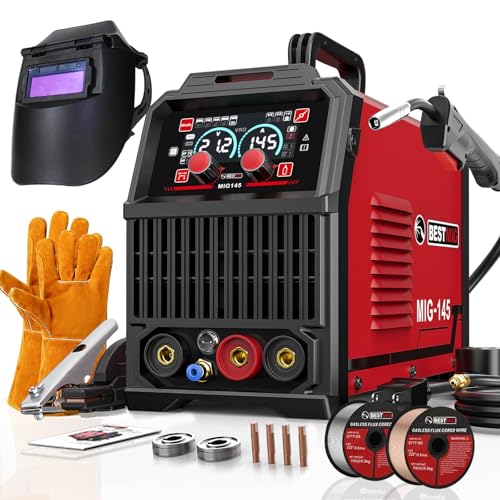
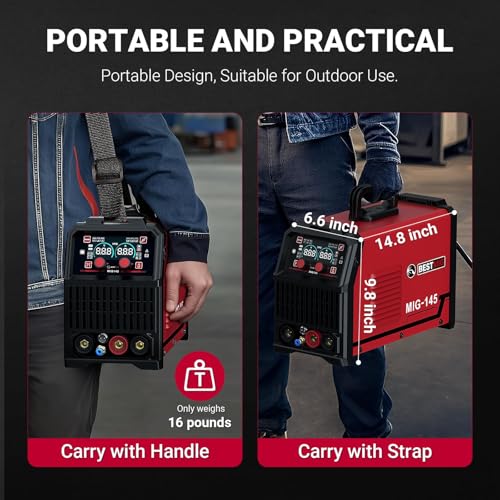
BESTMIG 145A 4-in-1 Welder
Strengths
- Comes with helmet and gloves
- Simple synergic mode
- Solid build quality
Trade-offs
- TIG torch not included
- No pulse functions
- Limited to 145A max
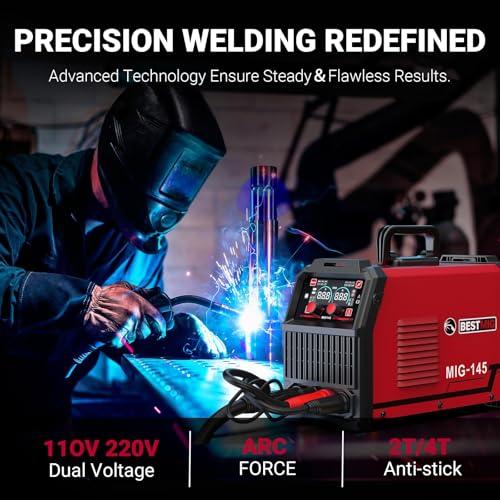
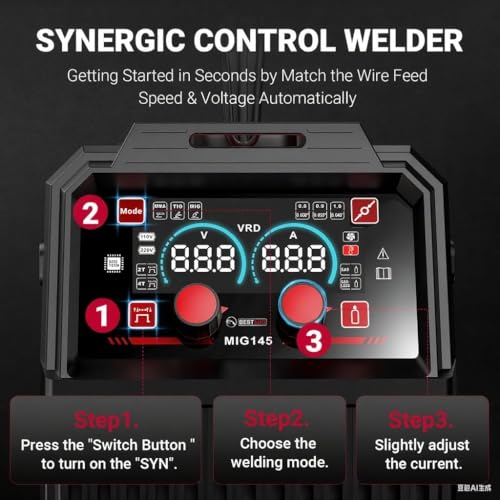
This is the machine I’d recommend to a neighbor who wants to get serious about welding without overcomplicating things. It strikes a near-perfect balance between capability, ease of use, and included accessories. The synergic MIG mode works well for beginners, while the manual override gives experienced users room to tweak. Owners report smooth arcs and low spatter, especially on mild and stainless steel up to 3mm, which covers most household and garage projects.
What pushes it into ‘best overall’ territory is the full kit: you get a quality auto-darkening helmet, gloves, and even two types of wire. That’s rare at this price. The lack of a TIG torch in the box is a miss, but otherwise, it’s ready to weld out of the gate. It won’t match the MP200-PRO’s pulse features, but for most users, it delivers where it counts.
Product photos

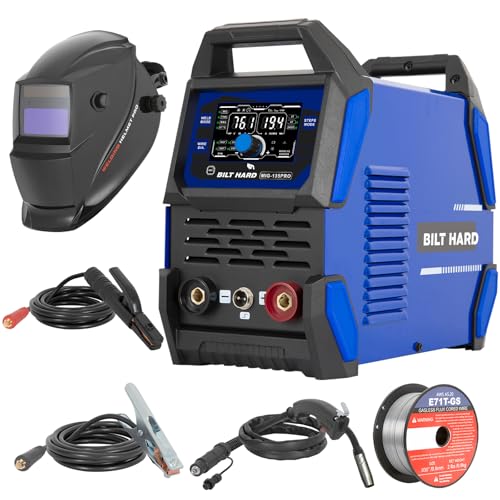
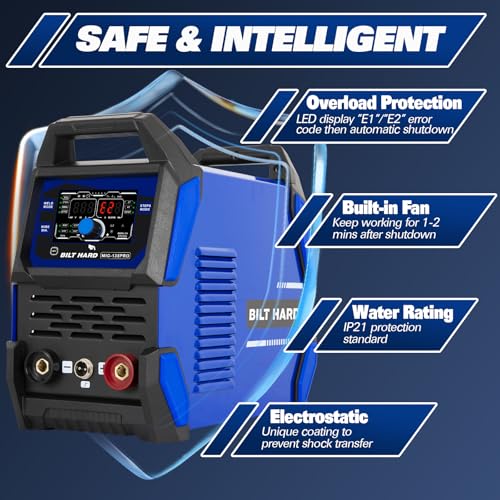
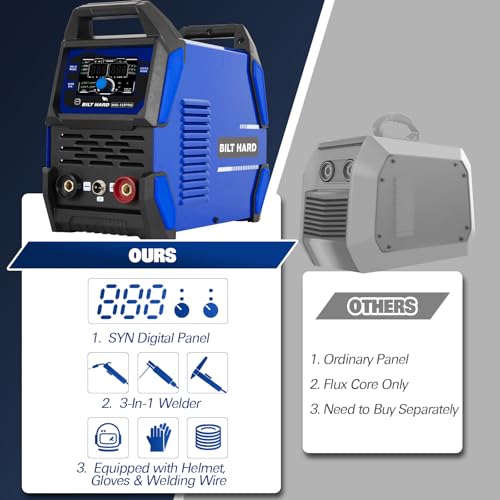
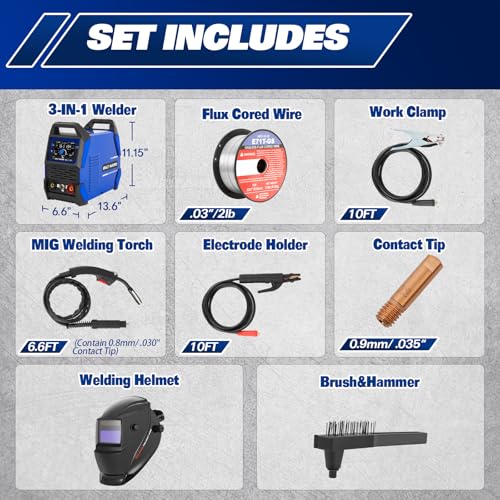
BILT HARD 135A IGBT Welder
Strengths
- Affordable entry point
- Includes solar helmet
- Simple 3-mode operation
Trade-offs
- 110V only
- No TIG torch included
- Lower duty cycle
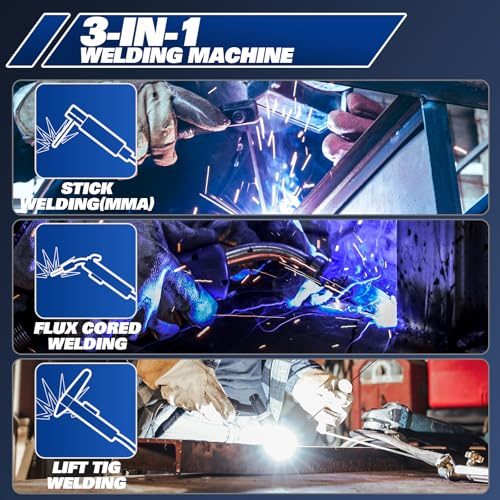
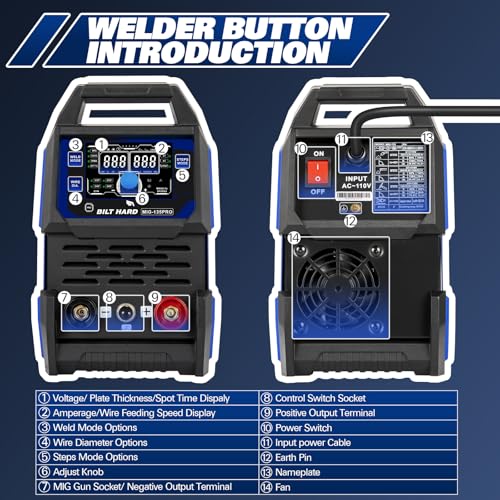
This is the budget pick that doesn’t feel cheap. At 135 amps and 110V-only, it’s clearly aimed at light-duty work, but the IGBT inverter tech keeps it efficient and stable even on household circuits. The synergic control makes it easy for first-timers to get decent beads without drowning in settings, and the 2T/4T/SPOT modes add real utility for different weld types, especially handy for quick fixes or sheet metal.
I like that it includes a solar-powered helmet, no batteries to replace, and the core accessories are all there. It won’t handle thick steel or long runs, but for small repairs, fence fixes, or basic fabrication, it’s more than capable. If you’re welding less than 20 minutes at a time and mostly on thin to medium metal, this is the smarter buy over pricier models.
Product photos
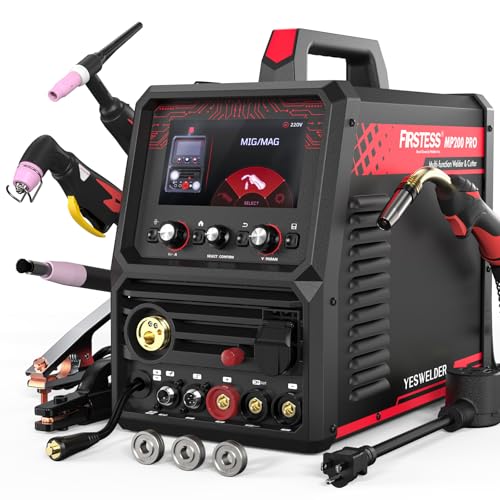
YESWELDER MP200-PRO 9-in-1 Welder
Strengths
- Pulse MIG and TIG
- 40 memory presets
- Large, readable display
Trade-offs
- Foot pedal sold separately
- Spool gun not included
- Slightly bulkier design
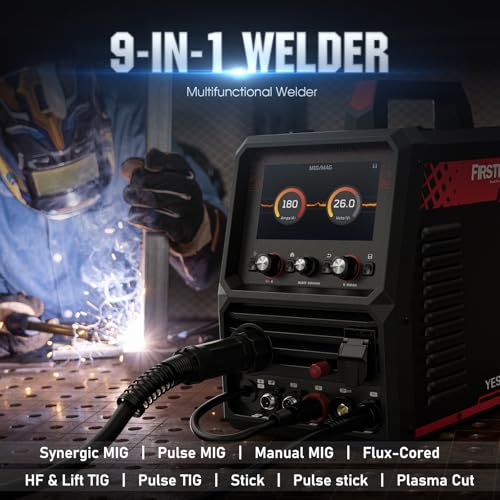
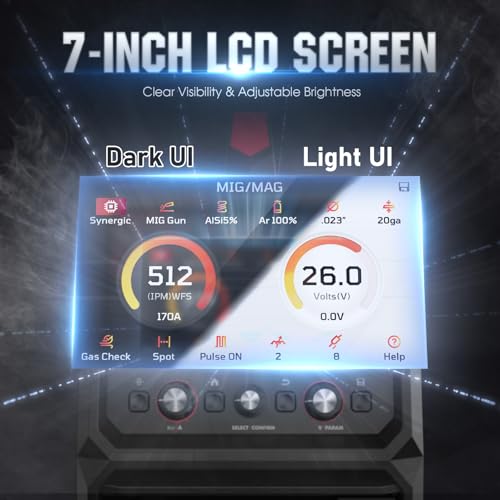
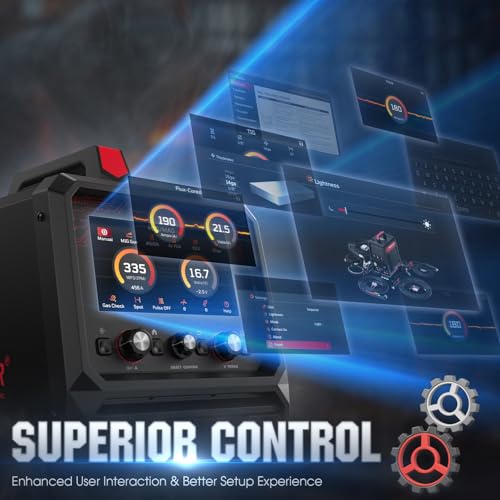
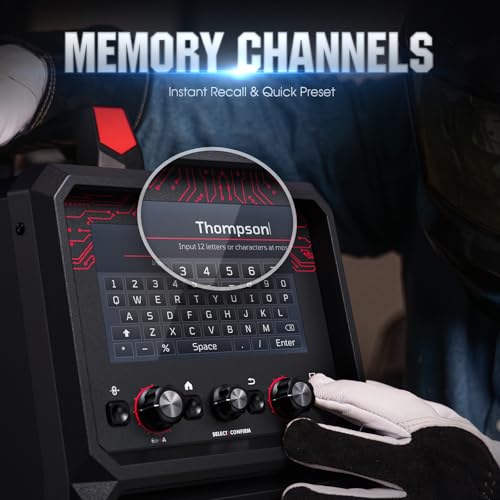
If you’re stepping into multi-process welding and want room to grow, the MP200-PRO feels like the most thoughtful machine in this group. The 7-inch LCD screen isn’t just big, it’s functional, letting you tweak settings without yanking off your helmet, and the tactile knob works even with thick gloves. What really sets this apart is the 40 memory slots. Reviewers who bounce between MIG and TIG jobs say this saves real time, especially when switching materials or wire types.
It’s also one of the few under $1,000 that offers pulse MIG and pulse TIG, which translates to finer control and cleaner welds on thin metals. The dual voltage and solid 200-amp output mean it can handle most home and shop tasks with ease. I’d pick this over the others if you’re serious about learning or already have some experience and want a machine that won’t hold you back.
Product photos
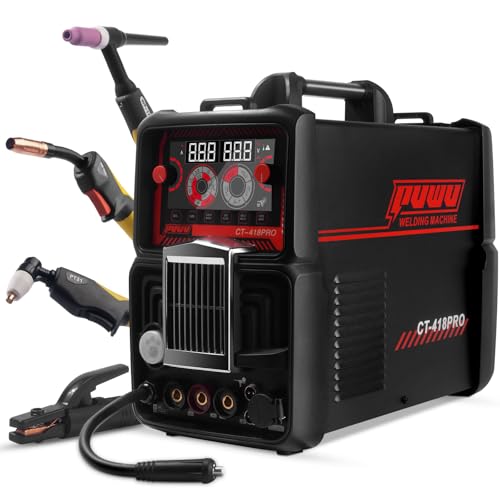
PUWU CT-418 PRO 5-in-1 Welder
Strengths
- Dual voltage
- HF TIG included
- Plasma cutting capable
Trade-offs
- Spool gun not included
- No memory presets
- Heavier duty tasks limited
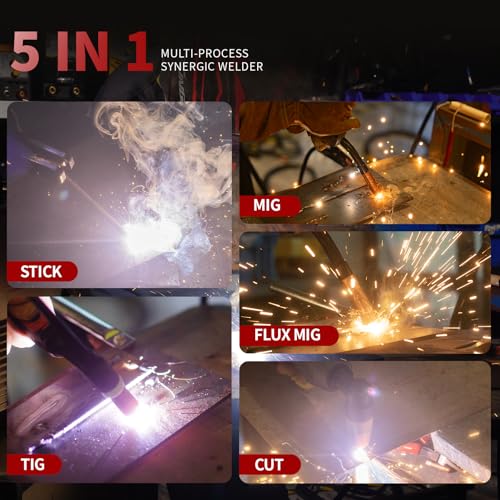
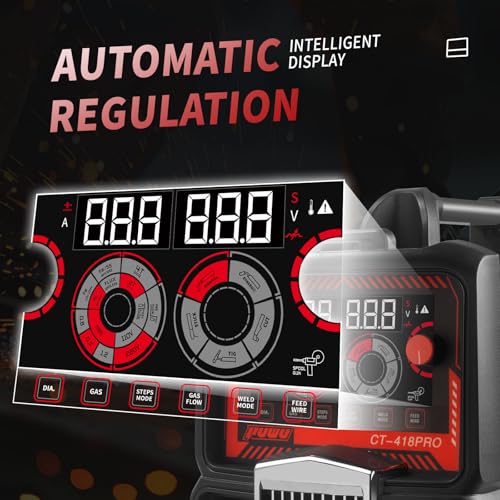
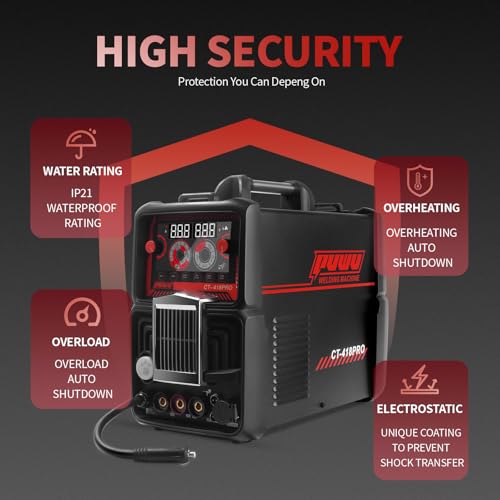
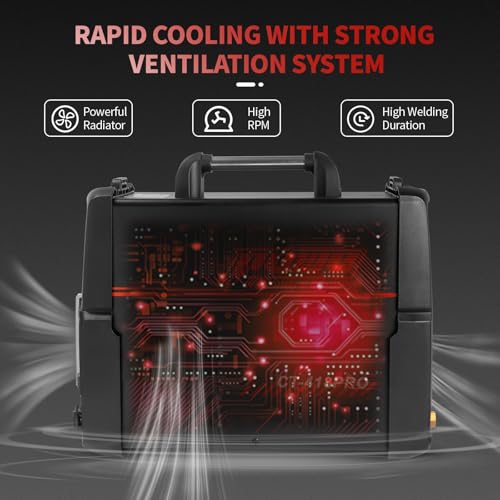
This 5-in-1 combo unit packs serious versatility into a surprisingly compact frame. On paper, the ability to switch between MIG, flux core, TIG, stick, and plasma cutting with dual voltage support makes it a strong contender for DIYers who need flexibility without hauling around multiple machines. The inclusion of HF TIG is a standout, owners consistently report cleaner arc starts and less tungsten pitting compared to lift TIG models in this range, which matters when working on thin or sensitive materials.
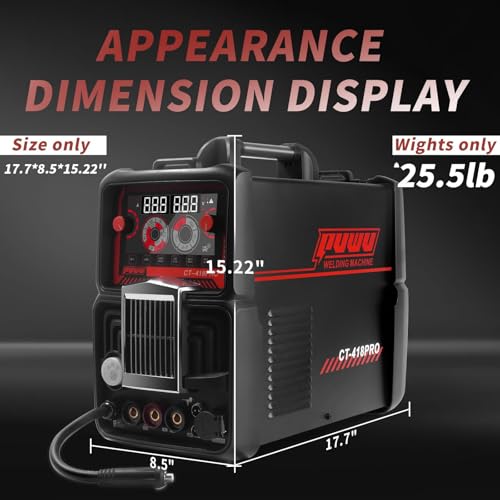
Where it really pulls ahead is in thoughtful design: the digital display is clear, the synergic MIG mode simplifies setup for beginners, and the 25.5-pound weight makes it genuinely portable. However, the spool gun is sold separately, which stings a bit if you’re serious about aluminum work. Still, for someone who needs a do-it-all machine for garage projects or field repairs, this checks a lot of boxes.
Product photos
FEMEROL 6-in-1 Plasma Welder

Strengths
- HF TIG for clean starts
- Spool gun ready
- Strong plasma cutter
Trade-offs
- No pulse welding
- No memory storage
- Teflon liner included but fragile
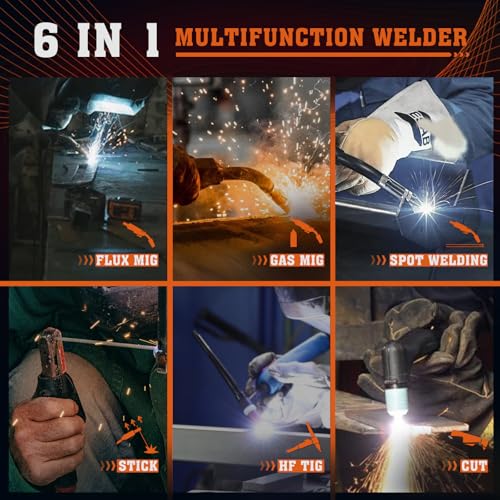
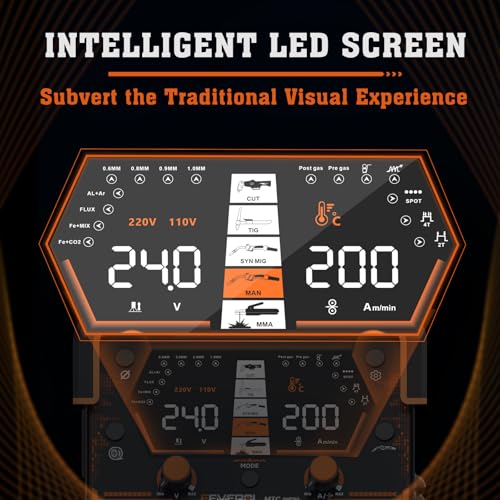
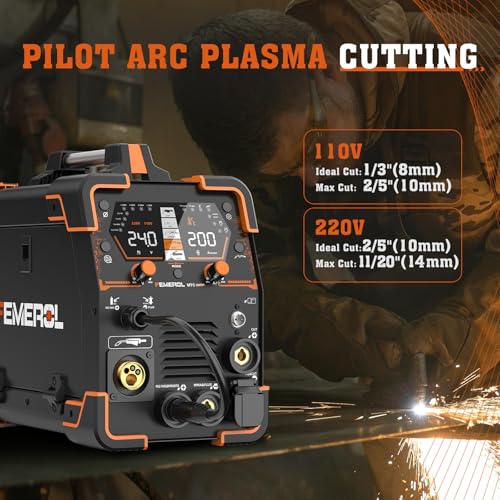
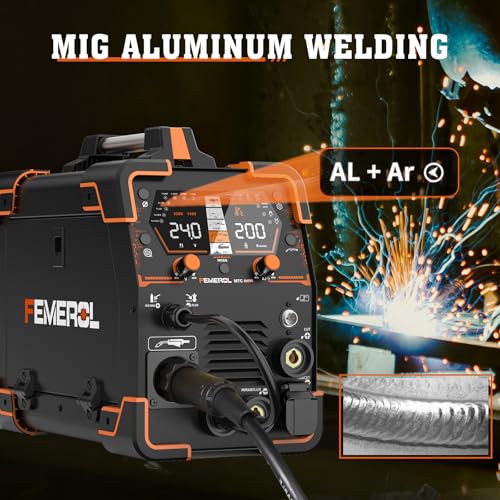
If aluminum is your main target, this 6-in-1 unit stands out, not just because it supports spool gun compatibility, but because the HF TIG system gives you that critical non-contact arc start. That’s a big deal when welding aluminum, where lift start can lead to contamination and inconsistent results. The plasma cutter also holds its own, with a clean cut up to 10mm on 220V, which covers most field-cutting needs.
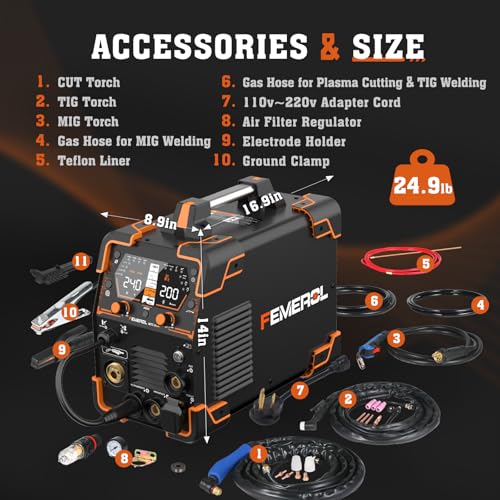
Owners praise its stable arc and responsive controls, and the full accessory bundle means fewer add-on purchases. It lacks pulse functions and memory presets, so it’s not as refined as the YESWELDER, but for someone focused on aluminum and occasional steel work, this machine delivers where it matters.
Product photos
How We Evaluated mig welder under 1000s
Rather than a hands-on lab test, my research focused on a detailed comparison of published specifications and features across several models. I weighed owner reviews from multiple sources – including major retailers and welding forums – alongside assessments from reputable expert reviewers. This data was then ranked against clear criteria important for home and small-shop use, considering both performance and value.
For this category, amperage output, duty cycle, and the versatility of welding processes were the most heavily weighted factors. Higher amperage allows for thicker material welding, while a good duty cycle indicates sustained use without overheating. The ability to perform multiple processes (MIG, TIG, Stick, Plasma Cut) adds significant value, especially for hobbyists or those with varied project needs.
Specifications reliably detail amperage, voltage, and duty cycle, giving a baseline for capability. However, owner feedback and reputation were crucial for judging real-world usability, arc stability, and the quality of included accessories. I paid close attention to reports of problems with cooling systems, component failures, or inaccurate settings, and used that information to adjust rankings. Finding the best beginner MIG welder ultimately came down to balancing features, performance, and reported reliability.
What To Look For In mig welder under 1000s
Choosing a mig welder can feel overwhelming, but focusing on a few key areas will narrow down your options considerably.
A quality mig welder balances portability with sufficient amperage for the materials you’ll work with. Look for models offering multiple processes (MIG, Stick, TIG) for versatility, and prioritize safety features like overheat protection. Consistent arc performance and ease of use are also crucial, especially for beginners. A robust build quality and readily available consumables will contribute to long-term value.
Amperage and Material Thickness
The amperage output of a welder directly dictates the thickness of metal you can effectively join. While many welders advertise a maximum amperage, it’s crucial to consider the duty cycle at that level. A welder boasting 200 amps with a 20% duty cycle isn’t as useful as a 175-amp model with a 60% duty cycle if you plan on sustained welding. For most home and automotive projects, 120-140 amps is a good starting point, allowing you to work with steel up to roughly 1/4 inch thick. If you anticipate thicker materials or frequent, long welds, stepping up to 175-200 amps is wise.
Process Versatility
Many mig welders aren’t just mig welders anymore. The trend is toward multi-process machines that combine mig with stick (SMAW) and TIG (GTAW) capabilities. While a dedicated TIG welder will always offer more finesse, having TIG functionality built-in provides a useful backup for delicate work or different materials. Flux-cored welding is another valuable option, eliminating the need for shielding gas, which is great for outdoor or drafty environments. If you’re considering aluminum welding, make sure the unit is specifically capable (some require a spool gun attachment, sold separately) and that you understand the complexities of welding this material. Finding top welders under $1000 that offer multiple processes gives you the most bang for your buck.
Usability and Features
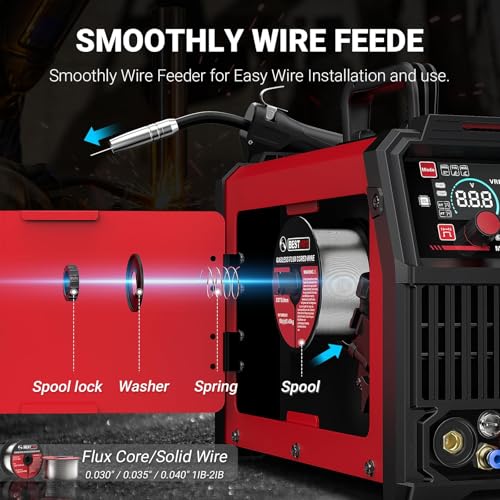
Don’t underestimate the importance of user-friendly features. A clear, easy-to-read display is essential, especially if you’re a beginner. Synergic control systems, like those found in the BILT HARD and YESWELDER models, automatically adjust parameters based on wire type and thickness, simplifying the setup process. Here’s what I look for in usability: * A robust wire feed mechanism is critical for consistent welds. * Adjustable burn-back and inductance controls (on more advanced models) allow fine-tuning of the arc characteristics. * A well-designed handle and relatively compact size make a welder far more practical to move around the shop or job site.
A welder should feel intuitive and predictable. Don’t be afraid to spend a little more for a machine that makes the learning curve less steep and the welding process more enjoyable.
I often recommend considering a machine with a good selection of included accessories, as this can save you money and hassle down the line. If you’re new to welding, starting with one of the more feature-rich models, like the YESWELDER MP200-PRO, can be a smart investment; these often include auto-darkening helmets and enough consumables to get you going. Ultimately, the best mig welder for you will depend on your specific needs and budget, but prioritizing these factors will help you find a best overall welder under 1000 that delivers performance and value. And don’t forget to research available consumables and support to ensure long-term satisfaction – choosing affordable welding machines under $1000 doesn’t mean sacrificing quality or support.
MIG Welders Under $1000 Compared
Here’s a comparison of key specifications for MIG welders priced under $1000.
| Product | Amperage (MIG) | Voltage | Processes | Duty Cycle (%) | Gas/Gasless | Portability |
|---|---|---|---|---|---|---|
| BESTMIG 145A | 145A | 110/220V | MIG, Stick, TIG | N/A | Both | Portable |
| BILT HARD 135A | 135A | 110V | MIG, TIG, Stick | N/A | Flux Core | Portable |
| YESWELDER MP200-PRO | 200A | 120/240V | MIG, TIG, Stick, Cut | N/A | Both | Moderate |
| PUWU CT-418 PRO | 200A (220V)/146A(110V) | 110/220V | MIG, TIG, Stick, Cut | N/A | Both | Portable |
| FEMEROL 6-in-1 | N/A | N/A | MIG, TIG, Stick, Cut | 60 | Both | Moderate |
Frequently Asked Questions
What’s the difference between a 110V and 240V MIG welder?
A 240V welder delivers significantly more power, allowing for thicker metal welding and a higher duty cycle. However, 110V models are more convenient if you lack a 240V outlet, making them suitable for lighter projects and home garage MIG welders.
Are multi-process welders a good value?
Yes, multi-process welders offer exceptional versatility by combining MIG, TIG, and Stick welding into one machine. While they may not match the performance of dedicated welders in each process, they are a cost-effective option for hobbyists and those needing diverse capabilities.
What shielding gas is best for MIG welding steel?
Typically, a 75% argon / 25% CO2 blend is ideal for MIG welding steel, offering a good balance of arc stability and weld penetration. Pure CO2 is cheaper but can produce more spatter, while higher argon percentages are better for aluminum.
How important is a digital display on a MIG welder?
A digital display greatly improves accuracy and consistency, especially for beginners. It allows for precise adjustment of voltage and wire feed speed, resulting in cleaner, more reliable welds, and is a key feature in more advanced models.
What should I consider when buying consumables for a MIG welder?
Consumables like contact tips, nozzles, and welding wire are essential for maintaining weld quality. Prioritize purchasing from a reputable supplier to ensure compatibility and consistent performance, and factor the ongoing cost of these items into your overall budget.
The Bottom Line
Buying a mig welder under $1000 often comes down to deciding how much you value all-in-one convenience versus focused performance. While many options exist, the YESWELDER MP200-PRO strikes the best balance for most users, offering a solid feature set, multi-process capability, and enough power for a wide range of projects. It’s a step up in price, but the added versatility and positive owner feedback make it a worthwhile investment.
For those on a tighter budget, or focused primarily on basic MIG welding, the BILT HARD 135A is a strong contender. If you’re looking for a machine specifically for MIG welders for DIY projects, or simply need a portable and easy-to-use option for smaller repairs, this model delivers good value. Similarly, if you need a machine capable of cutting metal as well as welding, the PUWU CT-418 PRO offers a lot of functionality for the price.
Ultimately, the specs on any welder are only part of the story. Don’t get too caught up in chasing the highest amperage or fanciest features. Focus instead on build quality, ease of use, and the availability of support and consumables, a reliable arc and consistent performance are far more important than any single number on a datasheet.
