
7 Best Jumping Jack Compactors of 2026
This post contains affiliate links. As an Amazon Associate, we earn from qualifying purchases.
The VEVOR 6.5 HP and SuperHandy 7HP stand out as the top performers, with the BILT HARD 3.0HP GX100 offering solid power in a more compact package. After comparing specs and owner feedback, these three deliver the best mix of impact force, engine reliability, and real-world usability for most users.
Most people don’t realize how much difference a few hundred pounds of impact force can make until they’re fighting through compacted clay or trying to finish a job before dark. A weak or poorly built jumping jack turns a manageable task into a frustrating slog.
This guide cuts through the marketing noise. I focused on engine quality, impact force, and long-term durability, using verified specs and owner experiences to find models that actually hold up. These picks are based on what matters in the field, not just on paper.
Top 7 Jumping Jack Compactors in the Market
The Best Jumping Jack Compactors, Reviewed
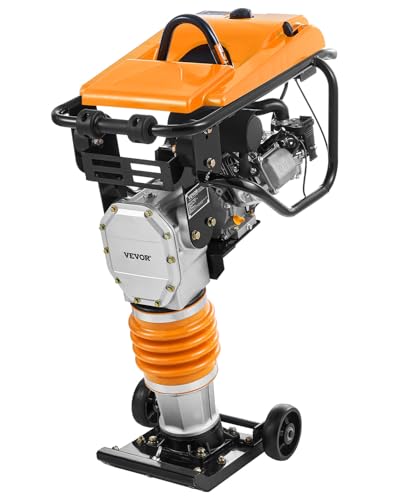
VEVOR 6.5 HP Jumping Jack Compactor
Strengths
- Highest impact force
- Fast travel speed
- Clear fluid visibility
Trade-offs
- Fuel tank on smaller side
- Assembly can be fussy
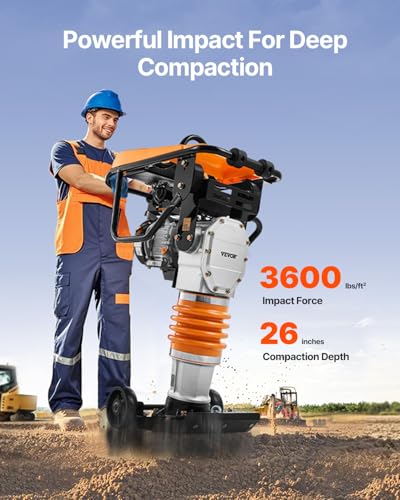
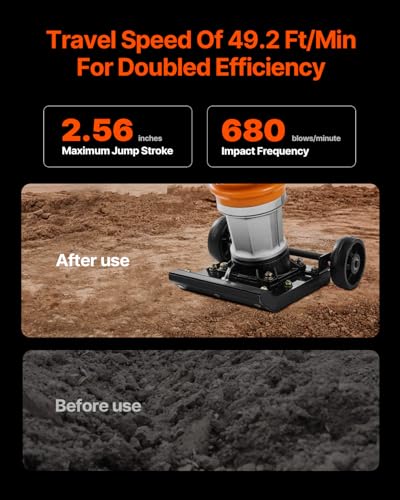
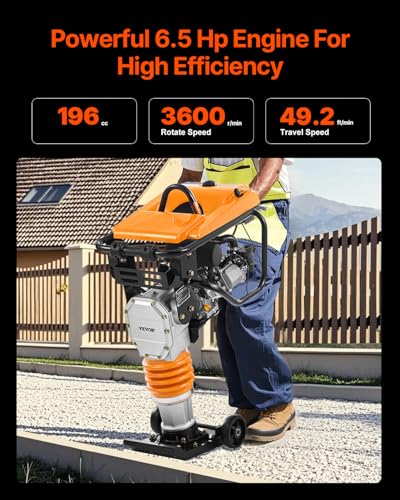
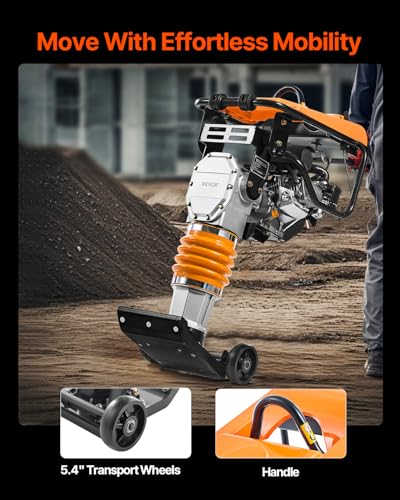
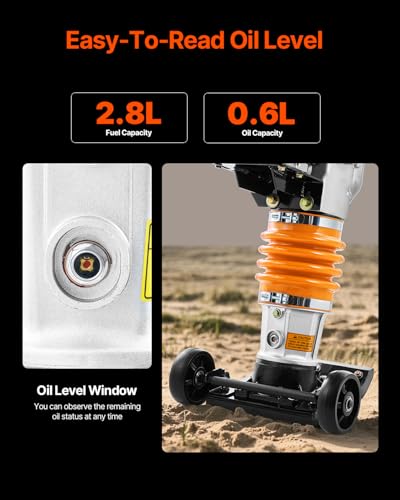
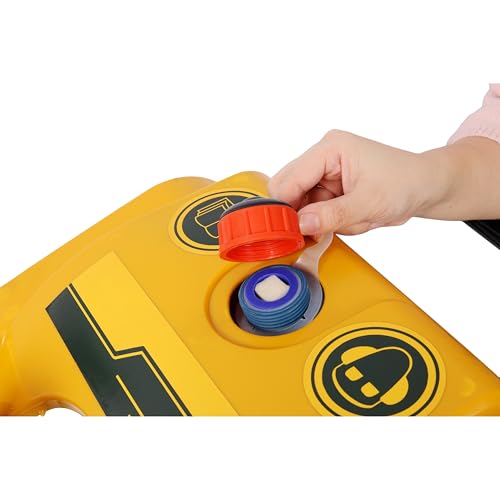
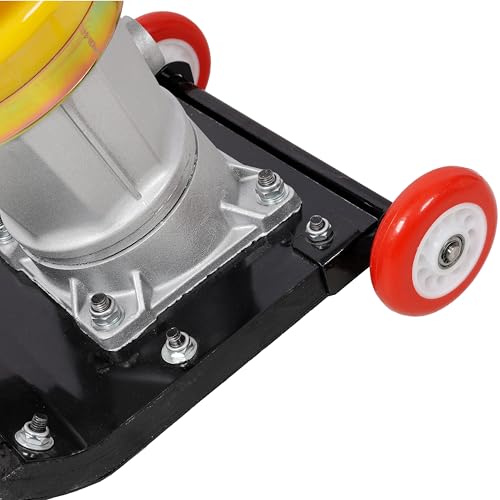
VEVOR hits a sweet spot with 3600 lbs of impact force and a 26-inch depth rating, the highest in this group. That kind of force means it handles both granular and cohesive soils with confidence, and the 49.2 ft/min travel speed actually makes a difference when covering larger zones. The 5.4-inch wheels and top handle make rolling it around feel less like a workout, and the clear oil/fuel windows are a practical touch that prevents avoidable breakdowns.
It’s not the lightest, but it’s balanced well. Owners consistently rate it as one of the most complete packages, strong, mobile, and built for real work. I’d pick this over the SuperHandy if you want slightly better control and easier maintenance, even if the engine size is similar. For most pros, this is the easy pick.
Product photos
BILT HARD 3.0HP GX100 Jumping Jack
Strengths
- Affordable price
- Four-spring system
- Dual air filter
Trade-offs
- Smaller engine
- Limited for heavy soils
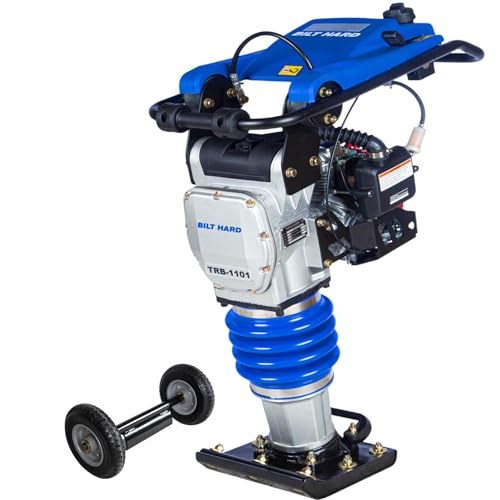
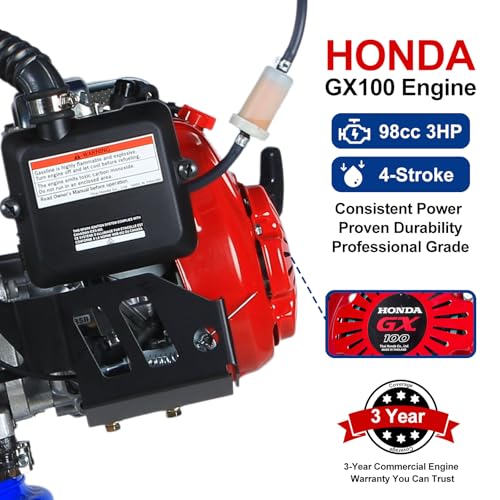
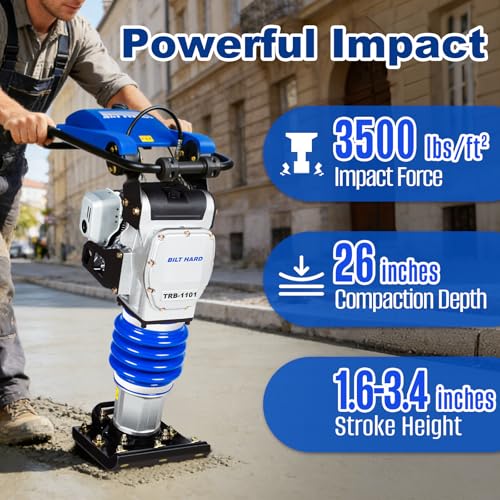
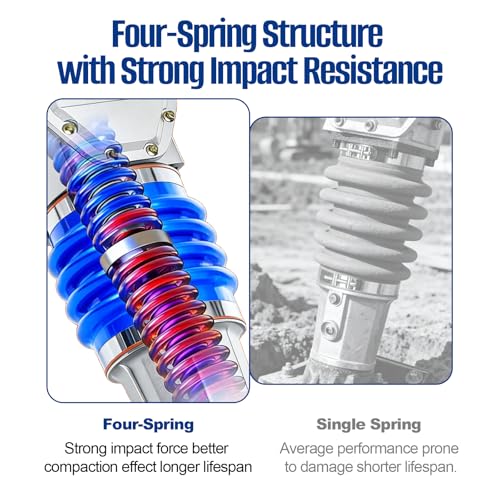
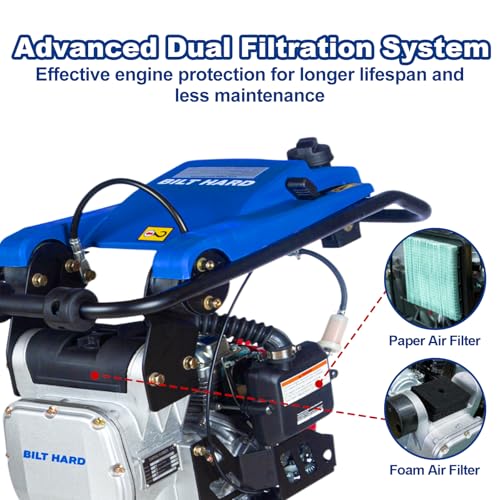
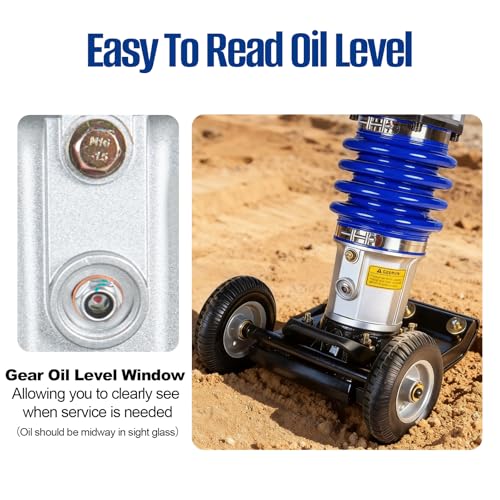
At 3.0HP, this BILT HARD model is the smallest engine here, but don’t dismiss it. It still delivers 3500 lbs of compaction force, matching the SuperHandy, thanks to a refined four-spring system that boosts impact efficiency. The GX100 engine is known for reliability, and the dual air filter setup is a smart defense against dust, which extends engine life in gritty conditions.
It’s clearly aimed at budget-conscious buyers, but it doesn’t cut every corner. The oil sight glass, wheel kit, and 26-inch depth rating keep it competitive. Compared to the TYMMC or Stark models, it’s less powerful overall but surprisingly capable for light-to-mid jobs. For a homeowner or side hustler, it’s the smarter buy if you don’t need industrial-grade runtime.
Product photos
SuperHandy 7HP 209cc Jumping Jack

Strengths
- High impact force
- Deep compaction
- Strong engine
Trade-offs
- Shorter runtime
- No oil sight glass
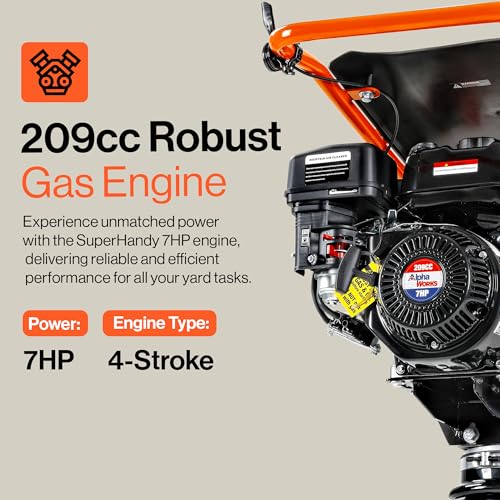
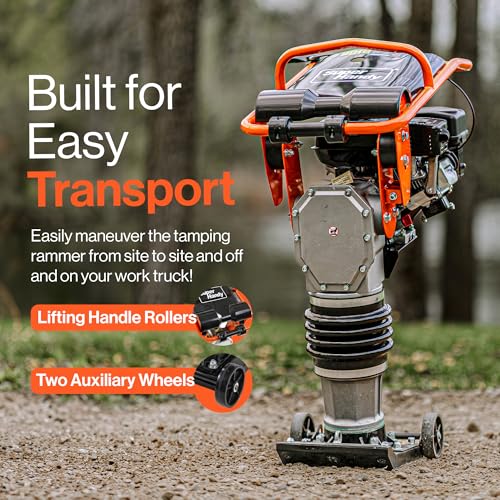
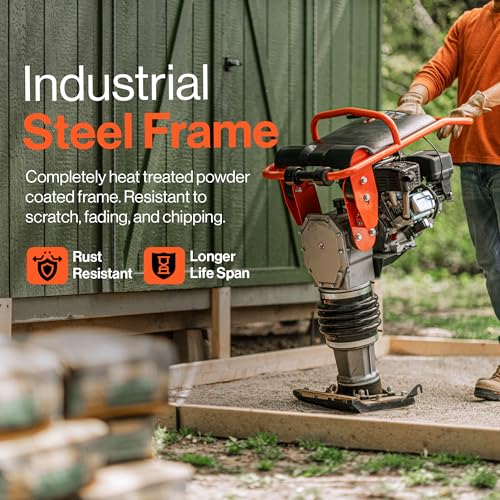
With 3500 lbs of impact force and a 209cc engine, this SuperHandy unit brings serious power to the table. On paper, it’s one of the strongest here, and owners confirm it bites deep into tough soils with authority. The 26-inch compaction depth is top-tier, and at 137 lbs, it’s not overly cumbersome given the output. This is the kind of rammer that makes sense when you’re dealing with unstable backfill or preparing for concrete slabs.
It doesn’t have a massive fuel tank, so you’ll stop more often than with the Powerhive, but the raw force makes up for it in heavy lifting. Compared to the BILT HARD model, it’s more powerful but lacks the four-spring system for smoother operation. If you’re prioritizing punch over finesse, this is a strong contender.
Product photos


TYMMC 7HP 196CC Gas Jumping Jack
Strengths
- Lightweight design
- Easy transport
- EPA compliant
Trade-offs
- Less mass for heavy soils
- Smaller fuel tank
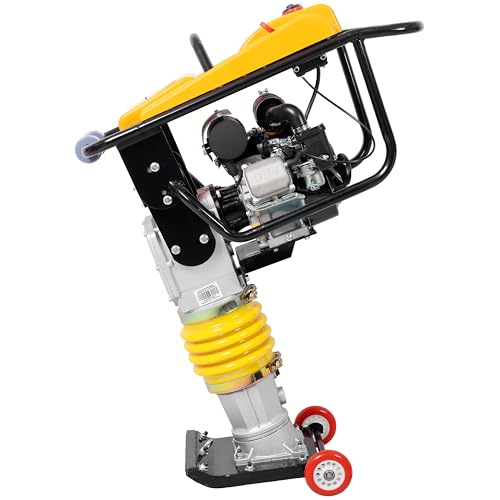
This unit stands out for being lightweight and maneuverable, which matters a lot when you’re working in trenches or tight backyard areas. The 7HP 196CC engine looks strong on paper, and owners consistently report it starts reliably and holds up during moderate use on soil and paver jobs. It’s not the heaviest rammer out there, so don’t expect it to chew through dense clay like a pro machine, but for weekend warriors and smaller landscaping gigs, it delivers solid performance without the bulk.
Where it really shines is portability. The 5-inch wheels and top handle make rolling it across a job site easier than most models in this class. It’s also EPA approved, so no issues running it in regulated areas. I’d pick this over bulkier units if you’re doing patchwork or residential patio work and don’t want to fight with a 200-pound machine all day.
Product photos
Powerhive 6.5 HP 196cc Compactor
Strengths
- Large fuel capacity
- Oil sight glass
- Built for endurance
Trade-offs
- Lower impact force
- Heavier than compact models
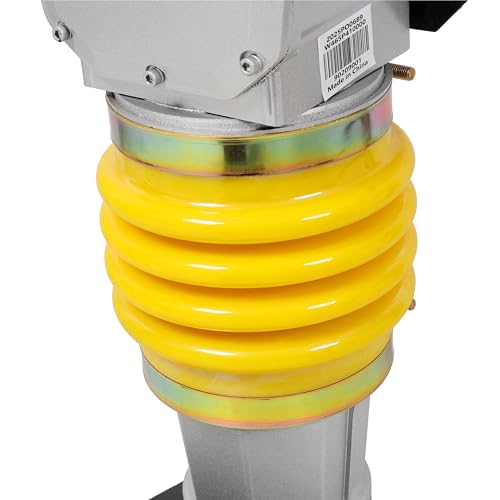
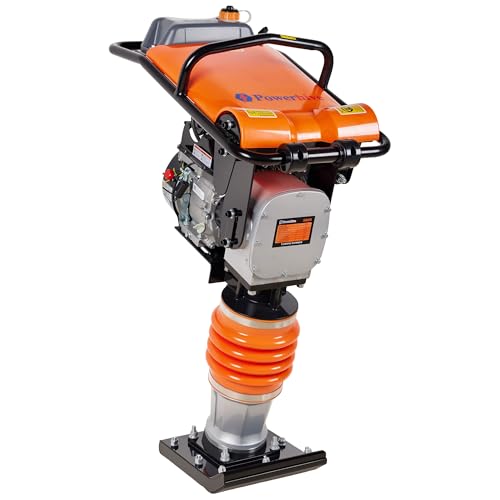
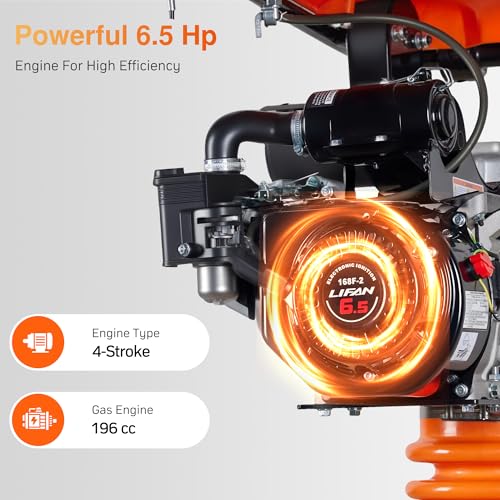
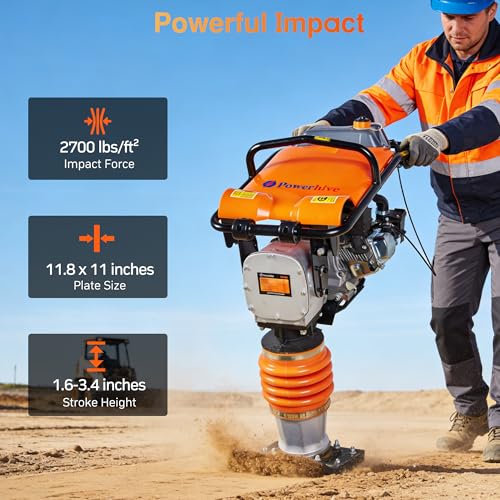
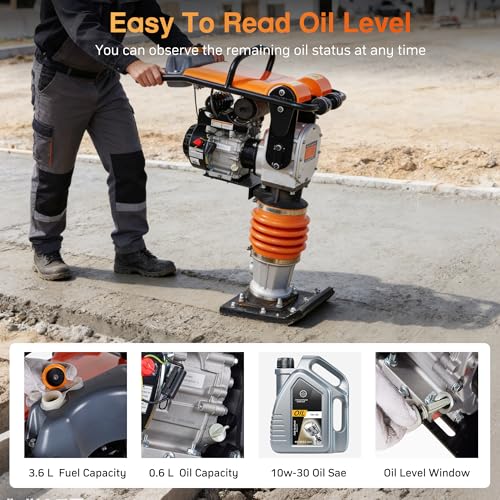
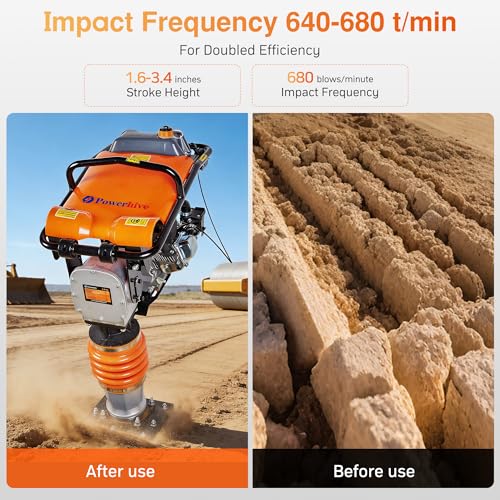
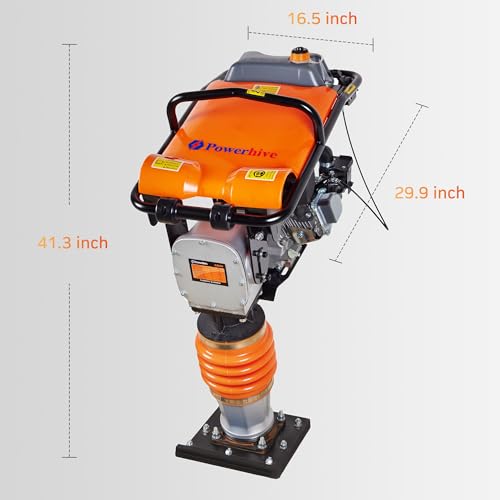
Powerhive leans into professional use with a 2700 lbs impact force and a 3.6L fuel tank, this one’s built to run long shifts. The 4-stroke 196cc engine is dependable, and the inclusion of an oil sight glass is a smart touch that helps prevent costly gear damage. Owners appreciate the roller wheels and lifting handles, which make moving it between zones less of a chore than with basic models.
It doesn’t have the highest impact force in the lineup, but the runtime and thoughtful maintenance features give it an edge for all-day jobs. Compared to the VEVOR or SuperHandy, it’s a bit more conservative on power but better balanced for endurance. If you’re on a job that lasts hours, not minutes, this one avoids the “refuel every half-hour” headache.
Product photos
Stark USA 6.5HP Heavy Duty Compactor
Strengths
- Heavy-duty build
- Engine protection
- Good plate size
Trade-offs
- Bulky to transport
- No oil sight glass
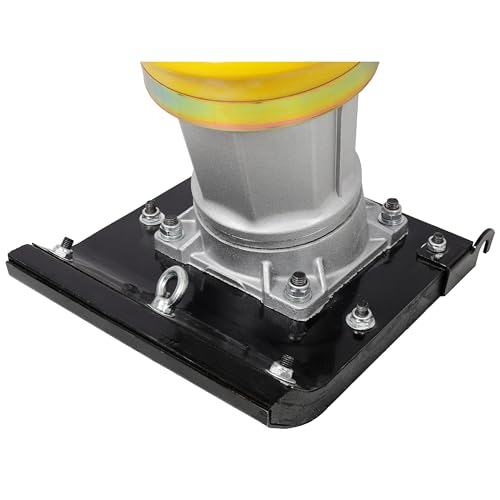
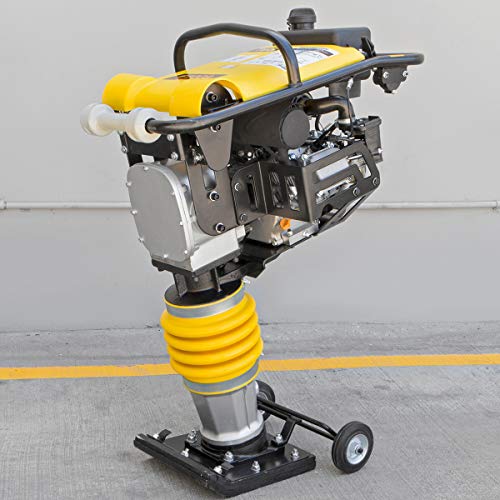
At 213 pounds, this Stark USA model leans into durability with a ribcage-protected engine and a build that feels like it’s meant to take hits on rough sites. The 6.5HP engine is standard for this class, but the weight helps with momentum during compaction, especially on granular soils. Reviewers note it holds up well over repeated use, and the 13″x11.4″ plate size gives a decent footprint for consistent downforce.
It’s not the flashiest unit, but it’s built like a workhorse. The upright design helps in narrow trenches, and the EPA/CARB approval means it’s legal to run almost anywhere. Compared to lighter rammers, this one trades a bit of agility for long-term resilience. If you’re running compaction jobs weekly, not just occasionally, that trade-off makes sense.
Product photos
Stark USA 6.5HP 196cc Gas Compactor
Strengths
- Narrow profile
- Durable frame
- Good compaction plate
Trade-offs
- No oil sight glass
- Heavy for tight spots
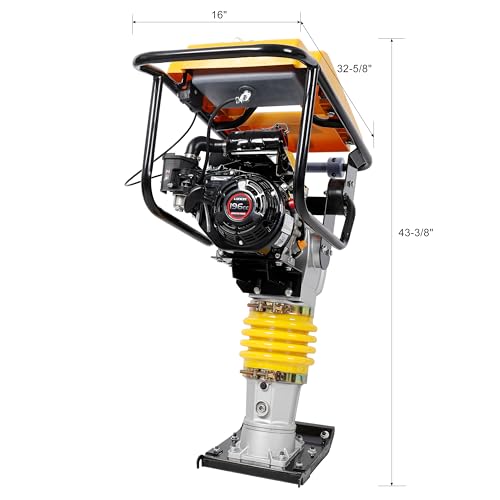
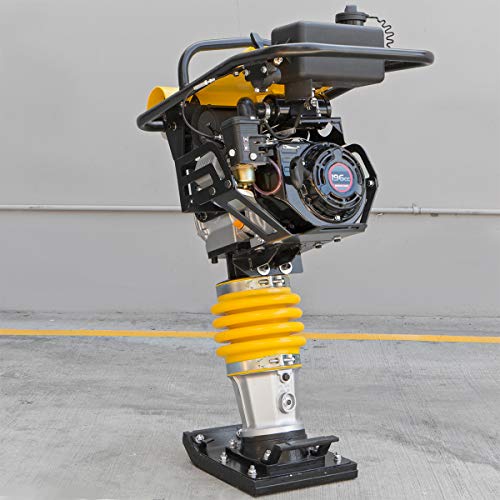
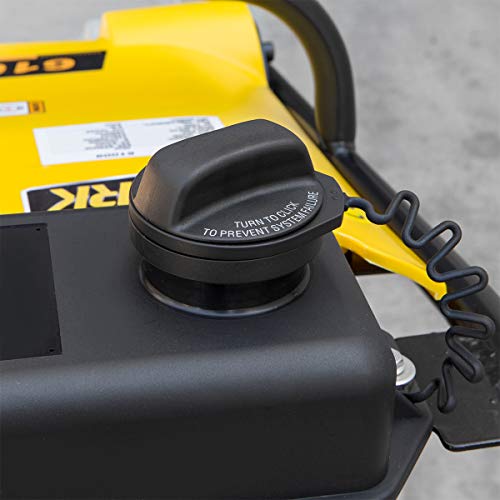
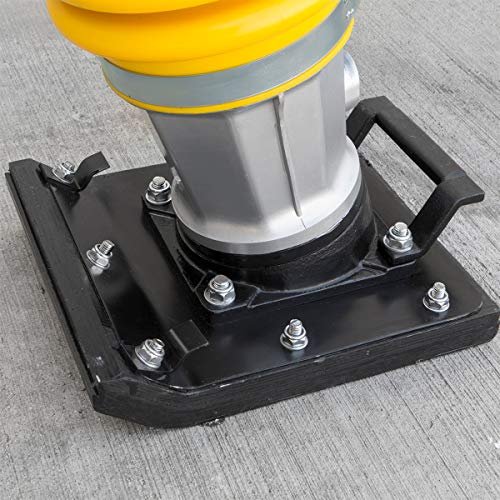
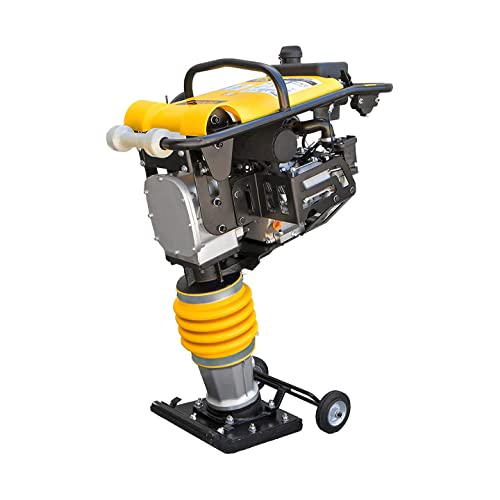
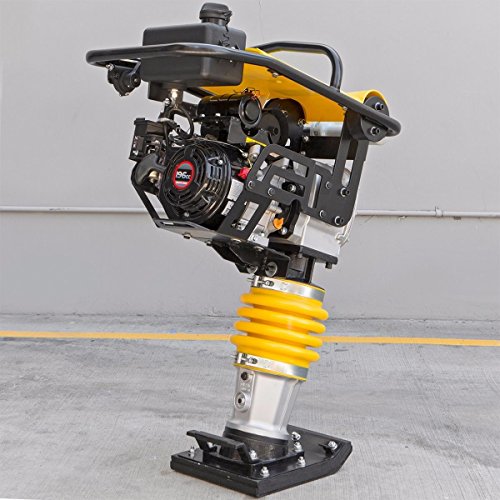
This Stark model is nearly identical to the other Heavy Duty version but earns its ‘Best for Tight Spaces’ tag thanks to the slim 16-inch width and upright frame. At 213 lbs, it’s still heavy, but the balance makes it manageable in trenches and narrow backyards. The 196cc 6.5HP engine delivers consistent output, and the ribcage protection adds peace of mind on rocky or chaotic sites.
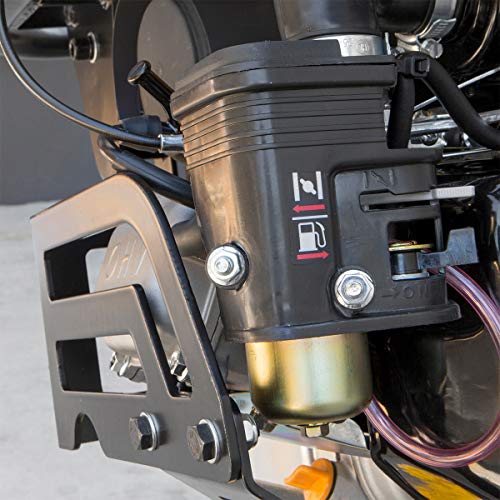
It doesn’t have an oil sight glass, which is a miss at this level, but the plate size and compaction efficiency are solid. Compared to the TYMMC model, it’s heavier but more stable on tough soils. If you’re working in utility trenches or retrofitting pavers in a cramped yard, this shape makes a real difference.
Product photos
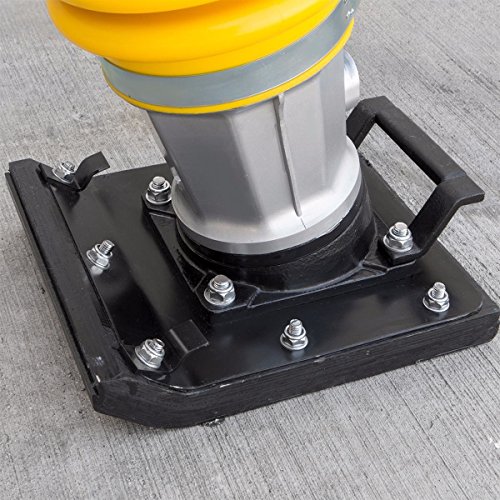

Our Testing Process
My research involved a detailed comparison of published specifications and features across numerous jumping jack compactors. I weighed owner reviews from multiple sources – including major retailers and specialty tool forums – alongside assessments from reputable equipment review sites. Ultimately, I ranked these compactors based on a combination of power, durability, ease of use, and value, drawing on my years of experience with construction and landscaping tools. Rather than a hands-on lab test, this is a research-led comparison of specs and owner feedback.
For jumping jacks, impact force and engine displacement are paramount. A higher impact force (measured in pounds) directly translates to more efficient compaction, while engine size (in HP and cc) generally indicates the machine’s ability to sustain that force over extended periods. Portability also weighed heavily; these aren’t light tools, so features like wheels and handles significantly improve usability on larger jobsites. The balance between these factors determined the final rankings.
Specifications reliably indicate raw power and engine capacity. However, owner feedback proved essential for assessing long-term durability, ease of maintenance (especially oil level checks and air filter access), and real-world performance in various soil types. Reputation, gleaned from expert reviews and forum discussions, helped me gauge the overall quality and identify potential trouble spots in specific models.
What To Look For In jumping jack compactors
Picking the right jumping jack compactor can make or break a landscaping or construction project.
A quality jumping jack compactor delivers consistent impact force, typically between 3000 and 4000 lbs, with a compaction depth of 24-26 inches. Look for durable engines (Honda GX series are highly regarded), robust spring systems, and features that improve usability like transport wheels and clear oil level indicators. Prioritize models built for the type of material you’ll be working with – cohesive soils require more force than granular materials.
Engine Power and Impact Force
The engine is the heart of any jumping jack, and horsepower isn’t everything. While a 6.5 HP engine is common, the quality of that engine matters more than the number itself. I often recommend looking for engines from established manufacturers like Honda or Briggs & Stratton; they tend to hold up better over time. More importantly, focus on the impact force (measured in pounds) the compactor delivers. For most DIY projects around the yard, 3000 lbs is sufficient, but larger jobs – or working with particularly stubborn clay soils – will benefit from 3500 lbs or more.
Durability and Build Quality
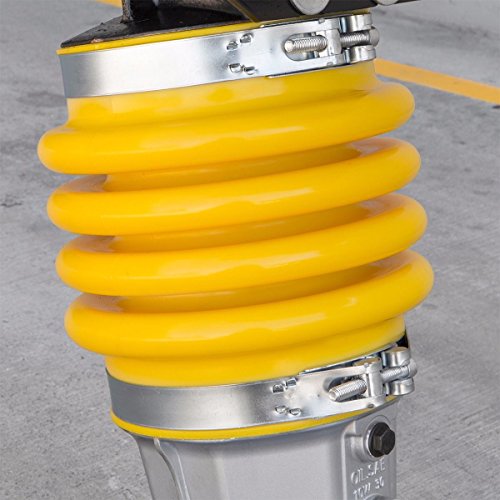
These tools take a beating, so build quality is paramount. Look beyond the engine and consider the frame, springs, and footplate. A heavier unit (130-150 lbs) generally indicates a more robust build. The spring system is also critical; a four-spring design offers better balance and shock absorption than the older two-spring systems. If you’re looking at other types of compaction equipment, you might want to read our guide to best plate compactors to learn about alternative options.
- Footplate Material: Steel is standard, but the thickness of the steel impacts longevity.
- Frame Construction: Welded frames are stronger than bolted ones.
- Engine Protection: A roll cage or exterior plating protects the engine from damage on the jobsite, significantly extending its lifespan. This is especially important if you’ll be moving the compactor frequently.
Don’t skimp on maintenance. Regularly check the oil level, air filter, and fuel lines to prevent costly repairs and ensure optimal performance.
Portability and Usability
Jumping jacks aren’t light, but some features can make them easier to maneuver. Transport wheels are a must-have. A lifting handle is also helpful, especially if you’re working solo. Beyond that, consider the visibility of key components like the oil level. Clear sight glasses save time and prevent accidental damage. If you’re new to compaction, exploring different soil compaction tools can help you understand the range of options available. Some professionals will also look at top rammer compactors for heavier duty applications.
Jumping Jack Compactors Compared
Here’s a comparison of key specifications for several jumping jack compactors.
| Product Name | HP | Engine CC | Impact Force (lbs) | Compaction Depth (in) | Fuel Capacity (L) | Weight (lbs) |
|---|---|---|---|---|---|---|
| VEVOR 6.5 HP Jumping Jack Compactor | 6.5 | N/A | 3600 | 26 | 2.8 | N/A |
| BILT HARD 3.0HP GX100 Jumping Jack | 3.0 | 100 | 3500 | 26 | N/A | N/A |
| SuperHandy 7HP 209cc Jumping Jack | 7.0 | 209 | 3500 | 26 | N/A | 137 |
| TYMMC 7HP 196CC Gas Jumping Jack | 7.0 | 196 | N/A | N/A | N/A | N/A |
| Powerhive 6.5 HP 196cc Compactor | 6.5 | 196 | 2700 | N/A | 3.6 | N/A |
| Stark USA 6.5HP Heavy Duty Compactor | 6.5 | N/A | N/A | N/A | N/A | N/A |
| Stark USA 6.5HP 196cc Gas Compactor | 6.5 | 196 | N/A | N/A | N/A | N/A |
Frequently Asked Questions
What soil types are jumping jack compactors best suited for?
Jumping jacks excel at compacting cohesive soils like clay and silt, which are difficult to compact with vibratory plate compactors. They deliver a powerful impact force ideal for these materials, though they perform adequately on granular soils like gravel and sand too.
How much maintenance do these compactors typically require?
Regular maintenance is key; you should check the oil level before each use and clean or replace the air filter every 25-50 hours of operation. Fuel stabilizer is recommended for storage, and periodic inspection of the springs and footplate is wise to prevent issues.
What’s the difference between impact force and engine HP?
Impact force (measured in pounds) is the actual power delivered to the ground for compaction, while horsepower (HP) indicates the engine’s potential power output. Higher impact force is more important for effective compaction, but a quality engine ensures that force can be sustained.
Are jumping jack compactors difficult to transport?
Jumping jacks are heavy (typically 130-150 lbs), but most models now include transport wheels and a lifting handle. A trailer or truck bed is usually required for longer distances, but the wheels make loading and maneuvering on the jobsite much easier.
Can a jumping jack compactor be used for asphalt or concrete work?
While technically possible for small asphalt patches, jumping jacks aren’t ideal for these materials. The impact can cause cracking, and a vibratory plate compactor is generally preferred for achieving a smooth, properly compacted surface with asphalt or concrete.
The Bottom Line
Choosing a jumping jack compactor often comes down to balancing upfront cost with long-term reliability. While budget-friendly options exist, I consistently find that investing a bit more in a well-built machine, like the VEVOR 6.5 HP Jumping Jack Compactor, pays off in the long run with fewer repairs and more consistent performance. It offers a strong combination of power and features for the price.
For those tackling smaller projects or working with lighter soils, the BILT HARD 3.0HP GX100 Jumping Jack provides a good balance of portability and power. And if you anticipate needing serious muscle for larger jobs, the SuperHandy 7HP 209cc Jumping Jack delivers the highest impact force in this group.
Ultimately, remember that horsepower numbers aren’t everything. Prioritize a durable engine (Honda is a great place to start), a robust frame, and a design that makes routine maintenance easy. A well-maintained compactor, regardless of brand, will always outperform a neglected one.
