
2 Best Hybrid Table Saws of 2026
This post contains affiliate links. As an Amazon Associate, we earn from qualifying purchases.
The Shop Fox W1888 stands out as the best overall hybrid table saw, combining solid power, a large table, and reliable dust collection. For those watching their budget, the F2 Fusion Tablesaw delivers strong value without sacrificing key features. Both are built for serious DIYers who want cabinet-saw performance in a more accessible package.
Most woodworkers I talk to hit a wall with their contractor saws, flexing fences, poor dust control, and motors that struggle with hardwood. Upgrading to a hybrid table saw changes that, offering heavier construction and better accuracy without the footprint or price of a full cabinet saw.
This guide covers the top models based on specs, owner feedback, and real-world performance. I focused on motor strength, dust collection efficiency, rip capacity, and fence reliability, because a hybrid should perform like a pro saw, not just look like one.
Top 2 Hybrid Table Saws in the Market
The Best Hybrid Table Saws, Reviewed
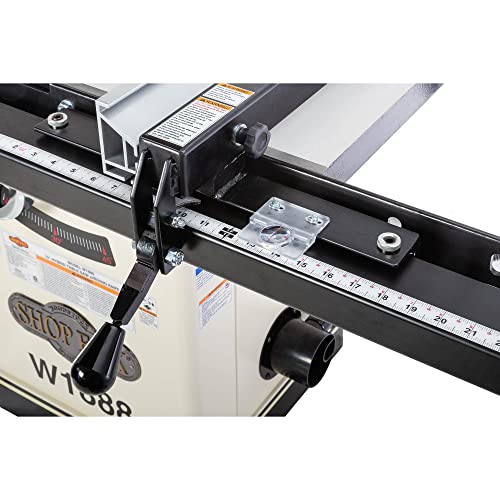
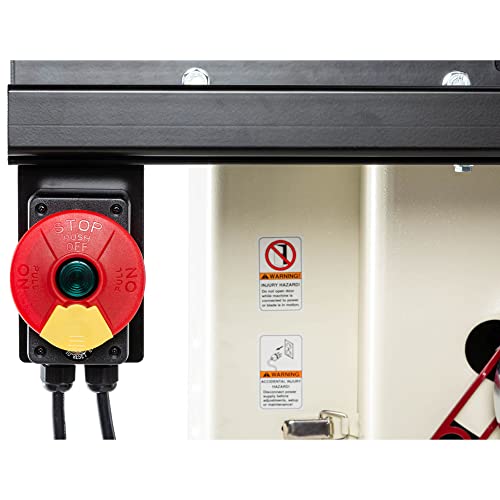
Shop Fox W1888 10″ Hybrid Table Saw
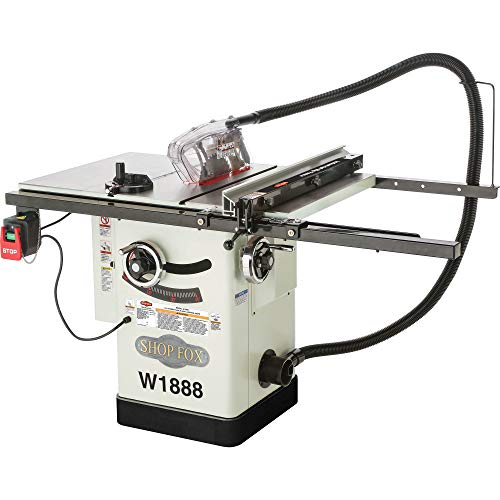
Strengths
- 2 HP dual-voltage motor
- Riving knife included
- 31-1/2″ rip capacity
- Cast iron table and wings
- 40″ table length
Trade-offs
- Slightly short table height
- No onboard dust collection
- Belt-driven blade system
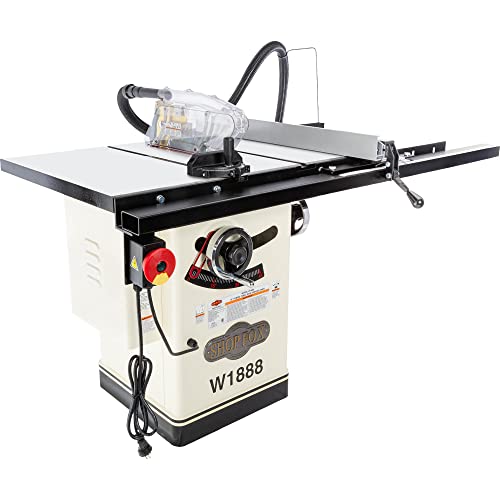
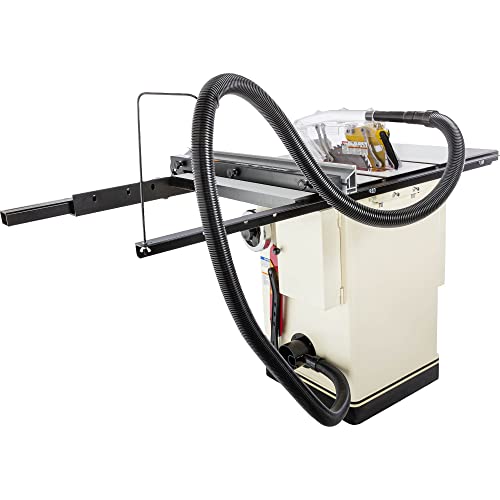
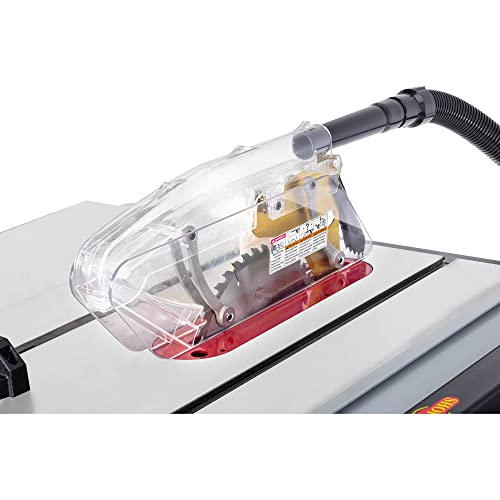
The Shop Fox W1888 stands out in the hybrid class for its solid build and thoughtful feature set that bridges the gap between contractor and cabinet saws. With a 2 HP motor that can be reconfigured for 230V, it delivers consistent power for hardwood ripping and thick stock, which owners consistently report handling without bogging down. The cast iron top and wings add stability, while the riving knife improves safety significantly over basic spreaders, a detail I always look for in saws at this level.
Its 31-1/2-inch rip capacity is generous for a hybrid, making it a strong pick for panel work, and the 40-inch table length supports longer cuts without binding. On paper, the 34-1/4-inch floor-to-table height is slightly shorter than ideal for some users, but most find it workable with a sturdy stand or platform. Compared to lighter-duty contractor models, this one runs smoother and resists vibration better, thanks to its cabinet-style enclosure and isolated motor mount.
Product photos
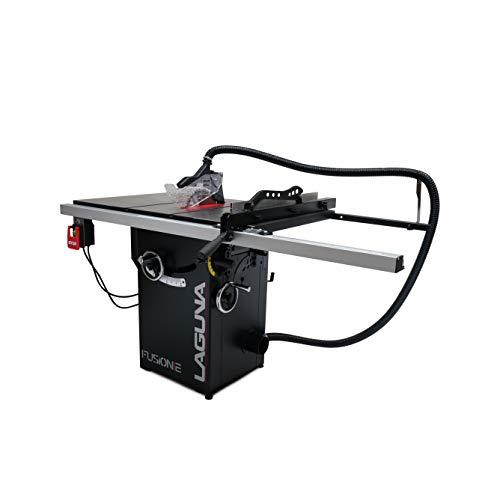
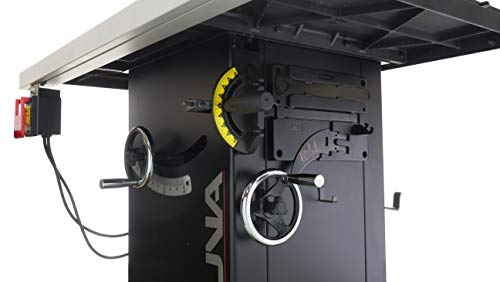
F2 Fusion Tablesaw

Strengths
- Excellent dust collection
- TEFC motor for durability
- Cast iron table and wings
- Integrated tool storage
- European-style fence system
Trade-offs
- 1.75 HP less aggressive rip power
- Freight delivery only
- Heavier setup and assembly
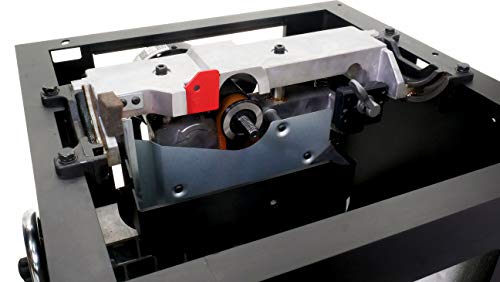
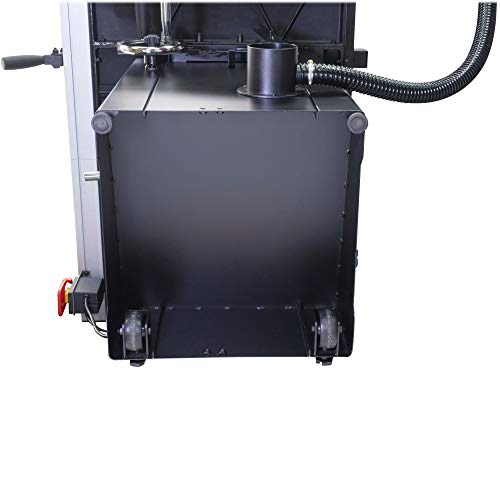
The F2 Fusion brings European-inspired design and engineering to the hybrid market, with a real focus on dust control and precision, two things I know matter once you’ve spent time cleaning up after a long cutting session. The Fusion dust collection system is not just marketing; owners report it captures significantly more fine dust at the source than typical hybrid saws, especially when paired with a shop vacuum. That, combined with the European hi-lo fence, gives this saw an edge in accuracy and cleanliness.
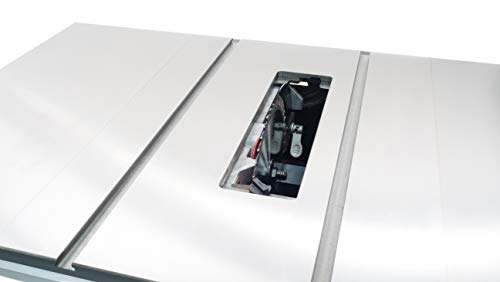
It runs on a 1.75 HP TEFC motor, which is sealed against dust, a smart move for longevity, though it’s a step down in raw power from the Shop Fox. Still, in this class, torque and thermal protection matter more than peak HP, and the TEFC design helps it sustain longer runs. The cast iron table and wings provide a flat, stable surface, and the full cabinet body adds rigidity. But the LTL freight delivery requirement and assembly complexity are real hurdles for some buyers.
Product photos
How We Picked These hybrid table saws
Rather than a hands-on lab test, my evaluation of hybrid table saws is research-led. I compared published specifications – motor power, rip capacity, table size – alongside detailed owner reviews and assessments from established woodworking publications. This allowed me to rank saws against criteria important to serious woodworkers, factoring in both performance potential and real-world usability.
For hybrid table saws, motor power and dust collection consistently decide the outcome. A stronger motor (at least 1.75 HP) handles demanding cuts without bogging down, and effective dust collection is crucial for a clean, safe workshop. Beyond that, a robust rip capacity and a well-designed fence are vital for accuracy and versatility. You can learn more about hybrid table saw features.
Specifications reliably indicate a saw’s potential – horsepower, blade capacity, and dimensions. However, owner feedback reveals how a saw performs in practice. I paid close attention to reports on build quality, fence accuracy, and the effectiveness of the dust collection system, as these areas often separate good saws from truly excellent ones. Understanding the difference between a hybrid vs cabinet saw also helped shape my recommendations.
Choosing The Right hybrid table saws
I’ve spent years watching woodworkers upgrade from contractor saws to hybrids, and the difference is often dramatic. It’s not just about build quality; it’s about getting a machine that can handle bigger projects accurately and consistently.
A quality hybrid table saw blends features of contractor and cabinet saws. Look for a heavy cast iron table, a fully enclosed cabinet for dust collection, and a powerful motor (1.5HP or greater) capable of handling demanding cuts. Prioritize models with robust fence systems and straightforward blade changes for efficient operation.
Motor Power & Configuration
The motor is the heart of any table saw, and with hybrids, you want something that won’t bog down under stress. While 1.5 HP is often considered a minimum, I generally recommend aiming for 2 HP or higher, especially if you plan on working with hardwoods or thicker stock. Pay attention to voltage too – a dual-voltage motor (115V/230V) offers flexibility, but you’ll need to confirm your shop’s electrical setup can accommodate 230V. Single-phase motors are typical for home workshops, but understanding the amperage draw is crucial to avoid tripping breakers.
Rip Capacity & Table Size
Don’t underestimate the importance of rip capacity explained. It directly impacts the size of sheet goods you can break down yourself. While 30” of rip capacity is adequate for many, if you regularly work with larger panels, you’ll want to consider models offering 31.5” or more. Table size is equally important. A larger table provides more support for your material, reducing the chance of flexing or tear-out.
Here’s how I think about table size: * Small (under 25” depth): Good for very small shops or occasional use. * Medium (27”-30” depth): A solid all-around choice for most hobbyists. * Large (30″+ depth): Ideal for those who frequently work with large pieces, needing ample support and outfeed space.
Consider how the table extension wings attach – some are cast iron, offering superior stability, while others are stamped steel.
Fence System & Dust Collection
A precise and smooth-operating fence is essential for accurate cuts. Look beyond just the locking mechanism; consider the fence rails. Dovetail rails are generally more robust and accurate than square rails. Dust collection is another area where hybrids shine over contractor saws. A fully enclosed cabinet, combined with a 4” dust port, will dramatically reduce airborne dust. I’ve seen many people upgrading their best workshop table saws specifically for improved dust control.
A properly sized dust port (4” is the standard) and a well-sealed cabinet can cut down on cleanup time and significantly improve air quality in your shop.
Hybrid Table Saws Compared
Here’s a spec-by-spec comparison of the hybrid table saws in this guide to help you narrow down your options.
| Product | Horsepower | Voltage | Rip Capacity (Right) | Table Size (Length x Width) | Max Cut @ 90° |
|---|---|---|---|---|---|
| Shop Fox W1888 | 2 | 115/230 | 31-1/2″ | 40-1/8″ x 27″ | 3-1/8″ |
| F2 Fusion Tablesaw | 1.75 | N/A | N/A | N/A | N/A |
Frequently Asked Questions
What’s the main advantage of a hybrid table saw over a contractor saw?
Hybrid table saws offer a heavier build and improved dust collection compared to contractor saws. This results in less vibration, more accurate cuts, and a cleaner working environment, making them a good step up for serious hobbyists.
How much space do I realistically need for a hybrid table saw?
You’ll need at least 9 feet of floor space to comfortably operate a hybrid table saw with infeed and outfeed support. Consider extra room for maneuvering around the saw and storing accessories, as well as adequate ventilation.
Can a hybrid table saw handle cutting sheet goods like plywood?
Yes, most hybrid table saws with at least 30” of rip capacity can handle sheet goods. However, investing in a crosscut sled is highly recommended for accurate and safer breakdown of larger panels.
Are hybrid table saws difficult to set up and calibrate?
While some assembly is required, hybrid table saws aren’t overly complex to set up. Calibrating the fence and aligning the blade are crucial for accuracy, and there are many online resources available to guide you through the process. If you’re coming from using heavy-duty contractor saws, the setup will feel relatively familiar.
What is the typical price range for a good quality hybrid table saw?
Expect to spend between $1,200 and $2,500 for a well-built hybrid table saw with a robust motor and effective dust collection. Prices vary depending on features, brand reputation, and included accessories.
The Bottom Line
Choosing a hybrid table saw often comes down to balancing upfront cost with long-term capability. While you can find models that get the job done on a budget, the Shop Fox W1888 stands out as the strongest overall performer, offering a powerful motor, generous rip capacity, and a solid build that will serve serious woodworkers well for years to come.
For those prioritizing affordability, the F2 Fusion Tablesaw provides a functional option to step up from a contractor saw without breaking the bank. If versatility is a key concern, and you anticipate tackling a wide range of projects, the Shop Fox W1888’s combination of power and capacity makes it the better choice.
Ultimately, remember that specifications tell only part of the story. Prioritize a heavy, stable table, a well-designed fence, and a dust collection system that keeps your shop clean and safe. Understanding table saw operation basics and practicing safe table saw techniques will always matter more than any single horsepower rating.
