6 Best Hardwood Floor Nailers of 2026
This post contains affiliate links. As an Amazon Associate, we earn from qualifying purchases.
The Metabo HPT 2-in-1 Flooring Nailer & Stapler stands out as the best overall choice for most installers, combining reliable power with true versatility. If you’re on a tighter budget, the Bostitch Pneumatic Hardwood Floor Nailer delivers solid performance without the dual-function premium. For engineered flooring or lighter jobs, the Metabo HPT N4004AB is a strong contender thanks to its lightweight design and precision.
Most people don’t realize how much the wrong nailer can slow down a floor install or even ruin good material. Squeaky boards, split tongues, and inconsistent fastening often come down to using a tool that’s poorly matched to the job.
After comparing the field and analyzing owner feedback, I focused on models that deliver consistent performance, precise depth control, and real-world durability. This guide breaks down what actually matters when choosing a hardwood floor nailer, so you can pick one that fits your flooring type, workflow, and budget.
Top 6 Hardwood Floor Nailers in the Market
The Best Hardwood Floor Nailers, Reviewed
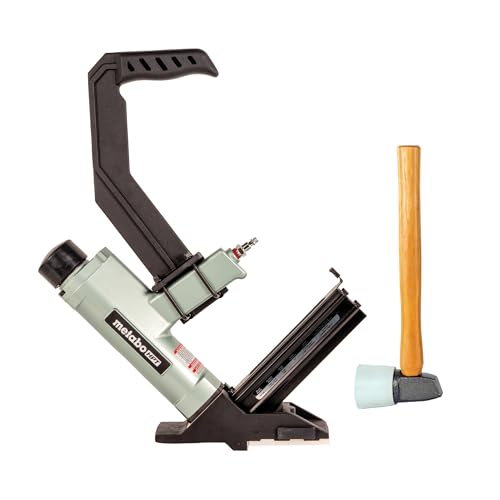
Metabo HPT 2-in-1 Flooring Nailer & Stapler
Strengths
- True 2-in-1 functionality
- Aluminum magazine
- Tool-less depth adjustment
Trade-offs
- Higher price point
- Mallet sold separately in some bundles
- Slightly bulkier than stapler-only models
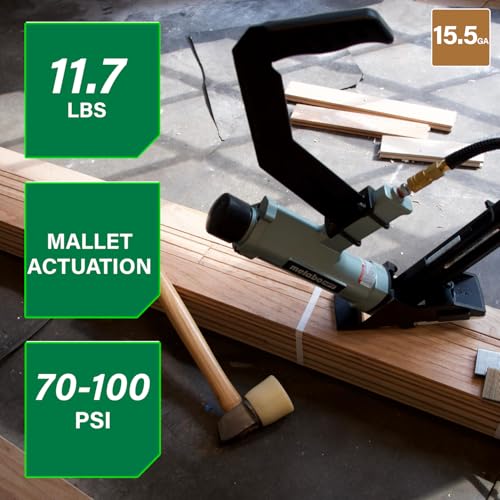
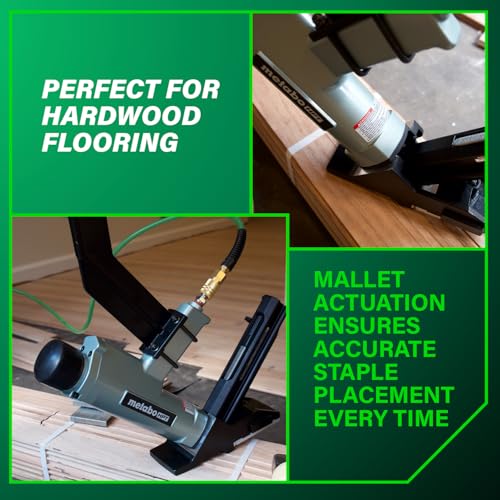
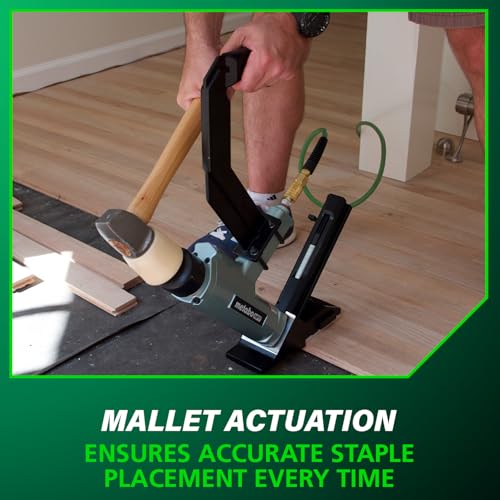
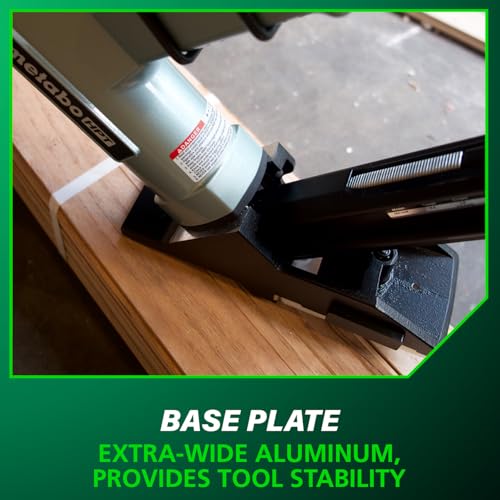
This N5010AC model is why Metabo HPT keeps showing up at the top of flooring tool lists. It’s a true 2-in-1, handles both 16-gauge L-cleats and 15.5-gauge 1/2” crown staples up to 2”, giving you real choice in fasteners. The top-loading aluminum magazine is a win for reload speed and durability, and the tool-less depth adjustment makes switching between flooring types fast and precise.
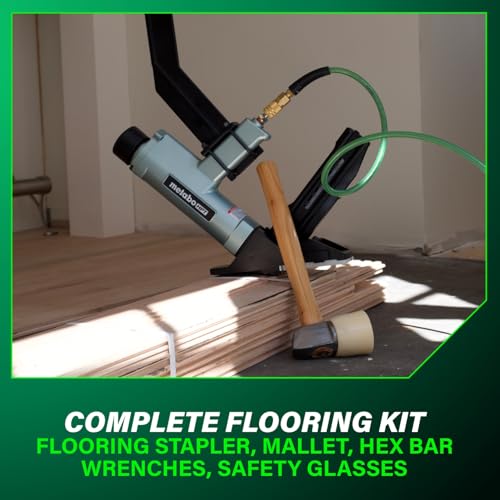
Owners consistently rate it highly for reliability and ease of use, and the included kit, mallet, safety glasses, wrench, means you’re not hunting for extras. Compared to the Bostitch, it’s lighter and more refined. Against the 3PLUS models, it’s clearly built to a higher standard. For most people, this is the smart buy if you want one dependable, well-rounded tool for both solid and engineered hardwood.
Product photos
Metabo HPT N4004AB Flooring Stapler

Strengths
- Lightweight design
- Tool-less depth adjustment
- 360-degree exhaust
Trade-offs
- Staples only
- Not ideal for solid hardwood over 3/4″
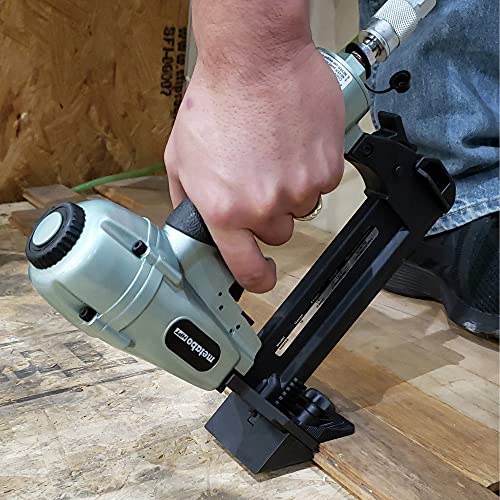
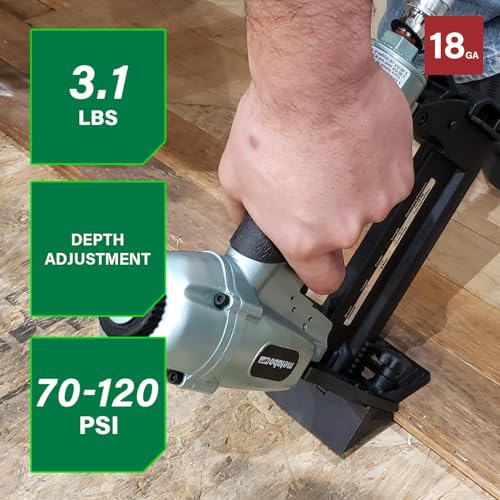
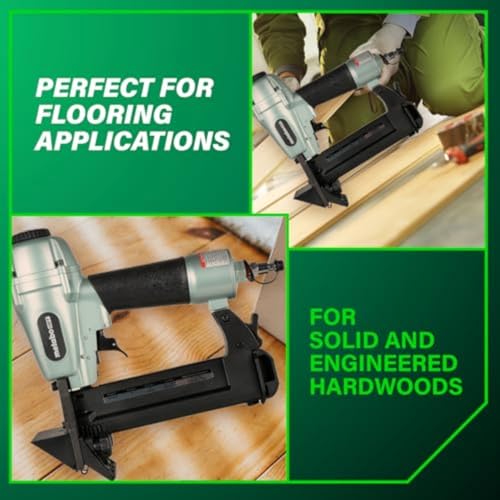
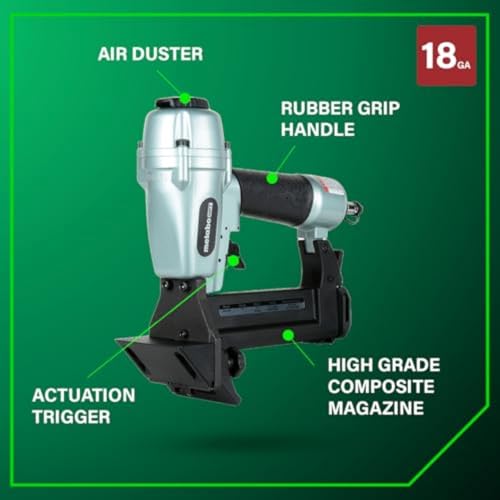
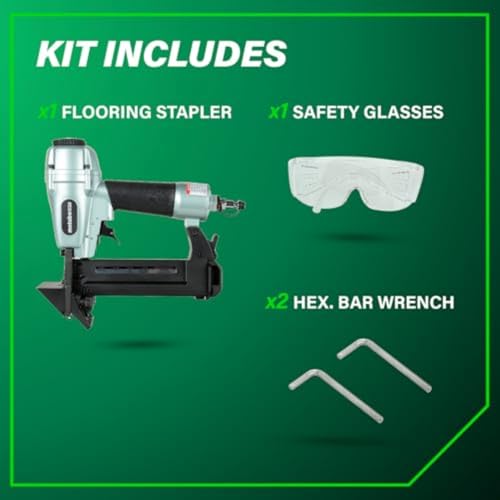
The Metabo HPT N4004AB has earned its reputation as a pro favorite for engineered hardwood installations, and the specs back it up. At just 3.1 lbs, it’s light enough to carry through long workdays without shoulder fatigue, and the over-molded rubber grip adds real comfort during repetitive use. The tool-less depth adjustment is a standout, especially since it’s calibrated specifically for both solid and engineered hardwood, which tells me the engineers actually spent time on job sites.
Owners consistently report smooth feeding with 18-gauge staples from 1/2” to 1-9/16”, and the 360-degree exhaust port is a small feature that makes a big difference when working in tight quarters or around dust-sensitive areas. While it’s limited to staples only, that focus pays off in reliability. If you’re laying engineered flooring all day, every day, this tool is built to keep up.
Product photos
3PLUS HFSNSP 2-in-1 Pneumatic Nailer/Stapler

Strengths
- 2-in-1 functionality
- Affordable entry point
- Interchangeable base plates
Trade-offs
- Less durable build quality
- More prone to jams
- Not ideal for heavy daily use
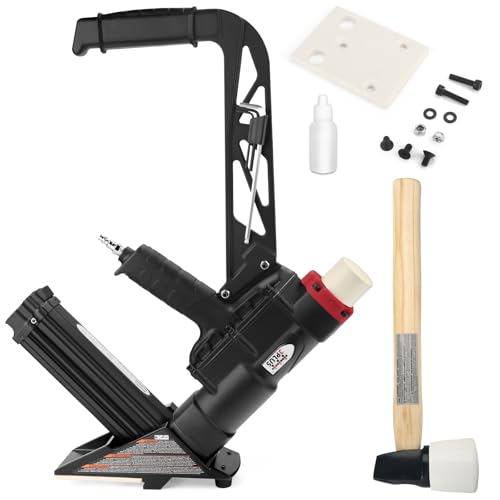
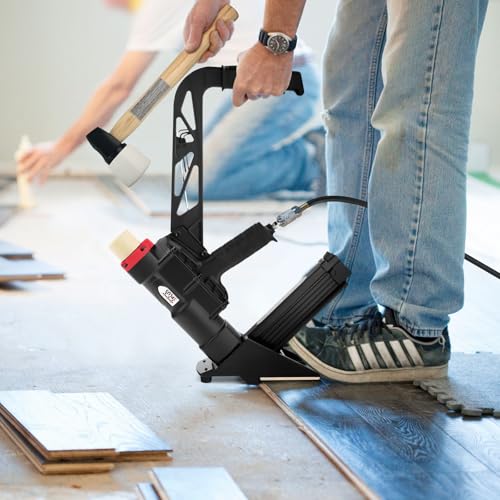
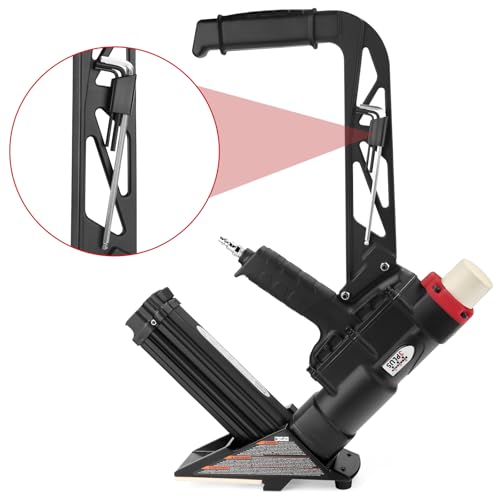
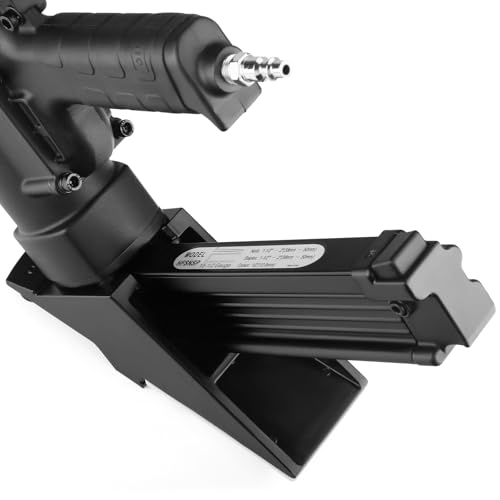
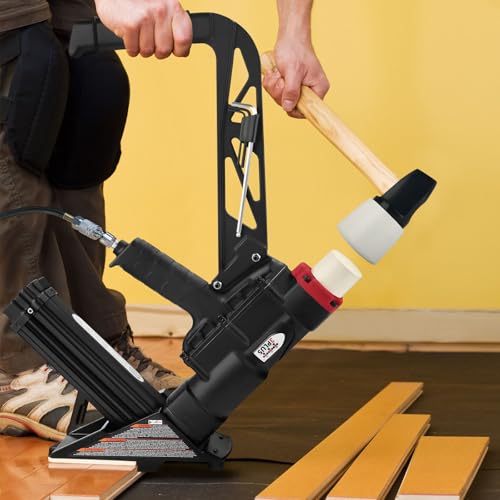
If you’re on a tight budget but still need a tool that can handle both stapling and cleat nailing, the 3PLUS HFSNSP is hard to ignore. It fires both 15.5-gauge staples and 16-gauge L-cleats up to 2”, which gives real flexibility for different flooring types. The interchangeable flooring plates are a smart touch, letting you adapt to various thicknesses without guesswork.
It’s not built with the same heft as premium models, and long-term owners mention more frequent jams and a bit of finicky air regulation. But for weekend warriors or small jobs where you don’t want two separate tools, this 2-in-1 punches above its price point. Just don’t expect the same durability as a Metabo HPT or Powernail.
Product photos
3PLUS HFS509040SP 4-in-1 Flooring Stapler/Nailer

Strengths
- 4-in-1 fastener compatibility
- Tool-free depth adjustment
- Quick jam release
Trade-offs
- Limited to thinner flooring
- Less power for dense hardwoods
- Magazine capacity is smaller
The 3PLUS HFS509040SP takes flexibility to another level, this 4-in-1 tool handles 18-gauge brad nails, narrow crown staples, and is adjustable for flooring from 1/4” to 5/8”. That kind of range means you could use it beyond flooring, maybe for baseboards or light trim, which adds real value if you’re trying to minimize tool clutter. The quick jam release and 360-degree exhaust are practical touches that make life easier on the job.
But that versatility comes with trade-offs. It’s not optimized for heavy-duty solid hardwood installation like dedicated nailers, and owners note it’s best for engineered or thinner solid floors. If you’re doing mixed projects and want one tool that can transition from subfloor to finishing, this is a smart pick. But if you’re laying thick oak all week, you’ll want something more specialized.
Product photos
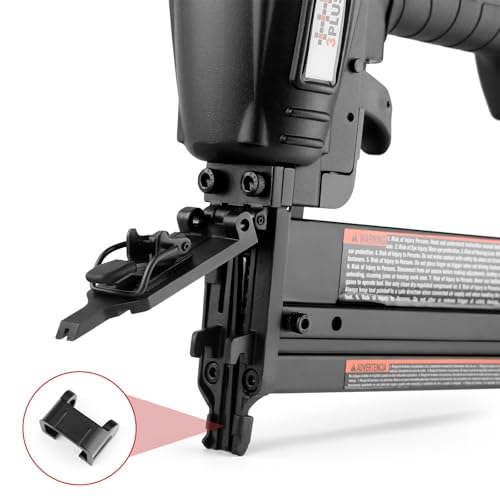
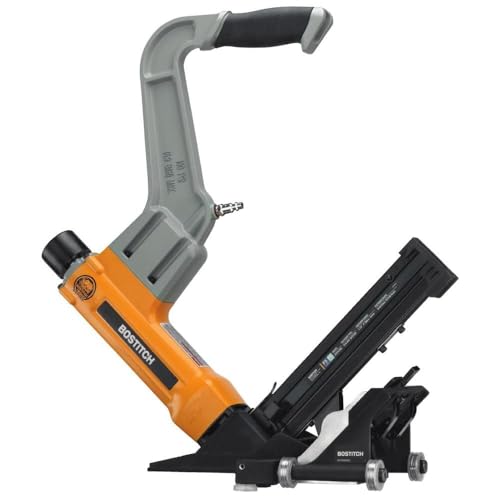
Bostitch Pneumatic Hardwood Floor Nailer

Strengths
- Durable construction
- Comes with full accessory kit
- Non-marring base plates
Trade-offs
- Heavier than average
- No tool-less depth adjustment
- Basic exhaust direction control
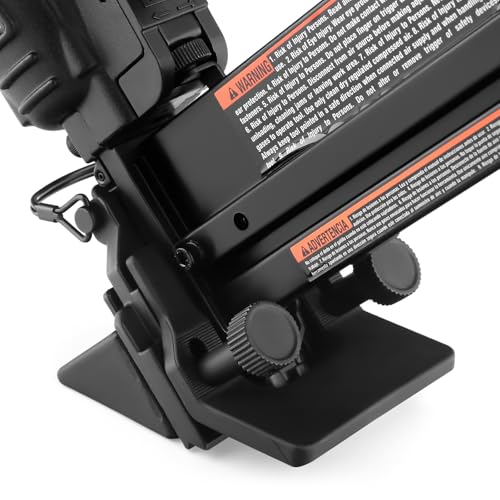
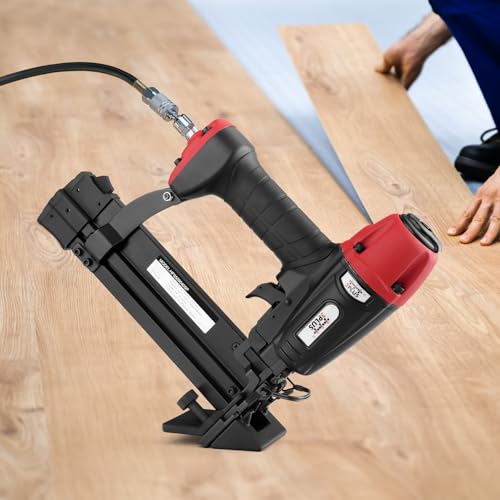
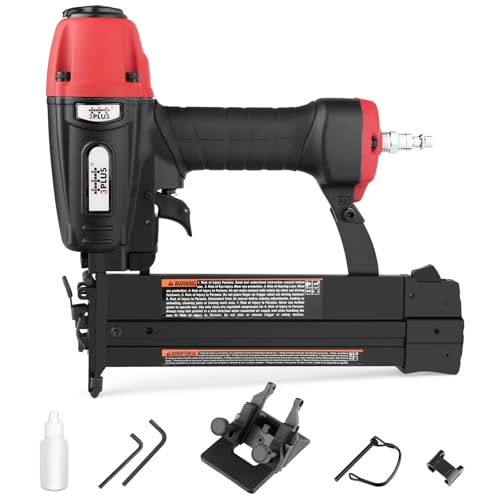
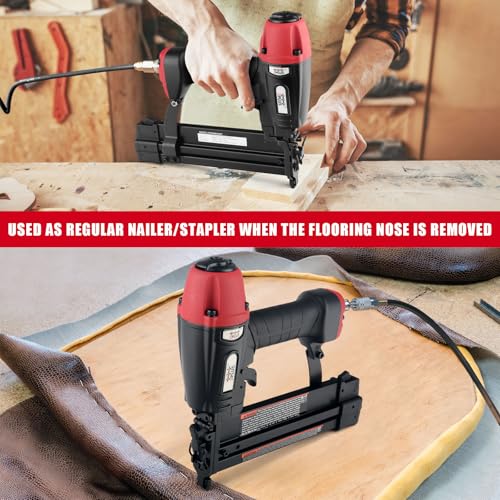
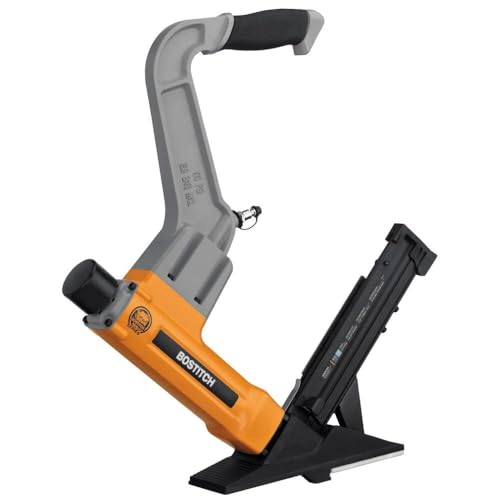
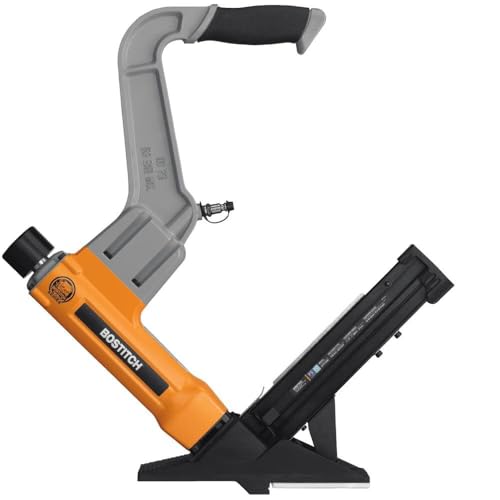
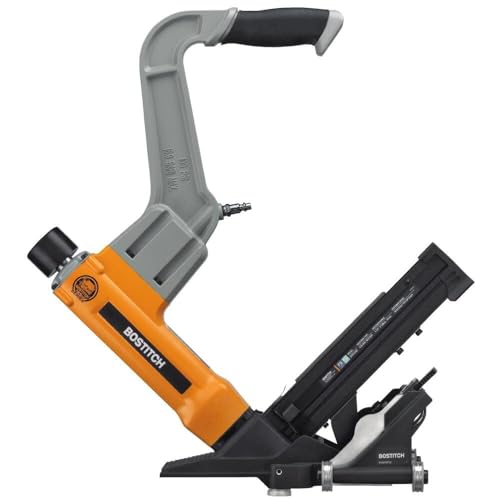
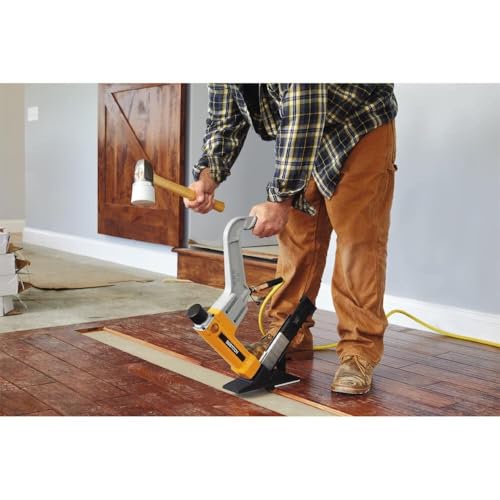
The Bostitch pneumatic flooring nailer stands out for one reason: it feels like it was built to last. The mallet-actuated design is simple, but the non-marring base plates and solid rubber grip show attention to detail. It handles 15.5-gauge staples and 16-gauge L-cleats up to 2”, making it compatible with most hardwood thicknesses.
Owners praise its consistent driving performance and the fact that it comes with a full kit, mallet, oil, wrenches, and air fitting, so you’re job-ready out of the box. While it’s heavier than some competitors and lacks tool-less depth adjustment, the build quality inspires confidence. If you’re someone who hates replacing tools every few years, this Bostitch model is a workhorse that just keeps going.
Product photos
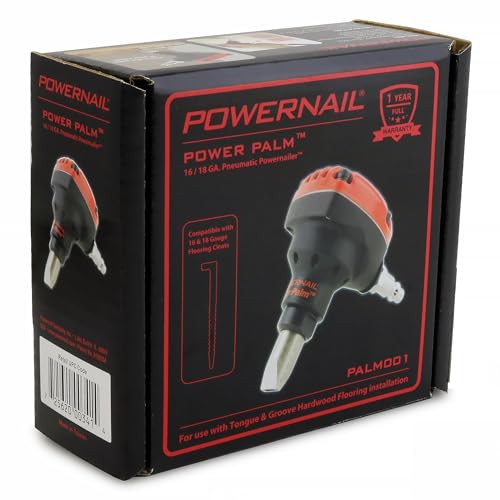
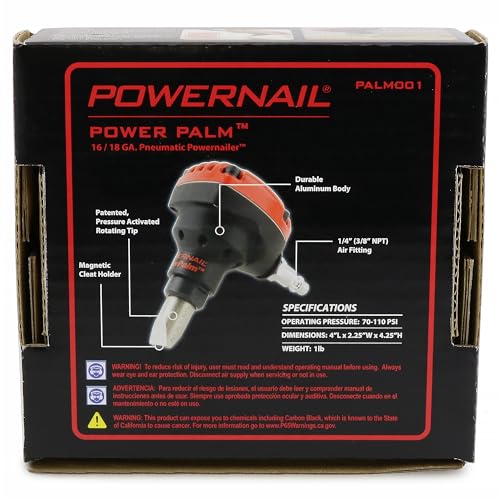
Powernail PowerPalm 16/18 Gauge Cleat Nailer
Strengths
- Compact for tight spaces
- Magnetic rotating tip
- Pressure-activated trigger
Trade-offs
- Not a full-size flooring nailer
- Limited to finish work
- Requires separate air supply
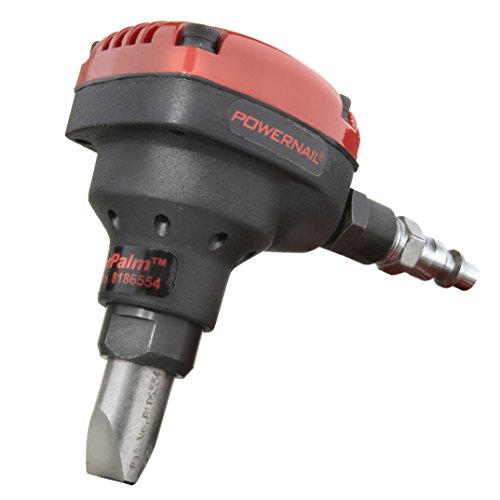
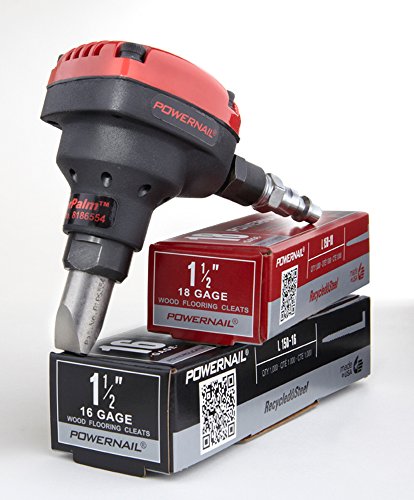
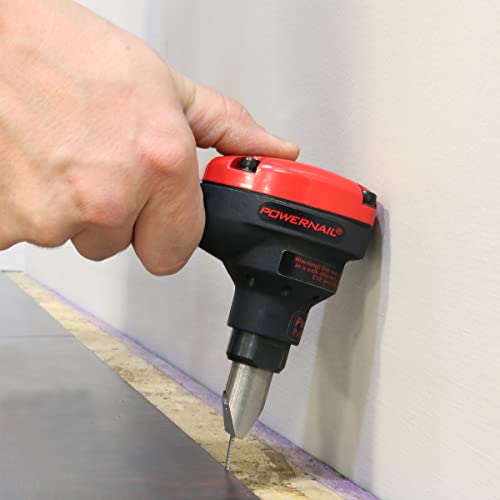
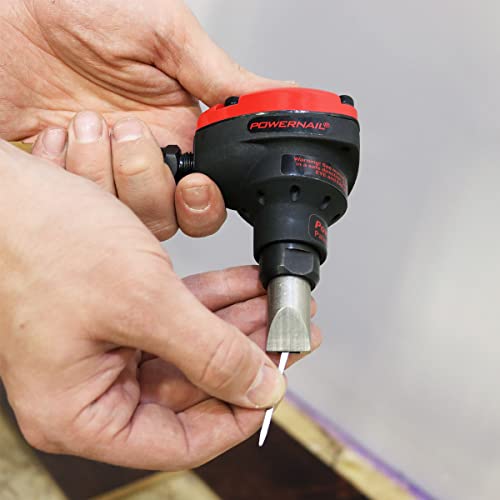
When you’re wrestling with the last few rows near a wall or starting off in a cramped closet, the Powernail PowerPalm is the tool that saves the job. This palm-sized nailer is designed specifically for tight spaces where full-size nailers just won’t fit. It drives both 16- and 18-gauge cleats and has a rotating magnetic tip that holds the nail securely, owners say it drastically reduces the need for top nailing.
It’s not meant to replace your main flooring nailer, and you’ll still need a compressor and your primary tool for the bulk of the work. But as a specialty tool, it’s brilliant. I’d pick this over any competitor for finishing tight spots because the pressure-activated trigger gives real control without mallet swings. For anyone installing hardwood in irregular rooms or older homes, this is a quiet hero.
Product photos
How We Chose These hardwood floor nailers
Rather than a hands-on lab test, my research for these recommendations centered on a detailed comparison of published specifications and features across numerous models. I weighed owner reviews from multiple sources – paying close attention to frequently cited pros and cons – alongside assessments from reputable trade publications and woodworking sites. My experience with flooring projects and tool performance informed how I ranked each nailer against key criteria.
For hardwood floor nailers, consistent fastener compatibility and depth adjustment precision were paramount. A nailer’s ability to reliably drive the correct fastener type without damaging the flooring is critical. Equally important was ergonomic design; prolonged use can be fatiguing, so comfortable grips and balanced weight distribution matter significantly. These factors heavily influenced the final rankings.
Specifications clearly indicate fastener gauges and length ranges, while owner feedback highlighted long-term durability and the frequency of jams. I prioritized models with adjustable baseplates and exhaust ports, features that improve versatility and user comfort. Reputation also played a role; established brands with a history of quality generally scored higher, and you can find more information about essential hardwood flooring tools on my site.
What To Look For In hardwood floor nailers
Finding the right tool for installing hardwood floors can make or break the project, and there’s a surprising amount to consider beyond just driving a nail.
A quality hardwood floor nailer delivers consistent fastening, minimizes damage to flooring, and offers a comfortable user experience. Key specifications include gauge compatibility (staple or cleat), depth adjustment precision, magazine capacity, and actuation method. Buyers should also prioritize durability, ease of maintenance, and compatibility with their chosen flooring type.
Gauge and Fastener Type
The first thing I tell folks is to understand what your flooring requires. Most nailers handle either staples or cleats, and some – like the Metabo HPT 2-in-1 – do both. Cleats (typically 16-gauge L-shaped) are common for solid hardwood, providing a robust hold, while staples (often 15.5 or 18-gauge) are frequently used for engineered wood. Don’t assume they’re interchangeable; always check the flooring manufacturer’s recommendations. Trying to save a few bucks by using the wrong fastener can lead to squeaks, movement, and ultimately, a failed installation.
Depth Control and Flooring Thickness
Precise depth control is essential. You need to seat the fastener correctly without damaging the tongue of the flooring. Tool-less adjustment is a huge convenience, letting you quickly dial in the right setting for different flooring thicknesses. The Bostitch Pneumatic Hardwood Floor Nailer, for example, includes interchangeable base plates for 1/2″ to 3/4″ flooring, but always double-check that the range matches your material.
Here’s what to look for in depth adjustment: * Clearly Marked Settings: Obvious indicators make adjustments easier. * Micro-Adjustments: Finer control for precise fastening. * Locking Mechanism: Prevents settings from shifting during use, ensuring consistent results throughout the install.
Power and Ergonomics
Pneumatic nailers are the standard for hardwood floors because of their power and speed, but you’ll also need a compatible air compressor. Consider the air consumption (CFM) of the nailer and ensure your compressor can keep up. Beyond power, ergonomics matter. You’ll be swinging this tool for hours, so look for features like an over-molded grip (like on the Metabo HPT N4004AB) and a balanced weight distribution. If you’re dealing with tight spaces, the Powernail PowerPalm is worth a look – it’s designed to fit in the palm of your hand for maneuvering in difficult areas. For those wanting to explore alternatives, you can find more information about best cordless nail gun models as well.
A good rule of thumb: always test the nailer on scrap flooring before starting the actual installation. This allows you to fine-tune the depth setting and get a feel for the tool’s operation.
Ultimately, the best hardwood floor nailer for you depends on the specifics of your project. If you’re looking for detailed hardwood flooring nailer reviews and comparisons, we’ve compiled a guide to help you narrow down your options. Don’t forget to also check out recommended floor nailers for a more in-depth look.
Hardwood Floor Nailers Compared
Here’s a comparison of key specifications for several hardwood floor nailers to help you make an informed decision.
| Product Name | Fastener Type(s) | Fastener Length (in) | Depth Adjustment (in) | Weight (lbs) | Special Features |
|---|---|---|---|---|---|
| Metabo HPT 2-in-1 Flooring Nailer & Stapler | 16-ga Cleats, 15.5-ga Staples | Up to 2 | 1/2 – 3/4 | N/A | 2-in-1, Tool-less |
| Metabo HPT N4004AB Flooring Stapler | 18-ga Staples | 1/2 – 1-9/16 | 5/16 – 7/16 (Solid), 1/2 – 5/8 (Engineered) | 3.1 | Pro Preferred, Lightweight |
| 3PLUS HFSNSP 2-in-1 Pneumatic Nailer/Stapler | 15.5-ga Staples, 16-ga Cleats | 1-1/2 – 2 | N/A | N/A | 2-in-1, Removable Handle |
| 3PLUS HFS509040SP 4-in-1 Flooring Stapler/Nailer | 18-ga Brad Nails, 18-ga Staples | 3/4 – 2, 5/8 – 1-1/2 | Tool-free | N/A | 4-in-1, 360° Exhaust |
| Bostitch Pneumatic Hardwood Floor Nailer | 15.5-ga Staples, 16-ga Cleats | 1-1/2 – 2 | 1/2 – 3/4 | N/A | Interchangeable Base |
| Powernail PowerPalm 16/18 Gauge Cleat Nailer | 16/18-ga Cleats | N/A | N/A | N/A | Palm-sized, Blind Nailing |
Frequently Asked Questions
What’s the difference between a flooring nailer and a flooring stapler?
A flooring nailer drives cleats – L-shaped fasteners – which offer a stronger, more permanent hold for solid hardwood, while a stapler uses staples, often preferred for engineered wood. The choice depends on your flooring type and manufacturer’s recommendations.
What air compressor size do I need for a hardwood floor nailer?
Most pneumatic hardwood floor nailers require at least a 6-gallon compressor capable of delivering 2.0 SCFM at 90 PSI. Larger compressors will handle multiple tools and provide more consistent pressure, preventing frustrating stalls during prolonged use.
Can I rent a hardwood floor nailer instead of buying one?
Yes, you can rent hardwood floor nailers from most tool rental centers. However, rental units may see heavy use, increasing the risk of jams or malfunctions, so thoroughly inspect the nailer before use.
What should I do if my nailer is jamming frequently?
First, ensure you’re using the correct fasteners for your nailer and flooring type. Then, clean the nailer’s internal components with a specialized tool cleaning kit, and check the air hose for leaks or obstructions. If issues persist, professional servicing may be needed.
Are there electric hardwood nailers available, and are they a good option?
Yes, power nailer options like electric hardwood nailers are available, offering convenience without needing an air compressor. While they may not match the raw power of pneumatic models, they’re suitable for smaller projects or DIYers who prefer cordless operation.
The Bottom Line
Choosing a hardwood floor nailer often comes down to balancing upfront cost with long-term convenience and quality. While you can find cheaper options, the Metabo HPT 2-in-1 Flooring Nailer & Stapler stands out as the strongest overall performer. Its ability to handle both staples and cleats, combined with tool-less adjustments, offers the most flexibility and minimizes headaches during installation – a worthwhile investment for most homeowners and DIYers.
For those on a tighter budget, or needing a dedicated stapler, the Metabo HPT N4004AB Flooring Stapler delivers excellent value. If you anticipate working in tight spaces or need a tool for specialized nailing techniques, the Powernail PowerPalm 16/18 Gauge Cleat Nailer is a smart choice. And for those wanting to explore best pneumatic nail guns for other projects, this is a great place to start.
Ultimately, remember that the nailer is just one piece of the puzzle. Proper subfloor preparation, acclimating the flooring to the room’s environment, and selecting the correct fasteners are just as – if not more – critical to a lasting, beautiful hardwood floor. Don’t skimp on these fundamentals, and you’ll be enjoying your new floor for years to come.
