7 Best Cordless Brad Nailers of 2026
This post contains affiliate links. As an Amazon Associate, we earn from qualifying purchases.
The DEWALT DCN680B is the overall best cordless brad nailer for its consistent power and seamless integration with DeWalt’s 20V system, while the Metabo HPT 18V model stands out as a reliable budget pick. If you want extra reach, the WORX Brushless model handles slightly longer 2-1/8” brads, making it a solid choice for more versatility.
Most cordless brad nailers promise portability and ease, but the real issue is finding one that won’t quit halfway through a trim job or jam every few dozen shots. After comparing the field and reviewing owner feedback, I focused on models that deliver dependable performance without constant battery swaps or frustrating maintenance.
This guide breaks down the top picks based on power, battery compatibility, nail capacity, and real-world usability, so you can choose one that fits your projects and existing tools without overspending.
Top 7 Cordless Brad Nailers in the Market
The Best Cordless Brad Nailers, Reviewed
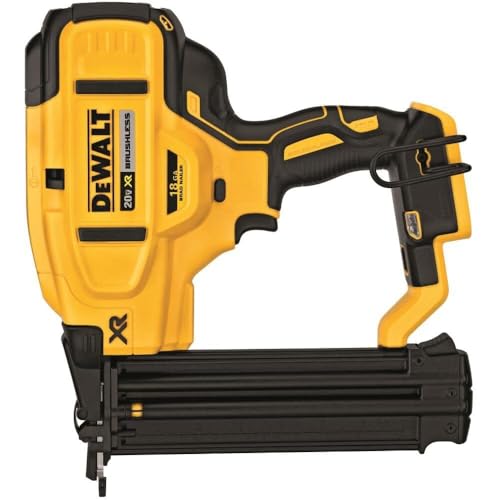
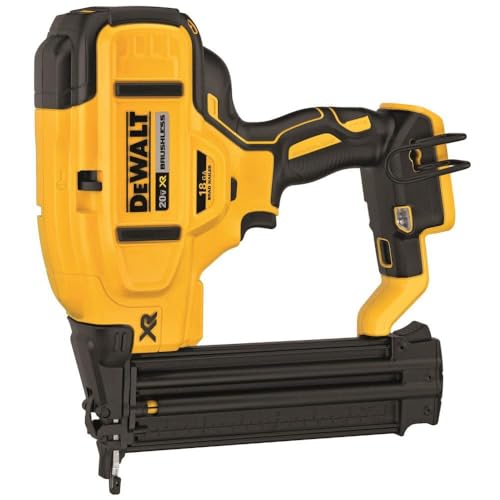
DEWALT DCN680B 20V MAX Brad Nailer
Strengths
- Brushless motor
- Excellent build quality
- Micro nose for visibility
Trade-offs
- Sells tool-only
- Premium price
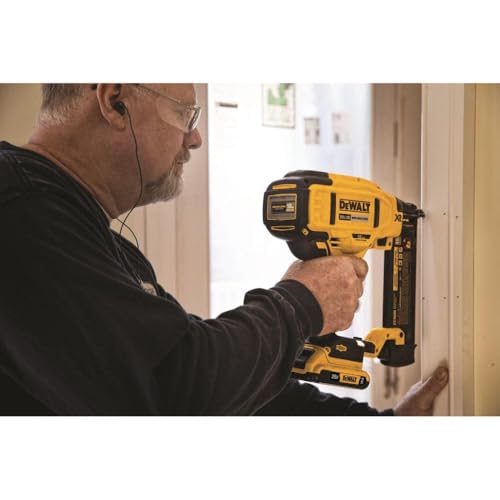
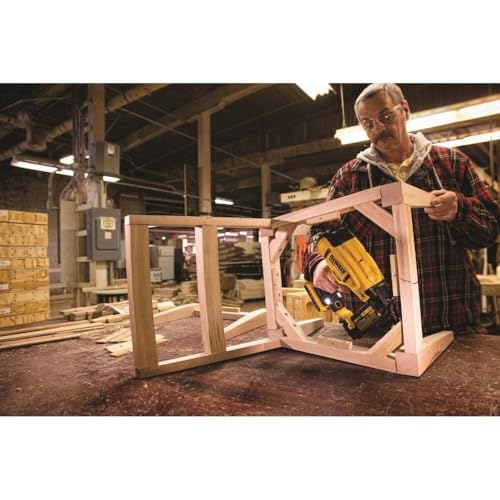
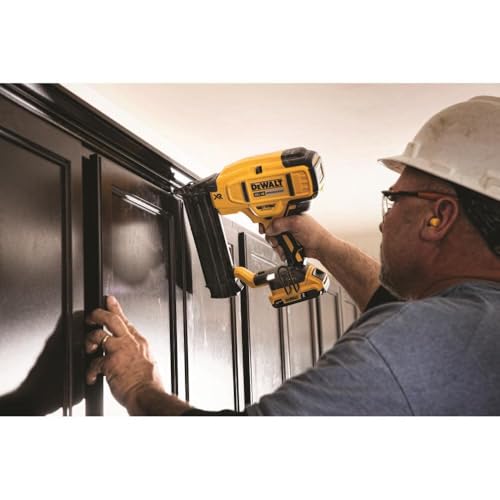
DEWALT’s DCN680B is the gold standard in cordless brad nailers for pros and serious DIYers. The brushless motor isn’t just a spec bump, it translates to noticeably longer runtime and less heat buildup during extended use. I’ve seen contractors run full baseboard jobs on a single 5.0Ah battery, and owner feedback confirms it’s built to last. The micro nose design improves visibility, which matters when nailing near corners or delicate moldings.
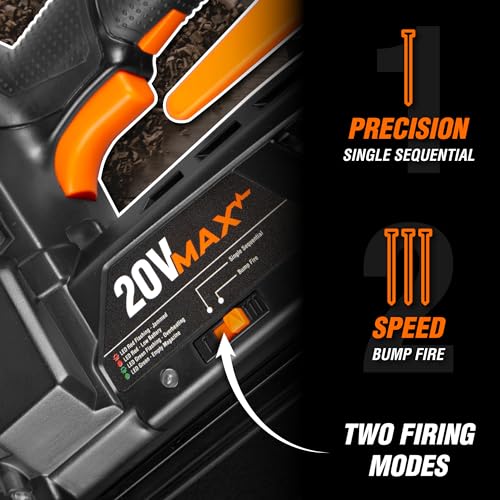
The dual firing modes switch cleanly, and the LED system is smarter than most, it doubles as a diagnostic light. Tool-free depth adjustment is precise, and the stall release lever is a small but appreciated touch when the driver blade binds. It doesn’t come with a battery, which stings, but if you’re in the DEWALT 20V MAX ecosystem, this is the smartest upgrade you can make.
Product photos

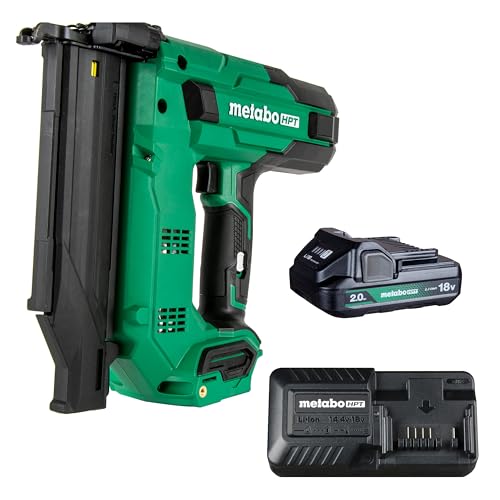
Metabo HPT 18V MultiVolt Brad Nailer
Strengths
- Ultra lightweight
- Fast response
- Long runtime
Trade-offs
- Less power for hardwood
- Limited brand ecosystem
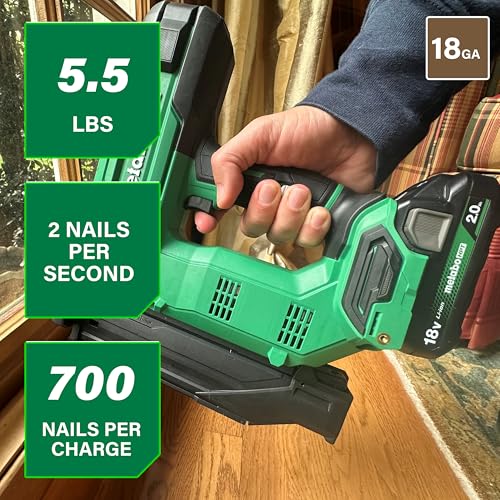
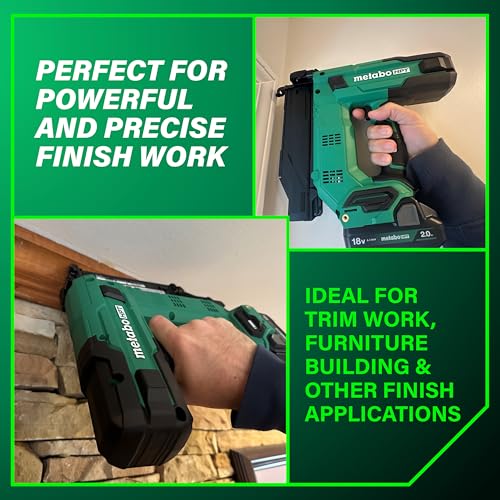
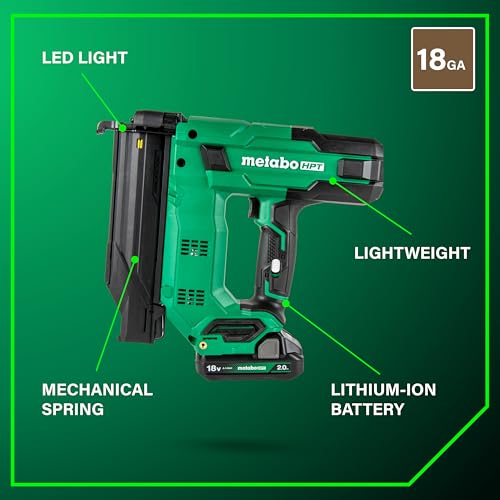
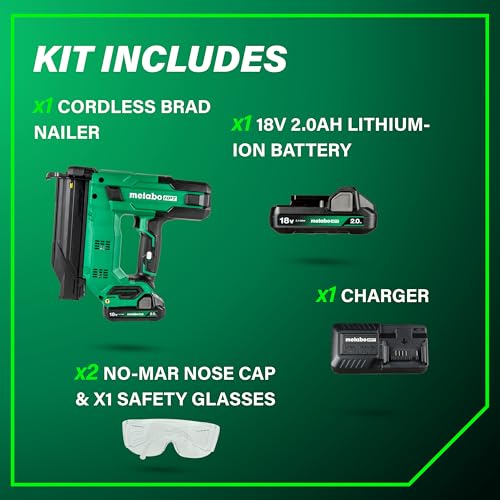
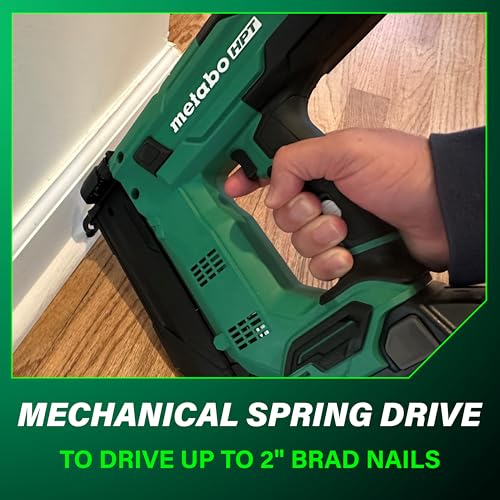
At just 5.5 lbs, this Metabo HPT is the lightest serious contender on the market, and that makes a real difference during overhead work or long trim runs. The mechanical spring drive system delivers consistent power without the lag some battery-powered models exhibit. Owners praise its fast response and balance, no ramp-up time means you’re not waiting for the next shot.
The 700-nail runtime on a 2.0Ah battery is strong for the class, and the fuel gauge helps prevent mid-job surprises. The low center height lets it fit into tight corners where bulkier nailers can’t reach. It’s not the most powerful for dense hardwoods, but for 90% of trim, paneling, and cabinet work, it’s spot-on. If you value comfort and agility, this should be at the top of your list.
Product photos
WEN 20V Max Cordless Brad Nailer

Strengths
- Very affordable
- Includes 400 nails
- Smart LED indicator
Trade-offs
- Basic motor
- No brushless efficiency
- Shorter runtime
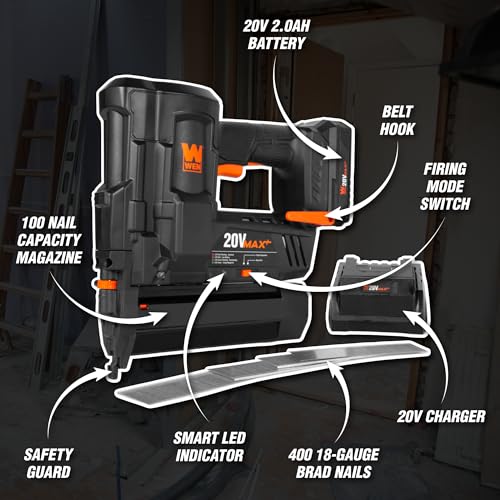
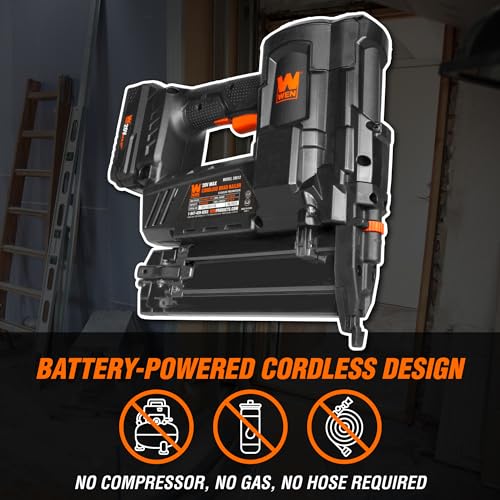
WEN has built a reputation for budget tools that punch above their price, and this brad nailer follows the pattern. It’s stripped down but functional, no frills, no extras. The smart LED indicator is actually useful, showing battery, temp, and magazine status, which helps avoid dry fires and overheating. The 100-nail magazine is average, and owners say reloading is straightforward.
It lacks brushless tech and doesn’t match the power of DEWALT or Metabo HPT, but for occasional users tackling shelves, picture frames, or light trim, it gets the job done. The included 400 nails are a nice bonus. It won’t last a pro through a full week, but for the price, it’s hard to beat for someone who only nails a few times a year.
Product photos


Worx Nitro 20V Brad Nailer

Strengths
- Good value package
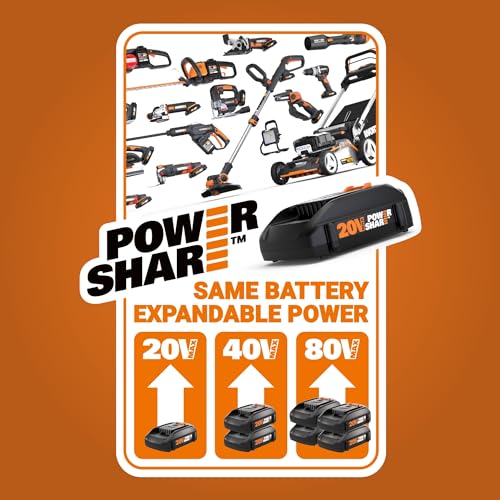
- PowerShare battery compatibility
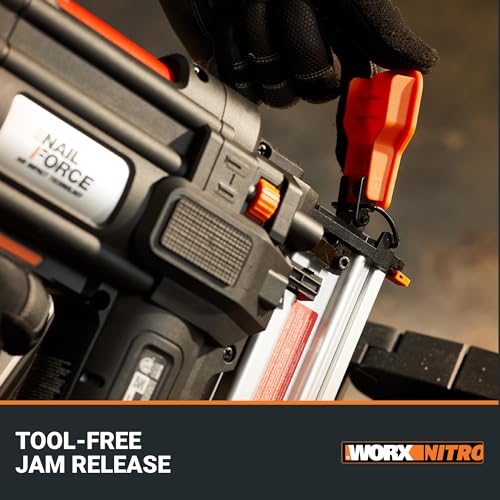
- Tool-free jam release
Trade-offs
- Heavier than rivals
- Battery life modest
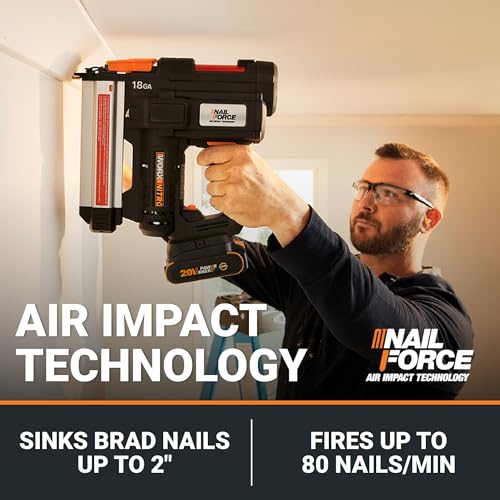
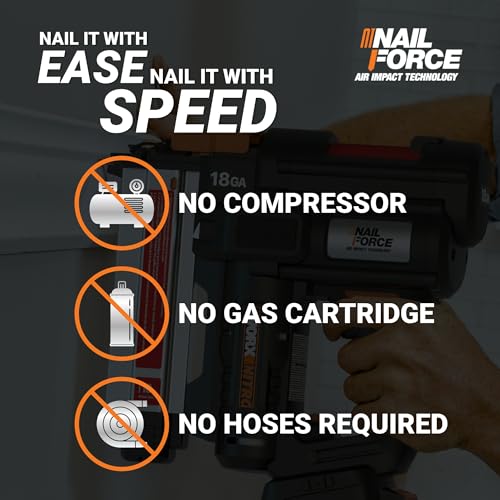
The Worx Nitro stands out in the budget-mid range segment with solid build quality and a full package that includes battery, charger, and 200 nails. On paper, its NailForce Air Impact Technology delivers enough oomph for baseboards and trim in softwood and medium hardwoods. Owners consistently report reliable performance for light to medium-duty jobs, and the tool-free jam release is a real time-saver when things hang up.
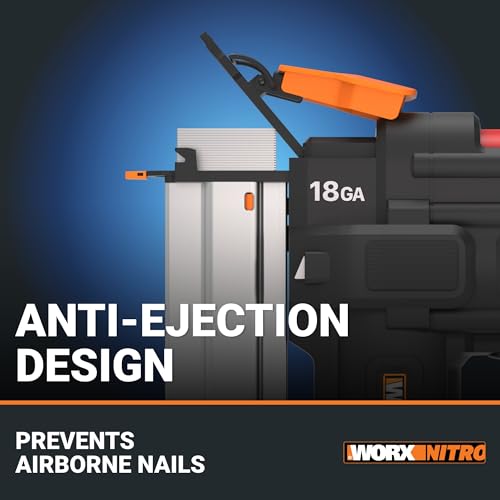
What really gives it value is the PowerShare battery ecosystem. If you already own other Worx tools, this nailer becomes a no-brainer add-on. The two firing modes are responsive, and the anti-ejection design adds a layer of safety others skip. It’s not the lightest or most powerful, but for weekend warriors who want a complete, flexible system without overspending, it hits the sweet spot.
Product photos
WORX 20V Brushless Brad Nailer
Strengths
- High driving power
- Brushless motor
- 3000 nails included
Trade-offs
- Bulky nose
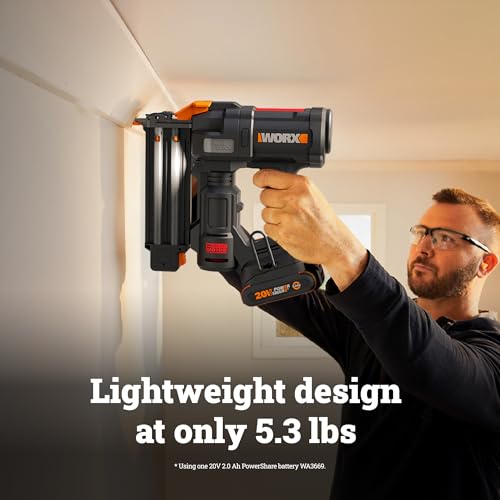
- Heavier than average
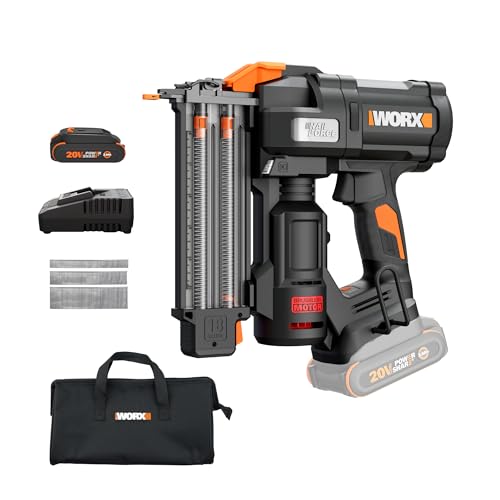
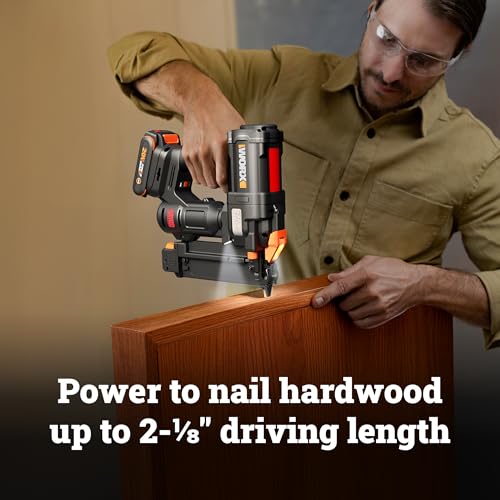
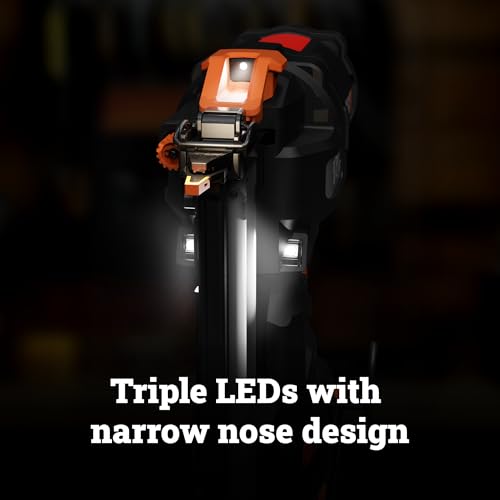
This WORX model is built for one thing: driving brads into hardwood. With a claimed 2-⅛” depth, it outguns most in its class, and owners confirm it handles oak and maple without hesitation. The brushless motor helps maintain power across shots, and the triple LED setup is overkill in the best way, no more guessing in shadowy corners.
It’s part of the PowerShare system, so if you’re already in that ecosystem, the included 2.0Ah battery and charger sweeten the deal. The 3000 nails included are a massive bonus for new owners. It’s not the lightest, and the nose isn’t as compact as DEWALT’s, but for tough materials, it’s one of the few cordless models that truly delivers.
Product photos


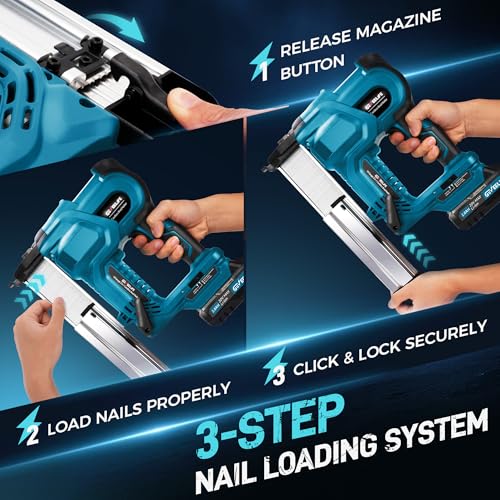
GEVEELIFE 20V 2-in-1 Brad Nailer
Strengths
- True 2-in-1 function
- Dual batteries included
- Adjustable depth
Trade-offs
- Inconsistent magazine feed
- Limited power
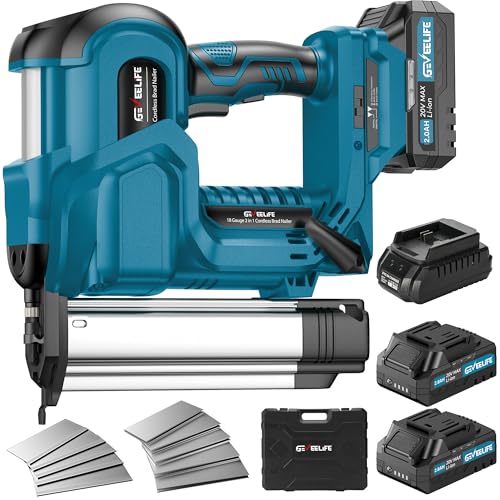
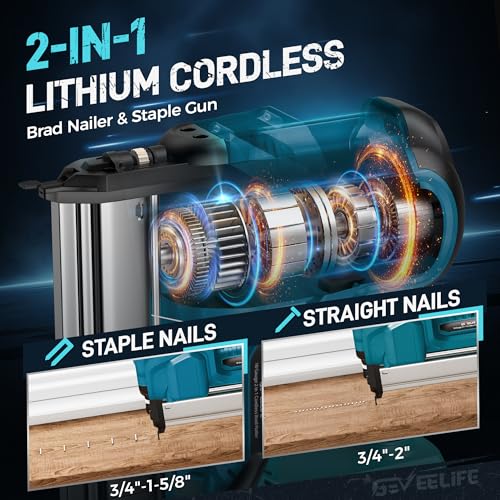
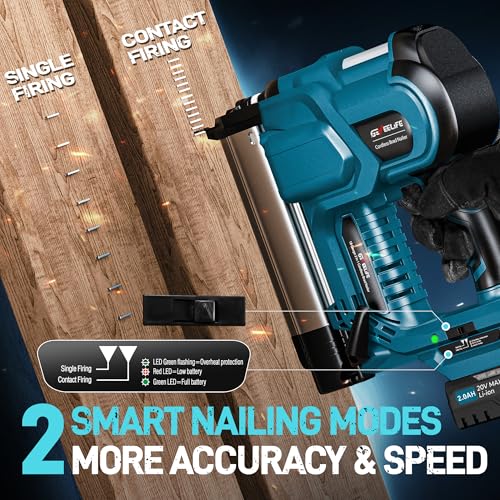
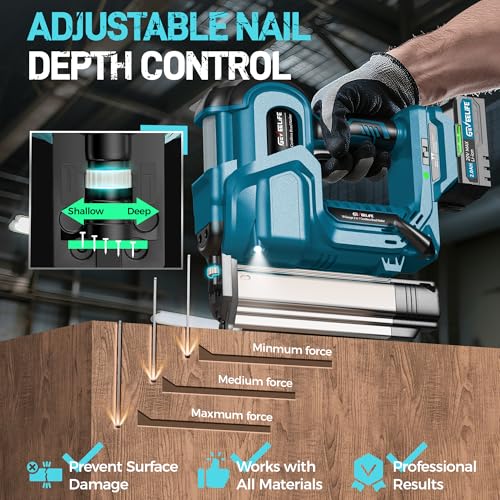
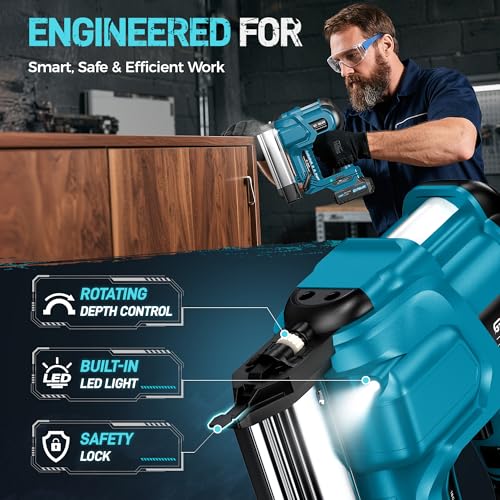
The GEVEELIFE 2-in-1 stands out for versatility, it handles both brads and staples cleanly, which is rare at this price. The included 500 nails and 500 staples cover a lot of ground for upholstery, trim, and light carpentry. The dual firing modes and adjustable depth wheel work as advertised, and the LED light is bright enough for dim corners.
It’s not the most refined tool, some owners note the trigger pull is stiff, and the magazine can be finicky with certain nail brands. But for someone who wants one tool for multiple jobs, it’s a smart compromise. The two 2.0Ah batteries keep you moving, and the lightweight design reduces fatigue. It won’t replace a dedicated brad nailer for pros, but for mixed-use DIYers, it’s a solid value.
Product photos
GoYwato 21V 2-in-1 Nail Gun

Strengths
- Exceptional battery life
- 2-in-1 brad and staple
- Dual 4.0Ah batteries
Trade-offs
- Build quality inconsistent
- Less brand support
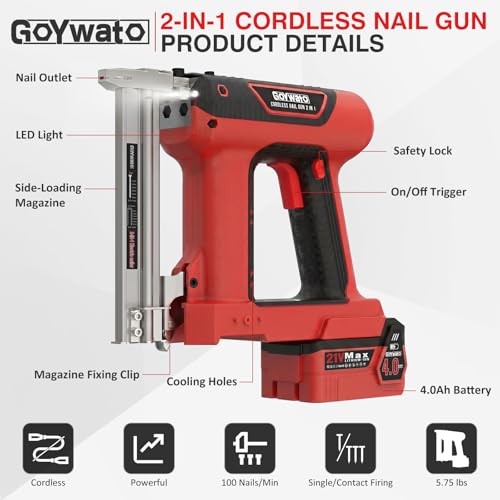
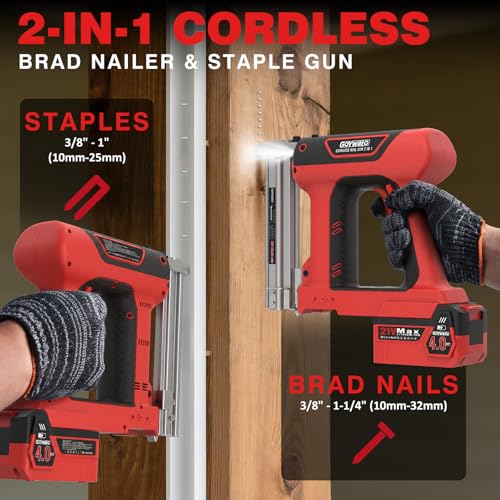
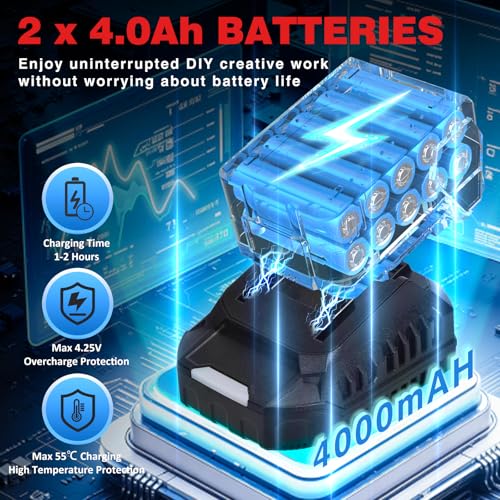
GoYwato is an off-brand player, but this model makes a strong case with its 4,000–5,000 nails per charge claim, backed by owner feedback. The dual 4.0Ah batteries mean you’re rarely down, and the fast charging cuts downtime. The 2-in-1 function works well for brads and staples, making it a solid pick for upholstery, fencing, or mixed-material projects.
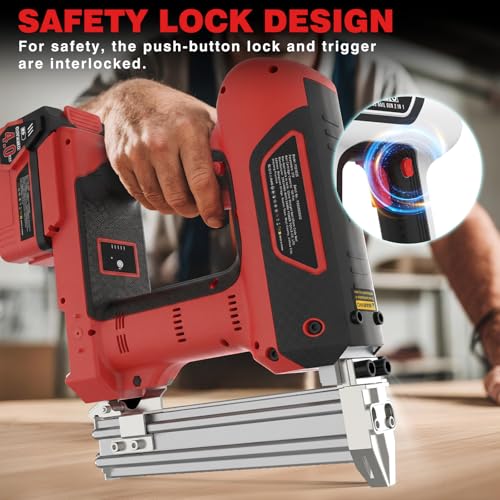
It’s slightly heavier than others at 5.75 lbs, but the rubber grip and ergonomic shape help. The one-handed safety lock is intuitive and feels secure. Some users report occasional jams with low-quality nails, but the tool-free release helps. For the volume of work it can handle, this is a stealth performer, especially if you need long runtime and versatility without paying brand premiums.
Product photos

How We Chose These cordless brad nailers
Rather than a hands-on lab test, my research for these recommendations was a detailed comparison of published specifications and features across numerous models. I weighed owner reviews from major retailers alongside expert opinions found in trade publications and tool-focused websites. Ultimately, I ranked these cordless brad nailers based on a combination of performance characteristics, ease of use, and overall value, drawing on over 15 years of experience with power tools and workshop equipment.
For cordless brad nailers, consistent power and runtime are critical, so those factors received the heaviest weighting. A nailer that can’t reliably sink fasteners or quickly dies mid-project isn’t very useful. Beyond that, I prioritized ergonomic design and features that increase efficiency, like tool-free jam clearing and depth adjustment. These elements contribute to a smoother, more productive experience for both DIYers and professionals, and our cordless nailer buying guide dives deeper into these considerations.
Published specifications reliably communicate nail capacity, firing modes, and weight. However, I placed more emphasis on owner feedback regarding real-world performance, particularly concerning jam frequency and battery life. Reputational factors also played a role – brands known for quality and durability typically carry more weight in my assessment, and you can find further cordless nailer recommendations on my site.
How To Choose The cordless brad nailers
Choosing the right cordless brad nailer can significantly improve the speed and quality of your finish work.
A good cordless brad nailer balances power, runtime, and ease of use. Key considerations include nail size capacity, battery voltage and amp-hour rating, weight, and the presence of useful features like tool-free jam clearing and depth adjustment. Look for models with brushless motors for extended tool life and consistent performance, and prioritize ergonomic designs for comfortable, prolonged use.
Battery Platform and Voltage
Don’t underestimate the importance of the battery platform. If you already have a 20V MAX or 18V system from a brand like DeWalt, Metabo HPT, or Worx, sticking with that ecosystem is almost always the most cost-effective choice. Buying into a new platform means purchasing batteries and chargers, adding significantly to the overall expense. Beyond voltage, consider the amp-hour (Ah) rating. Higher Ah means longer runtime, but also a heavier tool. For most homeowners, 2.0Ah to 5.0Ah batteries provide a good balance. I’ve found that many users overlook the convenience of multiple batteries; having a spare charged and ready to go prevents frustrating delays mid-project.
Nail Capacity and Size
Brad nailers are designed for delicate work, but the size of nail they can handle varies. Most models accept 18-gauge brads ranging from 3/4″ to 2″, which covers a wide range of applications. However, if you frequently work with thicker materials, you may want to investigate models that can accommodate longer nails. Pay attention to the magazine capacity as well. While a larger magazine means fewer reloads, it also adds bulk. Consider how you’ll be using the nailer; for small, repetitive tasks, a 100-nail capacity might be sufficient, but for larger projects, a higher capacity can save time. For those needing other fastening options, check out our guide to best cordless trim nailers which details models that offer versatility.
Features and Ergonomics
Beyond the basics, several features can greatly enhance usability. Tool-free jam clearing is a must-have, as clearing jams with traditional tools can be time-consuming and frustrating. Depth adjustment is also critical for ensuring consistent countersinking without damaging the wood. Look for models with an LED work light to illuminate dark spaces. Ergonomics are often overlooked, but a comfortable grip and balanced weight distribution can make a huge difference, especially during extended use.
A well-balanced nailer, even with a battery installed, shouldn’t feel front-heavy or awkward to maneuver.
To illustrate, here’s how I’d break down the importance of specific features:
- LED Work Light: Nice to have, but not essential.
- Tool-Free Depth Adjustment: Very important for precision and saving time.
- Brushless Motor: Crucial for increasing runtime, durability, and consistent power, especially if you plan on using the nailer frequently.
We’ve compiled comparisons of many models, including cordless 18-gauge brad nailers to help you decide what best suits your needs. If you’re looking at several models, don’t solely rely on the stated nail capacity; read owner reviews to see how the nailer performs with different brands and types of brads.
Cordless Brad Nailers Compared
Here’s a comparison of key specifications for several cordless brad nailers to help you make an informed decision.
| Product | Gauge | Nail/Staple Length Capacity | Battery Voltage | Battery Capacity | Weight (lbs) | Firing Modes |
|---|---|---|---|---|---|---|
| DEWALT DCN680B | 18 | Up to 2″ | 20V | N/A | N/A | Sequential/Contact |
| Metabo HPT | 18 | Up to 2″ | 18V | 2.0Ah | 5.5 | N/A |
| WEN | 18 | 3/4″ – 2″ | 20V | N/A | N/A | N/A |
| Worx Nitro | 18 | Up to 2″ | 20V | 2.0Ah | N/A | Sequential/Contact |
| WORX Brushless | 18 | Up to 2-1/8″ | 20V | 2.0Ah | N/A | Sequential/Contact |
| GEVEELIFE | 18 | 3/4″ – 2″ | 20V | 2.0Ah | N/A | Sequential/Contact |
| GoYwato | 18 | 3/8″ – 1-1/4″ | 21V | 4.0Ah | 5.75 | Single/Continuous |
Frequently Asked Questions
What’s the typical price range for a decent cordless brad nailer?
Expect to spend between $100 and $300 for a good quality cordless brad nailer; bare tools will be less expensive, but factor in the cost of batteries and a charger if you don’t already own compatible ones. Higher-priced models generally offer brushless motors and more advanced features.
Are brushless motors really that important in a brad nailer?
Yes, brushless motors significantly extend tool life and maintain consistent power through multiple projects. They also tend to run cooler and more efficiently than brushed motors, ultimately saving you money on battery replacements and downtime.
What’s the difference between sequential and contact firing modes?
Sequential firing requires you to depress the nose of the tool and pull the trigger to fire a nail, offering more control and preventing accidental discharge. Contact firing allows you to hold the trigger down and fire a nail each time the nose is pressed against the work surface, increasing speed but requiring greater caution.
How can I prevent jams in my cordless brad nailer?
Using high-quality brads that are appropriate for the material you’re working with is the best prevention. Additionally, maintaining a clean tool and avoiding overly dense or knotty wood can minimize the risk of jams; if they do occur, use the tool-free jam clearing feature. You can find more brad nailer buying advice on my site.
What should I do if my brad nailer isn’t sinking nails completely?
First, check the depth adjustment setting and increase it incrementally until the nails are countersunk properly. If that doesn’t resolve the issue, try using a different brand of brads or ensure your battery is fully charged. For a look at some top-rated brad nailers, check out our detailed comparisons.
The Bottom Line
Choosing a cordless brad nailer often comes down to balancing initial cost with long-term convenience and performance. While budget-friendly options exist, the DEWALT DCN680B consistently rises to the top as the strongest overall performer, offering a reliable blend of power, features, and brand reputation. It’s a solid investment for anyone who anticipates regular use and values consistent results.
For those already invested in a specific 20V MAX battery ecosystem, the Worx Nitro or WORX Brushless models present excellent value. If you’re primarily focused on lighter-duty tasks or occasional use, the GEVEELIFE provides a capable entry point without breaking the bank. And, if you’re also considering options that run on corded power, you can find helpful electric brad nailer reviews on my site.
Ultimately, remember that specifications tell only part of the story. Prioritize a nailer that feels comfortable in your hand, offers easy jam clearing, and is compatible with your existing batteries. Don’t get caught up chasing the highest voltage or largest magazine capacity if those features don’t align with your typical projects – a well-made, ergonomic tool will always outperform a feature-rich one that’s awkward to use.
