
7 Best Compact Impact Drivers of 2026
This post contains affiliate links. As an Amazon Associate, we earn from qualifying purchases.
The Milwaukee M12 Fuel is the overall best compact impact driver for most users, combining serious power in an ultra-small package. For those on a budget, the DEWALT 20V MAX XR Brushless delivers strong performance at a lower price, while the DEWALT ATOMIC 20V Compact stands out if you need maximum versatility in tight spaces.
If you’ve ever struggled to drive a lag screw in a cramped corner or wrestled with a bulky tool overhead, you know how much difference a compact impact driver can make. The right one gives you power where space is tight, but too many models sacrifice durability or comfort for size.
This guide cuts through the noise, comparing specs, real-world feedback, and long-term reliability to find the best compact impact drivers worth your money. I looked at motor type, torque, weight, and how well each model fits into a real tool lineup.
Top 7 Compact Impact Drivers in the Market
The Best Compact Impact Drivers, Reviewed
DEWALT 20V MAX Hydraulic Impact Driver

Strengths
- Quiet operation
- High torque output
- Superior LED halo ring
Trade-offs
- Slightly bulkier than atomic models
- Premium price point
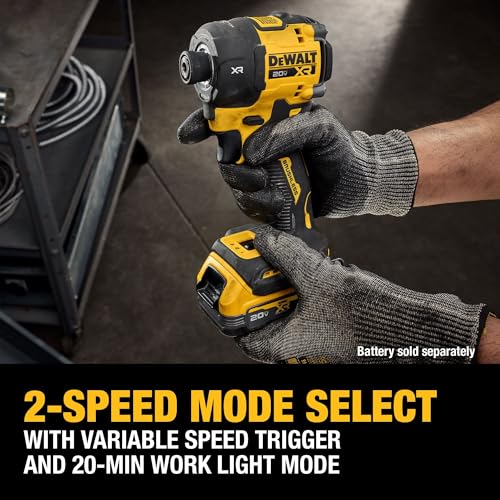
This is DEWALT’s quietest impact driver, and that’s not just marketing fluff, owners consistently report noticeably less noise on the job, which matters in indoor or shared worksites. The hydraulic system reduces vibration and sound, and on paper, the 40% faster driving claim holds up against older models. It’s not the smallest in the DEWALT lineup, but it’s compact enough for cabinetry and framing.
The 9-LED halo ring is a standout, 20 minutes of work light is generous, and the even spread eliminates shadows better than most single or triple-LED setups. With max torque rated as the highest in the industry, it’s built for pros who hate stripping screws. Compared to the DCF845B, this one trades a bit of raw speed for refinement and comfort.
Product photos


SKIL 12V Brushless Compact Impact
Strengths
- Full kit included
- USB-C charging
- Strong halo light
Trade-offs
- Brand reliability concerns
- Plastic housing feels less durable
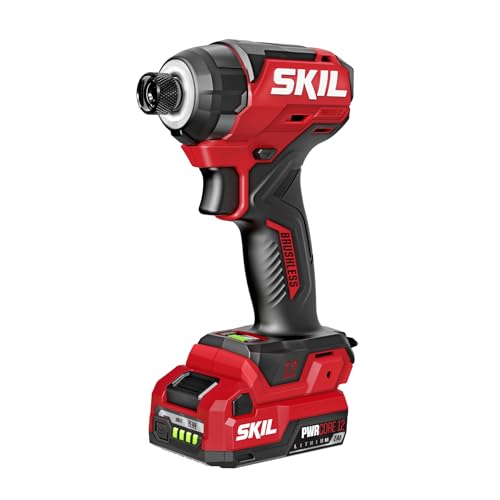
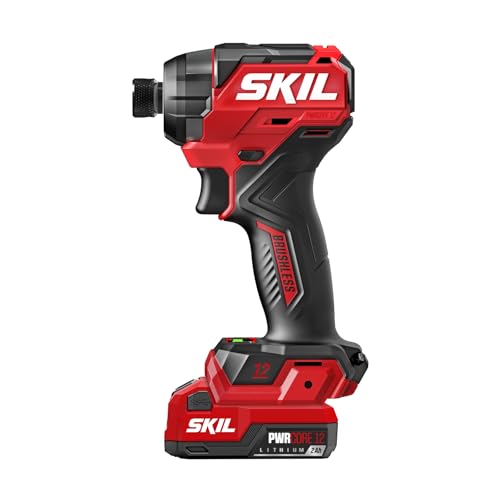
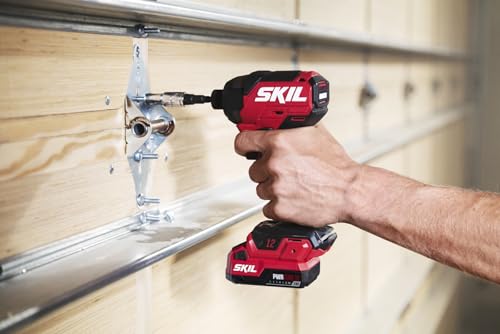
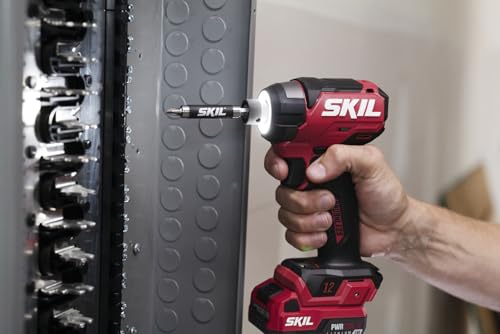
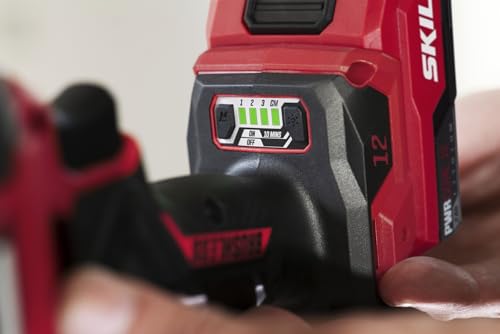
This kit is a smart entry point, USB-C charging on a 2.0Ah battery is rare at this price, and the Halo light actually outshines many premium models in spread and brightness. The 1500 in-lbs of torque is strong for 12V, and owners report it keeps up with jobs like deck screws and furniture assembly.
It’s not Milwaukee or DEWALT tier in durability, but for occasional use, it’s more than capable. The digital brushless motor helps with efficiency, and the 3-speed selection adds flexibility. Compared to bare-tool 12V options, this kit gives you everything without extra purchases. My recommendation? This is the smarter buy for homeowners who don’t already own batteries.
Product photos
Milwaukee M12 Subcompact Brushless
Strengths
- Ultra-compact design
- Lightweight build
- REDLINK protection
Trade-offs
- Bare tool only
- Lower torque than 20V models
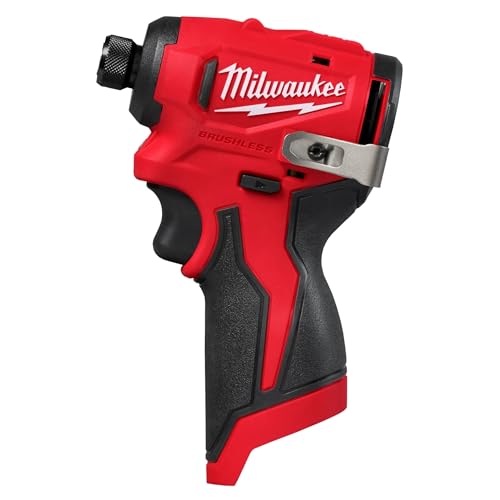
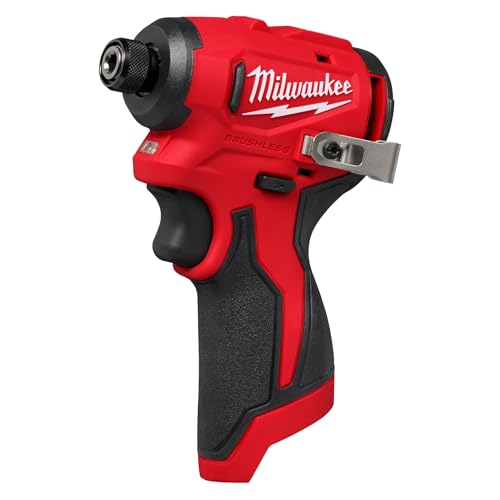
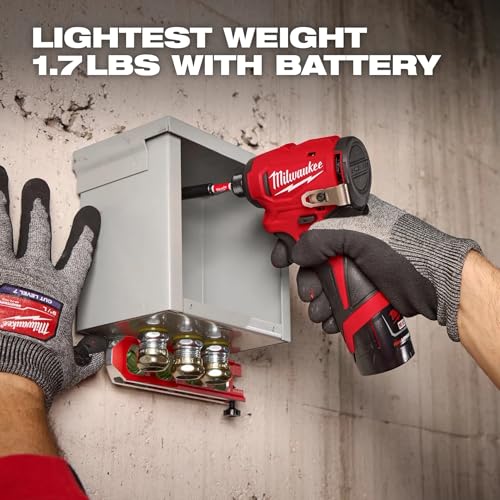
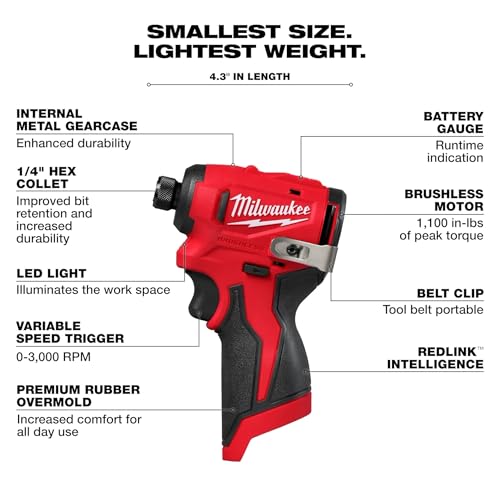
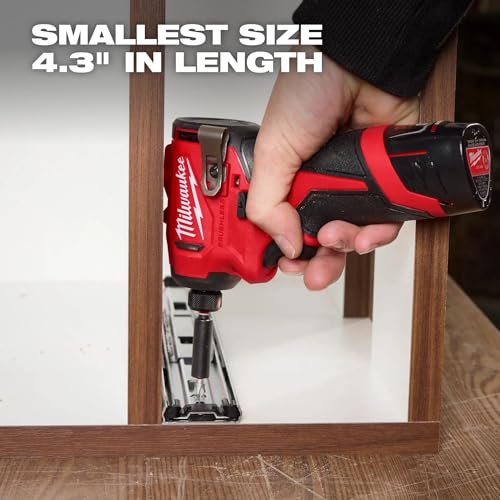
At 4.3 inches long and 1.7 lbs with battery, this is one of the most compact impact drivers on the market, and it still delivers 1100 in-lbs of torque. That size-to-power ratio is why electricians and HVAC techs love the M12 line. The metal gearcase adds durability, and REDLINK Intelligence helps prevent burnout during jams.
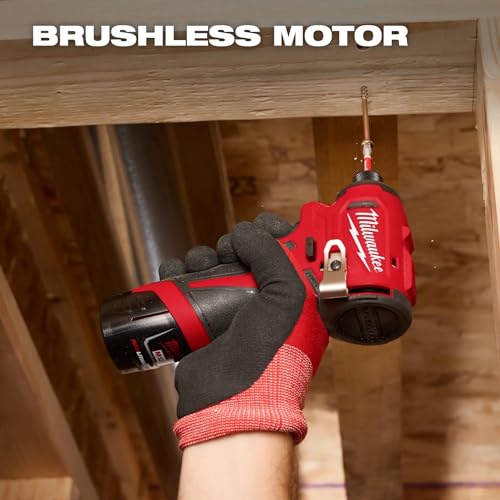
It’s not meant for lag bolts, but for screws, fasteners, and overhead work in confined areas, it excels. The 3000 RPM and 4100 IPM keep it snappy, and the belt clip is a small but appreciated touch. Against the DEWALT ATOMIC, it’s lighter and shorter, though not quite as powerful. If space is your enemy, this is the tool to reach for.
Product photos
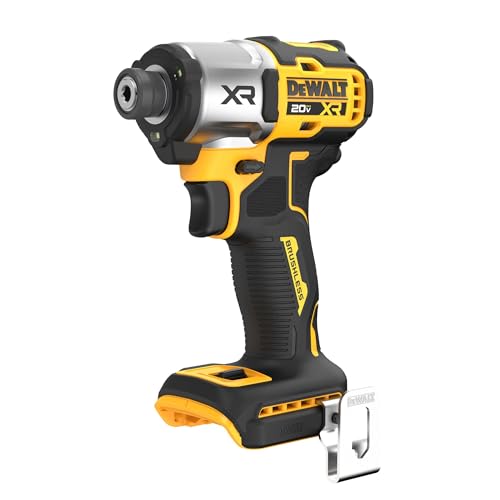
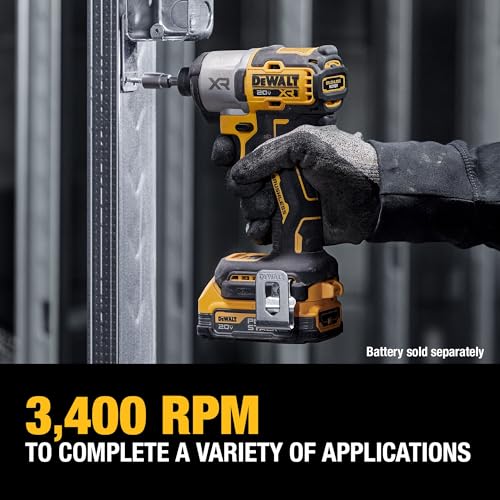
DEWALT 20V MAX XR Brushless
Strengths
- High torque output
- 3-speed control
- Durable build
Trade-offs
- Heavier than compact models
- Work light is average
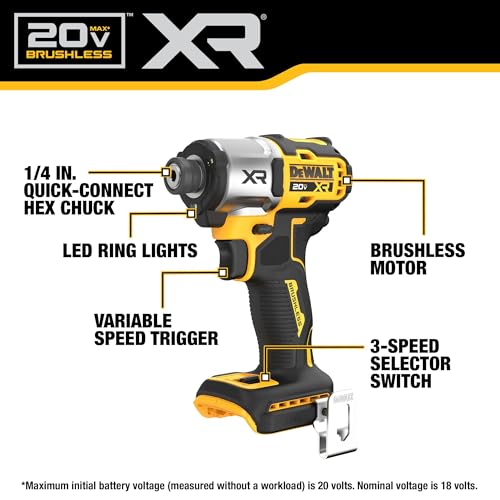
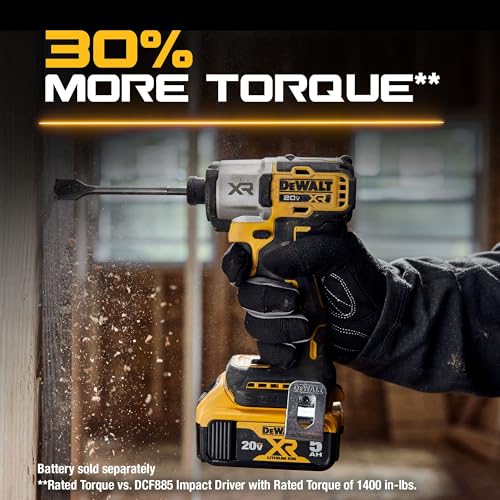
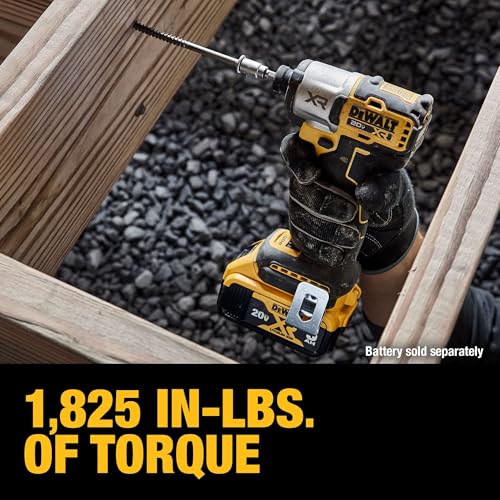
If raw power is your priority, this model delivers. The 1825 in-lbs of torque and 3400 RPM put it near the top of DEWALT’s 20V lineup, and owners confirm it handles lag bolts and structural screws without hesitation. It’s built like a pro tool, rugged, with a variable trigger and three-speed settings that give real control across tasks.
Compared to the DCF850B, this one has the same torque but adds a more refined trigger and better ergonomics. The 3-LED work light is standard, not special, but gets the job done. I’d call this the go-to DEWALT XR if you’re doing heavy fastening and don’t need the noise reduction of the hydraulic model. It’s a workhorse, not a finesse tool.
Product photos

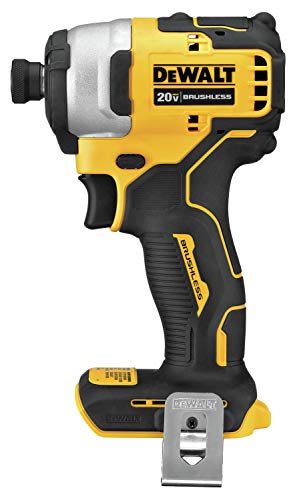
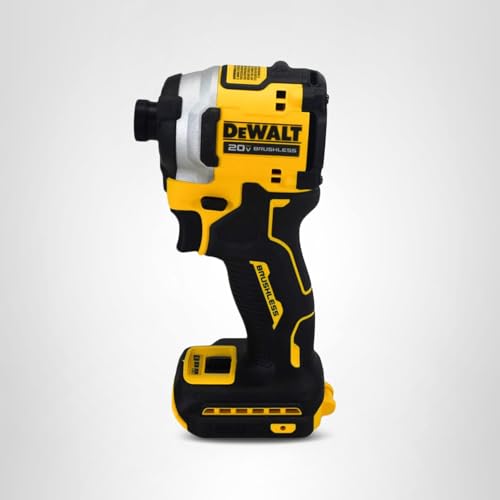
DEWALT ATOMIC 20V Compact
Strengths
- Extremely compact
- Good power-to-size ratio
- Brushless efficiency
Trade-offs
- Lower max torque than full-size models
- Basic lighting
The 5.1-inch length makes this one of DEWALT’s most maneuverable 20V impacts, and despite its size, it still packs 1700 in-lbs of torque, enough for most fastening tasks. It’s not the strongest in the lineup, but for cabinetry, light framing, or working inside walls, the compactness is worth the slight trade-off.
Owners praise the balance and trigger control, and the 3 LEDs are decent, though not as bright as the halo ring on other models. Compared to the DCF850B, it’s shorter and lighter but with slightly less torque. I’d pick this for users who value ease of use in tight spots over maximum power. It’s the most portable 20V option DEWALT offers.
Product photos


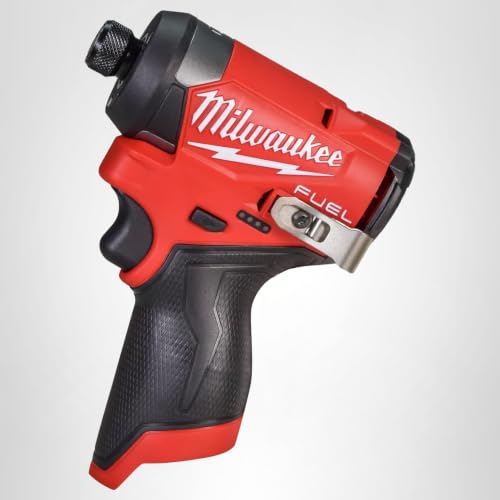
Milwaukee 3453-20 12V Fuel

Strengths
- 4-mode drive control
- Lightweight design
- Brushless efficiency
Trade-offs
- Bare tool only
- Less torque than 20V class
Milwaukee’s 12V Fuel line keeps impressing, and this one packs 1,500 in-lbs of torque into a 2 lb frame, no small feat. The 4-mode drive control is where it pulls ahead, especially the dedicated self-tapping screw mode, which owners say prevents cam-out and improves consistency. If you’re working with metal or light gauge framing, that level of precision is a real advantage.
It’s not as powerful as 20V models, but for trim, drywall, or HVAC work, the reduced weight makes a difference over long shifts. Against the SKIL 12V, this has better intelligence and durability, though it lacks a halo light. The 3600 RPM in Mode 3 gives it a burst of speed when needed, but I’d pick this for control, not brute force.
Product photos


DEWALT DCF850B 20V Compact

Strengths
- High torque at low cost
- Compact for 20V class
- Tool-only option saves money
Trade-offs
- Basic LED work light
- No advanced features
This is DEWALT’s value play in the 20V compact class, same 1825 in-lbs of torque as the higher-end XR, but stripped down to essentials. No fancy lights, no extended features, just solid power and a reliable brushless motor. At this price, it’s a no-brainer for DEWALT system owners who need a second impact driver.
It’s not as refined as the hydraulic model, and the 3-LED light is basic, but it handles framing and decking without issue. Compared to the ATOMIC, it’s slightly longer but delivers more consistent torque. If you’re building out your kit and want performance without paying for bells and whistles, this is the smarter buy.
Product photos


How We Evaluated compact impact drivers
Rather than a hands-on lab test, my research focused on a detailed comparison of published specifications and features across numerous models. I weighed owner reviews from multiple sources – including major retailers and dedicated tool forums – alongside assessments from trusted experts in the trades. This allowed me to build a ranking based on performance claims and real-world usability, applying my years of experience with power tools to interpret the data.
For compact impact drivers, consistent torque and weight are paramount. A driver’s ability to handle a variety of fastening tasks without bogging down is critical, and a shorter, lighter tool is much easier to maneuver in awkward positions. Battery platform compatibility also heavily influenced my assessment; expanding an existing 20V or 12V setup offers clear cost benefits.
Published specs provide a good baseline for torque, RPM, and impact rate, but I placed greater emphasis on owner feedback regarding durability and how well a driver performs over time. Reputation matters in this category. While specs tell you what a tool can do, reviews reveal how it holds up to consistent use and whether it lives up to the manufacturer’s promises. If you’re considering a smaller form factor, exploring options like lightweight 12V impacts can be a good starting point.
Choosing The Right compact impact drivers
I’ve spent years around these tools, and one thing is clear: not all compact impact drivers are created equal. Getting the right one depends on what you plan to do with it.
A quality compact impact driver balances power, size, and runtime. Key specs include torque (measured in inch-pounds), impacts per minute (IPM), and motor type (brushed vs. brushless). Look for models with multiple speed settings, integrated LED lights, and ergonomic designs for comfortable use. Battery voltage and amp-hour (Ah) ratings significantly impact performance and longevity.
Motor Type: Brushed vs. Brushless
The motor is the heart of any impact driver, and the choice between brushed and brushless is significant. Brushed motors are simpler and less expensive, but they wear out faster, reducing power over time and limiting runtime. Brushless motors, on the other hand, are more efficient, deliver consistent power, and last considerably longer. While you’ll pay a premium upfront for a brushless model like the Milwaukee M12 Subcompact, the increased durability and performance are often worth the cost, especially if you’re a frequent user.
Torque and Speed: Matching Power to the Task
Torque (inch-pounds) dictates the driver’s ability to handle tough fasteners. More torque isn’t always better; for delicate work, excessive torque can strip screws. Speed (RPM and IPM) determine how quickly you can drive fasteners. Many drivers, like the DEWALT 20V MAX XR Brushless, offer multiple speed settings to adapt to different materials and applications. Consider these factors:
- For light-duty tasks (assembling furniture, simple repairs) 1500-1800 in-lbs is sufficient.
- For medium-duty work (decking, framing) 1800-2200 in-lbs provides a good balance.
- For heavy-duty applications (driving lag bolts, working with thick lumber) you’ll want 2200+ in-lbs, and should consider a larger, full-size impact driver rather than a truly compact model.
Size, Weight, and Ergonomics: Comfort and Access
A major appeal of compact impact drivers is their ability to access tight spaces. The Milwaukee M12 Fuel and DEWALT ATOMIC 20V Compact are excellent examples of tools prioritizing a minimal footprint. However, extreme compactness can sometimes compromise ergonomics. I’ve found that a well-balanced grip and sufficient weight distribution are crucial for reducing fatigue during extended use. If you frequently work overhead, a lighter model is especially important. Don’t overlook the importance of a comfortable grip; it makes a huge difference.
A good rule of thumb: prioritize ergonomics if you’ll be using the driver for more than 30 minutes at a time.
If you’re looking for even more options in this size class, you can find a review of the best small impact drivers on our site.
Compact Impact Drivers Compared
Here’s a comparison of key specifications for various compact impact drivers to help you make an informed decision.
| Product Name | Voltage | Max Torque (in-lbs) | Motor Type | Length (in) | Weight (lbs) | Speed (RPM) |
|---|---|---|---|---|---|---|
| DEWALT 20V MAX Hydraulic | 20V | N/A | Hydraulic | N/A | N/A | N/A |
| SKIL 12V Brushless Compact | 12V | 1500 | Brushless | N/A | N/A | N/A |
| Milwaukee M12 Subcompact Brushless | 12V | 1100 | Brushless | 4.3 | 1.7 | 3000 |
| DEWALT 20V MAX XR Brushless | 20V | 1825 | Brushless | N/A | N/A | 3400 |
| DEWALT ATOMIC 20V Compact | 20V | 1700 | Brushless | 5.1 | N/A | N/A |
| Milwaukee 3453-20 12V Fuel | 12V | 1500 | Brushless | N/A | 2 | 3600 |
| DEWALT DCF850B 20V Compact | 20V | 1825 | N/A | N/A | N/A | 3250 |
Frequently Asked Questions
What battery voltage is best for a compact impact driver?
Generally, 20V provides the best balance of power and runtime for most tasks, but 12V models offer significant weight savings and are ideal for overhead work or tighter spaces. Consider expanding an existing battery platform to reduce costs.
How much torque do I really need in a compact impact driver?
For typical DIY tasks like assembling furniture, 1500-1800 inch-pounds is sufficient. If you anticipate heavier jobs like deck building, 1800-2200 inch-pounds is a better choice.
Are brushless motors worth the extra cost?
Yes, brushless motors offer longer runtimes, more consistent power, and greater durability compared to brushed motors. While they have a higher upfront cost, you’ll likely save money in the long run by avoiding motor replacements.
What’s the difference between IPM and RPM on an impact driver?
RPM (revolutions per minute) measures the rotational speed of the driver, while IPM (impacts per minute) measures how many times the driver delivers a concussive blow. Higher IPM generally means faster and more efficient fastening, especially with larger fasteners.
Can a compact impact driver replace a drill for all my fastening needs?
Not entirely. While a compact impact driver excels at driving screws and bolts, a drill is better suited for drilling holes and tasks requiring precise speed control. For those looking at even smaller options, review our guide to compact quarter-inch impacts.
The Bottom Line
Choosing a compact impact driver often comes down to balancing control and convenience with raw power. For most homeowners and DIYers, the DEWALT 20V MAX XR Brushless strikes the best overall balance – it delivers plenty of torque for a wide range of tasks, benefits from the extensive 20V MAX platform, and enjoys a strong reputation for durability based on owner feedback. It’s a solid investment that won’t leave you wanting for more performance.
If you’re already invested in the Milwaukee M12 system, or you prioritize extreme compactness, the Milwaukee M12 Subcompact Brushless is an excellent choice. For those on a tighter budget, the SKIL 12V Brushless Compact provides a surprising amount of capability at a very attractive price point. And if you’re looking for even more options in this size class, you can find a review of the best compact 12-inch impacts on our site.
Ultimately, specifications only tell part of the story. Focus on finding a driver that feels comfortable in your hand, fits your existing battery ecosystem, and delivers the torque you realistically need for the projects you tackle most often. Don’t get caught up chasing the highest numbers; a well-balanced, reliable tool will always outperform a feature-rich one that’s poorly suited to your needs.
