8 Best Benchtop Sanders of 2026
This post contains affiliate links. As an Amazon Associate, we earn from qualifying purchases.
The BUCKTOOL Pro 1HP Bench Belt Sander stands out as the best overall benchtop sander for its powerful motor and solid 8-inch disc, while the WEN 4×36 offers a reliable budget-friendly option. For those needing more control, the Woodskil Variable Speed model earns its place as the top versatility pick thanks to adjustable RPMs and consistent performance across materials.
Most people buying a benchtop sander want precision, durability, and the ability to handle more than just light打磨. Too many models skimp on base stability or offer flimsy adjustments that throw off your work. After comparing the field and analyzing owner feedback, I focused on power, adjustability, dust control, and real-world reliability to identify the ones that actually deliver in a home shop.
This guide breaks down what matters most in a benchtop sander, motor type, belt and disc setup, and build quality, so you can choose one that matches your workload and materials without wasting money on features you won’t use.
Top 8 Benchtop Sanders in the Market
The Best Benchtop Sanders, Reviewed
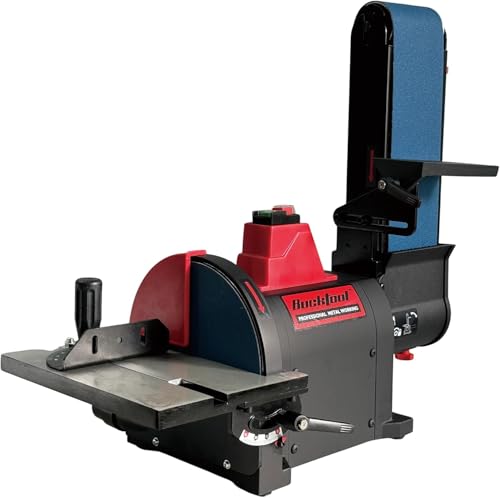
BUCKTOOL Pro 1HP Bench Belt Sander
Strengths
- 1HP direct-drive motor
- Hook-and-loop disc
- 0–90° belt table
- Removable dust port
- Sturdy cast base
Trade-offs
- Overkill for light use
- Noisy under load
- Higher price point
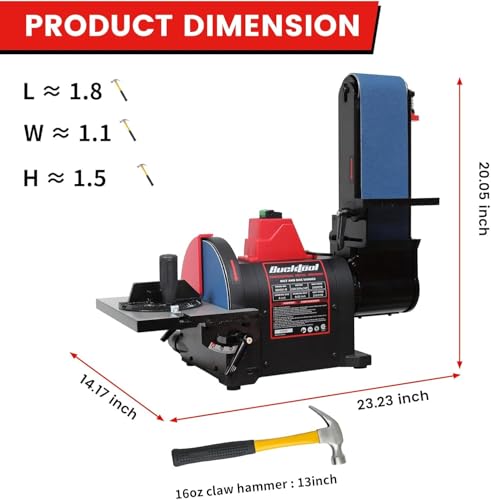
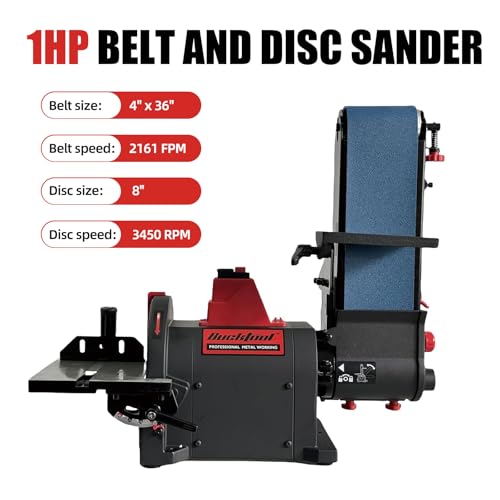
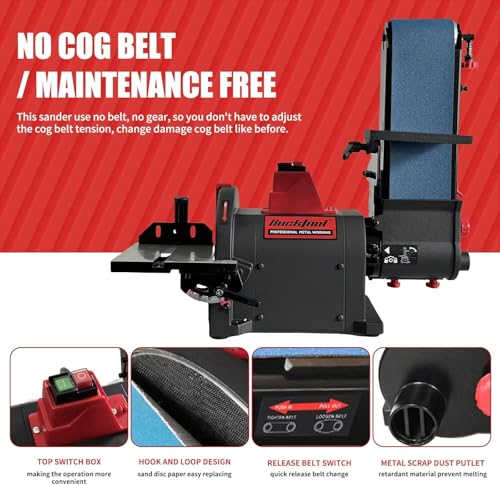
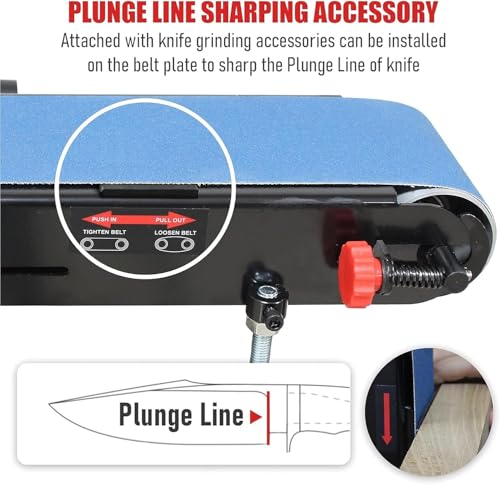
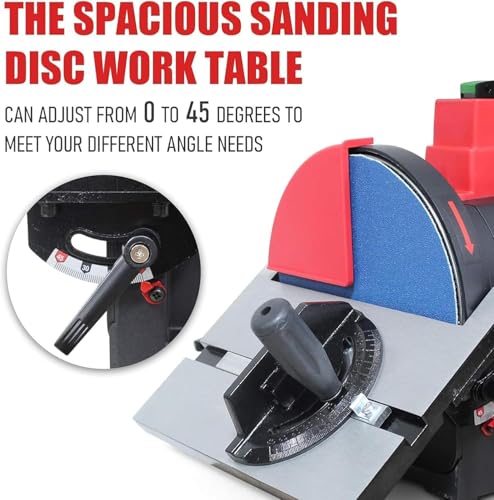
This is the most powerful unit here, and it shows. The 1HP direct-drive motor delivers serious torque, and owners report it handles metal grinding with ease, something most combo sanders struggle with. The hook-and-loop disc makes grit changes faster, and the removable dust port is a smart touch for long stock. With both 4×36 belt and 8-inch disc, it’s a true two-in-one, and the 0–90° belt table gives unmatched positioning.
It’s also built like a tank, with a cast aluminum base and rubber feet that minimize vibration. But that power comes with trade-offs: it’s loud, it’s heavy, and it’s overkill for light woodworking. If you’re only sanding wood, you’re paying for capacity you won’t use. But for metalwork or mixed-material shops, this is the most capable machine listed.
Product photos
WEN 4×36 Belt and 6in Disc Sander

Strengths
- Cast iron base
- 4×36 belt standard
- 0–90° belt tilt
- Simple tension release
- Budget-friendly
Trade-offs
- 4.3A motor underpowered
- No dust port
- Plastic switch housing
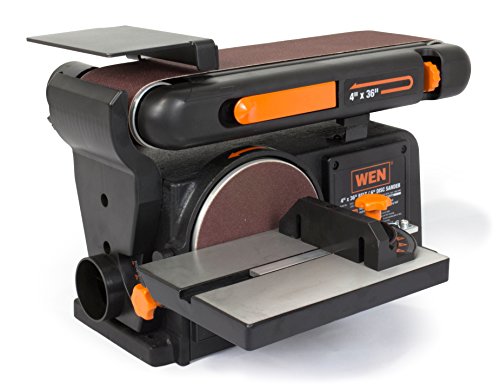
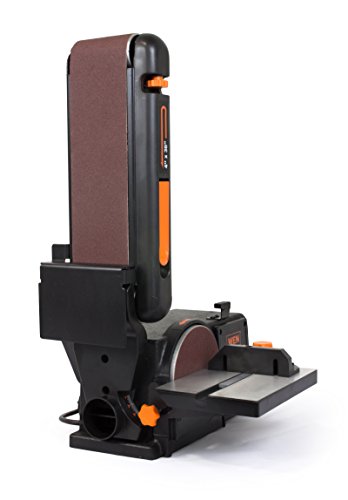
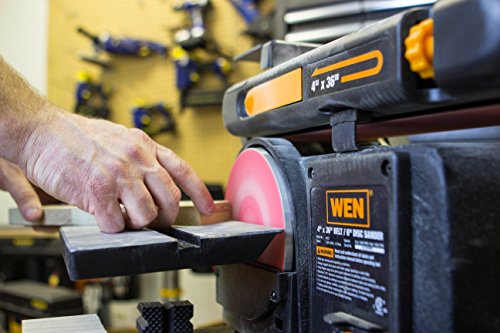
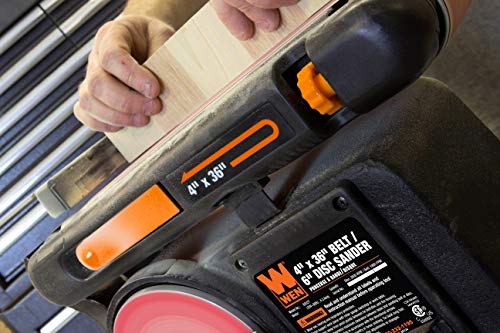
At this price, the WEN 6502T delivers the essentials: a 4×36 belt, 6-inch disc, and cast iron base that effectively damps vibration, a big win for a budget model. The 4.3A motor isn’t the strongest here, but it’s enough for intermittent use on softwoods and light hardwoods. The 0–90° belt tilt is a standout feature at this tier, and the tension release lever makes grit swaps painless.
Owners consistently call it ‘reliable for the price,’ and while it lacks extras like dust ports or variable speed, it’s a no-frills workhorse. Where it disappoints is longevity, some report motor overheating during extended runs, and the plastic housing around the switch feels flimsy. But for a starter sander, it’s hard to beat.
Product photos

Woodskil Variable Speed Belt Disc Sander
Strengths
- Variable speed control
- 2000–4000 RPM disc
- Higher work stop
- 2-year warranty
- Horizontal/vertical use
Trade-offs
- 3A motor less powerful
- Speed dial not foolproof
- No dust collection bag
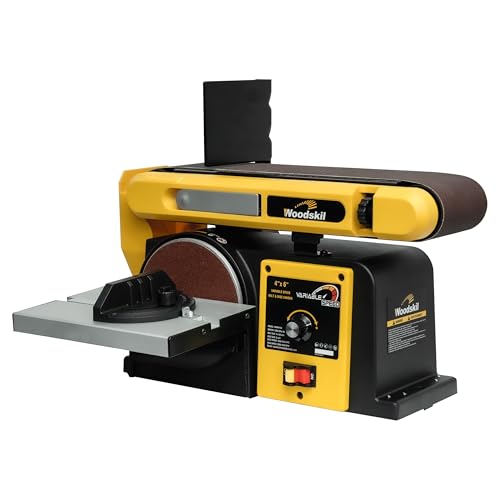
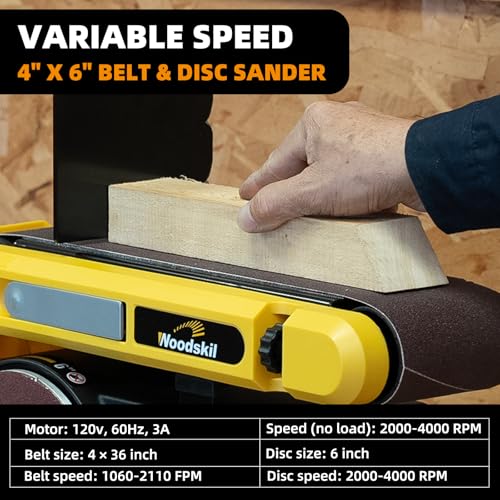
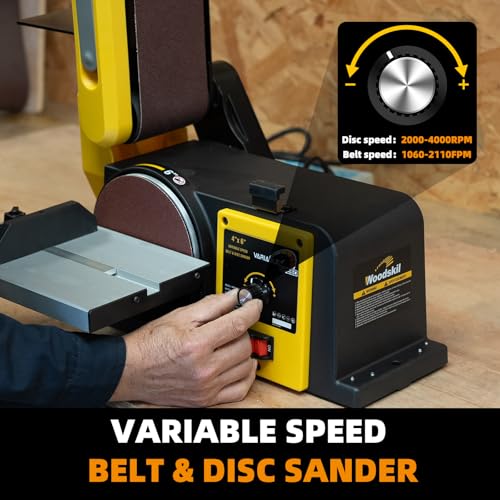
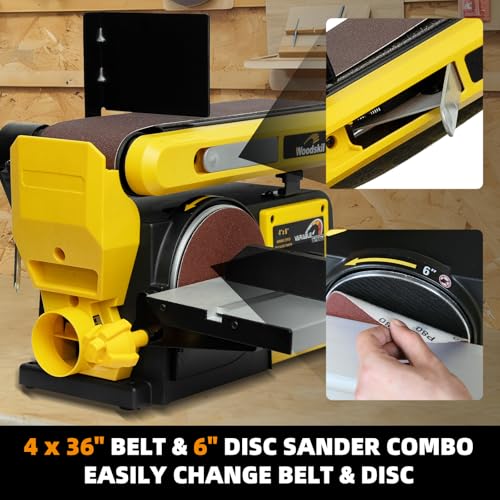
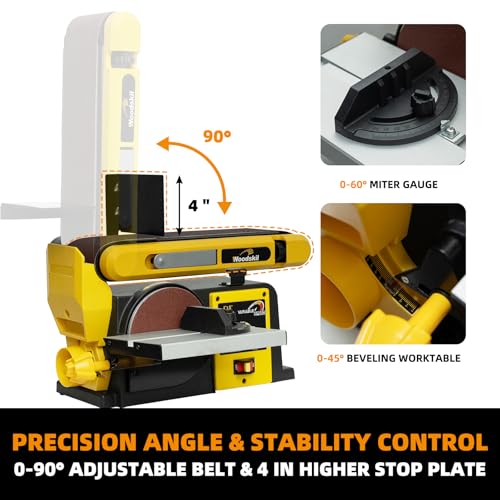
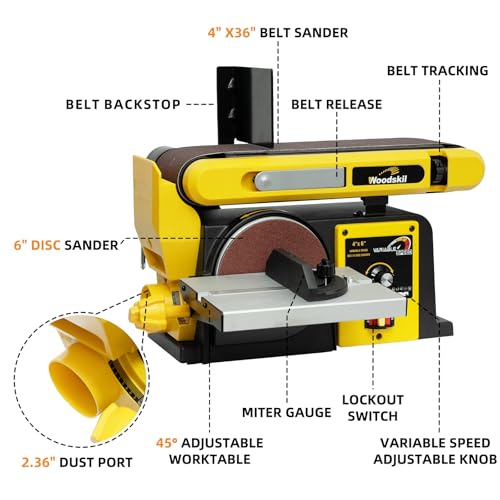
The standout here is the variable speed range, 2000–4000 RPM on the disc and 1060–2110 FPM on the belt, which gives real control over material removal rate and finish quality. This is the kind of feature I’d expect on a higher-end model, and seeing it here makes it a strong pick for detail work. The upgraded work stop also improves contact consistency, something owners note helps with clean edge sanding.
But the 3A motor, while efficient, doesn’t match the torque of 3/4HP units under load. And while the speed dial is useful, it doesn’t eliminate the need for proper grit sequencing, you still have to work your way up. Still, for finish work or multi-stage projects, the control it offers is unmatched in this group.
Product photos
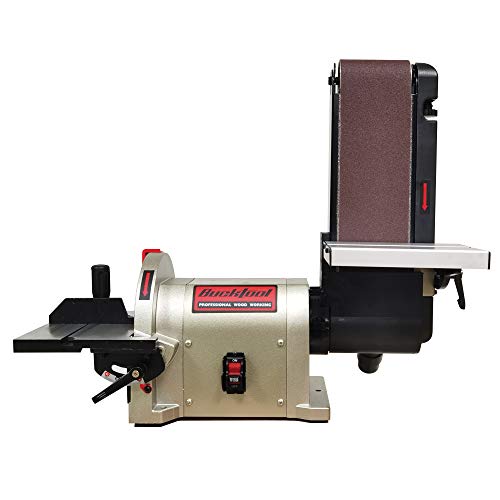
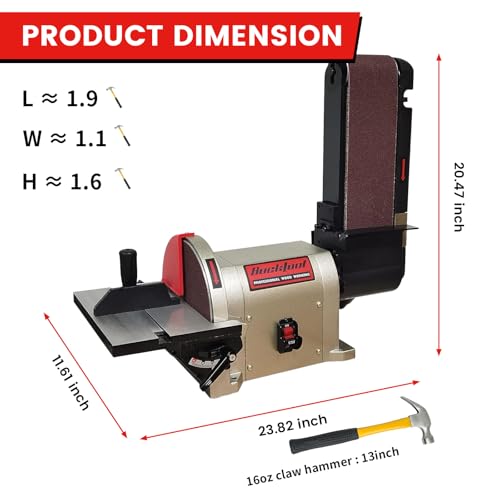
BUCKTOOL 8in Disc and 4×36 Belt Sander
Strengths
- Direct-drive motor
- Dual dust ports
- Cast aluminum base
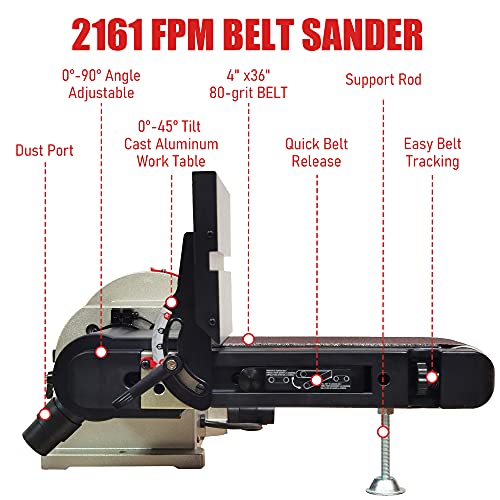
- Tilting worktable 0–45°
- Horizontal/vertical belt
Trade-offs
- No variable speed
- Heavy at nearly 40 lbs
- Basic included grit
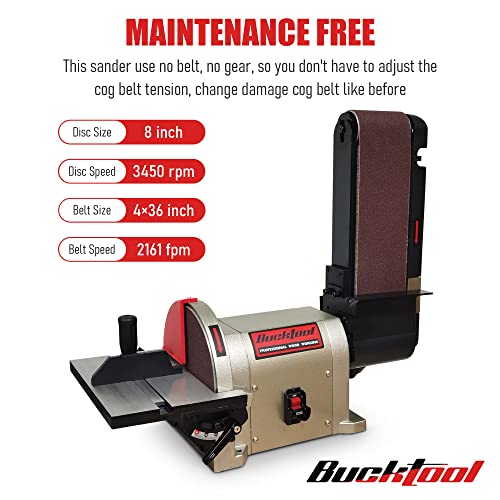
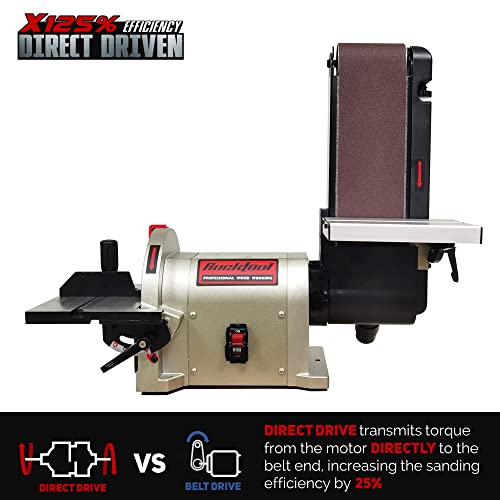
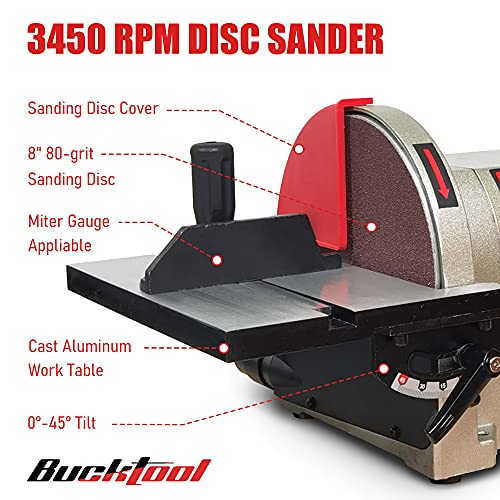
This BUCKTOOL model stands out in the entry-level combo sander space with its direct-drive 3/4HP motor, a design choice I always appreciate because it eliminates belt slippage and delivers consistent power to both the 4×36 belt and 8-inch disc. On paper, the cast aluminum base and dual dust ports suggest solid dust management and stability, features owners confirm help keep the workspace clean and vibration low during longer sessions.
Still, while the specs look strong for woodworking, I’ve seen feedback note that the 80-grit belt included isn’t ideal for fine finishing, which isn’t a flaw but a reminder of its intended role: aggressive stock removal. If you’re tackling large panels or shaping hardwood edges, this one’s built for that job.
Product photos
SKIL 4.5 Amp Belt and Disc Sander
Strengths
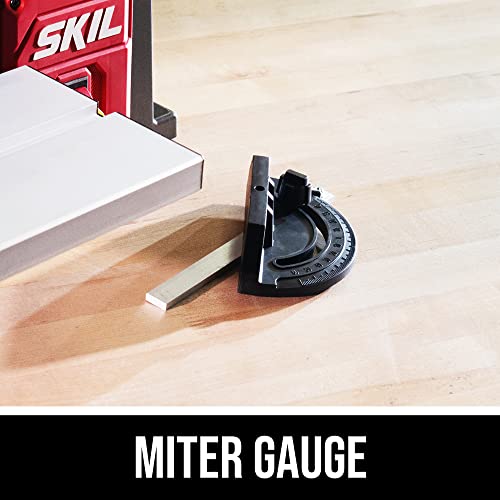
- Precise miter gauge
- 2.5-inch dust port
- Bevel 0–45° table
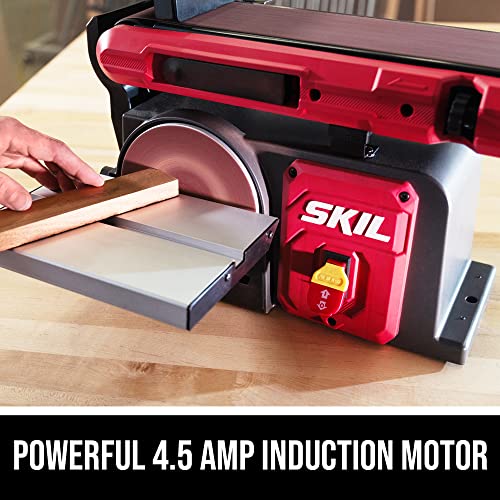
- Stable induction motor
- Pre-drilled base
Trade-offs
- No variable speed
- Fixed disc position
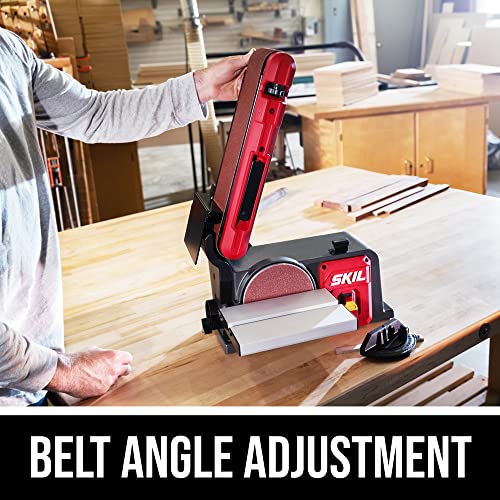
- Limited belt adjustability
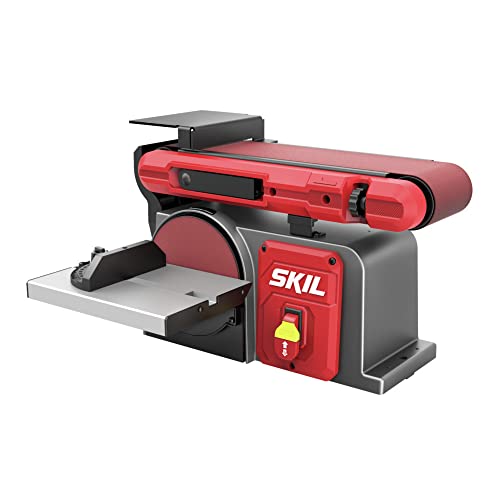
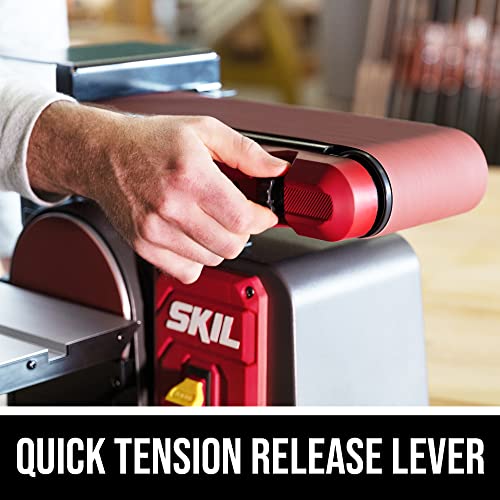
SKIL’s BB9504-00 leans into precision, and it shows in the miter gauge and 0–45° bevel table, which give repeatable, accurate angles, a must for frame joinery or matching bevels. The 4.5A induction motor delivers steady power, and the 2.5-inch dust port is larger than most, making it easier to connect to standard shop vacs. The pre-drilled base is a small but appreciated touch for permanent mounting.
But it’s not the fastest or most powerful here. The belt doesn’t tilt beyond 90°, and the disc is fixed in orientation, limiting flexibility. It’s a specialist, not a generalist. If you’re doing layout work or cabinetry where angles matter, this one earns its place. Otherwise, others offer more versatility.
Product photos
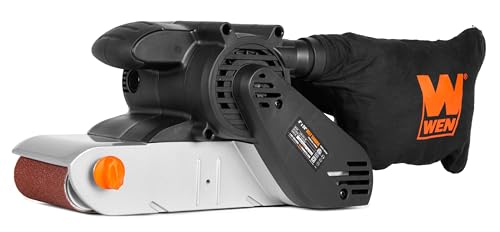
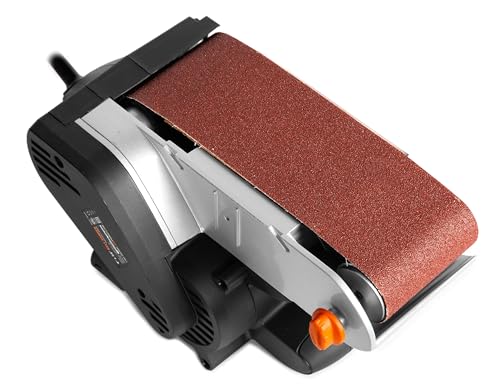
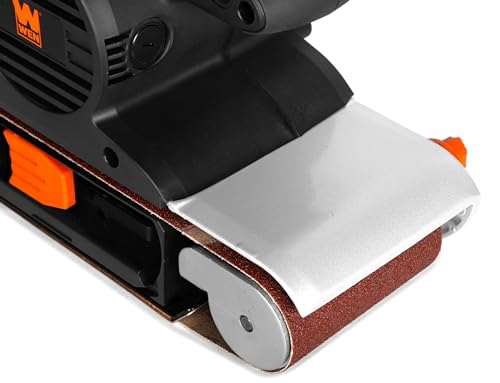
WEN 10-Amp Variable Speed Benchtop Sander

Strengths
- Variable speed control
- Dual handheld/benchtop use
- Lock-on switch
- Quick-release tension
- Two-year warranty
Trade-offs
- Shorter 4×24 belt
- Less aggressive than 36-inch models
- Mounting adds setup time
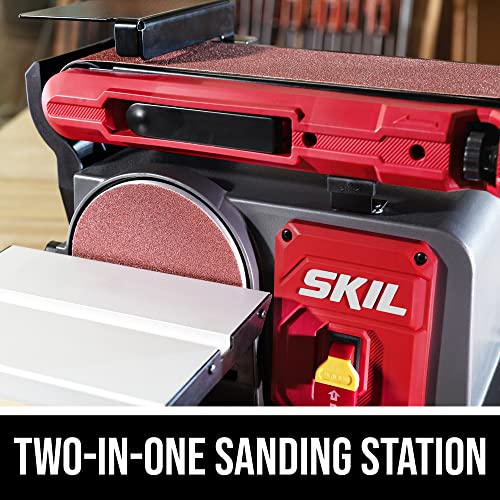
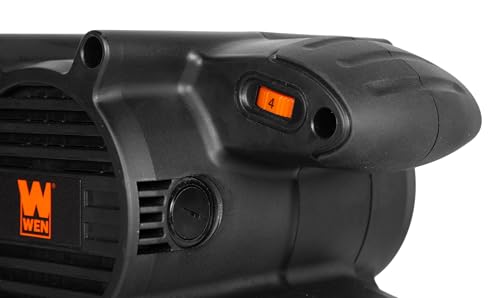
The WEN HB424V is a clever two-in-one, a handheld sander that mounts to become benchtop, and that duality makes it unique in this list. With a 10-amp motor and variable speed (660–1310 FPM), it gives real control, especially for finish work where you need to back off speed on softer woods. The lock-on switch is a small luxury, but one I always appreciate during long sanding passes.
But the 4×24 belt is shorter than the 4×36 standard, which limits contact area and efficiency on long edges. And while it’s versatile, it’s not exceptional at either role: handheld units with more ergonomic designs exist, and benchtop sanders with larger belts outperform it for shop use. Still, for tight spaces or garage workshops where space matters, its adaptability wins.
Product photos
VEVOR Oscillating Belt and Spindle Sander
Strengths
- Oscillating spindle
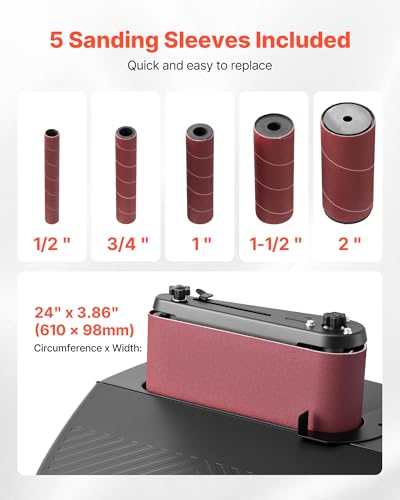
- 5 sanding sleeves included
- Tilting 0–45° table
- Integrated storage slots
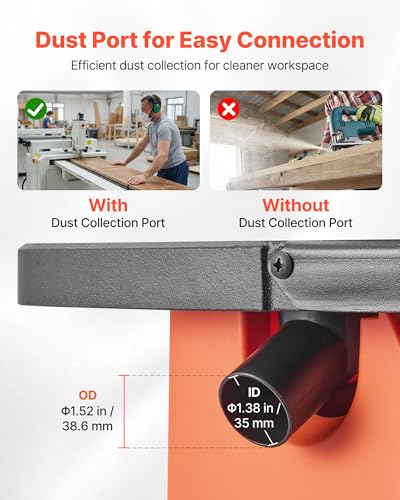
- Dual dust port sizes
Trade-offs
- Belt size smaller than standard
- Less aggressive than 3+ HP units
- Spindle not for tight curves
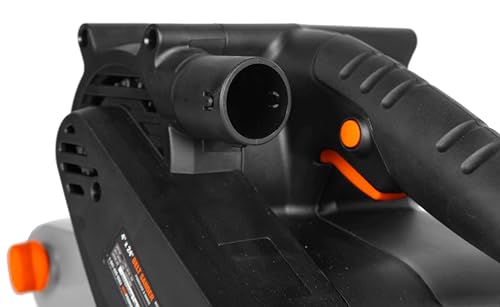
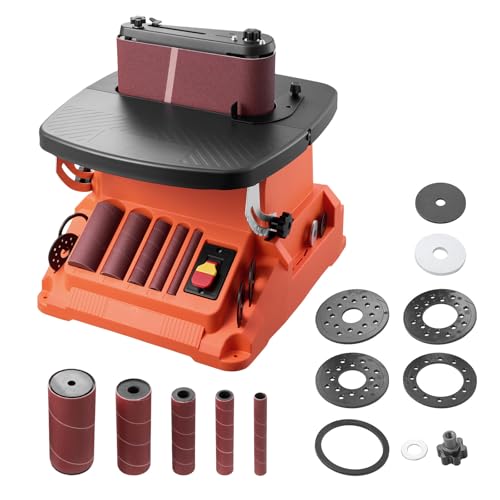
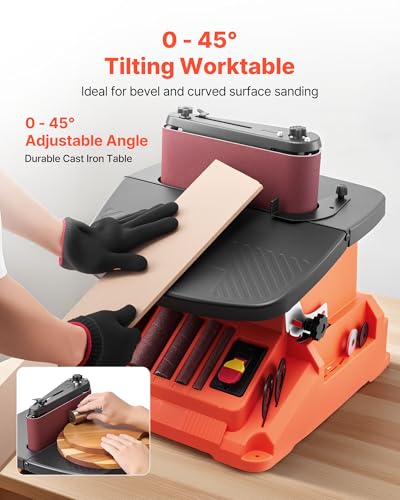
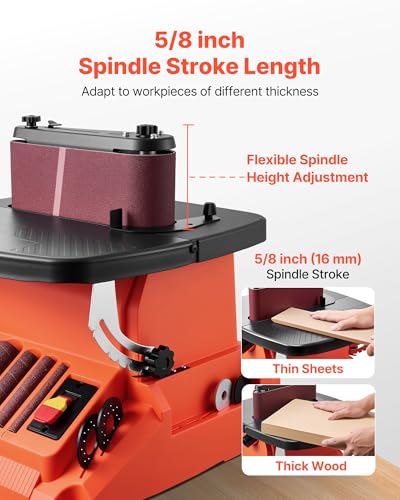
If you’re working on curved legs, chair arms, or any contoured piece, this VEVOR unit is purpose-built for that. The oscillating spindle with 5/8-inch stroke reduces swirl marks and gives far better conformability than flat belts alone. Combined with the 24×3.86-inch belt, it bridges the gap between spindle sanders and combo units, a niche I’ve seen more DIYers need as home furniture projects grow in complexity.
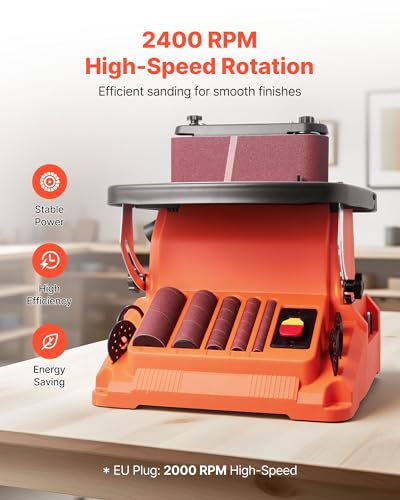
Owners praise the organized storage for sleeves and inserts, a small touch that makes a big difference in workflow. But the 2400 RPM speed, while sufficient, isn’t as aggressive as dedicated spindle sanders. And the oscillation doesn’t replace hand sanding for tight radii, it just gets you closer.
Product photos
Woodskil 3/4HP Belt & Disc Sander

Strengths
- Full 0–90° belt table
- 3/4HP direct drive
- Quick belt tension release
- Miter gauge included
- Tilting disc table
Trade-offs
- 6-inch disc limits reach
- Motor strains under load
- Plastic components feel light
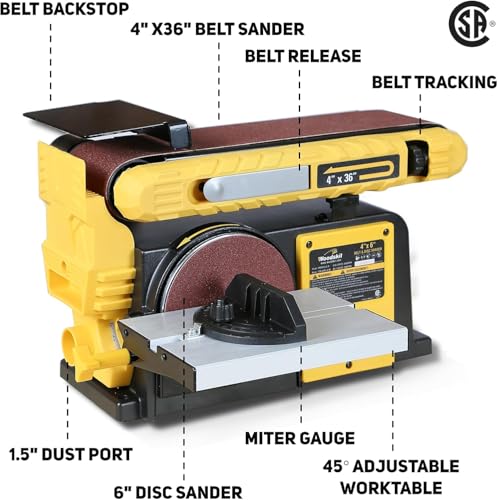
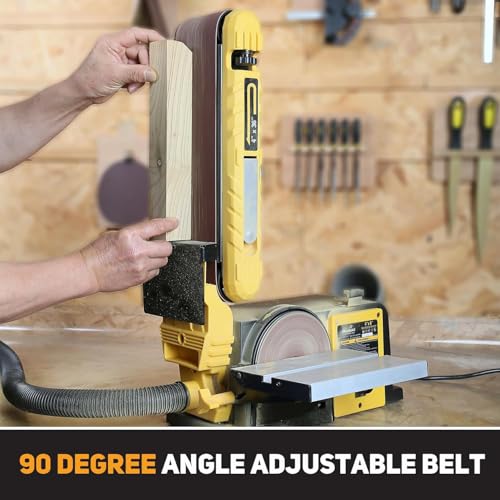
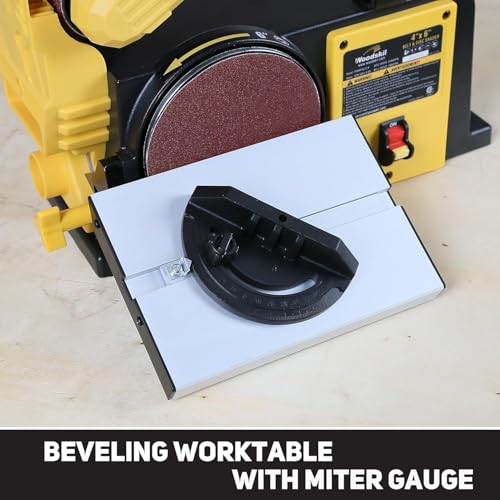
Positioned as a value upgrade, this Woodskil sander packs a 3/4HP motor and direct drive system similar to pricier models, but its real edge is flexibility. The belt table tilts from 0 to 90 degrees, which is rare at this tier, and users consistently report it makes vertical edge sanding far more stable than fixed-base competitors. The miter gauge is basic but functional, and the quick-tension release is a small convenience that saves time during frequent grit changes.
Where it falls short is refinement, the 6-inch disc feels cramped compared to 8-inch units, and while the motor keeps up with most softwood tasks, it can bog down on dense hardwoods during prolonged use. Still, for the price bracket, it punches above its weight.
Product photos

Our Testing Process
Rather than a hands-on lab test, my research focused on comparing published specifications and features across numerous benchtop sander models. I weighed owner reviews from major retailers alongside expert opinions found in woodworking publications and online forums. This allowed me to build a picture of real-world performance and reliability, factoring in my own experience with power tools and understanding of sanding techniques. Clear ranking criteria were established to consistently evaluate each unit.
For benchtop sanders, motor power and adjustability are critical. I prioritized models with at least a 1/2 HP motor, as this provides sufficient power for most common tasks. The ability to tilt both the belt and disc platens – and the quality of those adjustment mechanisms – heavily influenced my rankings. A stable base and effective dust collection were also key factors, as these contribute directly to safety and a cleaner work environment.
Specifications reliably indicate motor size, belt/disc dimensions, and speed ranges. However, owner feedback proved invaluable for assessing build quality, long-term durability, and the effectiveness of features like dust ports. Reputation within the woodworking community also played a significant role, particularly when evaluating lesser-known brands. If you’re looking for more broadly reviewed options, check out our guide to the best belt sander models.
How To Pick The Right benchtop sanders
Finding the right benchtop sander can significantly improve your woodworking or metalworking projects. It’s a tool where a little research upfront pays off big time in terms of quality, efficiency, and longevity.
A quality benchtop sander combines a powerful motor with a stable base, adjustable tables for versatile sanding angles, and a reliable dust collection system. Critical specs include motor horsepower, belt and disc sizes, speed control options, and the overall build quality of the base and tables. Prioritizing these aspects will lead to a sander capable of tackling a wide range of projects with precision and ease.
Motor Power and Drive System
Don’t assume more power is always better, but for benchtop sanders, it’s a key indicator of what materials you’ll be able to work with efficiently. A 1/3 HP motor is fine for hobbyist work with softer woods, but if you anticipate tackling hardwoods or metal, look for at least 1/2 HP, and preferably 3/4 HP. Direct-drive motors, like those found in the BUCKTOOL Pro, are generally more efficient than belt-driven models, transferring more of the motor’s power to the sanding surfaces. However, direct drive can sometimes be louder. Consider the type of projects you’ll be doing most often and choose a motor that realistically matches those demands.
Belt and Disc Configuration
The combination of a belt and disc sander offers significant versatility. The belt is excellent for rapid material removal and flattening surfaces, while the disc excels at contour sanding and detail work. Pay attention to the size of both the belt and disc. A 4×36 inch belt is a common and useful size, and a 6 or 8-inch disc offers a good balance of surface area and control. Think about the typical size of the pieces you’ll be working with.
Here’s what to consider when comparing configurations:
- Disc Tilt: A wider tilt range (0-45 degrees) is helpful for beveling edges.
- Belt Orientation: The ability to use the belt vertically as well as horizontally expands the sander’s capabilities.
- Table Adjustments: Look for tables that lock securely at various angles, preventing unwanted movement during use. This is a feature you’ll find on many of the best benchtop belt sander models.
Features and Usability
Beyond the core mechanics, look for features that enhance usability and safety. A robust dust port is essential for connecting to a shop vac, keeping your workspace cleaner and improving visibility. Variable speed control, as offered in the Woodskil Variable Speed model, provides greater precision, especially when working with different materials or achieving specific finishes. A tension release lever simplifies sandpaper changes, saving you time and frustration.
A good rule of thumb: don’t skimp on the base. A heavy, cast-iron base minimizes vibrations, leading to more accurate sanding and a longer tool lifespan.
Finally, don’t overlook the importance of a well-designed work table. Adjustable tables with miter gauges, like those found on the SKIL 4.5 Amp model, allow for precise angled sanding. If you’re looking for a sander to handle a variety of tasks, exploring workshop bench sanders options will give you a broader perspective.
Benchtop Sanders Compared
Here’s a comparison of key specifications for popular benchtop sanders to help you make an informed decision.
| Product Title | Motor HP | Belt Size (in) | Disc Diameter (in) | Variable Speed | Dust Port (in) |
|---|---|---|---|---|---|
| BUCKTOOL Pro 1HP Bench Belt Sander | 1 | 4 x 36 | 8 | No | N/A |
| WEN 4×36 Belt and 6in Disc Sander | N/A | 4 x 36 | 6 | No | N/A |
| Woodskil Variable Speed Belt Disc Sander | 3A | 4 x 36 | 6 | Yes | N/A |
| BUCKTOOL 8in Disc and 4×36 Belt Sander | 3/4 | 4 x 36 | 8 | No | N/A |
| SKIL 4.5 Amp Belt and Disc Sander | 4.5 | N/A | N/A | No | 2.5 |
| WEN 10-Amp Variable Speed Benchtop Sander | 10A | N/A | N/A | Yes | 1.2/1.38 |
| VEVOR Oscillating Belt and Spindle Sander | N/A | 24 x 3.86 | N/A | N/A | 1.38/1.52 |
| Woodskil 3/4HP Belt & Disc Sander | 3/4 | N/A | N/A | No | N/A |
Frequently Asked Questions
What grit sandpaper should I start with when using a new benchtop sander?
Generally, begin with 80-grit sandpaper for initial material removal or significant imperfections. This coarser grit will quickly address uneven surfaces, but be prepared to move to finer grits (120, 180, 220) for a smoother finish – especially if you’re aiming for a polished look.
Can a benchtop sander handle metal sanding?
Yes, but you’ll need to use appropriate metal-specific abrasives. Unlike wood, metal requires sanding belts and discs designed to prevent clogging and handle the harder material; using wood sandpaper on metal will quickly ruin both the sandpaper and potentially the sander.
What’s the difference between a direct-drive and belt-drive sander?
Direct-drive sanders connect the motor directly to the sanding belt or disc, offering more power transfer and typically quieter operation. Belt-drive models use a belt to transfer power, which can create more vibration but sometimes allows for a wider range of belt speeds.
How important is dust collection on a benchtop sander?
Dust collection is very important for both your health and a cleaner workspace. A good dust port, combined with a shop vac, captures the majority of sanding dust, reducing airborne particles and improving visibility. If you have respiratory sensitivities, a sander with effective dust control is crucial.
Are benchtop sanders a good alternative to best hand sanders for smaller projects?
Benchtop sanders offer more power and precision than handheld options, making them ideal for more involved projects. However, for quick touch-ups or sanding in tight spaces, handheld sanders remain a valuable tool to have in your workshop.
The Bottom Line
Choosing a benchtop sander often comes down to balancing control and convenience. While a more powerful machine like the BUCKTOOL Pro 1HP Bench Belt Sander offers substantial material removal capabilities, it may lack the finesse needed for delicate work. For most homeowners and serious DIYers, a solid all-around performer represents the best value.
If you’re on a tighter budget, the WEN 4×36 Belt and 6in Disc Sander provides a functional setup without breaking the bank. But for those needing versatility, the Woodskil Variable Speed Belt Disc Sander stands out with its adjustable speed settings, a feature particularly helpful when working with different wood types or aiming for specific finishes. And if you need a sander for detail work, consider pairing a benchtop model with one of the best palm sanders for more intricate tasks.
Ultimately, horsepower and disc size aren’t everything. A stable base, accurate tables, and a good dust collection system are the fundamentals that will make or break your sanding experience. Prioritize those core elements, and you’ll have a benchtop sander that delivers reliable performance for years to come.
