
8 Best Chainsaw Bar and Chain Oils of 2026
This post contains affiliate links. As an Amazon Associate, we earn from qualifying purchases.
The DGP Pro100 is the best overall chainsaw bar and chain oil for its high tack, wide temperature range, and fully plant-based biodegradability. For a solid budget option, the Oregon 54-059 delivers reliable all-season performance and sticks well. If you’re looking for an eco-conscious pick that doesn’t sacrifice quality, the DEWALT Biodegradable Bar & Chain Oil is a strong contender.
Most people don’t think much about bar and chain oil until their saw starts to bind, the chain wears prematurely, or they’re cleaning oil splatter off their gear. But the wrong oil can lead to poor performance, increased maintenance, and even costly damage over time.
In this guide, I break down the top oils based on specs, owner feedback, and years of seeing what works in real conditions. I looked at viscosity, tackiness, temperature range, and environmental impact to help you pick the right oil for your saw and your work.
Top 8 Chainsaw Bar And Chain Oils in the Market
The Best Chainsaw Bar And Chain Oils, Reviewed
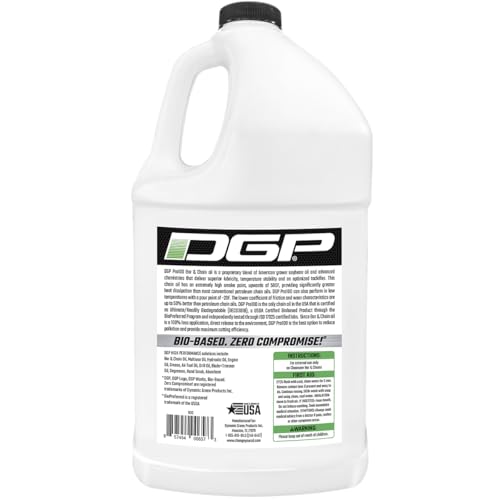
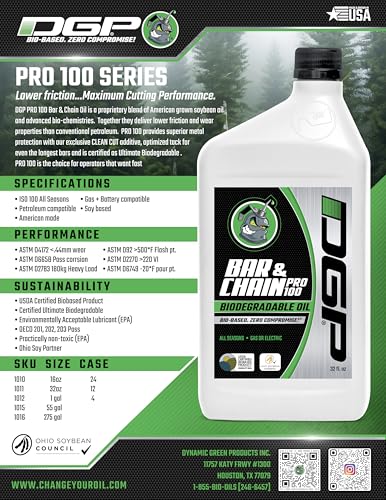
DGP Pro100 Biodegradable Bar & Chain Oil

Strengths
- High bio-based content
- Excellent temperature range
- USDA certified
Trade-offs
- Slightly thicker in deep cold
- Premium price
DGP Pro100 is the most complete package in this lineup, eco-friendly, high-performance, and available in a full gallon. With 96% bio-based content and certifications like USDA Biobased and OECD biodegradability, it’s one of the safest oils for the environment without sacrificing function. The plant-based formula maintains stability from -20°F to ~500°F, making it truly all-season.
Owners consistently report smooth operation, minimal sling, and excellent protection under heavy use. When compared to DEWALT’s bio-oil, DGP has a higher bio-content and better cold pour point. It’s also made in the USA with strict environmental testing. If you want the best balance of green credentials and real-world performance, this is the one I’d choose.
Product photos
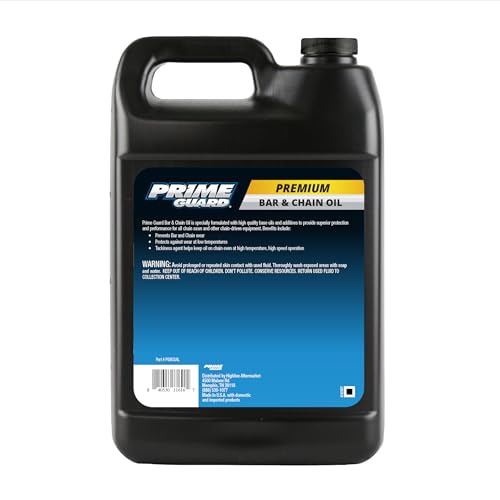
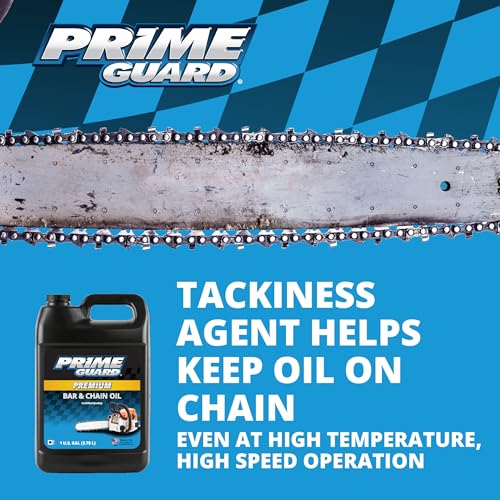
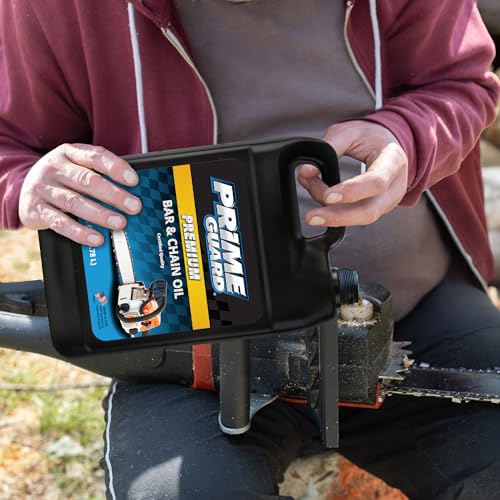
Prime Guard Bar & Chain Oil 1 Gallon

Strengths
- Low cost
- Gallon size
- Adequate lubrication
Trade-offs
- Basic formulation
- No eco-credentials
- Inconsistent feedback
Prime Guard is the budget play in this group, affordable and functional, but not exceptional. It delivers basic lubrication with decent tackiness and low-temperature performance, which keeps chainsaws running without immediate issues. For homeowners with a saw they use a few times a year, it gets the job done without overspending.
But compared to premium options like Oregon or Husqvarna, it lacks the advanced additives that prevent resin buildup and extend bar life. There’s no mention of biodegradability or high viscosity index, and owner feedback is mixed on long-term protection. I’d only recommend this if cost is the main factor and you’re not pushing your saw hard.
Product photos


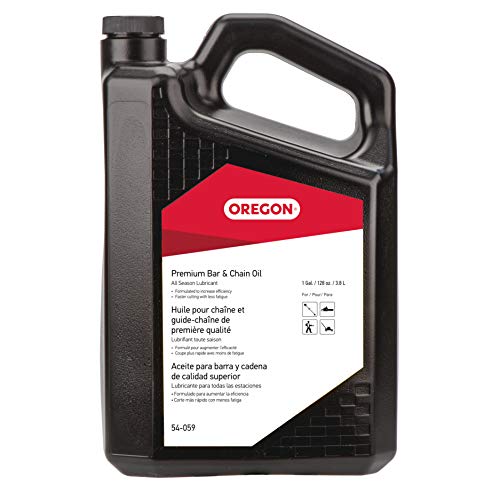
Oregon 54-059 Premium Bar & Chain Oil
Strengths
- High tack formula
- Resists resin buildup
- Gallon size for heavy use
Trade-offs
- Not environmentally friendly
- Petroleum-based
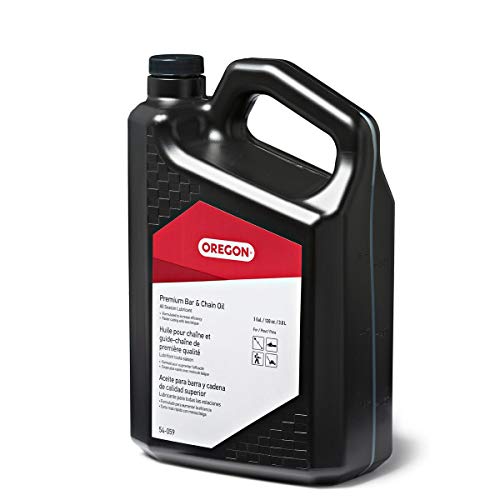
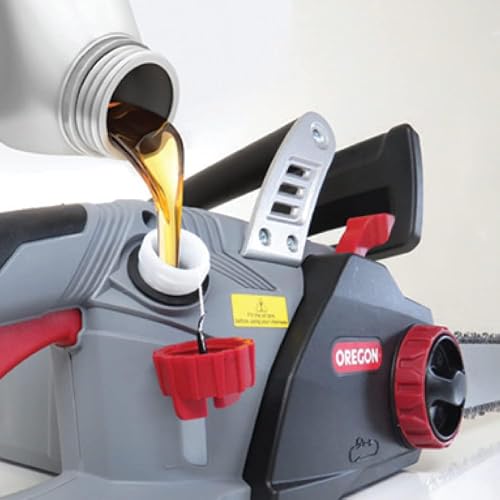
Oregon’s gallon-sized 54-059 is a top-tier conventional oil that balances performance, tackiness, and equipment protection. It’s not biodegradable, but it’s formulated with high film strength to resist heat and friction, key for gas saws run hard in summer heat. Owners praise its ability to prevent gum and resin buildup, which is a common issue when cutting sticky softwoods.
The gallon size makes it economical for anyone with a property to maintain or multiple saws to service. Compared to Husqvarna’s X-Guard, it performs similarly in cold weather and sling reduction, but Oregon’s reputation in the chainsaw world gives it a slight edge in trust. This is the kind of oil I’d keep on the shelf if I were running a mid-to-heavy-duty saw several times a month.
Product photos
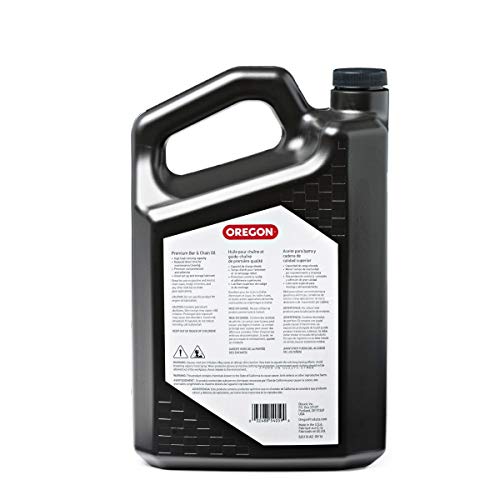
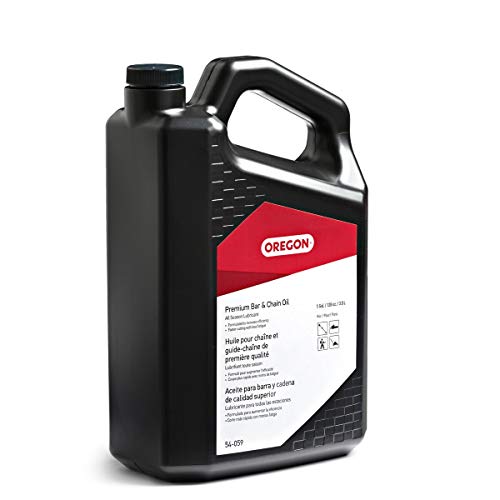

Oregon 54-026 Premium Bar & Chain Oil
Strengths
- Excellent tackiness
- Prevents resin buildup
- Trusted brand
Trade-offs
- Smaller quantity
- Same price as some larger eco-oils
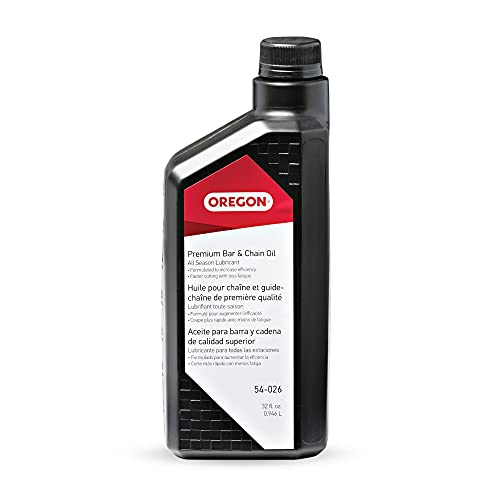
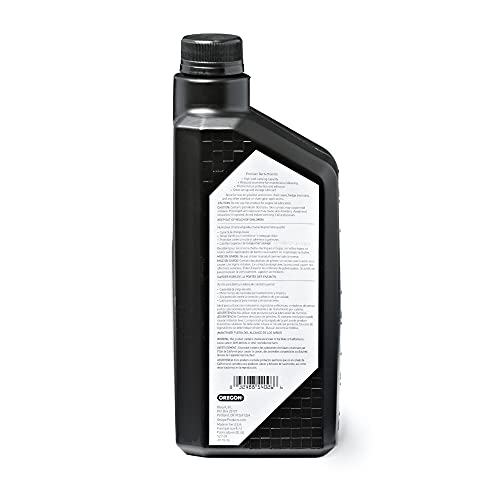
The quart version of Oregon’s premium oil is perfect for users who don’t need a full gallon but still want top-tier performance. It’s the same high-tack, film-strong formula as the gallon, making it excellent for preventing wear and reducing oil throw-off, even in winter. This size is ideal for those with electric saws, pole saws, or backup gas units used a few times a year.
Compared to other quart options, like the Husqvarna mineral oil, this one holds its own with better tack and resin resistance. I’d pick this over generic brands any day if you want quality without overbuying. It’s also made in the USA, which adds to its appeal for buyers who prioritize domestic manufacturing.
Product photos


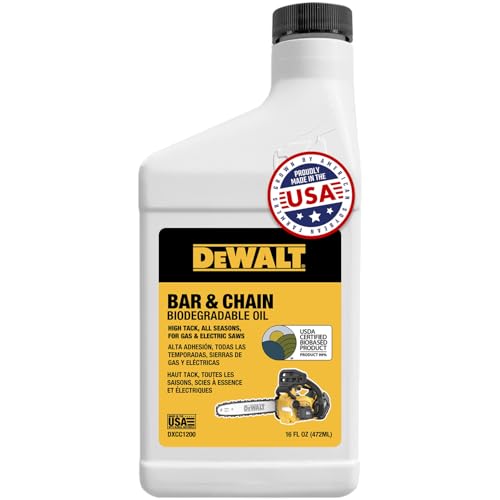
DEWALT Biodegradable Bar & Chain Oil 16 oz
Strengths
- Eco-safe formula
- Compact and convenient
- Non-toxic
Trade-offs
- Too small for regular use
- Not cost-effective
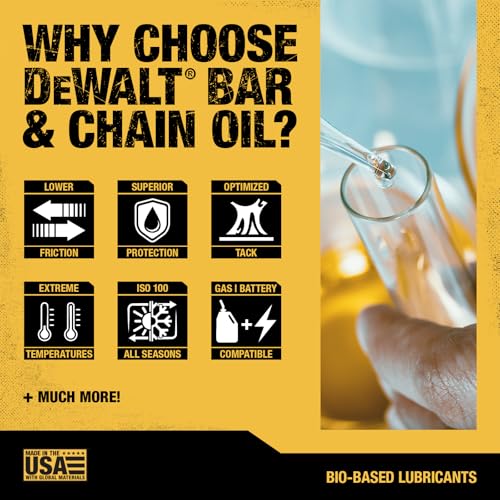
This 16 oz version of DEWALT’s eco-friendly oil is best suited for infrequent users or those with a small electric chainsaw or pole saw. The formula is identical to the larger 32 oz bottle, soy-based, biodegradable, and thermally stable, which means you still get solid all-season protection and low sling. However, at this size, it’s better as a starter bottle or backup rather than a long-term solution.
I’d recommend this only if you’re testing the oil or have minimal cutting needs. For most buyers, the 32 oz is the smarter value. But if you’ve got a pole saw you use a few times a year and want something safe around plants and pets, this is a clean, responsible choice that won’t sit unused for months.
Product photos

DEWALT Biodegradable Bar & Chain Oil 32 oz
Strengths
- Biodegradable formula
- Clean operation
- High viscosity index
Trade-offs
- Smaller container
- Slightly higher cost
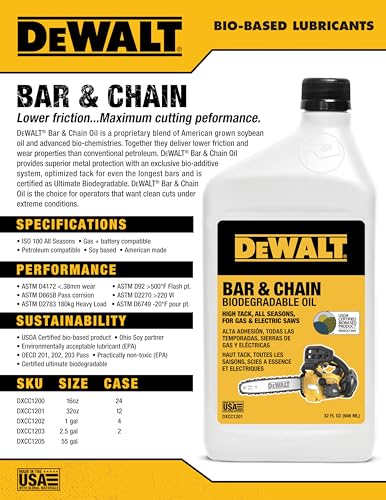
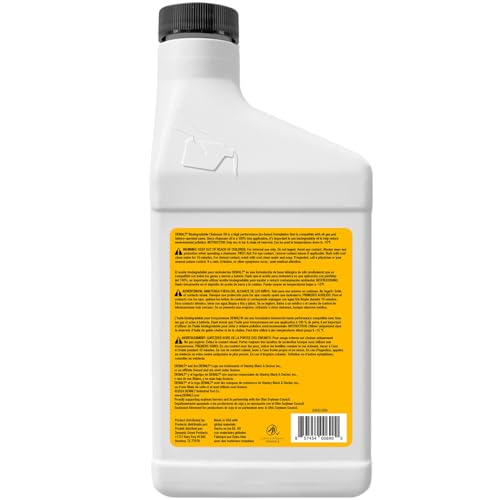
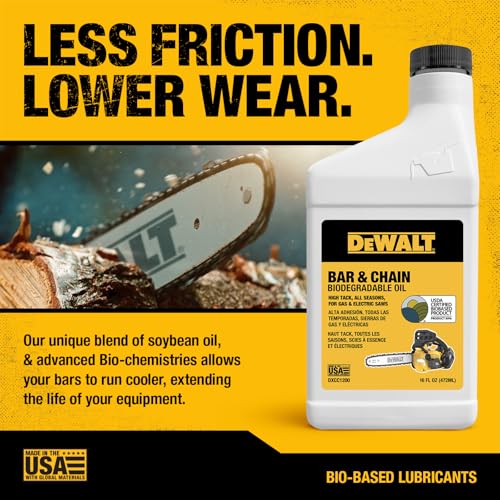
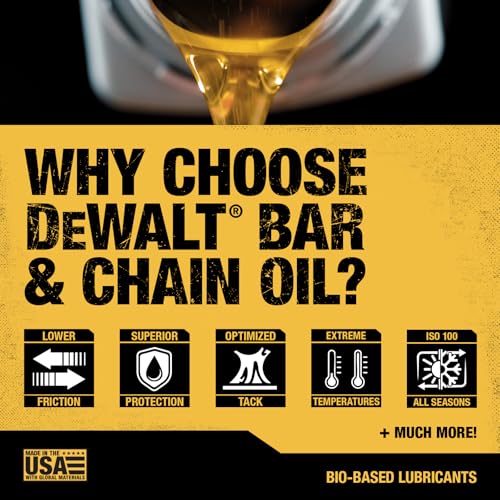
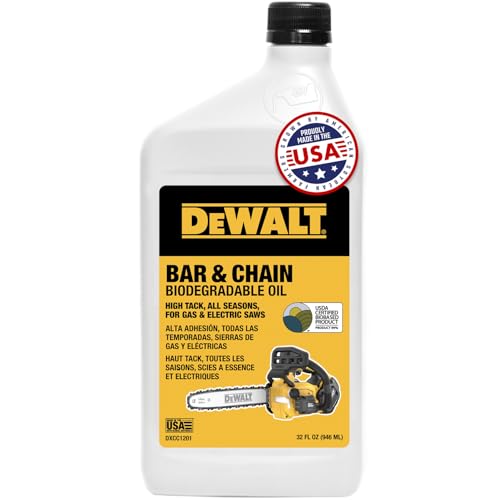
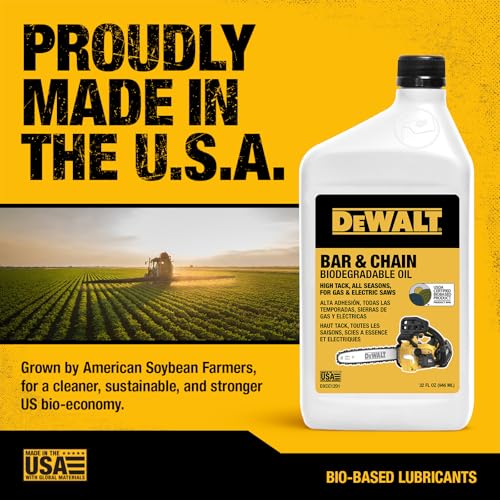
DEWALT’s 32 oz biodegradable oil is a strong pick for homeowners and light professionals who want eco-friendly performance without sacrificing lubrication quality. The soy-based formula is non-toxic and breaks down naturally, which is a big plus for users working in gardens, near ponds, or in conservation areas. Reviewers note it performs well across temperatures, staying fluid in winter and stable under heat, thanks to its high viscosity index.
Compared to petroleum-based oils, it doesn’t leave behind the same level of residue, and the 32 oz size is practical for users with electric or battery saws who don’t go through oil quickly. While it costs more than basic mineral oils, the environmental benefits and clean operation make it a smarter buy for occasional users who care about sustainability. It’s not the cheapest, but it’s priced fairly for what you get.
Product photos

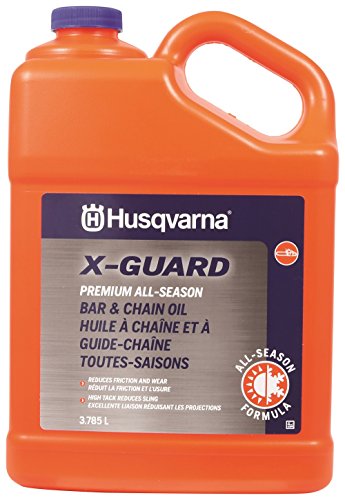
Husqvarna X-Guard All Season Bar Oil
Strengths
- High tack formula
- All-season performance
- Reduces oil sling
Trade-offs
- Not biodegradable
- Mineral-based only
Husqvarna’s X-Guard in the gallon size stands out for users who run gas-powered saws frequently and need dependable, year-round lubrication. On paper, it’s built with a high-tack formula that owners consistently report keeps oil where it should be, on the bar and chain, rather than flung all over the yard. That reduced sling is a real advantage if you’re working in tight spaces or don’t want to leave oily streaks on trees or structures.
The mineral-based formula isn’t biodegradable, so it’s not ideal for environmentally sensitive areas, but it does deliver solid protection in both cold and hot conditions. When compared to budget options, this oil shows better film strength and thermal stability, which helps extend bar and chain life over time. I’d pick this over generic oils if you’re running a prosumer-level gas saw and want something reliable without stepping up to synthetic or bio-based premium formulas.
Product photos
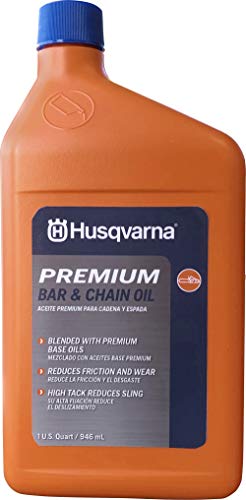
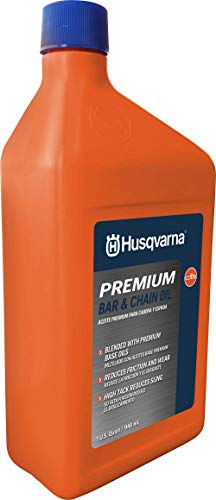
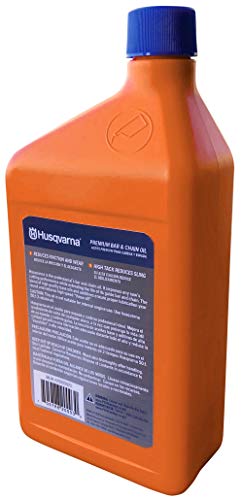
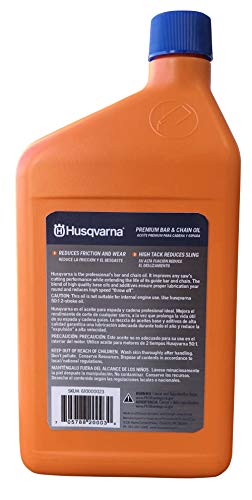
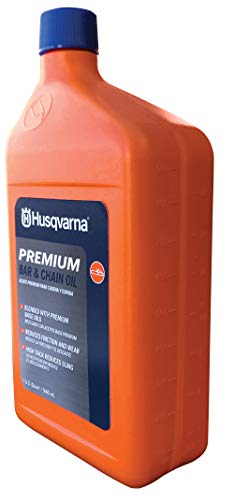
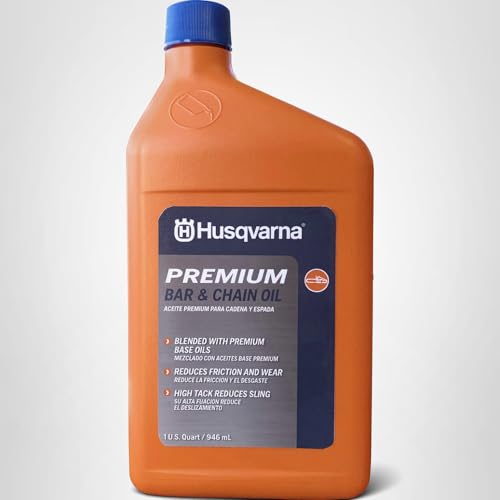
Husqvarna X-Guard Mineral Bar Oil Quart
Strengths
- High-speed stability
- Good cold-weather performance
- Low sling
Trade-offs
- Not biodegradable
- No major advantage over Oregon
This quart of Husqvarna X-Guard mineral oil is a solid performer for gas chainsaw owners who want brand-matched lubrication without committing to a gallon. The formula uses virgin base stocks and tackifiers to reduce sling and maintain lubrication under high RPMs, something gas saws demand. It works reliably down to 15°F, so it’s usable in most winter conditions.
While it doesn’t offer the environmental benefits of bio-based oils, it delivers consistent protection under load. Compared to the Oregon quart, it’s very similar in performance, but some owners report slightly better cold-weather flow. If you’re already using Husqvarna equipment, this is a logical companion. But for the price, you’re not getting a significant edge over Oregon’s offering.
Product photos
How We Evaluated chainsaw bar and chain oils
Rather than a hands-on lab test, my research focused on a detailed comparison of published specifications and features across numerous bar and chain oils. I weighed owner reviews from major retailers alongside expert opinions found in trade publications and forestry resources. This process allowed me to build a ranked list based on real-world feedback and technical data, applying my experience with chainsaw performance and maintenance to assess suitability for different users.
For chainsaw bar and chain oils, tackiness and all-season performance were the most heavily weighted factors. A tacky oil clings to the bar and chain, reducing sling and ensuring consistent lubrication, which directly impacts cutting efficiency and component lifespan. Equally important is the oil’s ability to maintain viscosity in both extreme heat and cold, as performance drops significantly if it becomes too thin or thick.
Published specifications reliably indicate things like viscosity, pour point, and smoke point, offering a baseline for comparison. However, I leaned heavily on owner feedback to judge real-world performance – how well an oil actually reduces wear, minimizes sling, and performs in varied conditions. Reputation and brand trust also factored in, particularly when evaluating biodegradable options and their effectiveness compared to traditional petroleum-based oils. Knowing how to perform routine chainsaw maintenance tips is important too, as proper oiling is most effective with a well-maintained chain.
Choosing The Right chainsaw bar and chain oils
Choosing the right bar and chain oil is crucial for chainsaw longevity and performance. It’s easy to overlook, but a quality lubricant directly impacts cutting efficiency, reduces wear, and ultimately saves you money on repairs or replacements.
A good chainsaw bar and chain oil delivers consistent lubrication across a wide temperature range, exhibits high tack to resist fling-off, and minimizes friction to reduce heat build-up. Look for formulations specifically designed for chainsaw use, considering bio-based options for environmental responsibility and performance characteristics suited to your typical operating conditions.
Viscosity and Temperature Range
I’ve always said that viscosity is the first thing to consider. The oil needs to maintain its lubricating properties whether you’re felling trees in the summer heat or limbing branches in freezing temperatures. Many oils boast “all-season” performance, but pay attention to the specified temperature range. Oils formulated with synthetic bases or specific additives generally perform better at temperature extremes. A pour point of -20°F or lower is excellent for cold-weather operation, while a high smoke point (around 500°F or higher) is desirable for preventing oil breakdown during heavy use.
Biodegradability and Environmental Impact
With increasing awareness of environmental issues, biodegradable bar and chain oils are gaining popularity. These oils, often derived from vegetable sources like soy or canola, break down more readily than petroleum-based products, minimizing harm if spills occur. The DEWALT Biodegradable Bar & Chain Oil and DGP Pro100 are great examples of this. However, don’t assume “biodegradable” means a compromise on performance. Modern bio-oils can often match or even exceed the lubricating capabilities of traditional formulations.
Here’s what to keep in mind when comparing biodegradable options: * Certifications (like USDA Certified Biobased) offer some assurance of the oil’s bio-content. * Look for oils specifically labeled as “non-toxic” or “safe for use around waterways.” * Consider the overall lifecycle impact – even biodegradable oils require energy to produce and transport.
Tackiness and Oil Sling
Tackiness refers to the oil’s ability to cling to the bar and chain. Higher tackiness reduces oil sling – the spray of oil that can coat you, your work area, and the surrounding environment. This is important for both keeping you clean and ensuring sufficient lubrication reaches the cutting surfaces. Oregon oils, for instance, are known for their tackiness, which helps minimize oil throw-off.
A little oil goes a long way when it sticks where it’s supposed to. Don’t be fooled by cheap oils that seem to last longer in the reservoir; they’re likely being slung off and wasted.
Ultimately, selecting the right bar and chain oil is about balancing performance, environmental considerations, and your specific needs. If you’re unsure where to start, checking out reviews of the best bar oils can provide a good overview of available options. And before you even think about oil, make sure you know how to start a chainsaw safely and efficiently.
Chainsaw Bar and Chain Oils Compared
Here’s a comparison of key specifications for various chainsaw bar and chain oils to help you make an informed decision.
| Product Name | Size | Biodegradable | Temperature Range | Tackiness | Base Oil |
|---|---|---|---|---|---|
| DGP Pro100 | N/A | Yes | -20°F to 500°F | High | Plant-Based |
| Prime Guard | 1 Gallon | N/A | N/A | N/A | N/A |
| Oregon 54-059 | N/A | N/A | All-Season | High | N/A |
| Oregon 54-026 | Quart | N/A | All-Season | High | N/A |
| DEWALT Biodegradable (16 oz) | 16 oz | Yes | -15°F to 500°F | N/A | Soy-Based |
| DEWALT Biodegradable (32 oz) | 32 oz | Yes | -15°F to 500°F | N/A | Soy-Based |
| Husqvarna X-Guard All Season | N/A | N/A | All-Season | High | N/A |
| Husqvarna X-Guard Mineral (Quart) | Quart | N/A | 15°F+ | N/A | Mineral |
Frequently Asked Questions
What oil can I use if I’m cutting in extremely cold weather?
A chainsaw bar and chain oil with a low pour point (below -20°F) is best for cold weather. Lower pour points prevent the oil from thickening and losing its lubricating properties when temperatures drop significantly.
Is biodegradable oil as effective as traditional petroleum-based oil?
Modern biodegradable oils can perform as well as, or even better than, petroleum-based oils. Look for certifications like USDA Certified Biobased to verify bio-content and ensure you’re getting a quality product, and consider durable chain oils for longevity.
How do I minimize oil sling and keep my work area clean?
Choose a high-tackiness oil, as it clings better to the bar and chain and reduces the amount of oil thrown off during operation. Oregon oils are particularly well-regarded for their tackiness.
Can I use vegetable oil as a chainsaw bar and chain lubricant?
While technically possible, I don’t recommend using standard vegetable oil. It lacks the additives needed for proper chainsaw lubrication, won’t handle temperature extremes, and can become gummy, leading to increased wear.
What’s the difference between mineral and synthetic bar and chain oils?
Synthetic oils generally offer better performance at extreme temperatures and have a longer lifespan than mineral oils. However, mineral oils are often more affordable, and for many typical homeowners, they provide adequate lubrication – especially if you regularly check and replenish the oil level and consider top chainsaw chain oils.
The Bottom Line
Choosing a chainsaw bar and chain oil often comes down to balancing upfront cost with long-term chainsaw health. While inexpensive options exist, I’ve found that consistently investing in a quality oil like DGP Pro100 pays off by reducing wear and tear, ultimately saving you money on repairs and extending the life of your saw. Don’t skimp on lubrication – it’s the lifeblood of your chainsaw.
For those seeking specific solutions, the market offers excellent choices. If you prioritize environmental responsibility, the DEWALT Biodegradable Bar & Chain Oil is a strong contender, offering a plant-based formula without sacrificing performance. And if you need a consistently high-performing, all-around oil, the Oregon 54-059 stands out for its exceptional tackiness and ability to cling to the bar and chain.
At the end of the day, the specifications matter less than consistent maintenance and using an oil designed for the demands of chainsaw work. Paying attention to the basics – proper chain tension, frequent sharpening (you can learn how to sharpen saw chain), and regular oil level checks – will do more for your chainsaw’s longevity than any single product feature.
