
7 Best Body Fat Measurement Tools of 2026
This post contains affiliate links. As an Amazon Associate, we earn from qualifying purchases.
The GE Smart Scale for Body Composition stands out as the best overall choice, delivering detailed metrics with strong consistency. For a budget-friendly yet reliable option, the MEDca Body Fat Caliper and Tape offers solid performance without tech clutter. If you want simple, app-linked tracking, the RENPHO Smart Body Measuring Tape is a versatile alternative.
Most people just want to know if their fitness efforts are working, but not all tools give you reliable or meaningful data. Some overpromise on accuracy, while others drown you in numbers you’ll never use.
This guide cuts through the noise. I compared specs and real owner feedback to find tools that deliver consistent results, fit real-life routines, and actually help you track progress. These picks balance accuracy, ease of use, and value, based on what actually matters when monitoring body composition.
Top 7 Body Fat Measurement Tools in the Market
The Best Body Fat Measurement Tools, Reviewed
GE Smart Scale for Body Composition

Strengths
- Segmental BIA for accuracy
- Large, clear display
- Syncs with major health apps
Trade-offs
- Affected by hydration
- Requires smartphone for full setup
- Not usable with pacemakers
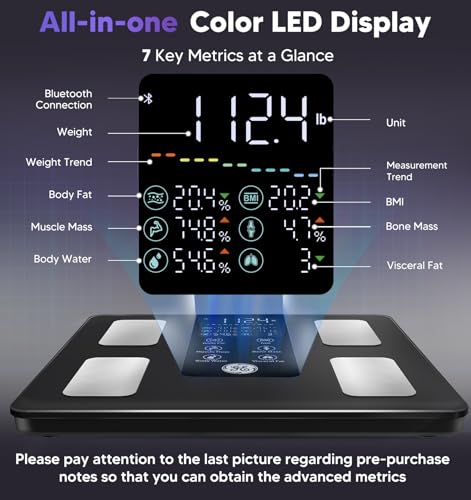
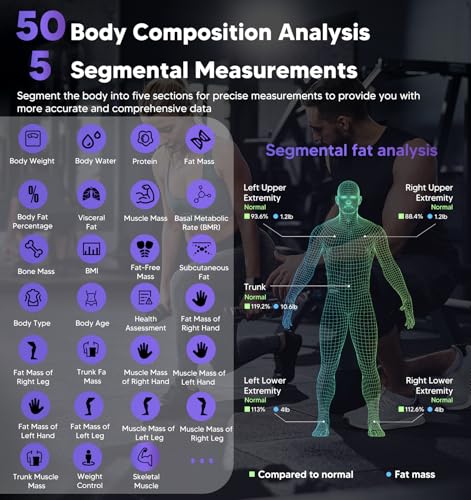
This is the kind of scale that makes you forget you’re standing on a piece of plastic. With 8-electrode dual-frequency BIA, it segments your body into five zones, something most consumer scales skip, and that makes a real difference in consistency. Reviewers note the readings feel stable day to day, especially when compared to foot-only models. The 7 metrics displayed directly on the LED screen are a standout for people who don’t want to open an app every time they weigh in.
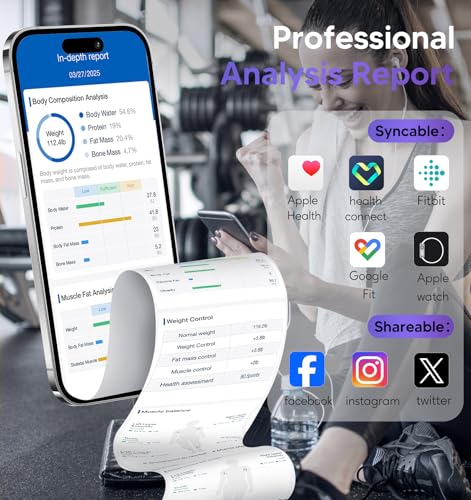
It’s not perfect. Like all BIA scales, hydration levels can skew results, and the warning about pacemakers is serious. But the Fit Profile app integration with Apple Health, Fitbit, and Google Fit makes long-term tracking effortless. Compared to the Omron or basic calipers, this gives you the broadest picture, not just fat, but muscle distribution, visceral fat, and metabolic age. For families, the unlimited users and auto-recognition work well in practice.
Product photos


Professional High-Accuracy Body Fat Caliper
Strengths
- High build quality
- Click mechanism ensures consistency
- Dual measurement scales
Trade-offs
- Steep learning curve
- No app or digital tracking
- Requires consistent technique
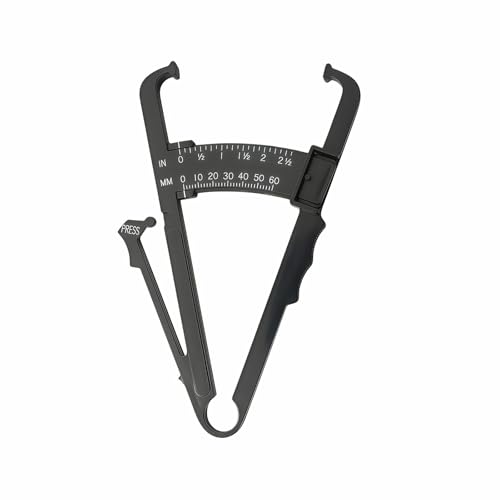
When precision matters more than convenience, this caliper stands out in a category full of guesswork. On paper, the ball-joint mechanism and precision-ground scale suggest real engineering effort, not just plastic assembly. Owners consistently report that once they learn the pinch-and-click technique, the results feel repeatable, especially when tracking changes over weeks. It’s not flashy, but for someone serious about body composition, clinical precision beats trend lines from smart scales.
Compared to other calipers in this list, this one leans into its professional identity hard, and it shows in the build. The dual metric/imperial scale and reinforced materials make it feel like a tool, not a gadget. That said, accuracy here depends entirely on user technique. If you’re not consistent with skinfold sites and pressure, even this won’t save you. But for those willing to learn, it delivers what most apps and BIA devices can’t: a direct, mechanical measurement.
Product photos

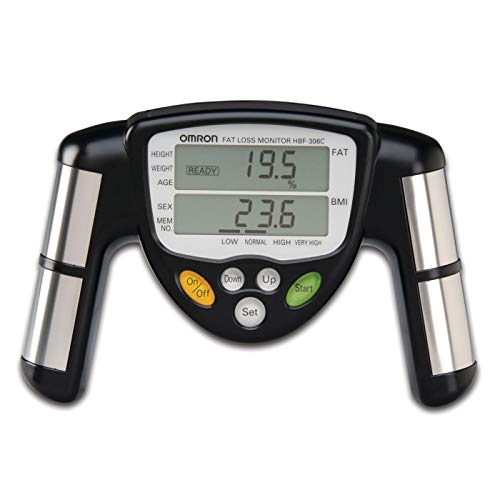
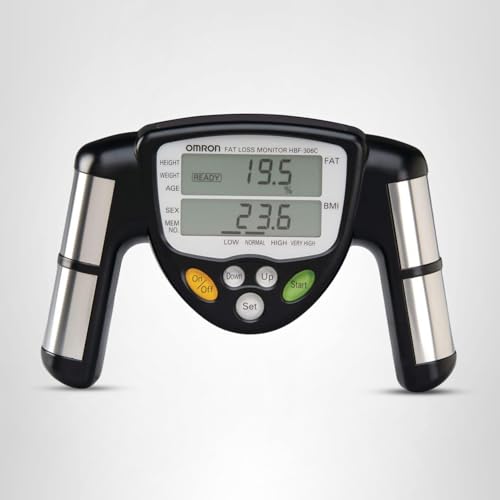
Omron HBF-306C Handheld Body Fat Monitor
Strengths
- Quick 7-second readout
- Athlete mode available
- Compact and portable
Trade-offs
- Dated design
- No app or syncing
- Small display
This handheld feels like a relic, but in a good way. It’s simple, fast, and gets the job done in about 7 seconds. The bioelectrical impedance method is the same tech found in high-end scales, just in a palm-sized device. Two modes, standard and athlete, help tailor results based on activity level, which a lot of budget tools skip. At this price, it’s impressive that it stores up to 9 profiles and switches between metric and imperial.
But it’s basic. The display is small, the plastic feels dated, and there’s no app or data export. Compared to the GE smart scale, it’s like using a flip phone in a smartphone world. Still, for someone who just wants a quick, consistent fat % check without standing on a scale, it’s reliable. If you travel often or want a secondary device, its portability is a real plus.
Product photos


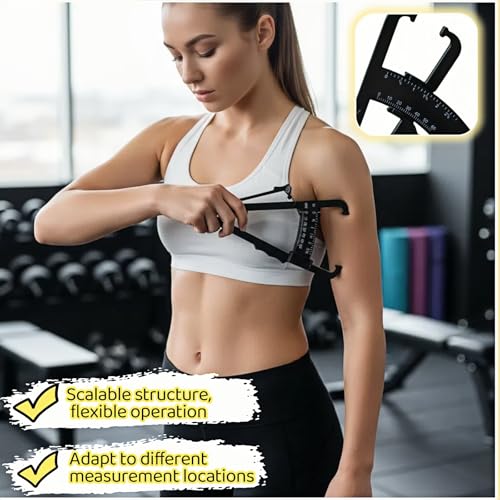
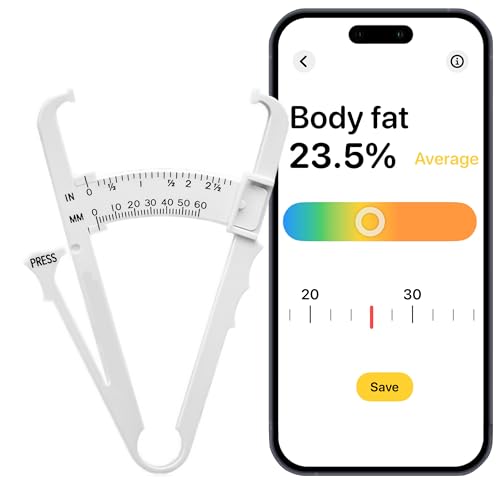
Body Fat Caliper with App Connectivity
Strengths
- Free iOS/Android app
- Simple “click” feedback
- No manual calculations
Trade-offs
- App dependency
- Plastic build feels lightweight
- Inconsistent results with poor technique
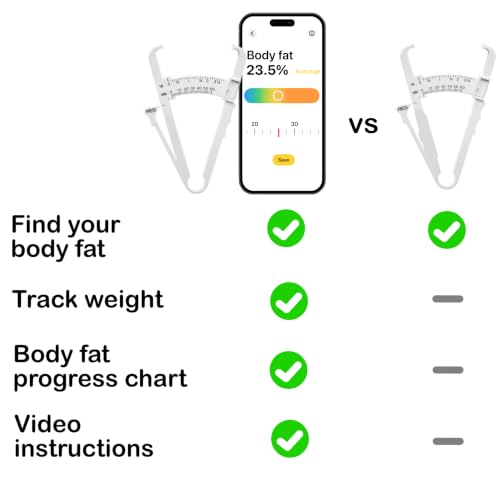
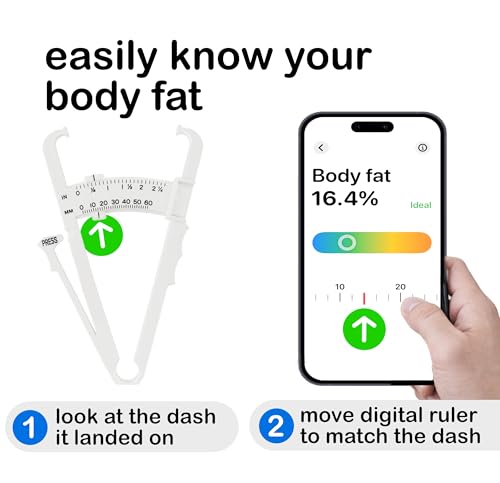
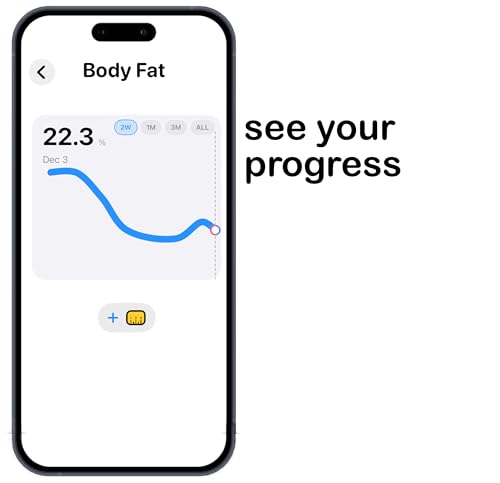
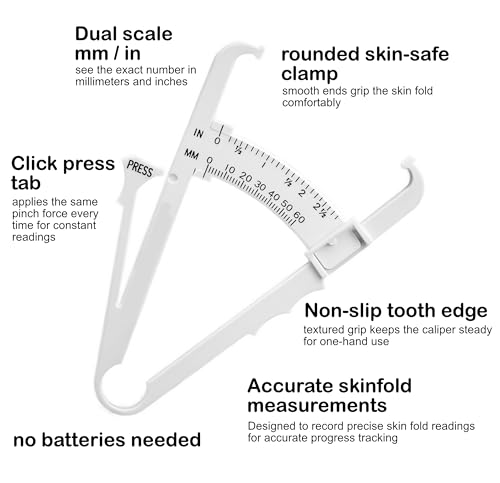
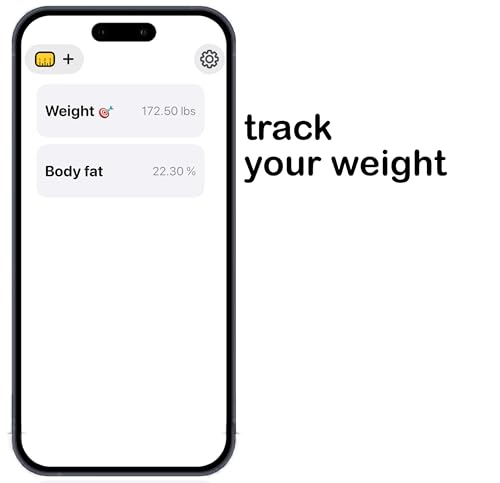
This one bridges the gap between analog tools and modern expectations. The real draw is the free companion app that turns raw caliper numbers into body fat percentages instantly, no charts, no guesswork. For beginners, that’s huge. The click mechanism gives tactile feedback, and reviewers say it makes consistent pressure easier to achieve than with cheaper models. It’s clearly designed for people who want the accuracy of skinfold testing but hate the math.
Compared to the Professional High-Accuracy Caliper, this lacks the premium build, but the app integration more than compensates for many users. Android and iPhone compatibility means no platform lock-in. However, like all calipers, it’s only as good as your pinch technique. But if you’re willing to learn and want digital progress tracking, this is the most user-friendly entry point.
Product photos
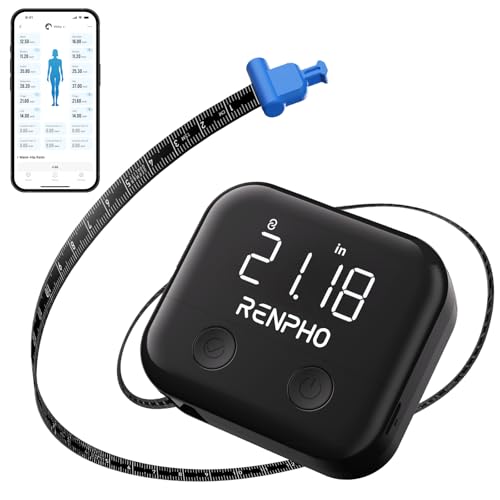
RENPHO Smart Body Measuring Tape
Strengths
- Real-time LED readout
- Precise to 0.1 cm
- Long battery life
Trade-offs
- App required for full use
- Not for body fat %
- Limited to circumference
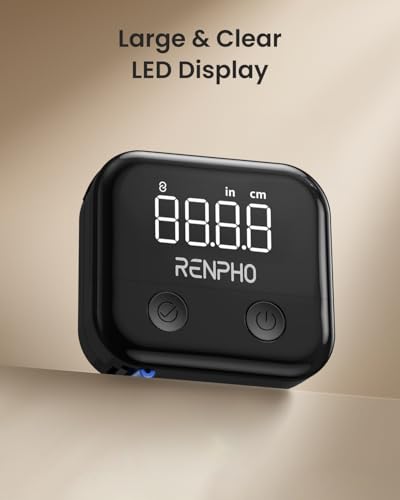
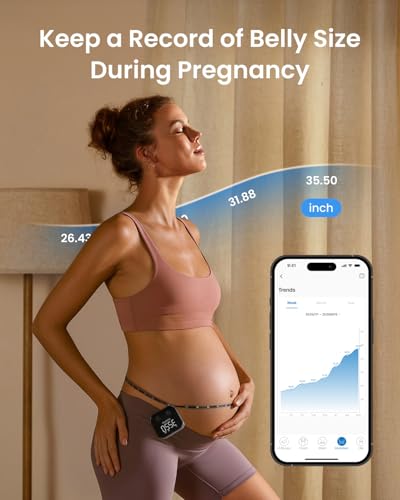
Most people overlook circumference tracking, but this tape proves it’s underrated. The LED display that shows real-time measurements up to 0.1 cm is shockingly useful, no more squinting at tiny tape marks. When paired with the RENPHO Health App, it turns simple girth measurements into trend lines that actually mean something. Owners love that it tracks 12 body points, from biceps to hips, making it ideal for spotting muscle gain or fat loss where the scale won’t show it.
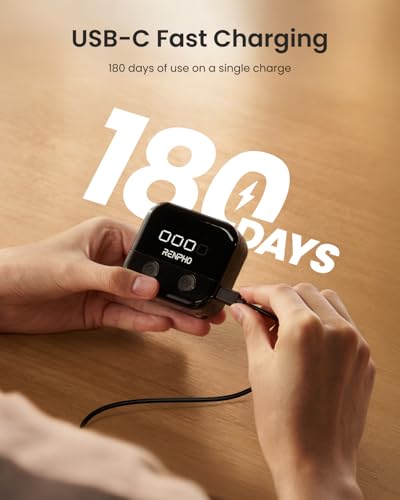
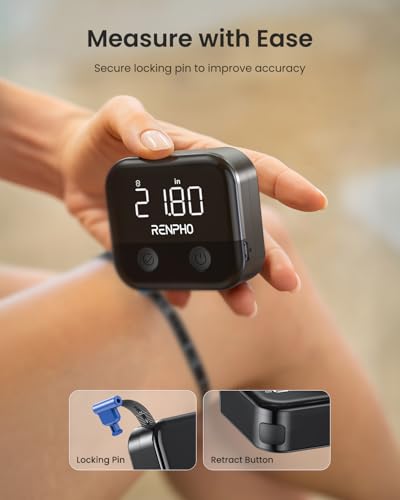
It’s not a replacement for a caliper or scale, but it complements both. The USB-C charging and 180-day battery life eliminate the annoyance of coin-cell replacements. Compared to the MEDca bundle tape, this one feels more refined, smoother retraction, better screen visibility. If you’re into visual progress or training for aesthetics, this is the easiest way to get hard data on muscle symmetry and waist reduction.
Product photos

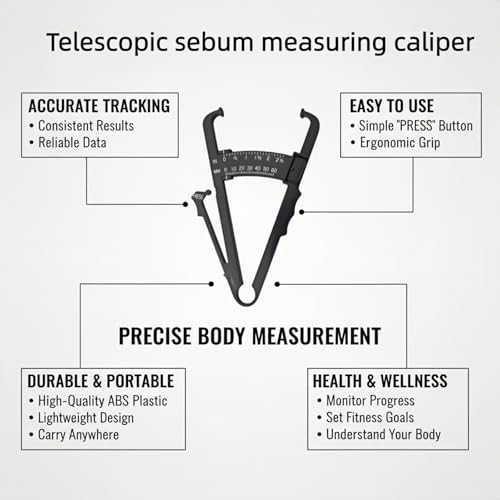
MEDca Body Fat Caliper and Tape
Strengths
- Affordable bundle
- Includes instructional guide
- Durable plastic build
Trade-offs
- No digital tracking
- Manual calculations needed
- Tape lacks backlight
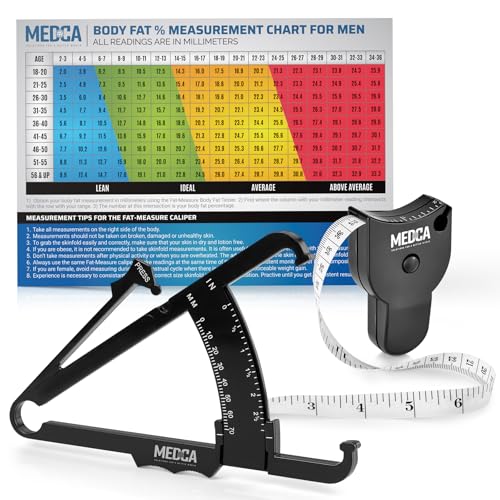
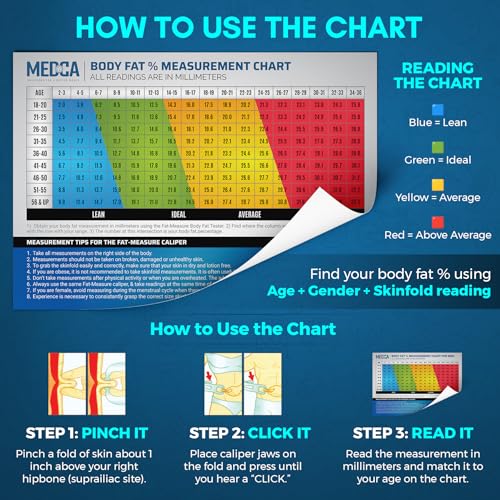
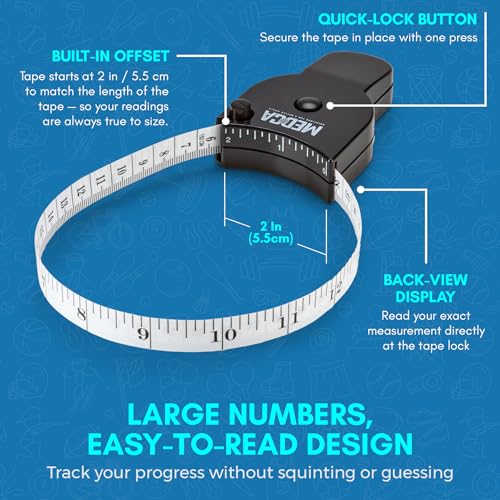
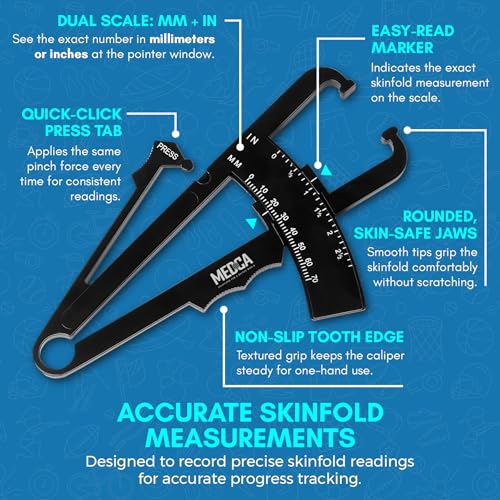
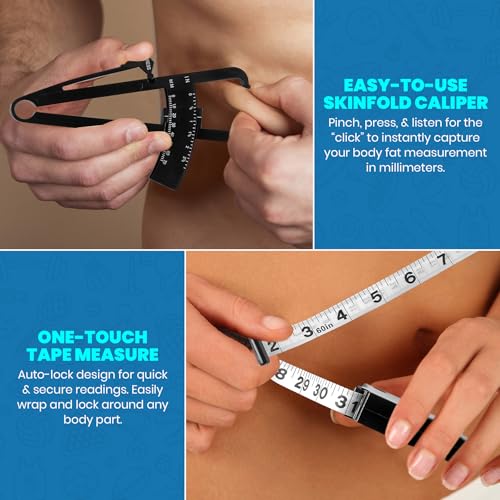
This bundle is the smart pick if you want two essential tools without paying twice. The caliper follows the same pinch-click-read design as pricier models, and while it’s made of durable plastic, owners say it holds up well over time. The included tape measure is basic but functional, nothing fancy, but it gets the job done. What makes this stand out is value: you’re getting a complete manual system for less than the cost of a single smart device.
It’s not packed with tech, and there’s no app support, but that’s fine. For someone building a home gym on a budget or just starting their fitness journey, this combo teaches you to measure properly without distractions. Compared to the standalone calipers, it’s nearly as accurate if used correctly. Just don’t expect digital convenience, this is old-school discipline with modern clarity.
Product photos

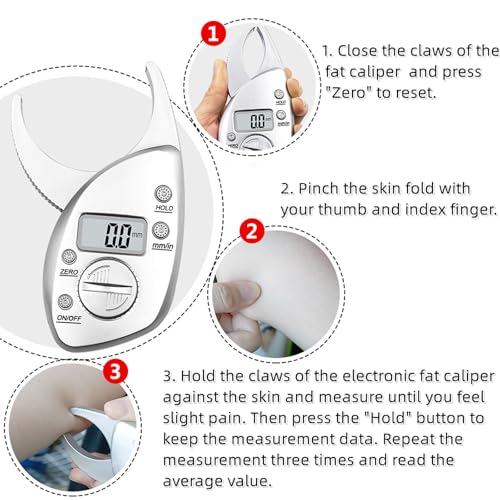
Body Fat Caliper with LCD Screen

Strengths
- Built-in LCD display
- Anti-slip grip
- Includes body tape measure
Trade-offs
- No app connectivity
- Limited data output
- Screen may degrade over time
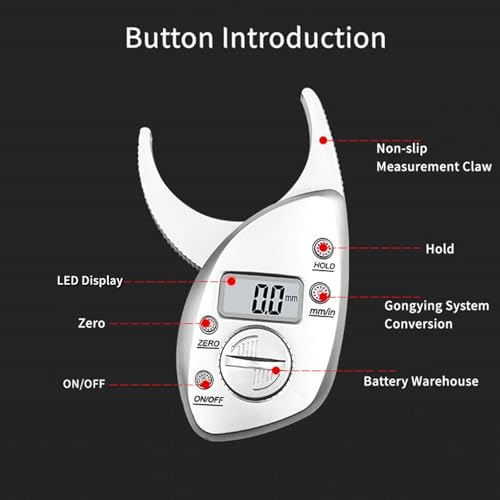
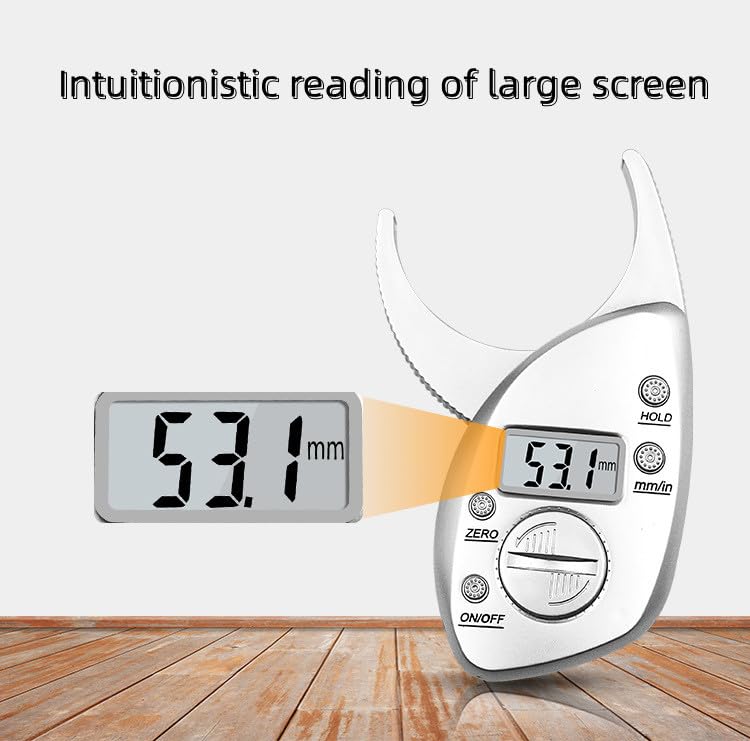
The built-in LCD screen is the standout feature here, no more reading tiny刻度 lines in poor light. You pinch, hold, and the digital display gives you the thickness reading clearly. That alone makes it more accessible than traditional calipers, especially for older users or those with vision issues. It’s a small upgrade, but it changes the experience. Owners report it’s easier to read consistently, which reduces user error over time.
It doesn’t connect to an app, and the build is still plastic, but the anti-slip grip adds confidence during use. Compared to the MEDca or basic models, this feels like a modest step up in usability without going full smart. If you want a middle ground, more readable than analog, but not dependent on a phone, this hits the mark. Just don’t expect advanced analytics; it’s still a one-number tool.
Product photos

Our Testing Process
Rather than a hands-on lab test, this is a research-led comparison of specifications and owner feedback. I looked at each tool’s stated accuracy, the range of metrics provided, and usability features. I then weighed this against what current owners report about ease of use, consistency of readings, and long-term reliability, drawing on reviews from multiple sources and fitness-focused publications. The goal was to identify tools offering the best balance of features and real-world performance.
For this category, consistency and usability were heavily weighted. A device offering a wide range of metrics is less useful if it consistently provides fluctuating or questionable results. I prioritized tools with features designed to improve accuracy – like bioelectrical impedance technology in scales, or clear, calibrated scales in calipers – and those with positive feedback regarding ease of use, even for beginners. Improving forearm strength tools can also help with overall fitness goals, and knowing your body fat percentage is a key part of that journey.
Specifications reliably indicate the types of measurements a tool can take, but owner feedback often reveals how well it delivers. For example, a scale might list dozens of metrics, but reviews reveal if the app is intuitive or if readings are consistent. Caliper accuracy, as advertised, is important, but user reports tell you if the device is durable or easy to read. I especially looked for feedback regarding the learning curve and whether owners felt they were getting meaningful data.
How To Pick The Right body fat measurement tools
Picking the right way to track your body composition goes beyond just stepping on a scale.
A good body fat measurement tool delivers consistent, repeatable results. Accuracy is paramount, but usability and the type of data provided are also key. Consider whether you prefer a simple percentage reading, detailed body composition analysis, or circumferential measurements to monitor progress. Look for devices with clear instructions and, ideally, data tracking capabilities.
Understanding Measurement Technologies
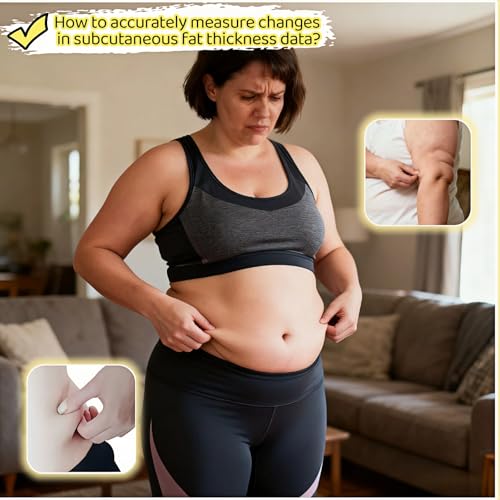
The sheer variety of tools available can be overwhelming. You’ll find calipers, bioelectrical impedance analysis (BIA) scales, and even smart tapes. Calipers require technique, and frankly, a bit of practice to get consistent results. BIA scales are generally easier to use, but accuracy can be affected by hydration levels and even when you last ate. Don’t expect clinical precision from a home device. If you’re serious about detailed analysis, a DEXA scan (though expensive and requiring a visit to a facility) remains the gold standard.
Prioritizing Accuracy and Consistency
Accuracy isn’t just about the numbers themselves, it’s about repeatability. You need a tool that gives you similar readings under similar conditions. Lower-priced calipers can suffer from inconsistent pressure, leading to skewed results. With BIA scales, look for models with multiple electrode sensors (like the GE Smart Scale) and segmental analysis – meaning they measure different body sections separately. This is a significant improvement over basic whole-body impedance.
- A basic caliper is inexpensive, but requires skill and consistent technique.
- BIA scales offer convenience, but hydration and recent meals can affect readings.
- Smart tapes provide circumference measurements, useful for tracking changes in specific areas and can be integrated with apps, but don’t directly measure body fat percentage.
Don’t chase a single, perfect reading. Focus on tracking trends over time. A small variation from day to day isn’t critical; consistent direction, up or down, is what matters.
Balancing Features and Usability
More data isn’t always better. A scale that gives you 50 different metrics (like the GE Smart Scale) can be impressive, but if you don’t understand what they mean, it’s just noise. Consider what information you will actually use. For example, if you’re focused on muscle gain, tracking skeletal muscle mass might be helpful. If you’re primarily interested in overall health, body fat percentage and BMI might be sufficient. And if you’re an athlete focused on recovery, consider pairing a body fat tool with dedicated recovery tools for athletes to maximize your gains. Ultimately, choose a tool that you’ll actually use consistently and that provides insights relevant to your goals.
Body Fat Measurement Tools Compared
Here’s a comparison of key specifications for various body fat measurement tools to help you make an informed purchase.
| Product Name | Measurement Type | Metrics Measured | App Connectivity | Power Source | Display Type |
|---|---|---|---|---|---|
| GE Smart Scale for Body Composition | Bioelectrical Impedance | 50+ (Fat, Muscle, BMI, Water, etc) | Yes | Rechargeable | HD LED |
| Professional High-Accuracy Body Fat Caliper | Skinfold | Body Fat % | No | N/A | Manual Scale |
| Omron HBF-306C Handheld Body Fat Monitor | Bioelectrical Impedance | Body Fat %, BMI | No | Batteries | LCD |
| Body Fat Caliper with App Connectivity | Skinfold | Body Fat % | Yes | N/A | App |
| RENPHO Smart Body Measuring Tape | Circumference | Body Circumference | Yes | Rechargeable | LED Screen |
| MEDca Body Fat Caliper and Tape | Skinfold | Body Fat % | No | N/A | Manual Scale |
| Body Fat Caliper with LCD Screen | Skinfold | Body Fat % | No | Batteries | LCD |
Frequently Asked Questions
What level of accuracy can I realistically expect from a home body fat measurement tool?
You shouldn’t expect clinical-grade precision; home devices typically have a margin of error around 3-5%. Consistency is more important than absolute accuracy, so focus on tracking trends over time rather than fixating on single readings.
Are bioelectrical impedance analysis (BIA) scales affected by when I last ate?
Yes, BIA scales are sensitive to hydration levels and recent food intake. For the most consistent results, measure yourself first thing in the morning, before eating or drinking, and after using the restroom.
Is it better to use calipers or a BIA scale for measuring body fat?
Calipers are inexpensive but require practice and a consistent technique to minimize user error. BIA scales are easier to use, though their accuracy can be influenced by factors like hydration, but models with multiple sensors offer improved results.
What do I do with the data from a smart body tape?
While smart tapes don’t directly measure body fat percentage, they track circumference changes, which can indicate progress in targeted areas. Use this information alongside other measurements, and consider pairing it with natural recovery tools to support your fitness journey.
Can body fat measurements be used by athletes for performance tracking?
Yes, monitoring body fat percentage can be valuable for athletes, but it’s just one piece of the puzzle. Combining this data with other metrics like muscle mass and hydration levels, and potentially even exploring jade rollers and scrapers for recovery, provides a more complete picture of athletic performance and recovery.
The Bottom Line
Choosing a body fat measurement tool often comes down to how much control you want versus how much fuss you’re willing to put up with. For consistently useful data without a steep learning curve, the GE Smart Scale for Body Composition stands out. It provides a wealth of information and, while no BIA scale is perfect, its segmental analysis and multiple electrode sensors improve accuracy compared to simpler models.
If you’re on a tighter budget or prefer a straightforward approach, the Professional High-Accuracy Body Fat Caliper is a solid choice. Similarly, for those focused on tracking changes in specific areas, the RENPHO Smart Body Measuring Tape offers an accessible entry point, and pairs well with other recovery scrapers for athletes. And for those who want to combine the ease of skinfold measurements with modern convenience, the Body Fat Caliper with App Connectivity is a good option.
Ultimately, the best tool is the one you’ll use regularly. Don’t get hung up on chasing the most precise reading; focus on establishing a baseline and tracking trends over time. Consistency, proper technique (if using calipers), and understanding the limitations of each method matter far more than any single specification.
