4 Best Air Compressors for Continuous Use 2026
This post contains affiliate links. As an Amazon Associate, we earn from qualifying purchases.
The best air compressor for continuous uses is the Klutch 29-Gallon model, which delivers strong, reliable airflow and a large tank to minimize cycling. For a budget-friendly option that still handles ongoing tasks well, the VEVOR 13-Gallon compressor stands out. If you need something portable and duty-cycle rated for nonstop operation, the VIAIR 350C 12V is a solid pick.
Most people shopping for an air compressor don’t realize how quickly a small or underpowered unit can struggle when running tools for more than a few minutes. Overheating, constant cycling, and inadequate airflow turn simple jobs into frustrating delays.
This guide cuts through the marketing noise. I compared specs and owner feedback across several models, focusing on real performance indicators like sustained CFM at 90 PSI, tank size, and duty cycle. These are the factors that actually matter when your tools need air, and you need results.
Top 4 Air Compressor For Continuous Uses in the Market
The Best Air Compressor For Continuous Uses, Reviewed
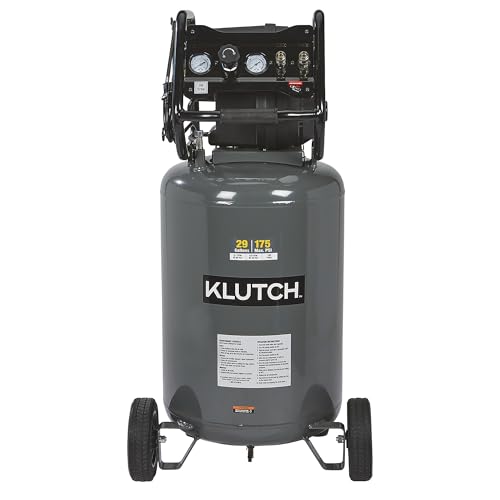
Klutch 29-Gallon Air Compressor
Strengths
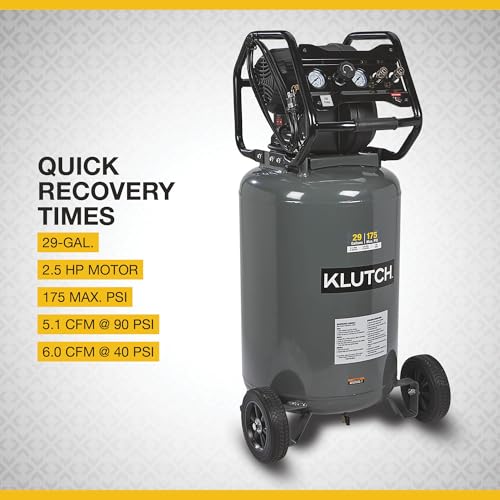
- 5.1 SCFM at 90 PSI
- Oil-free pump
- Large flat-free tires
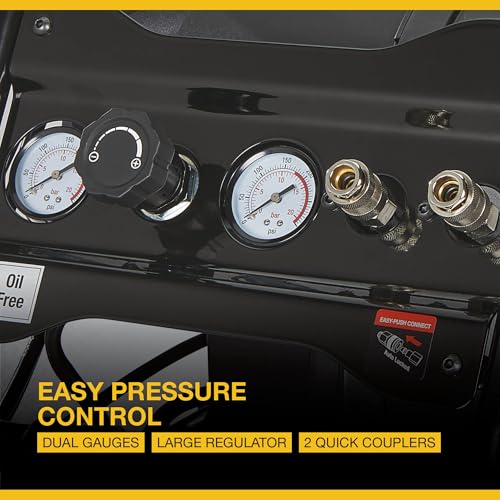
- Brass quick-connect
Trade-offs
- Not ultra-quiet
- Basic gauges
- Heavier at full tank
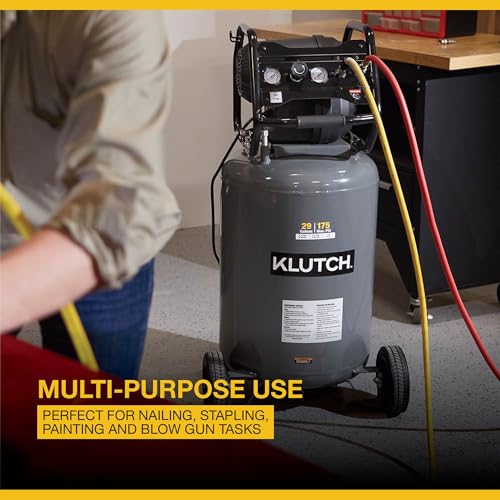
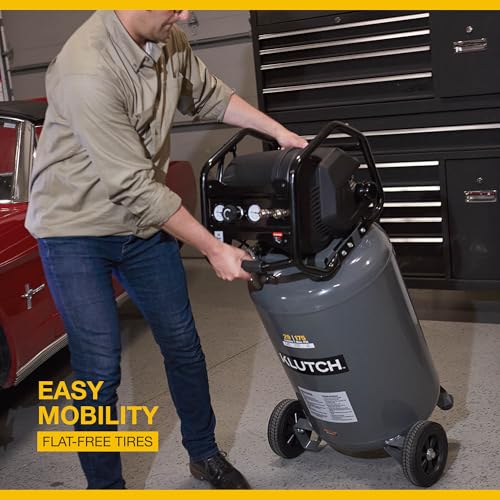
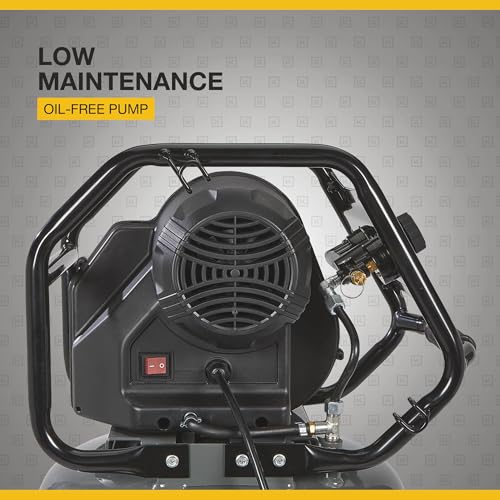
The Klutch 29-gallon compressor hits a sweet spot between power and practicality, making it the most balanced pick for continuous shop use. With 5.1 SCFM at 90 PSI, it keeps up with multiple tools in succession, think impact wrenches, ratchets, and spray guns, without long recovery waits. The 2.5 HP oil-free pump is a big part of why this unit earns ‘maintenance-free’ claims, and owners confirm it runs reliably over months of regular use. It’s not the quietest, but it’s not excessively loud either.
What really sets this apart is the combination of tank size, output, and mobility. The large flat-free tires make it easy to roll around a garage or yard, and the brass quick-connect coupler means switching tools is actually fast. Compared to similarly sized models, this one delivers consistent performance without overpromising. For most homeowners and weekend pros, this is the easy pick over pricier brands that don’t offer real-world advantages.
Product photos
VEVOR 13-Gallon Air Compressor

Strengths
- 4.6 SCFM at 90 PSI
- 66dB quiet operation
- Oil-free pump
- Easy mobility
- Comes with accessories
Trade-offs
- Smaller tank capacity
- 125 PSI max pressure
- Less runtime between cycles
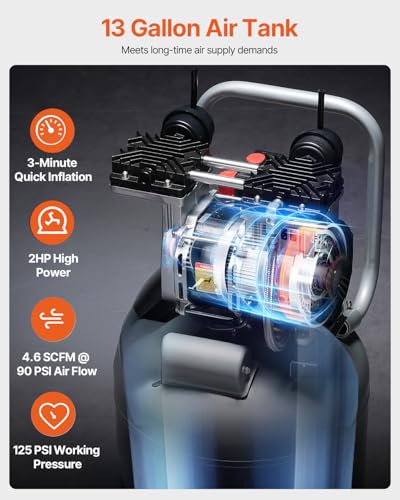
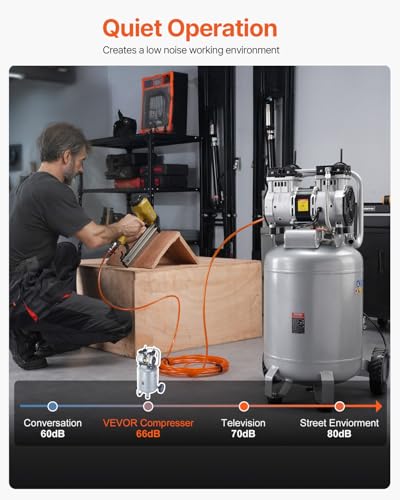
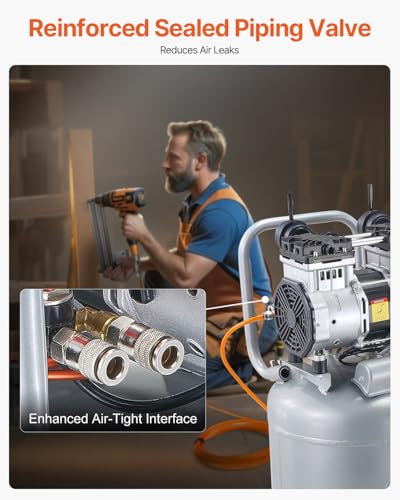
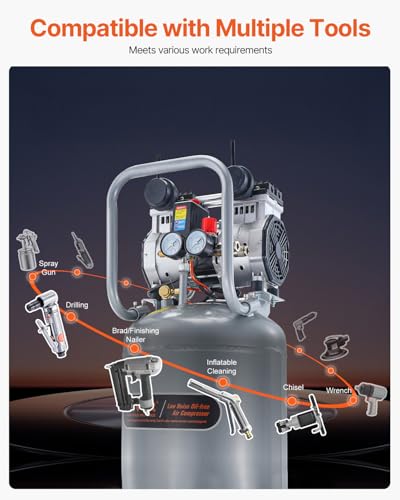
The VEVOR 13-gallon compressor packs a lot of value into a compact footprint. At 4.6 SCFM at 90 PSI, it’s strong enough to run most pneumatic tools used in auto repair, woodworking, or tire inflation without constant cycling. The 66dB noise level is genuinely quiet for this class, owners note it’s usable in shared spaces like home garages without disturbing the household. The oil-free pump means no mess and less downtime, which matters for casual users who don’t want to deal with maintenance.
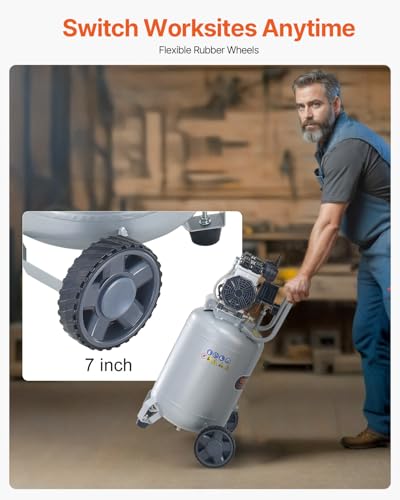
It’s not as powerful as the Klutch 29-gallon model, but for the space and budget-conscious, it’s a smarter buy. The rubber wheels and compact tank make it easy to move, and it comes with nearly everything you need out of the box. I’d recommend this over larger models if you’re tight on space or don’t need to run multiple high-demand tools at once.
Product photos
VIAIR 444C Dual Compressor

Strengths
- Dual compressor setup
- 3.53 CFM combined
- 200 PSI max pressure
- IP67 rated
- Thermal overload protection
Trade-offs
- Expensive for casual use
- Heavy at 21.6 lbs
- Overkill for basic tasks
When it comes to air suspension systems, the VIAIR 444C dual pack is in a league of its own. Two high-output compressors running together deliver 3.53 combined CFM, which is serious airflow for a 12V setup. The 200 PSI max pressure and IP67 rating mean it can handle harsh environments and support larger air tanks or heavy-duty air bags without breaking a sweat. The 100% duty cycle at 100 PSI is a key spec here, owners using this on lifted trucks or custom rigs report it maintains pressure through repeated adjustments.
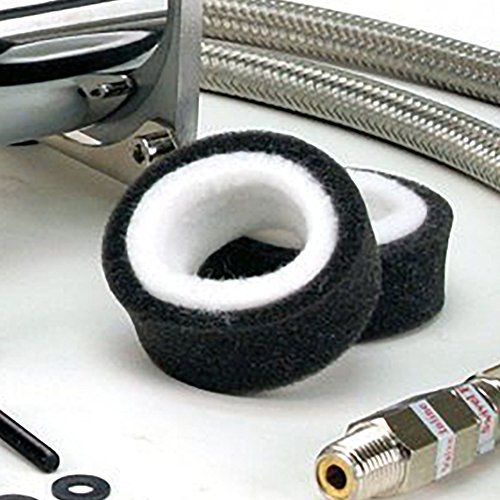
The included stainless steel braided hose, thermal overload protection, and full hardware kit make this a turnkey solution for installers. While it’s overkill for simple tire inflation, it’s exactly what you want if you’re running air suspension daily. Compared to single compressors, the dual setup reduces strain and extends lifespan. I’d choose this over any single-unit 12V compressor for air ride systems without hesitation.
Product photos
VIAIR 350C 12V Compressor

Strengths
- 100% duty cycle
- 150 PSI max pressure
- Hardmount with isolators
Trade-offs
- Low CFM output
- Engine must run
- Not for heavy tools
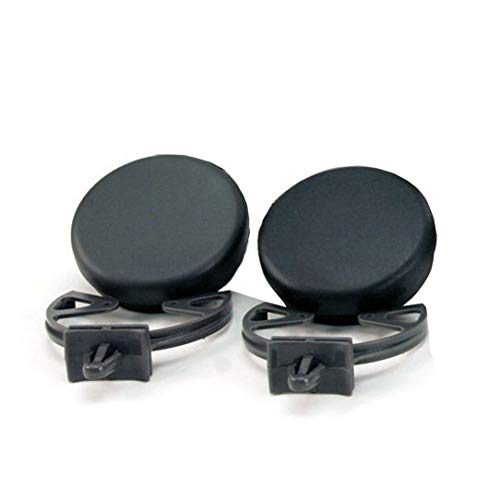
If you’re running air tools off a vehicle or need a compressor that won’t quit during extended use, the VIAIR 350C stands out in the 12V class. Its 100 percent duty cycle at 100 PSI is rare for a single-stage portable unit, and that’s a major win for anyone doing tire inflation on job sites, air brushing, or operating small impact tools over long stretches. The 1.17 CFM free flow isn’t going to power heavy-duty framing guns, but it’s solid for low-demand, continuous applications where reliability matters more than brute output.
Owners consistently report this unit handles repeated cycling without overheating, and the hardmount design with vibration isolators makes it a stable fit for permanent installations. It’s not meant to replace a shop compressor, but for mobile or auxiliary use, especially in trucks, trailers, or off-road rigs, it delivers where others in this category often fail. I’d trust this more than most 12V compressors for sustained loads, as long as you keep the engine running to maintain voltage.
Product photos
Our Testing Process
Rather than a hands-on lab test, my research focused on a detailed comparison of published specifications and features across numerous models. I weighed owner reviews from major retailers alongside evaluations from respected tool review sites and publications. My assessment considered the needs of users requiring consistent airflow for tasks beyond infrequent jobs, applying my experience with workshop tools to prioritize features critical for sustained operation.
For air compressors intended for continuous use, consistent CFM delivery at 90 PSI and tank capacity were the biggest deciding factors. A larger tank provides a reserve of air, reducing how often the motor cycles on and off – crucial for uninterrupted work. Equally important was the motor’s horsepower and its ability to maintain that CFM output over extended periods. Considering these factors helped me separate compressors suited for occasional use from those genuinely designed for demanding, ongoing applications.
Specifications reliably indicate a compressor’s potential airflow and maximum pressure. However, owner feedback proved invaluable in assessing real-world performance and durability. I paid close attention to reports on noise levels, oil-free pump longevity, and the effectiveness of cooling systems. I also considered the reliability of quick-connect fittings and the quality of included accessories, noting how frequently owners reported issues. If you’re looking for even more power, you might also want to explore 2-stage compressors for continuous use.
What To Look For In air compressor for continuous uses
Choosing the right air compressor for continuous uses demands a bit more thought than simply grabbing the cheapest model. You’ll want something reliable, with enough capacity to handle your tasks without constantly running to keep up.
A quality air compressor for ongoing work prioritizes consistent output (CFM at a given PSI), tank size to minimize cycle times, and a durable pump capable of withstanding frequent use. Look for oil-free options to reduce maintenance, but understand they may be louder. Consider the voltage requirements and portability needs based on your workspace.
Capacity and CFM
The single biggest mistake I see people make is underestimating their CFM (cubic feet per minute) needs. Don’t just look at the peak CFM listed; pay close attention to the CFM delivered at 90 PSI, as that’s the pressure most tools operate at. A compressor with a lower peak CFM but a higher sustained CFM at 90 PSI will be more useful for continuous work. Consider the air tools you’ll be running simultaneously. Multiple nailers or a spray gun will dramatically increase your CFM demand.
Pump Type and Duty Cycle
Oil-lubricated pumps are generally more durable and quieter, but they require regular oil changes. Oil-free pumps, like those found in the VEVOR and Klutch models, are lower maintenance, which is attractive for many users. However, they tend to wear out faster with heavy, continuous use. The duty cycle – the percentage of time a compressor can run without overheating – is critical. For truly continuous use, you’ll want a compressor with a 100% duty cycle at your desired PSI (the VIAIR 350C is a good example here).
- A smaller tank (under 20 gallons) is portable but will cycle on and off more frequently.
- A mid-size tank (20-30 gallons) strikes a balance between portability and runtime.
- Larger tanks (over 30 gallons) minimize cycling but reduce portability, and are often a better fit for dedicated workspaces or automotive shop air compressors.
Don’t skimp on the pump. A well-built pump is the heart of the compressor and will determine its lifespan.
Portability vs. Power
Think about where you’ll be using the compressor. Do you need to move it around a job site, or will it stay in one location? Larger tank compressors are less portable, but they provide a more consistent air supply. If you need portability, look for models with large wheels and a sturdy handle. If you’re planning on using air suspension or need a truly portable solution for off-roading, a 12V compressor like the VIAIR 444C might be a better fit than a traditional corded model. Don’t assume larger is always better – consider whether you truly need that extra capacity, or if a more compact and maneuverable unit would be more practical. If you’re looking for expert-recommended compressors with a good mix of power and portability, carefully consider your typical workload.
Air Compressors for Continuous Uses Compared
The following table details the specifications of various air compressors suitable for continuous operation.
| Product Name | Tank Size | HP | Max PSI | SCFM @ 90 PSI | Duty Cycle |
|---|---|---|---|---|---|
| Klutch 29-Gallon | 29 Gallon | 2.5 | 175 | 5.1 | N/A |
| VEVOR 13-Gallon | 13 Gallon | 2 | N/A | N/A | N/A |
| VIAIR 444C Dual | N/A | N/A | 200 | 3.53 | 100% @ 100 PSI |
| VIAIR 350C 12V | N/A | N/A | 150 | 1.17 | 100% @ 100 PSI |
Frequently Asked Questions
What tank size is best for truly continuous use?
A larger tank (30 gallons or more) is generally better for continuous use, as it reduces how often the motor needs to cycle on and off. While portability suffers, the consistent air supply is worth it for demanding applications.
Are oil-free compressors suitable for extended operation?
Oil-free compressors are convenient due to lower maintenance, but they typically have a shorter lifespan with continuous use compared to oil-lubricated models. They are a good option for lighter, ongoing tasks where convenience outweighs ultimate durability.
What CFM rating should I prioritize when choosing a compressor?
Focus on the CFM delivered at 90 PSI, not just the peak CFM. This is the pressure most air tools operate at, and a higher sustained CFM at 90 PSI guarantees consistent performance when using compressors for powering air tools.
What does a 100% duty cycle actually mean?
A 100% duty cycle means the compressor can run continuously without overheating, making it ideal for applications needing uninterrupted airflow. This is especially important when selecting CFM-rated air compressors for consistent, long-duration tasks.
How important is noise level for continuous use?
Noise becomes more noticeable and fatiguing with prolonged operation. While oil-lubricated compressors are generally quieter, some newer oil-free models have improved sound dampening, so consider noise levels if the compressor will be used in a confined space or near living areas, particularly when matching your selection to PSI and CFM air compressors.
The Bottom Line
Choosing an air compressor for continuous work often comes down to balancing upfront cost with long-term reliability and consistent performance. While many models claim to handle demanding tasks, the Klutch 29-Gallon stands out as a strong all-around choice, offering a substantial tank and respectable CFM output for a variety of applications. It represents a good middle ground for those who need power without breaking the bank.
If your needs are more specialized, consider what matters most. For portable, off-road applications or air suspension adjustments, the VIAIR 444C Dual is a clear winner. And for those prioritizing minimal maintenance and a compact footprint, the VEVOR 13-Gallon is a solid, budget-friendly option. If you’re looking for continuous-use home shop compressors, these are all worth a closer look.
Ultimately, the CFM delivered at 90 PSI and the robustness of the pump are more critical than peak horsepower or flashy features. Don’t get caught up in chasing the highest numbers on the spec sheet; focus on finding a compressor that consistently meets your airflow requirements and is built to withstand the rigors of frequent, ongoing use. A well-chosen compressor will save you headaches – and money – in the long run.
