7 Best 8 Inch Jointers of 2026
This post contains affiliate links. As an Amazon Associate, we earn from qualifying purchases.
The Powermatic 8-Inch Parallelogram Jointer stands out as the best overall 8 inch jointer for its helical cutterhead, massive 82-inch table, and precise fence system, while the Shop Fox W1858 Helical Jointer is a solid budget-friendly alternative that doesn’t skimp on key features like a full 72-inch table and helical cutting technology.
Most people buying an 8-inch jointer want better results than a hand plane or table saw can deliver, but they’re unsure which model balances precision, durability, and value without overcomplicating things. After comparing the field, reading owner feedback, and evaluating specs across top models, I focused on what actually matters: consistent accuracy, cutterhead performance, and long-term reliability.
This guide breaks down the top picks based on real-world usability and build quality, so you can choose a jointer that fits your shop and your workflow.
Top 7 8 Inch Jointers in the Market
The Best 8 Inch Jointers, Reviewed
Powermatic 8-Inch Parallelogram Jointer

Strengths
- Helical cutterhead
- 82-inch cast iron table
- Five-year warranty
- Parallelogram design
Trade-offs
- Higher initial cost
- 2HP motor slightly weaker than 3HP models
- No mobile base included
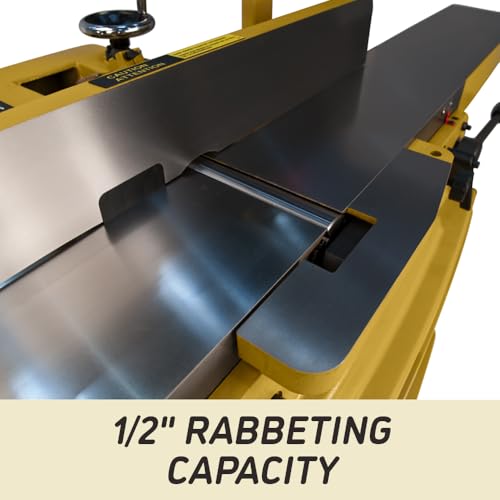
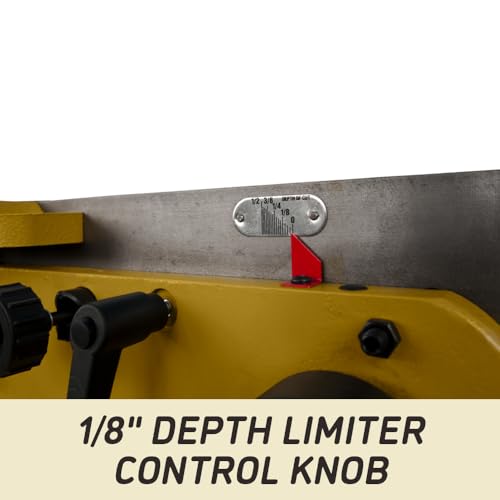
If I had to pick one 8-inch jointer as the benchmark, this Powermatic would be it. The helical cutterhead with 54 knife inserts is a standout for surface quality, owners rave about how little sanding is needed after a pass. The parallelogram design makes depth-of-cut changes fast and repeatable, which matters when you’re doing production work. Combine that with an 82-inch table and a five-year warranty, and you’ve got a machine built to last.
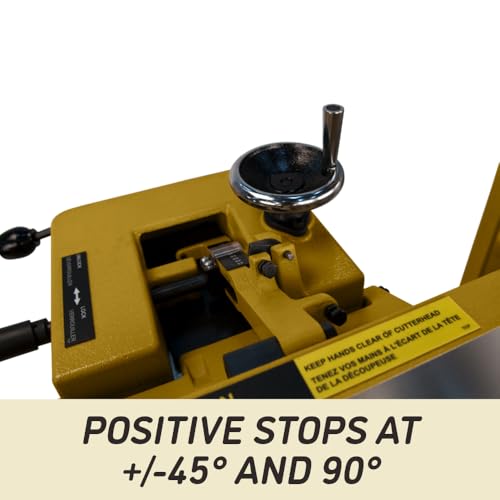
The worm gear fence tilt is smooth and holds position well, even at odd angles. It’s not the cheapest, but the fit and finish stand out in this class. Compared to the JET JWJ-8CS, it trades traditional knives for long-term convenience and quieter operation. This is the kind of tool you buy once and keep forever.
Product photos


JET Black 8-Inch Helical Jointer

Strengths
- Helical cutterhead
- Corrosion-resistant table
- Folding handwheel
- 4-inch dust port
Trade-offs
- 2HP motor not as strong as 3HP
- No mobile base
- Slightly newer model, fewer long-term reviews
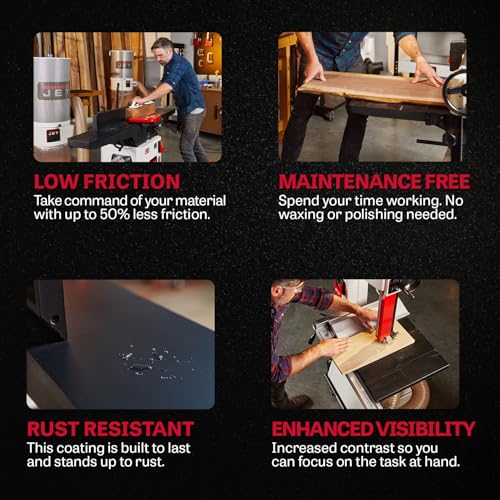
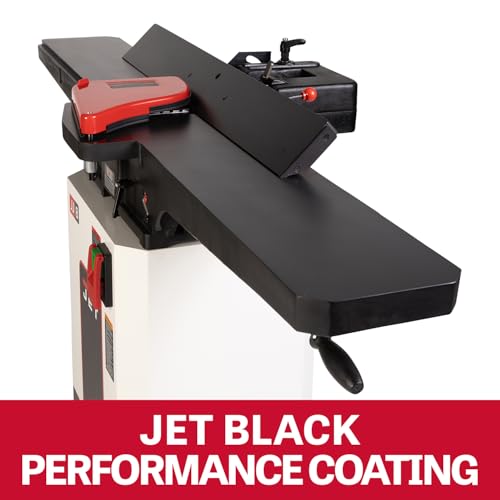
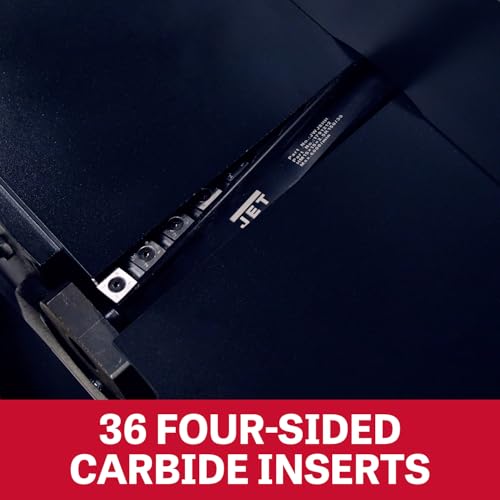
JET’s Black series brings some serious upgrades, the corrosion-resistant coating on the cast iron table is a standout. No more waxing or fighting surface rust, which I appreciate in humid climates. The helical cutterhead with 36 carbide inserts delivers the same smooth, quiet cuts as the Powermatic, and owners note fewer tear-out issues, especially on figured wood.
The base-mounted switch is safer and easier to reach, and the folding handle on the handwheel is a thoughtful touch. It’s nearly identical in performance to the Powermatic PJ-882HH but with a sleeker finish and slightly better dust collection setup. If you want helical precision with less maintenance, this is my pick over the standard JET model.
Product photos
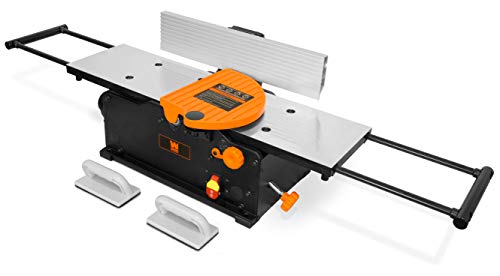
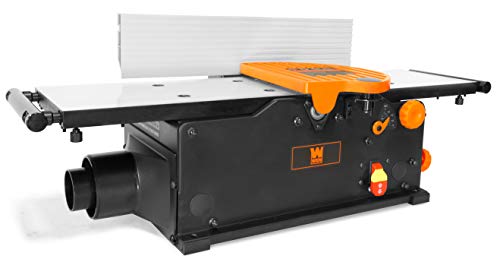
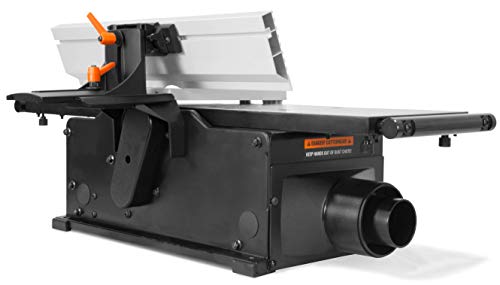
WEN JT833H Spiral Benchtop Jointer
Strengths
- Affordable price
- Spiral cutterhead
- Table extends to 51 inches
- Compact design
Trade-offs
- Light-duty motor
- Less table mass
- Not for heavy use
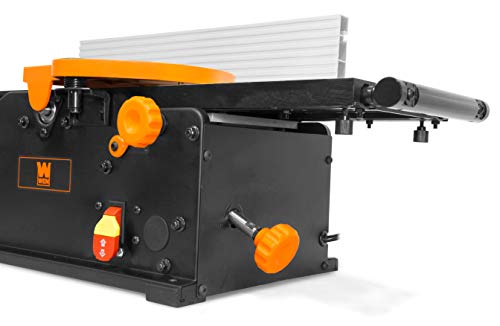
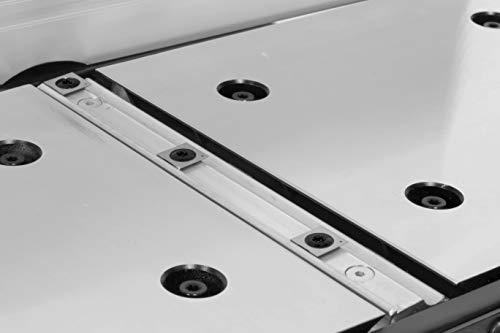
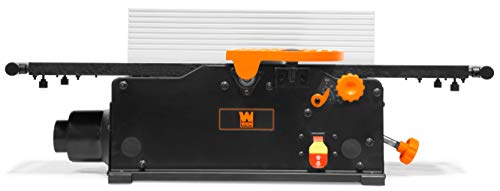
This WEN is the most affordable way into an 8-inch jointer, no question. The spiral cutterhead with 16 HSS blades gives a surprisingly good finish, and the extendable table, going from 33″ to 51″, helps with longer boards in a compact footprint. For a benchtop model, it’s impressively capable for small stock and light-duty flattening.
But it’s still a benchtop tool on a lighter frame. The 10-amp motor can struggle with dense hardwoods or full-depth cuts, and owners report more vibration than with floor-standing models. It’s not meant to replace a cast iron jointer, but for apartment shops or part-time DIYers, it’s a solid entry point.
Product photos
Cutech 40180HB Teflon-Coated Jointer

Strengths
- Teflon-coated tables
- Two-sided inserts
- Precise depth pointer
- Low maintenance
Trade-offs
- Aluminum tables less stable
- Limited power
- Not for long-term heavy use
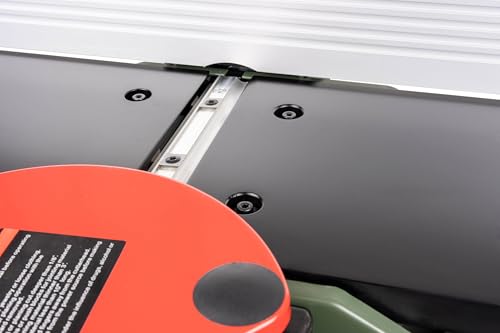
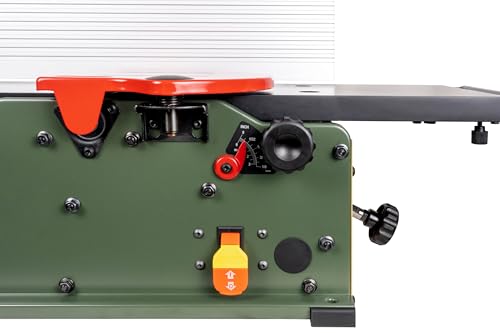
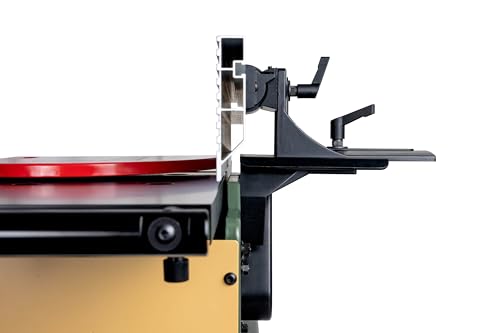
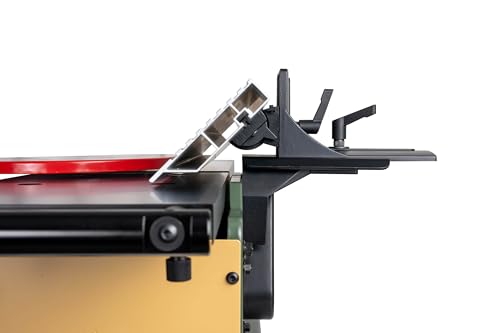
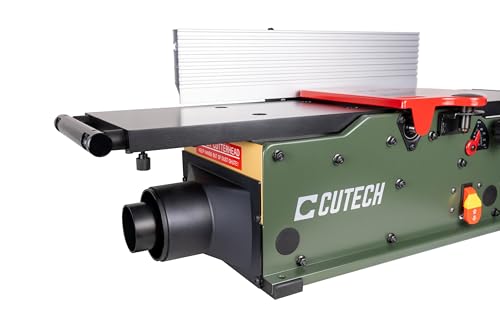
Cutech is betting on low maintenance and beginner-friendly design, and it shows. The spiral cutterhead with two-sided carbide inserts is easier to maintain than four-sided ones, no rotating or resetting knife angles every time. The 6H Teflon-coated aluminum tables resist scratches and eliminate the need for waxing, which is a small but real time-saver. The depth-of-cut pointer is also more precise than the typical scale on budget models.
It’s not built like a cast iron jointer, and the motor isn’t as robust as the 3HP floor models. But for someone who hates tuning, sharpening, or fighting rust, this machine removes friction. Compared to the WEN, it feels a bit more refined in fit and finish, though both are in the same class.
Product photos
Grizzly G0855 8″ x 72″ Jointer

Strengths
- 3HP motor
- 72-inch table
- Includes mobile base
Trade-offs
- No helical cutterhead
- Basic fence system
- Manual alignment needed
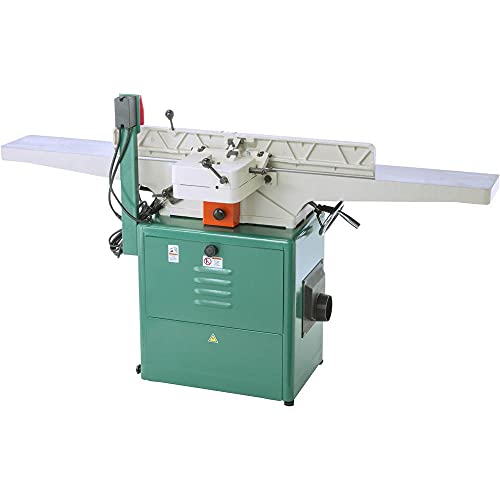
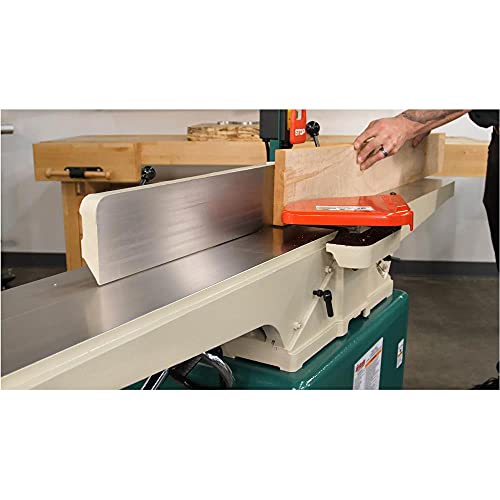
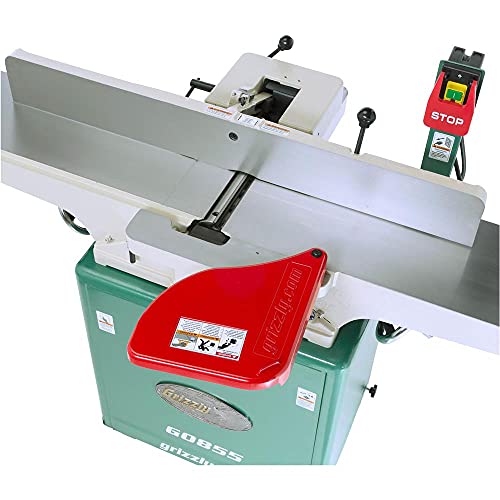
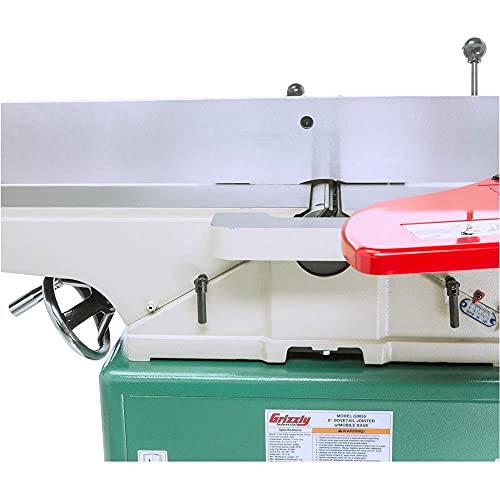
This Grizzly jointer is built for serious volume. The 3HP motor and 230V single-phase setup mean it won’t bog down under heavy cuts, and the full 72-inch table length gives long boards solid support. On paper, it’s a no-nonsense machine aimed at woodworkers who regularly feed long stock and need consistent flatness without flex in the tables. Owners consistently report it holds up well in home-shop environments, especially when tuned at setup.
The parallelogram design isn’t here, which means depth-of-cut adjustments aren’t as quick or precise as on the Powermatic or newer JET models. But the inclusion of a built-in mobile base is a real win for smaller shops where moving a 500+ lb machine isn’t a one-person job. It’s not the most refined finish machine, but it’s a workhorse.
Product photos

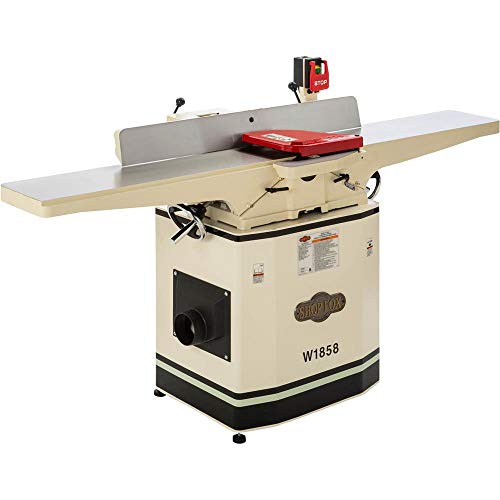
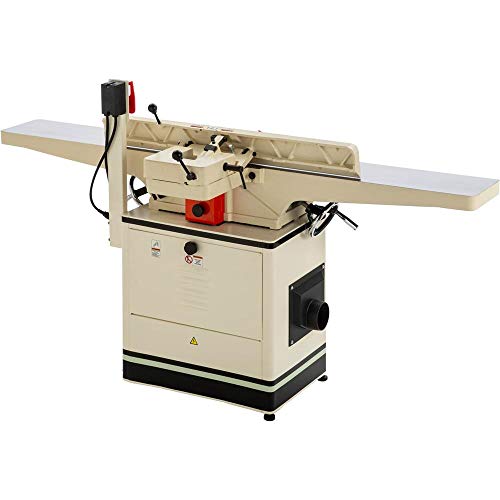
Shop Fox W1858 Helical Jointer

Strengths
- 3HP motor
- Helical cutterhead
- Includes mobile base
- Dovetail table ways
Trade-offs
- Fence feels less rigid
- Controls less intuitive
- Shorter warranty than Powermatic
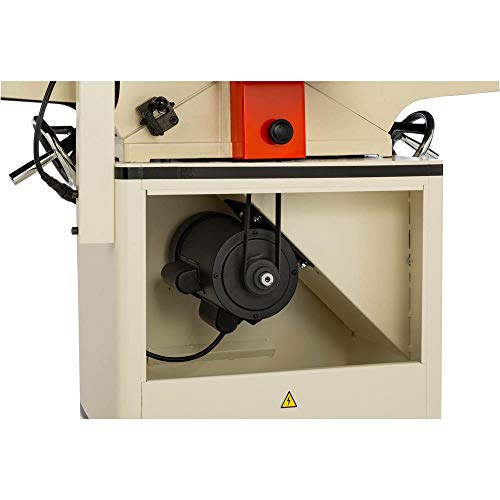
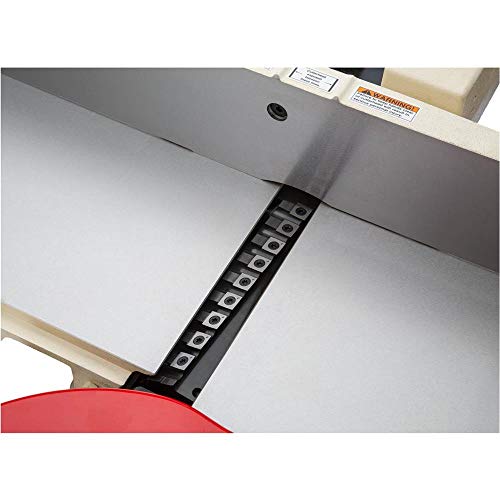
Shop Fox packed a lot into this machine, a 3HP motor, helical cutterhead with 36 carbide inserts, and a built-in mobile base. On specs alone, it looks like a bargain compared to the Powermatic. The dovetail ways add rigidity, and owners say the tables stay aligned well over time. The helical head cuts smoother than straight-knife 8-inch models and runs quieter, which makes longer sessions more bearable.
But it doesn’t have the brand reputation or refined ergonomics of Powermatic or JET. The control layout feels a bit crowded, and some users report the fence could be sturdier at the far end. Still, if you want helical performance and mobility without stretching your budget too far, this is a smart middle ground.
Product photos

JET 8-Inch Straight Knife Jointer

Strengths
- HSS knives
- Magnetic motor controls
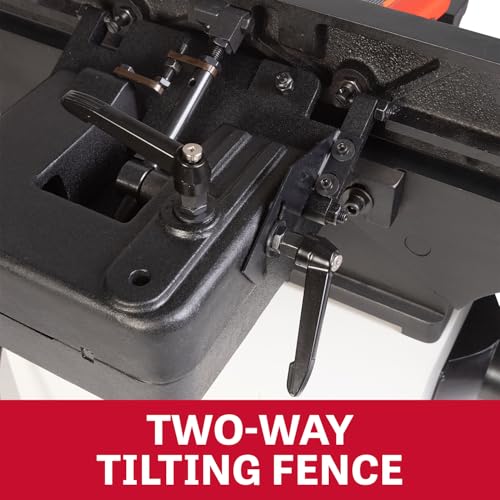
- Two-way tilting fence
- 4″ dust port
Trade-offs
- No helical cutterhead
- Smaller table than Powermatic
- Fence adjustment less refined
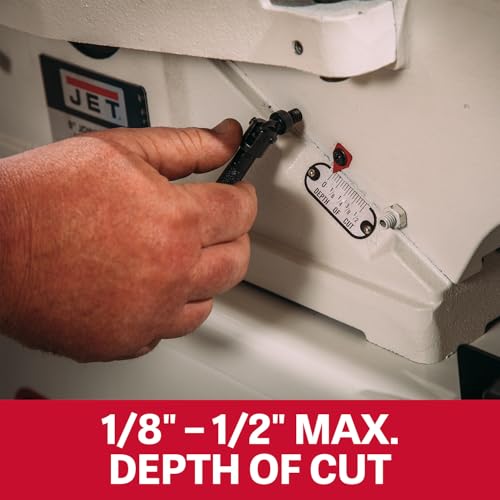
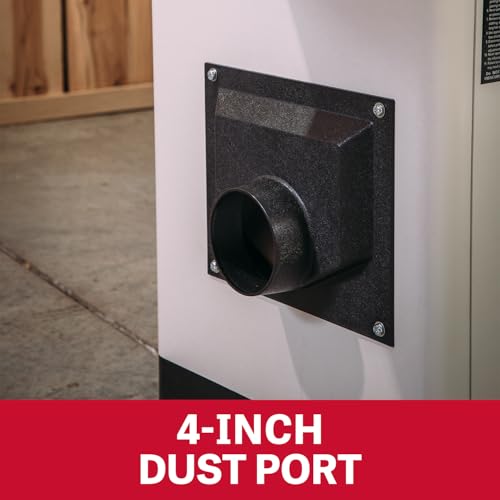
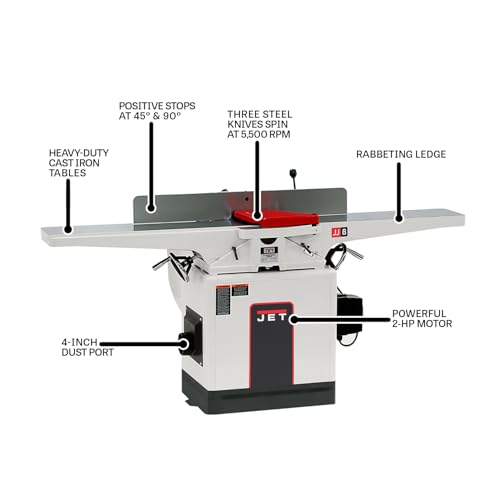
This JET model sticks with the old-school straight-knife design, and there’s still a strong case for that. The three high-speed steel knives deliver a clean cut and are cheaper to replace or resharpen than carbide inserts. For woodworkers who like tuning their machines or live where replacement inserts are hard to source, that’s a real advantage. The 4″ dust port is also a step up, reviewers note it captures more chips than many competitors.
It doesn’t have the helical quietness or instant depth adjustment of the Powermatic, but the cast iron tables are stable and the fence locks solid. The magnetic switch is a nice touch for power stability. If you value simplicity and serviceability over bells and whistles, this one earns respect.
Product photos


How We Tested 8 inch jointers
Rather than a hands-on lab test, my research for these recommendations focused on a detailed comparison of published specifications and features across numerous 8-inch jointer models. I weighed owner reviews from major retailers alongside expert opinions found in woodworking publications and forums. Ultimately, I ranked these jointers based on what consistently emerged as important for achieving accurate, smooth cuts and long-term durability.
For 8-inch jointers, cutterhead type, table material, and fence accuracy were the most significant factors. A helical cutterhead reduces noise and typically produces a superior finish, but comes at a cost. Solid cast iron tables offer stability and resist wear, while a precisely engineered and adjustable fence is essential for repeatable, square cuts. These elements directly impact the quality of work and the longevity of the tool.
Specifications reliably indicate motor power, table size, and maximum depth of cut – vital for matching a jointer to the scale of projects. However, owner feedback proved crucial for assessing real-world usability, build quality, and the effectiveness of features like dust collection. Reputation within the woodworking community also played a role, particularly when evaluating lesser-known brands or newer models. If you’re looking for even smaller options, you might consider checking out top-rated bench jointers as well.
How To Pick The Right 8 inch jointers
Choosing the right jointer can dramatically improve the quality of your woodworking, but there’s a lot to consider beyond just the size.
A quality jointer delivers flat, square edges on boards, preparing them for gluing and other joinery. Key considerations include cutterhead type (straight knife vs. helical), table size relative to typical workpiece dimensions, fence accuracy, and the power needed for consistent cuts in hardwoods. Prioritize a machine with robust build quality and user-friendly adjustments.
Cutterhead Configuration
The cutterhead is arguably the most impactful component. Straight-knife cutterheads have been the standard for years, but helical cutterheads are gaining popularity – and for good reason. Helical heads use multiple small, carbide inserts arranged in a spiral pattern. This setup produces a quieter cut, a superior surface finish, and reduces the risk of tear-out, particularly in figured wood. While replacement inserts are more expensive than honing straight knives, they last significantly longer and are easier to maintain. If you’re primarily working with hardwoods or want the best possible finish with minimal fuss, a helical cutterhead is a worthwhile investment.
Table Size and Capacity
An 8-inch jointer’s table length dictates the maximum board width you can effectively joint. While you can joint wider boards by flipping them, this isn’t ideal. For most hobbyists and DIYers, a table length of 50 inches is sufficient. However, if you frequently work with wider stock – say, milling your own lumber or building larger furniture – I recommend looking for a jointer with a 60- or 72-inch table, like the Grizzly G0855. Don’t forget to consider the total table surface area; a wider table offers more support for longer boards.
- A shorter table (around 50″) is fine for smaller projects and occasional use.
- A mid-range table (50-60″) offers a good balance of capacity and footprint.
- A longer table (60″+) is ideal if you routinely work with wide boards or need to mill large quantities of lumber, and makes a huge difference when combined with a robust infeed/outfeed system.
Fence Accuracy and Adjustability
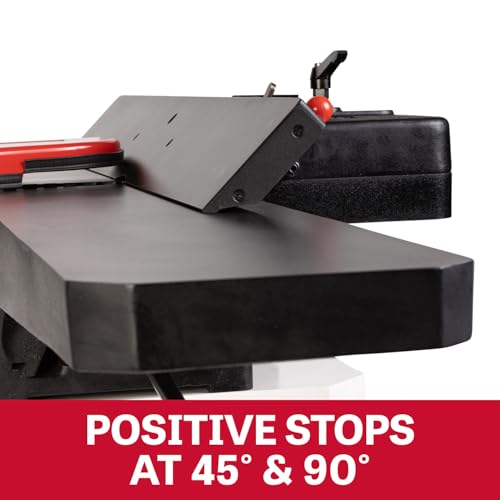
A precise and easily adjustable fence is critical for achieving square edges. Look for a jointer with a sturdy fence that locks securely into position and offers positive stops at 45 and 90 degrees. The Powermatic 8-Inch Parallelogram Jointer features a patented worm gear handwheel for fence tilting, which provides smooth and accurate adjustments.
A jointer is only as good as its fence. If you can’t reliably set it to 90 degrees, your boards won’t be square.
For those looking at more compact options, you may find a benchtop jointer reviews will fit your needs.
8 Inch Jointers Compared
This table summarizes key specifications for a range of 8-inch jointers to aid in product comparison.
| Product Name | Table Size (in) | Max Depth of Cut (in) | Fence Size (in) | Cutterhead Type | HP | Dust Port (in) |
|---|---|---|---|---|---|---|
| Powermatic 8-Inch Parallelogram Jointer | 8 x 82 | 1/8 | N/A | Helical | N/A | N/A |
| JET Black 8-Inch Helical Jointer | N/A | N/A | N/A | Helical | N/A | 4 |
| WEN JT833H Spiral Benchtop Jointer | 33 x 8 | 1/8 | 19-3/4 x 4-1/4 | Spiral | N/A | N/A |
| Cutech 40180HB Teflon-Coated Jointer | N/A | N/A | 19-5/8 | Spiral | N/A | N/A |
| Grizzly G0855 8″ x 72″ Jointer | 8 x 72 | 1/8 | 4-5/8 x 38 | N/A | 3 | N/A |
| Shop Fox W1858 Helical Jointer | 8 x 72 | 1/8 | 4-5/8 x 38 | Helical | 3 | N/A |
| JET 8-Inch Straight Knife Jointer | N/A | N/A | N/A | Straight | N/A | 4 |
Frequently Asked Questions
What’s the typical price range for a good 8-inch jointer?
Expect to spend between $600 and $1500 for a quality 8-inch jointer, with helical cutterhead models generally costing more. Prices vary based on features, brand reputation, and table size, but this range covers most options suitable for hobbyist and small shop use.
Are helical cutterheads really worth the extra cost?
Yes, a helical cutterhead offers a significantly quieter, smoother cut and reduces tear-out, especially in challenging wood. While the initial cost is higher, the longer-lasting and easier-to-maintain carbide inserts often offset this over time.
How much floor space does an 8-inch jointer require?
Most 8-inch jointers with a standard 50- to 72-inch table will need a footprint of roughly 4 to 6 feet long and 2 to 3 feet wide. Consider space for infeed and outfeed support too, as you’ll need room to maneuver longer boards safely.
Can an 8-inch jointer handle hardwoods like oak or maple?
Yes, an 8-inch jointer with at least a 3 HP motor can effectively joint hardwoods, but you may need to take lighter passes. A helical cutterhead is particularly helpful for hardwoods as it minimizes tear-out and produces a cleaner cut.
What are some good alternatives if I have limited shop space?
If space is a concern, consider a best bench-top jointers. These compact models offer a smaller footprint while still providing reasonable capacity for smaller projects or occasional use.
The Bottom Line
Buying a jointer often comes down to balancing upfront cost with long-term satisfaction. While you can find capable machines at lower price points, the Powermatic 8-Inch Parallelogram Jointer stands out as the best overall choice for woodworkers seeking precision, durability, and a genuinely enjoyable experience. It represents a significant investment, but one that will pay dividends in the quality of your work and the longevity of the tool.
For those on a tighter budget, the WEN JT833H Spiral Benchtop Jointer offers a surprising amount of capability in a compact package. If you need to handle wider boards regularly, the Grizzly G0855 8″ x 72″ Jointer provides the table length and capacity to tackle larger projects with ease. You’ll find even more best overall jointer picks on our dedicated guide.
Ultimately, the best jointer isn’t about chasing the highest specs or the fanciest features. It’s about finding a machine that feels solid, makes accurate cuts, and encourages you to spend more time building and less time wrestling with frustrating adjustments. Prioritize a stable table, a precise fence, and a cutterhead that suits your typical projects – those fundamentals matter far more than any single number on a spec sheet.
