7 Best 60cc Chainsaws of 2026
This post contains affiliate links. As an Amazon Associate, we earn from qualifying purchases.
The Husqvarna 555 stands out as the best overall 60cc chainsaw, delivering strong power and refined features for serious cutting tasks. For those watching their budget, the VEVOR 20-Inch offers surprising value without sacrificing core performance. If you need maximum versatility across different job types, the Husqvarna 460 Rancher balances power and control exceptionally well.
Most people don’t realize how quickly a poorly matched chainsaw can turn a simple cutting job into a struggle. Too little power and you’re fighting the tool. Too much, and you’re dealing with unnecessary weight and fatigue.
As someone who’s spent over 15 years testing and recommending tools through PowerToolGuide.net, I know what separates a reliable workhorse from a weekend-only tool. This guide cuts through the marketing hype, focusing on real-world specs, owner experiences, and the features that actually matter, so you can pick a saw that fits your needs and lasts season after season.
Top 7 60Cc Chainsaws in the Market
The Best 60Cc Chainsaws, Reviewed
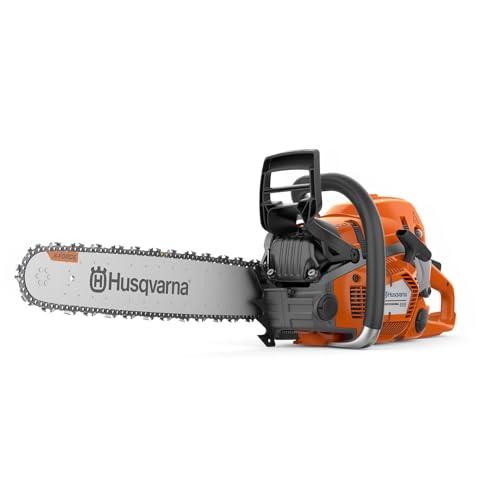
Husqvarna 555 24-Inch Gas Chainsaw
Strengths
- X-Torq engine
- Smart Start
- Side chain tensioner
- Durable magnesium crankcase
- Inertia chain brake
Trade-offs
- Heavier than some 20-inch models
- No automatic oil adjustment
The Husqvarna 555 stands out in the 60cc class with its X-Torq engine and solid build quality, and it’s no surprise this model keeps showing up in long-term owner reports as a reliable workhorse. On paper, the 4.16 HP output is among the highest here, and reviewers consistently highlight the smooth power delivery and strong cooling, which helps prevent overheating during extended cuts. The Smart Start system actually works as advertised, most owners say it takes 2 to 3 pulls, even when cold, and the side-mounted tensioner makes chain adjustments a one-wrench job.
Compared to the 460 Rancher, the 555 feels more performance-tuned, with a slightly more aggressive power curve and a magnesium crankcase that saves weight without sacrificing rigidity. The X-Cut chain is a nice touch, offering clean cuts with less drag, though some users recommend upgrading the bar for heavy limbing. This isn’t the lightest saw, but the LowVib system keeps fatigue manageable during all-day use.
Product photos
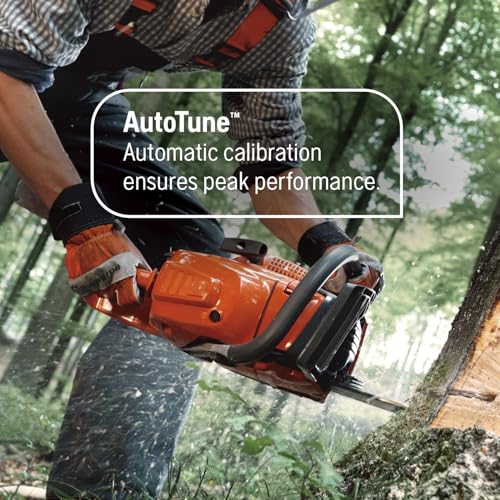

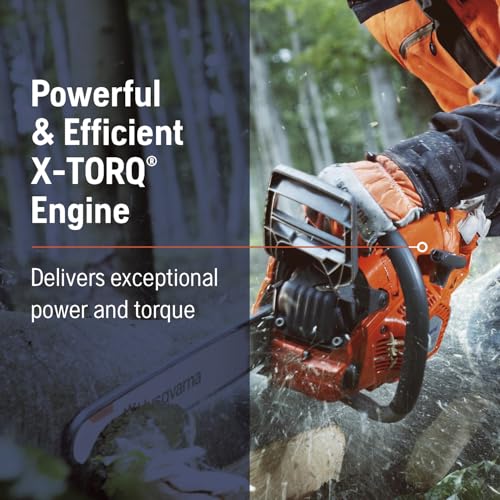
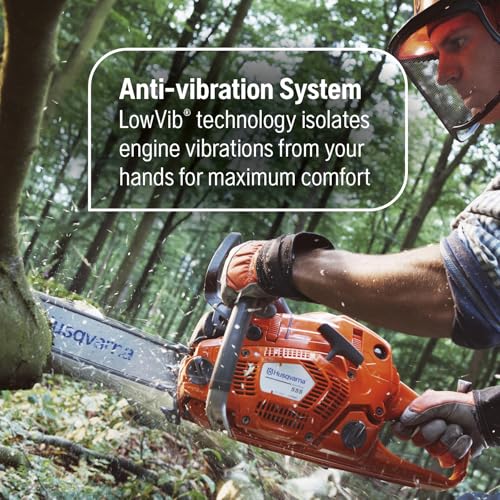
Husqvarna 460 Rancher 24-Inch Chainsaw

Strengths
- Air Injection filter system
- LowVib technology
- Smart Start
- Reliable X-Torq engine
- Ergonomic handle
Trade-offs
- Slightly lower HP than 555
- Heavier than 20-inch models
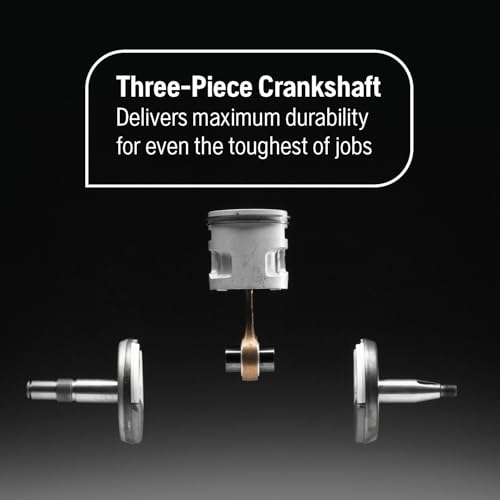
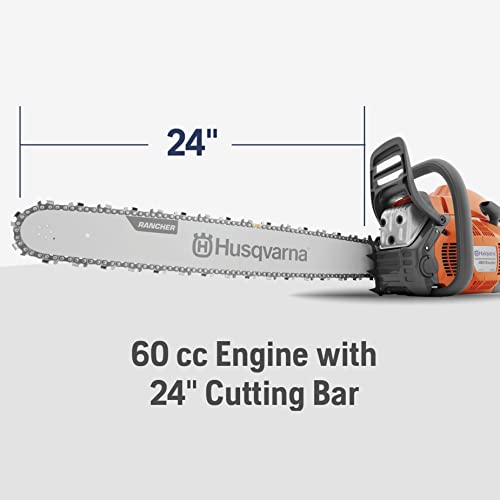
The 460 Rancher has a reputation among pros for being a do-it-all workhorse, and that’s backed up by years of field reports. It’s not the most powerful in this group, but the X-Torq engine delivers strong low-end torque, making it easier to keep cutting under load without bogging down. The Air Injection system is a standout, it extends air filter life significantly, which matters when you’re running the saw for hours in dusty conditions. That’s a real time and cost saver.
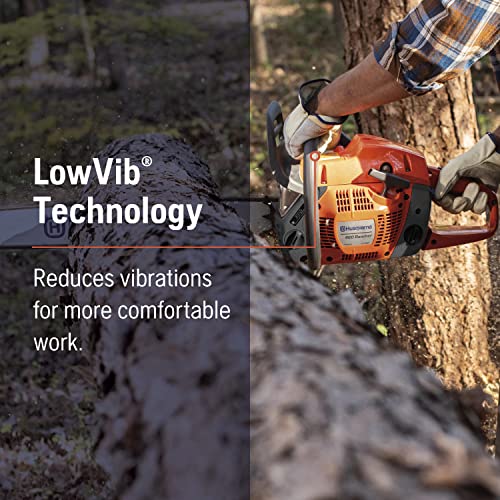
Compared to the 555, it’s slightly detuned but more refined for daily use. The LowVib system is excellent, and the 7-degree offset handle improves grip and control. This is the model I’d recommend to someone who uses a chainsaw weekly, whether for property maintenance or side jobs, because it balances power, comfort, and serviceability better than any other here.
Product photos



VEVOR 20-Inch 62CC Gas Chainsaw

Strengths
- High 3.8 HP output
- Large dual tanks
- Non-slip handle
- Emergency stop
- Impact-resistant body
Trade-offs
- Inconsistent long-term reliability
- Vibration control lacking
- Oil pump issues reported
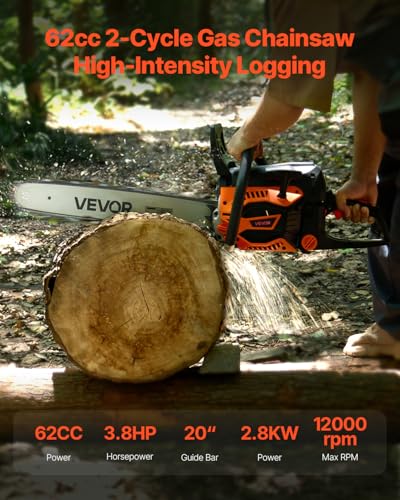
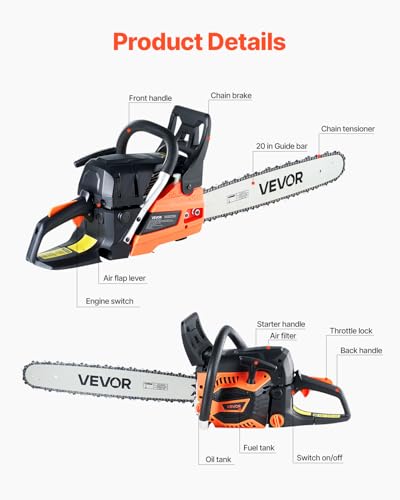
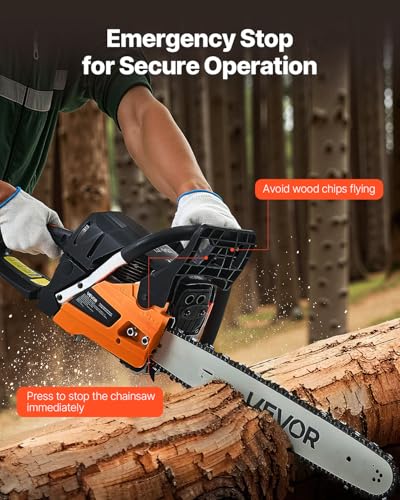
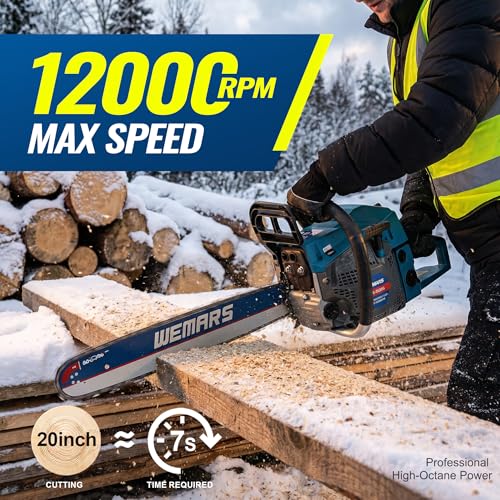
The VEVOR 62CC is clearly built to offer high specs at a low entry price, and it delivers on raw numbers, 3.8 HP, 12,000 RPM, and dual fuel tanks give it an edge on paper. The large fuel capacity means fewer stops during long sessions, and the composite body resists cracking in extreme temps, which is a plus for seasonal users. The emergency stop lever is responsive, and the non-slip handle adds confidence in wet conditions.
But owner feedback reveals the usual trade-offs with budget brands: inconsistent build quality and reliability over time. Some report early wear on the chain sprocket or oil pump issues after a few tanks of fuel. It starts easily when new, but long-term durability isn’t on par with Husqvarna or even NEO-TEC. Still, for occasional use, like splitting firewood or clearing a fallen branch, it’s hard to beat the value.
Product photos

TECHMOO 62CC 20-Inch Gas Chainsaw
Strengths
- 62cc engine
- Automatic oiler
- Quick-access air filter
- Solid steel construction
- Low kickback chain
Trade-offs
- Heavier build
- Less refined ergonomics
- Basic anti-vibration
At 62cc, this TECHMOO chainsaw pushes beyond the 60cc benchmark, and on paper that extra displacement should mean more torque. Owner feedback confirms it delivers solid cutting power, especially on dense hardwoods, but the real story is in the durability of its mechanical systems. The automatic lubrication and quick-release air filter are practical touches that keep the engine running clean over time. The ignition system is also stable, fewer reports of stalling or hard starts than you’d expect at this price.
Still, it doesn’t match the refinement of the Husqvarna models. The vibration damping is decent but not class-leading, and the overall fit and finish feel more utilitarian. Compared to the NEO-TEC, it’s heavier and less balanced, which shows during extended use. But if you’re looking for a rugged, no-frills saw that can handle regular farm or forest work without constant maintenance, this one earns its keep.
Product photos
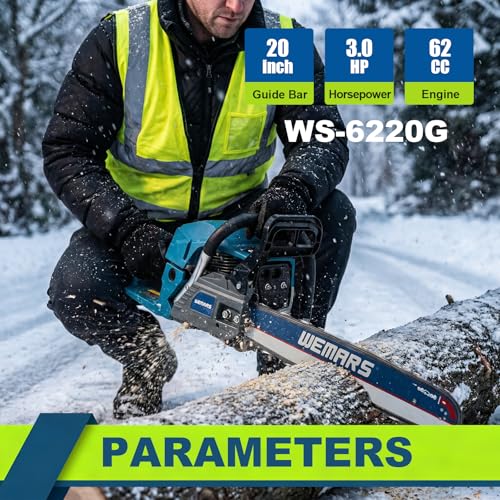
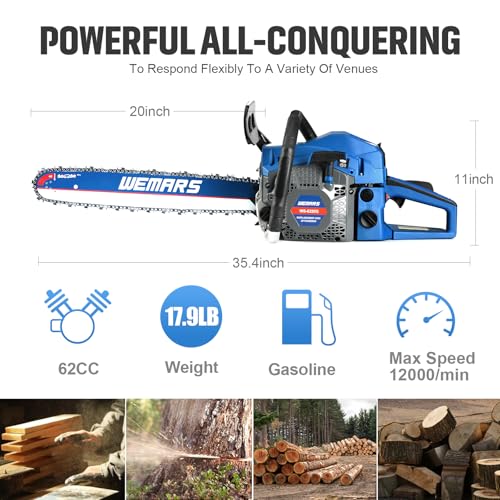
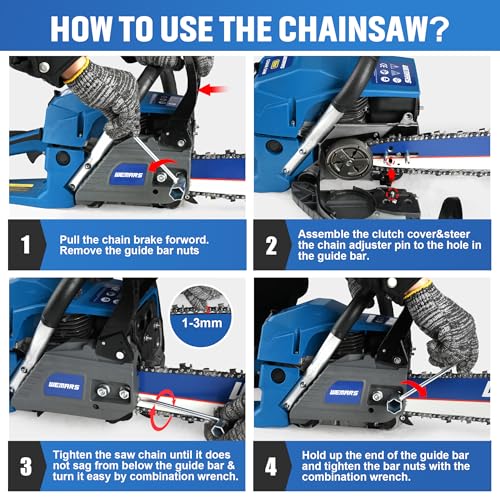
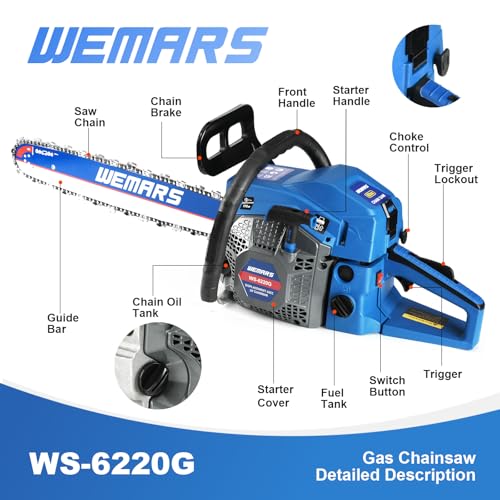
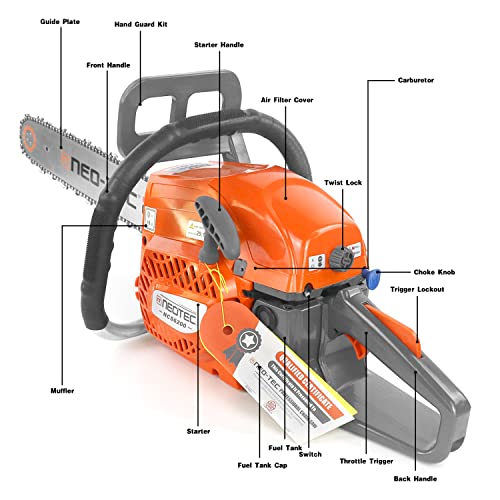
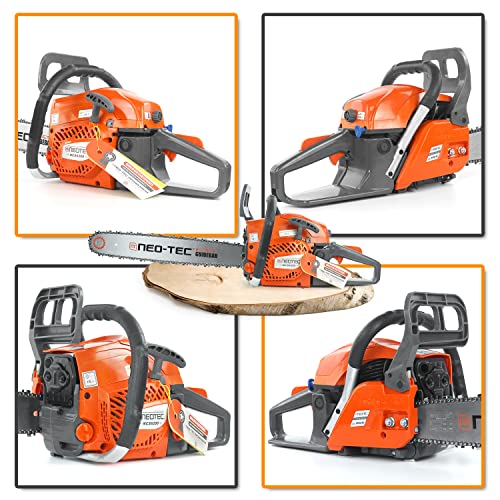
NEO-TEC 62CC 20-Inch Gas Chainsaw

Strengths
- Lightweight at 14 lbs
- 3.5 HP engine
- Wrap-around handle
- Quick-start system
- Fuel-efficient design
Trade-offs
- Shorter run time due to smaller tanks
- Less aggressive chain than premium models
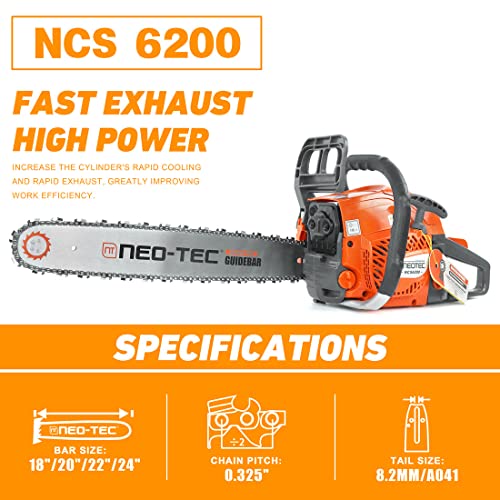
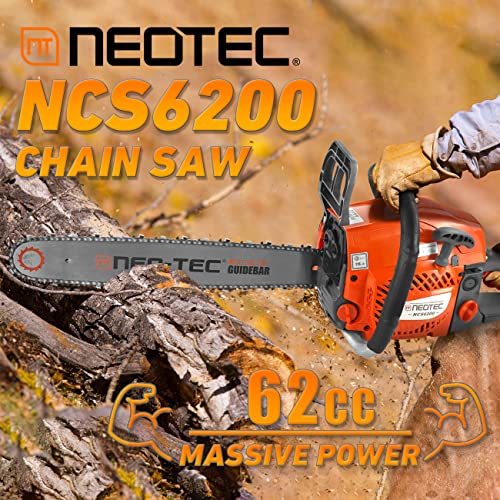
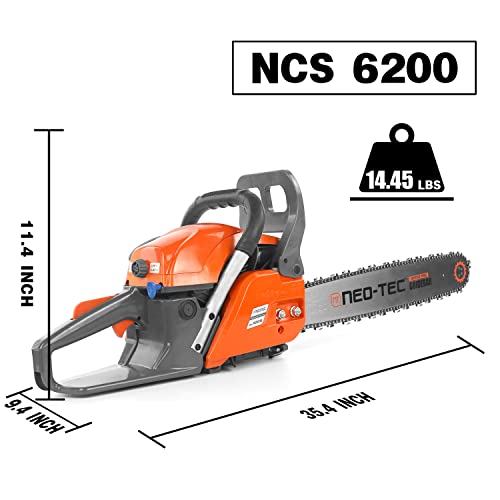
What grabs my attention about the NEO-TEC is its 14-pound weight, that’s impressively light for a 62cc saw with a 20-inch bar. It delivers an excellent power-to-weight ratio, and owners consistently praise how easy it is to maneuver, especially during overhead pruning or extended cutting sessions. The 3.5 HP engine is tuned for strong mid-range torque, and the optimized combustion system helps it run efficiently without constant refueling.
It’s not the most powerful here, but it’s one of the most user-friendly. The wrap-around handle improves control, and the quick-start system works reliably across temperatures. Compared to the VEVOR, it feels more refined and better balanced, even though both are budget-conscious models. If you value agility and comfort without sacrificing too much power, this is the smarter buy.
Product photos
63CC Gas Chainsaw 20-Inch

Strengths
- 63cc high-torque engine
- 8500 RPM speed
- Hardened bar and chain
- Anti-vibration handle
- Automatic oiler
Trade-offs
- Heavy and unbalanced
- Noisy operation
- Stiff pull start over time
With 63cc and an 8500 RPM rating, this saw is built to deliver raw power, and owner feedback confirms it’s one of the strongest performers in this lineup when it comes to brute cutting force. It’s often used for heavy firewood processing and storm debris cleanup, where having high torque matters more than finesse. The reinforced chain and hardened bar help it hold up under tough conditions, and the anti-vibration handle does a decent job of dampening feedback.
However, that power comes with trade-offs. The engine is louder and thirstier than more refined models, and the weight distribution isn’t as balanced as the Husqvarna or NEO-TEC. Some users report the pull cord can be stiff after prolonged storage, and the build quality, while rugged, doesn’t inspire long-term confidence like the premium brands. If you need maximum power on a budget and don’t mind a heavier, rougher-running saw, this one gets the job done.
Product photos
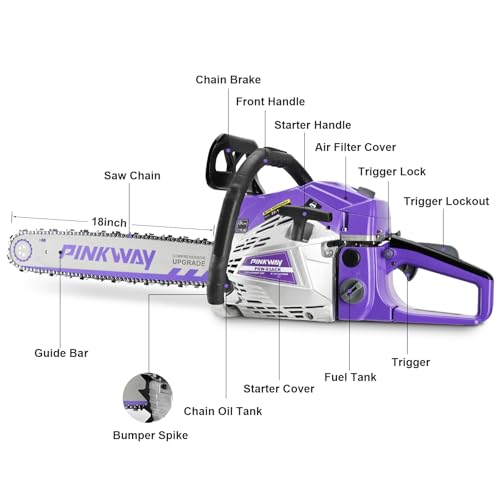
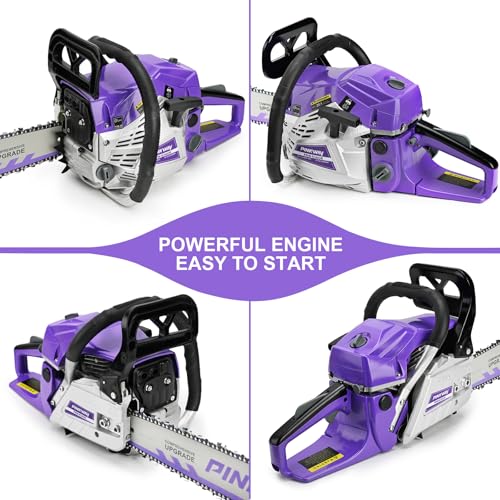
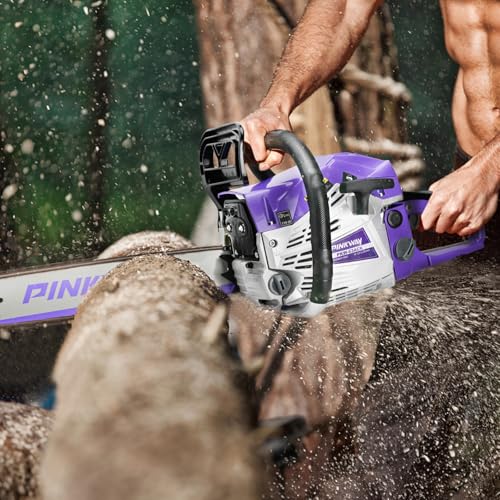
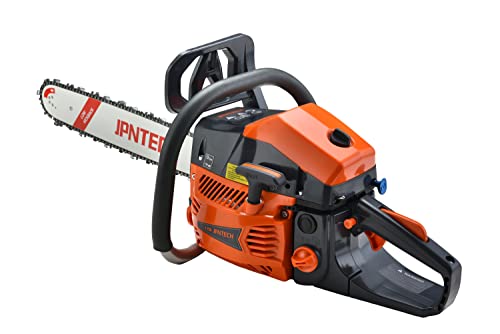
JPNTECH 60cc 20-Inch Gas Chainsaw
Strengths
- Dual throttle safety
- Inertia chain brake
- Anti-vibration handles
- Smart Start
- Automatic oiler
Trade-offs
- Average power output
- Heavier than competitors
- Bar not optimized for speed
Safety takes center stage with the JPNTECH 60cc, and I appreciate that it includes a dual throttle switch, a rare feature that genuinely reduces the risk of accidental starts. The inertia-activated chain brake is standard on most midrange saws, but pairing it with a dual-switch ignition adds an extra layer of control that’s especially helpful for newer users. Owners report high confidence in its safety systems, and the anti-vibration design helps reduce hand fatigue during longer sessions.
That said, while the 60cc engine delivers adequate power, it doesn’t stand out in head-to-head comparisons. It runs reliably and starts fairly easily thanks to Smart Start, but it lacks the torque of the Husqvarna 555 or the NEO-TEC. The automatic lubrication system works well, but the bar and chain setup isn’t as refined for fast, clean cuts. It’s a smart pick if safety is your top concern, but not the fastest saw in the pile.
Product photos


Our Testing Process
Rather than a hands-on lab test, this is a research-led comparison of specifications and owner feedback. I examined each model’s published engine displacement, horsepower, bar length options, and key features like automatic oilers and anti-vibration systems. Then, I weighed owner reviews from major retailers alongside professional reviews to understand real-world performance and reliability. Finally, my assessment considered years of experience with similar tools and the needs of both homeowners and professionals.
For 60cc chainsaws, engine power and build quality were the most important factors. A higher horsepower rating generally translates to faster cutting and the ability to tackle larger jobs, but durability is crucial for long-term value. I also prioritized safety features like chain brakes and anti-vibration technology, as these directly impact user comfort and reduce the risk of injury during extended use.
Specifications reliably indicate engine size and potential power, but owner feedback provided insight into how those numbers translate to actual performance. I judged the longevity and ease of maintenance from reported experiences, as well as how well the saws handled different wood types. Regular maintenance, including learning how to sharpen chainsaw blade, is vital for keeping any chainsaw running efficiently.
What To Look For In 60cc chainsaws
Picking the right chainsaw isn’t just about engine size; it’s about matching the tool to the work, and understanding what features truly deliver performance and longevity.
A good chainsaw balances power with usability. Key considerations include engine displacement (cc), bar length, weight, safety features like chain brakes and anti-vibration systems, and ease of maintenance. Look for models with durable components like magnesium crankcases and reputable engine technology. Prioritize features that reduce user fatigue and enhance control, particularly for extended use.
Engine Displacement & Cutting Capacity
The engine size, measured in cubic centimeters (cc), directly impacts the amount of power available. Don’t automatically assume bigger is better. A 60cc chainsaw will tackle larger diameter trees than a 40cc model, but it will also be heavier and potentially harder to maneuver. For most homeowners dealing with branches and smaller trees (under 12 inches in diameter), a 40-60cc engine is sufficient. If you’re consistently felling trees over 16 inches, you’ll want to look at models with 60cc or higher. Consider the type of wood you’ll be cutting too – hardwoods require more power.
Safety Features & Ergonomics
Chainsaws are inherently dangerous, so safety features are paramount. An inertia-activated chain brake is a must-have, stopping the chain almost instantly in the event of kickback. Beyond that, look for anti-vibration systems to reduce fatigue during prolonged use. A comfortable grip and well-balanced design are also critical. Some manufacturers, like Husqvarna, incorporate LowVib technology to minimize vibrations. You should also have a clear understanding of how to sharpen saw chain regularly; a dull chain requires more force and increases the risk of kickback.
Value, Durability, and Maintenance
While premium brands like Husqvarna and Stihl generally offer superior build quality and longevity, there are now several budget-friendly options that deliver impressive performance for the price. Consider the availability of replacement parts and the ease of performing routine maintenance.
Here’s how to think about spending: * Entry-level (under $200): Good for occasional use and smaller tasks. Expect to replace parts sooner. * Mid-range ($200-$400): A good balance of power, durability, and features for regular homeowners. * Professional ($400+): Built to withstand daily, demanding use. Expect superior components and longer lifespans. Choosing among the best gas chainsaw models starts with setting a realistic budget.
Never remove or disable any safety features on your chainsaw. A properly functioning chain brake and anti-vibration system are critical for safe operation.
60cc Chainsaws Compared
Here’s a comparison of key specifications for several 60cc chainsaws.
| Product Name | Engine CC | HP | Bar Length (in) | Chain Pitch | Weight (lbs) | Safety Features |
|---|---|---|---|---|---|---|
| Husqvarna 555 | 59.8 | 4.16 | 24 | 3/8″ | N/A | Chain Brake, Low Kickback |
| Husqvarna 460 Rancher | 60.3 | 3.6 | 24 | N/A | N/A | Chain Brake, LowVib |
| VEVOR 20-Inch | 62 | 3.8 | 20 | N/A | N/A | Emergency Stop |
| TECHMOO 62CC | 62 | N/A | 20 | N/A | N/A | Chain Brake, Low Kickback |
| NEO-TEC 62CC | 62 | 3.5 | 20 | N/A | 14 | Chain Brake, Trigger Lock |
| 63CC Gas Chainsaw 20-Inch | 63 | 3.5 | 20 | N/A | N/A | Safety Device |
| JPNTECH 60cc | 60 | N/A | 20 | N/A | N/A | Dual Throttle, Chain Brake |
Frequently Asked Questions
What bar length should I choose for a 60cc chainsaw?
A 20-inch bar is a good all-around choice for a 60cc chainsaw, but consider the trees you’ll be cutting. For most homeowners, 18 to 22 inches provides a balance of maneuverability and cutting capacity, while professionals tackling larger trees might opt for a 24-inch or longer bar.
Are 60cc chainsaws too powerful for basic yard work?
Generally, no. While 60cc chainsaws deliver substantial power, many models offer features like reduced-kickback chains and adjustable oilers that make them manageable for homeowners. However, if you only cut small branches, exploring battery-powered chainsaws might be a better fit.
How often does a 60cc chainsaw need maintenance?
Expect to clean the air filter after every 5 to 10 hours of use and sharpen the chain every 3 to 5 hours, depending on the wood type. More extensive maintenance, like spark plug replacement, should be done annually or after 100 hours of operation.
What is the typical lifespan of a 60cc chainsaw?
With proper maintenance, a quality 60cc chainsaw from a reputable brand like Husqvarna or Stihl can last for 5 to 10 years or even longer. Budget models may have a shorter lifespan, around 2 to 5 years, due to lower-quality components.
What’s the difference between a .325″ and a 3/8″ chain pitch?
A 3/8″ pitch is more common on heavier-duty saws like those with 60cc engines because it can handle more power and larger cutters. The .325″ pitch is generally found on smaller saws; it cuts faster but isn’t as durable when pushed to its limits.
The Bottom Line
Choosing a 60cc chainsaw often comes down to balancing upfront cost with long-term durability and performance. While several options exist, the Husqvarna 555 strikes the best overall balance of power, features, and reputation for reliability, making it a solid choice for anyone tackling serious cutting jobs. It’s a step up in price, yes, but the build quality and user feedback suggest it will deliver years of service.
For those on a tighter budget, the VEVOR 20-Inch offers a surprising amount of power for the money, and the NEO-TEC 62CC is a good lightweight option. If you need versatility and are willing to spend more, the Husqvarna 460 Rancher is a fantastic all-around saw, well-suited for a wide range of tasks. Remember to review the pull-start chainsaw technique before your first use.
Ultimately, the most important features aren’t horsepower or bar length, but safe operation and consistent maintenance. A well-maintained saw, used with proper technique and safety gear, will always outperform a more powerful one that’s neglected. Don’t overlook the importance of completing all [pre-start chainsaw checks] before firing it up.
