8 Best 2-Stage Air Compressors of 2026
This post contains affiliate links. As an Amazon Associate, we earn from qualifying purchases.
The Ingersoll Rand 7.5HP 80-gallon stands out as the best overall 2-stage air compressor for serious workshop use, delivering strong, reliable performance. For a more budget-friendly option, the Ingersoll Rand 5HP 60-gallon offers proven durability without the premium price. If you need maximum portability and don’t mind a different fuel type, the 40-gallon 15HP gas-powered model is a solid versatility pick for remote job sites.
Most people shopping for a 2-stage air compressor aren’t just inflating tires or driving the occasional brad nail. They’re running high-demand tools like impact wrenches, sandblasters, or spray guns, often for extended periods. That means they need consistent airflow, durable construction, and the ability to keep up without constant cycling.
This guide cuts through the marketing hype, focusing on real-world performance indicators like CFM at 90 PSI, cast iron pump reliability, and owner-reported durability. I compared top models based on specs, user feedback, and brand reputation to help you find the right balance of power, value, and longevity for your shop or job site.
Top 8 2 Stage Air Compressors in the Market
The Best 2 Stage Air Compressors, Reviewed
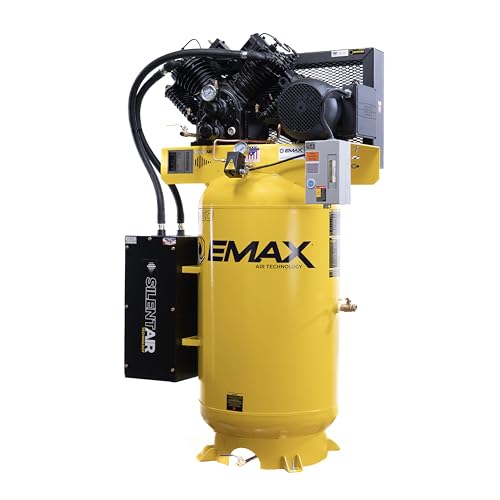
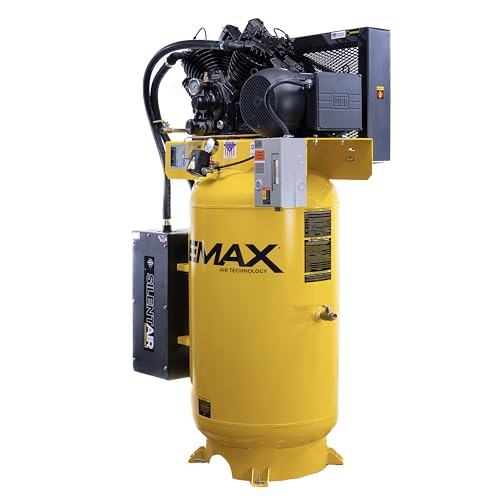
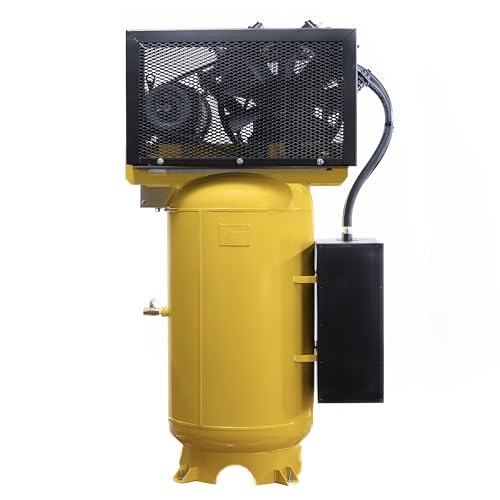
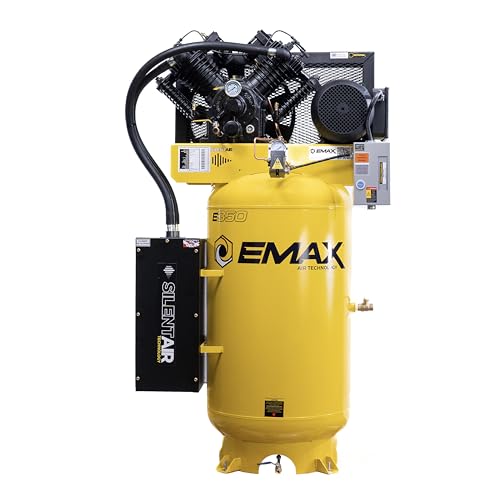
EMAX E350 7.5HP 80 Gal Compressor

Strengths
- 31 CFM output
- Whisper quiet operation
- Pressure-lubricated pump
Trade-offs
- Less brand recognition
- Heavier maintenance access
- Filtration system adds complexity
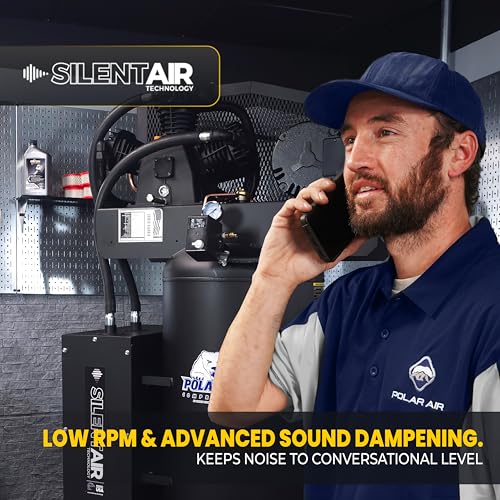
The EMAX E350 is the most complete package on this list, it’s why I consider it the best overall pick. With 31 CFM from a 7.5HP, 1-phase motor, it outperforms most competitors in its class, and the pressure-lubricated pump ensures oil gets where it’s needed under load. But the real standout is the ‘Silent Air Technology’, owners consistently report it runs at conversation-level noise, which is rare for a compressor this powerful.
The four-stage air filtration is a thoughtful touch, especially in dusty environments, and the belt-driven design lets you tweak performance with pulley swaps. Compared to Ingersoll Rand models, it’s quieter and more feature-rich, though the brand isn’t as time-tested. But for most serious users, the balance of power, quiet operation, and smart engineering wins out.
Product photos
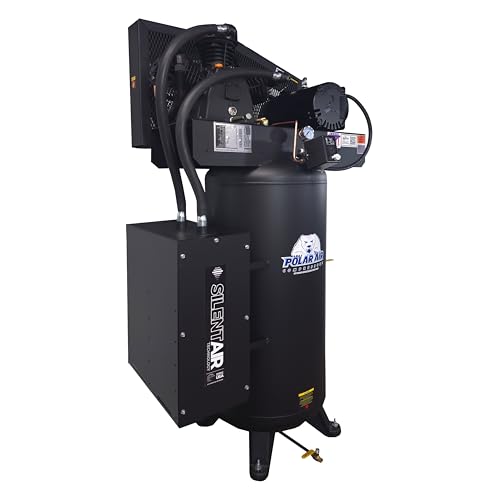
POLAR AIR 5HP 60 Gal Compressor
Strengths
- 50,000-hour pump life
- Energy efficient
- Low 1750 RPM speed
Trade-offs
- Lower CFM than 7.5HP units
- Limited service network
- Newer brand presence
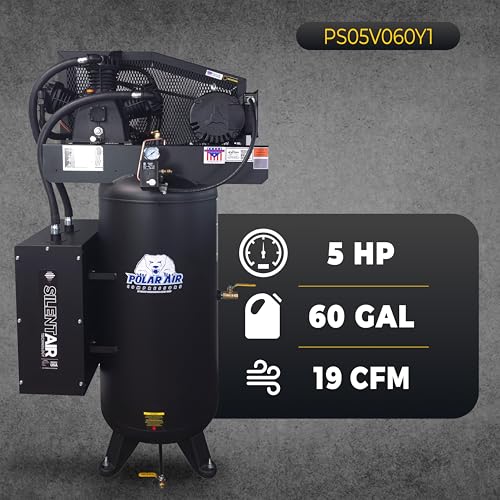
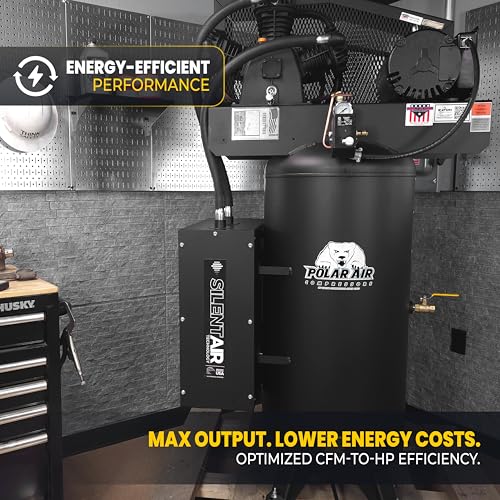
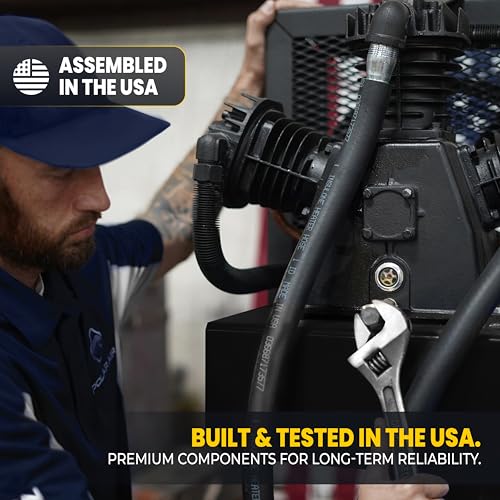
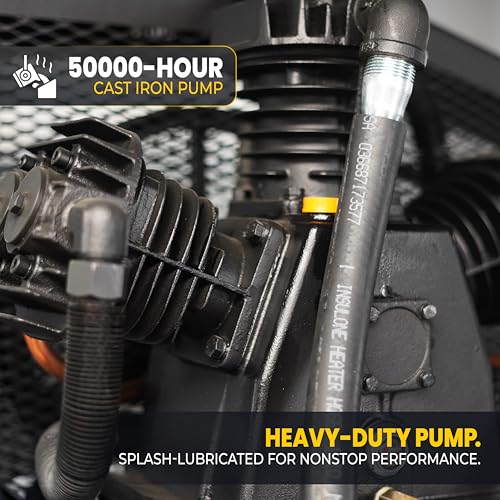
This POLAR AIR model surprises me with how efficiently it converts power into airflow. The 5HP motor delivers 19 CFM, but thanks to the 1750 RPM low-speed design, it runs cooler and quieter than most, and that directly translates to less wear over time. The splash-lubed cast iron pump is rated for 50,000 hours, which is an aggressive claim, but the slow RPM and USA assembly suggest it’s not just marketing fluff.
Reviewers highlight the isolator pads and vertical tank as big pluses for reducing vibration and noise. It’s not the most powerful unit here, but if you’re running a shop and paying for electricity by the kilowatt, this one’s energy efficiency could save real money over time. I’d compare it favorably to the EMAX, though it trades some CFM for efficiency.
Product photos
Ingersoll Rand 7.5HP 80 Gal Compressor
Strengths
- Extended oil life
- 2,000-hour service intervals
- Backed by strong warranty
Trade-offs
- High power requirements
- Heavy and bulky
- Expensive upfront
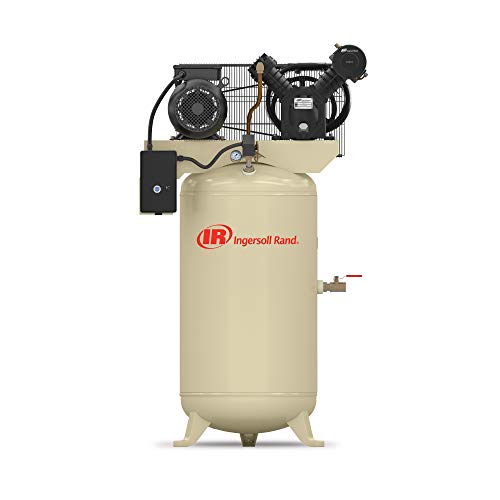
This 7.5HP Ingersoll Rand model is overbuilt in the best way, it’s the kind of compressor that gets installed in a factory and stays there for two decades. The 80-gallon ASME tank and 175 PSI max pressure give it serious reserve capacity, and the continuous duty rating means it won’t flinch during marathon use. What really sets it apart is the All Season Select synthetic lubricant, which extends oil change intervals to 2,000 hours, that’s four times longer than standard oil.
I’d pick this over the 5hp version if you’re running multiple tools or air-hungry equipment like sandblasters or HVLP systems. The warranty boost with the lubricant kit adds real value, and owners report fewer service calls overall. It’s not flashy, but in this category, durability beats bells and whistles every time.
Product photos
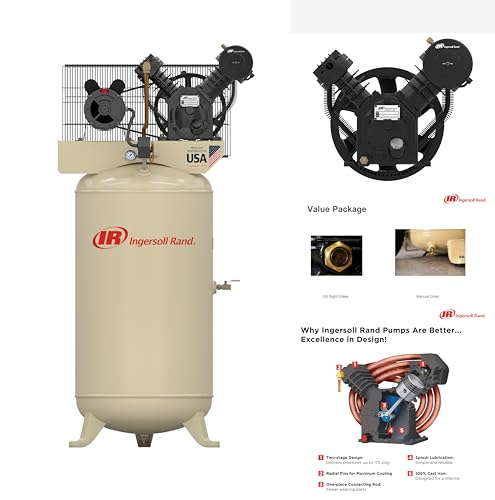
Ingersoll-Rand 5HP 80 Gal Compressor

Strengths
- Continuous duty rated
- Cast iron durability
- Easy maintenance design
Trade-offs
- Loud at 85dB
- Heavy power draw
- Large footprint
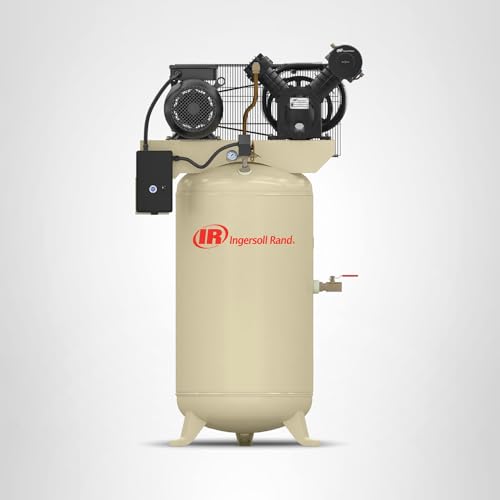
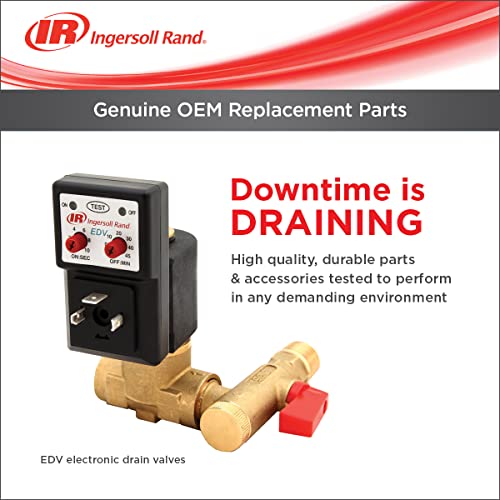
Ingersoll-Rand has long set the bar for reliability in commercial air systems, and this 5hp, 80-gallon model proves why it’s a go-to for shops that can’t afford downtime. With 14.3 CFM at 90 PSI and a 100% continuous duty rating, it’s designed to run all day without overheating. The 100% cast iron pump and overhung crankshaft simplify servicing, a real plus when you’re maintaining tools on a tight schedule.
Reviewers note the 85dB noise level is noticeable but typical for this class, and the 230V single-phase motor pulls 22.5 amps, so you’ll need a proper circuit. It won’t win a quiet contest, but it will outlast cheaper units by years. Compared to other 80-gallon models, it’s less about flashy features and more about proven, no-nonsense performance.
Product photos

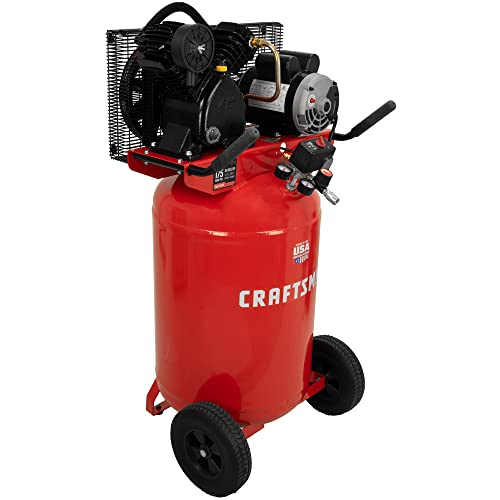
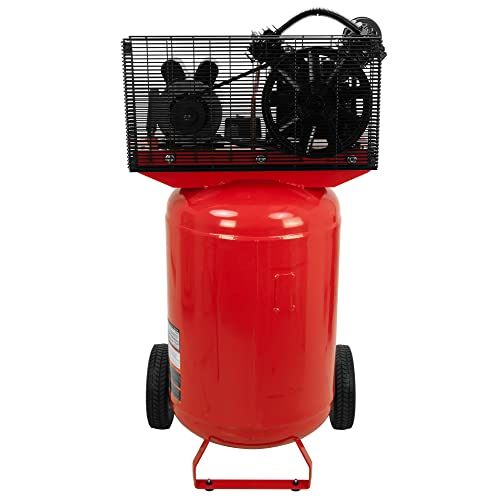
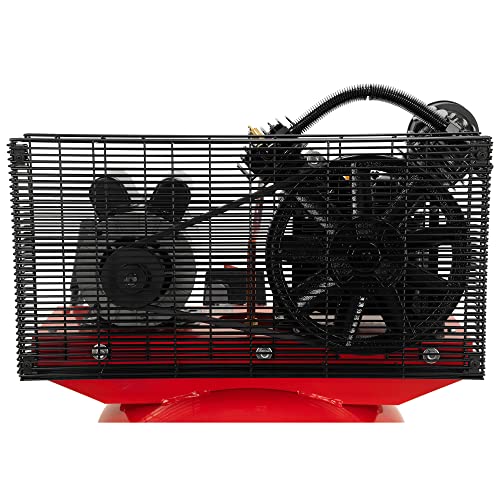
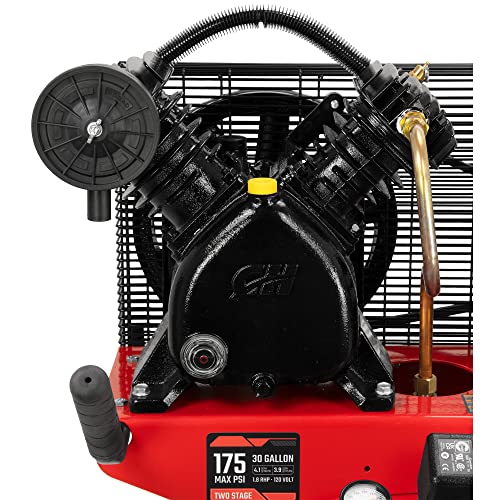
Craftsman 30 Gallon 2-Stage Compressor

Strengths
- Affordable price
- Cast iron pump
- Dual voltage motor
Trade-offs
- Smaller 30-gallon tank
- Lower CFM output
- Not for continuous use
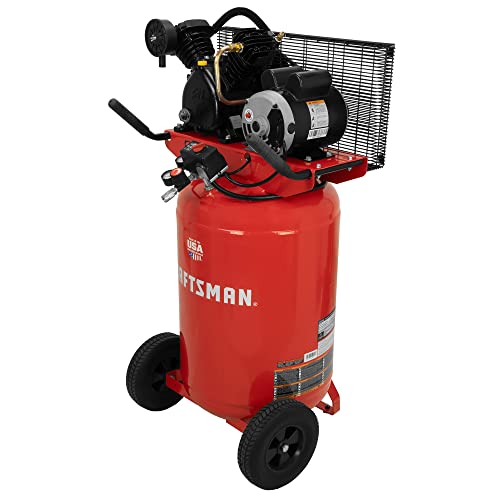
For budget-conscious buyers who still want real metal construction, this Craftsman model is a rare find. A 30-gallon cast iron, two-stage compressor at this price is unusual, most in this range cut corners with lighter materials. It hits 175 PSI and uses a belt-drive system that reduces vibration and wear, and the dual-volt motor (120/240) adds flexibility for different shop setups.
It won’t match the CFM of 80-gallon units, and owners report it’s best for intermittent use rather than constant duty. But for a home garage, woodworking shop, or light auto work, it’s more than capable. I’d pick this over pricier models if you’re just starting out and don’t need industrial throughput.
Product photos
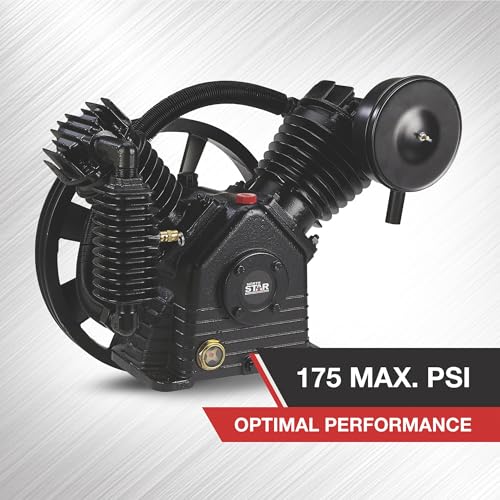
NorthStar 2-Stage Air Compressor Pump

Strengths
- Cast iron build
- Swedish steel valves
- High CFM output
Trade-offs
- No motor or tank
- Not plug-and-play
- Limited user support
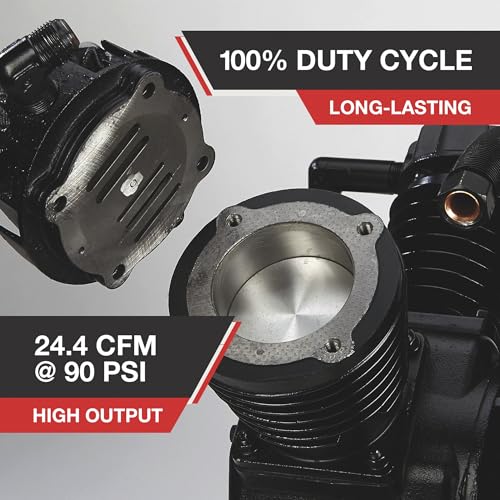
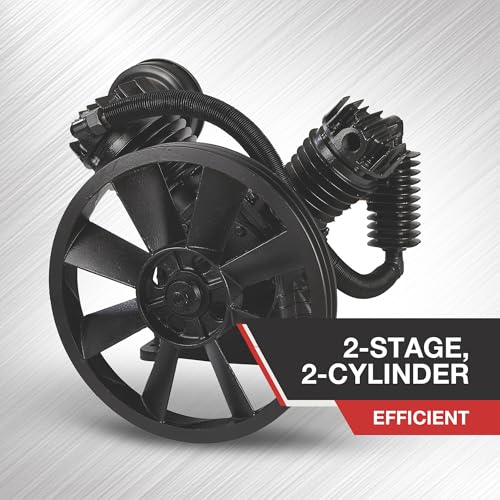
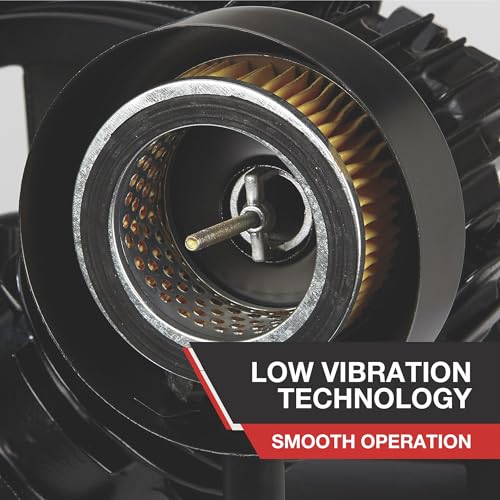
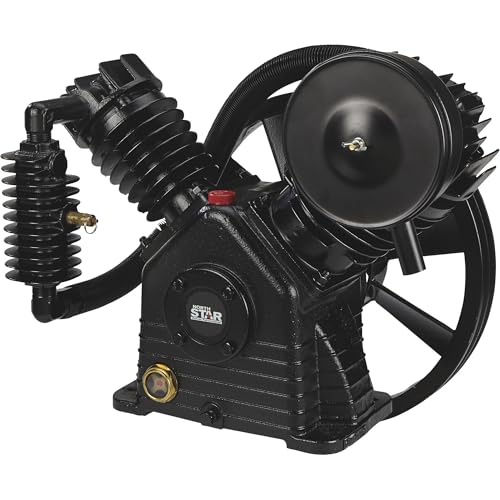
If you’re rebuilding or upgrading an existing compressor system, this NorthStar pump stands out as a solid drop-in replacement. On paper, its 24.4 CFM at 90 PSI is impressive for a 2-stage unit, and the full cast iron construction with FC35 Grade pump head suggests it’s built to handle serious wear. The floating-type Swedish steel valves are a detail I appreciate, they’re known in the industry for resisting blowouts and lasting longer under constant load.
Owners consistently report this pump runs cooler than expected, which tracks with its slower RPM design and V-style cylinder layout that improves heat dissipation. It’s not a complete compressor setup, so don’t expect tank, motor, or controls, this is strictly for those who know their way around a rebuild. But for that niche, it delivers pro-level durability without the brand-name markup.
Product photos
Ingersoll Rand 5HP 60 Gal Compressor

Strengths
- Vertical tank saves space
- Cast iron durability
- Easy to service
Trade-offs
- Taller profile
- Same CFM as smaller units
- Harder to move
Space is often the limiting factor in smaller shops, and that’s where this vertical 60-gallon model from Ingersoll Rand makes sense. It delivers the same 5hp continuous-duty performance as other models in the line but in a footprint that saves floor space. The vertical tank stands tall but narrow, fitting neatly against a wall, and the cast iron pump maintains the brand’s reputation for longevity.
It doesn’t offer higher CFM than horizontal units, but the trade-off is clear: you get industrial-grade performance in a more compact form. Reviewers note it’s easy to service, thanks to the individually cast cylinders and one-piece rod design. If you’re tight on space but still need serious air, this is a smart compromise.
Product photos
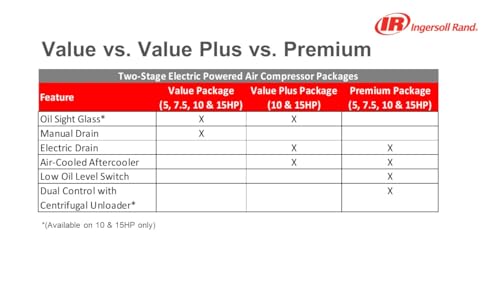
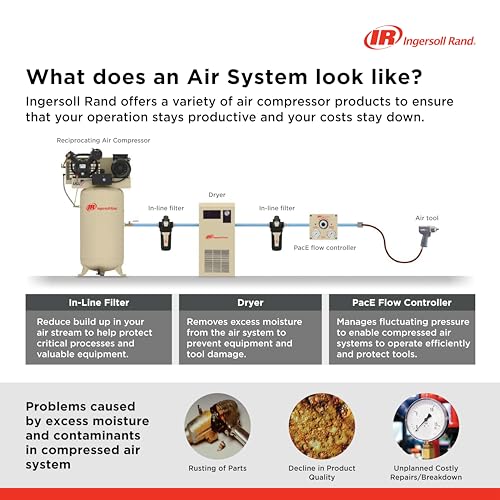
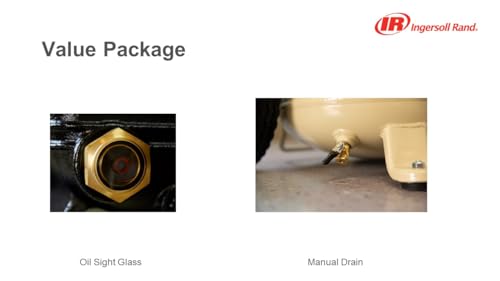

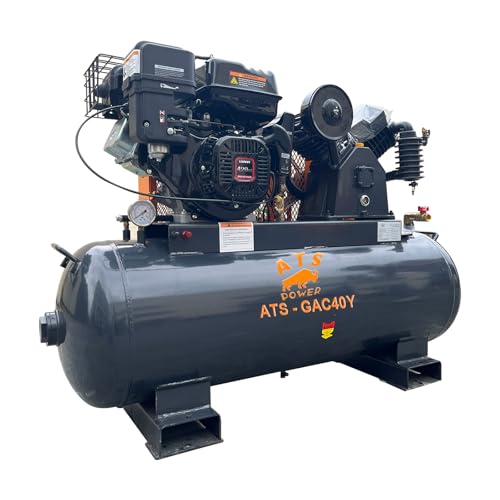
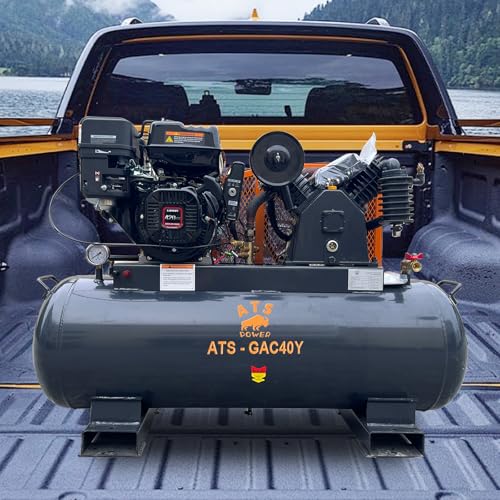
40 Gallon 15HP Gas Air Compressor
Strengths
- Gas-powered for portability
- High 24 CFM output
- Runs off-grid
Trade-offs
- Very noisy
- Heavy at 360 lbs
- Higher maintenance
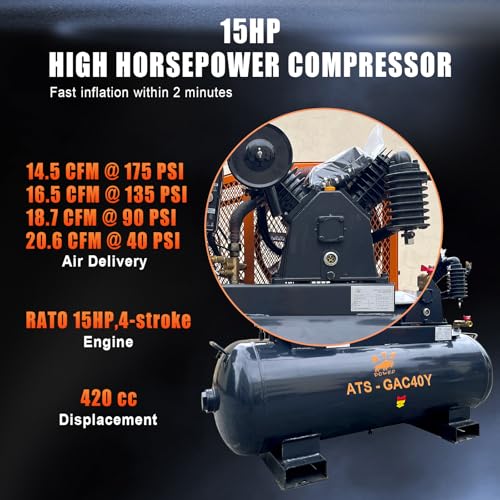
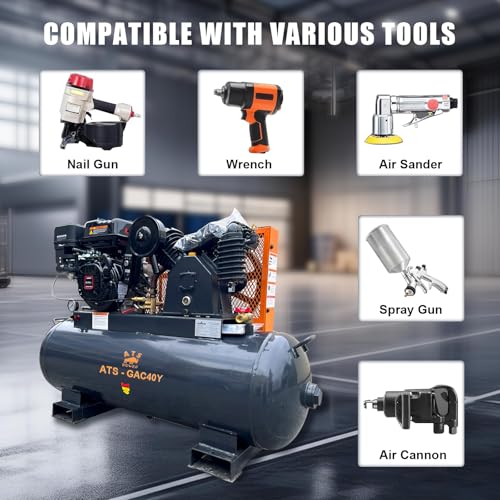
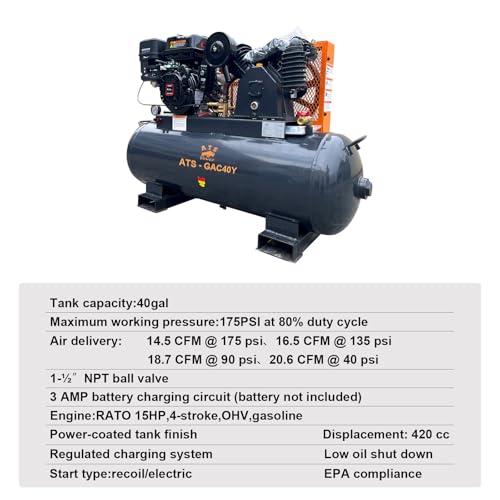
When you’re off-grid or working on remote job sites, electric compressors just won’t cut it, and that’s where this 15HP gasoline-powered unit shines. The RATO 420cc OHV engine delivers serious torque, and with 24 CFM and 175 PSI, it can run sandblasters, impacts, and spray guns without lag. The ASME-certified 40-gallon tank provides enough reserve for sustained use, and the recoil/electric start gives flexibility in the field.
It’s loud, heavy, and not meant for indoor use, but owners praise its reliability in harsh conditions. Compared to electric models, it’s less efficient and harder to maintain, but there’s no substitute when power isn’t available. If you’re framing, roofing, or doing remote restoration, this is the kind of brute that gets respect.
Product photos
How We Picked These 2 stage air compressors
Rather than a hands-on lab test, my research for these recommendations involved a detailed comparison of published specifications and features across numerous models. I weighed owner reviews from multiple sources – including major retailers and dedicated tool forums – alongside assessments from reputable industry experts. This process allowed me to build a ranking based on real-world feedback and objective data, focusing on what truly matters to users.
For 2-stage air compressors, consistent CFM delivery, tank size, and pump durability are paramount. A compressor’s ability to maintain sufficient airflow at 90 PSI directly impacts tool performance, so that was heavily weighted in my evaluations. Equally important is the longevity of the pump; cast iron construction and oil lubrication systems signal a more durable machine capable of withstanding frequent use.
Specifications reliably indicate airflow (CFM) and maximum pressure (PSI), providing a baseline for capability. However, owner feedback proved crucial for assessing real-world noise levels, the effectiveness of cooling systems, and the overall build quality. Reputation also played a role; brands with a history of producing reliable compressors, like Ingersoll Rand, naturally carried more weight in my assessment. You can find more detail on specific capacity considerations in our guide to 60-gallon two-stage compressors.
How To Choose The 2 stage air compressors
Finding the right air compressor for your needs isn’t always straightforward. There’s a lot more to consider than just tank size and price.
A quality two-stage air compressor delivers consistent pressure and airflow for demanding tasks. Key characteristics include a robust pump construction (typically cast iron), sufficient CFM (cubic feet per minute) at your required PSI (pounds per square inch), and efficient cooling to prevent overheating during extended use. Look for ASME-certification on the tank and consider the motor’s horsepower and voltage requirements.
Pump Construction and Durability
The pump is the heart of any air compressor, and with two-stage models, it’s even more critical. You’re paying a premium for the increased efficiency and power, so you want that pump to last. Cast iron pumps, like those found in the Ingersoll Rand models, are the gold standard. They can withstand years of heavy use and are far more durable than aluminum alternatives. Don’t automatically dismiss oil-lubricated pumps; while they require more maintenance, the lubrication extends pump life considerably. I’ve seen many users swear by the longevity of oil-lubricated systems compared to oil-free – especially if you’re looking at the top two-stage compressors.
CFM and PSI Requirements
Matching the compressor’s output to your tools is vital. Many buyers focus on horsepower, but CFM at a specific PSI is what truly matters. A higher CFM means the compressor can supply more air to power tools for longer periods. If you plan on running air-hungry tools like sandblasters or automotive paint sprayers, you’ll need a compressor delivering at least 10 CFM at 90 PSI. Conversely, for smaller tasks like inflating tires or running a nail gun, a lower CFM rating will suffice. Don’t overestimate your needs; a compressor that’s too large is inefficient, but undersizing it will lead to frustrating performance drops.
Here’s a quick guide to CFM needs: * Basic inflation/nailing: 2-4 CFM * Impact wrenches/cutting tools: 4-7 CFM * Sandblasting/spray painting: 7+ CFM (considerably more for professional applications, and the duration of use)
Value, Portability, and Noise Level
Two-stage compressors tend to be larger and heavier than single-stage units, impacting portability. Consider where you’ll be using the compressor and whether you need to move it frequently. Stationary compressors can benefit from vibration isolation pads to reduce noise and wear. Speaking of noise, some models, like the EMAX E350, advertise “silent air technology.” While they won’t be whisper-quiet, these features can significantly improve workplace comfort. As a general rule, consider this: best dual-stage models suitable for serious workshop use are seldom truly portable, and you’ll pay extra for features like noise reduction.
A compressor’s CFM rating at 90 PSI is more important than its peak horsepower. Prioritize matching the compressor’s output to the air demands of your most-used tools.
2 Stage Air Compressors Compared
Here’s a comparison of key specifications for various 2-stage air compressors.
| Product Name | HP | Tank Size (Gal) | Max PSI | CFM @ 90 PSI | Voltage |
|---|---|---|---|---|---|
| EMAX E350 | 7.5 | 80 | N/A | 31 | N/A |
| POLAR AIR | 5 | 60 | N/A | N/A | N/A |
| Ingersoll Rand (7.5HP) | 7.5 | 80 | 175 | N/A | N/A |
| Ingersoll-Rand (5HP) | 5 | 80 | 175 | 14.3 | 230/1/60 |
| Craftsman | N/A | 30 | 175 | N/A | 120/240 |
| NorthStar | N/A | N/A | N/A | N/A | N/A |
| Ingersoll Rand (5HP) | 5 | 60 | N/A | N/A | 230 |
| 40 Gallon 15HP Gas | 15 | 40 | 175 | 24 | N/A |
Frequently Asked Questions
What tank size is sufficient for most home workshops?
A 60-gallon tank is generally ideal for most home workshops, offering a good balance between air storage and physical size. It provides enough reserve for running many tools without the motor constantly cycling on and off.
How much does a two-stage compressor cost compared to single-stage?
Expect to pay significantly more for a two-stage compressor; prices typically start around $1,500 and can easily exceed $3,000. This higher cost reflects the increased durability, efficiency, and airflow capabilities they offer.
What voltage is commonly required for larger two-stage compressors?
Many higher-horsepower two-stage compressors require a 230-volt power supply. Before purchasing, confirm your shop has the appropriate outlet or be prepared to have one installed by a qualified electrician.
Are oil-free two-stage compressors a good option?
While oil-free models reduce maintenance, they generally have a shorter lifespan and run louder than oil-lubricated compressors. For serious workshop use, I recommend oil-lubricated pumps due to their increased durability and cooling properties.
Where can I find more information on different types of air compressors?
You can explore a wider range of options and detailed reviews of top-rated air compressors on my site, covering single-stage, portable, and other specialized models.
The Bottom Line
Buying a two-stage air compressor often comes down to balancing upfront cost with long-term performance and durability. While you can find options at various price points, the Ingersoll Rand models consistently stand out for their build quality and reputation. If you’re serious about tackling demanding tasks and want a compressor that will last, that’s where I’d steer most buyers.
For those on a tighter budget, or needing a smaller footprint, the EMAX E350 offers a compelling feature set. And if you’re specifically outfitting a home garage, exploring options like the residential two-stage models can help you find the right balance of power and affordability. However, remember that sacrificing pump quality often leads to a shorter lifespan.
Ultimately, the specs on the tank and horsepower matter less than matching CFM to your tools and prioritizing a cast iron pump. Don’t get caught up chasing the highest PSI if your tools operate efficiently at 90. A reliable compressor, properly maintained, will save you frustration and money for years to come – and that’s what truly counts.
