8 Best Chainsaw Bars of 2026
This post contains affiliate links. As an Amazon Associate, we earn from qualifying purchases.
The Oregon 20-Inch Bar & AdvanceCut Chain stands out as the best overall choice for most users, offering reliable performance and solid build quality. For budget-conscious buyers, the 14-Inch Bar & Chain Combo delivers solid value without sacrificing compatibility, while the Oregon 18-Inch S55 Combo is a strong pick for those needing a lighter bar with low kickback for frequent use.
If you’ve ever replaced a worn bar only to find your saw underperforming or the chain derailing, you know how critical the right bar is. It’s not just about size, the wrong specs can lead to poor cuts, excess wear, or even safety hazards.
In this guide, I break down the top chainsaw bars based on compatibility, construction quality, and real-world feedback. After reviewing specs and user experiences across dozens of models, these picks stand out for delivering consistent performance and durability where it matters most.
Top 8 Chainsaw Bars in the Market
The Best Chainsaw Bars, Reviewed
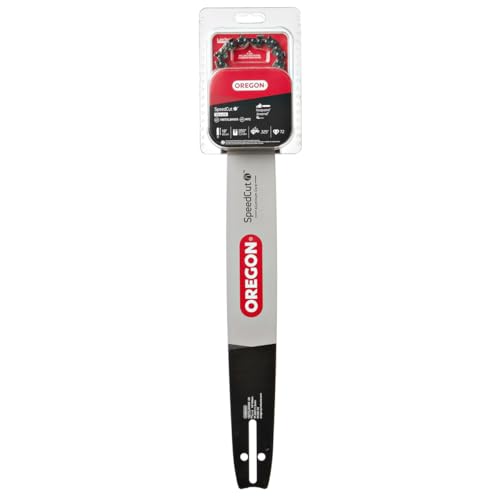
Oregon 18-Inch Bar & M72 Chain Combo
Strengths
- LubriTec oiling system
- Low vibration
- Wide Husqvarna compatibility
Trade-offs
- Not for larger saws over 55 cc
- Slightly higher price
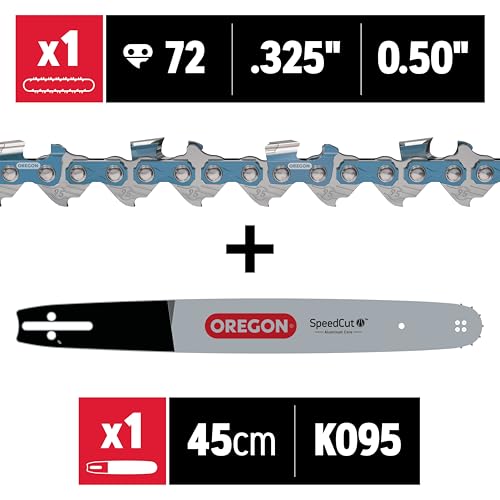
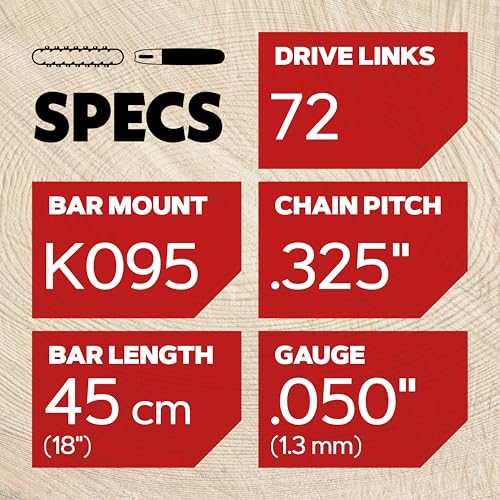
If you’re running a mid-sized saw between 38 and 55 cc, this Oregon combo hits the sweet spot of performance, safety, and ease of maintenance. The M72 SpeedCut chain with LubriTec oiling is a standout, owners report noticeably less friction and longer bar life, especially when cutting dry or dense wood. The .325” pitch and .050” gauge are well-matched for this class, and the low-vibration design makes it comfortable during extended use.
It’s compatible with a broad range of Husqvarna models, which makes it a go-to upgrade for owners stepping up from stock components. Compared to budget bars, this one holds alignment better and resists gouging. I’d pick this over generic kits any day for its consistent build quality and real-world durability.
Product photos

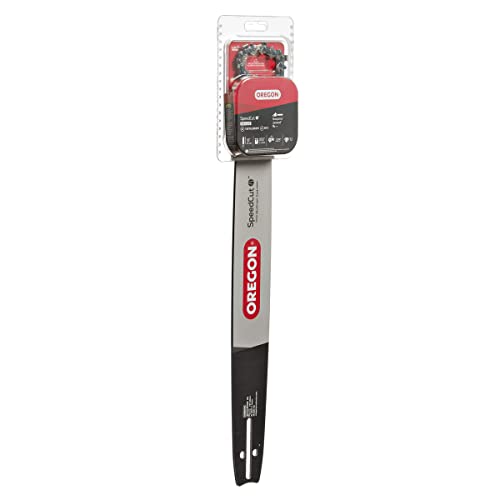
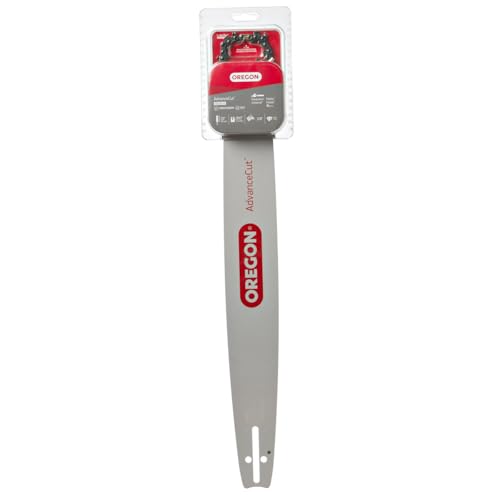
Oregon 20-Inch Bar & AdvanceCut Chain
Strengths
- Ideal for large tasks
- LubriTec oiling
- Stable cutting
Trade-offs
- Heavier than shorter bars
- Requires more power
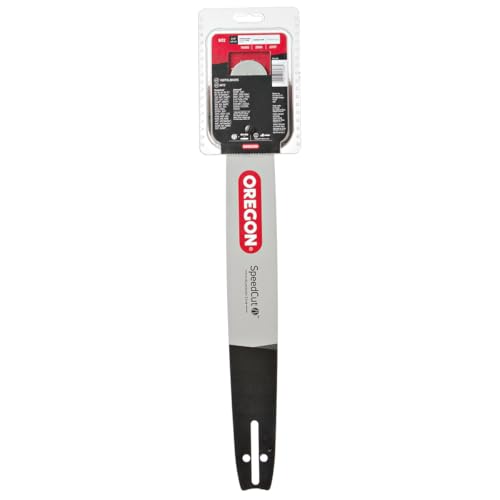
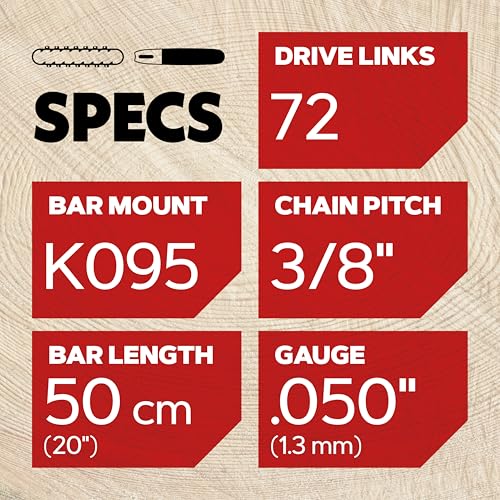
When you need reach and reliability for big jobs, this 20-inch combo delivers. The 72-link, 3/8” pitch setup is a common standard for saws up to 60 cc, and the K095 mount ensures compatibility with many Husqvarna and Poulan models. Owners using it for storm cleanup or tree removal praise its stability during long cuts, the bar resists bending, even under load.
The AdvanceCut chain with low kickback and LubriTec oiling makes this a safe, efficient choice for sustained work. Compared to the 18-inch versions, it trades a bit of maneuverability for serious cutting capacity. For anyone tackling large limbs or felling medium trees, this is the logical step up.
Product photos

Oregon 18-Inch Bar & S55 Chain Combo

Strengths
- Low kickback design
- Reversible bar
- LubriTec oiling
Trade-offs
- Not for heavy use
- Limited to 42cc saws
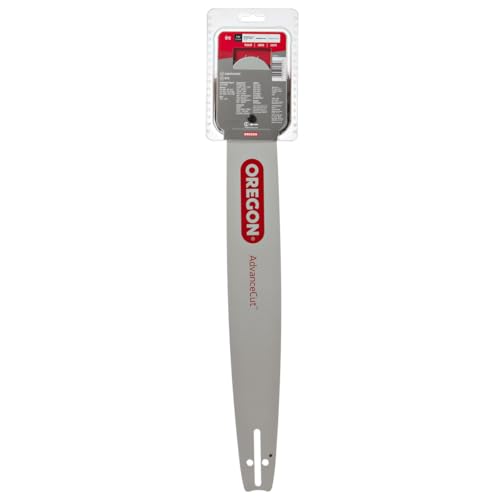
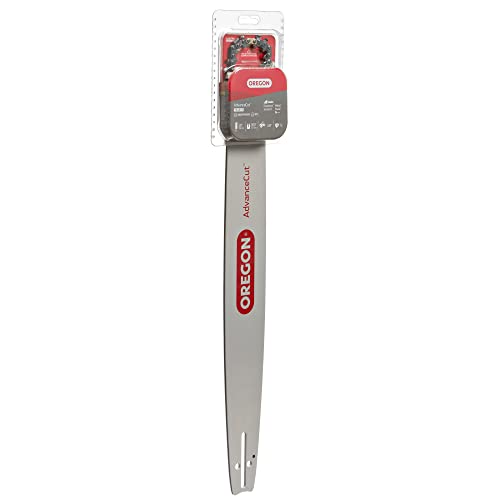
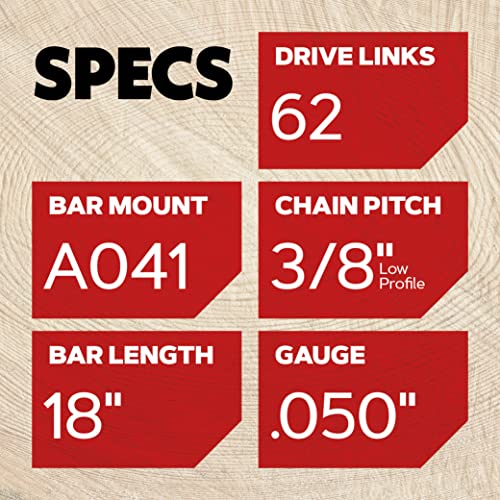
This 18-inch combo is a smart pick for homeowners and occasional users who need dependable performance without overpaying. The AdvanceCut chain with low kickback and LubriTec oiling delivers safer, smoother cuts, something multiple owners highlight when using it on Echo or Ryobi saws. At .050” gauge and 3/8” pitch, it’s a standard setup that’s easy to replace and maintain.
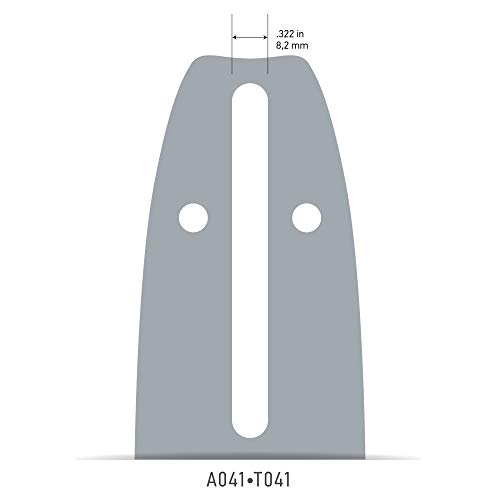
It’s not built for all-day cutting, but for weekend chores like limbing or splitting firewood, it holds up well. The reversible bar helps extend life, and the A041 mount fits a wide range of entry-level saws. For most casual users, this is the easy pick over pricier pro-grade bars.
Product photos
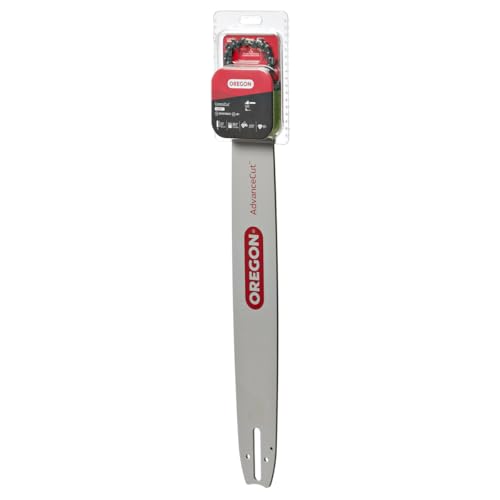
Oregon 20-Inch Bar & L81 Chain Combo
Strengths
- Built for heavy-duty Stihls
- LubriTec oiling
- Durable chain
Trade-offs
- Obsolete gauge for newer models
- Limited compatibility
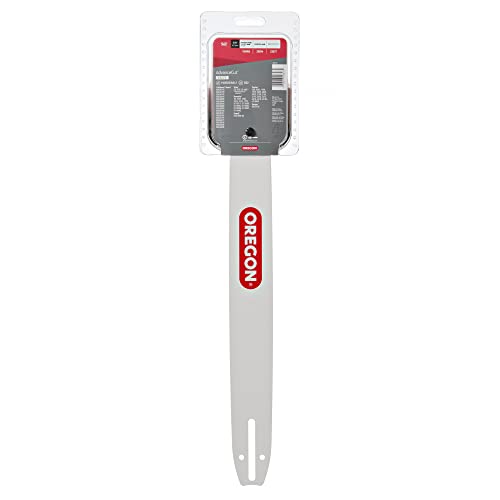
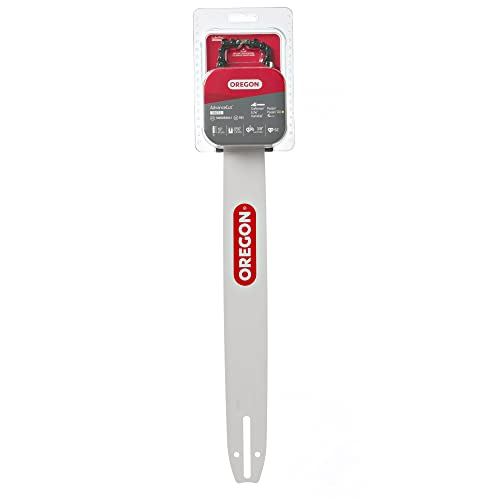
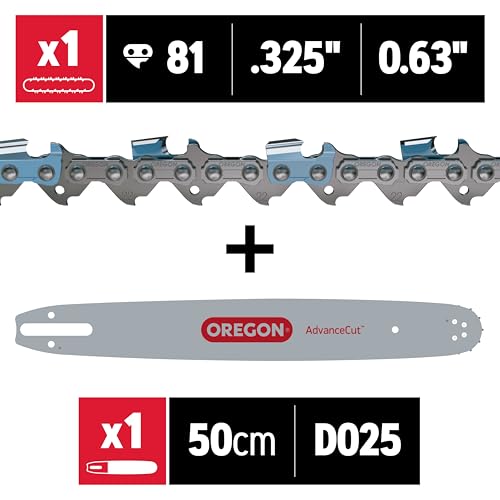
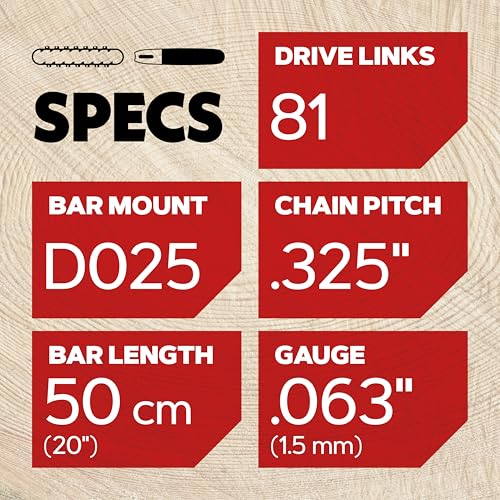
This combo is engineered for Stihl owners running older, heavy-duty models like the MS 260 or 028, where .063” gauge chains are still standard. The L81 chain with LubriTec oiling stands up well under sustained use, and reviewers note it runs smoother and lasts longer than stock chains. The .325” pitch and 81-drive-link setup are ideal for powerful saws up to 62 cc.
It’s a niche product, newer Stihl models have moved to .050” gauge, so this won’t fit everything. But if you’re maintaining an older workhorse, this kit keeps it running like new. The bar resists deflection during deep cuts, which is critical when felling large timber.
Product photos

Husqvarna 18-Inch X-Force Bar
Strengths
- Precision fit for Husqvarna
- Bearing-supported nose
- No-grease hole
Trade-offs
- Brand-locked compatibility
- No chain included
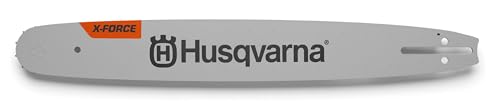
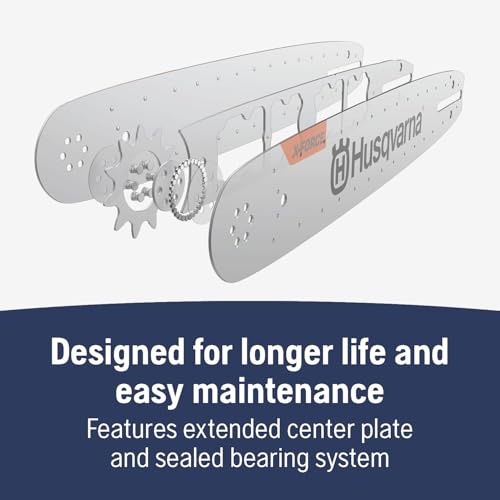
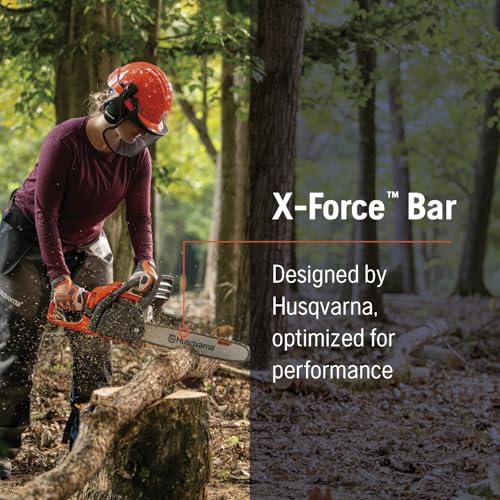
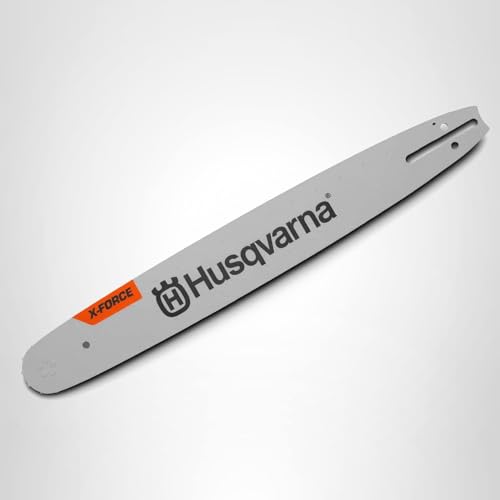
This is a no-nonsense OEM-grade bar built specifically for Husqvarna owners who want precision and reliability. The X-Force bar uses hardened materials and a bearing-supported nose, which owners say reduces chain drag and improves oil distribution, a real plus for maintaining cutting speed and chain life. The no-grease-hole design is a small but smart touch, keeping dirt out of the sprocket and cutting down on maintenance.
It’s not flashy, but for users with a 435, 440, or 550XP, this bar fits like factory original and often outlasts third-party alternatives. Compared to Oregon’s similar offerings, it’s slightly more rigid but less flexible in cross-compatibility. If you own a Husqvarna, this is the smarter buy.
Product photos
14-Inch Bar & Chain Combo
Strengths
- 4 chains included
- Anti-clog design
- Easy installation
Trade-offs
- Short bar length
- Not for heavy tasks
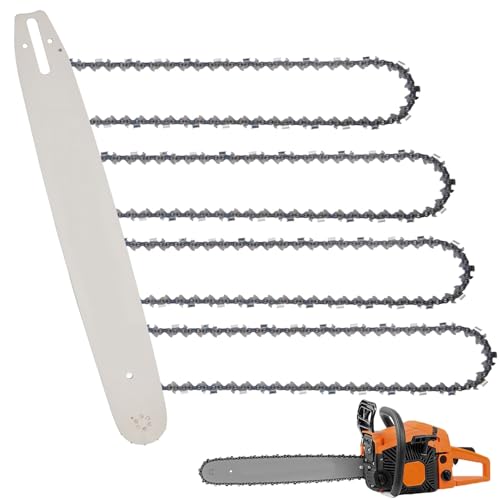
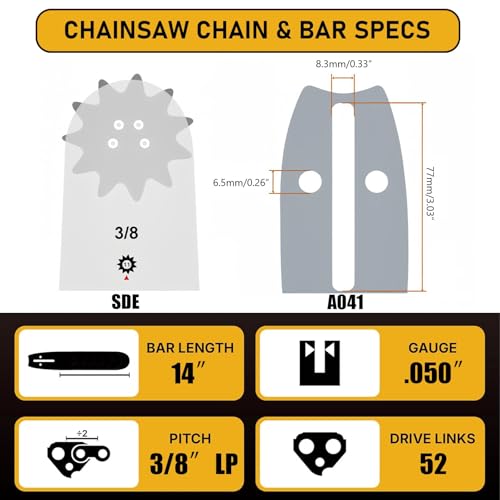
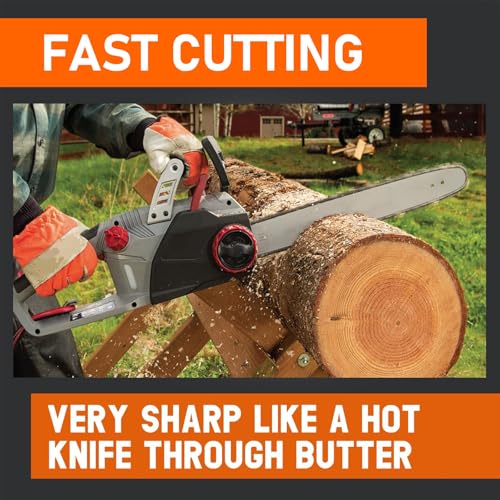
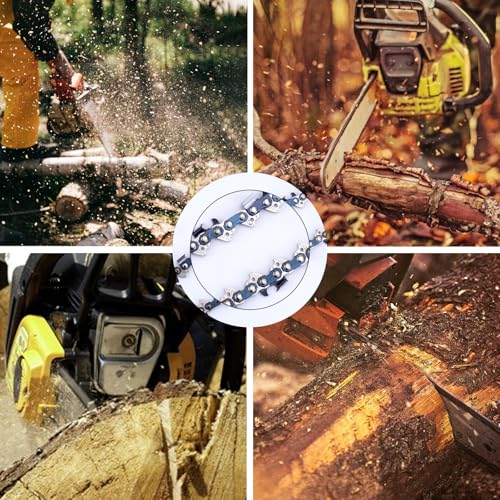
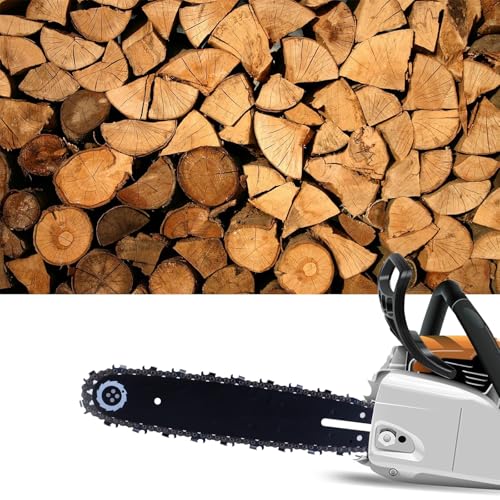
This compact kit is ideal for users with smaller electric or gas saws who need an affordable, reliable upgrade. The 4-chain bundle adds serious value, having spares on hand means less downtime. The .050” gauge and 3/8” LP pitch match common lightweight models like the Ryobi RY3714 and Echo CS-310, and owners appreciate the anti-clog design for cleaner cuts in softwood and branches.
It’s not meant for felling trees, but for trimming, pruning, or cutting firewood, it performs well. The pre-sharpened carbide chains hold an edge longer than standard versions, and installation is truly tool-free. For the price, it’s hard to beat this level of convenience and durability.
Product photos
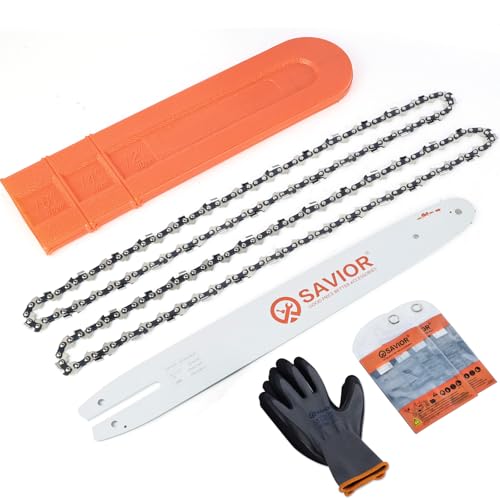
Savior 16-Inch Bar & R55 Chain Combo
Strengths
- Two chains included
- Lightweight design
- Thorough kit
Trade-offs
- Limited to small Stihl models
- Gloves not cut-resistant
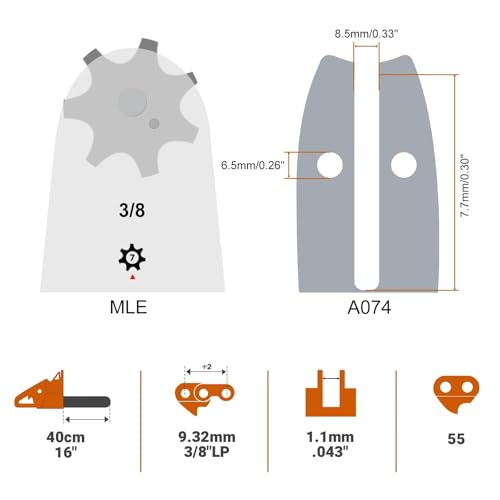
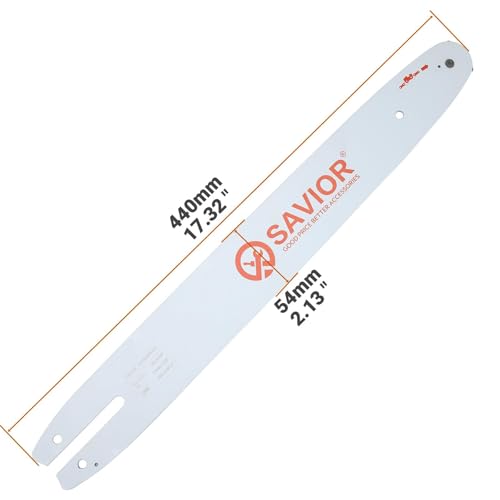
This kit is a solid match for Stihl MS 170, MS 180, and similar small-displacement saws. The .043” gauge is thinner than standard, which means less power draw, perfect for lightweight models that struggle with heavier chains. Owners consistently report smoother starts and cleaner cuts, especially when using the semi-chisel chain on frozen or dirty wood.
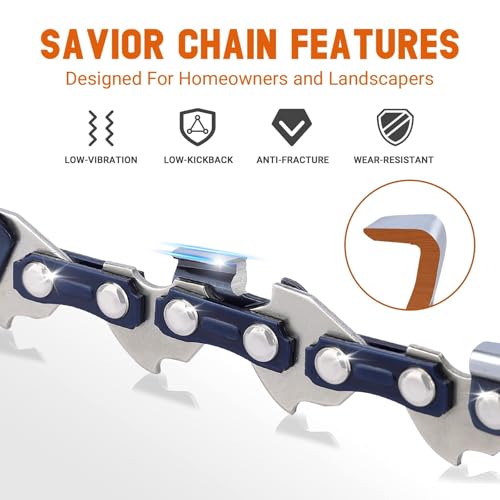
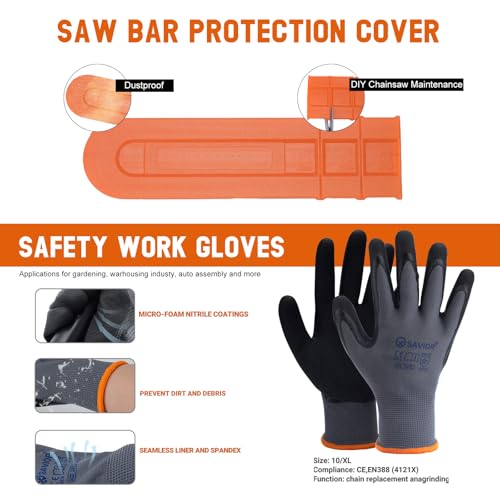
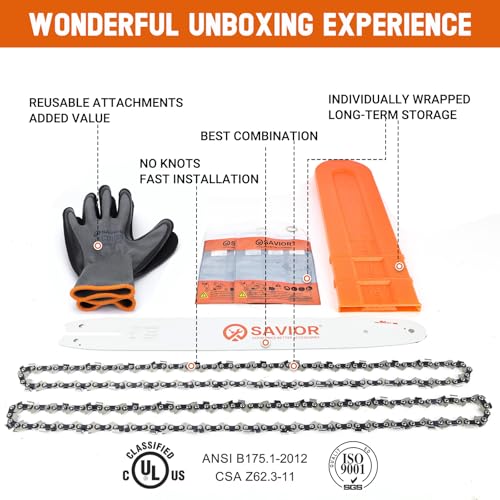
The package adds real value with two chains, gloves, and a bar cover, thoughtful touches for a budget-friendly price. The heat-treated rivets help prevent stretching, and the reversible bar extends service life. While not built for all-day use, it’s reliable for homeowners tackling seasonal firewood or yard cleanup.
Product photos
FORESTER 25-Inch Platinum Bar & Chain
Strengths
- Heat-treated steel
- Replaceable nose
- Made with USA steel
Trade-offs
- Heavy for casual use
- Limited to specific pitch and gauge
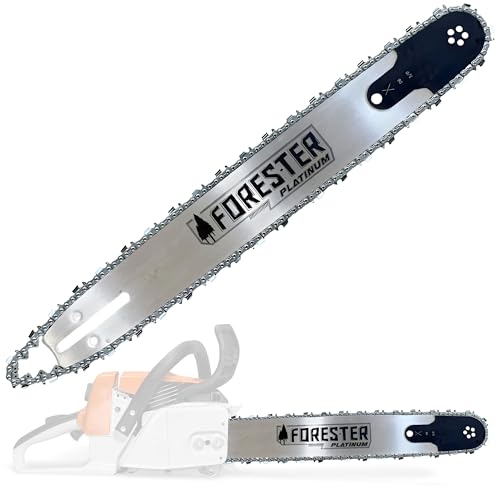
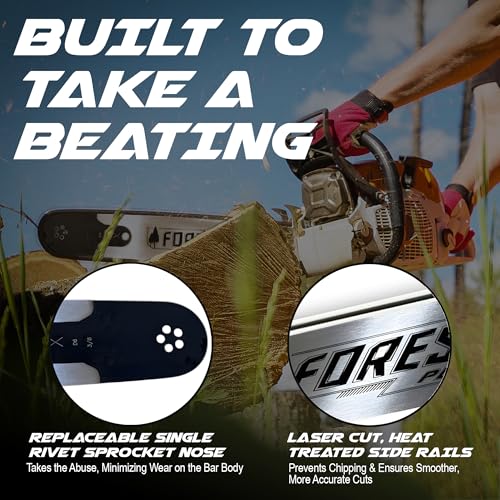
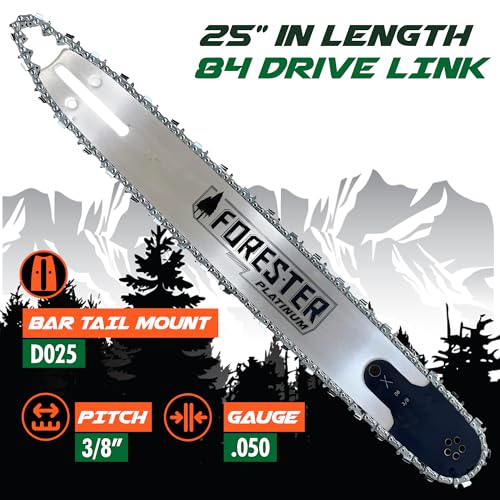
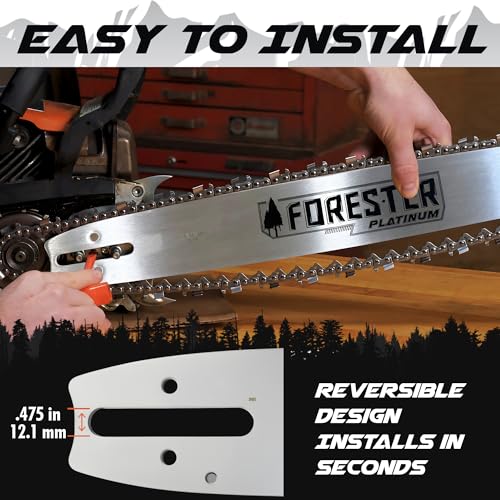
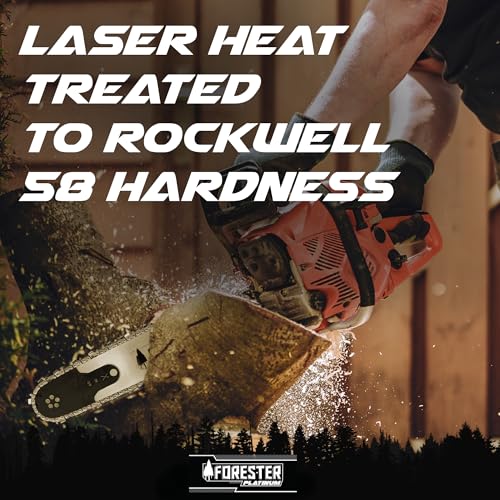
This bar and chain combo is built for pros who demand durability and long service life under heavy use. The heat-treated U.S. steel and Rockwell 58 hardness rating stand out on paper, and owners consistently report less warping and wear compared to standard bars, even after extended logging sessions. With a replaceable sprocket nose and compatibility across a wide range of Stihl models, it’s clearly designed for users who swap out components frequently and need reliability in rugged conditions.
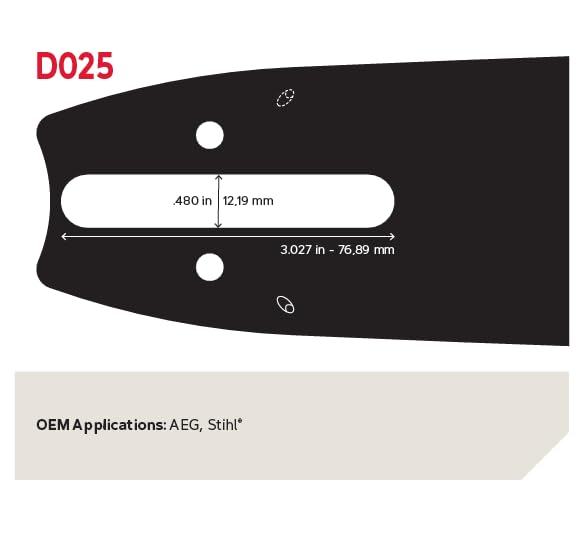
The inclusion of an 84-link chain with the bar is a solid value move, and the D025 mount ensures a secure fit. Reviewers note the clear coating helps resist corrosion better than older-style finishes. For serious woodcutters who run long bars, this combo delivers where it counts, longevity and consistent cutting performance.
Product photos

How We Evaluated chainsaw bars
As someone who’s spent years around power tools and advising folks on what to buy, I know a good chainsaw bar is critical for safe and efficient cutting. Rather than a hands-on lab test with each of these, my approach was research-led. I compared published specifications – pitch, gauge, length, motor mount compatibility – across numerous models. Then, I weighed owner reviews and expert opinions from sites specializing in forestry and woodworking to get a sense of real-world performance and durability.
For chainsaw bars, the most important factors are compatibility with your specific saw and the quality of the materials and construction. A bar that doesn’t fit correctly is useless, and a flimsy bar can bend or break, creating a dangerous situation. Beyond that, the type of chain included significantly impacts cutting speed, kickback, and overall efficiency; a well-matched bar and chain are essential.
Specifications reliably tell you about physical dimensions and intended saw compatibility. However, owner feedback was key to understanding long-term durability, how well the bar holds an edge, and whether the included chain lives up to the manufacturer’s claims. I also considered brand reputation; Oregon is a consistently well-regarded name, and understanding their offerings provided a strong baseline. For those looking to maintain their investment, resources like a chainsaw sharpening guide can extend the life of both the bar and chain.
How To Pick The Right chainsaw bars
Choosing the right chainsaw bar is just as important as selecting the chainsaw itself. A mismatched bar can significantly impact performance, safety, and even damage your saw.
A quality chainsaw bar is constructed from hardened steel, features a precise pitch and gauge matching the chain, and offers a secure mounting system for the saw’s powerhead. Proper length is dictated by the size of trees being felled or the type of work being undertaken, while bar material (laminated vs. solid) affects durability and weight. Regular inspection and maintenance are crucial for safe operation.
Bar Length: Matching the Task
Bar length is the first thing most people consider, and for good reason. A longer bar allows you to cut larger diameter trees, but it also increases the saw’s weight and can be more difficult to maneuver. Don’t simply jump to the longest bar you can find. For most homeowners tackling basic yard work – limbing, small tree felling – an 18-inch to 20-inch bar is more than sufficient. Professionals felling large timber will, of course, need 24-inch or even longer bars. Remember that a longer bar also means a longer chain, which adds to the cost of replacement. If you’re unsure what length you need, start smaller; you can always upgrade later. I often recommend starting with the manufacturer’s recommended length for your saw model.
Pitch, Gauge, and Drive Links: Ensuring Compatibility
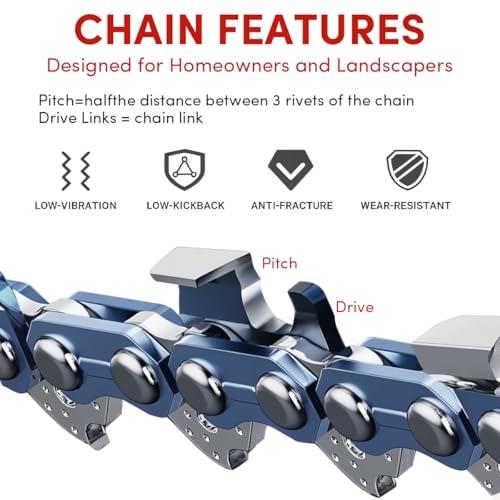
These specs are where things get technical, but they’re vital. Pitch refers to the distance between the chain’s cutters, gauge is the thickness of the chain, and drive links determine the chain’s length. These must match your chainsaw’s specifications. Using an incompatible chain can damage the sprocket, reduce cutting efficiency, and create a dangerous situation. Most modern chainsaws use either a .325-inch or a 3/8-inch pitch. Gauge is commonly .050-inch for homeowner saws and .055-inch or .063-inch for professional-grade saws. You’ll find this information in your chainsaw’s manual. The number of drive links is also critical; a mismatch will mean the chain doesn’t fit properly on the bar. A good starting point for understanding these details is reviewing chainsaw bar selection criteria.
- Incorrect pitch will cause the chain to ride too high or too low, leading to inefficient cutting.
- An incorrect gauge will prevent the chain from seating properly in the bar’s groove, increasing friction and wear.
- Getting the drive link count wrong means the chain won’t wrap around the bar correctly, making it impossible to assemble and use safely.
Bar Material and Construction: Balancing Durability and Weight
Chainsaw bars are generally made from either laminated steel or solid steel. Laminated bars are constructed from multiple layers of steel, making them lighter and more flexible. This flexibility can reduce the risk of kickback, but they are generally less durable than solid bars. Solid bars are heavier but offer superior strength and are better suited for demanding applications. For occasional use around the property, a laminated bar is usually sufficient. However, if you’re a professional logger or frequently fell large trees, a solid bar is the way to go. Don’t underestimate the importance of a well-maintained bar; learning how to start a chainsaw safely is also crucial before you begin any work.
A general rule of thumb: if you’re consistently bending or damaging your bar, it’s time to upgrade to a heavier-duty solid steel option.
Chainsaw Bars Compared
Here’s a comparison of key specifications for the chainsaw bars featured in this guide.
| Product Title | Bar Length (Inch) | Pitch | Gauge (Inch) | Drive Links | Motor Mount |
|---|---|---|---|---|---|
| Oregon 18-Inch Bar & M72 Chain Combo | 18 | .325 | .050 | 72 | K095 |
| Oregon 20-Inch Bar & AdvanceCut Chain | 20 | 3/8 | .050 | 72 | K095 |
| Oregon 18-Inch Bar & S55 Chain Combo | 18 | 3/8 LP | .050 | 62 | A041 |
| Oregon 20-Inch Bar & L81 Chain Combo | 20 | .325 | .063 | 81 | D025 |
| Husqvarna 18-Inch X-Force Bar | 18 | .325 | .050 | 72 | N/A |
| 14-Inch Bar & Chain Combo | 14 | 3/8 LP | .050 | 52 | A041 |
| Savior 16-Inch Bar & R55 Chain Combo | 16 | 3/8 LP | .043 | 55 | A074 |
| FORESTER 25-Inch Platinum Bar & Chain | 25 | 3/8 | .050 | 84 | D025 |
Frequently Asked Questions
What bar length should I choose for occasional use around my property?
For most homeowners doing basic yard work like limbing and small tree felling, an 18-inch to 20-inch bar is generally sufficient. Going longer adds weight and makes maneuvering harder without providing a significant benefit for typical tasks.
Can I use any chain with any bar, as long as the length matches?
No, you absolutely must match the pitch and gauge of the chain to your chainsaw and bar specifications. Using an incompatible chain can damage the saw, reduce cutting efficiency, and create a dangerous situation. Refer to your chainsaw’s manual for the correct details.
What’s the difference between a laminated and a solid chainsaw bar, and which is better?
Laminated bars are lighter and more flexible, reducing kickback risk, while solid bars are heavier and more durable. For infrequent use, laminated is fine; however, professionals or those tackling tough jobs should opt for solid steel.
What does “pitch” and “gauge” mean when referring to a chainsaw chain, and why are they important?
Pitch is the distance between the chain’s cutters, and gauge is the chain’s thickness. These measurements determine chainsaw chain compatibility with your bar and sprocket, and mismatches lead to poor performance and potential damage.
How can I extend the life of my chainsaw bar?
Regular cleaning, sharpening of the chain, and proper storage are essential. Keeping the bar groove clear of debris and using a quality bar oil will significantly reduce wear and tear. Also, considering one of the recommended chainsaw chain models can help maintain performance.
The Bottom Line
Choosing a chainsaw bar always comes down to balancing what you want to do with what you’re willing to spend and how much effort you’ll put into maintenance. For most people, the Oregon 18-Inch Bar & M72 Chain Combo offers the best overall combination of quality, compatibility, and price – a solid choice that will handle the majority of homeowner tasks effectively.
If you have very specific needs, there are excellent options tailored to those scenarios. For those on a tighter budget, the 14-Inch Bar & Chain Combo provides a functional solution, while the FORESTER 25-Inch Platinum Bar & Chain stands out for professionals tackling large-diameter wood. And if you need a versatile option for smaller saws, the Oregon 18-Inch Bar & S55 Chain Combo is a strong contender.
Ultimately, remember that the bar is just one part of the equation. Regular chainsaw chain maintenance and a thorough understanding of safe operating procedures matter far more than any individual specification or premium feature. Prioritize safety, proper fit, and consistent upkeep, and you’ll get the most out of any bar you choose.
