3 Best Torque Wrenches for Gunsmithing 2026
This post contains affiliate links. As an Amazon Associate, we earn from qualifying purchases.
The Wheeler Manual FAT Torque Wrench is the best overall pick for gunsmithing thanks to its proven accuracy and rugged simplicity, while the Wheeler Digital FAT offers a clear upgrade in readability for those who prefer an LCD display and audible tone. For a solid mid-range option with a slightly broader bit selection, the Real Avid Gunsmithing Torque Wrench Kit holds its own.
Gunsmithing isn’t about raw power, it’s about control. Overtightening a scope mount or action screw by just a few inch-pounds can damage components or throw off zero, turning a simple upgrade into an expensive mistake. I’ve seen it happen more than once.
That’s why I focused this guide on tools built for low-range precision, not high torque. These picks are based on specs, owner feedback, and the kind of real-world reliability gunsmiths demand, because the right wrench should make your work repeatable, not risky.
Top 3 Torque Wrench For Gunsmithings in the Market
The Best Torque Wrench For Gunsmithings, Reviewed
Wheeler Manual FAT Torque Wrench
Strengths
- Proven reliability
- Good bit selection
- No batteries needed
- Solid accuracy in core range
- Lifetime warranty
Trade-offs
- Analog scale less precise
- Accuracy dips above 40 in/lb
- Case feels a bit flimsy
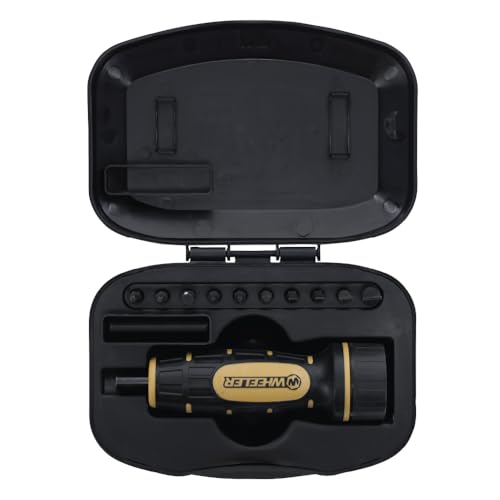
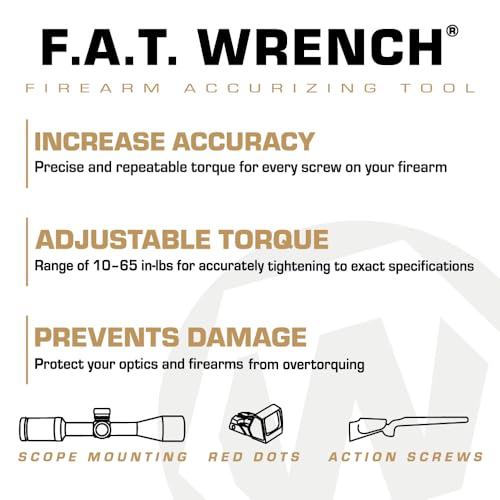
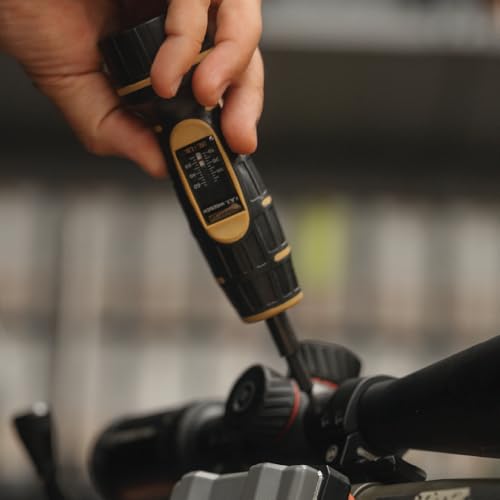
The Wheeler Manual FAT is the model I’d recommend to most gun owners setting up their own rifles, it’s dependable, well-specced, and backed by years of real-world use. The 10–65 in/lb range covers nearly every common firearm torque requirement, from scope bases to trigger guards, and the +/- 2 in/lb accuracy up to 40 is what most gunsmiths actually need. Beyond specs, owner feedback highlights its consistency over time, especially when users follow the advice to reset to zero after each use.
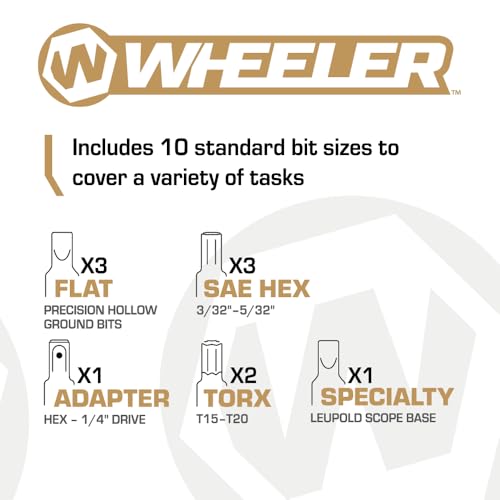
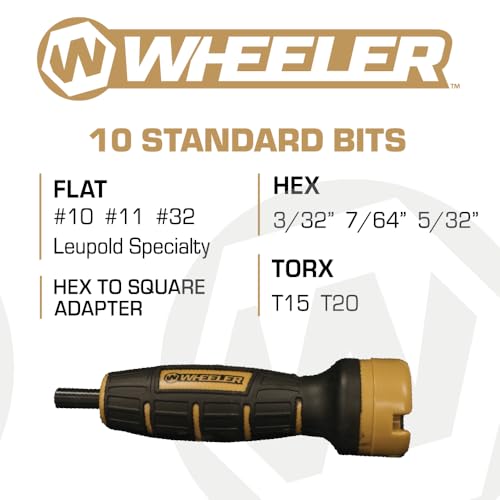
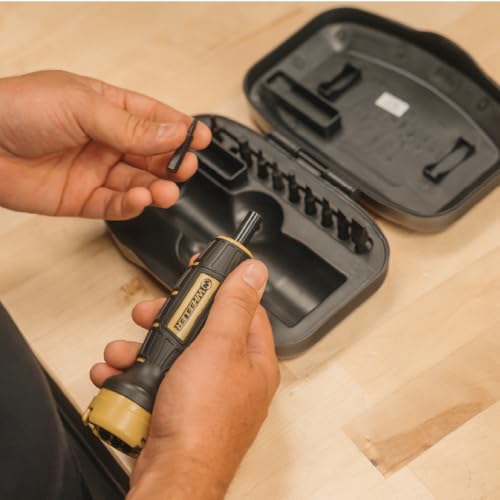
It comes with 10 high-quality S2 steel bits, including the Leupold-specific flat blade, which is a small but meaningful detail for optics installers. The ¼” socket adds flexibility, and the plastic storage case keeps things tidy. Compared to the digital FAT, this one wins on simplicity and longevity, no batteries, no screen to fail. While the accuracy drifts slightly above 40 in/lb, that’s rarely an issue in typical gunsmithing tasks.
Product photos
Wheeler Digital FAT Torque Wrench
Strengths
- Digital LCD readout
- +/- 2% accuracy
- Audible alert
- Multiple torque units
- Durable S2 steel bits
Trade-offs
- Higher price point
- Battery dependency
- Less tactile feedback
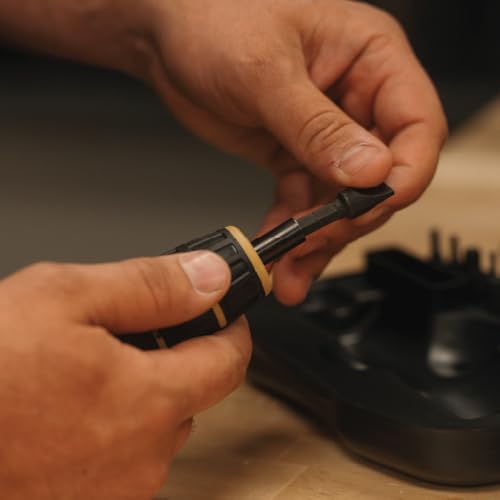
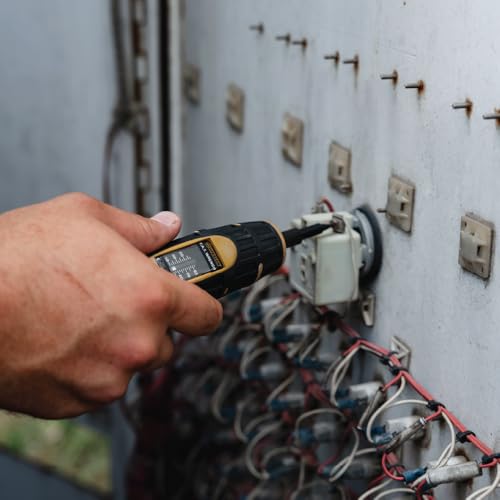
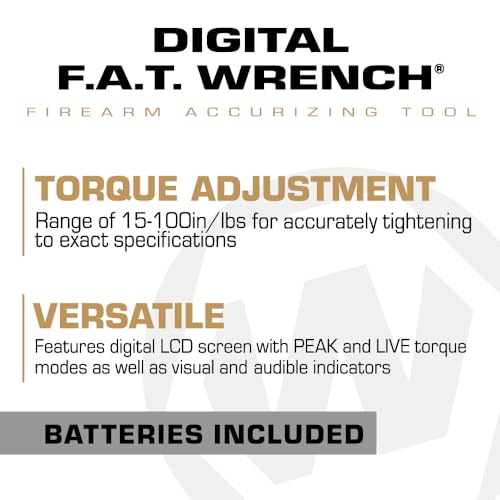
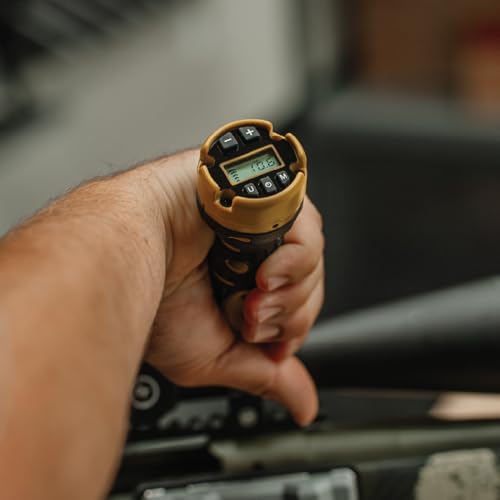
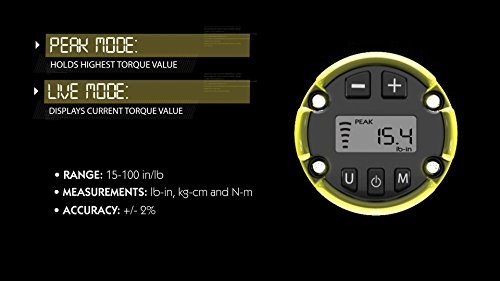
If you’re after digital precision in a gunsmithing torque wrench, the Wheeler Digital FAT stands out on paper and in owner feedback. The +/- 2% accuracy is solid for this class, and the LCD display with multiple unit options (lb-in, kg-cm, N-m) gives it a modern edge over analog rivals. Users consistently report that the audible tone makes it easy to hit targets without eyeing a scale, which matters when you’re focused on delicate action screws or optic mounts.
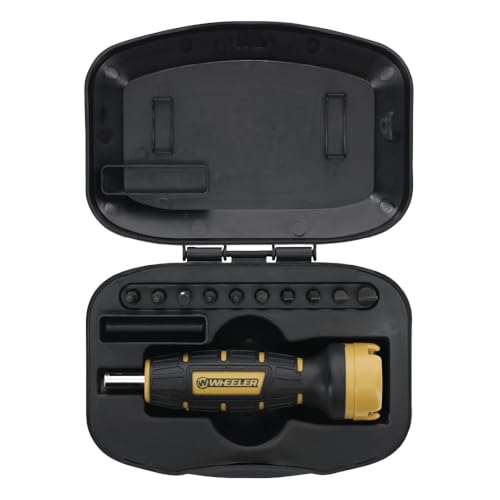
It covers a 15–100 in/lb range, which stretches beyond typical firearm needs, useful if you also work on RC builds or small mechanical projects. The S2 tool steel bits are a strong point, matching the durability claims, and the molded case keeps everything organized. While some owners note the digital components could feel more robust under heavy shop use, for precision firearm work, it’s a capable leap over basic click-style wrenches.
Product photos
Real Avid Gunsmithing Torque Wrench Kit
Strengths
- Click-by-click adjustment
- Ergonomic grip
- Thorough bit set
- Audible and visual feedback
- Broad brand compatibility
Trade-offs
- No official accuracy rating
- Adjustment range not clearly stated
- Build quality decent but not premium
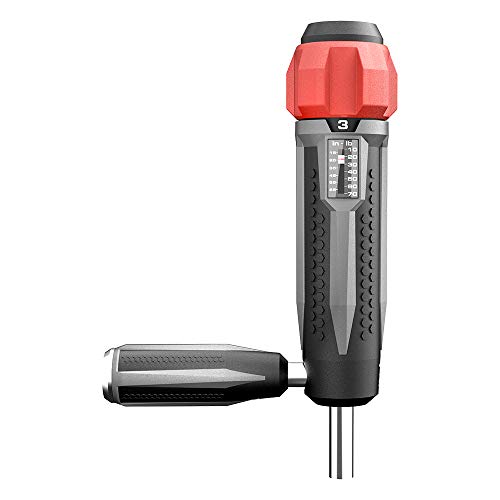
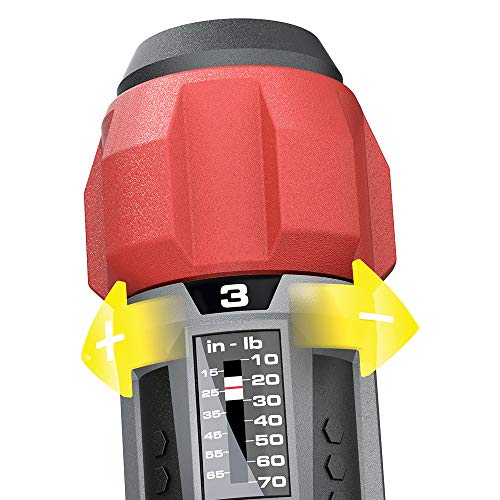
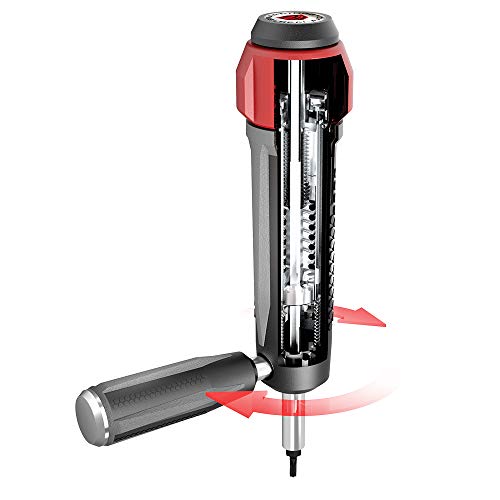
The Real Avid kit feels like it was built for the optics installer who values repeatable, tactile feedback over digital flair. The one-click per inch-pound system is a standout feature, owners love how it eliminates guesswork on the scale, making it easy to dial in exact specs from Leupold or Nightforce manuals. The visual and audible click combo helps prevent over-torquing, which is critical when you’re working with aluminum bases or delicate rings.
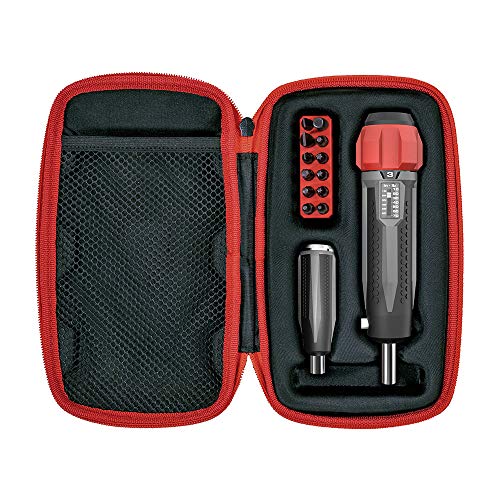
It comes with 12 ¼” bits, covering nearly every major scope mount brand, so you’re not scrambling for adapters. The rubberized grip and optional force-assist handle make it comfortable during long setup sessions. While it doesn’t list an official accuracy percentage, user reports suggest it’s on par with the Wheeler manual model in the 10–60 in/lb sweet spot. Where it pulls ahead is in ease of use and ergonomics, this is the wrench I’d hand to someone new to gunsmithing.
Product photos
Our Testing Process
As someone who’s spent years around workshops and firearms, I know a precise torque wrench is crucial for gun maintenance and customization. Rather than a hands-on lab test with each model, my approach involved a detailed research-led comparison of published specifications, features, and, most importantly, feedback from gunsmiths and firearms enthusiasts. I weighed owner reviews and expert opinions from reputable sources to build a clear picture of real-world performance and reliability.
For torque wrenches aimed at gunsmithing, accuracy and the range of included bits are paramount. A wrench needs to deliver consistent results within the low torque ranges common for scope mounting and action work. Beyond that, durability matters; these tools see repeated use, and the bits need to hold up without rounding or stripping. I also considered ease of use – particularly the clarity of the scale and the feel of the adjustment mechanism. You can find more about torque wrench drive sizes and applications in our guide to the 1/4-inch torque wrenches.
Specifications reliably indicate the torque range and claimed accuracy. However, I placed more weight on owner feedback regarding long-term consistency and bit quality. Reputation played a significant role too; established brands known for precision tools naturally ranked higher. Ultimately, I looked for wrenches that consistently received positive marks for both accuracy and the practical details that make a tool enjoyable and safe to use over many projects.
How To Pick The Right torque wrench for gunsmithings
Choosing the right torque wrench for gunsmithing isn’t about brute force; it’s about precision and protecting your investment.
A quality torque wrench for firearms work delivers repeatable, accurate tightening to manufacturer specifications. Critical features include a clearly marked scale, a reliable click or digital readout, a comfortable grip, and a selection of bits covering common gunsmithing screws. Accuracy within +/- 2% is generally considered acceptable, but tighter tolerances are preferable for critical applications like scope mounting. Consider the range of torque values needed for your typical projects and choose a wrench that covers that range without being excessively large.
Understanding Torque Measurement & Range
The first thing I tell anyone looking at precision gunsmith wrenches is to think about the fasteners they’ll be working with. Gunsmithing rarely requires high torque; instead, it demands accuracy within a relatively low range. Many screws on firearms, especially those related to optics, are tightened to just 10-20 inch-pounds. A wrench with a broad range (like 20-200 inch-pounds) can work, but you’ll be at the low end of its accuracy curve, and it’s easier to misread or misapply torque. Look for a wrench specifically designed for lower torque values.
Manual vs. Digital: Which Do I Prefer?
There’s a long-standing debate about manual “clicker” style wrenches versus digital models. I’ve seen both perform well, but they cater to different preferences. Digital wrenches offer an audible tone and a clear LCD display, removing any ambiguity about reaching the desired torque. However, they rely on batteries, and a dead battery mid-project can be frustrating. Manual wrenches, like the Wheeler FAT wrench, offer a tactile and audible “click” when the target torque is reached, which many gunsmiths find reassuring.
Here’s how I generally break it down: * Budget: Manual wrenches are almost always less expensive. * Ease of Use: Digital wrenches can be easier for beginners to learn, with their clear readouts. * Long-Term Reliability: A well-maintained manual wrench, calibrated periodically, can last a lifetime. Digital wrenches have more components that can fail.
A rule of thumb: always “break” a new torque wrench in by cycling it through its full range several times before using it for critical work. This helps settle the internal mechanism and improve accuracy.
Bits and Accessories: Don’t Skimp
A torque wrench is only as useful as the bits it includes. Many manufacturers offer kits with a variety of bits covering common screw heads found on firearms – hex, Torx, slotted, and Phillips. Don’t assume a kit has everything you’ll need. Some optics manufacturers, like Leupold, use proprietary screw heads, so you might need to purchase additional bits separately. Also, consider the drive size. Most gunsmithing applications use 1/4-inch drive, and you can find excellent best 1/4 drive wrenches designed for this purpose. A good kit will include a storage case to keep everything organized, and a ¼” socket is a must-have for scope base mounting. Investing in a quality set of bits upfront will save you headaches down the road.
Torque Wrench for Gunsmithings Compared
Here’s a specification comparison of several torque wrenches suitable for gunsmithing tasks.
| Product Name | Torque Range (in/lb) | Accuracy | Bit Set Size | Display Type | Special Features |
|---|---|---|---|---|---|
| Wheeler Manual FAT Torque Wrench | 10-65 | +/- 2-5% | 10 | N/A | Storage Case |
| Wheeler Digital FAT Torque Wrench | 15-100 | +/- 2% | 10 | Digital | Audible Tone, LCD |
| Real Avid Gunsmithing Torque Wrench Kit | N/A | N/A | 12 | N/A | Audible Click, Rubber Grip |
Frequently Asked Questions
What torque range is best for most gunsmithing tasks?
A torque range of 10-65 inch-pounds is generally ideal, as most firearm work, like scope mounting and action adjustments, requires precise tightening within this lower range. Using a wrench with too broad a range can reduce accuracy at the lower end.
How often should a torque wrench be calibrated?
I recommend professional calibration annually, or after any significant drop or impact. Even a seemingly minor incident can affect internal mechanisms and throw off accuracy; regular calibration protects your investment and ensures reliable performance.
Can I use a torque screwdriver instead of a torque wrench for gunsmithing?
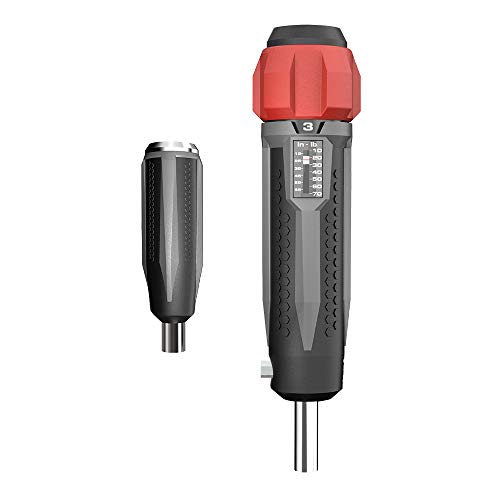
Yes, for very low-torque applications, gunsmithing torque screwdrivers can be a good alternative. They’re often more convenient for small screws, but a dedicated torque wrench provides greater precision and a wider range of capabilities.
Are digital torque wrenches more accurate than manual click-type wrenches?
Digital wrenches often display greater accuracy on paper (like +/- 2% vs. +/- 3-5% for manual wrenches) but real-world consistency depends heavily on battery health and proper use. A well-maintained, manually calibrated wrench can be just as reliable, and some gunsmiths prefer the tactile feedback.
What should I do if I round off a screw head while tightening?
Stop immediately. Applying more force will only worsen the problem. A screw extractor set is your best bet, but be cautious as extractors can sometimes damage the threads of the firearm. Prevention is key; always use the correct bit size and apply steady, even pressure.
The Bottom Line
Choosing a torque wrench for gunsmithing often comes down to balancing control with convenience. While digital models offer undeniable clarity, I believe the Wheeler Manual FAT Torque Wrench strikes the best overall balance of accuracy, durability, and price for most gun owners and hobbyists. It’s a simple tool that, when used correctly, delivers the precision needed for critical firearm work.
For those on a tighter budget, the Real Avid Gunsmithing Torque Wrench Kit provides a good entry point, and for those who prefer the benefits of a digital readout, the Wheeler Digital FAT Torque Wrench is an excellent choice – although you’ll want to keep spare batteries on hand. If you’re working with a wide range of firearms and optics, or need the highest degree of precision, explore options among the accurate 1/4 drive wrenches available.
Ultimately, the most expensive wrench won’t compensate for a lack of attention to detail. Focus on understanding your firearm’s torque specifications, using the correct bits, and applying smooth, consistent pressure. A little knowledge and care will go further than any fancy feature or high price tag when it comes to maintaining your firearms safely and reliably.
