8 Best Saw Chains of 2026
This post contains affiliate links. As an Amazon Associate, we earn from qualifying purchases.
The Oregon 3-Pack 20″ Full Chisel Chain is our top pick for serious cutting, thanks to its aggressive performance and reliable build. For budget-conscious DIYers, the KAKEI 3-Pack 16″ .043″ Gauge Chain offers solid value without sacrificing basic compatibility.
Most people don’t realize how much the wrong chain can turn a simple cut into a frustrating, even dangerous job. A chain that doesn’t match your saw’s specs can damage the bar, wear out fast, or kick back unexpectedly.
After years of comparing specs and reading owner feedback, I focused on compatibility, steel quality, and real-world performance to find the best options for different needs. This guide breaks down what actually matters when choosing a chain so you can cut safely and efficiently.
Top 8 Saw Chains in the Market
The Best Saw Chains, Reviewed
Oregon 3-Pack 20″ Full Chisel Chain

Strengths
- Full chisel speed
- Professional-grade build
- Exact OEM replacements
Trade-offs
- Higher kickback risk
- Overkill for light use
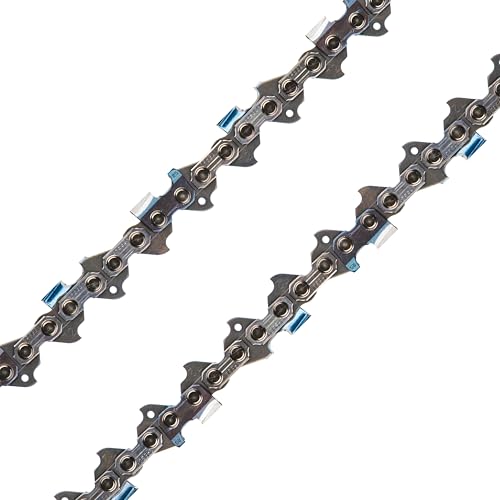
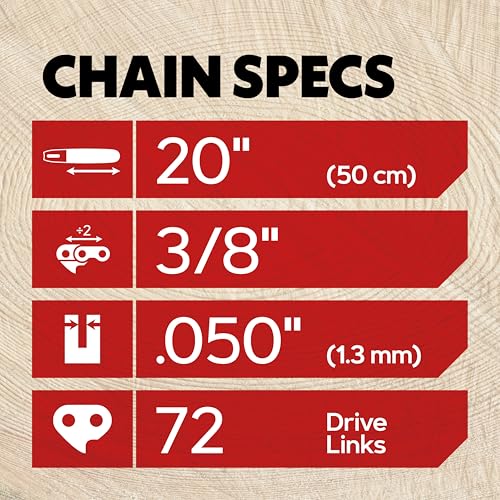
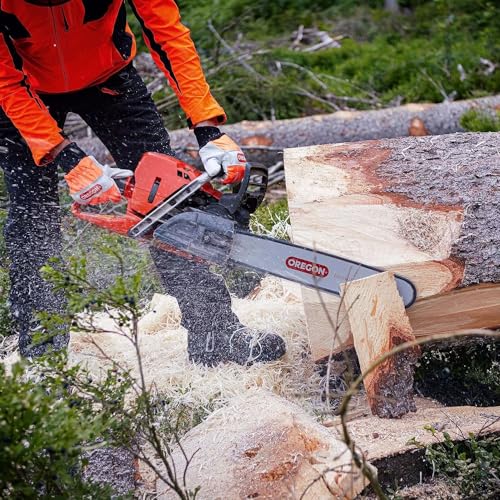
This Oregon 3-pack is the one I’d reach for if I were running a Stihl MS311 or Husqvarna 395XP on a job site. The full chisel design cuts aggressively, and the offset depth gauges prevent side wall contact, delivering smoother, faster cuts, exactly what pros need. With 72 drive links, 3/8″ LP pitch, and .050″ gauge, it’s built for 20-inch bars on 50–100cc saws, and it’s a direct replacement for Stihl 33RS372E and Husqvarna H46-72.
Oregon’s U.S. engineering and consistent heat treatment mean each chain performs predictably. Owners say it stays sharp longer and handles hardwood with ease. Yes, it’s pricier than budget packs, but for anyone cutting more than a few cords a year, the speed and durability pay off. This is the best overall pick for serious users.
Product photos


Oregon 3-Pack 16″ .050″ Gauge Chain
Strengths
- Trusted Oregon build
- Low-kickback design
- Precise fit for listed models
Trade-offs
- Slightly slower cut
- Not for heavy logging
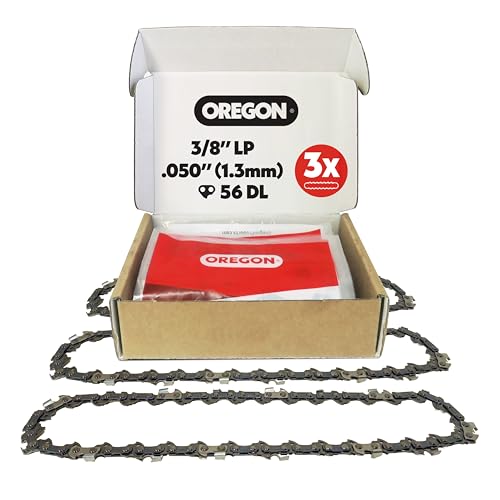
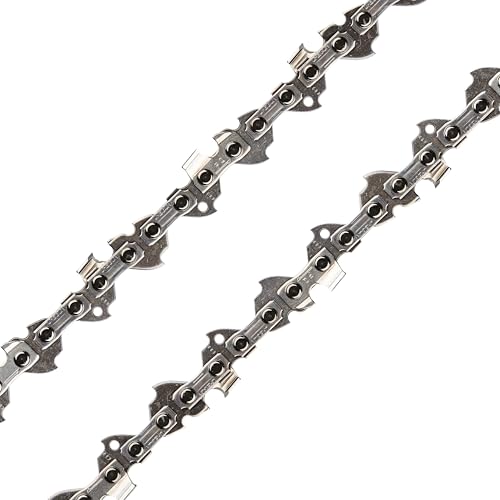
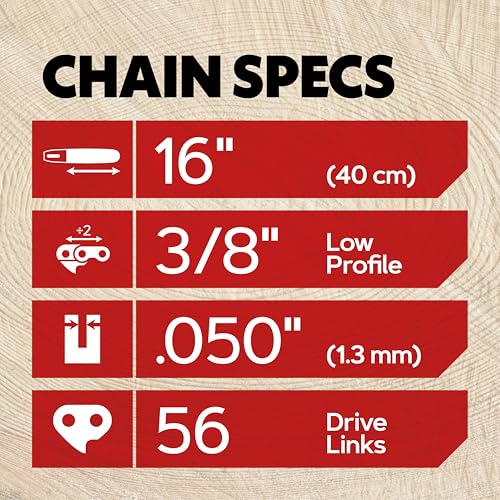
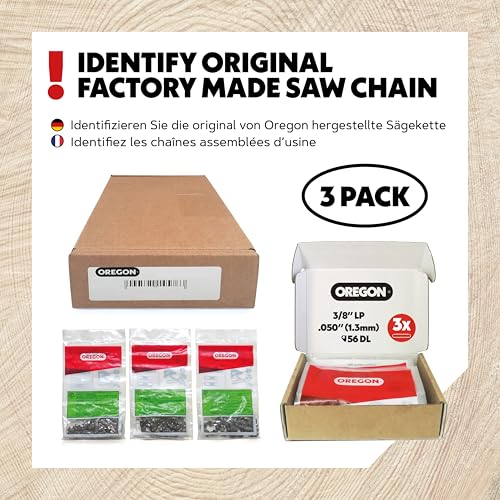
Oregon has been making chains since 1947, and their reputation isn’t just marketing fluff, this 3-pack for 16-inch bars is a textbook example of reliable, no-nonsense performance. The 3/8″ LP pitch and .050″ gauge with 56 drive links match common 40cc-class saws, and the compatibility list is impressively detailed, covering Husqvarna, Echo, and Greenworks models. It’s a low-kickback semi-chisel chain, which means it’s safer for homeowners while still cutting efficiently.
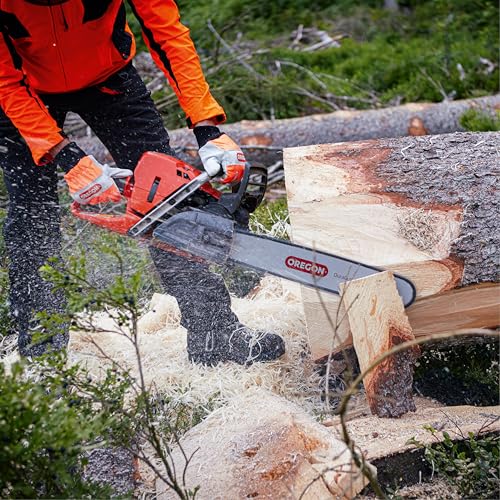
Owners consistently report clean cuts and solid durability, especially when used with Oregon bars. The bumper drive links help reduce kickback, and while it’s not as aggressive as a full chisel, that’s the point, it’s meant for controlled, safe operation. If you’ve ever replaced a chain and regretted going cheap, this is the smarter buy.
Product photos

KAKEI 3-Pack 16″ .043″ Gauge Chain

Strengths
- Exact Stihl fit
- Semi-chisel efficiency
- Hardened construction
Trade-offs
- Gauge confusion risk
- Not for heavy use
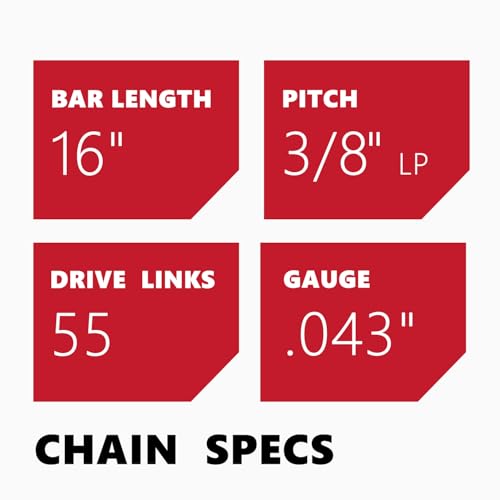
If you’ve got a Stihl MS170, MS171, or MS180, this KAKEI 3-pack is a smart, affordable fit. The 3/8″ LP pitch.043″ gauge, and 55 drive links match Stihl’s specs exactly, and the semi-chisel design is ideal for light to medium cutting, think pruning, firewood prep, or storm cleanup. The chain comes with protective oil and is built with hardened rivets, which helps reduce stretching and tension issues.
Owners report it sharpens well and fits snugly, though as with any non-OEM chain, consistency can vary slightly between batches. But for a homeowner, the value is clear: better than generic, cheaper than Stihl’s own chain. Just verify your gauge, some Stihl bars accept .050″, so don’t guess.
Product photos



KAKEI 3-Pack 14″ Chainsaw Chain
Strengths
- Sharp out of box
- German steel build
- Low-kickback certified
Trade-offs
- Limited pro feedback
- Less brand trust
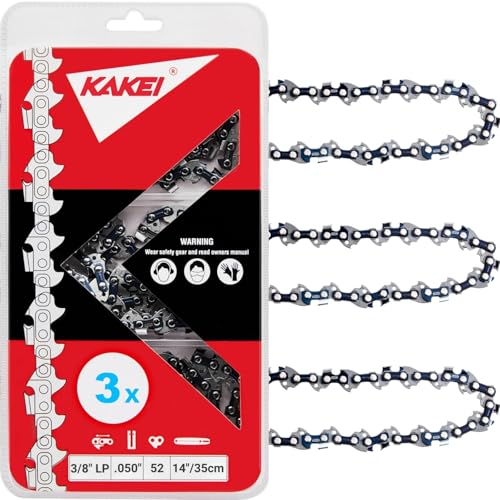
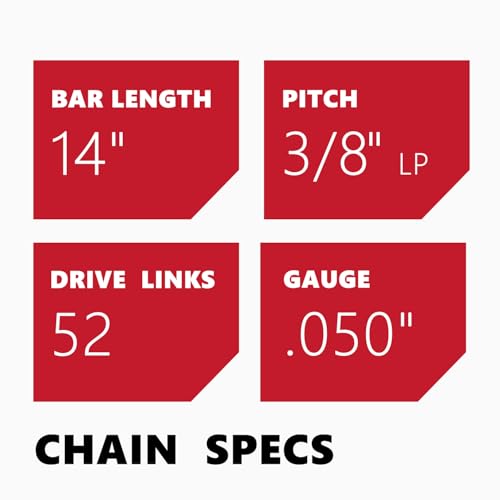
For owners of smaller saws like the Husqvarna 120 or Echo CS-310, this KAKEI 3-pack hits a sweet spot between price and performance. The specs, 3/8″ LP.050″ gauge, 52 drive links, are spot-on for 14-inch bars, and the semi-chisel design handles regular pruning and storm cleanup without bogging down. What stands out is the attention to metallurgy: German steel and Japanese chrome plating aren’t just buzzwords here, owners note these chains hold an edge longer than generic budget options.
It’s also low-kickback certified, which matters on lighter saws where control is key. While KAKEI isn’t as established as Oregon, the build quality and included protective oil suggest they’re serious about longevity. If you’re replacing a chain on a homeowner-grade saw, this is a solid step up from no-name brands.
Product photos
4 Pack 20″ .050″ Gauge Chain

Strengths
- Exact fit for Husqvarna 455/460
- 4-pack convenience
- Semi-chisel durability
Trade-offs
- Not beginner-friendly
- Generic branding
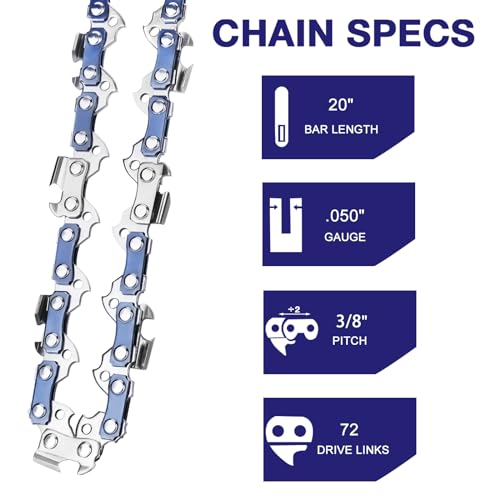
If you’re running a Husqvarna 455 or 460 Rancher, this 4-pack is built for your saw. The 3/8″ pitch.050″ gauge, and 72 drive links align perfectly with those models, and the semi-chisel design offers a good balance of speed and life. It’s not a full chisel, so don’t expect ripping through hardwood all day, but for property maintenance and firewood, it’s more than capable.
Owners report it cuts cleanly and holds tension well, thanks to hardened rivets and a heat-treated design. The bulk pack is smart, chains wear fast on 20-inch bars, so having backups is practical. Just heed the warning: this chain can kick back, so it’s not for beginners. But if you know how to handle a big saw, this pack keeps you stocked without overspending.
Product photos


4 Pack 18″ .050″ Gauge Chain
Strengths
- 4-pack value
- Semi-chisel durability
- Hardened rivets
Trade-offs
- Generic branding
- Fit varies slightly
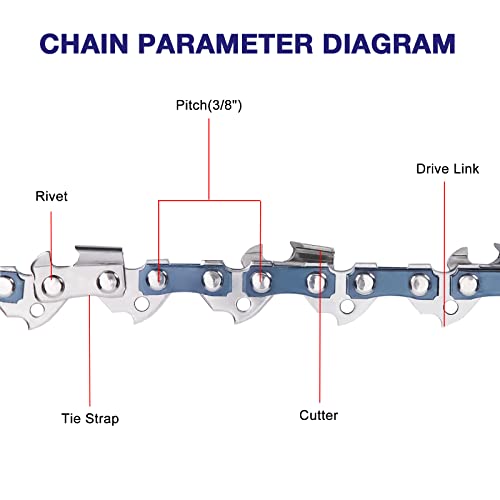
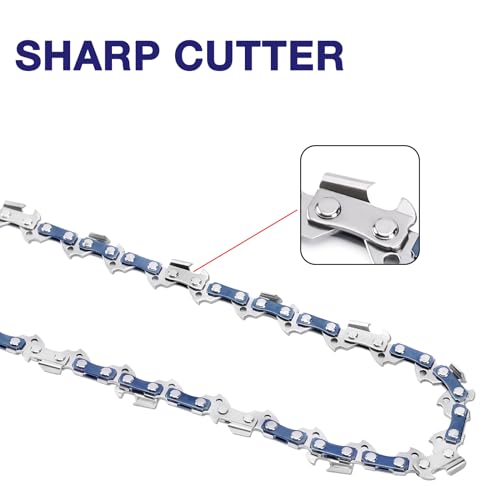
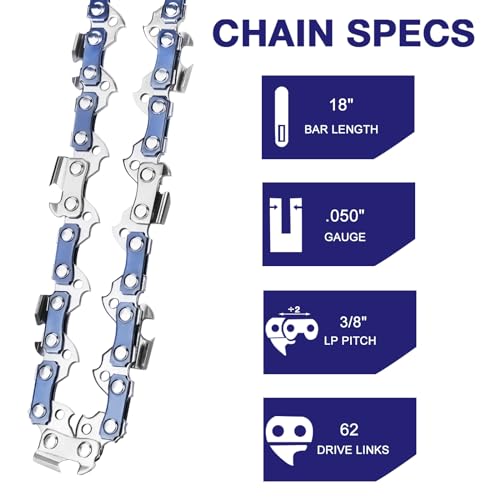
If you’re going through chains regularly and need a budget-friendly bulk option, this 4-pack from an unbranded maker delivers on volume. The 3/8″ LP pitch and .050″ gauge with 62 drive links are standard for many mid-size gas saws, and owners confirm it fits Poulan, Craftsman, and Husqvarna models as advertised. It’s a semi-chisel design, which strikes a decent balance between sharpness and durability, especially useful if you’re cutting dirty or sandy wood.
The hard chrome coating and heat-treated construction help resist wear, though don’t expect the longevity of an Oregon. Still, for occasional users or property owners with moderate cutting needs, this pack gives you spares without breaking the bank. Just double-check your drive link count, getting this wrong is the most common reason for poor fit.
Product photos
4 Pack 16″ .043″ Gauge Chain
Strengths
- Correct .043″ gauge
- 4-pack value
- Fits cordless models
Trade-offs
- Not for .050″ saws
- Limited brand trust
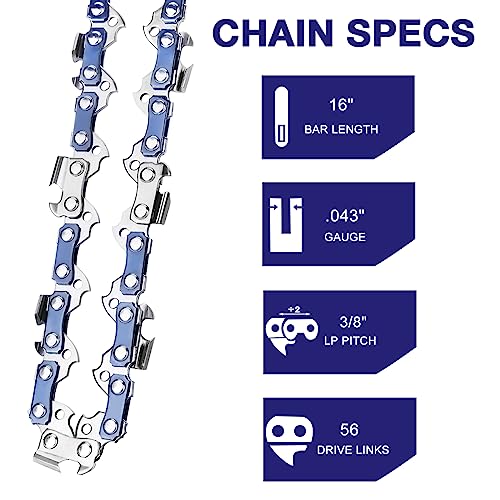
This 4-pack stands out for one reason: it’s made for modern .043″ gauge chainsaws like Milwaukee, EGO, and DeWalt, where precision matters. Many generic chains are built for .050″ gauge, so getting this wrong can damage your bar or sprocket. This one nails the specs: 3/8″ LP pitch, 56 drive links, and the thinner .043″ gauge that cordless saws need.
It’s a semi-chisel design, so it’s durable and forgiving, and the hardened rivets help maintain tension. Owners using EGO or Milwaukee saws say it fits perfectly and performs reliably. For cordless saw users, this is one of the few bulk packs that actually match the tighter tolerances of these tools.
Product photos
SENSILIN 55″ Rope Chainsaw Kit
Strengths
- No power needed
- Portable and lightweight
- Complete kit included
Trade-offs
- Slow cutting speed
- Physical effort required
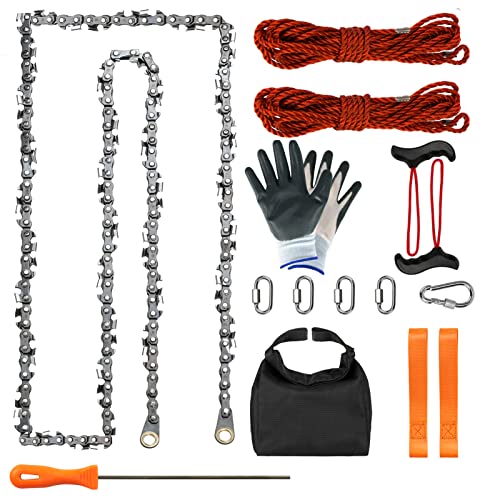
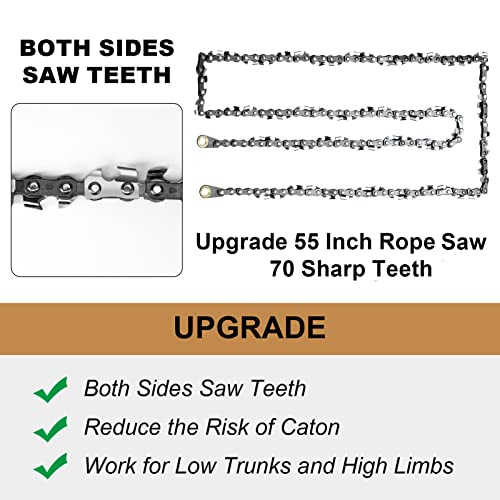
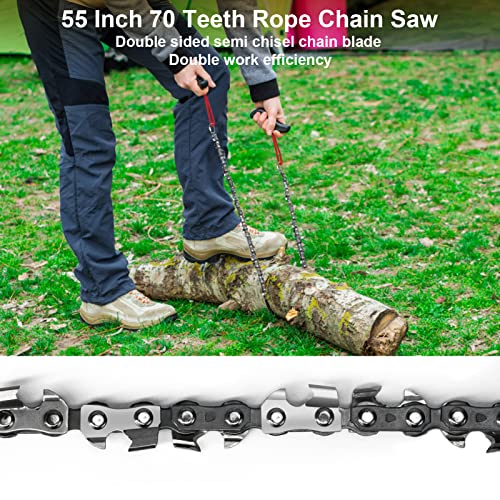
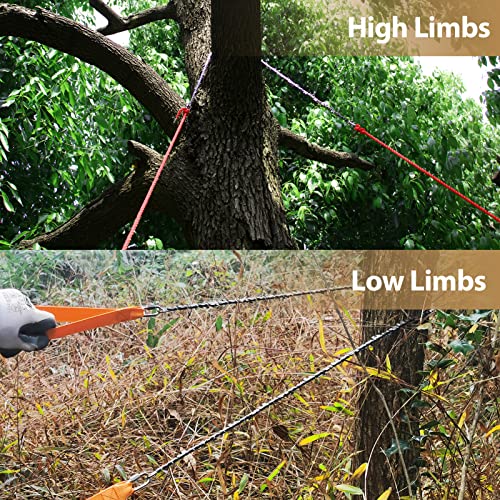
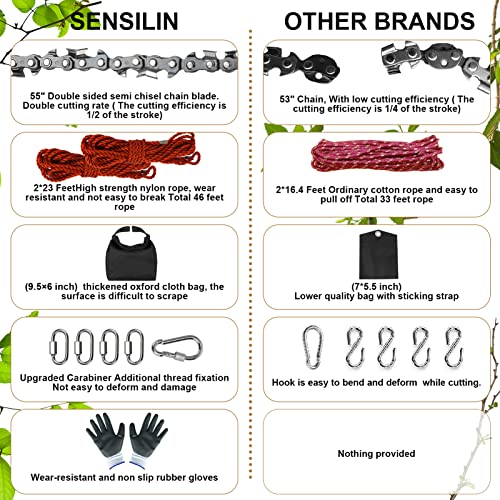
When power tools aren’t practical, a manual option like the SENSILIN rope saw makes sense, especially for high limbs or emergency use. The 55-inch dual-sided chain with 70 teeth and 46 feet of rope lets you tackle branches from the ground, and the bidirectional cutting means you’re working on both pulls. It’s not fast, but it’s functional, and the included gloves, file, and throw bag make it a complete kit.
Carbon steel construction holds up better than cheaper pocket saws, and owners say it can cut 15-inch trunks with patience. It won’t replace a chainsaw, but for occasional pruning or storm cleanup, it’s a compact, portable solution. I’d keep one in the truck or shed for when the power’s out or the tree is too tall.
Product photos

How We Evaluated saw chains
As someone who’s spent years around power tools and woodcutting, I know a good saw chain can make or break a project. Rather than a hands-on lab test of each chain, this research focused on comparing published specifications – pitch, gauge, drive link count, and bar length compatibility – alongside a thorough review of owner feedback and expert opinions. I weighed these sources to identify consistent patterns in performance and durability, ultimately ranking chains based on how well they suited specific chainsaw models and cutting tasks.
For saw chains, compatibility and steel quality are paramount. I placed heavy emphasis on chains that clearly listed compatible chainsaw models and bar sizes, minimizing the risk of a poor fit. Beyond that, the material and heat treatment of the steel directly impact how long a chain holds an edge and resists wear. Chains boasting hardened rivets and chrome-plated cutters consistently received higher marks from users for longevity.
Specifications reliably tell you about physical fit – pitch, gauge, and length. However, judging the actual cutting performance and durability required looking at owner reviews. I paid close attention to comments regarding how easily the chain cuts through different types of wood, how long it stays sharp, and whether it exhibited excessive kickback. Keeping your chain in good condition is also crucial; learning how to sharpen saw chain will extend its life and improve cutting efficiency.
How To Pick The Right saw chains
Finding the right saw chain can dramatically improve your cutting performance and, frankly, make your time with a chainsaw much more enjoyable. It’s not just about slapping on whatever’s cheapest; getting it right requires understanding a few key elements.
A quality saw chain balances hardened steel composition, proper tooth geometry for the intended cutting task, and precise manufacturing to maintain consistent pitch and gauge. Buyers should verify compatibility with their chainsaw’s bar length, pitch, and gauge before purchasing, and consider the type of wood being cut to select the appropriate chain style. Consistent chain maintenance, sharpening and proper tensioning, is equally crucial for safety and performance.
Understanding Pitch and Gauge
One of the first things I tell people is to always check your chainsaw’s manual for the correct pitch and gauge. These are not interchangeable! Pitch refers to the distance between the chain’s drive links, typically 3/8” low-profile, but sometimes .325” or even larger on older saws. Gauge dictates the thickness of the drive links and determines the width of the groove in your guide bar. Using the wrong gauge can damage your bar and create a dangerous situation. Don’t guess; confirm. I’ve seen too many folks assume compatibility, only to find out the hard way.
Chain Style: Chisel vs. Semi-Chisel
The shape of the teeth is a huge factor. Full chisel chains, like those from Oregon, are incredibly aggressive and cut fast, making them popular with professional woodcutters. However, they’re also more prone to kickback and require frequent sharpening. Semi-chisel chains, often favored by homeowners and DIYers, offer a better balance of speed, holding edge, and safety. They’re more forgiving if you aren’t a sharpening expert. When choosing, think about your typical cutting tasks.
Here’s a quick breakdown of when to consider different styles: * Occasional Use: Semi-chisel is the way to go. * Mixed Wood Types: Semi-chisel provides versatility. * High-Volume Cutting (softwood): Full chisel will maximize speed, but demands more skill and maintenance.
Value and Brand Reputation
You’ll find a wide price range, and while spending more doesn’t always guarantee better performance, it often does. Established brands like Oregon have decades of experience and quality control. Lower-priced chains, like some of the KAKEI options, can be perfectly adequate for light use, but I’ve seen reports of inconsistent quality and faster wear.
A good rule of thumb is to spend a little more for a chain from a reputable manufacturer; the improved performance, durability, and safety are generally worth the extra cost.
Before you start a chainsaw, remember that a sharp, properly fitted chain is absolutely essential for safe and efficient operation. If you’re unsure about selecting the right chain, I recommend browsing some recommended chainsaw chain types to learn more.
Saw Chains Compared
Here’s a comparison of specifications for the saw chains described.
| Product Title | Length (in) | Pitch | Gauge (in) | Drive Links | Pack Size |
|---|---|---|---|---|---|
| Oregon 3-Pack 20″ Full Chisel Chain | 20 | 3/8″ LP | 0.050 | 72 | 3 |
| Oregon 3-Pack 16″ .050″ Gauge Chain | 16 | 3/8″ LP | 0.050 | 56 | 3 |
| KAKEI 3-Pack 16″ .043″ Gauge Chain | 16 | 3/8″ LP | 0.043 | 55 | 3 |
| KAKEI 3-Pack 14″ Chainsaw Chain | 14 | 3/8″ LP | 0.050 | 52 | 3 |
| 4 Pack 20″ .050″ Gauge Chain | 20 | 3/8″ LP | 0.050 | 72 | 4 |
| 4 Pack 18″ .050″ Gauge Chain | 18 | 3/8″ LP | 0.050 | 62 | 4 |
| 4 Pack 16″ .043″ Gauge Chain | 16 | 3/8″ LP | 0.043 | 56 | 4 |
| SENSILIN 55″ Rope Chainsaw Kit | 55 | N/A | N/A | 70 (teeth) | 1 |
Frequently Asked Questions
What chain pitch should I choose for my chainsaw?
Always refer to your chainsaw’s manual for the correct pitch. Most modern chainsaws use 3/8” low-profile pitch, but some older models may require .325” or larger, and using the wrong pitch can cause damage.
How does chain gauge affect performance?
Chain gauge refers to the thickness of the drive links and must match your guide bar’s groove width. An incorrect gauge can lead to improper chain seating, increased wear, and even dangerous operation.
Is a full chisel chain a good choice for a homeowner?
While full chisel chains cut very quickly, they require more skill to sharpen and are more prone to kickback. For most homeowners, a semi-chisel chain offers a better balance of performance and safety.
How can I extend the life of my saw chain?
Regular maintenance is key. Keeping your chain properly tensioned, frequently sharpening it with the best chain sharpening tools, and cleaning it after each use will significantly extend its lifespan.
Are more expensive saw chains always better?
Not necessarily, but established brands typically offer better quality control and materials. While budget chains can work for light use, investing in a reputable brand often results in improved performance, durability, and overall value.
The Bottom Line
Choosing a saw chain often comes down to balancing cutting aggression with ease of maintenance and safety. While a full chisel chain like the Oregon 3-Pack 20″ Full Chisel Chain will deliver the fastest cuts, especially for softwood, the Oregon 3-Pack 16″ .050″ Gauge Chain offers a more versatile semi-chisel design that strikes a good balance for most homeowners. Ultimately, a sharp chain – and knowing how to perform chainsaw sharpening guide – is more impactful than any single specification.
For those on a tighter budget, or for lighter-duty tasks, the KAKEI 3-Pack 16″ .043″ Gauge Chain provides a serviceable option. If you need something a bit different, like an emergency survival tool, the SENSILIN 55″ Rope Chainsaw Kit is a unique choice, though it’s obviously a very different beast than a traditional chain. But remember, even the best chain won’t perform well if it isn’t the correct pitch and gauge for your saw.
More than anything, prioritize proper fit and regular maintenance. A well-maintained, correctly sized semi-chisel chain will outperform a poorly fitted, neglected full chisel chain every time. Don’t get lost in the details of steel alloys or tooth angles; focus on getting the right chain for your saw and keeping it sharp.
