
8 Best Corded Electric Chainsaws of 2026
This post contains affiliate links. As an Amazon Associate, we earn from qualifying purchases.
The EWORK 15A and Oregon CS1500 stand out as top choices, with the EWORK edging ahead as the best overall for its power and value. If you’re watching your budget, the SENIX 14-inch model delivers solid performance without breaking the bank.
Most people aren’t cutting down trees every weekend, but when storm damage hits or it’s time to clear overgrown branches, a reliable chainsaw makes all the difference. Too many buyers end up with underpowered or hard-to-maintain models because they focus on price alone.
I’ve spent years evaluating power tools, and for this guide, I focused on real-world usability, balancing amperage, bar length, safety features, and owner feedback to find models that actually perform. These picks reflect what matters most for typical homeowner tasks.
Top 8 Corded Electric Chainsaws in the Market
The Best Corded Electric Chainsaws, Reviewed
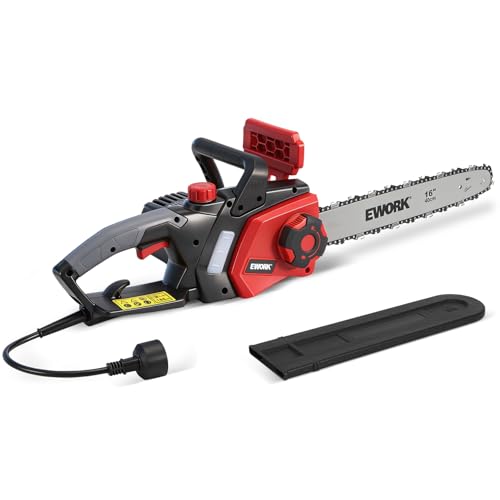
EWORK 16-Inch 15 Amp Electric Chainsaw
Strengths
- 50 ft/s chain speed
- Thorough safety
- Auto oiling with window
Trade-offs
- No self-sharpening
- 1-year warranty shorter
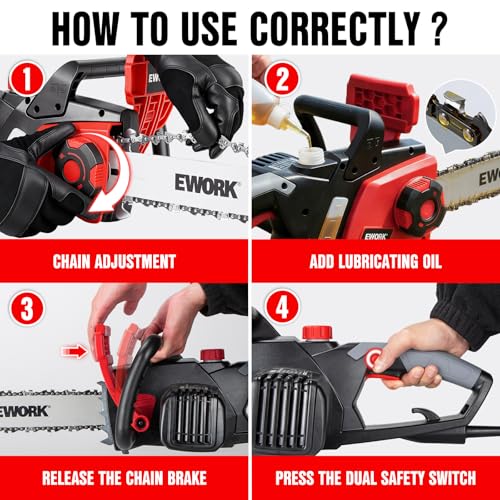
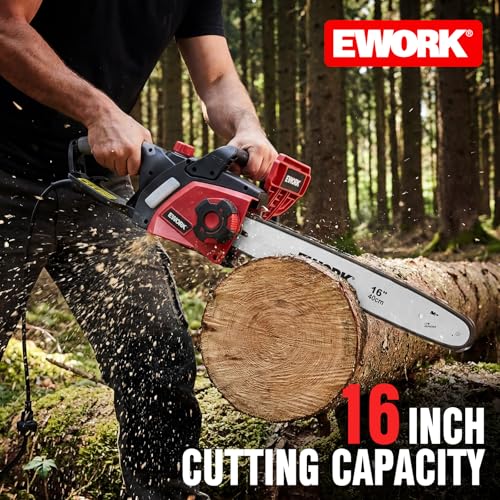
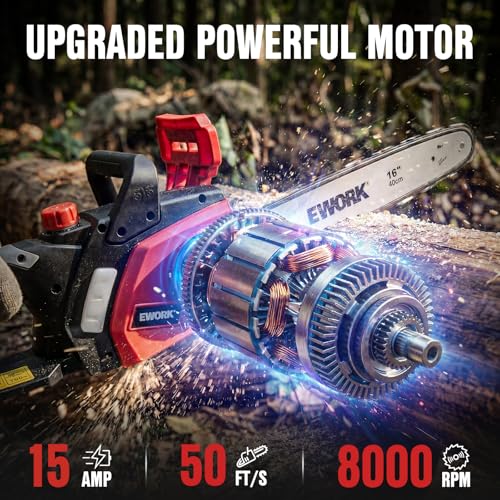
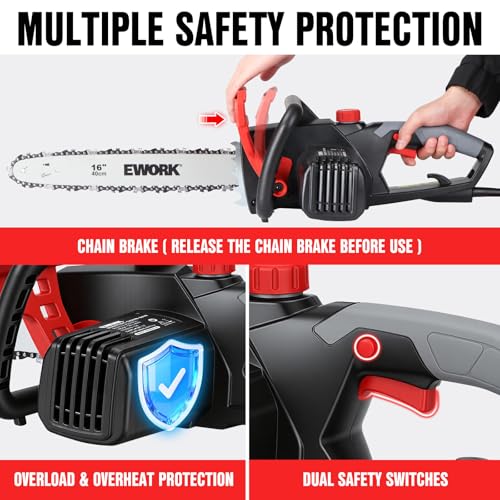
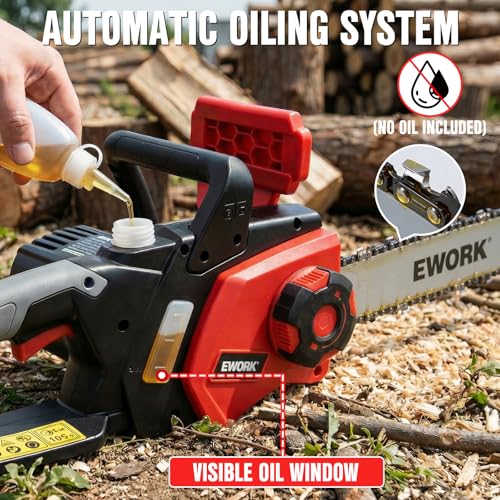
On paper, the EWORK 16-inch checks every box for what a modern corded chainsaw should be: 15-amp power, 50 ft/s chain speed (the fastest here), tool-free tensioning, auto-oiling with a visible window, and a full suite of safety features. Owners report strong performance on logs up to 14 inches, which is impressive for a corded model. The low-kickback chain and PCB overload protection add real confidence, especially for newer users.
It edges out the Oregon CS1400 in raw speed and the WEN in control, making it the most balanced option overall. While it doesn’t have self-sharpening like the Oregon CS1500, its combination of power, safety, and ease of use makes it my top recommendation for most buyers. If you want one saw that does nearly everything well, this is it.
Product photos
SENIX 14-Inch 10 Amp Electric Chainsaw
Strengths
- Affordable price
- Lightweight design
- 3-year warranty
Trade-offs
- 10-amp motor weaker
- 14-inch bar limiting
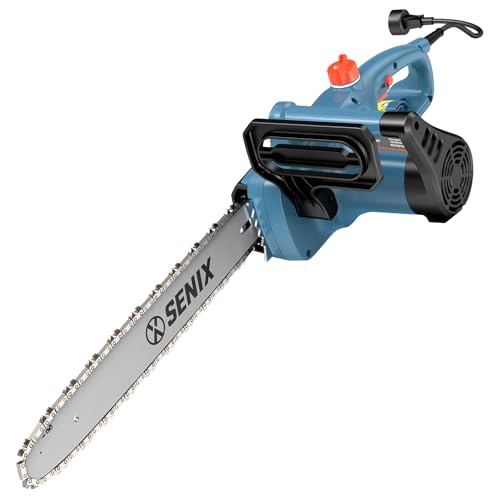
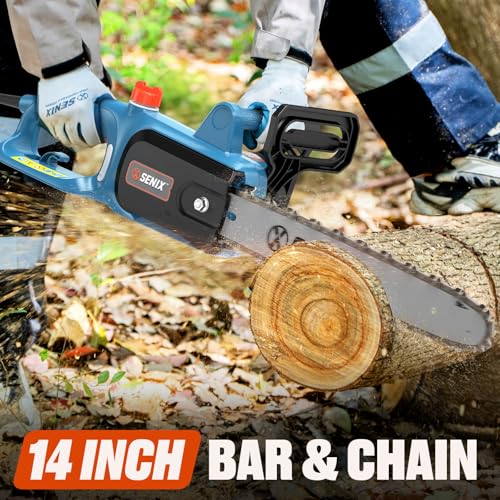
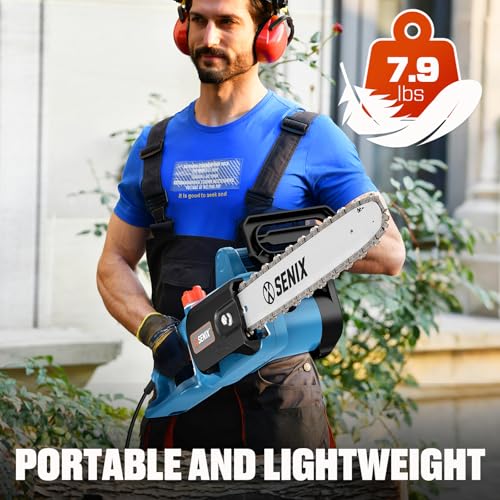
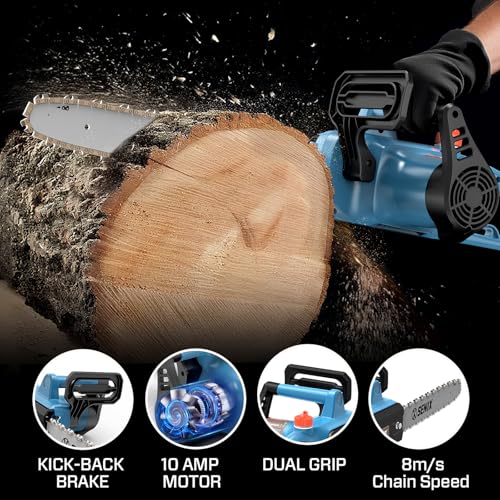
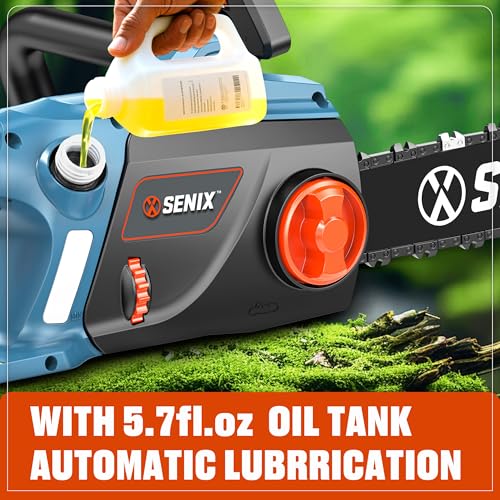
This is the budget pick that doesn’t feel cheap. At 10 amps and 14 inches, it’s the smallest in the SENIX lineup, but it’s designed for efficiency, not brute force. It handles pruning, small logs, and storm debris without bogging down, and the continuous corded power means you won’t run out of juice mid-job. Owners appreciate the 3-year warranty, a sign of confidence in durability.
It’s lighter than most, which helps with overhead work, but the shorter bar limits its range. Compared to the BLACK+DECKER CS1216, it’s less powerful but easier to maneuver. For city lots or light-duty use, it’s more than enough. If you’re only cutting occasionally and don’t want to spend big, this delivers solid value without cutting corners on safety or basic features.
Product photos


Oregon CS1500 Self-Sharpening Electric Chainsaw
Strengths
- Self-sharpening chain
- 18-inch bar
- Tool-free tensioning
Trade-offs
- Sharpening unit needs care
- Heavier than average
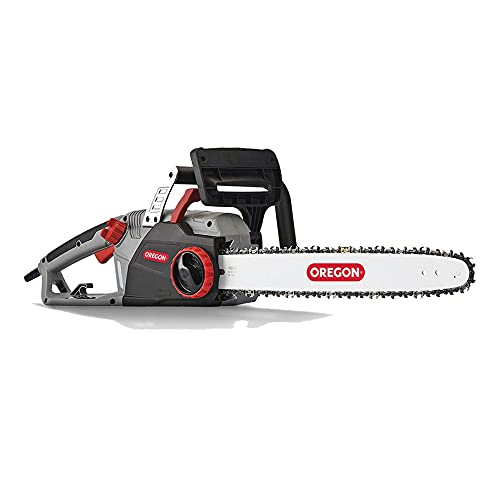
The standout feature here is obvious: the PowerSharp self-sharpening system. In real-world use, owners confirm it works, chain edges stay usable much longer, and the 3- to 5-second sharpening process actually helps between cuts. For users who hate stopping to file or replace chains, this is a real time-saver. The 18-inch bar and 15-amp motor give it serious reach and power, making it capable of handling large limbs and small trees.
But that sharpening system adds complexity. Some owners report the mechanism can gum up if not cleaned regularly. Compared to the WEN 18-inch, it’s heavier and pricier, but the maintenance edge is real. If you cut often and want fewer interruptions, the CS1500 justifies its niche. Just be ready to maintain the sharpener too.
Product photos



Oregon CS1400 16-Inch Electric Chainsaw
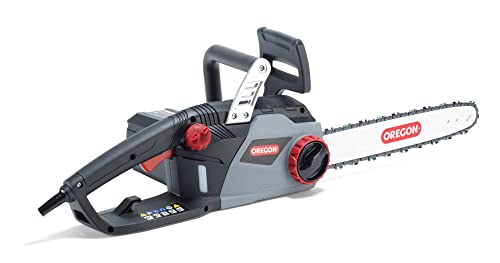
Strengths
- Quiet operation
- Low vibration
- ControlCut chain
Trade-offs
- No self-sharpening
- Slightly higher price
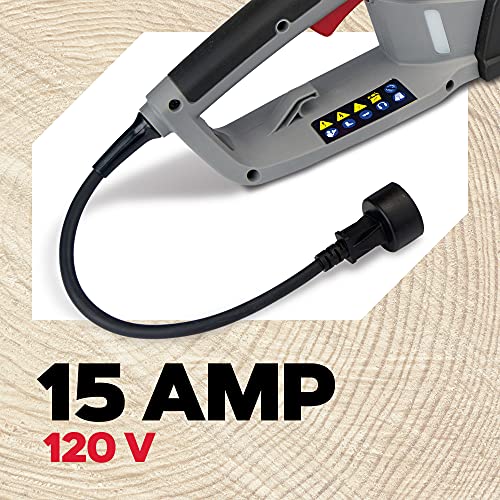
Oregon has a reputation for quality, and the CS1400 backs it up, especially if noise is a concern. This is one of the quietest corded chainsaws in its class, a trait reviewers consistently highlight. The 15-amp motor and 16-inch bar offer serious cutting power, and the ControlCut chain reduces vibration while delivering clean, smooth cuts. It’s also noticeably balanced, thanks to the over-molded handle and low-vibration design.
It goes head-to-head with the EWORK 16-inch but wins on refinement. The oil window is easy to read, the tool-free tensioner works smoothly, and the chain brake feels responsive. While it doesn’t have the self-sharpening feature of the Oregon CS1500, it’s a better all-around performer. If you value a quiet, well-damped saw that still packs a punch, this is it.
Product photos


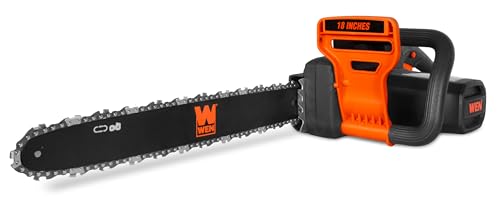
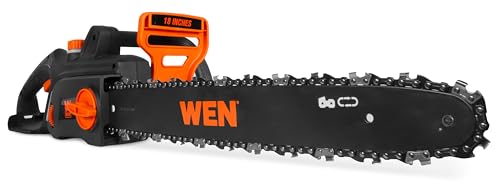
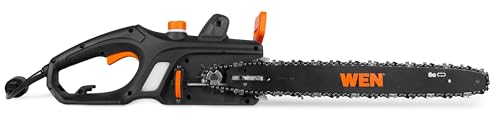
WEN 18-Inch 15-Amp Electric Chainsaw
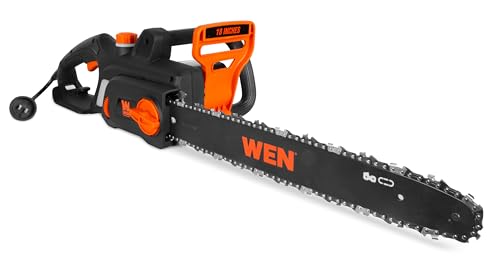
Strengths
- 18-inch bar
- 15-amp power
- Lightweight build
Trade-offs
- Slower chain speed
- No oil window
If you’re tackling thick limbs or stacking firewood, the WEN CP1518 is built for that job. Its 15-amp motor and 18-inch bar give it serious reach and cutting capacity, making it one of the few corded models that can reasonably challenge gas-powered units on raw capability. The chain speed is a bit slower at 41 ft/s, but the extra torque from the larger motor helps maintain momentum through dense wood.
Owners report fewer stalling issues than expected for a corded saw in this class. It’s lightweight for its size, which helps with control, though the longer bar demands more respect, especially for less experienced users. Compared to the EWORK 16-inch, it trades a bit of chain speed for bar length, so your pick depends on whether reach or cut speed matters more.
Product photos
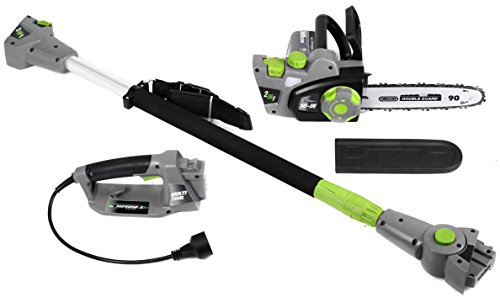
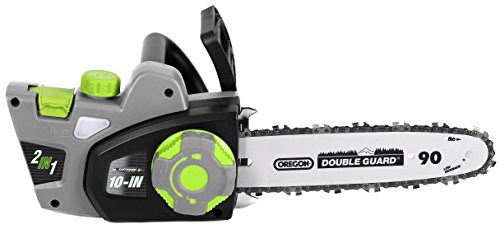
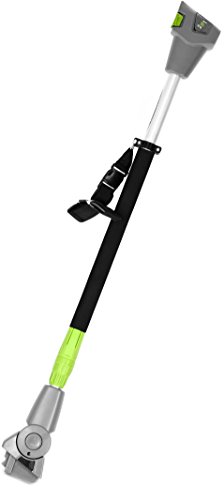
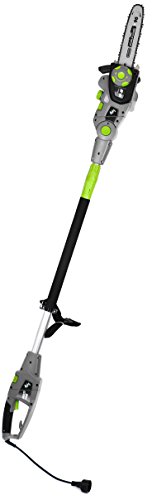
Earthwise 10-Inch 2-in-1 Pole Chainsaw
Strengths
- 2-in-1 versatility
- Pivot cutting head
- Tool-free adjustments
Trade-offs
- 7-amp motor weak for logs
- Short bar length
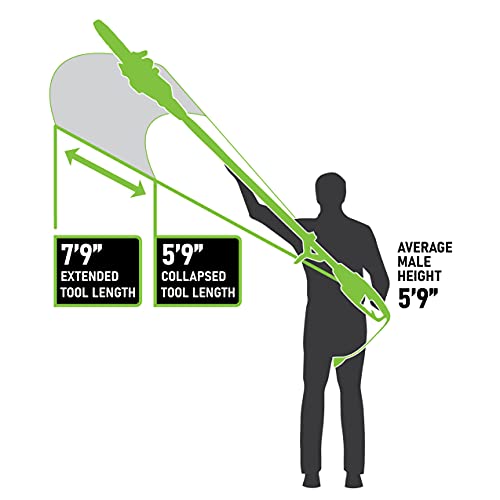
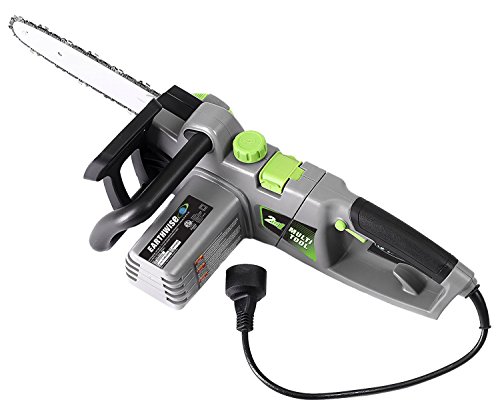
This isn’t a traditional chainsaw, but for anyone battling high branches, it’s a clever solution. The 2-in-1 design converts from pole saw to chainsaw in seconds, and the 5-angle pivot head adds real versatility when trimming at odd angles. The 7-amp motor won’t power through thick logs, but it’s plenty for limbs up to 6 inches, exactly what most homeowners face during seasonal cleanup.
The auto-oiling system and tool-free tensioning are welcome on such a compact unit, and the rubberized grip helps with control. Still, it’s underpowered compared to dedicated 12- or 15-amp models like the SENIX or Oregon. If your main need is overhead cutting, this beats climbing a ladder with a full-size saw. But if you’re splitting wood, look elsewhere.
Product photos
BLACK+DECKER 16-Inch 12 Amp Chainsaw

Strengths
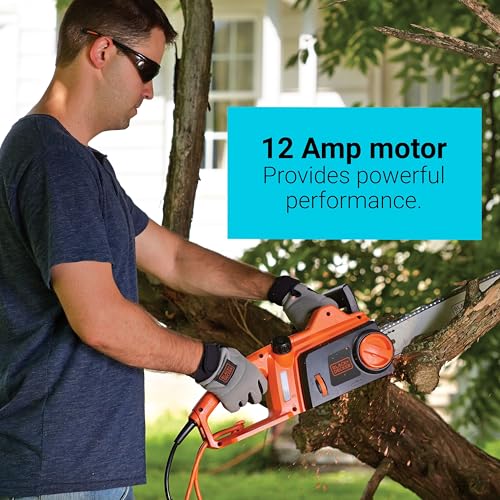
- Reliable 12-amp motor
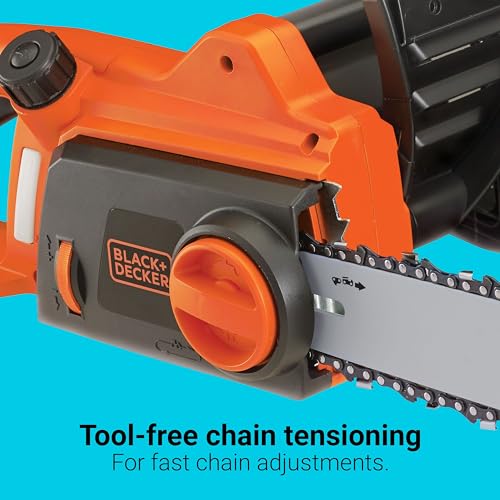
- Tool-free chain tensioning
- Low-kickback chain
Trade-offs
- No oil level window
- Basic ergonomics
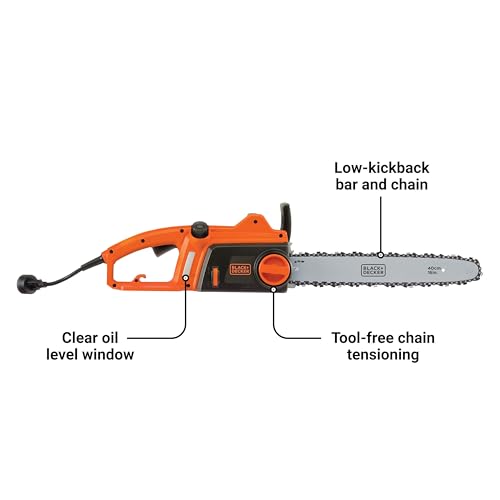
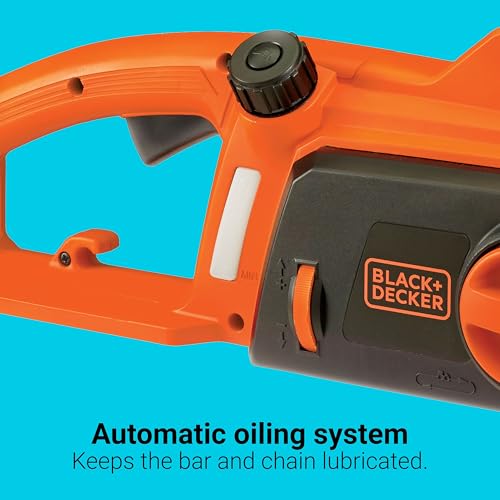
The BLACK+DECKER CS1216 hits that sweet spot between affordability and function, which explains why it’s a staple in so many garages. It runs on a solid 12-amp motor and delivers smooth, consistent cuts through medium branches. The tool-free tensioning and automatic oiler are standard now, but here they work reliably, owners rarely report oil leaks or tension drift.
It lacks a few niceties like an oil level window (unlike the SENIX or EWORK), but you’re not paying for extras. Compared to the SENIX CSE12-M, it’s nearly identical in power and bar size but feels a bit more utilitarian. For the buyer who wants a no-frills, plug-and-play saw for occasional use, it’s hard to beat. Just don’t expect premium ergonomics or advanced safety features beyond the low-kickback chain.
Product photos

SENIX 16-Inch 12 Amp Corded Chainsaw
Strengths
- 12-amp motor
- Tool-free tensioning
- Auto chain lubrication
Trade-offs
- Average cutting depth
- Heavier than some
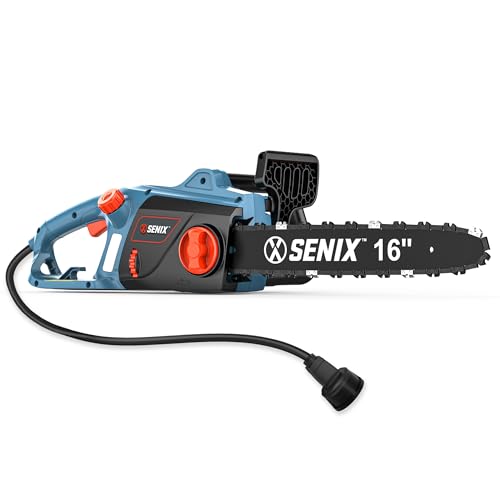
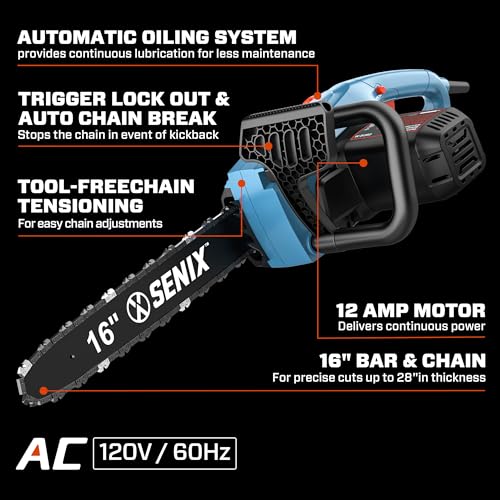
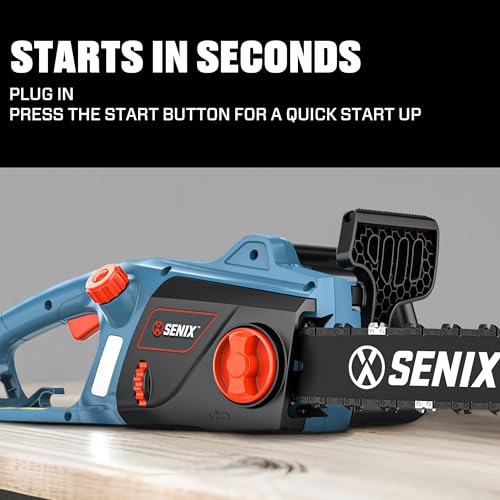
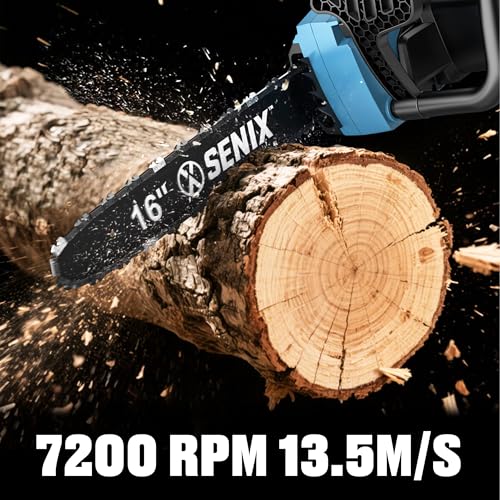
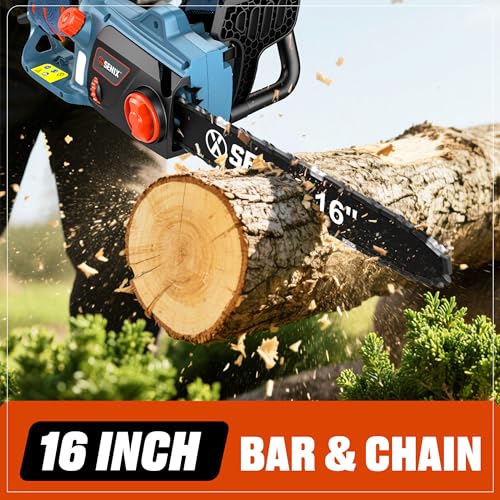
The SENIX 16-inch model stands out for its ergonomic balance and smooth user experience, which owners consistently praise for reducing fatigue during longer cuts. With a 12-amp motor and chain speed of 44.3 ft/s, it’s not the most powerful in this group, but it delivers reliable performance for typical yard work like pruning and firewood prep. The tool-free tensioner and auto-lube system make maintenance simple, which matters for DIYers who don’t want to wrestle with adjustments.
What really sets it apart is the safety combo: kickback brake and trigger lockout. These aren’t unique, but their implementation here feels well thought out. Compared to the BLACK+DECKER CS1216, it’s in the same power class but offers a slightly better build feel and oil system. It’s not built for felling large trees, but for controlled, precise work? It shines.
Product photos
How We Picked These corded electric chainsaws
As someone who’s spent years around power tools, I know choosing the right chainsaw comes down to matching power, features, and safety to the job. Rather than a hands-on lab test with each model, our approach was research-led. We compared published specifications – amperage, bar length, chain speed – and then weighed those against owner reviews and assessments from reputable tool reviewers. This allowed us to rank models based on real-world feedback and perceived performance.
For corded electric chainsaws, I focused heavily on motor amperage and bar length. Amperage directly impacts cutting power, especially for thicker branches and logs. Bar length determines the maximum size of wood you can realistically tackle. Beyond that, automatic oiling systems and tool-free chain tensioning were key differentiators; features that directly affect convenience and long-term maintenance.
Specifications give you a solid baseline – you can see the power on paper. However, owner feedback revealed a lot about durability, ease of use, and whether a chainsaw lives up to its stated capabilities. I paid close attention to comments about kickback control, oiler performance, and the longevity of the chain. Learning how to sharpen chainsaw blade is also vital for maintaining performance over time, and something owners frequently commented on.
How To Choose The corded electric chainsaws
Choosing the right corded electric chainsaw requires a bit more thought than simply grabbing the cheapest model. It’s about matching the saw’s capabilities to the type of work you realistically need to do.
A quality corded electric chainsaw blends sufficient amperage for the intended cutting tasks, a manageable weight for extended use, and thoughtful safety features. Buyers should prioritize bar length relative to typical project size, automatic lubrication to minimize maintenance, and a chain brake for operator protection. Consistent build quality and positive owner feedback are also key indicators of long-term reliability.
Power and Cutting Capacity
The amperage of a corded electric chainsaw directly impacts its ability to handle thicker wood. While 10 amps is sufficient for light trimming and small branches, tackling larger limbs or occasional firewood cutting generally requires a 15-amp model. Don’t overestimate your needs, though. Jumping to the highest amperage doesn’t automatically equal a better saw; a heavier motor can make the tool more unwieldy. Consider the diameter of the wood you’ll typically be cutting and choose a bar length accordingly. A 16-inch bar is a good all-around size for most homeowners, but if you’re regularly felling small trees, you might need to go larger.
Safety Features and Ease of Use
Electric chainsaws are generally safer than gas-powered models, but safety shouldn’t be an afterthought. A chain brake is absolutely essential; it should engage quickly and reliably in the event of kickback. Beyond that, look for features like a hand guard and a trigger lockout. Tool-free chain tensioning is a huge convenience, especially for beginners, as maintaining proper chain tension is crucial for both performance and safety. Learning how to properly maintain your chain through practices like sharpening chainsaw chains will also extend its life and improve safety.
Value and Long-Term Ownership
Corded electric chainsaws offer a compelling value proposition, especially when compared to battery-powered or gas models. However, price isn’t the only factor. Consider the overall build quality and the availability of replacement parts.
Here’s what I look for when thinking about long-term cost: * A basic model with a limited warranty might save you money upfront. * A mid-range model with a 2-year warranty offers a good balance of price and protection. * Higher-end models often include features like self-sharpening systems (like the Oregon PowerSharp) or more robust construction, which can justify the higher price tag if you anticipate heavy use and want to avoid frequent repairs.
A well-maintained chain is a safe chain. Always check chain tension before each use and sharpen when dull.
Ultimately, the best corded electric chainsaw for you will depend on your specific needs and budget. If you’re overwhelmed by the choices, taking a look at reviews of the top corded electric chainsaws can really help narrow things down and point you towards the best-performing corded models available for corded chainsaws for homeowners or even powerful electric corded saws.
Corded Electric Chainsaws Compared
Here’s a comparison of key specifications for popular corded electric chainsaws to help you find the right tool for your needs.
| Product | Bar Length (in) | Amp Motor | Chain Speed (ft/s) | Auto-Oiler | Tool-Free Tensioning | Self-Sharpening |
|---|---|---|---|---|---|---|
| EWORK | 16 | 15 | 50 | Yes | Yes | No |
| SENIX (Budget) | 14 | 10 | N/A | Yes | N/A | No |
| Oregon CS1500 | 18 | 15 | N/A | Yes | Yes | Yes |
| Oregon CS1400 | 16 | 15 | N/A | Yes | Yes | No |
| WEN | 18 | 15 | 41 | Yes | Yes | No |
| Earthwise | 10 | 7 | N/A | Yes | Yes | No |
| BLACK+DECKER | 16 | 12 | N/A | Yes | Yes | No |
| SENIX (Ergonomic) | 16 | 12 | 44.3 | Yes | Yes | No |
Frequently Asked Questions
What bar length do I really need for most homeowner tasks?
A 16-inch bar is generally sufficient for most homeowners, allowing you to handle branches up to about 14 inches in diameter. However, if you frequently cut larger wood, consider an 18-inch bar for increased capacity.
Are corded chainsaws as powerful as gas-powered ones?
While gas chainsaws typically offer more raw power, a 15-amp corded electric chainsaw can deliver comparable performance for many common tasks. The convenience and lower maintenance of electric models often outweigh any power difference for typical yard work.
How important is automatic chain oiling?
Automatic oiling is very important as it keeps the chain lubricated, reducing friction and extending its life. Without proper lubrication, the chain will wear out quickly and cutting performance will suffer, leading to increased maintenance costs.
What’s the benefit of tool-free chain tensioning?
Tool-free chain tensioning simplifies maintenance significantly. You can adjust the chain tightness without needing any wrenches or special tools, making it much easier to keep the chain properly adjusted for optimal performance and safety.
Where can I find more information on top electric chainsaw models?
If you’re looking for more detailed information, I recommend checking out reviews of the top electric chainsaw models to compare features and find the best fit for your needs.
The Bottom Line
Choosing a chainsaw always involves trade-offs between raw power and ease of use. For most homeowners, I believe the Oregon CS1400 strikes the best balance – it offers a solid 15-amp motor, a convenient 16-inch bar, and tool-free chain tensioning without breaking the bank. It’s a capable all-around performer that won’t leave you feeling overwhelmed.
If budget is your primary concern, the SENIX (Budget) is a surprisingly capable entry-level option. For those tackling more demanding tasks or who appreciate premium features, the Oregon CS1500 stands out with its 18-inch bar, powerful 15-amp motor, and integrated self-sharpening system. Don’t forget learning how to start a chainsaw safely is key with any model.
Ultimately, specs and features only tell part of the story. Prioritize a saw that feels comfortable in your hands, has a reliable chain brake, and comes from a brand with a good reputation for quality and support. A well-maintained tool, used with proper safety precautions, will always deliver better results than the most powerful saw in the wrong hands.
