5 Best Gases for MIG Welding (2026 Guide)
This post contains affiliate links. As an Amazon Associate, we earn from qualifying purchases.
The best gas for MIG welding depends on your metal and setup, but for most DIYers and pros working mild steel, the PrimeWeld 75% Argon 25% CO2 125CF tank stands out as the top overall pick. If you’re on a budget or need something more portable, the PrimeWeld 80CF 75/25 mix is a solid, cost-effective alternative.
Most people buying shielding gas don’t realize how much the wrong blend or tank size can hurt their welds, or inflate long-term costs through rentals and frequent refills. Spatter, porosity, and weak joints often trace back to poor gas choices.
This guide cuts through the confusion. I looked at real-world owner feedback, cylinder specs, and common welding applications to recommend options that deliver clean arcs, consistent performance, and better value. These picks reflect what actually works in garages and job sites, not just on paper.
Top 5 Gas For Mig Weldings in the Market
The Best Gas For Mig Weldings, Reviewed
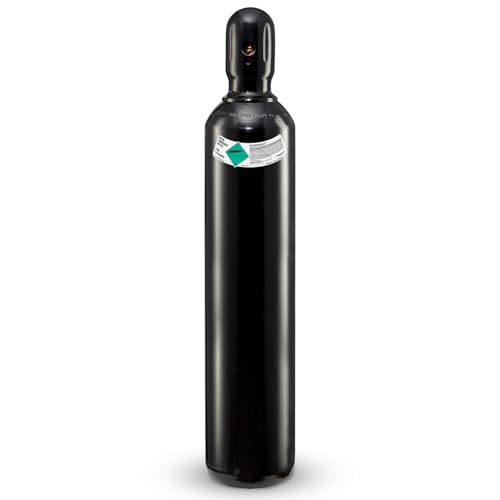
PrimeWeld 75% Argon 25% CO2 125CF
Strengths
- High capacity
- No rental fees
- DOT 3AA certified
Trade-offs
- Heavier to move
- Higher upfront cost
If you’re tired of constantly refilling smaller tanks, the 125CF model from PrimeWeld is the most practical long-term pick for active DIYers or small shops. The larger capacity means fewer trips to the refill station, which owners say saves real time over months of use. The same 75/25 gas blend delivers consistent performance on mild steel, and the DOT 3AA certification ensures wide refill compatibility, no surprises when you show up with this tank.
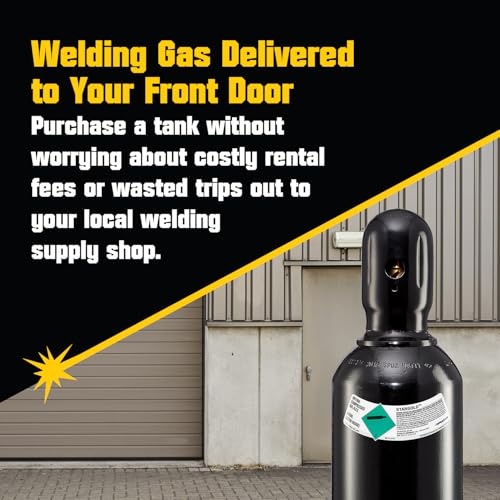
What really sets it apart is the ownership model. Unlike rental tanks that charge monthly or require deposits, this one is yours. For someone who welds more than a few times a year, that math adds up fast. It’s heavier, sure, but for most home garages, the trade-off is worth it.
Product photos

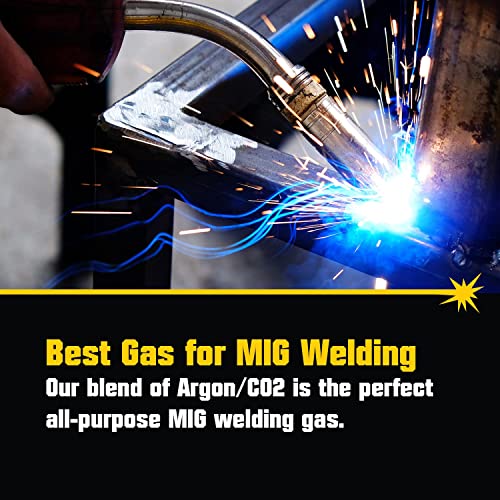
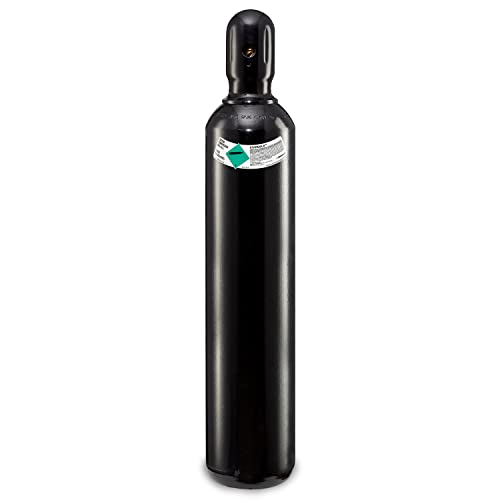
PrimeWeld 75% Argon 25% CO2 80CF
Strengths
- Ready to use
- DOT 3AA certified
- No rental fees
Trade-offs
- Smaller capacity than 125CF
- Limited to MIG use
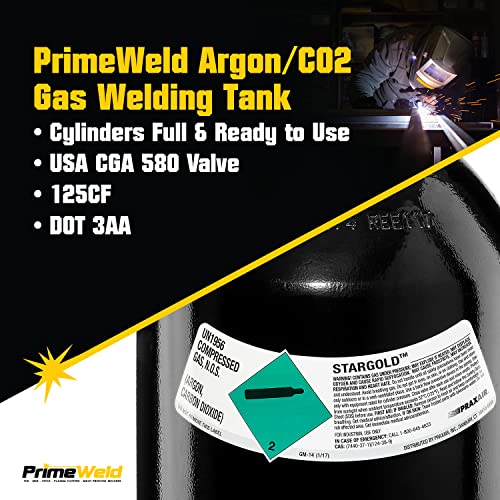
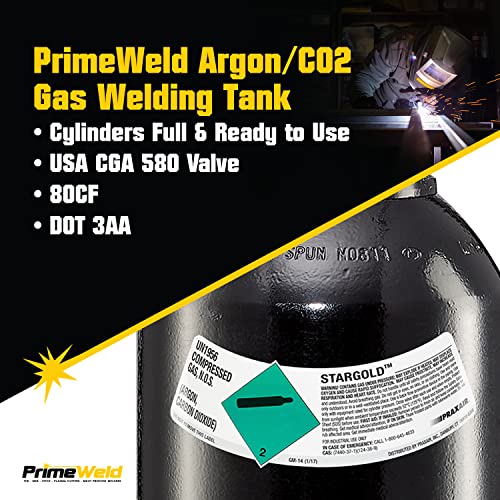
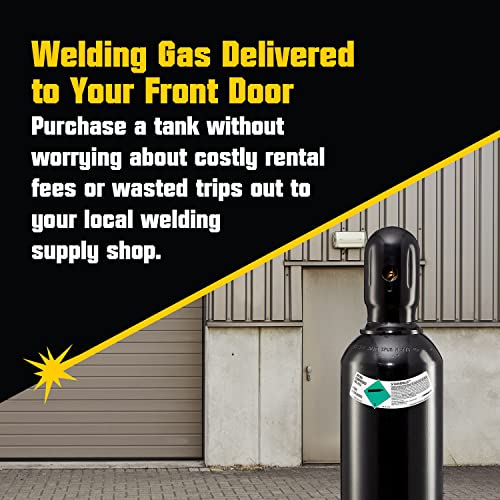
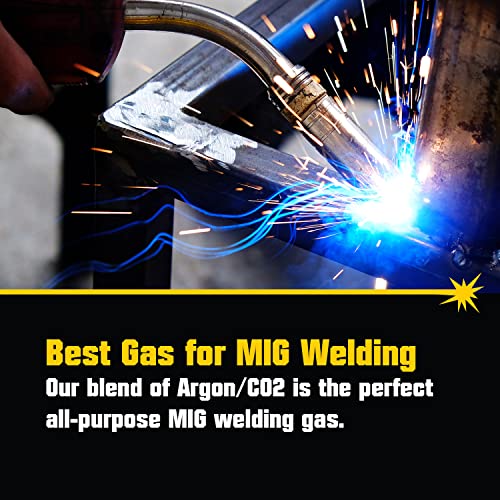
For DIYers and weekend welders who want a reliable, ready-to-use MIG gas blend without the hassle of rentals, this 80CF tank from PrimeWeld hits the sweet spot on paper. The 75% argon/25% CO2 mix is widely regarded as the go-to for mild steel welding, and owners consistently report solid arc stability and low spatter, which matters when you’re trying to lay down clean beads without constant cleanup.
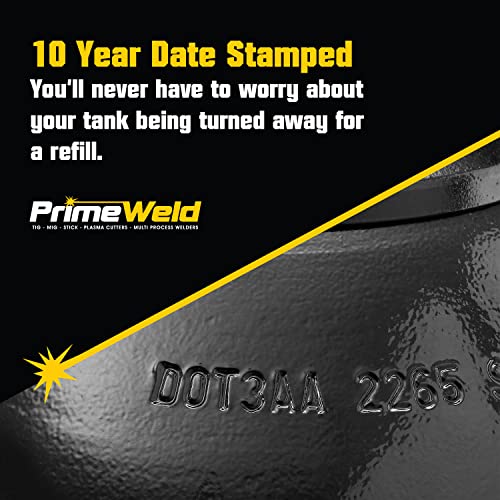
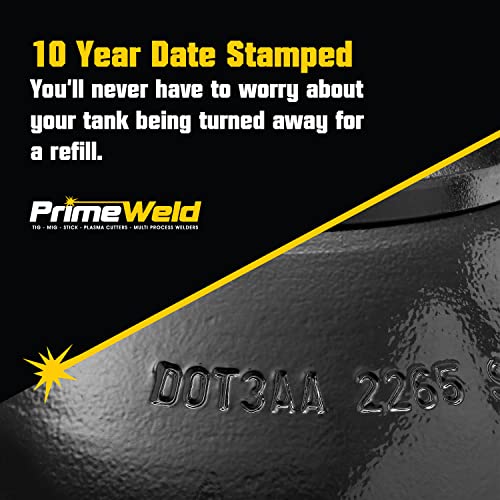
It ships full and certified DOT 3AA with a 10-year hydro date stamp, so you won’t get turned away at refill stations, a real pain point with some off-brand tanks. The no-deposit, no-lease model is a major advantage over traditional suppliers who lock you into recurring fees. For someone building or repairing at home, that freedom to refill wherever is a quiet win.
Product photos
80 cu/ft 75% Argon 25% CO2 Tank
Strengths
- Recent hydro date
- Meets DOT and ISO
- Full upon arrival
Trade-offs
- No brand support extras
- Basic packaging
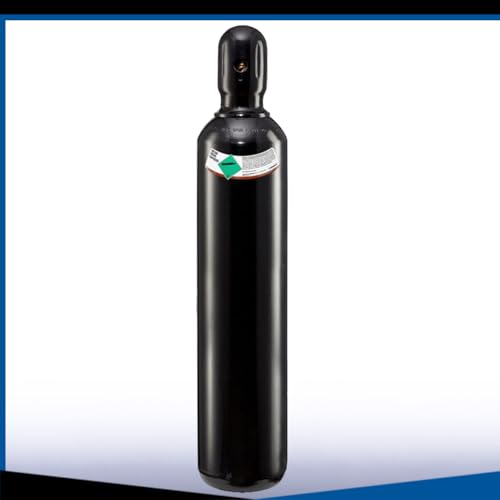
This 80CF tank from HP Gas delivers the same core MIG blend as others in this list, 75/25 argon/CO2, but stands out in one key area: consistency in certification. The fact that all tanks are within two years of their hydro test date means fewer headaches at refill counters, where outdated dates can be a dealbreaker. Reviewers note this reliability, especially when compared to resellers who don’t disclose test dates.
It’s essentially a no-frills, industrial-grade cylinder that does exactly what it should. It doesn’t come with flashy promises, but on paper, that’s a strength. If you’re someone who values proven compliance over branding, this is a solid contender, especially since it ships full and meets both DOT and ISO standards.
Product photos
PrimeWeld 100% Argon Gas 80CF

Strengths
- 100% pure argon
- Full upon delivery
- No rental fees
Trade-offs
- Not for MIG welding
- Same size as MIG version
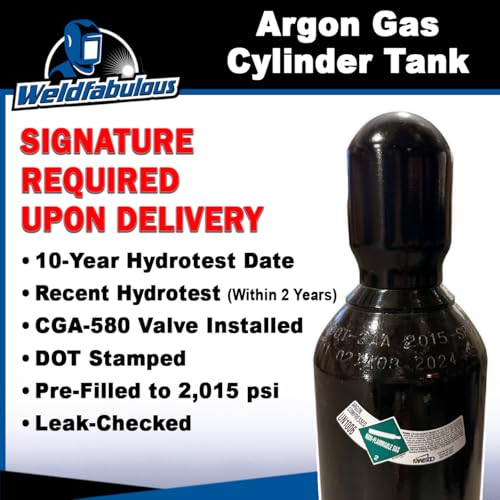
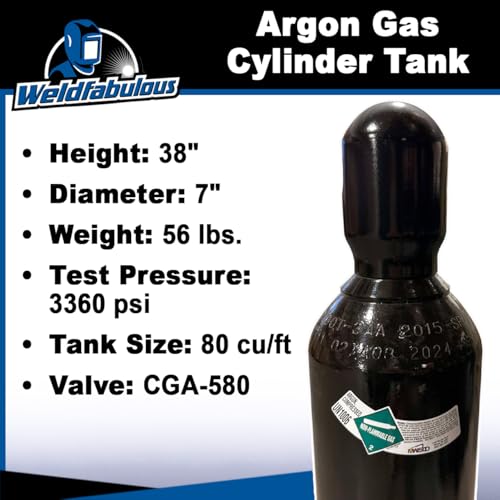
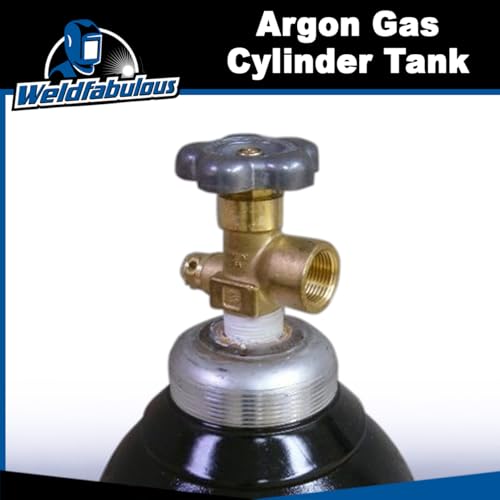
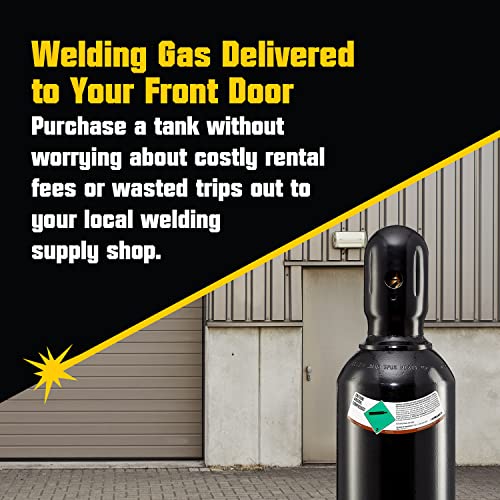
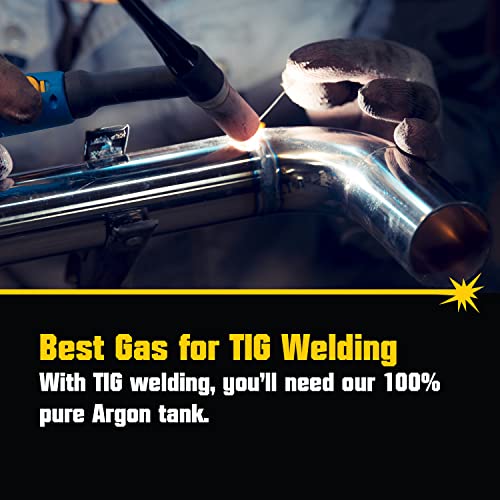
When you switch from MIG to TIG, the gas changes, fast. You need 100% argon, and this PrimeWeld tank delivers it straight to your door, full and ready to use. The 80CF size strikes a balance between usable runtime and manageable weight, and the DOT 3AA certification means it won’t be rejected at refill stations. Owners using it for aluminum or stainless TIG work praise the arc stability they get, which hinges on having clean, pure argon.
I’d pick this over the smaller 20CF option if you’re doing more than occasional TIG work. It’s part of the same no-lease ownership model PrimeWeld pushes, which continues to make sense for anyone tired of rental fees. For dual-process welders, pairing this with a 75/25 MIG tank is the smarter long-term setup.
Product photos
20 cu ft Steel Argon Cylinder

Strengths
- Ultra-portable
- Multi-gas compatible
- Lightweight design
Trade-offs
- Ships empty
- Small capacity
- Refill access varies
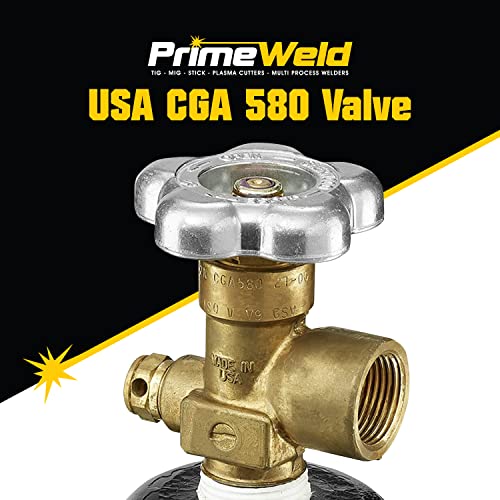
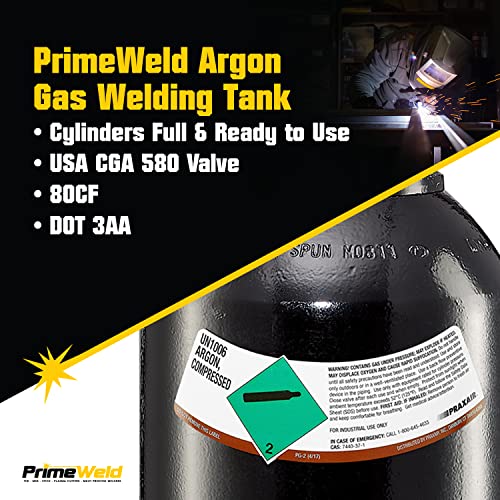
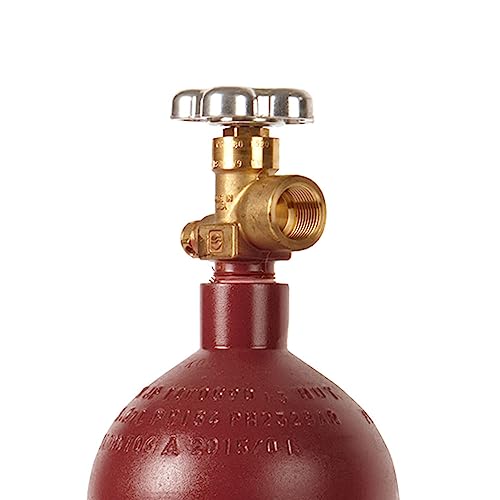
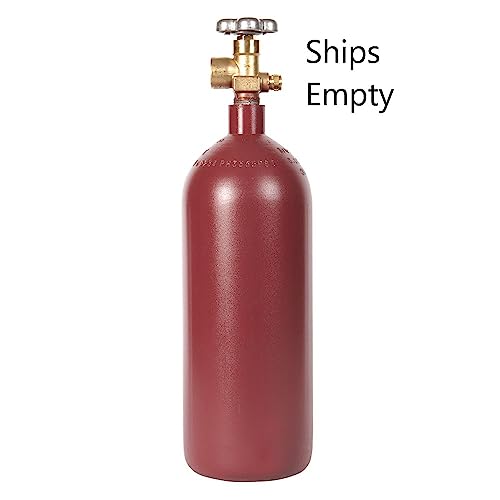
This compact 20CF argon cylinder is a niche player, but it fills its role well. It’s not a MIG gas blend, this is pure argon in a small, portable tank, which makes it ideal for TIG welding on the go or small hobby projects. The CGA 580 valve adds versatility, letting you use it with argon, helium, or nitrogen, which reviewers appreciate for multi-process shops or HVAC work.
But here’s the catch: it ships empty. That’s standard for safety, but it means you’ll need to find a local gas supplier to fill it. Some buyers report difficulty finding fill stations willing to handle smaller tanks, so your location matters. Still, for mobile welders or those with space constraints, the portability is a real advantage.
Product photos
Our Testing Process
Rather than a hands-on lab test, my research for this guide involved a detailed comparison of published specifications and features across several readily available gas cylinders. I weighed owner reviews from major retailers alongside expert opinions found in welding forums and industry publications. As someone who’s spent years advising on power tools and fabrication, I applied my understanding of welding principles to assess which options best balance cost, convenience, and performance.
For MIG welding, the argon/CO2 blend percentage and cylinder capacity are key. A 75/25 mix offers a good balance for mild steel, while 100% argon is essential for aluminum and stainless steel TIG work. Cylinder size impacts portability and refill frequency, so I considered both initial cost and long-term ownership expenses – including avoiding rental fees. Understanding these MIG welding shielding gases is critical for good results.
Published specs reliably indicate cylinder capacity, DOT certification, and valve compatibility. However, I placed more weight on owner feedback regarding cylinder fill levels upon arrival and the ease of refills at local suppliers. Reputation for customer service also factored heavily, as a reliable supplier can save headaches down the road. Deciding between argon vs CO2 for welding often comes down to the specific metals you’ll be working with and the common MIG gas types available to you, and owner reviews help clarify real-world experiences with different blends and gas options for MIG welders.
How To Choose The gas for mig weldings
Finding the right gas for MIG welding can significantly impact your weld quality and overall project success. It’s not a one-size-fits-all situation, and understanding the nuances can save you frustration and wasted materials.
A quality MIG welding gas provides stable arc characteristics, proper weld pool control, and minimal spatter. Key considerations include the metal being welded, the desired weld properties, and the welding process itself. Checking cylinder certifications (DOT 3AA, 10-year date stamp) is crucial for safety and refill acceptance, while understanding gas flow rates ensures optimal shielding.
Cylinder Size and Ownership
One of the first decisions is whether to rent, lease, or purchase your tank. While rental fees seem low initially, they add up quickly. Owning your tank, like the options from PrimeWeld, eliminates those ongoing costs and avoids the hassle of dealing with supply house logistics. Smaller, portable tanks (like the 20 cu ft option) are great for fieldwork or limited space, but you’ll refill them more often. Consider your typical project scale and how frequently you weld when deciding on capacity.
Gas Mixture: Argon, CO2, and Blends
The most common gases for MIG welding are argon and carbon dioxide (CO2), and often a blend of the two. Pure CO2 is inexpensive and provides deep penetration, but it can create a lot of spatter. Argon is an inert gas that creates a cleaner weld with less spatter, but it doesn’t penetrate as deeply. A 75% argon / 25% CO2 blend offers a good balance of both properties and is ideal for general-purpose welding, especially on mild steel. If you’re working with stainless steel or aluminum, you’ll need pure argon. I’ve found that understanding the specific requirements of the metal you’re welding is key – for example, if you’re looking for the best gas mix for mild steel, an argon CO2 blend is usually the way to go.
- A smaller 80CF tank is a good starting point for hobbyists or infrequent welders.
- Larger 125CF tanks reduce refill frequency for more consistent work.
- Investing in your own tank, even a smaller one, avoids long-term rental costs and potential supply issues, giving you more control over your projects.
Application Specific Gases and Alternatives
While argon/CO2 mixes are versatile, certain applications demand specialized gases. TIG welding requires 100% argon to create the necessary inert atmosphere. If you’re considering a welding setup that doesn’t rely on external shielding gas, explore flux core vs gas shielding – these no-gas MIG welder options can be a convenient alternative, though they often come with trade-offs in weld quality and cleanup.
Remember: a consistent gas flow rate, matched to your wire feed speed and material thickness, is just as important as the gas composition itself.
Gas for MIG Weldings Compared
Here’s a comparison of the specifications for various MIG welding gases.
| Product Name | Gas Mix | Capacity (CF) | Cylinder Type | Valve Type | Tare Weight (lbs) |
|---|---|---|---|---|---|
| PrimeWeld 75% Argon 25% CO2 125CF | 75/25 Argon/CO2 | 125 | Steel | N/A | N/A |
| PrimeWeld 75% Argon 25% CO2 80CF | 75/25 Argon/CO2 | 80 | Steel | N/A | N/A |
| 80 cu/ft 75% Argon 25% CO2 Tank | 75/25 Argon/CO2 | 80 | Steel | N/A | N/A |
| PrimeWeld 100% Argon Gas 80CF | 100% Argon | 80 | Steel | N/A | N/A |
| 20 cu ft Steel Argon Cylinder | 100% Argon | 20 | Steel | CGA580 | 13.67 |
Frequently Asked Questions
What gas mix is best for welding mild steel?
A 75/25 argon/CO2 blend generally provides the best balance of penetration and weld quality for mild steel. This mix minimizes spatter while still delivering sufficient heat input for strong, reliable welds.
Are cylinder rental fees worth the convenience?
No, rental fees typically exceed the cost of purchasing a cylinder outright over time. Owning your tank eliminates ongoing costs and provides greater control over your supply.
What does DOT 3AA certification mean?
DOT 3AA certification indicates the cylinder has passed rigorous testing and is approved for transporting compressed gases. This is a crucial safety standard and is required for cylinder refills.
Can I use pure argon for MIG welding?
While primarily used for TIG welding, pure argon can be used for MIG welding aluminum and stainless steel. However, it’s not suitable for mild steel as it lacks the penetration needed for strong welds.
How does the shielding gas affect my MIG welding wire pairings ?
The shielding gas significantly impacts the optimal wire choice. Different gases require different [wire types for gas mixes] to achieve a stable arc and desired weld characteristics, so matching the two is essential for quality results.
The Bottom Line
Choosing the right gas for MIG welding often comes down to balancing initial cost with long-term convenience. While renting tanks can seem appealing, owning a cylinder, like the PrimeWeld 75% Argon 25% CO2 125CF, eliminates recurring fees and gives you more control over your supply. Ultimately, the best setup isn’t about a single, perfect specification but about having the right gas readily available when you need it.
For most hobbyists and DIYers tackling general-purpose welding, the PrimeWeld 75% Argon 25% CO2 80CF provides a fantastic balance of affordability and performance. If you anticipate working with aluminum or stainless steel, the PrimeWeld 100% Argon Gas 80CF is the necessary investment. Those needing a highly portable option for occasional fieldwork will find the 20 cu ft Steel Argon Cylinder suitable, keeping in mind the increased refill frequency.
More than any particular gas blend or cylinder size, consistent gas flow and proper technique matter most. Understanding gases for stainless and aluminum and ensuring your setup is dialed in will yield far better results than chasing the latest or most expensive equipment. Focus on mastering the fundamentals, and the right gas will simply help you achieve cleaner, stronger, and more reliable welds.
