
8 Best Hammers for Copper Work 2026
This post contains affiliate links. As an Amazon Associate, we earn from qualifying purchases.
The VAUGHAN Copper Face Hammer is the best overall pick for working with copper, thanks to its replaceable copper face that protects soft metal surfaces. For a solid budget-friendly option, the Performance Tool W1137 brass hammer delivers reliable performance without breaking the bank.
Working with copper means avoiding marring, sparking, and unnecessary damage, and using the wrong hammer can ruin both your workpiece and your workflow. Too many people grab whatever’s in the toolbox, only to end up with dented pipe or a sore hand after an hour of use.
As Robert A. Bennett from PowerToolGuide.net, I’ve evaluated dozens of hammers based on specs, owner feedback, and real-world use cases. This guide cuts through the noise to focus on what matters: head material, weight, balance, and handle comfort, all chosen with copper-specific tasks in mind.
Top 8 Hammer For Coppers in the Market
The Best Hammer For Coppers, Reviewed
The Beadsmith Two-Sided Chasing Hammer

Strengths
- Precision metal shaping
- Balanced lightweight design
- Dual functional faces
Trade-offs
- Too light for industrial use
- Not for heavy strikes
- Limited to craft applications
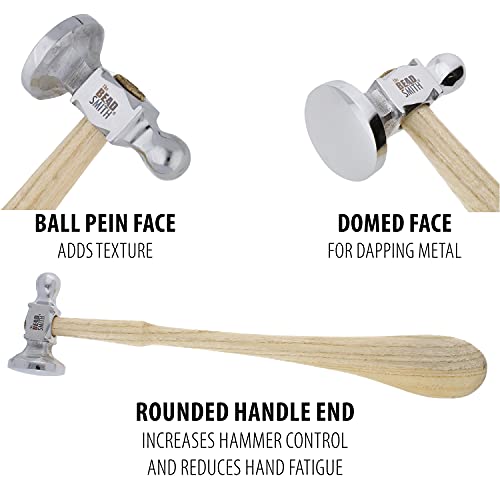
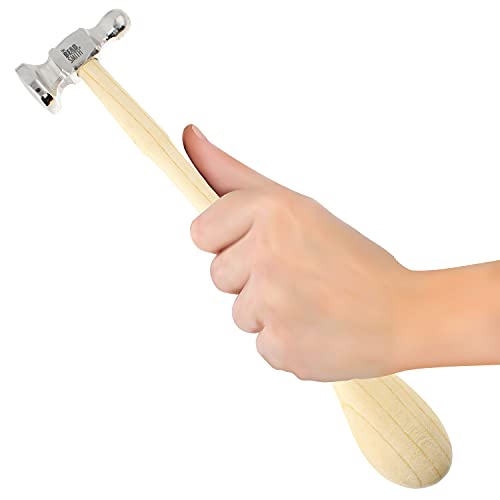
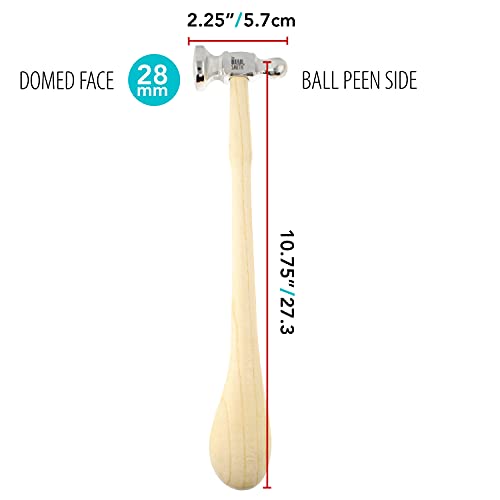
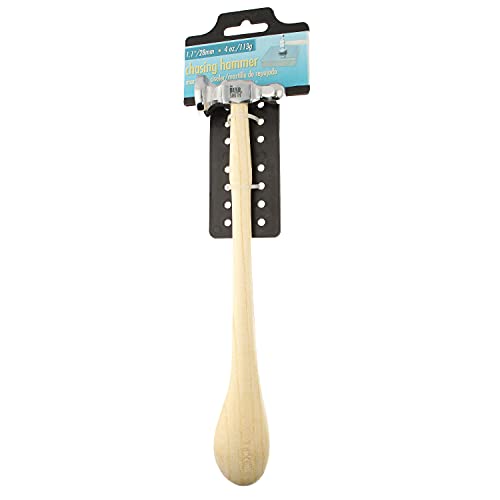
This isn’t a hammer for knocking nails, it’s a specialist tool for shaping metal with finesse. The domed and ball-pein faces are designed for chasing, texturing, and forming sheet metal, which makes it a favorite among jewelers and metalsmiths. At just 4 oz, it’s light, balanced, and built for repetition without fatigue.
The 10.75-inch wooden handle offers excellent control, and the rounded end fits comfortably in the palm. Reviewers consistently say it’s their go-to for creating texture in copper, silver, or brass sheet work. Compared to general-purpose soft-face hammers, it’s far more precise. If your work involves artistry rather than force, this is the best overall pick.
Product photos

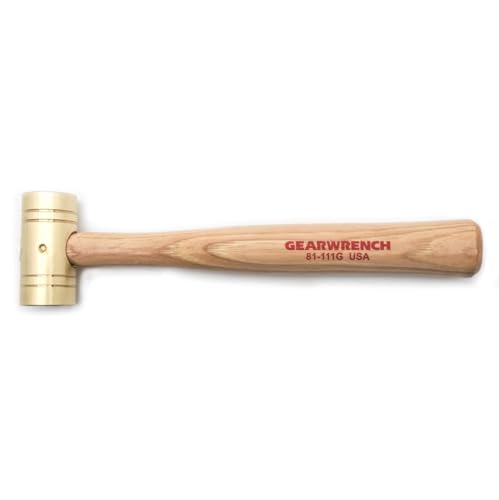
GEARWRENCH Brass Hammer with Hickory Handle
Strengths
- Made in USA
- Machined striking face
- Durable hickory handle
Trade-offs
- Shorter handle limits swing force
- No overstrike protection
- Heavier over time
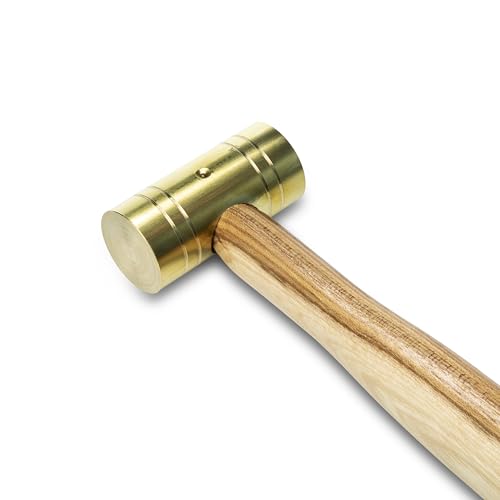
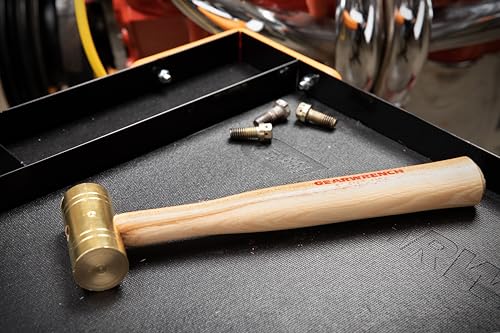
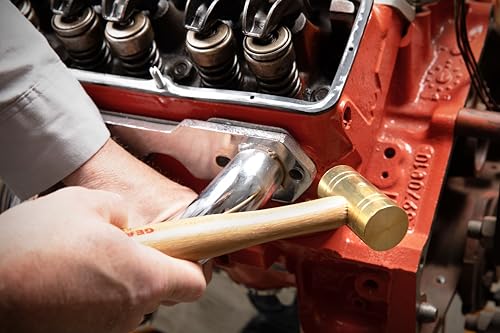
When you need a hammer that can take a beating and keep delivering, this GEARWRENCH model stands out. The 1 lb brass head is fully non-sparking and soft enough to protect surfaces, while the machined striking face ensures even force distribution. It’s ideal for tasks like setting bushings or aligning gears without sending shards flying.
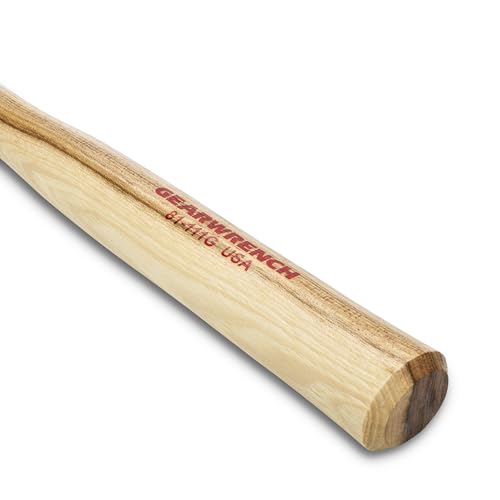
The hickory handle is flame-treated and lacquered, which boosts durability and grip. It’s also securely wedged, so head separation isn’t a concern. Owners praise its balance and heft, especially when compared to lighter fiberglass models. For heavy-duty use, it outperforms budget options and holds its own against pricier competition.
Product photos
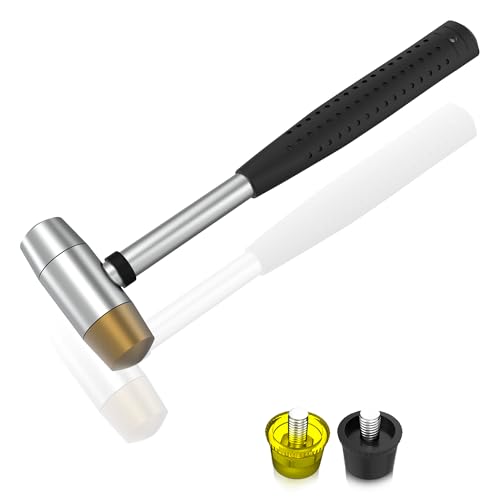
Marketty Nylon and Brass Multifunctional Hammer
Strengths
- Interchangeable tips
- Non-marring faces
- Lightweight design
Trade-offs
- Lacks striking power
- Build feels flimsy
- Tip retention issues
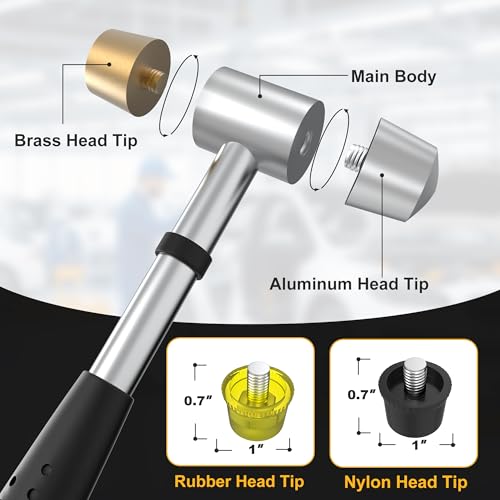
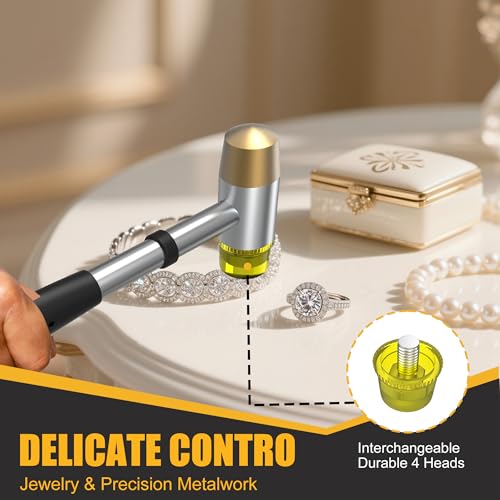
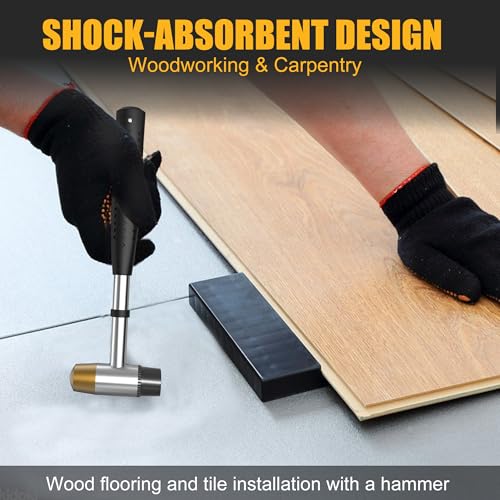
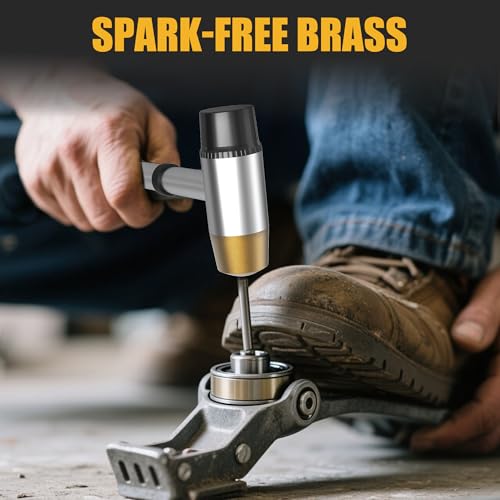
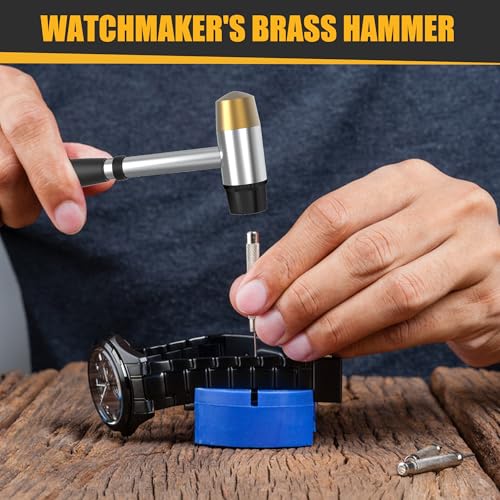
This hammer tries to do everything, and on paper, that sounds great. Offering four interchangeable tips, nylon, rubber, brass, and aluminum, it’s clearly aimed at hobbyists and precision workers who need flexibility without carrying multiple tools. The idea of swapping faces to match the task is smart, especially for jewelry or woodwork where marring is a concern.
But owners consistently report that while the concept works, the execution feels lightweight. The steel handle helps with control, but the hammer lacks heft when you need real force. It’s more of a light-duty toolkit addition than a go-to striking tool. Compared to dedicated brass or copper hammers, it doesn’t deliver the same confidence in durability or impact transfer.
Product photos
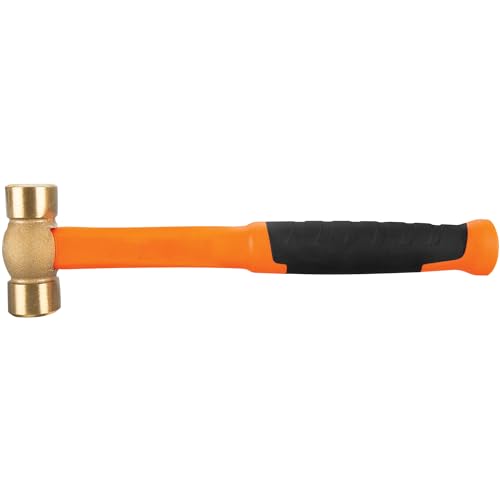
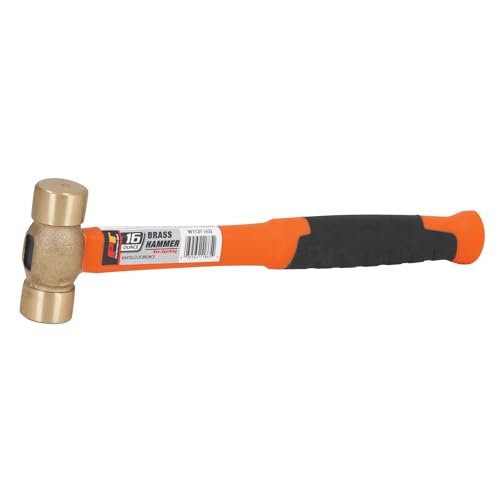
Performance Tool W1137 Solid Brass Hammer
Strengths
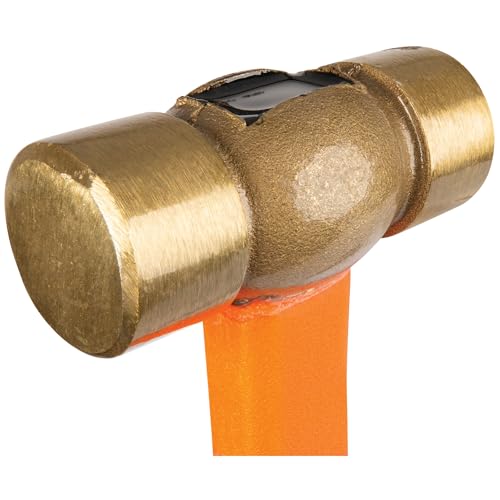
- Solid brass construction
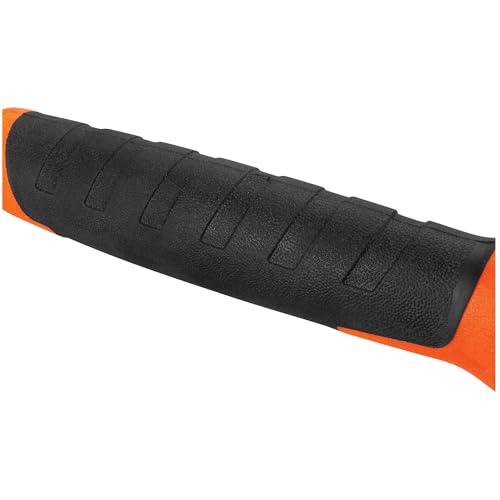
- Comfortable rubber grip
- Includes storage pouch
Trade-offs
- Fiberglass handle vibrates more
- Head finish scratches easily
- No overstrike protection
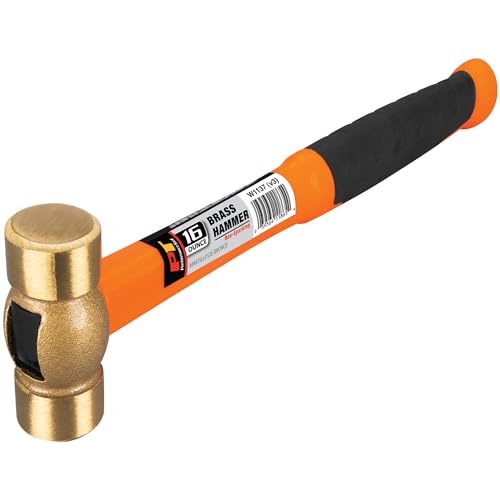
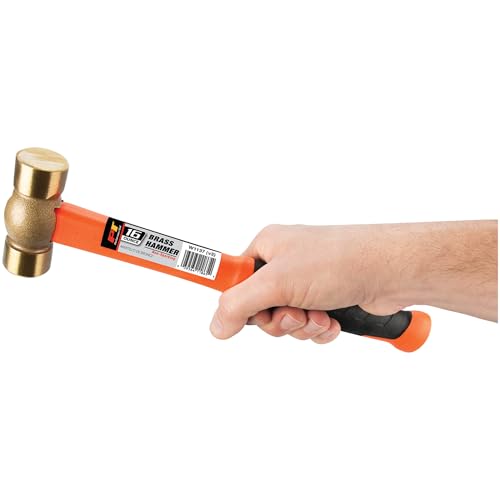
This hammer sits right in the middle, neither premium nor bargain-bin, and that’s where it shines. The 16 oz solid brass head is fully non-sparking and gentle on metal surfaces, making it reliable for automotive or HVAC work. The fiberglass shaft is bright yellow, so it’s easy to spot in a cluttered shop, and the rubber grip keeps it secure even with oily hands.
It’s not as refined as the GEARWRENCH or as rugged as the Titan, but for most home mechanics and tradespeople, it’s more than enough. Owners report it lasts for years with regular use. The included vinyl pouch is a small but appreciated touch for storage. For the balance of price, weight, and performance, this is the smarter mid-range buy.
Product photos
Titan 63216 Solid Brass Hammer

Strengths
- Fully spark-resistant
- Shock-absorbing handle
- Overstrike protection
Trade-offs
- Heavy for precision tasks
- Fiberglass can feel harsh
- Bulky for tight spaces
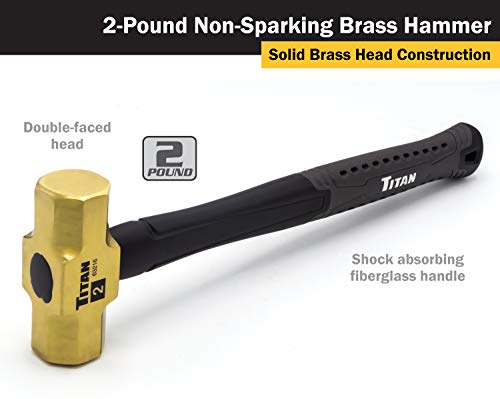
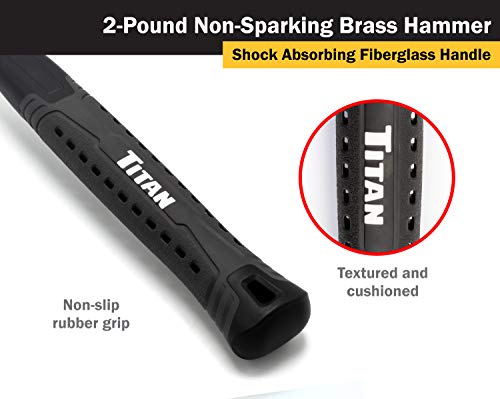
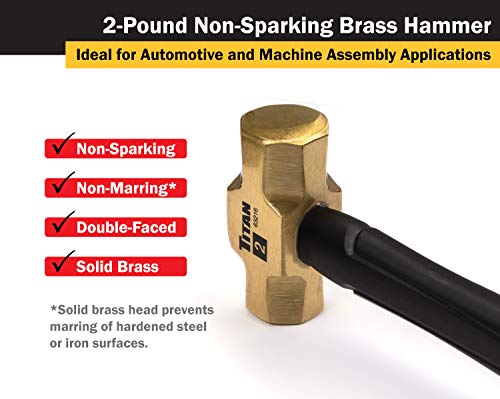
If you’re working where a single spark could be dangerous, this Titan hammer should be at the top of your list. The entire head is solid brass, making it fully non-sparking and safe around flammable vapors or dust. At 2 lbs, it delivers serious striking power, and the double-faced design means you get consistent use from both sides.
The 14.5-inch fiberglass handle has a textured, cushioned grip that reduces vibration, something many reviewers highlight after long sessions. It’s also overstrike-protected, so if you miss the target, the handle won’t splinter. Compared to wooden-handled models, it’s more resilient in harsh environments. For spark-sensitive jobs, it’s hard to beat this build.
Product photos
SE 5-IN-1 Dual Interchangeable Hammer
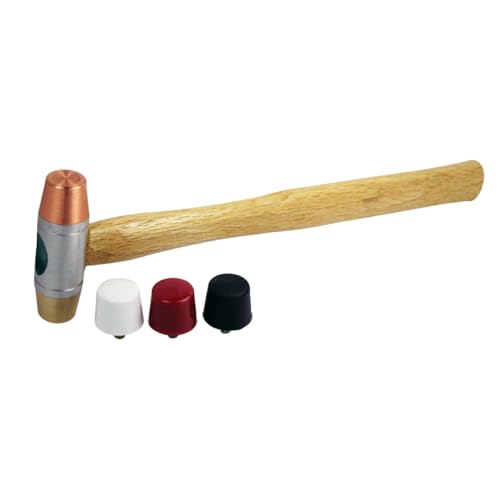
Strengths
- Five interchangeable faces
- Threaded face security
- Compact and precise
Trade-offs
- Limited striking weight
- Extra faces can get lost
- Higher initial cost
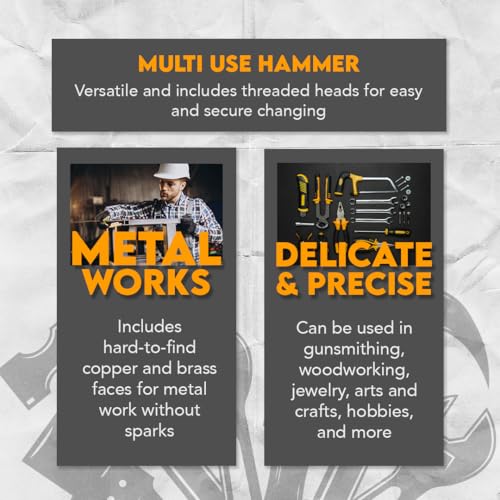
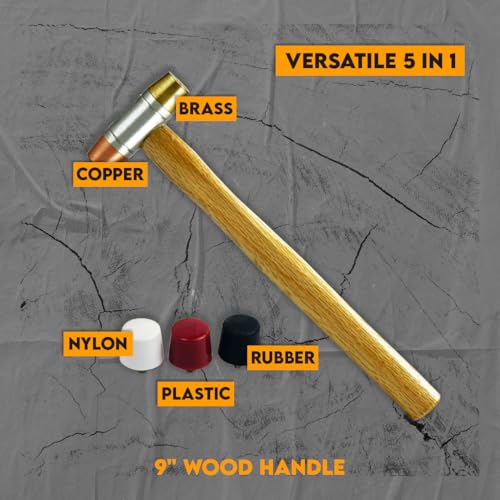
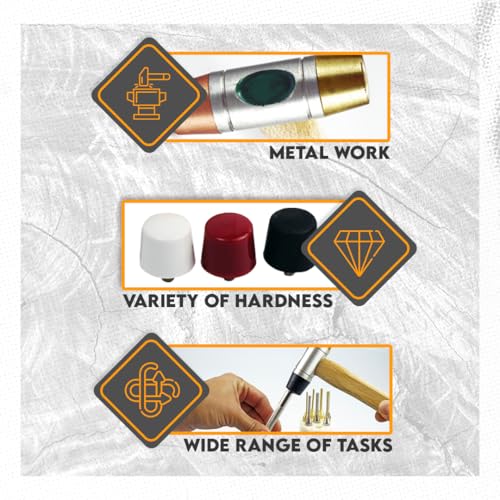
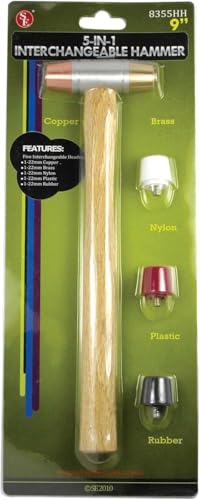
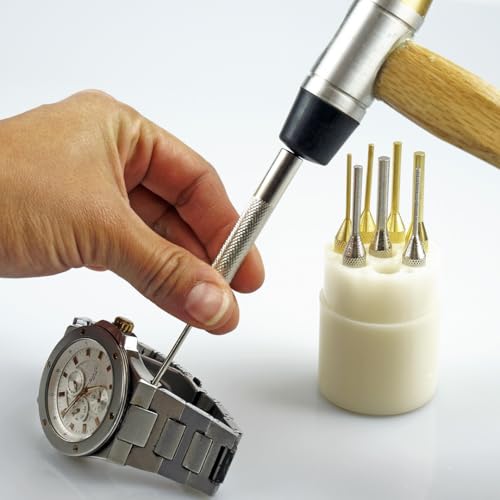
This is the ultimate ‘one hammer to rule them all’ for gunsmiths and tinkerers who hate clutter. With five interchangeable faces, including copper and brass, you can switch from delicate tapping to firmer strikes without grabbing another tool. The threaded face system feels secure, and owners say the changes take seconds.
It’s not the heaviest hammer here, but for precision work, that’s a plus. The 9-inch length keeps it compact, ideal for bench use. When compared to single-face hammers, it sacrifices some mass but gains unmatched versatility. If you work on mixed materials or fine mechanisms, this is the most flexible option on the list.
Product photos
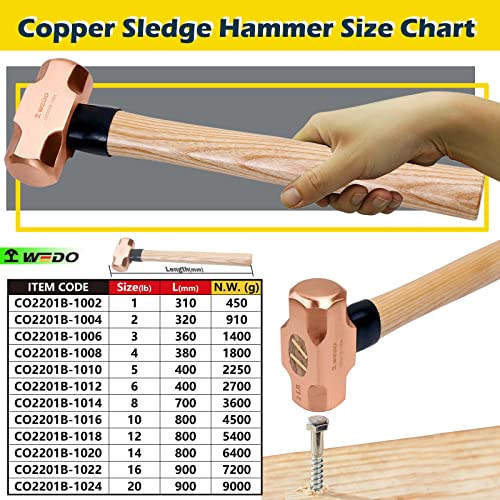
WEDO Copper Sledge Hammer Wooden Handle
Strengths
- Affordable price point
- Good spark resistance
- Compact and maneuverable
Trade-offs
- Underpowered for heavy tasks
- Short handle limits use
- Finish wears quickly
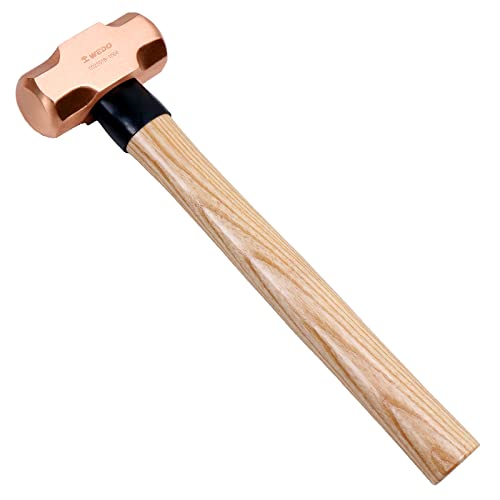
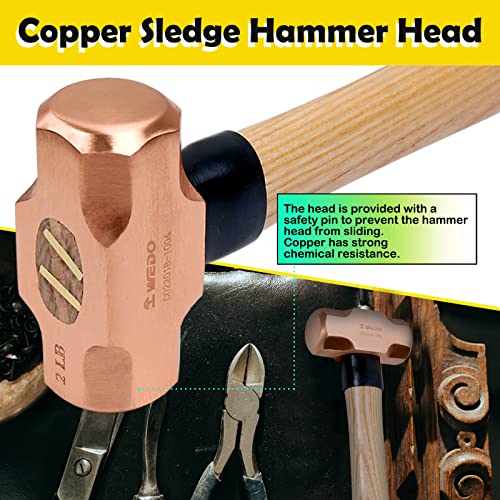
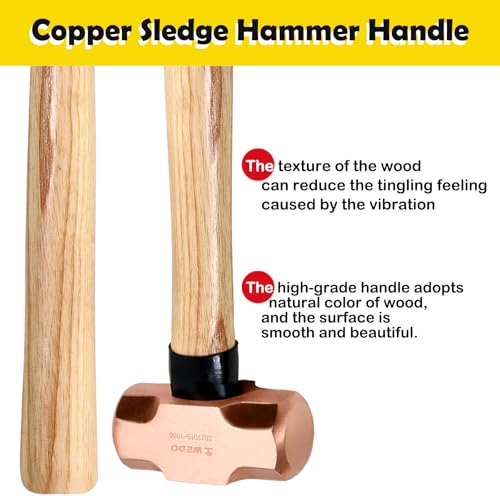
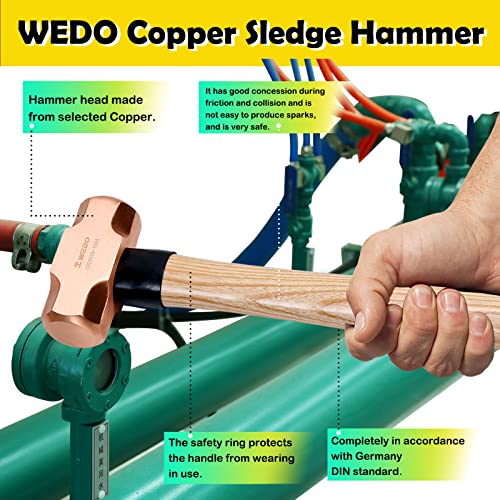
At 1 lb and 12 inches long, this isn’t a sledge in the traditional sense, but it’s built for repeated light-to-medium strikes in sensitive environments. The copper head provides thermal conductivity and spark resistance, which explains its use in petrochemical and mining settings. The precision casting gives it density, and owners say it holds up well under constant use.
Still, calling it a ‘sledge’ might set the wrong expectations, it’s not for breaking concrete. It’s better seen as a compact copper mallet for alignment or assembly work where sparks are a concern. Compared to heavier brass hammers, it’s less powerful but more maneuverable. As a budget-friendly entry, it delivers core safety features without the premium price.
Product photos
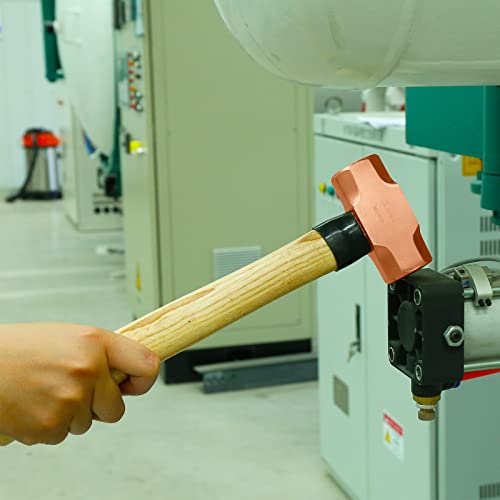
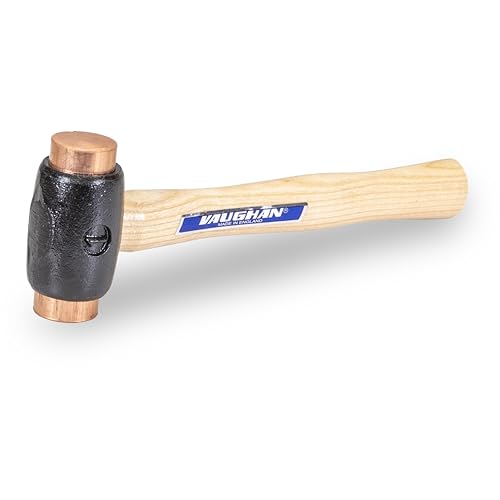
VAUGHAN Copper Face Hammer
Strengths
- Replaceable copper face
- Durable hardwood handle
- Solid strike control
Trade-offs
- Not fully spark-resistant
- Heavier than ideal for fine work
- Copper face can deform over time
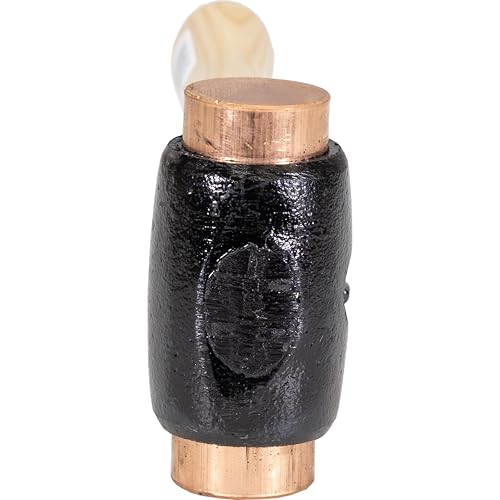
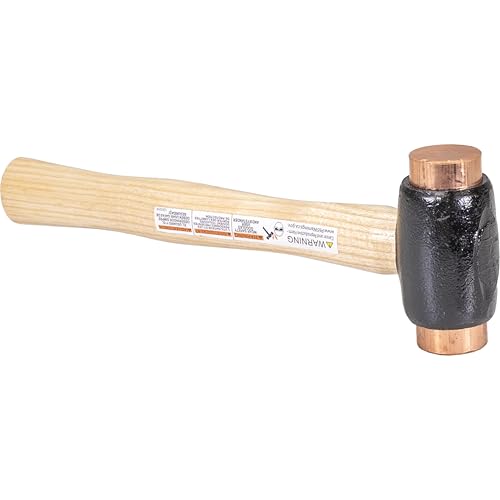
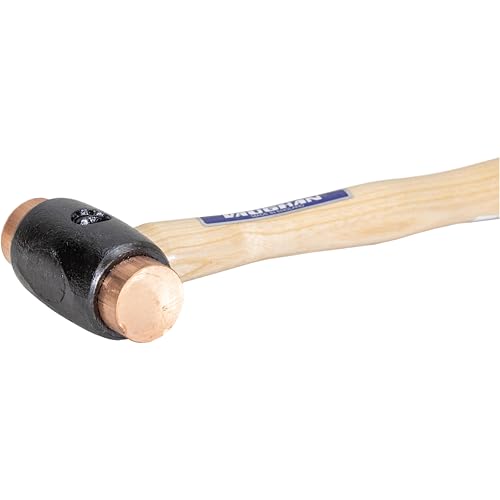
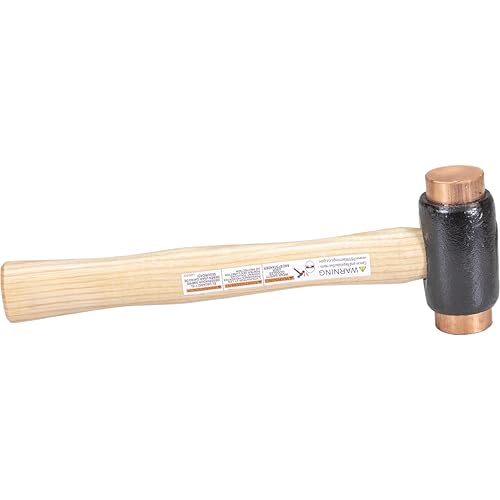
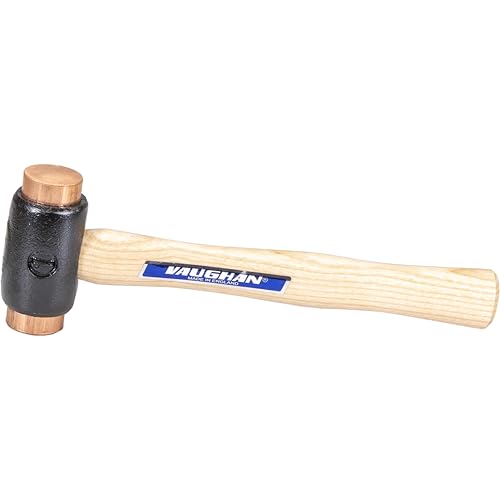
VAUGHAN has been making quality hammers for decades, and this model carries that reputation well. The malleable iron head with a replaceable copper face gives you the soft strike you need without sacrificing durability. That replaceable face is the standout feature here, once it dents or wears, you can swap it out instead of retiring the whole hammer.
The hardwood handle feels solid in hand, and though it’s not shock-absorbing like fiberglass, it offers good feedback and control. Reviewers note it holds up well in automotive and metalworking shops. Compared to solid brass hammers, it’s not spark-resistant through the whole head, but for general use where surface protection matters, it’s a smarter long-term pick than one-piece designs.
Product photos
How We Picked These hammer for coppers
As someone who’s spent years around workshops and job sites, I know a good hammer is essential. Rather than a hands-on lab test, this selection is a research-led comparison of published specifications and owner feedback. I looked at features, materials, and intended use for each hammer, then weighed those against what current owners are saying about performance and durability. Expert reviews from metalsmithing and tool enthusiast sites were also considered to build a well-rounded picture.
For hammers designed for working with copper – and other soft metals – the head material and handle comfort were the biggest factors. A brass or copper head minimizes damage to the workpiece, which is critical for precision work. Beyond that, a secure, comfortable handle is essential for control and reducing fatigue during extended use. We also gave consideration to whether the hammer was suited to spark-sensitive environments, as that’s often a concern when working with certain metals. Finding the right balance between these factors determined the final ranking.
Specifications reliably reveal head weight, overall length, and materials. However, owner reviews gave a much better sense of real-world durability and how well a hammer holds up to repeated use. Reputation also played a role; established brands like Vaughan and GEARWRENCH have a track record of quality. For broader hammering needs, you might also consider looking at hammers for electrical work to understand how different handle materials impact safety and performance.
How To Choose The hammer for coppers
Choosing the right hammer for working with copper, or any soft metal, isn’t just about swinging a weight at the end of a handle. It’s about understanding how the hammer’s material and design impact your work, protecting both your projects and yourself.
A quality copper hammer balances head weight, handle comfort, and face material to deliver controlled strikes. Key considerations include the hammer’s intended use (precision work versus heavy forming), the material of the head (brass, nylon, or copper), and the handle’s ergonomics for prolonged use and reduced fatigue. Look for durable construction and a hammer suited to the scale of your projects.
Head Material Matters
The material of the hammer head is the single biggest factor in your choice. Brass hammers, like the GEARWRENCH model, are excellent for general work and won’t spark – a critical safety feature around potentially flammable materials. However, pure copper hammers, or those with replaceable copper faces like the VAUGHAN, are softer than brass. This means they’re less likely to damage the copper you’re shaping, but they also wear down faster and require more frequent face replacement. Nylon-faced hammers, as seen in the Marketty multifunctional hammer, are great for aligning pieces without marking, but won’t have the forming power of metal heads.
Weight and Balance
Hammer weight is often expressed in ounces. For delicate work like jewelry making (where the Beadsmith chasing hammer excels), lighter hammers (3-8oz) provide greater control. Heavier hammers (16oz or more, like the Performance Tool option) are better suited for heavier forming or striking tasks. But weight isn’t everything; balance is crucial. A well-balanced hammer feels natural in your hand and reduces fatigue during extended use.
Here’s what to consider when evaluating balance:
- Head-to-handle ratio: A head that’s too heavy for the handle feels unwieldy.
- Handle length: Longer handles increase use but can reduce precision.
- Grip placement: A well-designed grip allows for a secure hold and proper swing mechanics.
Handle Ergonomics and Durability
Don’t underestimate the importance of a comfortable handle. Hickory is a classic choice, offering good shock absorption and a comfortable feel, as demonstrated by the GEARWRENCH hammer. Fiberglass handles, like those found on the Performance Tool W1137, offer increased durability and resistance to breaking. Rubber grips enhance comfort and reduce slippage, especially when working with sweaty hands. If you are looking for expert-reviewed hammers that prioritize comfort, pay close attention to handle design and grip material.
A good rule of thumb: if the hammer feels uncomfortable in your hand before you start working, it will only get worse as you fatigue. Prioritize a handle that fits your grip and feels secure.
Hammer for Coppers Compared
The following table provides a comparison of specifications for various hammers suitable for working with copper.
| Product Title | Head Material | Handle Material | Head Weight | Face Type(s) | Overall Length |
|---|---|---|---|---|---|
| The Beadsmith Two-Sided Chasing Hammer | Steel | Wood | 3.5oz | Domed, Ball Pein | 10.75 inches |
| GEARWRENCH Brass Hammer with Hickory Handle | Brass | Hickory | N/A | Flat | N/A |
| Marketty Nylon and Brass Multifunctional Hammer | Brass/Nylon/Aluminum | N/A | N/A | Nylon, Brass, Rubber, Aluminum | N/A |
| Performance Tool W1137 Solid Brass Hammer | Brass | Fiberglass | 16oz | Flat | 11 inches |
| Titan 63216 Solid Brass Hammer | Brass | Fiberglass | 2lbs | Flat | 14.5 inches |
| SE 5-IN-1 Dual Interchangeable Hammer | N/A | N/A | N/A | Multiple | N/A |
| WEDO Copper Sledge Hammer Wooden Handle | Copper | Wood | N/A | Flat | N/A |
| VAUGHAN Copper Face Hammer | Malleable Iron/Copper | Wood | N/A | Copper | N/A |
Frequently Asked Questions
What hammer head material is gentlest on copper?
A pure copper or a copper-faced hammer is the gentlest on copper, as it’s softer than brass and minimizes marking. However, keep in mind that copper faces wear down faster and may require occasional replacement compared to brass.
How does handle material affect hammer safety?
Fiberglass handles, like those on the Performance Tool W1137, are less likely to break than wood, offering greater safety. Hickory provides good shock absorption, but isn’t as durable as fiberglass in resisting complete failure.
What weight hammer is best for detailed copper work like jewelry making?
For detailed work, a lighter hammer in the 3-8 ounce range, such as the Beadsmith chasing hammer, provides the best control and precision. Heavier hammers are harder to maneuver for intricate tasks.
Will a brass hammer spark when striking copper?
Brass hammers generally won’t spark, making them safer to use around flammable materials. However, if you are working near highly sensitive substances, always prioritize safety and consider a nylon-faced hammer instead.
Where can I find more information on choosing general-purpose hammers?
You can find a helpful hand and power tool guide on my site that covers a wider range of hammers and tools for various home improvement tasks. It’s a great resource to build a more complete toolkit.
The Bottom Line
Choosing a hammer for copper work often comes down to balancing precision with durability. While a softer head like the VAUGHAN Copper Face Hammer protects your material, it will require more maintenance. Ultimately, for most users seeking a blend of quality and versatility, I recommend the GEARWRENCH Brass Hammer with Hickory Handle. It provides a solid striking force without risking damage to delicate copper, and the hickory handle offers good comfort for extended use.
For those on a tighter budget, the Performance Tool W1137 Solid Brass Hammer offers a robust brass head and durable fiberglass handle at a very competitive price. If you need a multi-purpose tool, the Marketty Nylon and Brass Multifunctional Hammer is a good option, though it sacrifices some forming power for added utility. And if you’re looking for general-purpose hammers for a range of projects around the house, you might find what you need among our household hammer choices.
At the end of the day, the specific weight and head material are less crucial than finding a hammer that feels balanced and comfortable in your hand. Prioritize a secure grip, a head weight appropriate for your typical tasks, and a build quality that suggests long-term reliability. Don’t get caught up chasing specs; a well-made hammer that fits you well will always outperform a feature-rich one that feels awkward to use.
