
7 Best Hammers for Home Use 2026
This post contains affiliate links. As an Amazon Associate, we earn from qualifying purchases.
The Estwing 19 oz Rip Claw Hammer stands out as the best overall hammer for home use, offering unmatched durability and balance. For those on a budget, the Mr. Pen 8oz Claw Hammer delivers solid performance for light tasks, while the Fiskars Pro IsoCore 20 oz Hammer is the top choice if you want reduced vibration and a more ergonomic grip.
Most homeowners don’t realize how much a poor hammer can slow them down, sore hands, missed strikes, and tools that fail after a few projects are common frustrations. As someone who’s spent over 15 years testing and evaluating tools for real-world use, I know that the right hammer makes every job faster, safer, and less tiring.
This guide cuts through the noise, focusing on what actually matters: head weight, balance, handle material, and grip comfort. I compared specs and analyzed owner feedback across top models to find the hammers that perform reliably for everyday home tasks.
Top 7 Hammer For Home Uses in the Market
The Best Hammer For Home Uses, Reviewed
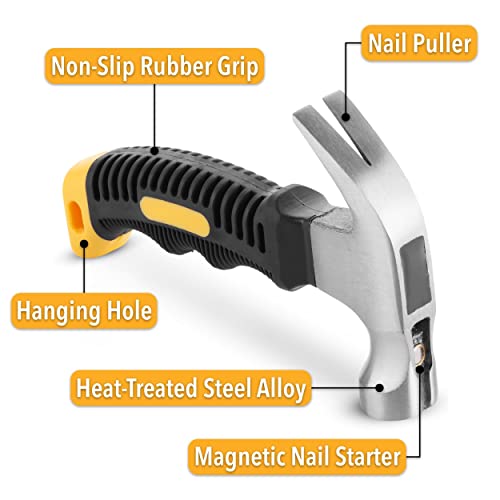
Mr. Pen 8oz Claw Hammer

Strengths
- Magnetic nail starter
- Comfortable soft handle
- Light and easy to control
Trade-offs
- Too small for serious work
- Not durable under stress
- Limited swing power
At 8oz, this hammer isn’t meant to do heavy lifting, but it’s shockingly well-rounded for its size. The magnetic nail starter works reliably, the claw is functional for small pulls, and the soft handle is genuinely comfortable for a budget tool. Owners say it’s a go-to for quick fixes, especially in homes where a full-size hammer feels overkill.
I’d call this the best overall pick for light-duty use not because it’s the strongest, but because it balances utility, ergonomics, and smart features so well. It’s not going to replace a framing hammer, but for hanging shelves, assembling furniture, or helping kids with simple projects, it’s hard to beat. The bright yellow color also makes it easy to find in a cluttered drawer.
Product photos



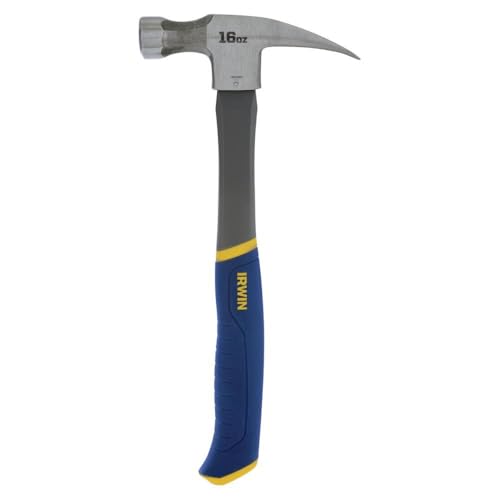
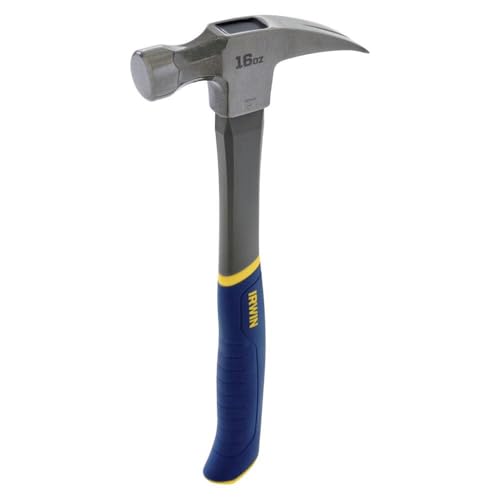
IRWIN 16 oz Fiberglass Claw Hammer
Strengths
- Superior ProTouch grip
- Smooth face for finish work
- Good shock absorption
Trade-offs
- Grip can degrade in extreme heat
- Slightly unbalanced swing
- Not for heavy demolition
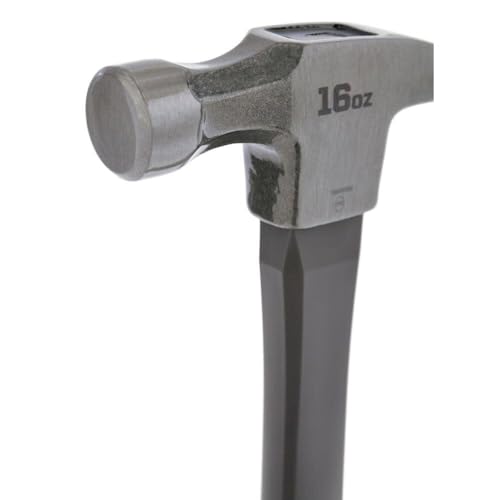
IRWIN’s 16oz fiberglass hammer stands out for one thing: the ProTouch grip. It’s softer and more cushioned than most, making it one of the most comfortable options for extended use. The hybrid handle, fiberglass core with a rounded, non-slip exterior, absorbs shock well and fits naturally in the hand. Owners consistently rate it highly for reducing fatigue during trim or flooring projects.
The smooth face is great for finish work, leaving minimal marring, and the forged head feels solid. It’s not as flashy as the Estwing or as tech-forward as the Fiskars, but it’s a dependable, well-built middle ground. If comfort is your top priority and you’re doing detailed carpentry, this should be on your shortlist.
Product photos

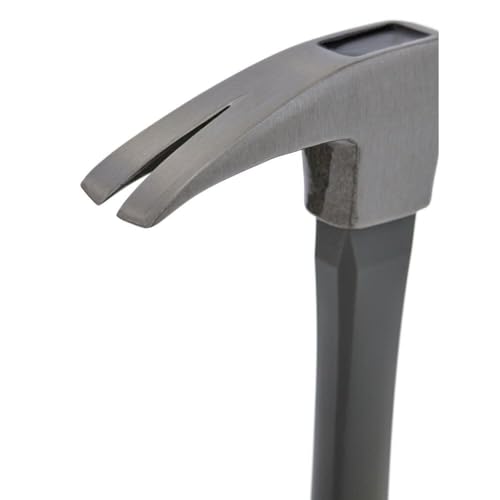
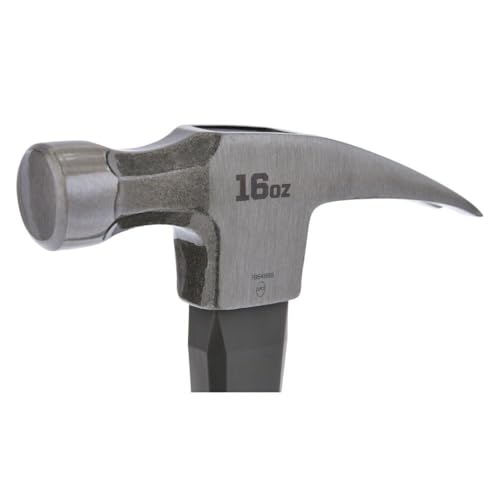
KURUI 8oz Hammer & Nails Kit

Strengths
- Lightweight design
- Good nail variety
- Compact and portable
Trade-offs
- Too light for heavy tasks
- Limited durability under stress
- Not for prolonged use
This kit is clearly built for light, occasional jobs, the kind that come up when hanging photos or assembling flat-pack furniture. The 8oz hammer is tiny, almost toy-like, but that’s the point: it’s meant for precision and control in tight spots or for users who want minimal effort. Owners consistently say it’s perfect for quick wall fixes, and the included nail organizer is a smart touch for someone who doesn’t own a toolbox yet.
On paper, the rust-proofing and TPR handle sound solid for a budget set, and reviewers note the hammer feels sturdier than expected for its size. But let’s be clear, this isn’t a hammer for framing, prying, or anything involving resistance. It’s a niche tool for light home upkeep.
Product photos


8oz Claw Hammer with Fiberglass Handle

Strengths
- Compact and lightweight
- Fiberglass reduces vibration
- Non-slip rubber grip
Trade-offs
- Too light for framing or decking
- Weak nail-pulling ability
- Basic finish, no premium features
This 8oz version is the smallest in the lineup, and it shows. It’s clearly designed for detail work or tight spaces, under sinks, inside cabinets, or for anyone with limited strength. The fiberglass handle reduces vibration, which helps during precision tasks, and the smooth face prevents surface damage. But with only 8oz of head weight, driving larger nails into tough material becomes a chore.
Reviewers mention it’s a favorite for quick fixes and camping kits, where portability matters more than power. The rubber handle stays grippy even in cold weather, a subtle but useful perk. Just don’t expect it to pull long nails or pry apart stubborn wood.
Product photos


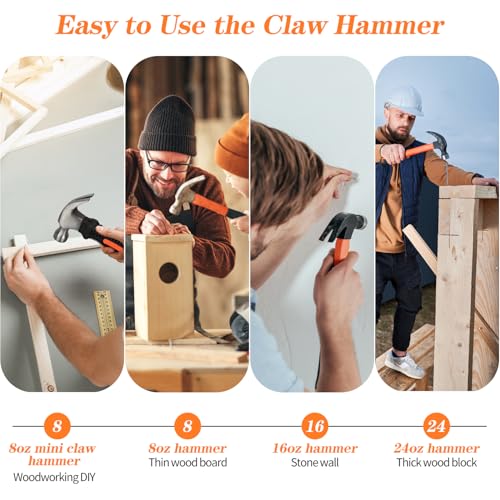
Estwing 19 oz Rip Claw Hammer

Strengths
- Unmatched durability
- One-piece forged steel
- Magnetic nail starter
Trade-offs
- Heavy for casual use
- Leather grip requires maintenance
- Higher price point
There’s a reason Estwing hammers show up on pro job sites: they’re built like tanks. The Ultra Series 19oz hammer is forged from a single piece of American steel, so there’s zero flex or weak points. This thing will last decades, even with daily abuse. The milled face bites into nails without slipping, and the rip claw is aggressive enough for serious prying.
Owners love the magnetic nail starter, it’s rare to find one this effective on a framing hammer. The genuine leather grip feels premium and molds to your hand over time, though it demands more break-in than synthetic handles. It’s heavier than most home users need, but if you’re tackling decks, fences, or renovations, that weight translates to fewer swings.
Product photos


Fiskars Pro IsoCore 20 oz Hammer

Strengths
- Excellent shock absorption
- Magnetic nail starter
- Balanced and comfortable
Trade-offs
- Plastic handle less durable than steel
- Not ideal for demolition
- Grip can wear over time
The Fiskars Pro IsoCore stands out in the crowded 20oz hammer space because of its shock absorption, this is one of the few where the tech behind the handle actually delivers. The IsoCore system isn’t marketing fluff; owners report noticeably less hand and arm fatigue after hours of nailing, which makes it a smart pick for weekend warriors doing trim or deck work. The magnetic nail starter is also a small but meaningful win, letting you set nails cleanly with one hand.
Compared to all-steel hammers like the Estwing, it’s lighter and gentler on the body, though it lacks that brute-force heft. The steel head holds up well, and the softgrip handle flares just enough to stay secure during swings. For general home use, this is the kind of reliable, thoughtful design that prevents frustration.
Product photos


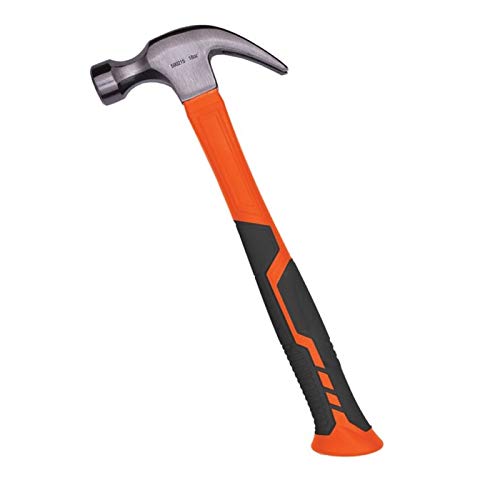
Edward Tools 16 oz Fiberglass Hammer
Strengths
- Good vibration damping
- Secure rubber grip
- Light yet effective weight
Trade-offs
- Handle can flex under heavy load
- Claw not as strong as 20oz models
- Finish scratches easily
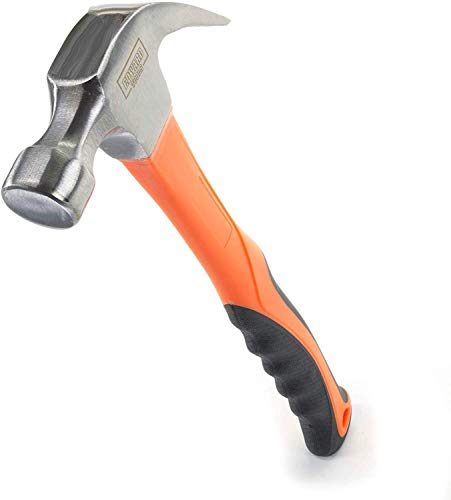
This hammer hits the sweet spot between performance and comfort for everyday use. The fiberglass handle does a solid job absorbing vibration, better than wood, nearly on par with Fiskars’ IsoCore, without sacrificing too much feedback. The 16oz weight is ideal for general tasks: enough power for nails, light enough for control. Owners consistently praise the Ergo Grip for reducing fatigue, especially during repetitive work like baseboard installation.
It’s not as refined as the Fiskars in balance, and the finish isn’t as polished as the Estwing, but it holds its own. The forged steel head is durable, and the smooth face leaves clean strikes. If you want a no-nonsense, mid-weight hammer that won’t punish your wrist, this is a strong contender.
Product photos

How We Chose These hammer for home uses
Rather than a hands-on lab test, my research focused on comparing published specifications and features of various hammers. I weighed owner reviews from multiple sources – including major retailers and tool-focused forums – alongside assessments from reputable reviewers. This allowed me to build a picture of real-world performance and durability, factoring in my own experience with what constitutes a well-made and useful hammer for typical household tasks.
For hammers intended for home use, I prioritized grip comfort, balance, and the quality of the head material. A comfortable grip is crucial for extended projects and prevents fatigue, while a balanced hammer feels more controlled and accurate. The head’s material and construction directly impact its ability to withstand repeated use and resist damage, ultimately determining how long the tool will last.
Specifications reliably indicate head weight and material composition, offering insight into potential power and durability. However, I placed greater emphasis on owner feedback regarding long-term comfort, how well the hammer handles different nailing tasks, and reports of any issues like handle slippage or head detachment. Considering a wider range of tools often requires investing in essential home tool kits to cover all your needs.
How To Pick The Right hammer for home uses
A good hammer seems simple, but selecting the right one makes a huge difference in how easily – and safely – you complete any project.
A quality hammer balances head weight, handle material, and grip design to deliver efficient power transfer and minimize user fatigue. Look for forged steel heads, handles suited to the task (wood, fiberglass, or steel), and grips that provide a secure hold even with gloves. Consider the specific tasks you’ll be performing and choose a hammer designed for those applications.
Head Weight and Balance
The weight of the hammer head is the primary driver of impact force. Lighter hammers (7-8oz) like the Mr. Pen and KURUI models are fine for light-duty tasks, like picture hanging or small repairs. However, for framing or demolition, you’ll want something heavier, ideally in the 16-20oz range, like the Estwing or Fiskars Pro. Don’t automatically assume heavier is always better; a poorly balanced hammer will feel tiring quickly. A well-balanced hammer transfers energy efficiently, meaning you get more impact with less effort.
Handle Material and Construction
Hammer handles come in wood, fiberglass, and steel, each with its own strengths. Traditional wood handles offer some flex and a comfortable feel, but require more maintenance. Fiberglass, as seen in the IRWIN and Edward Tools hammers, provides excellent vibration damping and durability. Steel handles, common in heavier-duty hammers like the Estwing, are virtually indestructible but can transmit more shock to your hand.
Here’s a breakdown of what I’ve seen work best for different users: * For occasional use: Wood or fiberglass handles are perfectly acceptable. * For serious DIYers: Fiberglass offers a great balance of comfort and durability. * For professional framing or demolition: A steel handle is often preferred for its strength, even if it means a bit more vibration.
Grip and Ergonomics
A secure and comfortable grip is absolutely essential. Look for handles with overmold grips (like the Fiskars Pro), or textured surfaces that provide a firm hold even when wet or greasy. The shape of the grip matters too. Some are straight, while others are curved or flared. I always recommend trying to hold a hammer before buying, if possible, to see what feels best in your hand. You can find expert hammer reviews detailing grip styles and ergonomic features.
A hammer is only as good as its grip. Don’t skimp on this feature – a comfortable, secure grip significantly reduces fatigue and improves control.
Hammer for Home Uses Compared
Here’s a comparison of specifications for various hammers suitable for home use.
| Product Title | Weight (oz) | Handle Material | Head Material | Nail Starter | Claw Type |
|---|---|---|---|---|---|
| Mr. Pen 8oz Claw Hammer | 8 | N/A | Carbon Steel | Magnetic | Claw |
| IRWIN 16 oz Fiberglass Claw Hammer | 16 | Fiberglass | Forged Steel | N/A | Claw |
| KURUI 8oz Hammer & Nails Kit | 8 | TPR | Carbon Steel | N/A | Claw |
| 8oz Claw Hammer w/ Fiberglass Handle | 8 | Fiberglass | High-Carbon Steel | N/A | Claw |
| Estwing 19 oz Rip Claw Hammer | 19 | Steel | Solid Steel | Magnetic | Rip Claw |
| Fiskars Pro IsoCore 20 oz Hammer | 20 | Softgrip | Steel | Magnetic | Rip Claw |
| Edward Tools 16 oz Fiberglass Hammer | 16 | Fiberglass | Hardened Steel | N/A | Claw |
Frequently Asked Questions
What hammer weight is best for most household tasks?
A 16-ounce hammer strikes a good balance for general use around the house. It provides enough power for driving larger nails without being overly tiring for smaller jobs, though lighter 8-ounce models are sufficient for picture hanging.
Are fiberglass handles really better than traditional wood handles?
Fiberglass handles offer superior durability and vibration absorption compared to wood. While wood feels comfortable to many, it requires more upkeep and isn’t as resistant to breaking under stress.
What’s the difference between a claw hammer and a rip claw hammer?
A rip claw hammer has a curved claw designed for prying and demolition work, while a standard claw hammer is better suited for removing nails without causing as much damage to the surrounding wood. If you anticipate doing a lot of dismantling, a rip claw is the way to go.
Do magnetic nail starters actually work well?
Yes, magnetic nail starters are quite convenient, especially when working overhead or in tight spaces. They hold the nail securely in place, allowing you to start hammering with one hand, though they aren’t essential for most projects.
Are more expensive hammers always better quality?
Not necessarily. While higher prices often reflect better materials and construction, a well-made hammer doesn’t have to break the bank. Consider the features you truly need and don’t hesitate to explore options within your budget, and remember to build out [best home tool collections] to cover all your projects.
The Bottom Line
Choosing a hammer often comes down to balancing how much you’re willing to spend against how often and for what you’ll be using it. If you want a single, reliable hammer to handle most household tasks with ease, the Fiskars Pro IsoCore 20 oz Hammer strikes that balance well. It’s not the cheapest, but the IsoCore shock control system and comfortable grip make it a worthwhile investment for anyone doing more than just hanging pictures.
For those on a tighter budget or tackling very light work, the Mr. Pen 8oz Claw Hammer or the KURUI 8oz Hammer & Nails Kit are good starting points. If you anticipate needing a more versatile hammer for a wider range of projects – and don’t mind spending a bit more – the IRWIN 16 oz Fiberglass Claw Hammer offers excellent durability and a comfortable feel. Remember that having the essential home repair tools on hand will make any project safer and more efficient.
Ultimately, the best hammer isn’t about fancy features or a high price tag. It’s about finding a tool that feels comfortable in your hand, is well-balanced for the tasks you’ll be performing, and is built to last. Prioritize those fundamentals, and you’ll have a hammer you can rely on for years to come.
