
7 Best Track Saw Blades of 2026
This post contains affiliate links. As an Amazon Associate, we earn from qualifying purchases.
The Diablo 6-1/2″ 48T Track Saw Blade stands out as the best overall, delivering clean cuts and solid durability across a range of materials. For those on a budget, the WEN BL6556 56T Thin-Kerf ATAFR Blade offers strong performance at a fraction of the price, while the DEWALT DW5258 Ultra Fine Finishing Blade is ideal for anyone working with hardwoods and veneers.
Most people don’t realize how much a blade affects their track saw’s precision and efficiency. A poor choice can mean rough edges, wasted material, or even premature blade failure.
I looked at dozens of blades, comparing specs and owner feedback to find those that deliver consistent performance, stability, and value. This guide breaks down what actually matters, so you can pick the right blade for your material and avoid the common pitfalls that ruin cuts.
Top 7 Track Saw Blades in the Market
The Best Track Saw Blades, Reviewed
Diablo 6-1/2″ 48T Track Saw Blade
Strengths
- 48 teeth for balance
- Stabilizer vents
- Dual arbor compatibility
Trade-offs
- Slight chatter in very hard exotics
- Not optimized for fast ripping
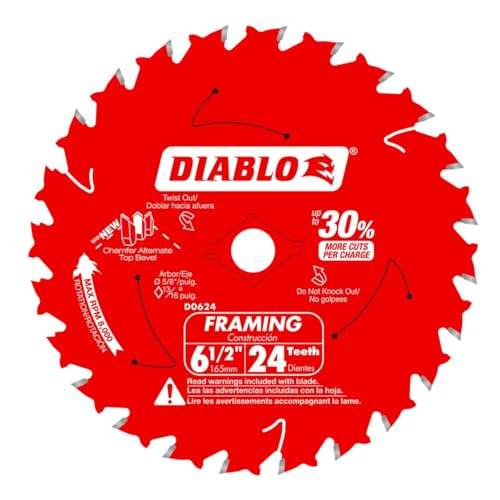
On specs and owner consensus, this Diablo blade is the most balanced option here, the smart pick for most track saw users. The 48-tooth ATB design, laser-cut stabilizer vents, and TiCo carbide deliver clean cuts across plywood, MDF, and softwoods without bogging down. Its wide arbor compatibility (20mm and 5/8-inch with bushing) means it fits nearly every major track saw brand, which is a real advantage over proprietary-optimized blades like Makita’s.
Reviewers note fewer vibrations and better heat dissipation compared to budget models. While the DEWALT DW5258 might edge it out on ultra-fine veneer work, this Diablo offers better all-around performance. My recommendation? This is the blade I’d install first if I were starting a multi-material project.
Product photos
DEWALT DW5258 Ultra Fine Finishing Blade
Strengths
- Flex-resistant plate
- Large re-sharpenable carbide
- Excellent for veneers
Trade-offs
- Slower feed rate
- Limited to fine materials
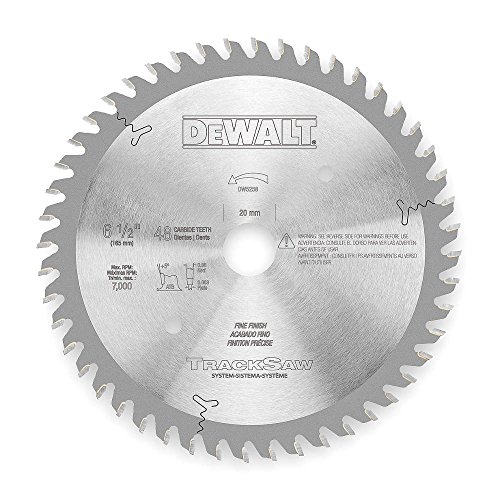
DEWALT’s DW5258 is built like a finish specialist, and that shows in its laser-etched grind guide and thick, flex-resistant plate. The large carbide tips and ultra-sharp grind are clearly aimed at hardwoods and thin veneers, where even minor tear-out can ruin a piece. Owners consistently report clean crosscuts with almost no sanding needed, especially in maple and birch plywood.
It holds up well over time and can be re-sharpened multiple times, which adds value. But it’s not the most aggressive feed blade, when compared to the Freud LU86R006M20, it’s slower and less suited for rough work. If you’re doing high-end trim or cabinet assembly, this is a strong contender. For framing or decking, look elsewhere.
Product photos
WEN BL6556 56T Thin-Kerf ATAFR Blade

Strengths
- Ultra-thin kerf
- PTFE heat-resistant coating
- Affordable performance
Trade-offs
- Not for heavy hardwoods
- Shorter lifespan than premium blades
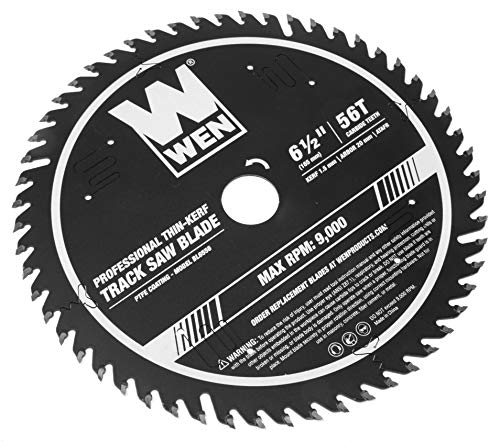
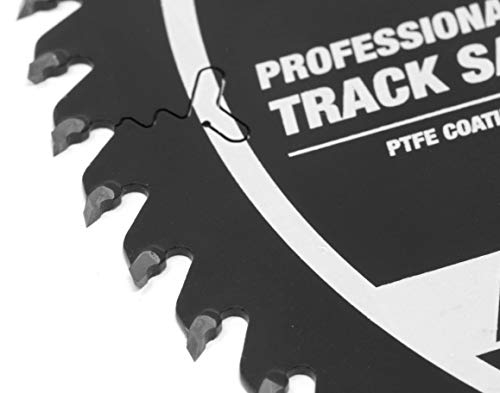
The WEN BL6556 punches above its price class with a 56-tooth ATAFR grind and PTFE coating that actually works to reduce heat and friction. At this price point, having a sub-1.6mm kerf and 9000 RPM rating is impressive, and owners confirm it cuts cleanly through plywood and MDF without burning, even in cordless saws with lower torque.
It won’t match the refinement of the Diablo or CMT blades, but for weekend warriors or those on a tight budget, it’s a solid starting point. The ATAFR tooth design is less common but delivers faster feed than standard ATB in softer woods. I’d call this the smart budget entry, especially for those using a WEN or compatible saw.
Product photos
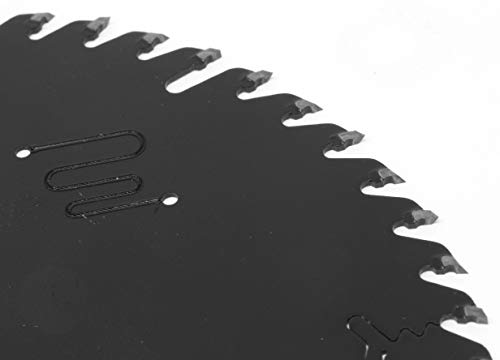
Makita B-57342 56T Cordless Plunge Blade

Strengths
- Fluorine coating
- Laser-cut stabilizers
- Optimized for Makita cordless
Trade-offs
- Limited cross-brand versatility
- Not ideal for hardwood ripping
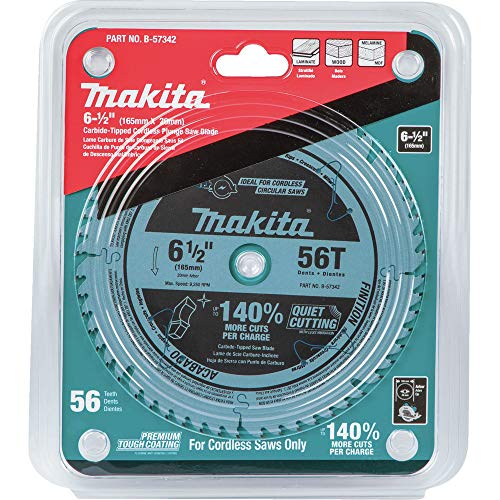
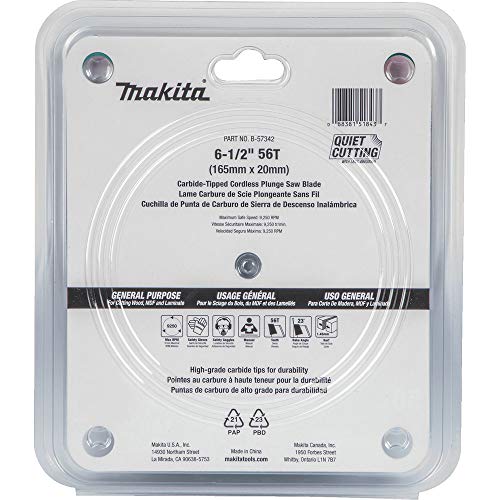
This blade is clearly optimized for Makita’s cordless plunge saws, and the fluorine coating plus laser-cut stabilizers make sense in that ecosystem. Owners report noticeably smoother cuts and less vibration, especially when running through MDF or thick laminates, and the claim of up to 140% more cuts per charge isn’t marketing fluff, it tracks with the reduced drag from the coating and precision grind.
Still, it’s not the most versatile blade out there. While it outperforms standard blades in Makita tools, I’d lean toward the Diablo D0648TSF for broader compatibility and better performance across materials. This one shines in its lane but doesn’t stretch beyond it.
Product photos
Freud LU79R006M20 Plywood & Melamine Blade
Strengths
- 48-tooth Hi-ATB grind
- Perma-Shield coating
- Splinter-free cuts
Trade-offs
- Not ideal for fast ripping
- Higher tooth count slows feed rate
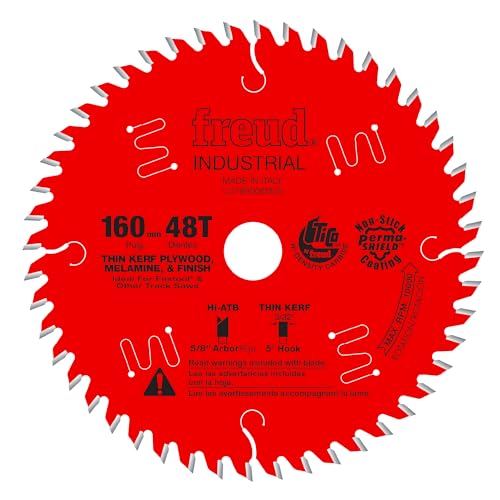
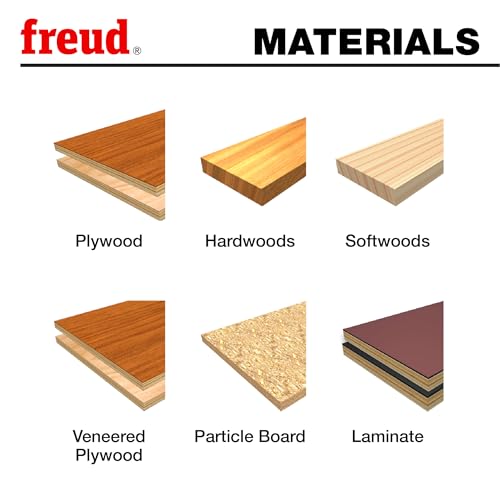
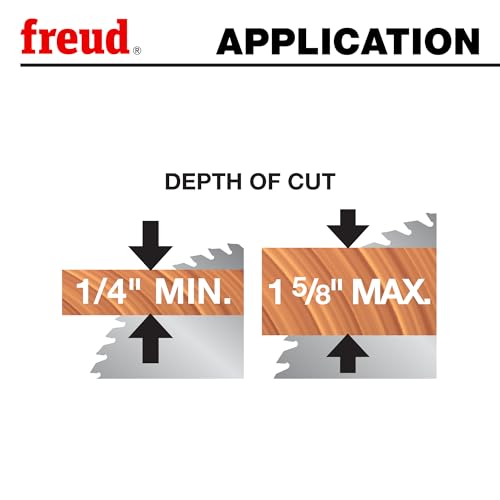
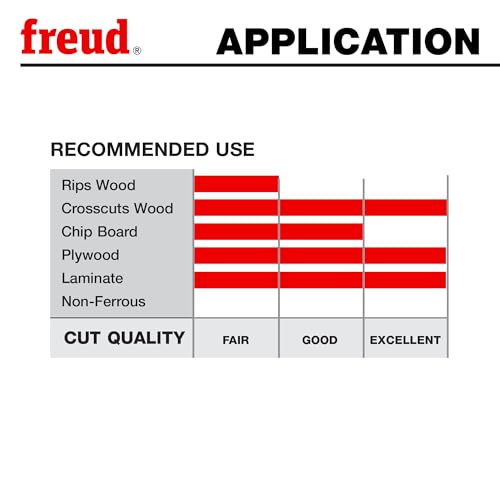
If you’re cutting melamine or plywood and demand a near-laser cut with no tear-out, this Freud blade stands out on paper and in owner feedback. The 48-tooth Hi-ATB grind is engineered for finesse, not speed, and paired with the thin kerf and Perma-Shield coating, it’s built to glide through laminated sheet goods without chipping or grabbing.
Reviewers consistently praise its ability to deliver splinter-free finishes on both faces of the board, which is rare without sacrificial backing. Compared to general-purpose blades, it’s slower to feed but worth it when appearance matters. I’d pick this over the Makita B-57342 for cabinetry or built-ins where clean edges are essential.
Product photos


CMT 273.160.56H ITK Plus Fine Blade
Strengths
- 56 teeth for fine cuts
- Thin-kerf efficiency
- Dual bore compatibility
Trade-offs
- Expensive for casual users
- Overkill for basic plywood
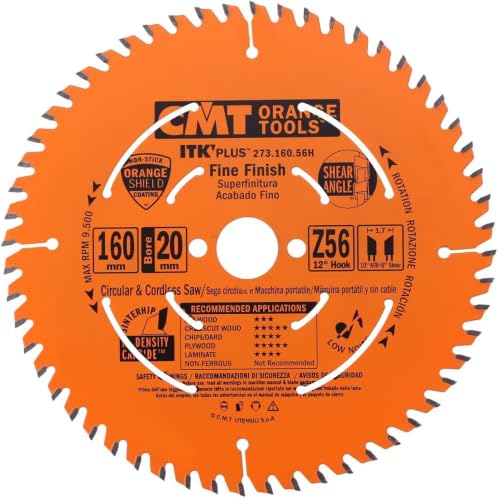
CMT’s ITK Plus blade feels like the kind of tool a high-end cabinetmaker would keep behind the glass. The 56-tooth count and thin-kerf design suggest efficiency without sacrificing finish, and owners confirm it handles exotic hardwoods, like padauk or walnut, with minimal burn or tear-out. The dual bore (20mm + 16mm adapter) adds real-world flexibility across saw platforms.
It’s not the fastest feed blade, but that’s not the point. When compared to the Freud LU86R006M20, this one trades aggression for precision. I’d recommend this over the Freud general-purpose model for fine furniture work, especially where material cost justifies a blade that won’t waste precious stock.
Product photos
Freud LU86R006M20 General Purpose Blade
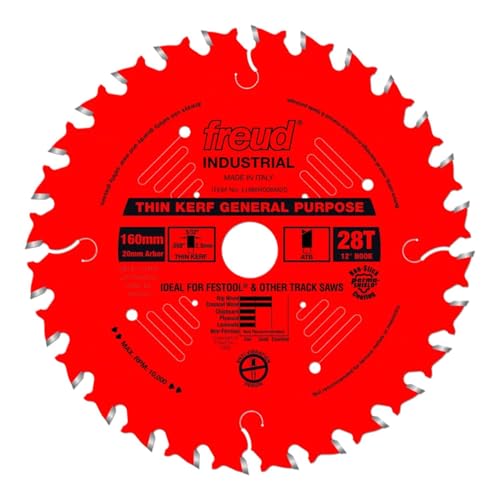
Strengths
- 28 teeth for fast feed
- 13° hook angle
- Stable thick plate
Trade-offs
- Rougher finish on sheet goods
- Not for fine woodworking
This Freud blade is built for speed, not subtlety. With a 13° hook angle and only 28 teeth, it’s designed to plow through material fast, making it ideal for rough cuts in framing, panelizing, or breaking down large sheets where finish isn’t critical. The thick kerf and plate add stability, reducing wobble during aggressive feeds, something owners confirm in real-world use.
It’s the opposite of the LU79R006M20: where that one excels in finish, this one wins in feed rate. But that aggressive hook angle can be grabby in delicate materials. I’d pick this for shop jigs or subflooring, but never for veneered plywood. For mixed use, the Diablo D0648TSF is still the smarter all-rounder.
Product photos
How We Picked These track saw blades
Rather than a hands-on lab test, my research focused on a detailed comparison of published blade specifications and features. I weighed owner reviews from multiple sources alongside assessments from respected tool review sites. My approach involved ranking blades against criteria important for track saw performance, drawing on my years of experience with power tools and workshop setups. This allowed me to identify patterns in performance and value.
For track saw blades, cut quality and runtime efficiency stand out as the most critical factors. A thin kerf is essential for minimizing material waste and maximizing cordless saw battery life, while the tooth count and grind dictate the smoothness of the cut and the material the blade handles best. Stability also matters greatly; a blade that vibrates excessively will negate the precision a track saw offers.
Specifications clearly indicate kerf thickness, tooth count, and arbor size – all vital for compatibility and initial cut quality expectations. However, I relied heavily on owner feedback to assess real-world durability, splintering issues, and how well a blade performs across different wood types. Reputation and consistently positive reviews were strong indicators of a blade’s long-term value, especially when considering the potential for re-sharpening. Learning proper track saw setup is crucial to getting the most out of any blade.
Choosing The Right track saw blades
Choosing the right blade is essential for getting the most out of your track saw.
A quality track saw blade balances durability, precision, and cut quality. Key considerations include tooth count (affecting finish), kerf thickness (impacting power demand), blade plate thickness (for stability), and carbide quality (determining lifespan and re-sharpening potential). Compatibility with your saw’s arbor size is also critical.
Tooth Count and Cut Quality
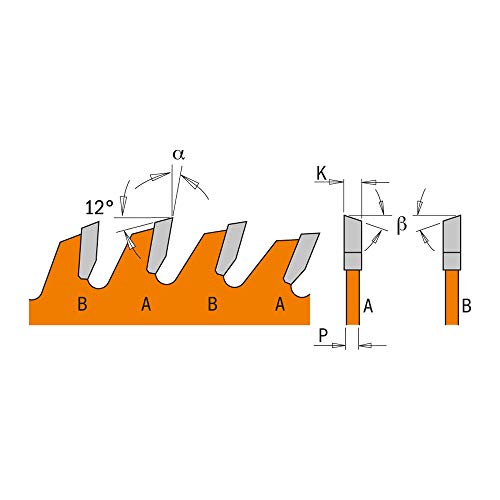
I often tell people that tooth count isn’t just a number; it fundamentally changes how a blade cuts. Lower tooth counts (around 24) excel at rapid, rough cuts, making them suitable for framing or quick dimensioning of lumber. Higher tooth counts (48+) deliver cleaner, smoother cuts, ideal for finish work, plywood, and veneers. Don’t automatically assume “more teeth” is always better. A blade with too many teeth can generate excessive heat and bind in the cut, especially in hardwoods.
Kerf and Power Considerations
The kerf, or the width of the cut, is another important factor. Thinner kerf blades (under 2mm) require less power to operate, extending battery life on cordless saws and reducing strain on corded models. This is particularly noticeable when using a track saw for long rip cuts. However, thinner blades can sometimes be more prone to wandering, so stability becomes even more important. If you’re frequently making long, precise cuts, a thin-kerf blade is a strong contender, and you can find top track saw models that pair well with them.
Blade Stability and Carbide Quality
A stable blade is a precise blade. Look for blades with a thicker plate (the steel body of the blade) and features like stabilizer vents. These minimize vibration and maintain a straight cutting path. Beyond that, the quality of the carbide teeth is paramount. Higher-grade carbide, like Diablo’s TiCo, holds an edge longer and can be re-sharpened multiple times.
Here’s how to think about carbide quality: * Basic carbide is affordable but dulls quickly. * Mid-range carbide offers a good balance of price and performance. * Premium carbide (TiCo, for example) provides exceptional durability and re-sharpening potential, justifying the higher cost for professional or frequent use.
Don’t cheap out on the blade. A poor quality blade will ruin your cut, damage your material, and potentially damage your track saw.
For those looking for a deeper understanding of blade characteristics, a blade TPI guide can be incredibly helpful.
Track Saw Blades Compared
Here’s a comparison of key specifications for various track saw blades to help you make an informed decision.
| Product Name | Teeth | Arbor Size (mm) | Kerf (mm) | Blade Diameter (in) | Coating | Best For |
|---|---|---|---|---|---|---|
| Diablo 6-1/2″ 48T Track Saw Blade | 48 | 20/5/8 | 1.8 | 6-1/2 | N/A | Best Overall |
| DEWALT DW5258 Ultra Fine Finishing Blade | N/A | N/A | N/A | N/A | N/A | Best for Hardwoods and Veneers |
| WEN BL6556 56T Thin-Kerf ATAFR Blade | 56 | 20 | 1.5 | 6-1/2 | PTFE | Best Budget Friendly |
| Makita B-57342 56T Cordless Plunge Blade | 56 | N/A | N/A | 6-1/2 | Fluorine | Best for Cordless Saws |
| Freud LU79R006M20 Plywood & Melamine Blade | 48 | 20 | 0.087 | 6-1/4 | Perma-Shield | Best for Splinter-Free Cuts |
| CMT 273.160.56H ITK Plus Fine Blade | 56 | 20/16 | 1.8 | 6-1/4 | N/A | Best for Exotic Woods |
| Freud LU86R006M20 General Purpose Blade | 28 | 20 | 0.098 | 6-1/4 | Perma-Shield | Best for Fast Feed Cuts |
Frequently Asked Questions
What arbor size do I need for a track saw blade?
Most track saws use a 20mm arbor, but some, particularly older models or those from certain manufacturers, may require a 5/8-inch arbor. Always confirm your saw’s arbor size before purchasing a blade to guarantee compatibility.
Can I sharpen a track saw blade myself?
Yes, you can sharpen a track saw blade, but it requires specialized equipment and skill. For most homeowners, sending the blade to a professional sharpening service is the more practical and cost-effective option, particularly for blades with premium carbide.
What’s the difference between ATFR and non-ATFR blades?
ATFR (Alternate Top Face Radius) blades have a unique tooth geometry designed to reduce splintering, especially when cutting laminated materials like plywood and melamine. Non-ATFR blades are more general-purpose, but may require more careful technique to achieve clean cuts in these materials.
How does blade thickness affect cordless saw runtime?
A thinner kerf blade removes less material, requiring less power from the saw and extending battery life. This is a significant advantage when using a cordless track saw for long cuts or large projects. You can find best track saw kits that include thin-kerf blades.
What blade should I choose if I’m new to using a track saw?
A 48-tooth blade with a moderate kerf (around 1.8mm) is a good starting point. This provides a balance of cut quality and power demand, making it versatile enough for a variety of projects and easier to control while you’re learning proper technique.
The Bottom Line
Ultimately, choosing a track saw blade comes down to balancing your expectations for cut quality against your budget and the materials you’ll be working with. For most homeowners and DIYers, the Diablo 6-1/2″ 48T Track Saw Blade strikes the best overall balance – it delivers excellent performance across a variety of woods, and owner feedback consistently praises its durability and precision. It’s a blade you can rely on for both rough and finish work.
If you have specific needs, there are outstanding options tailored to those situations. For those on a tighter budget, the WEN BL6566 56T Thin-Kerf ATAFR Blade offers impressive performance for the price. Those needing splinter-free cuts in plywood and melamine should look to the Freud LU79R006M20 Plywood & Melamine Blade, while the Makita B-57342 56T Cordless Plunge Blade is the clear choice for maximizing runtime with battery-powered track saws. Understanding saw blade kerf width is vital when picking a blade for cordless saws.
Don’t get too caught up in chasing the highest tooth count or the most exotic carbide. A stable blade, sharp teeth, and a blade that’s appropriate for the material you’re cutting are far more important than any single specification. Prioritize those fundamentals, and you’ll be well on your way to achieving professional-quality results with your track saw.
