
7 Best Torque Screwdrivers for Electricians 2026
This post contains affiliate links. As an Amazon Associate, we earn from qualifying purchases.
The GROWNEER Digital Torque Screwdriver is the best overall pick for electricians thanks to its high ±2% accuracy and clear digital readout, while the Wiha Insulated TorqueVario-S Screwdriver Set stands out as the top insulated choice for those working near live circuits. If you’re on a budget but still want solid performance, the NEIKO 1/4″ Torque Screwdriver Set delivers reliable results without breaking the bank.
Electricians don’t just need a screwdriver that works, they need one that won’t damage delicate terminals or compromise safety on the job. Too much torque can ruin a connection, and the wrong tool can put you at risk when working around live voltage.
This guide cuts through the marketing noise to focus on what actually matters: verified accuracy, VDE insulation for safety, and real-world usability. I compared specs and owner feedback across multiple models to highlight the ones electricians consistently rely on for precision, durability, and peace of mind.
Top 7 Torque Screwdriver For Electricians in the Market
The Best Torque Screwdriver For Electricians, Reviewed
GROWNEER Digital Torque Screwdriver

Strengths
- Digital display with 2% accuracy
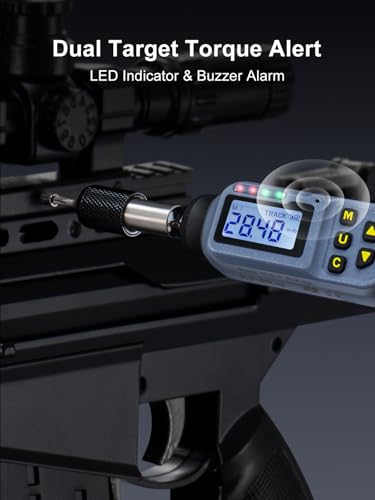
- Buzzer and LED alert
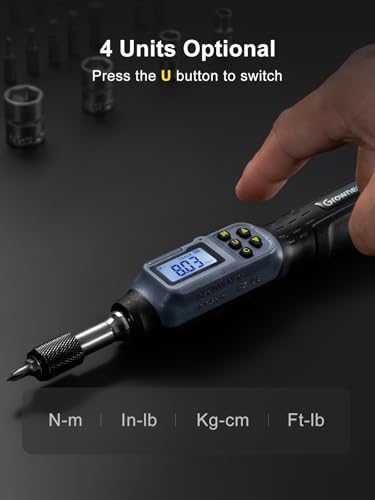
- Multiple torque units
Trade-offs
- Requires AAA battery
- No insulation rating
- Plastic housing
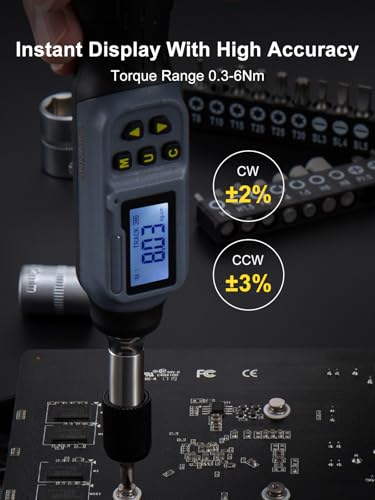
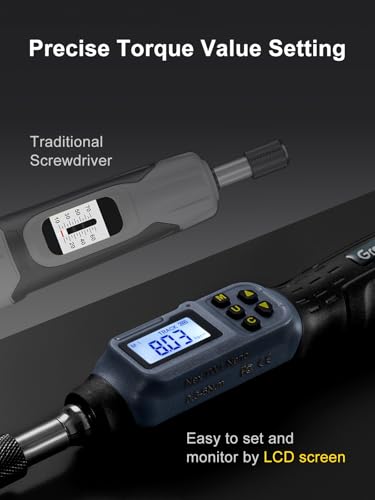
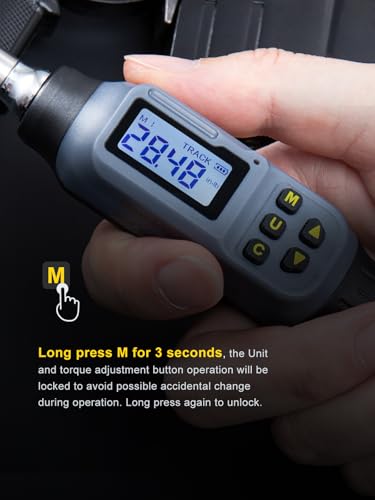
The GROWNEER digital model stands out with ±2% accuracy and real-time LED feedback, features that make it one of the most precise tools in this lineup. The 2.66–53.1 in-lbs range hits the sweet spot for most electrical terminal work, and the ability to preset six torque values is a time-saver for repetitive jobs. When the buzzer sounds and the LED flashes, you know you’ve hit the mark, every time.
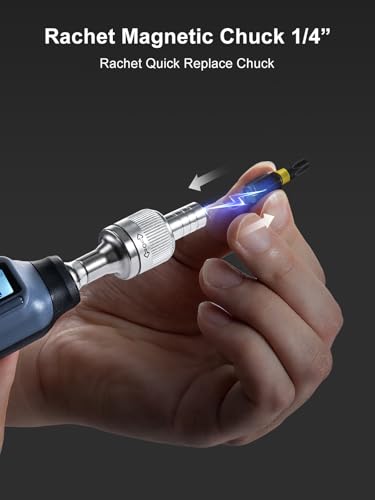
It’s not VDE-rated, but the magnetic bit holder and 27-piece accessory set (including sockets) make it highly functional. Reviewers consistently note how intuitive the interface is, even in dim panels or enclosures. While digital tools require battery maintenance, the trade-off in control is worth it for anyone serious about consistency. This is the model I’d recommend as the balanced all-rounder.
Product photos
VANPO 64-Piece Torque Screwdriver Kit

Strengths
- Wide 10–80 in-lb range
- 64-piece kit
- S2 steel bits
Trade-offs
- No VDE insulation
- Bulkier design
- Not for live circuits
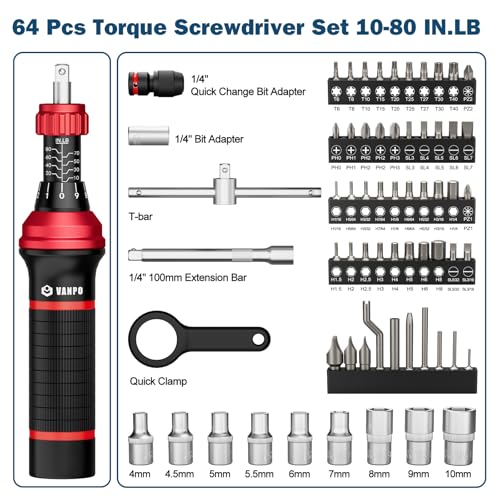
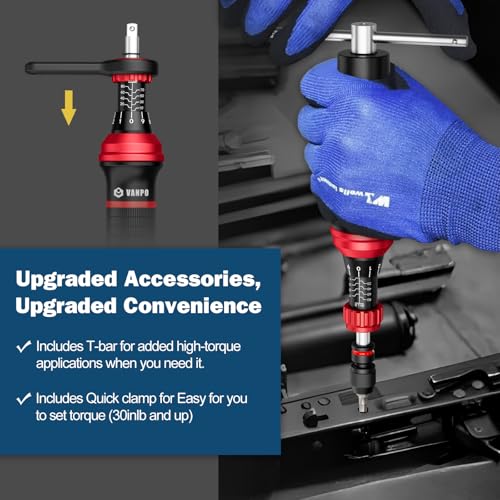
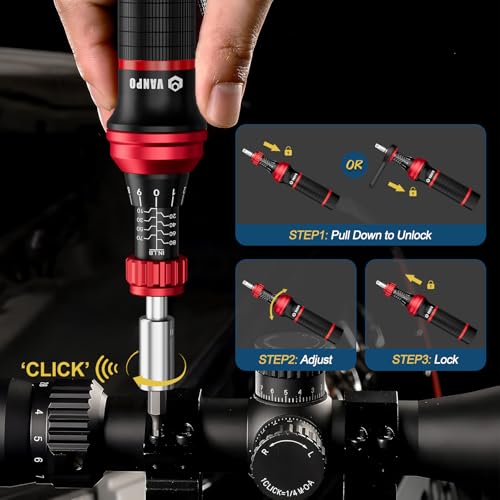
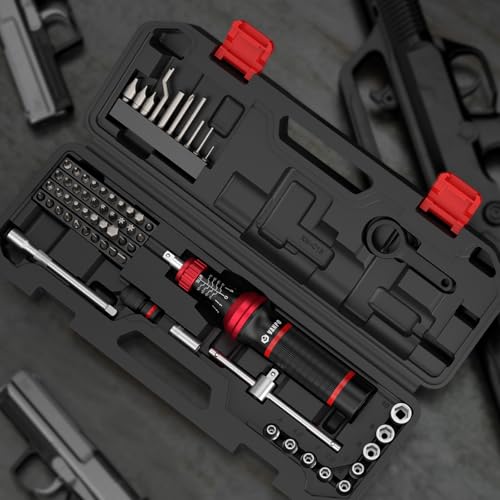
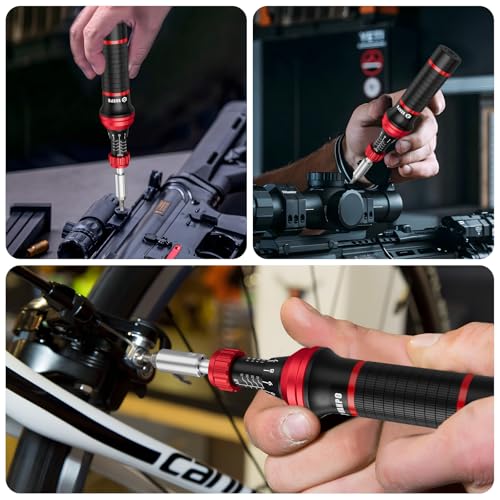
If you want one kit that covers nearly every fastening need, the VANPO set is hard to ignore. With a 10–80 in-lbs range, it bridges the gap between delicate electronics and heavier-duty electrical hardware like conduit straps or panel mounting. The ±5% accuracy and 1 in-lb increments are a real upgrade over cheaper models, and the quick clamp accessory speeds up repeated adjustments, something pros appreciate.
What really sets it apart is the 64-piece lineup: S2 steel bits, sockets, pin punches, and even a T-bar for extra use. The case keeps everything organized, and owners praise the durability of the bits. It’s not insulated, so it’s not for live work, but as a complete mechanical kit, it’s one of the most practical all-in-one options out there.
Product photos
Wera Kraftform Hexagon Torque Screwdriver
Strengths
- Superior ergonomic handle
- Quick bit release
- Precise low-torque range
Trade-offs
- Limited max torque
- No electrical insulation
- Narrow overall range
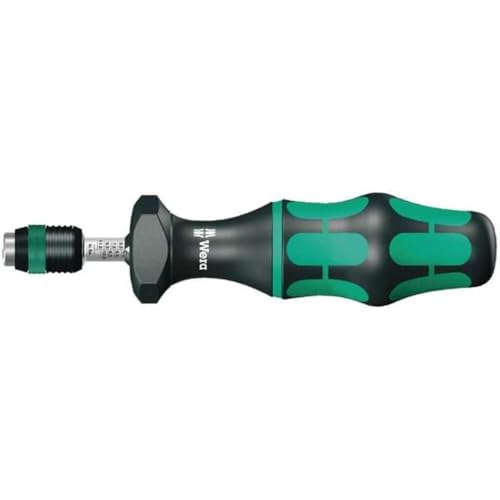
Wera’s build quality is always noticeable, and this torque screwdriver is no exception. The Kraftform multi-component handle is engineered to reduce hand fatigue, something I always look for after years of repetitive tool use, and it genuinely stands out in prolonged sessions. The 2.5–11.5 in-lbs range is narrow but smartly targeted for small electrical connectors, relays, or instrument panels where over-tightening is a real risk.
The quick-release chuck is a standout, letting you swap bits with one hand, and the German engineering shows in the clean calibration and smooth adjustment. It’s not the most versatile range-wise, but for precision tasks, it’s spot-on. Reviewers note it holds calibration well, and the lifetime warranty adds real value. Just know you’re paying for ergonomics and refinement, not breadth of torque.
Product photos
NEIKO 1/4″ Torque Screwdriver Set

Strengths
- Click-style feedback
- 20 included bits
- Pull-turn-lock adjustment
Trade-offs
- 5 in-lb increments
- Basic build quality
- No insulation rating
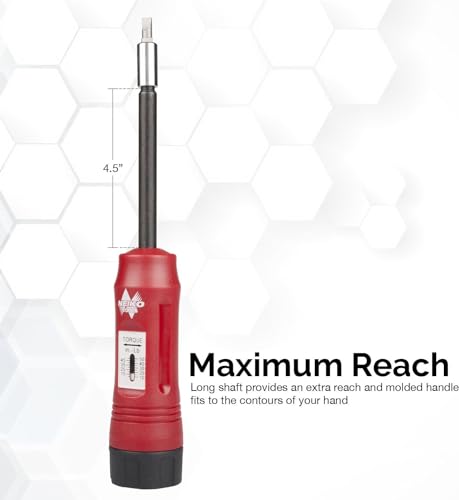
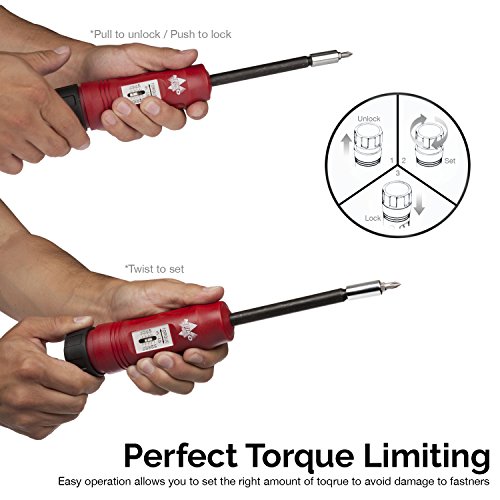
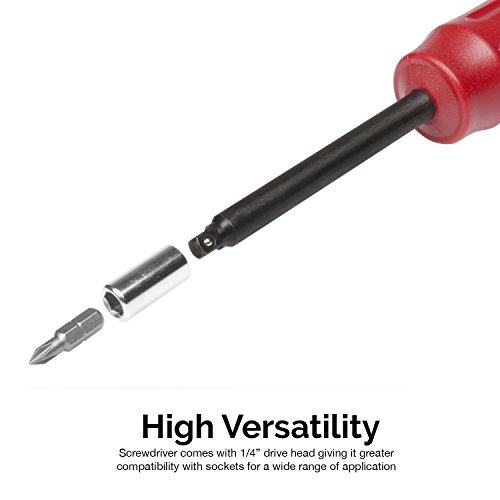
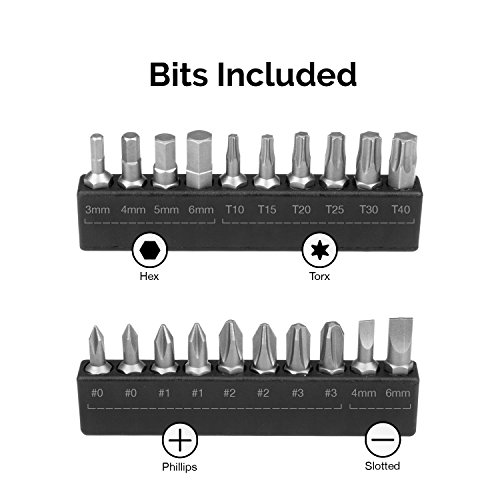
This NEIKO torque screwdriver hits hard for the price, offering a solid 10–50 in-lbs range with ±6% accuracy and a functional click mechanism that gives audible feedback when torque is reached. The pull-turn-lock adjustment is simple, and while it’s marketed toward gunsmiths and HVAC techs, the range and drive size make it relevant for electricians working on terminal blocks or delicate control panels where consistent fastening matters.
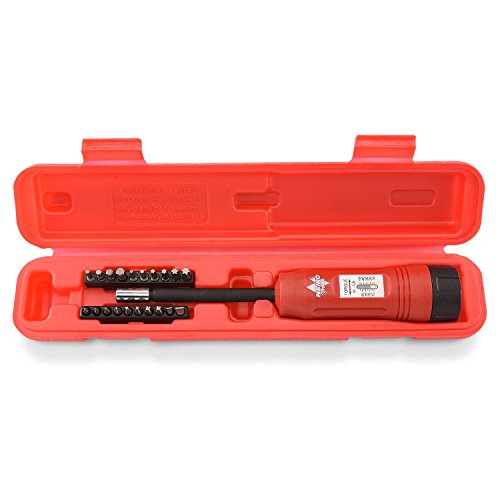
Owners consistently report that it holds calibration reasonably well over time, especially for occasional use. It won’t match the refinement of German-engineered tools, but for a budget pick that includes 20 common bits and a sturdy case, it delivers what it promises. Just don’t expect fine gradations, adjustments are in 5 in-lb steps, which is coarse for precision electrical work.
Product photos
FIRSTINFO VDE Insulated Torque Screwdriver
Strengths
- VDE certified up to 1000V
- 0.5 in-lb increments
- Slip-clutch design
Trade-offs
- Only 8 included bits
- No digital readout
- Limited torque max
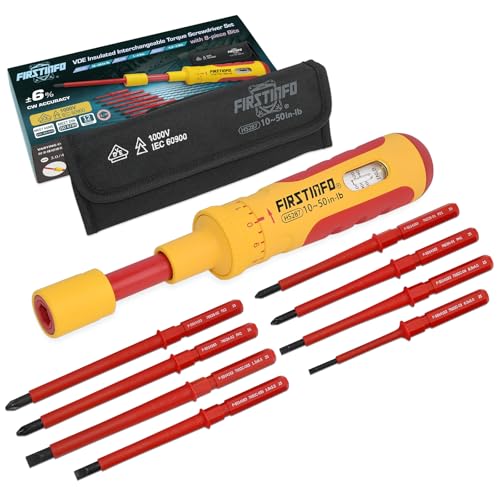
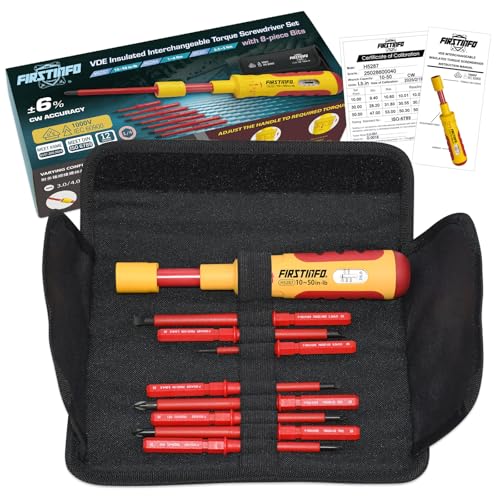
When safety is essential, this FIRSTINFO model earns its place. It’s VDE-certified for 1000V AC, meets IEC 60900 standards, and comes with a calibration certificate, critical for electricians working on live or industrial systems. The 10–50 in-lbs range is practical, and the 0.5 in-lb graduation allows finer tuning than most analog competitors.
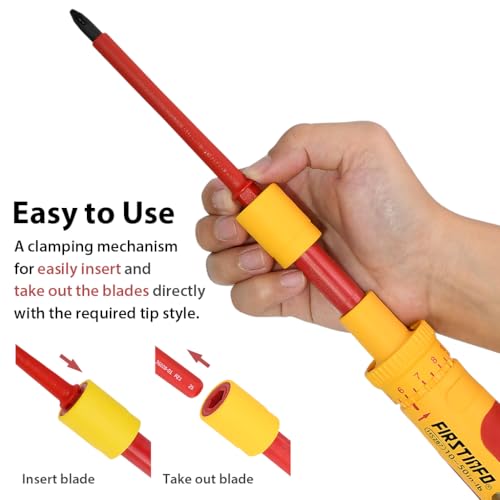
The automatically slipping clutch prevents over-tightening, and the insulated bi-material grip offers both comfort and protection. Owners report confidence using it in panel upgrades and service work. It only includes 8 blade bits, so it’s not the most versatile, but for pure electrical safety and compliance, few tools match its purpose.
Product photos


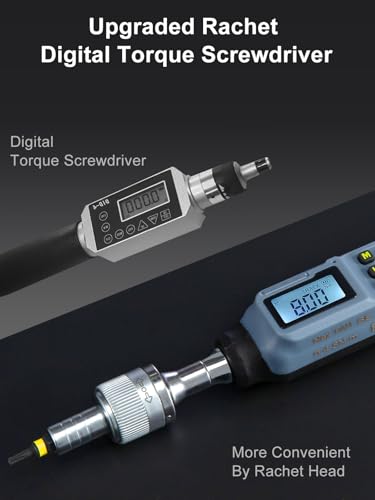
GROWNEER Upgraded Digital Ratchet Screwdriver
Strengths
- Ratchet drive for speed
- Backlit digital display
- Wide torque range
Trade-offs
- No VDE insulation
- Requires battery
- Plastic construction
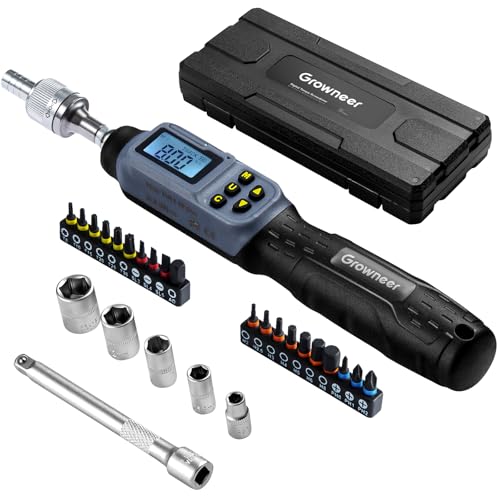
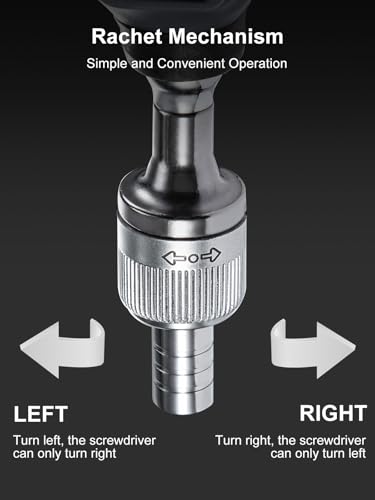
This upgraded GROWNEER model brings a ratchet mechanism to the digital torque game, which changes how you work, no more lifting and repositioning the driver after each turn. The 3.5–70.8 in-lbs range is broader than most digital options, making it useful for everything from small terminal screws to larger conduit fittings.
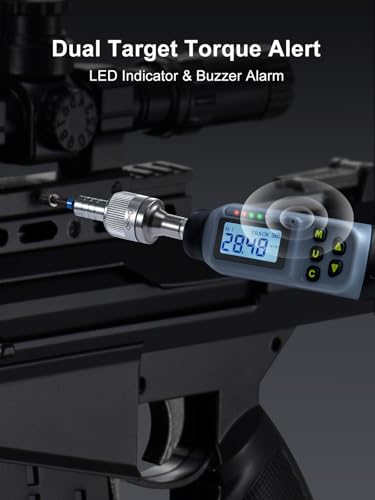
Like its sibling model, it features ±2% accuracy, preset memory, and a buzzer with LED alerts. The backlit LCD is a big win in dim electrical rooms, and the extension bar helps reach awkward spots. Owners love the ratchet for speed, though some note the housing feels a bit lightweight. Still, for a digital tool with mechanical efficiency, it’s one of the most functional designs here.
Product photos

Wiha Insulated TorqueVario-S Screwdriver Set
Strengths
- VDE certified and individually tested
- Includes calibration certificate
- Slim, reach-friendly design
Trade-offs
- No digital display
- Higher price point
- Manual torque adjustment
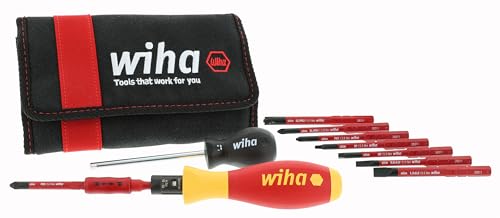
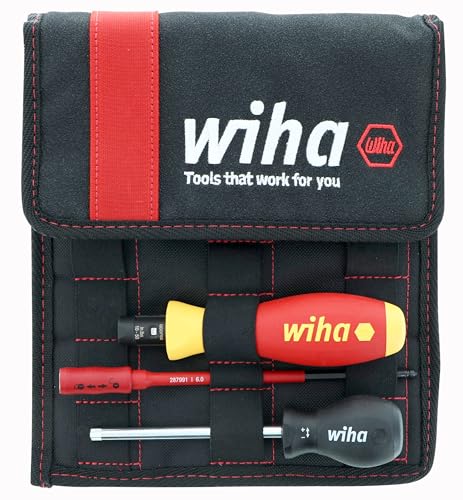
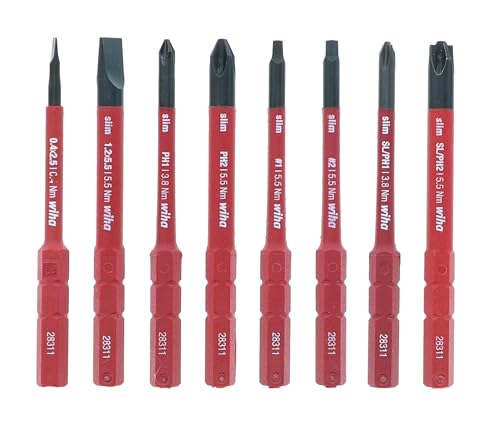
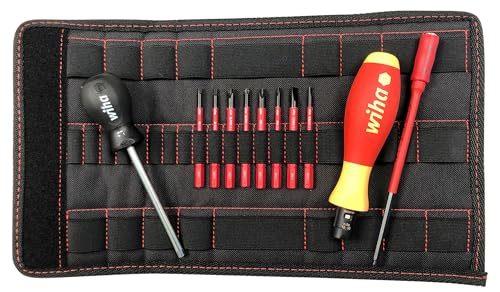
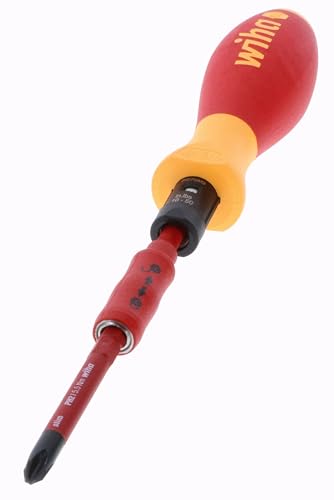
Wiha is a gold standard in insulated tools, and this set delivers on both safety and precision. Each piece is tested to 10,000 volts and rated for 1,000V AC use, with individual serial numbers and a calibration certificate, ideal for audited or industrial environments. The TorqueVario-S handle offers 10–50 in-lbs with ±6% accuracy, and the slim blade holder reaches tight spaces where others can’t.
The included insulated SlimLine blades cover common electrical needs, from Phillips to terminal screws. While it’s not digital, the build quality and safety credentials are unmatched. It’s expensive, but for electricians who need traceable calibration and top-tier insulation, this is the tool that checks every compliance box.
Product photos

How We Chose These torque screwdriver for electricians
Rather than a hands-on lab test, this is a research-led comparison of specifications and owner feedback. I gathered data from manufacturer websites, focusing on torque range, accuracy claims, and included features like digital displays or click mechanisms. Then, I weighed owner reviews from sites like Amazon and professional forums, as well as expert opinions from sources specializing in electrical work and tool reviews. My goal was to identify models consistently praised for reliability and performance in real-world use.
For electricians, torque accuracy and electrical safety are paramount. I placed significant weight on models with documented accuracy (within ±6% was a key benchmark) and, crucially, VDE certification for those working with live circuits. Ergonomics also mattered; a comfortable grip reduces fatigue during repetitive tasks, and features like ratcheting mechanisms or quick-change bits improve efficiency. You’ll find many options claiming precision, so exploring best precision torque screwdrivers is helpful.
Specifications clearly define a screwdriver’s torque range and display type (digital vs. click), but owner feedback revealed how those specs translate to practical usability. I prioritized reviews detailing long-term durability, the ease of adjusting torque settings, and the quality of included bits. Reputation within the electrical trade also heavily influenced my rankings; models frequently recommended by professionals earned higher consideration, as did those appearing in lists of professional torque screwdriver models.
What To Look For In torque screwdriver for electricians
Choosing the right torque screwdriver goes beyond simply tightening a screw; it’s about control, precision, and preventing damage to both the fastener and the equipment you’re working with.
A quality torque screwdriver delivers repeatable, accurate tightening within a specified range. Key characteristics include a clear torque scale, a comfortable grip, a reliable clutch mechanism (for manual types), and appropriate bit selection. Accuracy within ±4% is generally considered good, but ±6% is acceptable for less demanding applications. Consider the torque range needed for your tasks and choose a tool that covers that range without being unnecessarily broad.
Torque Range and Application
The first step is understanding the torque requirements of your work. Electricians, for example, often need precise torque control for terminal blocks and sensitive electronics. A screwdriver with a range of 10-50 in-lbs might be ideal for those applications, while someone working on bicycle components or firearms might need a wider range, or a lower range with finer increments. Don’t overestimate; a larger range doesn’t automatically mean more precision. Consider whether you’ll be working with metric (Nm) or imperial (in-lbs/ft-lbs) measurements and ensure the screwdriver offers the units you need.
Clutch Mechanism vs. Digital Readout
Manual torque screwdrivers rely on a mechanical clutch that slips when the preset torque is reached. These are generally more affordable and don’t require batteries, but they can be less precise and require more skill to use correctly. Digital torque screwdrivers, like the GROWNEER Digital Torque Screwdriver, offer a clear, digital readout of the applied torque and often feature audible or visual alerts when the setpoint is reached. This is particularly helpful for ensuring consistent tightening and avoiding over-tightening.
- A simple click-type torque screwdriver is fine for basic tasks.
- Digital models provide greater accuracy and repeatability, especially valuable in professional settings.
- Ratcheting mechanisms, as seen in the GROWNEER Upgraded Digital Ratchet Screwdriver, significantly speed up the tightening process, reducing fatigue, and are a real benefit when working in tight spaces.
Safety and Ergonomics
For anyone working with electrical systems, a safety-rated screwdrivers for electricians is absolutely essential. Look for VDE-certified tools, which have been tested to withstand high voltages. Beyond electrical safety, consider the ergonomics of the handle. A comfortable, non-slip grip reduces fatigue and improves control, especially during prolonged use. The Wiha Insulated TorqueVario-S Screwdriver Set is well-regarded for its SoftFinish handle, designed to minimize hand stress.
A good rule of thumb: if you’re regularly working with electrical components, prioritize a VDE-certified tool, even if it means spending a bit more. Your safety is paramount.
Torque Screwdriver for Electricians Compared
Here’s a comparison of key specifications for torque screwdrivers designed for electricians.
| Product Title | Torque Range (in-lbs) | Accuracy | Drive Size | VDE Insulated | Digital Display |
|---|---|---|---|---|---|
| GROWNEER Digital Torque Screwdriver | 2.66 – 53.1 | ±2% | 1/4″ | No | Yes |
| VANPO 64-Piece Torque Screwdriver Kit | 10 – 80 | ±5% | 1/4″ | No | No |
| Wera Kraftform Hexagon Torque Screwdriver | N/A | N/A | 1/4″ | No | No |
| NEIKO 1/4″ Torque Screwdriver Set | 10 – 50 | ±6% | 1/4″ | No | No |
| FIRSTINFO VDE Insulated Torque Screwdriver | 10 – 50 | ±6% | N/A | Yes | No |
| GROWNEER Upgraded Digital Ratchet Screwdriver | 3.5 – 70.8 | ±2% | 1/4″ | No | Yes |
| Wiha Insulated TorqueVario-S Screwdriver Set | 10 – 50 | ±6% | N/A | Yes | No |
Frequently Asked Questions
What torque range is best for most electrical work?
A torque range of 10-50 in-lbs typically covers the majority of electrical applications(terminal blocks, sensitive electronics), though some tasks may require slightly higher or lower values. Don’t choose a broader range than you actually need to maintain precision.
Are digital torque screwdrivers really more accurate than manual ones?
Yes, digital torque screwdrivers generally offer better accuracy(often within ±2%) and repeatability compared to manual click-type models(typically ±6% or higher). The digital readout also helps prevent over-tightening.
Is VDE certification essential for an electrician’s torque screwdriver?
VDE certification is vital if you work with live circuits. A VDE-certified screwdriver offers documented protection against electric shock, and it’s a feature I strongly recommend when considering screwdriver sets for electricians.
What does “±6% accuracy” actually mean in practical terms?
A ±6% accuracy rating means the screwdriver might tighten a fastener to 6% above or below the set torque value. For a setting of 20 in-lbs, that’s a potential variance of 1.2 in-lbs, which is acceptable for many applications but should be considered for critical tasks.
Can I use a torque screwdriver on both metric and imperial fasteners?
Many torque screwdrivers offer both metric (Nm) and imperial (in-lbs/ft-lbs) units. When selecting a tool, ensure it displays the units you’ll be working with most, and be familiar with converting between the two if needed, especially if you’re looking at durable screwdriver kits for electrical work.
The Bottom Line
Choosing a torque screwdriver often comes down to balancing precision with budget. While a simple, click-style screwdriver can get the job done for basic tasks, the GROWNEER Digital Torque Screwdriver stands out as the strongest overall pick. It gives you the accuracy of a digital readout without a prohibitive price, making it a solid choice for most electrical work where repeatable tightening is crucial.
For those on a tighter budget, the NEIKO 1/4″ Torque Screwdriver Set provides a reliable, if less refined, option. However, if you prioritize versatility and efficiency, especially when working in confined spaces, the GROWNEER Upgraded Digital Ratchet Screwdriver is worth considering. And for electricians needing guaranteed safety around live circuits, the Wiha Insulated TorqueVario-S Screwdriver Set delivers VDE certification alongside a comfortable, ergonomic design.
Ultimately, the torque value itself is less important than understanding how that torque is applied. Consistent, accurate tightening, achieved through a quality tool and good technique, will always matter more than chasing the highest specification. Don’t overlook the importance of proper bit selection and regular calibration to maintain accuracy over time. You can find more details on digital torque screwdrivers if you want to explore this technology further.
