9 Best Rotary Hammers of 2026
This post contains affiliate links. As an Amazon Associate, we earn from qualifying purchases.
The Milwaukee M18 Brushless SDS is the best overall rotary hammer for serious DIYers and pros who want reliable power and comfort, while the DEWALT D25263K SDS delivers strong performance at a more accessible price. For cordless convenience without sacrificing too much punch, the DEWALT 20V MAX 1″ Cordless Hammer stands out.
Picking a rotary hammer isn’t just about brute force, it’s about finding one that won’t wreck your arms after 20 minutes or fall apart after a few tough jobs. Too many people buy based on specs alone, only to end up with a tool that’s either underpowered or awkward to use.
As Robert A. Bennett from PowerToolGuide.net, I’ve spent over 15 years researching and working with power tools, and I know what separates a solid performer from a short-lived headache. This guide cuts through the marketing noise by focusing on real user feedback, proven specs, and the features that actually matter, like vibration control, chuck type, and long-term durability, so you can choose with confidence.
Top 9 Rotary Hammers in the Market
The Best Rotary Hammers, Reviewed
ENEACRO 13A SDS-Plus Rotary Hammer

Strengths
- Highest SDS-Plus impact energy
- Full professional kit
- Dual anti-vibration system
Trade-offs
- Bulky and heavy
- Lower RPM than rivals
- Corded only
The ENEACRO stands out as the most complete package in the mid-tier range. With a 13A motor and 7.4J of impact energy, it’s one of the most powerful SDS-Plus hammers listed, outmuscling even some Bosch and DEWALT models. The four-function switch, dual safety clutch, and double-layer anti-vibration system show thoughtful design. Owners consistently report it handles continuous drilling without overheating, and the included kit is genuinely useful, not just filler.
It’s heavier than most at 12.58 lbs, but that weight helps absorb vibration. Compared to the VEVOR, it’s better built and more durable. Against the Bulldog Xtreme, it’s more powerful but less refined. If you want maximum performance with a full kit and don’t mind the heft, this is the best overall pick. I’d go with this over the VEVOR or DEWALT corded models for serious DIY or light pro use.
Product photos


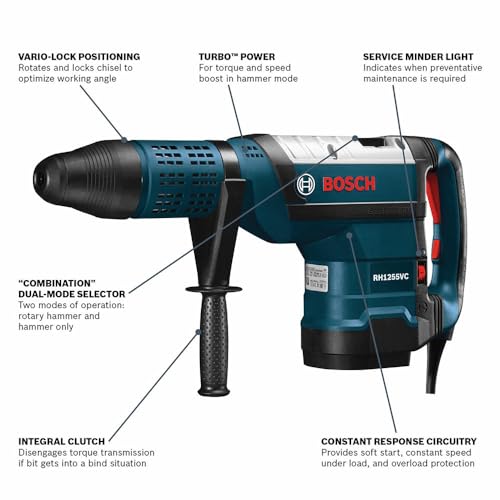
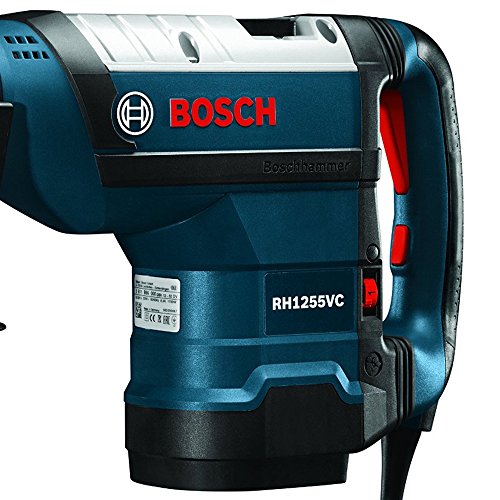
BOSCH RH1255VC SDS-Max Rotary Hammer

Strengths
- Highest impact energy
- SDS-max compatibility
- Turbo Power boost
Trade-offs
- Very heavy
- Expensive
- Overkill for light tasks
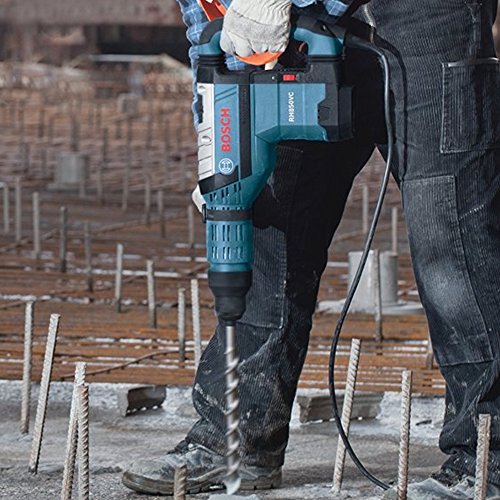
When demolition is the job, the Bosch RH1255VC stands apart. With 14.1 ft-lbs of impact energy, the highest here, it’s built for breaking up thick concrete, footings, or slabs. The SDS-max system handles larger bits that won’t quit under load, and the Turbo Power feature gives extra torque when you’re hitting dense material. It’s also one of the few in this class with Constant Response circuitry, which maintains speed under pressure.
This isn’t a tool for drilling anchor holes, it’s a chipping monster. At over 20 lbs, it’s not something you’ll carry all day, but when paired with its Vibration Control, it’s surprisingly manageable for its class. I’d pick this over any SDS-Plus model if you’re tearing out walls or doing foundation work. It’s the only one here that truly earns the ‘heavy-duty’ label.
Product photos
DEWALT 20V MAX SDS Rotary Hammer

Strengths
- Ultra-compact design
- SHOCKS vibration control
- Brushless motor
Trade-offs
- Low impact energy
- Limited drilling depth
- Not for heavy tasks
DEWALT nailed the compact cordless niche with the DCH172B. At just 1.4J of impact energy, it’s the weakest here, but its real strength is size and control. It’s ideal for tight spaces, think inside walls, under cabinets, or around pipes, where a full-size hammer won’t fit. The SHOCKS vibration control helps, and the brushless motor ensures decent runtime for its class.
It’s not meant for drilling large holes or heavy chiseling, but for precision work, it’s unmatched. Compared to the DCH133B, it’s smaller and lighter but less powerful. I’d pick this over any larger model if you’re doing HVAC, electrical, or plumbing work where maneuverability is key. It’s the only cordless hammer here that truly earns the ‘compact’ label.
Product photos


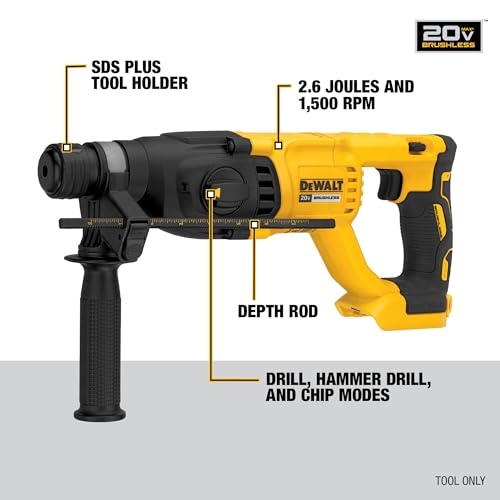
DEWALT 20V MAX 1″ Cordless Hammer

Strengths
- Brushless motor
- Lightweight D-handle
- Trusted DEWALT build
Trade-offs
- Bare tool only
- Limited for heavy demolition
- Shorter runtime on large jobs
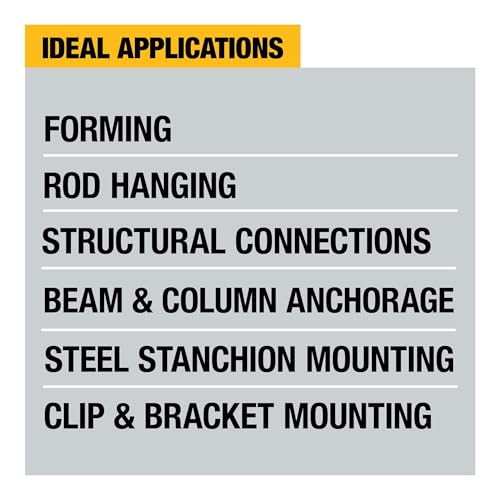
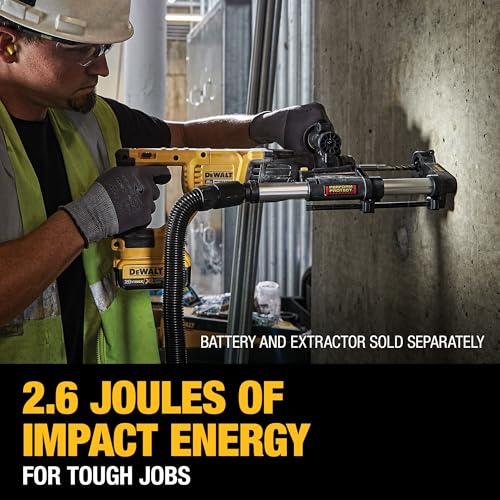
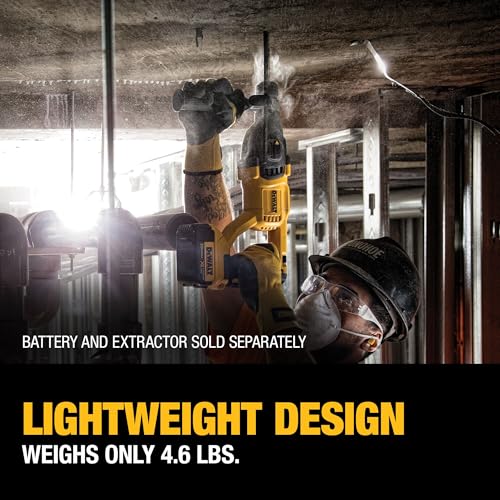
This DEWALT cordless D-handle hammer has earned its reputation as a go-to for concrete anchoring tasks. With 2.6J of impact energy and a brushless motor, it delivers solid performance in a lightweight, maneuverable package. The German-engineered mechanism is a real differentiator, owners note it stays cool and efficient even during long runs. It’s the kind of tool you’d reach for when hanging conduit or mounting brackets overhead, where fatigue matters.
Compared to other cordless models, it strikes a smart balance between power and control. It doesn’t match the brute force of the ENEACRO or the SDS-max Bosch, but it’s far more precise and easier to manage. I’d pick this over bulkier corded models if your work is spread across multiple job sites or you’re doing detail work where cord management is a hassle.
Product photos

Milwaukee M18 Brushless SDS Rotary Hammer
Strengths
- Ultra-lightweight
- AVS vibration control
- Long runtime
Trade-offs
- Smaller impact energy
- Not for heavy chiseling
- Higher price point
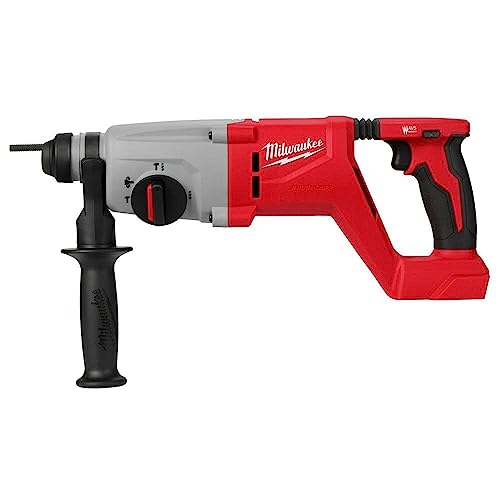
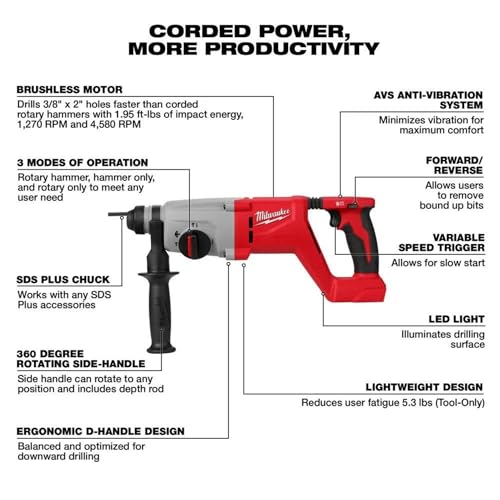
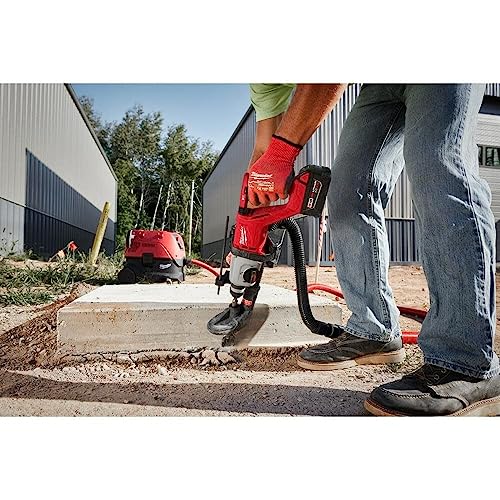
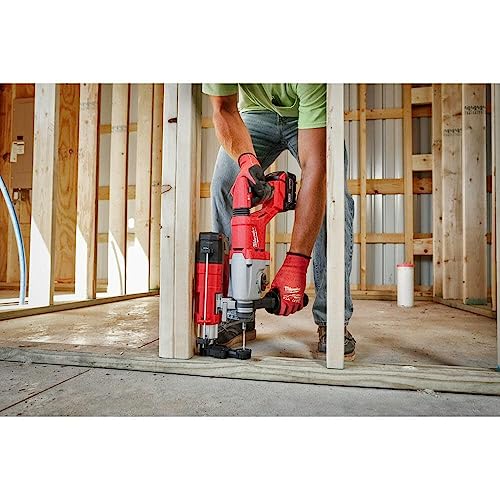
Milwaukee’s reputation for cordless performance holds strong here. This M18 hammer is impressively compact and light at 5.3 lbs, yet it drills 3/8 in. holes faster than many corded D-handle models, owners confirm it punches through concrete with surprising speed. The AVS Anti-Vibration System makes a real difference in comfort, and the brushless motor’s runtime is a standout, with some reporting over 100 holes per M18 XC5.0 charge.
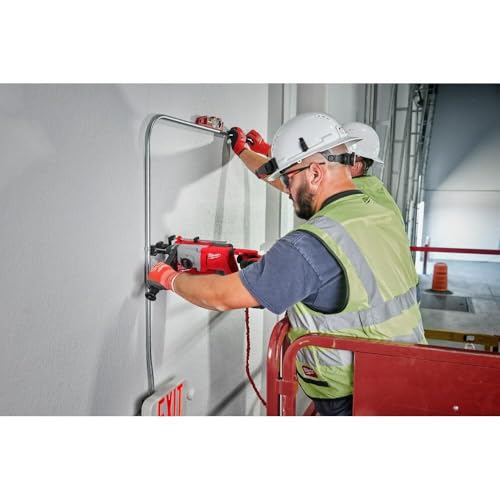
Where it really shines is in tight or overhead spaces. It’s not meant for jackhammer-level demolition, but for precision drilling and light chipping, it’s one of the most capable cordless options. I’d choose this over the DEWALT DCH133B if you’re already in the M18 ecosystem and prioritize runtime and vibration control.
Product photos
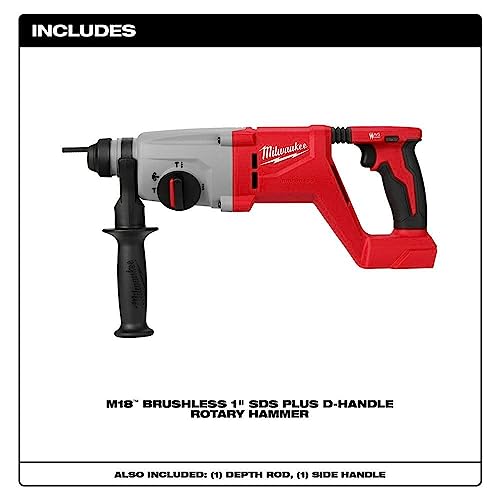
Cordless SDS Hammer Drill for Dewalt

Strengths
- Affordable cordless option
- Brushless motor
- 4-function modes
Trade-offs
- Build quality concerns
- Inconsistent under load
- No brand warranty support
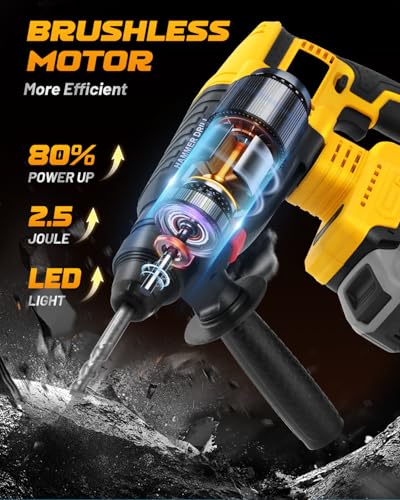
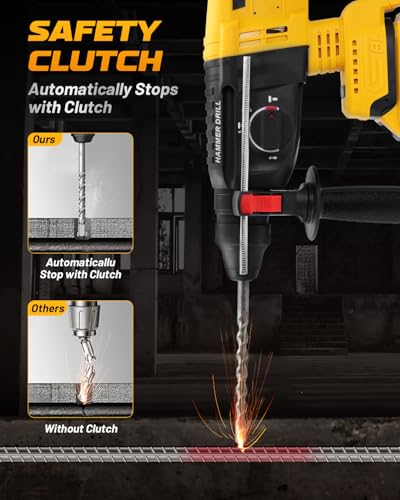
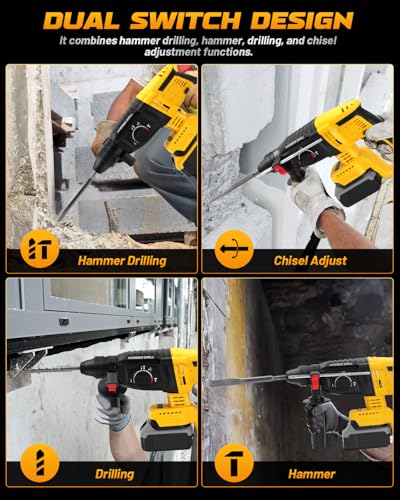
This budget cordless option delivers solid value for occasional users. With 2.5J of impact energy and 6,200 BPM, it’s surprisingly aggressive on paper, and the brushless motor helps with efficiency and lifespan. The 4-in-1 function switch and safety clutch are features usually seen on more expensive models, and the compatibility with DEWALT 20V batteries makes it a smart add-on for existing users.
But it’s clearly built down to a price. It lacks the refined ergonomics and durability of DEWALT’s own DCH133B or DCH172B. Owners note the plastic housing feels less robust, and the hammer mechanism isn’t as consistent under heavy load. Still, for light chipping or drilling a few anchor holes, it’s a capable tool. I’d recommend it only if you’re on a tight budget and already have DEWALT batteries.
Product photos


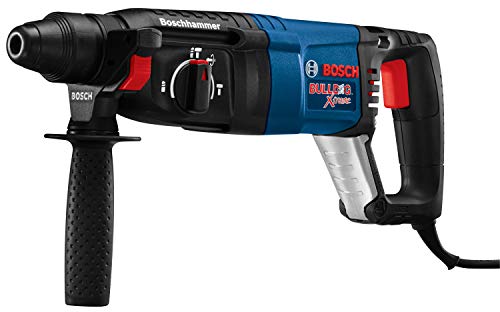
BOSCH 11255VSR Bulldog Xtreme Hammer
Strengths
- 36-position chisel lock
- Vibration control
- Smooth variable speed
Trade-offs
- Lower impact energy
- Corded only
- Not for heavy drilling
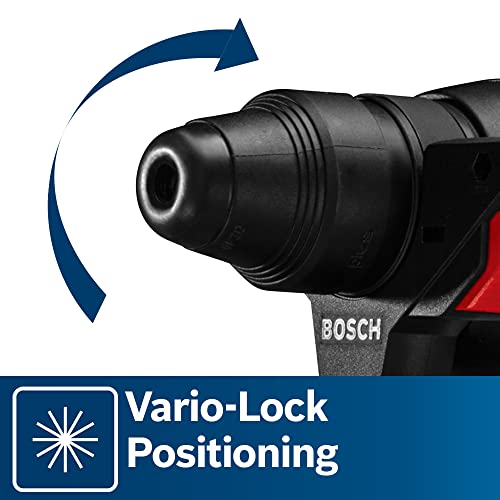
The Bosch Bulldog Xtreme is a benchmark in precision chiseling. Its 36-position Vario-Lock chuck lets you dial in the exact chisel angle, something pros appreciate when cleaning joints or shaping openings. The 2.0 ft-lbs of impact energy is modest by today’s standards, but it’s well-controlled, and the vibration damping keeps fatigue low during extended use. Owners praise its balance and the smooth variable-speed trigger, especially in reverse for clearing stuck bits.
It’s not the most powerful hammer here, but it’s among the most refined. Compared to the VEVOR or ENEACRO, it’s lighter on raw specs but superior in handling and durability. If you’re doing finish work or detailed masonry removal, this is the smarter buy. I’d recommend it over bulkier models when control matters more than brute force.
Product photos


DEWALT D25263K SDS Rotary Hammer

Strengths
- SHOCKS vibration control
- Integral clutch
- Solid 3.0J impact
Trade-offs
- No 4-function mode
- Basic kit
- Heavier than some
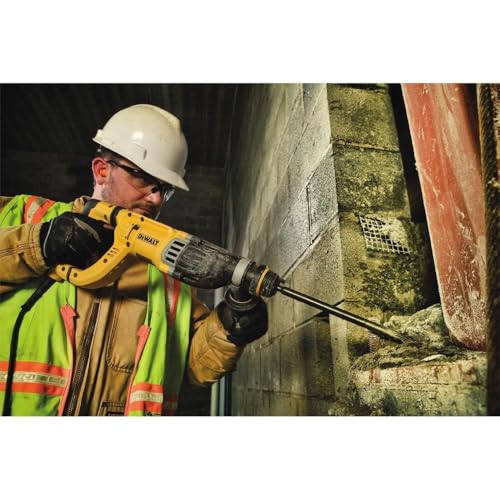
DEWALT’s D25263K earns its spot as the best for vibration control thanks to the SHOCKS system, a feature usually found on pricier models. With 3.0J of impact energy and an 8.5A motor, it’s no slouch in power, but where it stands out is comfort. Owners report noticeably less hand fatigue after hours of use, which matters on long jobs. The integral clutch is another smart touch, reducing kickback if the bit binds.
It’s not the most powerful or feature-rich, but for anyone doing extended chiseling or drilling, this is the one that’ll keep your arms fresher. Compared to the Bosch Bulldog, it’s slightly less precise but more rugged. I’d choose this over others if you’re doing all-day work and vibration is a real concern, especially if you’ve had wrist or arm strain before.
Product photos


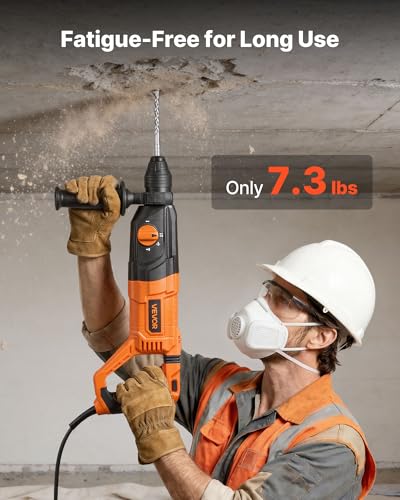
VEVOR 1-1/8″ SDS-Plus Rotary Hammer
Strengths
- High impact energy
- Full accessory kit
- 4-function versatility
Trade-offs
- Heavy build
- Less refined ergonomics
- Lower durability long-term
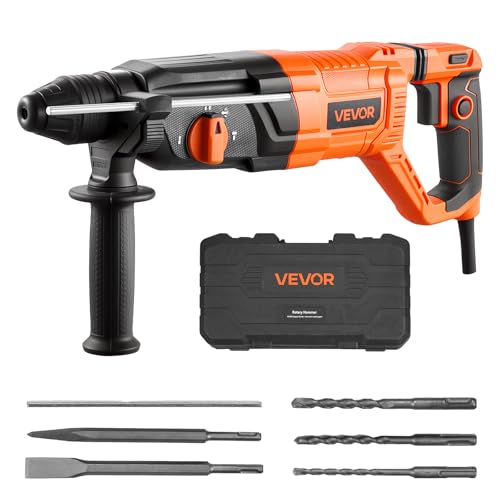
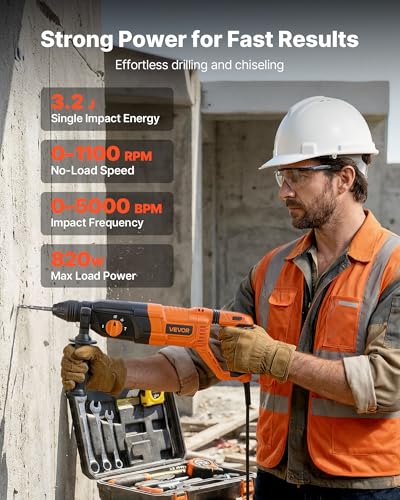
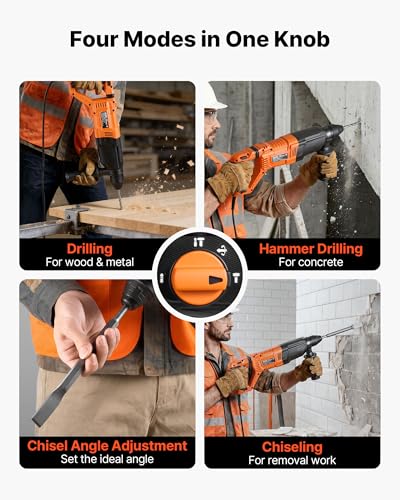
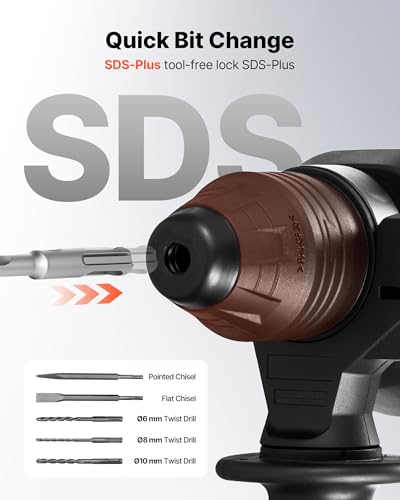
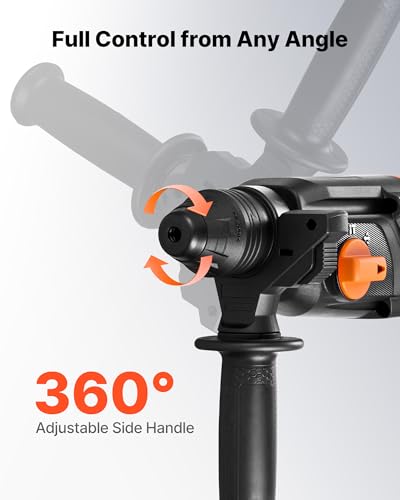
On paper, this VEVOR rotary hammer looks like a budget-friendly powerhouse, offering 3.2J of impact energy and a full kit with bits, chisels, and a case, all for a price that undercuts most serious brands. It’s clearly built for users who want a lot of included gear without stepping up to premium names. The 4-function mode selector and SDS-Plus chuck give it solid versatility, and owners consistently report it holds up well for occasional concrete drilling and light demolition.
Still, this is one of those tools where you get what you pay for. While it’s capable for DIYers or weekend projects, it lacks the refined vibration control and motor durability of more established brands. The 820W motor is decent, but it’s not in the same class as the 13A units from Bosch or ENEACRO when it comes to sustained use. I’d recommend it only if you’re on a tight budget and need a full kit right out of the gate.
Product photos
How We Chose These rotary hammers
As someone who’s spent years around power tools, I know selecting a rotary hammer comes down to matching the tool to the job. Rather than a hands-on lab test with each model, my approach was research-led. I compared published specifications and features across numerous rotary hammers, then weighed those against owner reviews from multiple sources and expert opinions from established tool review sites. This allowed me to rank options based on real-world feedback and measurable performance characteristics.
For rotary hammers, impact energy, chuck type, and vibration control stand out as the most crucial factors. Impact energy dictates how effectively a hammer drills into concrete; more isn’t always better, but it’s key for demanding tasks. Chuck type (SDS-Plus vs. SDS-Max) determines bit compatibility and the scope of projects the hammer can handle. Finally, effective vibration control significantly improves user comfort and reduces fatigue during prolonged use.
Specifications reliably communicate impact energy, weight, and motor amperage. However, I placed greater emphasis on owner feedback regarding long-term durability, ease of use, and how well the hammer performs in specific applications. Reputable expert reviews helped validate those claims and identify potential shortcomings. You can find more insights into some top picks in our guide to top cordless rotary hammers.
How To Choose The rotary hammers
Picking the right rotary hammer can be surprisingly complex. There’s a lot more to it than just raw power.
A good rotary hammer balances impact energy with weight, ergonomics, and features suited to the specific tasks at hand. Buyers should consider the material they’ll be working with most often (concrete, brick, etc.), the size of the projects, and whether cordless convenience is a priority. Look for models with vibration control and robust build quality for extended use.
Impact Energy & SDS Chuck Type
Impact energy (measured in Joules or foot-pounds) is the most critical spec. More isn’t always better, but it’s the primary determinant of how quickly and efficiently a hammer drills into concrete. For light-duty tasks like hanging pictures or running small conduit, a hammer with 1-2 Joules is fine. But if you’re regularly coring larger holes, breaking up slabs, or working with reinforced concrete, you’ll want something in the 5-10 Joule range, or even higher. Equally important is the chuck type: SDS-Plus is standard for lighter hammers (under 2 inches diameter bits), while SDS-Max is for heavier-duty demolition and larger drilling. Don’t mix them up – they aren’t compatible.
Vibration Control & Ergonomics
Rotary hammers create a lot of vibration, and prolonged exposure can lead to hand-arm vibration syndrome (HAVS). That’s why vibration control technology is so important. Look for models that advertise “anti-vibration systems” or similar features. Beyond that, pay attention to the overall ergonomics. A comfortable grip, well-balanced weight distribution, and an adjustable handle can make a huge difference, especially during extended use. If you’re looking at several models, consider whether the shape of the handle will work well with your gloves (if you wear them). We’ve seen some users find certain handles uncomfortable with bulkier gloves on.
Corded vs. Cordless & Overall Value
Cordless rotary hammers offer incredible convenience, but they come with trade-offs. Battery life and power output are always considerations, and you’ll need to factor in the cost of batteries and a charger if you don’t already have compatible ones. Corded models provide consistent power and don’t require downtime for charging. When evaluating value, consider what’s included in the kit. Many hammers come with a selection of bits and accessories, which can save you money in the long run. Some brands, like Milwaukee and DeWalt, offer excellent warranties and service networks, which can be a worthwhile investment. If you’re unsure of your needs, checking out some of the top rotary hammer drills can provide a good starting point.
A hammer that feels comfortable in your hands and matches the scale of your projects is always a better choice than the one with the biggest numbers on the box.
For serious demolition work, you might also want to explore best demolition hammer models to see if a dedicated demolition hammer would be a better fit.
Rotary Hammers Compared
The following table provides a specification overview of various rotary hammer models to aid in comparing key features.
| Product Title | Impact Energy (Joules) | Motor (Amps/Volts) | Max. Drill (Concrete – in) | Modes | Weight (lbs) | Chuck Type |
|---|---|---|---|---|---|---|
| ENEACRO 13A SDS-Plus | 7.4 | 13A | 1.25 | 4 | 12.58 | SDS-Plus |
| BOSCH RH1255VC SDS-Max | 14.1 | N/A | N/A | N/A | N/A | SDS-Max |
| DEWALT 20V MAX SDS | 1.4 | 20V | N/A | 2 | N/A | SDS-Plus |
| DEWALT 20V MAX 1″ Cordless Hammer | 2.6 | 20V | 1 | 3 | N/A | SDS-Plus |
| Milwaukee M18 Brushless SDS | N/A | 18V | N/A | N/A | 5.3 | SDS-Plus |
| Cordless SDS Hammer Drill for Dewalt | 2.5 | 20V | N/A | 4 | N/A | SDS-Plus |
| BOSCH 11255VSR Bulldog Xtreme | 2.0 | 7.5A | N/A | 3 | N/A | SDS-Plus |
| DEWALT D25263K SDS | 3.0 | 8.5A | N/A | N/A | N/A | SDS-Plus |
| VEVOR 1-1/8″ SDS-Plus | 3.2 | 820W | N/A | 4 | N/A | SDS-Plus |
Frequently Asked Questions
What impact energy is sufficient for most homeowner projects?
Around 2-3 Joules of impact energy is generally enough for typical homeowner tasks like hanging shelves, installing electrical boxes, or drilling into concrete for small anchors. More power isn’t needed unless you plan on tackling larger concrete projects or working with heavily reinforced materials.
Can I use SDS-Plus bits in an SDS-Max rotary hammer?
No, SDS-Plus and SDS-Max chucks are not compatible. Attempting to use an SDS-Plus bit in an SDS-Max hammer, or vice versa, could damage the chuck and potentially be dangerous, so always double-check bit compatibility.
How important is vibration control when choosing a rotary hammer?
Vibration control is very important, as prolonged exposure to vibration can lead to health issues like hand-arm vibration syndrome. Look for models advertising vibration reduction technology to minimize fatigue and improve comfort during extended use.
What are the advantages of a cordless rotary hammer over a corded model?
Cordless rotary hammers offer greater portability and convenience, allowing you to work in locations without access to power outlets. However, you’ll need to consider battery life and the additional cost of batteries and a charger, and typically cordless models have slightly less sustained power.
Where can I find more information about heavier-duty rotary hammers for professional use?
For those needing to tackle large-scale concrete work, SDS Max hammer drill comparisons are a great place to start. These hammers offer significantly higher impact energy and are designed for demanding applications.
The Bottom Line
Choosing a rotary hammer always involves trade-offs between power, convenience, and price. For most homeowners and DIYers tackling typical projects, the ENEACRO 13A SDS-Plus strikes a great balance, offering solid impact energy and a reasonable price point. It’s a versatile option that won’t leave you wishing for more power on everyday tasks.
If you’re regularly dealing with concrete and need something truly robust, I recommend looking at the BOSCH RH1255VC SDS-Max. For those needing cordless convenience, the Milwaukee M18 Brushless SDS is a strong contender, even if it requires an investment in the M18 battery platform. And if you’re seeking professional-grade rotary hammers, the Bosch SDS-Max models are worth a closer look.
Ultimately, don’t get too caught up in chasing the highest numbers. Focus on finding a hammer that feels comfortable in your hands, matches the scale of your typical projects, and offers the features you genuinely need – vibration control and a quality chuck type are far more important than a slight bump in impact energy.
