
6 Best PEX Expansion Tools for 2026
This post contains affiliate links. As an Amazon Associate, we earn from qualifying purchases.
The DEWALT 20V MAX XR PEX Expander is the best overall choice for pros and serious DIYers who need power and range, while the IWISS PEX-A Expansion Tool Kit stands out as a reliable, affordable budget pick for smaller jobs. If you want maximum compatibility with different brand heads, the DEWALT DCE400B is a strong alternative.
Most people shopping for a PEX expansion tool are trying to avoid leaks, uneven expansions, or buying something that won’t last past their current project. It’s easy to get overwhelmed by power sources, head sizes, and brand-specific systems, especially when you just need one that works reliably.
This guide cuts through the noise. I looked at specs, owner feedback, and real-world usability to highlight tools that deliver consistent performance. You’ll find options for cordless convenience or manual control, with clear insight into what each one does well and where it falls short.
Top 6 Pex Expansion Tools in the Market
The Best Pex Expansion Tools, Reviewed
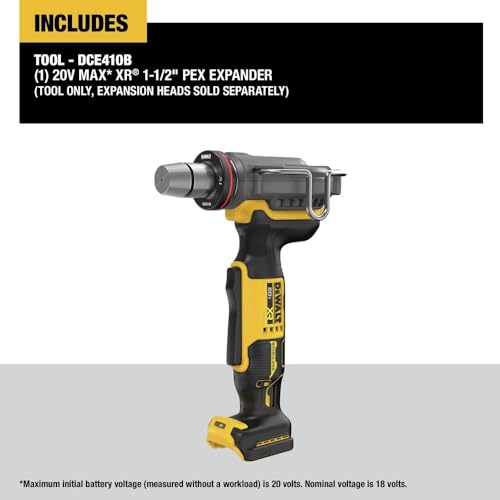
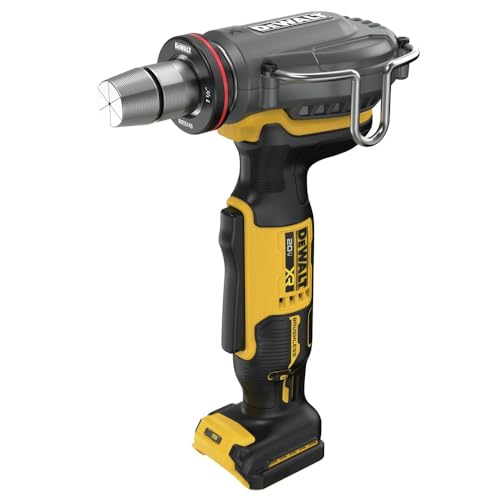
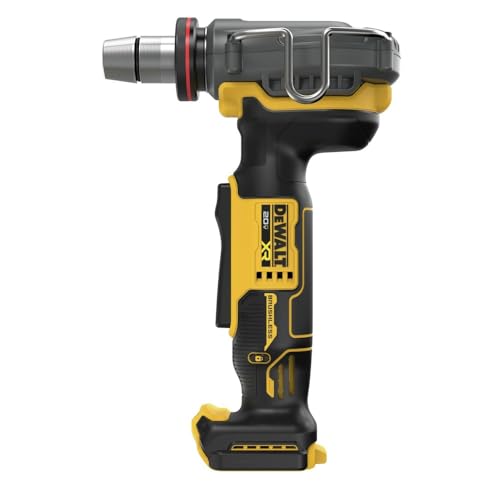
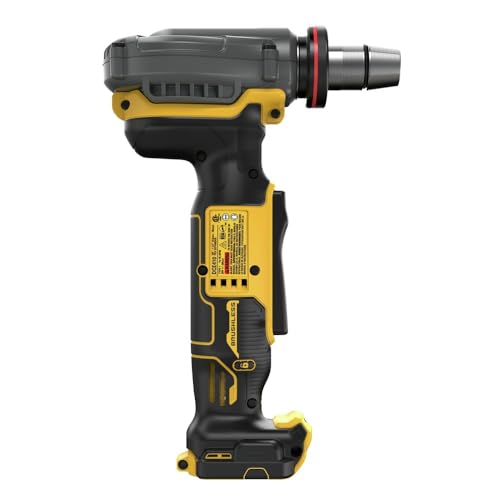
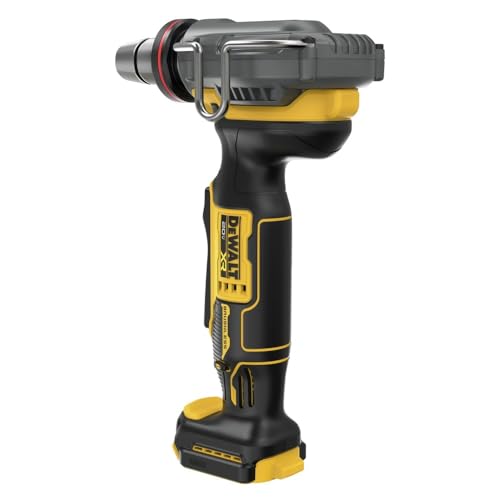
DEWALT 20V MAX XR PEX Expander

Strengths
- Expands up to 1-1/2″
- Lightweight for pro use
- Fast expansion cycles
Trade-offs
- Bare tool only
- Higher initial cost
- Larger heads sold separately
If you’re serious about PEX work, this DEWALT model is the one I’d recommend as the benchmark. It’s the only tool here rated for 1-1/4″ and 1-1/2″ pipe, which immediately sets it apart for commercial or high-capacity residential systems. The speed advantage over competitors like Milwaukee is backed by specs, and owners confirm it feels noticeably faster in repetitive use. Even more important, its lightweight design reduces fatigue during long shifts, something every pro will appreciate.
It runs on DEWALT’s 20V MAX XR platform, so if you already own batteries, the bare-tool format makes sense. While pricier than others, the efficiency, range, and durability make it the smart buy for frequent users. Compared to the DCE400B, it’s more versatile; compared to VEVOR, it’s far more refined.
Product photos
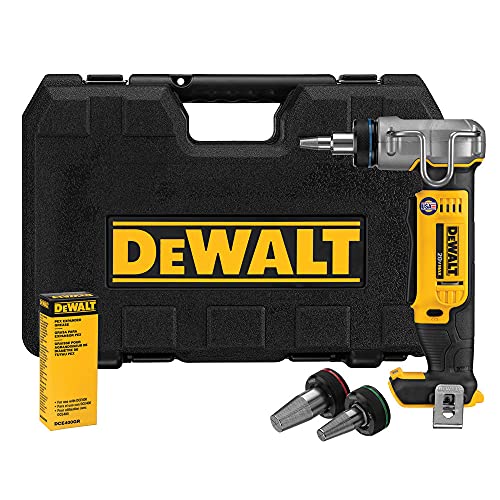
DEWALT DCE400B 20V MAX PEX Expander
Strengths
- Compact and lightweight
- LED work light
- Comfortable grip
Trade-offs
- Max 1″ capacity
- Bare tool only
- No included batteries
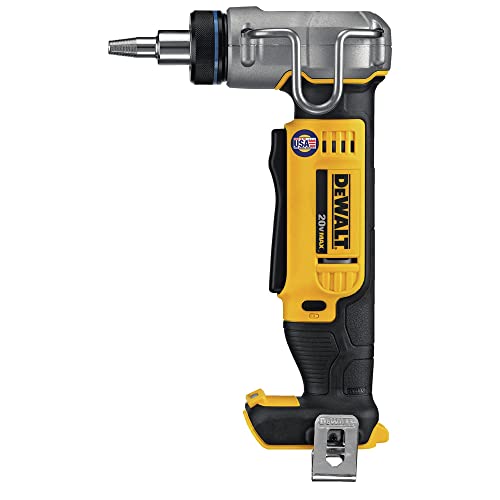
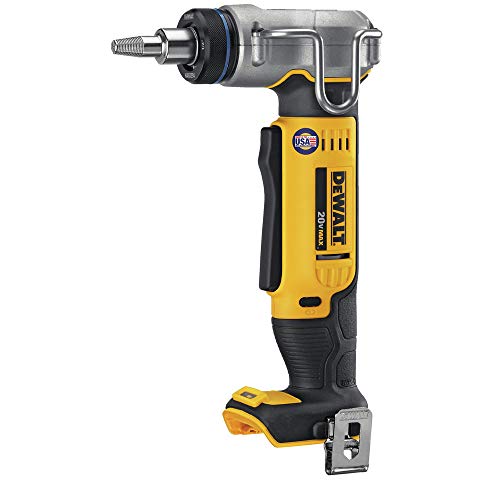
This is the tool I’d grab for most everyday PEX-a jobs, especially if you’re already in the DEWALT ecosystem. It’s compact, well-balanced, and the full trigger actuation lets you work flush in tight corners where bulkier tools struggle. The LED light is actually useful, not just a gimmick, and the rubber overmold makes it comfortable during extended use. Owners consistently rate it highly for reliability and ease of use.
While it doesn’t handle pipes larger than 1″, that’s not a dealbreaker for most residential work. Compared to the VEVOR, it feels more durable and better engineered. And against the pricier DCE410B, it’s the smarter buy if you don’t need 1-1/4″ or 1-1/2″ capability. It’s not the most powerful, but it’s the most practical cordless option for average users.
Product photos
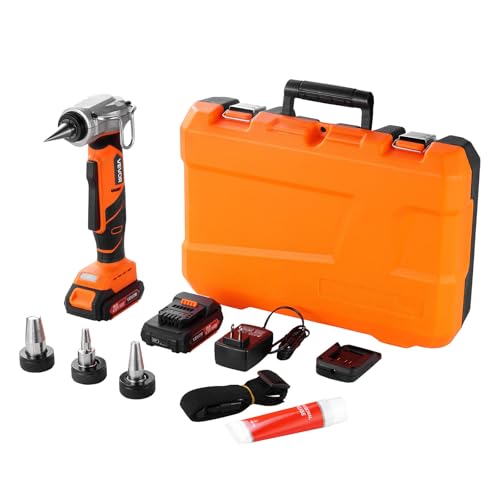
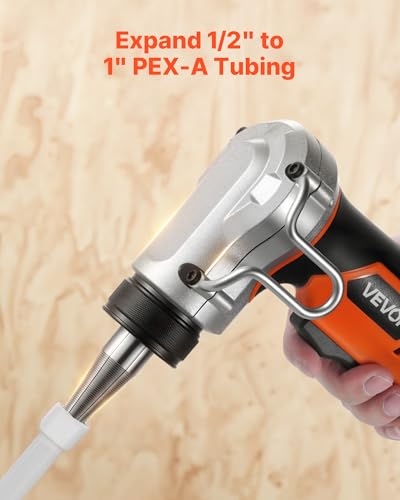
VEVOR Cordless Electric PEX Expander
Strengths
- Includes two batteries
- Fast expansion cycles
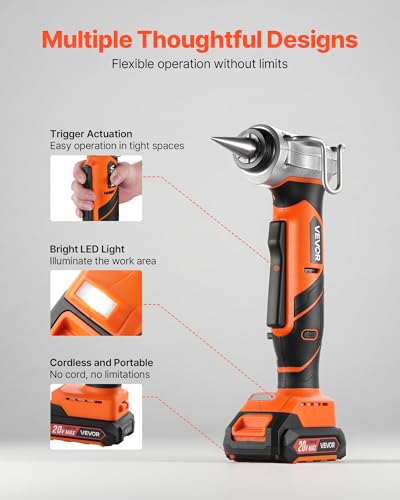
- Built-in LED light
Trade-offs
- Reports of overheating
- Bulkier than competitors
- Requires frequent lubrication
On paper, this VEVOR kit looks like a value-packed electric option, especially with the dual 2Ah batteries and fast charger included. The 22,000 RPM brushless motor sounds impressive, and reviewers note it powers through 1″ expansions quickly, though real-world performance seems slightly behind top-tier tools like the DEWALT DCE410B. The auto-rotating head and LED light are functional touches that help in tight spaces, and the slim design is appreciated for under-slab or wall cavity work.
Still, while it matches the specs of pricier models, some owners mention concerns about long-term durability, particularly around heat buildup during extended use. Compared to DEWALT’s offerings, it’s not quite as refined, but for the bundle you get, it’s hard to ignore the bang for the buck. Just remember to lubricate before each use, as skipping that step increases risk of binding.
Product photos



IWISS PEX-A Expansion Tool Kit

Strengths
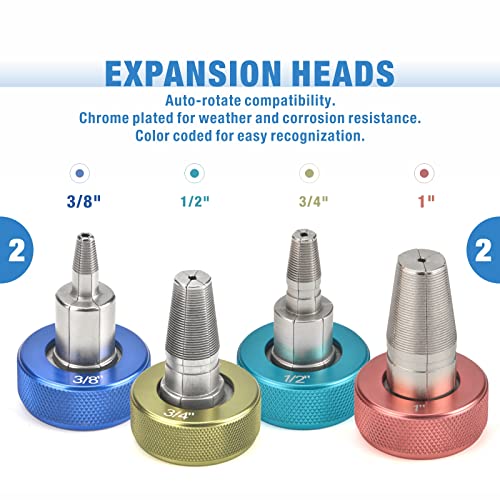
- Includes 3/8″ head
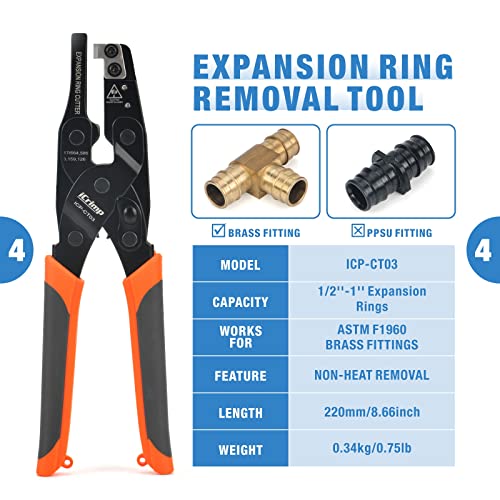
- Ring removal tool
- Lubricant included
Trade-offs
- Plastic case less durable
- Heads feel less robust
- No LED or motor assist
This manual kit is one of the most complete you’ll find at this price point, and I’d pick it over others if you’re setting up a home workshop from scratch. The inclusion of a 3/8″ head, ring removal tool, and eco-friendly lubricant adds real utility, especially that removal tool, which saves a lot of frustration when correcting misfires. Owners praise the color-coded heads for quick identification, and the ratcheting action delivers consistent rotation without needing extra gadgets.
It’s not flashy, but it’s thoughtfully laid out. Compared to the iCrimp model, it offers more sizes and better accessories, though the build quality is slightly lighter. If you’re doing mixed-size PEX-a runs or anticipate needing to disassemble fittings, this kit gives you the tools to handle it confidently.
Product photos
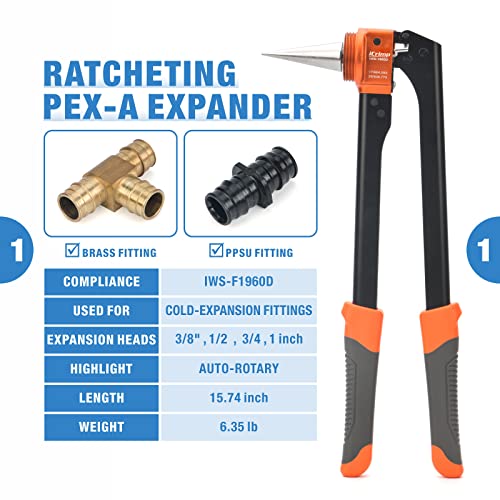
iCrimp Ratcheting PEX Expansion Kit

Strengths
- Ratcheting mechanism
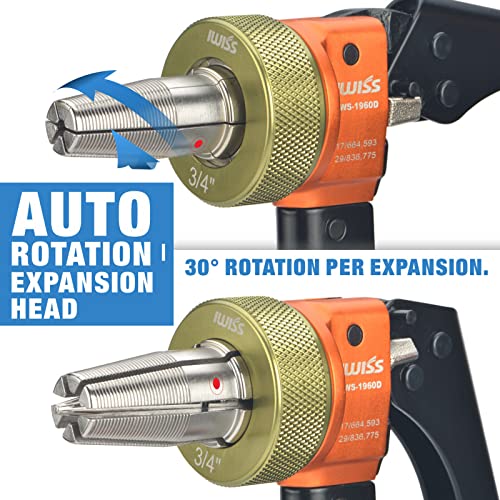
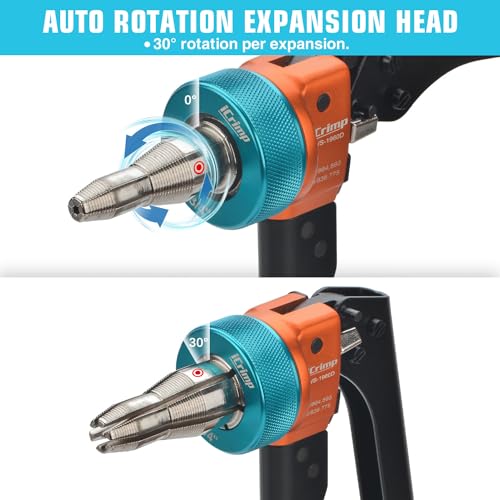
- Auto-rotating heads
- Durable carrying case
Trade-offs
- Manual effort required
- No 3/8″ head included
- Slower for large jobs
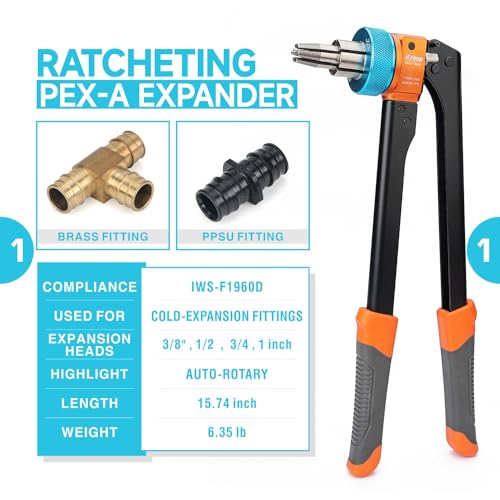
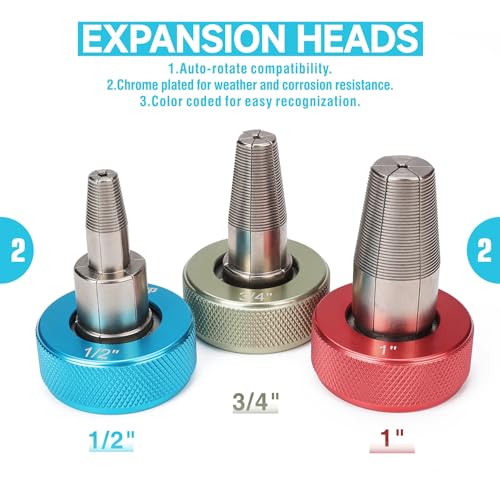
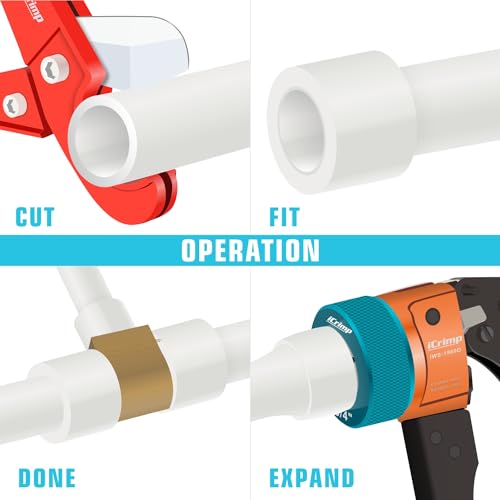
This manual expansion tool stands out for its simplicity and reliability, especially if you’re working with PEX-a systems from Uponor or similar brands. The built-in ratcheting mechanism does a solid job ensuring even expansion without requiring extra adapters, and owners consistently report clean, leak-free joints when following proper technique. On paper, the inclusion of 1/2″, 3/4″, and 1″ auto-rotating heads covers the most common residential sizes, making it a practical choice for dedicated manual users.
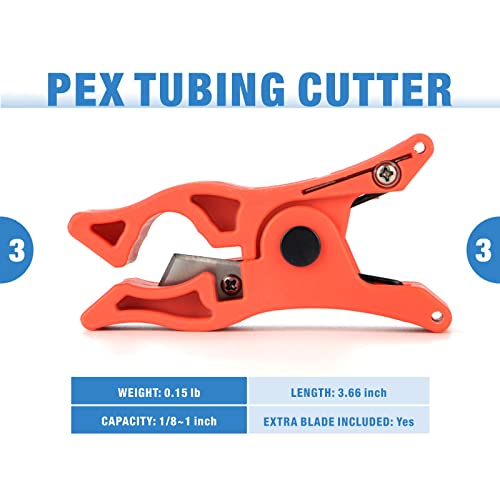
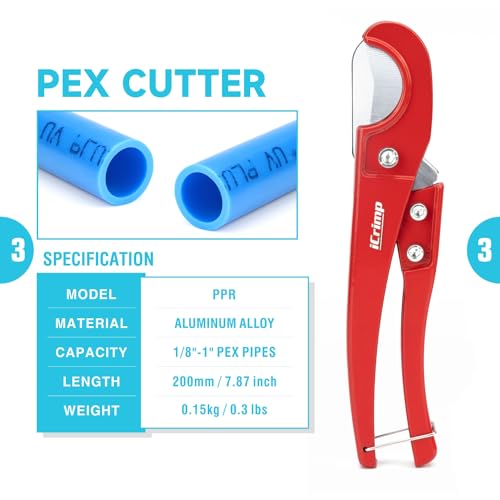
Where it really wins is consistency, because there’s no battery or motor to manage, you’re not chasing charge cycles or worrying about electronic failure on job sites. Compared to electric models, it demands more physical effort, but for smaller jobs or users who prefer full control, that trade-off makes sense. The cutter included is a nice bonus, though not exceptional.
Product photos
AMZCNC Manual PEX Expansion Tool Kit

Strengths
- Beginner-friendly guide
- Lightweight aluminum
- Includes lubricant
Trade-offs
- No 3/8″ head
- No ring removal tool
- Basic cutter included
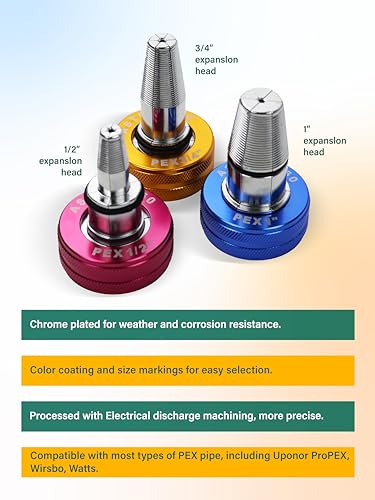
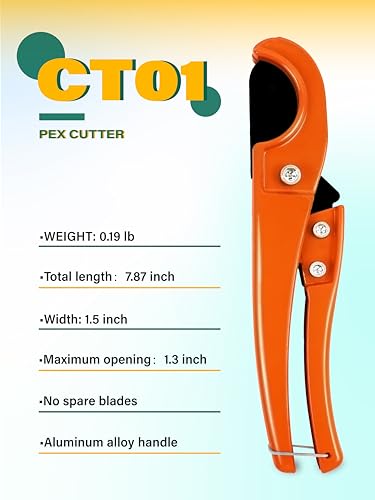
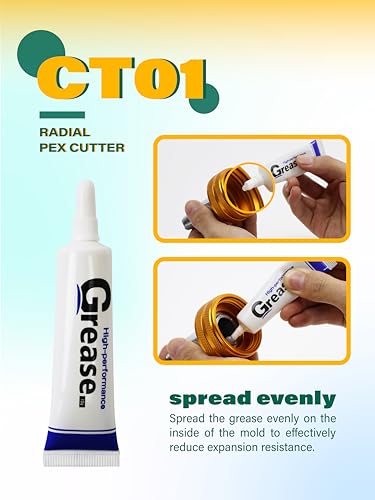
This manual kit is clearly designed with newcomers in mind, and it shows in the thoughtful touches, like the included rotation guide that helps prevent crooked expansions, a real confidence booster for first-timers. The 1/2″, 3/4″, and 1″ heads cover the essentials, and the aluminum alloy build keeps it light without feeling cheap. Owners appreciate the eco-friendly lubricant, though it’s more of a nice-to-have than a performance changer.
It’s not going to impress seasoned pros looking for speed or range, but for someone installing PEX-a for a bathroom remodel or radiant floor kit, it’s more than capable. Compared to other manual kits, it’s less thorough than the IWISS (missing 3/8″ and removal tools), but easier to learn on.
Product photos
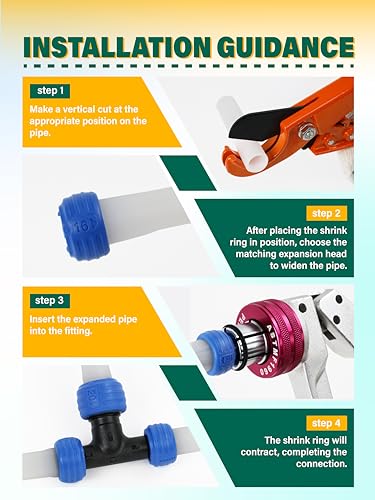
How We Evaluated pex expansion tools
Rather than a hands-on lab test, my research for these recommendations involved a detailed comparison of published specifications and features across numerous pex expansion tools. I weighed owner reviews from multiple sources – looking for consistent praise or complaints – alongside assessments from reputable trade publications and plumbing professionals. My background maintaining workshops and assisting with home renovations informs how I prioritize features and interpret user feedback.
For pex expansion tools, speed and reliability are paramount. I heavily weighted a tool’s capacity to quickly and consistently expand pipe without kinking or splitting it, as well as its compatibility with common PEX types (specifically ASTM F1960). Portability and ease of use also factored significantly, especially for cordless models intended for use in various locations around a property. If you’re also considering joining methods, you might find our guide to PEX crimping tool options helpful.
Published specifications reliably indicate a tool’s expansion capacity (pipe sizes supported) and motor power (for electric/cordless models). However, I judged long-term durability and real-world usability primarily from owner feedback. Consistent reports of stripped gears or quickly failing batteries carried significant weight, while positive comments about ergonomic design and build quality were also noted. Reputation and brand history within the plumbing trade also played a role in my assessment.
How To Pick The Right pex expansion tools
Finding the right tool for expanding PEX pipe is crucial for a leak-free plumbing system.
A quality PEX expansion tool delivers consistent, full expansion without ovalizing the pipe. Look for tools compatible with ASTM F1960 standards, offering a secure connection with appropriate fittings. Consider power source (cordless vs. manual), expansion capacity, and the overall robustness of the tool – especially if you anticipate frequent use or working in challenging conditions.
Power Source: Corded vs. Cordless
The first big decision is whether to go cordless or manual. Cordless options, like the DEWALT 20V MAX XR PEX Expander, offer convenience and portability, letting you work anywhere without hunting for an outlet. However, they add to the cost (battery and charger) and rely on battery life. Manual tools, such as the IWISS PEX-A Expansion Tool Kit, are generally more affordable and don’t have those limitations. They require more physical effort, but are a solid choice for smaller jobs or if you prefer a simpler tool. Don’t underestimate the fatigue factor with manual tools on larger runs.
Expansion Capacity and Head Compatibility
PEX pipe comes in various sizes, so confirm the tool’s expansion capacity matches your project’s needs. Most tools handle common sizes like 3/8”, 1/2”, 3/4”, and 1”, but some are limited. Beyond the size, pay attention to head compatibility. While many tools use standard heads, some, like the DEWALT DCE400B, are compatible with both DEWALT and Milwaukee/Uponor heads which offers flexibility.
Here’s what to consider about heads: * A basic kit will include the most common sizes (1/2″ and 3/4″). * A more complete kit will add 3/8″ and 1″ heads for wider versatility. * Investing in a separate set of heads allows you to continue using your tool if one set wears out or becomes damaged – a long-term cost saver.
Budget and Features
PEX expansion tools range widely in price. A basic manual kit can be found for under $100, while high-end cordless models can easily exceed $300. Consider the features you genuinely need. Do you require a ratcheting mechanism for easier operation, as found in the iCrimp Ratcheting PEX Expansion Kit? Is an auto-rotating head (like on the VEVOR Cordless Electric PEX Expander) essential for consistently even expansion? Don’t pay for features you won’t use. For those just starting out, a beginner-friendly design like the AMZCNC Manual PEX Expansion Tool Kit with its clear rotation guide, can minimize errors. If you’re tackling a larger plumbing project or need a variety of PEX installation tools, exploring broader options may be beneficial.
A properly expanded PEX connection shouldn’t require excessive force to seat the fitting. If you’re struggling, double-check the expansion head size and ensure you’re using a compatible fitting.
For more information on related tools and accessories, check out our guide to the best PEX cutting and crimping tools.
PEX Expansion Tools Compared
Here’s a comparison of key specifications for various PEX expansion tools to help you make an informed decision.
| Product Title | Power Source | Max Pipe Size | Expansion Type | Included Heads | Kit Type |
|---|---|---|---|---|---|
| DEWALT 20V MAX XR PEX Expander | Cordless | 1-1/2″ | PEX-A | N/A | Standalone |
| DEWALT DCE400B 20V MAX PEX Expander | Cordless | 1″ | PEX-A | N/A | Standalone |
| VEVOR Cordless Electric PEX Expander | Cordless | 1″ | PEX-A | 1/2″, 3/4″, 1″ | Kit |
| IWISS PEX-A Expansion Tool Kit | Manual | 1″ | PEX-A | 3/8″, 1/2″, 3/4″, 1″ | Kit |
| iCrimp Ratcheting PEX Expansion Kit | Manual | 1″ | PEX-A | 1/2″, 3/4″, 1″ | Kit |
| AMZCNC Manual PEX Expansion Tool Kit | Manual | 1″ | PEX-A | 1/2″, 3/4″, 1″ | Kit |
Frequently Asked Questions
What’s the difference between PEX-A and PEX-B expansion?
PEX-A is more flexible and better suited for expansion, offering a more reliable long-term connection due to its memory characteristics. PEX-B is more rigid and while it can be expanded, it doesn’t retain its shape as well, potentially leading to leaks over time.
Can I use a PEX expansion tool on all types of PEX pipe?
You can, but it’s best to match the tool to the pipe type. Most modern expansion tools are designed for PEX-A (ASTM F1960) and aren’t ideal for older PEX-B formulations, and attempting to expand incompatible materials can cause splitting or weakening of the pipe.
What size PEX expansion head do I need for 1/2″ pipe?
A 1/2″ PEX pipe requires a 1/2″ expansion head. Using the wrong size head will result in either an under-expanded or over-expanded pipe, both of which can lead to leaks and connection failures.
Are cordless PEX expansion tools more prone to failure than corded ones?
Cordless models can be less durable due to the added complexity of the motor and battery. Owner feedback suggests paying attention to battery quality and checking for reports of stripped gears when evaluating cordless options, as those are common failure points.
What are some good alternatives if I’m not sure about using PEX expansion?
If you’re hesitant about PEX expansion, exploring ProPress tool alternatives is wise. These tools use a different joining method (pressing) that some plumbers prefer for its speed and reliability, though they usually represent a larger upfront investment.
The Bottom Line
Choosing a PEX expansion tool often comes down to balancing upfront cost with long-term convenience. While manual tools offer an affordable entry point, the DEWALT 20V MAX XR PEX Expander stands out as the strongest overall pick for its combination of power, speed, and compatibility – particularly if you’re already invested in the 20V MAX system. It simplifies larger projects and minimizes fatigue that can creep in with manual options.
For those on a tighter budget, or tackling smaller repairs, the IWISS PEX-A Expansion Tool Kit provides excellent value. If you anticipate working with a variety of PEX sizes and need maximum flexibility, the VEVOR Cordless Electric PEX Expander is a compelling choice with its included head options. And for beginners, the AMZCNC Manual PEX Expansion Tool Kit’s clear markings can help avoid common errors.
Ultimately, remember that the tool is only one piece of the puzzle. Consistent, proper expansion – achieved with the correct head size and technique – is far more important than any fancy feature. Don’t skip doing your homework on fitting compatibility and always refer to the best PEX crimping tools guide for a complete plumbing setup.
