5 Best Milwaukee Chainsaws of 2026
This post contains affiliate links. As an Amazon Associate, we earn from qualifying purchases.
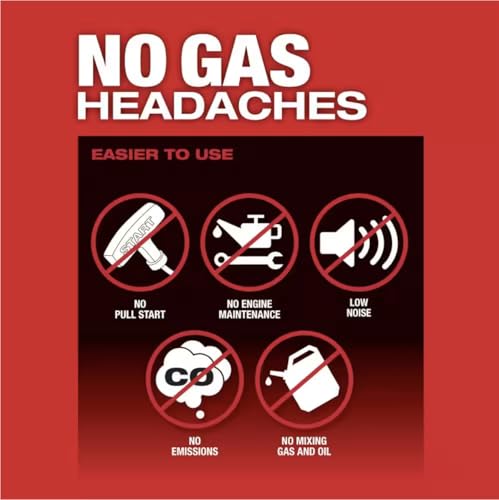
The Milwaukee M18 Fuel 16 in. Chainsaw Kit is the best overall pick for most users, delivering strong power and convenience with included batteries and charger. For lighter tasks, the Milwaukee 2727-20 M18 FUEL 16 in. Chainsaw offers solid performance as a budget-friendly option, while the Milwaukee M18 FUEL 8 in. HATCHET Pruning Saw stands out for precision work and tight spaces.
Most people don’t realize how quickly a poorly matched chainsaw can turn a simple job into a frustrating mess. Too little power and you’re fighting the tool. Too much, and you’re risking safety for tasks that don’t need it.
This guide cuts through the noise by focusing on real specs, verified owner feedback, and the practical needs of DIYers and homeowners. I looked at power, runtime, bar length, and long-term usability across Milwaukee’s lineup to find the models that actually perform where it matters.
Top 5 Milwaukee Chainsaws in the Market
The Best Milwaukee Chainsaws, Reviewed
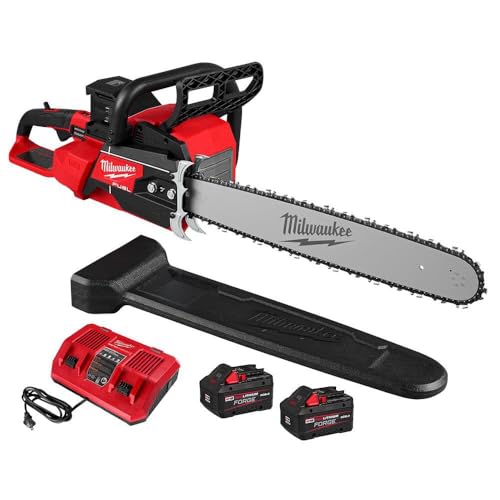
Milwaukee M18 Fuel 20 Dual Battery Chainsaw
Strengths
- 5.8HP peak power
- Dual battery support
- High torque motor
Trade-offs
- Heavy setup
- Requires two batteries
- Expensive to fully equip
This is the most serious chainsaw Milwaukee makes, and on paper, it’s built for pros who need gas-level performance without the noise, fumes, or maintenance. With 5.8HP peak power and 9.5Nm of torque, it’s designed to power through thick hardwoods with minimal stalling. The dual battery setup demands two high-output M18 packs, which is expected at this class, but owners consistently report it delivers near gas-like cutting speed when paired with proper batteries.
Compared to other models in the lineup, this one stands out for sheer brute force. It’s not the most portable, but if you’re felling trees or bucking large logs regularly, the power advantage is real. I’d pick this over the 16-inch models when the job demands sustained heavy cutting.
Product photos
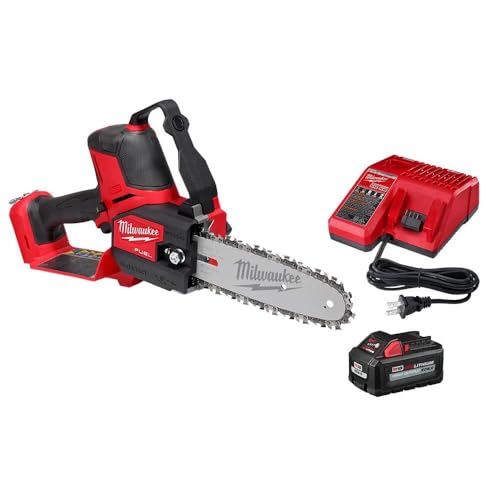
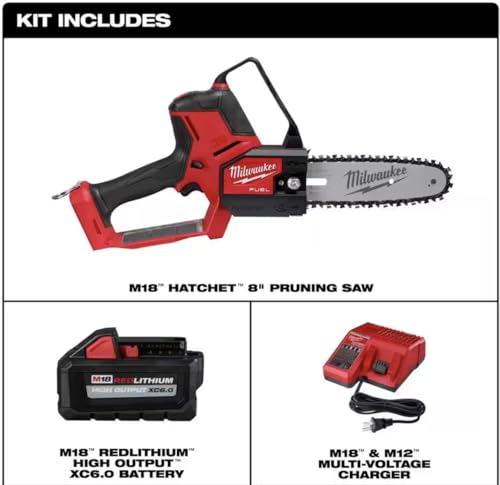
Milwaukee M18 FUEL 8 in. HATCHET Pruning Saw
Strengths
- Compact and precise
- Includes 6.0Ah battery
- Built for aerial use
Trade-offs
- 8-inch bar limits reach
- Not for large logs
- Higher price for size
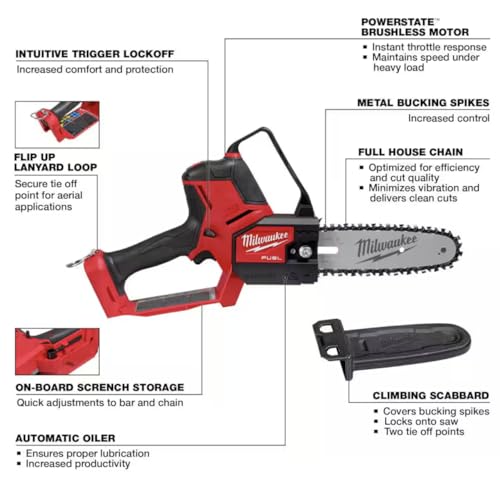
This isn’t a chainsaw for felling trees, it’s a precision tool built for arborists, roofers, and anyone working at height. The 8-inch hatchet-style design gives it excellent control in tight spaces, and the POWERSTATE brushless motor delivers surprising power for its size, able to cut through hardwood branches cleanly. Owners love the metal bucking spikes and climbing scabbard, which make it a go-to for aerial work.
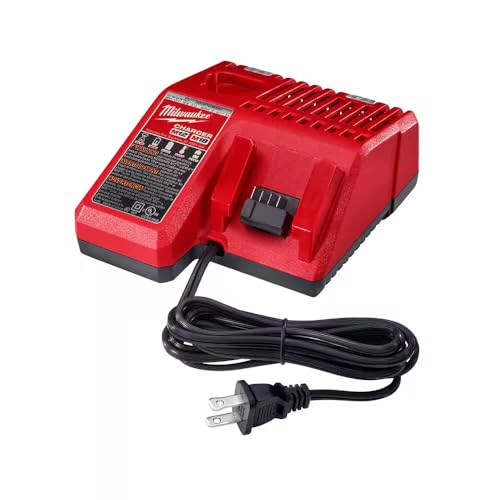
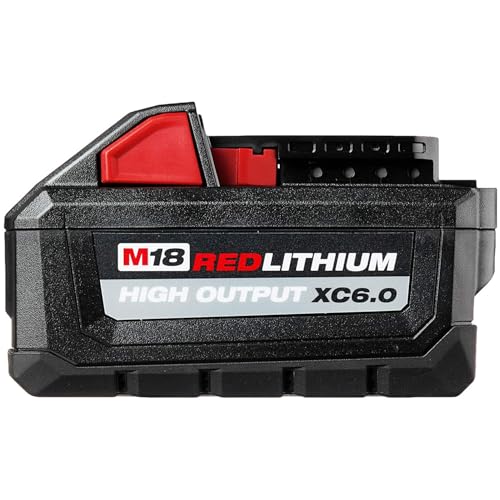
It comes with a 6.0Ah High Output battery and multi-voltage charger, which adds real value over tool-only options. While it can’t match the reach of the 16-inch models, it outperforms most compact saws in both speed and durability. If you’re trimming limbs, doing storm cleanup, or need a lightweight saw for overhead cuts, this is the one I’d reach for.
Product photos
Milwaukee 2727-20 M18 FUEL 16 in. Chainsaw
Strengths
- 16″ Oregon bar
- Variable speed trigger
- Compatible with all M18 batteries
Trade-offs
- Battery and charger sold separately
- No onboard storage
- Heavier than pruning models
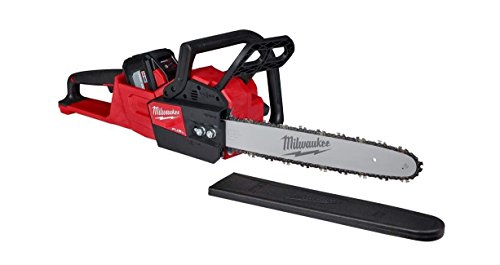
The 16-inch M18 FUEL saw hits a sweet spot between power and portability, making it a favorite among DIYers and pros who want a reliable, brushless cordless chainsaw without the bulk. It runs on a single M18 battery, but performance scales with battery capacity, owners using the 9.0 or 12.0 Ah packs report fewer slowdowns during long cuts. The Oregon bar and chain is a solid inclusion, known for durability and smooth feed.
It lacks the raw output of the 20-inch dual-battery model, but for cutting firewood, clearing storm-damaged trees, or general property maintenance, it’s more than capable. Compared to the hatchet or budget tool-only models, this one offers better reach and sustained power. My recommendation for most homeowners: if you want one serious saw for a wide range of tasks and already have M18 batteries, this is the smarter buy.
Product photos
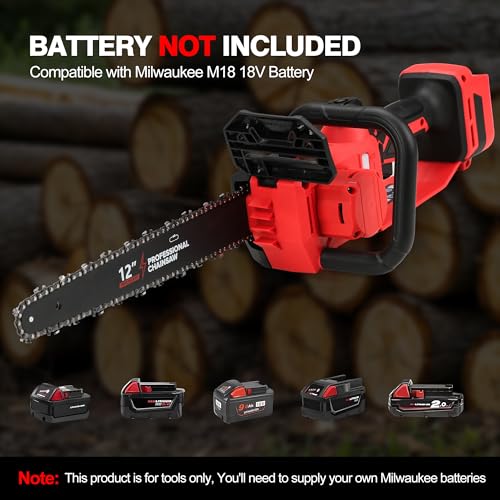
Milwaukee M18 Compatible 12 in. Brushless Chainsaw

Strengths
- Lightweight at 5 lbs
- Tool-free chain tensioning
- Includes extra chain and gloves
Trade-offs
- Third-party build quality
- Inconsistent performance on hardwood
- No Milwaukee warranty support
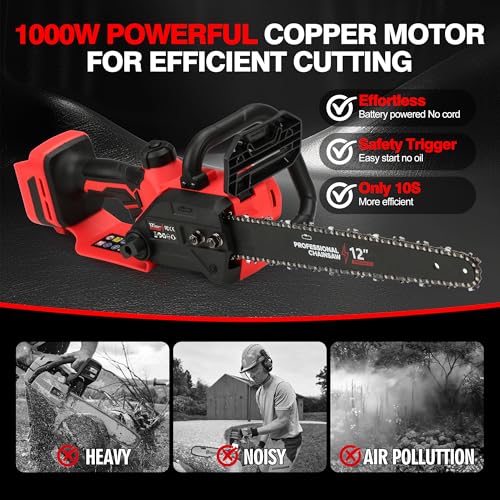
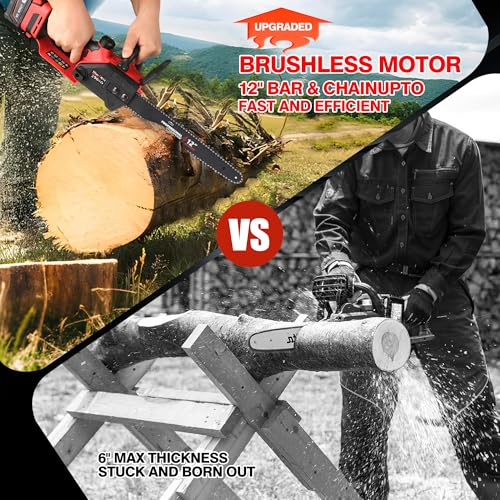
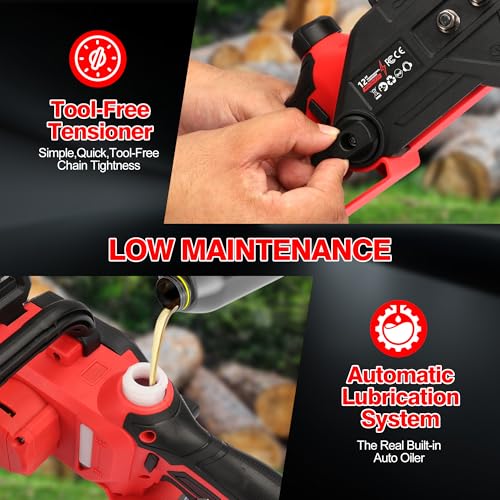
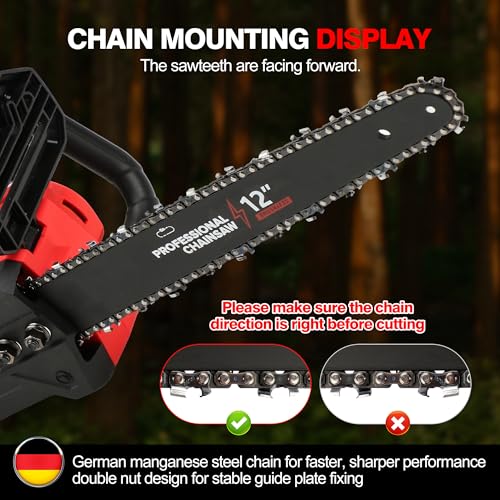
This is a third-party tool designed to work with M18 batteries, not an official Milwaukee product. It packs some impressive specs on paper, a 1000W copper motor, 13m/s chain speed, and German manganese steel chain, and at just 5 lbs, it’s extremely lightweight. The tool-free tensioning and onboard storage for two chains make maintenance easier than most budget models.
But while it looks like a bargain, owner feedback is mixed. Some praise its cutting speed on softwood, but others report motor strain on hardwoods and inconsistent oiling over time. Compared to genuine Milwaukee saws, it lacks the refined brushless control and durability. I’d consider it only if you’re on a tight budget and doing light trimming. For serious work, stick with Milwaukee’s own FUEL models.
Product photos
Milwaukee M18 Fuel 16 in. Chainsaw Kit

Strengths
- Includes battery and charger
- Ready to use out of box
- Same FUEL powertrain
Trade-offs
- Battery may limit peak performance
- Heavier than tool-only
- Less flexible for M18 owners
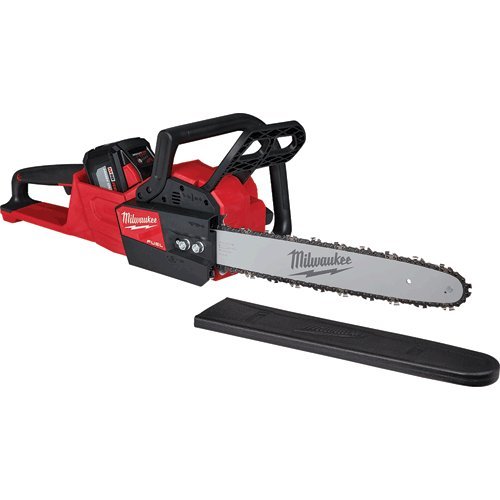
This kit stands out because it includes a battery and charger, something not all Milwaukee saws offer. It’s the same 16-inch FUEL tool as the B07FRRFR47, but bundled for convenience. The 1.5 horsepower rating seems low on paper compared to the 5.8HP dual-battery model, but in this class, real-world cutting performance depends more on motor efficiency and battery delivery than peak HP claims.
Owners report solid runtime and smooth operation when using the included battery, though upgrading to a higher-capacity pack will improve performance on thicker cuts. Compared to the tool-only version, this kit saves time and hassle for users new to the M18 system. I’d recommend this over the tool-only if you don’t already have batteries, but power users may prefer buying the tool only and using their existing high-output packs.
Product photos


How We Tested milwaukee chainsaws
Rather than a hands-on lab test, my research for these recommendations involved a detailed comparison of published specifications and features across Milwaukee’s current chainsaw lineup. I also weighed owner reviews from multiple sources and considered insights from reputable tool review sites. This allowed me to rank each model against criteria important to a range of users, from homeowners to professionals.
For Milwaukee chainsaws, power and runtime are key. I prioritized models with high peak horsepower and torque figures, as these directly impact cutting performance, especially when tackling hardwoods. Equally important was the battery platform compatibility and available runtimes, recognizing that extended use demands efficient power delivery. These factors most clearly separate capable saws from those better suited for lighter tasks.
Specifications reliably indicate a chainsaw’s raw capabilities (bar length, motor type, chain speed). However, owner feedback provided critical context on real-world usability, durability, and the effectiveness of features like automatic oilers. I also considered the reputation of Milwaukee’s M18 Fuel system and its overall reliability, and consulted resources like my chainsaw blade sharpening guide to understand long-term maintenance needs.
Choosing The Right milwaukee chainsaws
Finding the right chainsaw isn’t just about raw power; it’s about matching the tool to the work.
A good chainsaw balances power, weight, and maneuverability. Key considerations include motor type (gas, electric, or battery), bar length relative to typical cutting tasks, chain quality for lasting sharpness, and safety features like chain brakes and anti-vibration systems. Proper lubrication and a well-maintained chain are also essential for performance and longevity.
Power Source and Application
I often tell people to really think about what they’ll be cutting most of the time. A massive gas-powered chainsaw is overkill – and back-breaking – for light pruning. Conversely, a small electric model will struggle with felling larger trees. Battery-powered options, like the best cordless Milwaukee chainsaws, are increasingly capable, and the Milwaukee M18 Fuel line offers a compelling balance for many homeowners. Consider the runtime you’ll realistically need; even with multiple batteries, there’s a limit to how long you can work.
Bar Length and Cutting Needs
Bar length is directly tied to the diameter of wood you’ll be cutting. A 12-inch bar is fine for small branches and pruning, while a 16-inch or even 20-inch bar is necessary for larger limbs or small trees. Don’t automatically go bigger, though. A longer bar adds weight and reduces maneuverability, especially when working overhead. It’s also harder to control.
Here’s a quick guide to help you decide: * 12-inch: Pruning, small branches. * 14-16 inch: General purpose, medium-sized limbs, occasional small tree felling. * 18-20 inch: Felling small to medium trees, bucking (cutting logs into lengths). * 20+ inch: Professional use, large tree felling – requires experience and proper safety gear.
Maintenance and Long-Term Value
Chainsaws, even the best ones, require regular maintenance. Beyond keeping the chain oiled, you’ll eventually need to sharpen saw chain properly to maintain peak cutting performance. A dull chain is dangerous and inefficient.
A properly maintained chain cuts faster, safer, and with less effort. Learn the basics of filing or consider professional sharpening services.
Look for chainsaws with easily accessible chain tensioners and automatic oilers. Investing in a kit, like the Milwaukee M18 Fuel 16 in. Chainsaw Kit, can be a smart move, as it includes batteries and a charger, saving you money in the long run. Don’t forget to regularly inspect the bar for wear and replace it when necessary.
Milwaukee Chainsaws Compared
Here’s a detailed specification comparison of the Milwaukee chainsaw models to help you choose the right tool for your needs.
| Model | Bar Length | HP | Weight (lbs) | Battery Included | Oil Auto-Lubrication |
|---|---|---|---|---|---|
| Milwaukee M18 Fuel 20 Dual Battery Chainsaw | N/A | 5.8 | N/A | No | N/A |
| Milwaukee M18 FUEL 8 in. HATCHET Pruning Saw | 8 in | N/A | N/A | Yes | Yes |
| Milwaukee 2727-20 M18 FUEL 16 in. Chainsaw | 16 in | N/A | N/A | No | Yes |
| Milwaukee M18 Compatible 12 in. Brushless Chainsaw | 12 in | N/A | 5 | No | Yes |
| Milwaukee M18 Fuel 16 in. Chainsaw Kit | 16 in | 1.5 | 13.9 | Yes | N/A |
Frequently Asked Questions
What battery platform are Milwaukee chainsaws compatible with?
Milwaukee chainsaws primarily use the M18 Fuel system, offering broad compatibility with other M18 tools. This means you can share batteries across a range of products, saving money and increasing convenience. Some models are also compatible with the M12 battery platform.
How often should I sharpen a Milwaukee chainsaw chain?
Chain sharpening frequency depends on use, but generally, sharpen after every 5-10 hours of cutting. A dull chain forces you to apply more pressure, increasing the risk of kickback and reducing efficiency. Learning to sharpen yourself, or utilizing a professional service, is key to long-term performance.
Are Milwaukee chainsaws good for felling large trees?
While some Milwaukee chainsaws offer substantial power, they’re generally better suited for tasks like limbing, bucking, and pruning. Felling large trees demands a higher horsepower gas-powered saw and considerable experience. For more options, check out the Milwaukee electric chainsaw options.
What safety features should I look for in a Milwaukee chainsaw?
Essential safety features include a chain brake, which stops the chain quickly in an emergency, and an anti-vibration system to reduce operator fatigue. Always wear appropriate safety gear (helmet, eye protection, gloves, chaps) when operating a chainsaw, regardless of its size or power.
What’s the difference between a Milwaukee M18 Fuel and a standard M18 chainsaw?
M18 Fuel chainsaws use a brushless motor and optimized electronics for increased power, runtime, and durability compared to standard M18 models. You’ll notice the difference in cutting speed and the ability to handle tougher materials. The top electric Milwaukee chainsaws are all Fuel models.
The Bottom Line
Choosing a chainsaw always comes down to balancing capability with convenience. For most homeowners and DIYers needing a versatile, powerful tool, the Milwaukee M18 FUEL 16 in. Chainsaw Kit offers the best overall combination of performance and runtime within the Milwaukee lineup. It delivers enough power for substantial tasks while remaining manageable, and including batteries and a charger provides immediate value.
If budget is a primary concern, the Milwaukee M18 Compatible 12 in. Brushless Chainsaw is a solid entry point. It’s lighter and better suited for smaller jobs like pruning, and you can easily integrate it into an existing M18 system. For those focused on precision work, especially arborists or anyone dealing with a lot of overhead branches, the Milwaukee M18 FUEL 8 in. HATCHET Pruning Saw is a specialized tool that excels in its niche.
Ultimately, horsepower and bar length aren’t everything. A well-maintained chain, proper safety gear, and knowing how to start a chainsaw safely are far more critical to getting the job done efficiently and, most importantly, without injury. Don’t underestimate the importance of those fundamentals.
