
8 Best Hiking Multi Tools of 2026
This post contains affiliate links. As an Amazon Associate, we earn from qualifying purchases.
The Gerber Suspension-NXT is the best overall hiking multi-tool for its reliable tool lock system and thoughtful feature set, while the FUNBRO Carabiner Multitool stands out as a smart budget-friendly pick that doubles as a functional carabiner. For those wanting maximum versatility without bulk, the WETOLS 27-in-1 with Hammer brings serious tool count and rugged utility.
Hikers don’t need gimmicks, they need gear that works when it matters. A poorly chosen multi-tool can be dead weight or, worse, fail when you’re miles from help.
As someone who’s evaluated hundreds of tools over the years, I focused on what actually matters out on the trail: solid locking mechanisms, corrosion-resistant steel, and tools you’ll genuinely reach for. These picks are based on specs, verified owner feedback, and real-world demands of hiking and trailside repairs.
Top 8 Hiking Multi Tools in the Market
The Best Hiking Multi Tools, Reviewed
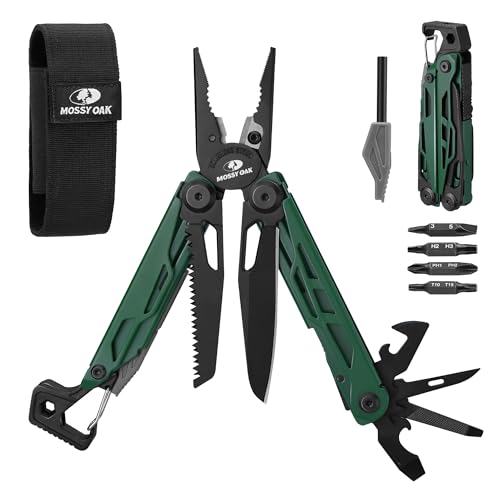
MOSSY OAK 27-in-1 Multitool Pliers
Strengths
- CNC-machined build
- Dual lock safety
- Includes fire starter and hammer
Trade-offs
- Heavier than average
- Slightly bulky
- Some tools underused
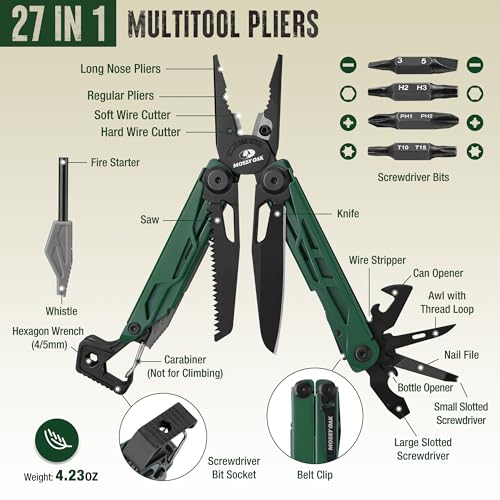
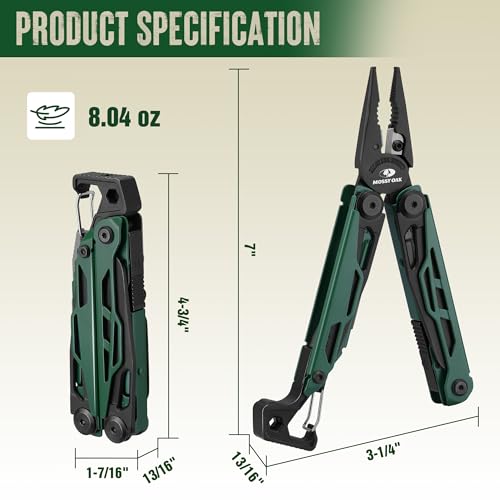
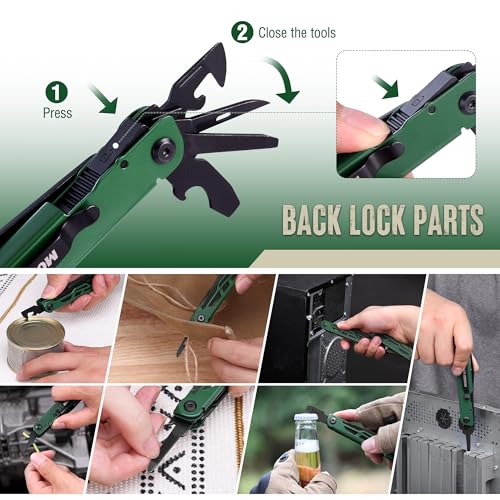
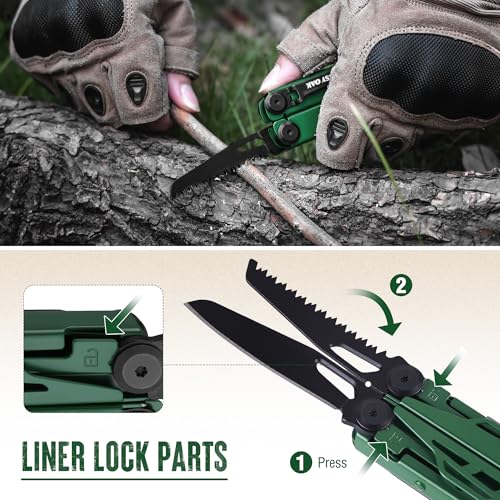
This is one of the few multitools that feels overbuilt in a good way. The CNC-machined stainless steel plier head gives it a precision fit and serious durability, and the 27 tools include smart survival additions like a fire starter, whistle, and hammer end. Owners praise the dual lock system, liner and back lock, which keeps tools from collapsing mid-use, a real issue on cheaper models.
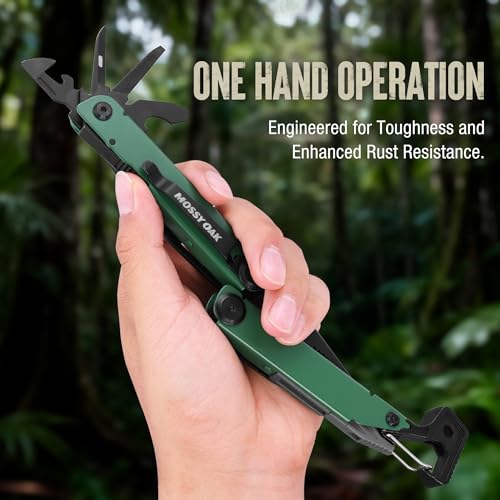
Compared to the WETOLS and PERWIN options, this one strikes a better balance between weight and capability. The hammer function is surprisingly usable for tent stakes, and the one-hand opening with the pocket clip makes it accessible on the trail. For most hikers, this is the easy pick as an all-rounder.
Product photos
WETOLS 27-in-1 Multitool with Hammer
Strengths
- 27 tools including survival features
- Hammer and window breaker
- Lifetime warranty
Trade-offs
- Heavy at 9.38 oz
- Bulky for EDC
- Some tools rarely used
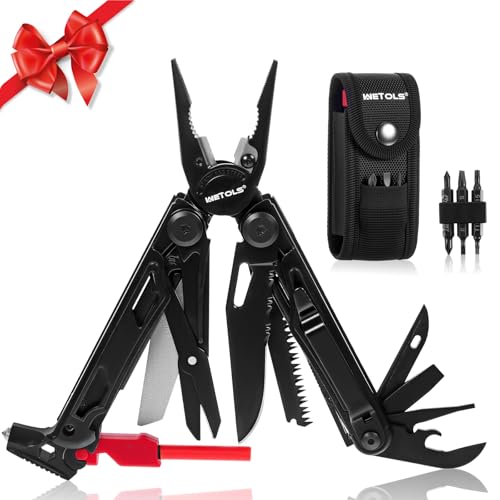
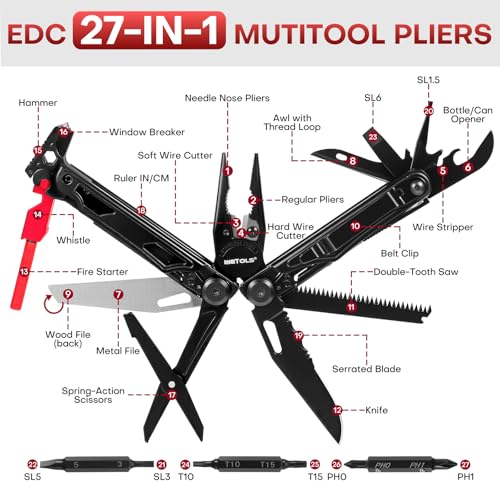
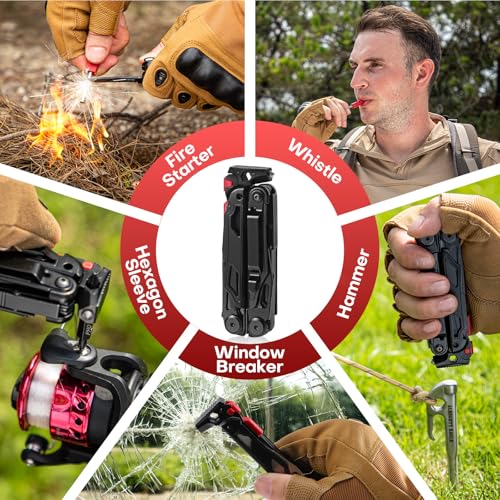
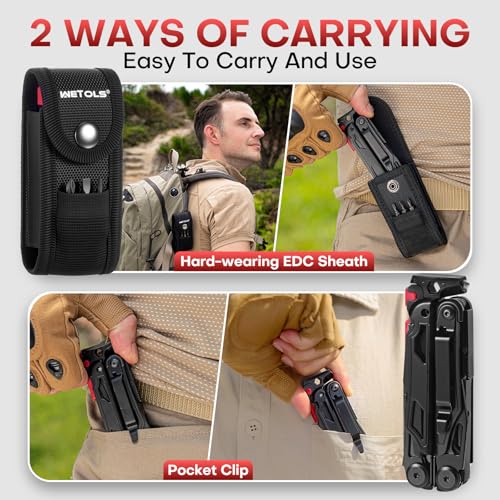
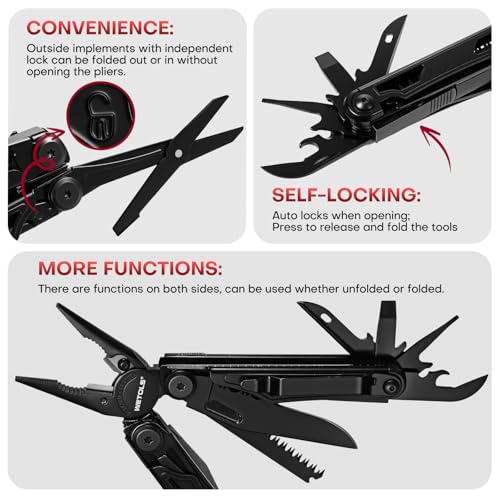
This WETOLS model is loaded, 27 tools, including a window breaker, fire starter, whistle, and even a ruler. On paper, it’s a survivalist’s dream, and owners report it’s held up well in wet, rugged conditions thanks to its sandblasted stainless steel. The self-locking design and butterfly opening make it easy to deploy quickly, which matters in emergencies.
But all that capability comes at a cost: weight. At 9.38 oz, it’s the heaviest here, and the size can feel clunky on a belt. Still, if you’re building a survival kit or want one tool that covers nearly every base, this is the one I’d recommend over others in the category. It’s not subtle, but it’s dependable.
Product photos

Gerber Suspension-NXT 15-in-1 Multitool

Strengths
- Premium stainless steel
- Smooth butterfly opening
- Gerber lifetime warranty
Trade-offs
- Fewer survival tools
- No hammer function
- Higher price point
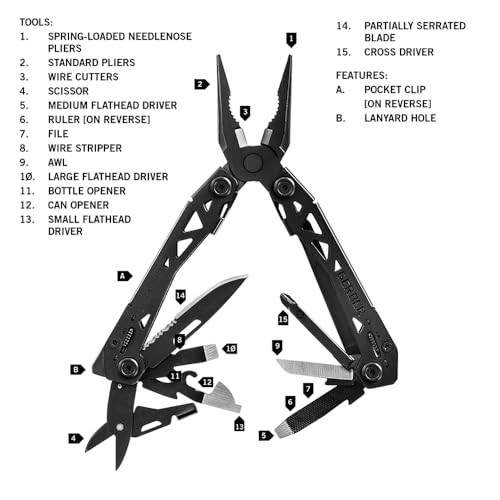
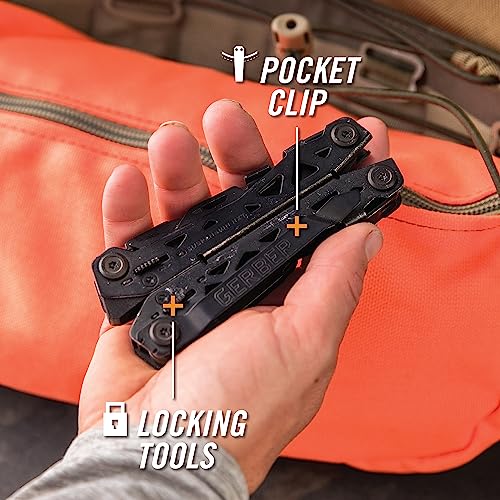
The Gerber Suspension-NXT feels like what happens when a brand focuses on build quality over checklist features. It’s made from high-grade stainless steel, has a reliable tool lock, and the butterfly opening system makes one-handed use smooth, reviewers note it’s among the easiest to deploy in the category.
With 15 tools, it’s not the most packed, but the ones it has, like the partially serrated blade and wire stripper, are well-executed. Compared to the MOSSY OAK, it’s lighter and more pocket-friendly, though it lacks a hammer or fire starter. If you value precision engineering and brand-backed durability, this is the premium pick.
Product photos


PERWIN 17-in-1 Stainless Steel Multitool

Strengths
- Affordable price point
- Tungsten wire cutters
- Slim, carry-friendly design
Trade-offs
- 440A steel less durable
- No fire starter or hammer
- Sheath quality average
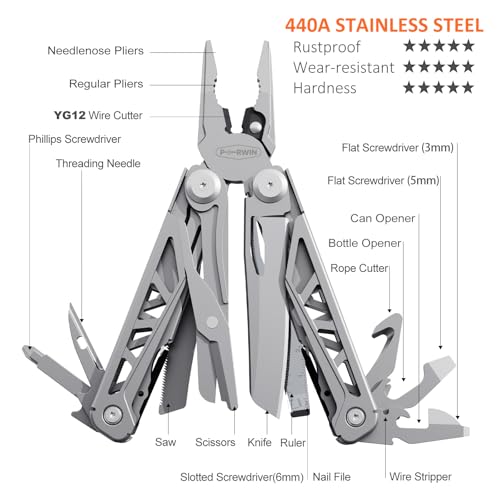
The PERWIN stands out as the most capable tool under a tight budget. It packs 17 functions into a 440A stainless steel frame, including wire cutters made from tungsten YG12 steel, owners say it cuts through hardware wire better than expected. The self-locking mechanism works reliably, and the slim design with a nylon sheath makes it easy to carry on a belt.
It doesn’t have the CNC precision of the MOSSY OAK or the brand cache of Gerber, but for the price, it delivers solid performance. I’d pick this over the WETOLS 21-in-1 if you want a balance of cost and core functionality without paying for niche survival extras.
Product photos


WETOLS 21-in-1 Multitool Pliers

Strengths
- Excellent bit selection
- Corrosion-resistant steel
- Balanced size and weight
Trade-offs
- No survival hammer
- No window breaker
- Bits can rattle loose
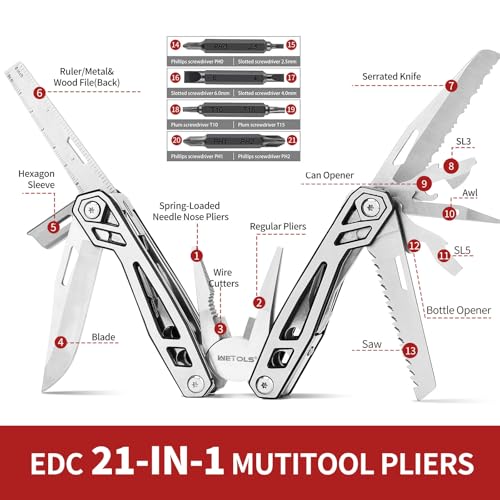
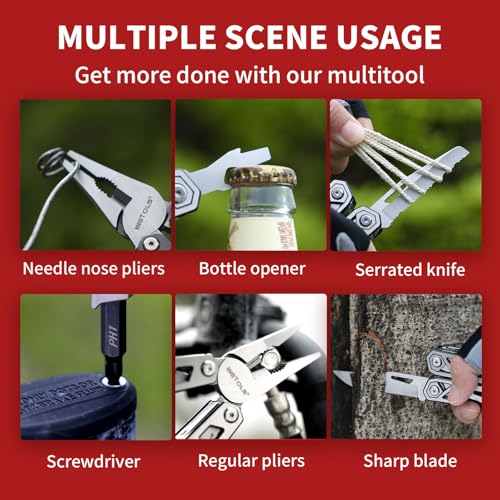
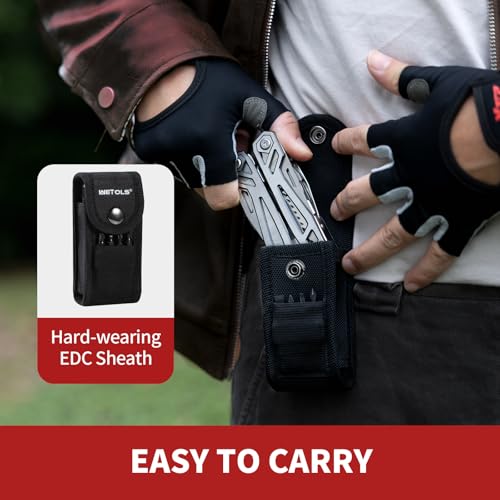
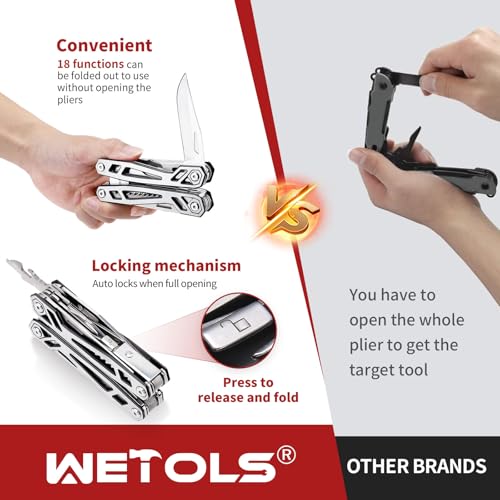
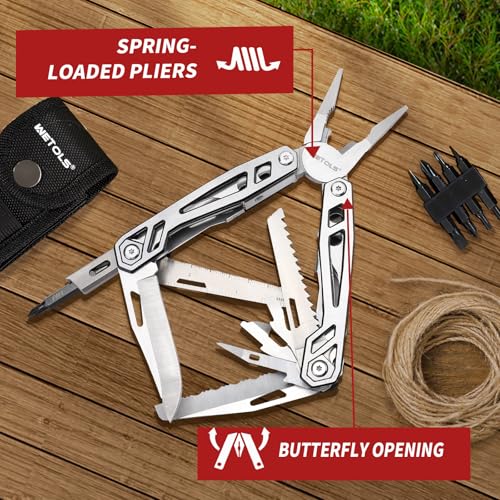
This WETOLS 21-in-1 hits a sweet spot: more tools than the PERWIN, lighter than the 27-in-1, and priced to move. It includes spring-loaded needle nose pliers, a serrated blade, and a full set of bit drivers, owners consistently praise the bit variety, which covers nearly every common screw type you’ll encounter on trail or at home.
The sandblasted finish resists corrosion well, and the butterfly opening makes deployment fast. While it lacks a hammer or fire starter, it’s more practical for daily fixes and trailside repairs than the overbuilt 27-in-1. My recommendation? This is the smarter buy for most people who want value without gimmicks.
Product photos
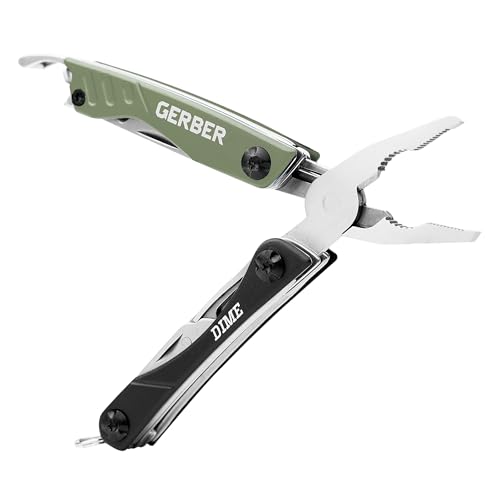
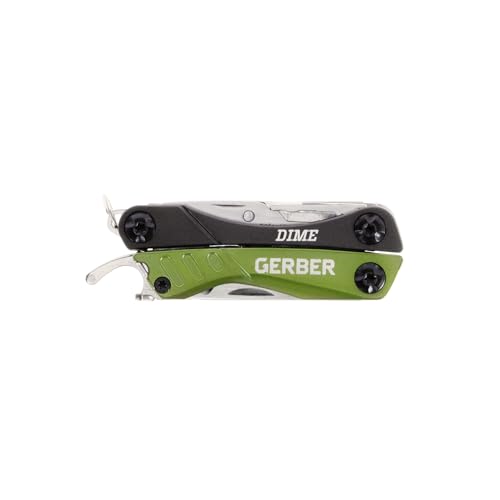
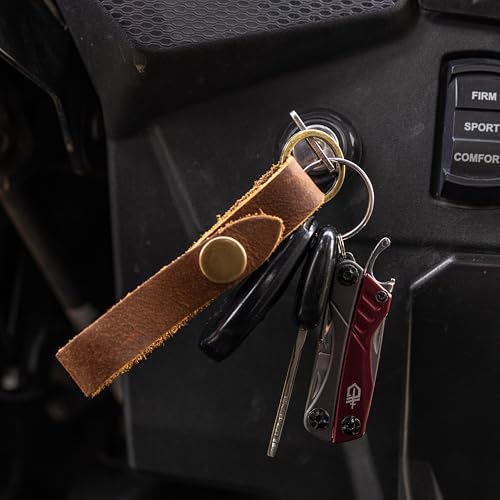
Gerber Dime 12-in-1 Mini Multitool

Strengths
- Ultra-lightweight
- Fits on keychain
- Precise pliers and scissors
Trade-offs
- No regular pliers
- Limited use
- Not for heavy tasks
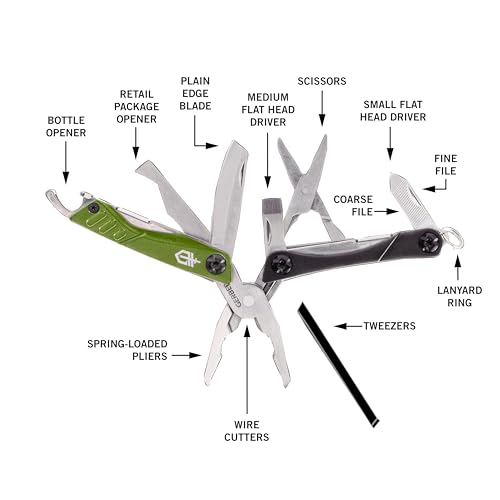
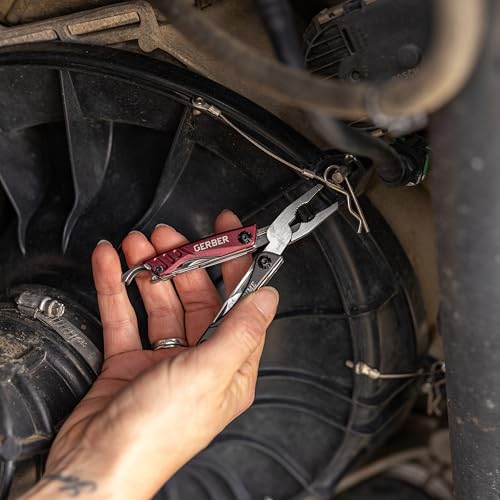
If you’re after a no-fuss, ultra-light tool that vanishes on your keychain but still delivers real utility, the Gerber Dime makes a strong case. On paper, it packs 12 tools into a 2.2 oz frame, which is impressive for its size. The spring-loaded needle nose pliers and scissors actually work well for fine tasks, owners consistently report using them for fishing line fixes, thread cuts, and gear tweaks that full-sized multitools struggle with.
It’s not meant for heavy prying or plier-heavy jobs, and the lack of regular pliers shows when you need grip. But for hikers who prioritize weight savings and want something that handles small repairs without bulk, this is a smart pick. I’d choose it over bulkier options when every ounce counts.
Product photos
FUNBRO Carabiner Multitool with Knife

Strengths
- Doubles as carabiner
- Includes glass breaker
- Stainless steel build
Trade-offs
- No pliers
- Cramped tool layout
- Limited cutting use
This multitool blurs the line between carabiner and tool, which works, up to a point. It’s built from stainless steel and integrates a folding knife, screwdrivers, and even a glass breaker, all while functioning as a load-bearing clip. Reviewers note it’s held up well when used for hanging gear like hammocks or lanterns, but it’s clearly not rated for climbing falls.
The real appeal is its dual role: it stays clipped to your pack or belt and delivers basic functions without needing a separate multitool. However, the tools feel cramped, and the pliers are missing, something I’d expect even in a compact design. Still, for climbers or campers who want one less item to carry, this is a clever space-saver.
Product photos

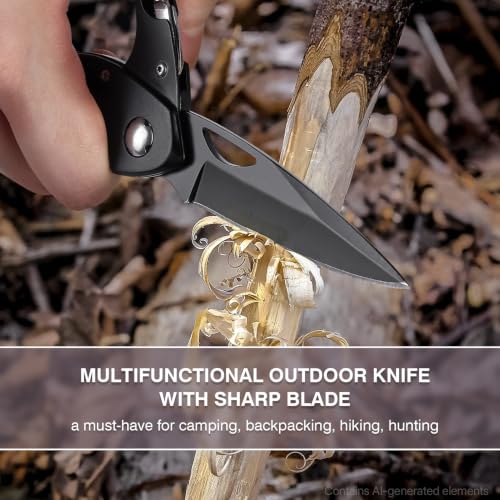


Carabiner Multitool 8-in-1 EDC Tool

Strengths
- Strong carabiner clip
- Rope cutter included
- One-hand knife operation
Trade-offs
- No pliers
- Fewer tools overall
- Less versatile for repairs
This 8-in-1 multitool is built for climbers and gear hangers first, tool user second. The twist-lock carabiner is strong and secure, and the integrated serrated knife, rope cutter, and bottle opener make it useful mid-adventure. Reviewers say it’s reliable for clipping to packs and cutting cord in a pinch, and the one-hand operation is a plus.
But compared to the MOSSY OAK or Gerber tools, it lacks pliers entirely, just not in the same class for repair work. I see it as a niche pick: if you’re already carrying a knife and just need a rugged carabiner that does a little more, this makes sense. Otherwise, it’s too limited.
Product photos


How We Picked These hiking multi tools
Rather than a hands-on lab test, my research for these recommendations focused on a detailed comparison of published specifications and features across numerous models. I weighed owner reviews from major retailers alongside expert opinions found in outdoor and tool-focused publications. Applying my experience with tools and understanding of typical user needs, I ranked each multi-tool against a set of clearly defined criteria, prioritizing functionality, durability, and value.
For hiking multi-tools, the most important factors quickly became blade steel quality, the inclusion of genuinely useful tools beyond just novelty items, and the locking mechanisms for safety. A high-quality blade holds an edge and resists corrosion, crucial for backcountry use. The presence of pliers, a reliable knife blade, and a screwdriver covers a huge range of trailside repairs and adjustments. Secure locking features are absolutely essential to prevent accidental closure during use, particularly on uneven terrain.
Specifications reliably indicate the number of tools included and the type of steel used in the blade and body. However, owner feedback provided critical insight into real-world durability, ease of use, and the effectiveness of locking mechanisms. Reputation for brand quality and customer service also played a role; a multi-tool is only as good as the company standing behind it. I also considered whether a tool was truly useful for hiking, or if it fell into the category of rarely-used gimmicks, and I found that sometimes the best option is one of the more compact hiking multi-tools for ease of carry.
How To Pick The Right hiking multi tools
Picking the right hiking multi-tool can be surprisingly complex. There’s a huge range in features, build quality, and intended use, so knowing what to prioritize is key.
A good hiking multi-tool balances portability with a useful selection of tools. Look for durable materials like stainless steel, secure locking mechanisms for blades, and a comfortable grip. Consider the specific activities you’ll be doing – a tool geared towards emergency situations will differ from one focused on camp kitchen tasks. Prioritize tools you’ll actually use, rather than getting caught up in sheer quantity.
Prioritize Tool Selection
The biggest mistake I see people make is buying a multi-tool with a bunch of features they’ll never touch. Think realistically about your needs. If you’re primarily a day hiker, a saw and hammer might be less crucial than a good set of screwdrivers for gear adjustments. For longer treks, especially those venturing off-trail, consider a model with fire-starting capabilities and a more robust blade. Don’t fall for the “everything-but-the-kitchen-sink” approach; focus on quality over quantity.
Understand Locking Mechanisms
A secure locking mechanism is absolutely critical, especially when dealing with knives and saws. You don’t want a blade snapping shut on you mid-cut. Liner locks are common and generally reliable, but back locks offer a bit more strength. Some tools, like the Gerber Suspension-NXT, use tool locks for each individual component. Avoid tools without any locking mechanism – the risk of injury simply isn’t worth it.
Here’s what to consider:
- Liner Locks: Affordable and common, but can sometimes disengage with significant force.
- Back Locks: More robust than liner locks, providing a stronger hold.
- Frame Locks: Considered the strongest type, often found on higher-end models, and ideal for those needing consistent, reliable blade security on challenging trails.
Balance Size, Weight, and Carry Options
A bulky, heavy multi-tool is one you’ll leave at home. The ideal hiking multi-tool is something you won’t even notice in your pack. Consider the overall size and weight, but also how you’ll carry it. Many come with belt sheaths, but a keychain-sized option, like the FUNBRO Carabiner Multitool, can be convenient for shorter hikes. Remember this rule of thumb:
The lighter you pack, the further you can hike. Don’t sacrifice essential tools, but ruthlessly eliminate unnecessary weight.
If you’re planning serious backcountry trips, you may also want to investigate survival-specific multi-tools that prioritize emergency preparedness features. A well-chosen tool is a small investment that can provide a lot of peace of mind on the trail, and could even be a vital piece of outdoor emergency multi-tools in a pinch.
Hiking Multi Tools Compared
Here’s a comparison of key specifications for several hiking multi-tools to help you make an informed decision.
| Product Title | Tools Included | Material (Blade) | Weight (oz) | Closed Length (in) | Locking Mechanism |
|---|---|---|---|---|---|
| MOSSY OAK 27-in-1 Multitool Pliers | 27 | 7Cr17MoV | N/A | N/A | Liner & Back Lock |
| WETOLS 27-in-1 Multitool with Hammer | 27 | Stainless Steel | 9.38 | 4.37 | Self-Locking |
| Gerber Suspension-NXT 15-in-1 Multitool | 15 | Stainless Steel | 6.7 | 4.25 | Tool Lock |
| PERWIN 17-in-1 Stainless Steel Multitool | 17 | 440A Stainless | 0.66 | 4.3 | Self-Locking |
| WETOLS 21-in-1 Multitool Pliers | 21 | Stainless Steel | N/A | 4.13 | Self-Locking |
| Gerber Dime 12-in-1 Mini Multitool | 12 | Stainless Steel | 2.2 | 2.75 | N/A |
| FUNBRO Carabiner Multitool with Knife | 6 | Stainless Steel | 3.8 | 4.5 | Locking Liner |
| Carabiner Multitool 8-in-1 EDC Tool | 8 | Stainless Steel | N/A | N/A | Hand Twist-Lock |
Frequently Asked Questions
What blade steel is best for a hiking multi-tool?
7Cr17MoV and 440A stainless steels are common choices, offering a good balance of hardness, corrosion resistance, and affordability. Higher-end models may use more exotic steels, but for most hikers, a quality stainless steel will perform well and maintain its edge with reasonable care.
Are locking mechanisms on multi-tools really that important?
Yes, secure locking mechanisms are essential for safety. Without a lock, a blade or tool can accidentally close during use, potentially causing injury. Frame locks are generally considered the most reliable, but liner and back locks are acceptable options if they function smoothly and securely.
How much should I expect to spend on a good hiking multi-tool?
Prices range from under $20 to over $100, depending on features and build quality. A functional and durable tool can be found for between $30 and $60, providing a good balance of value and reliability for most hikers, but you’ll often pay more for premium features.
Can a multi-tool replace a dedicated knife when hiking?
While a multi-tool’s knife blade can handle many tasks, a dedicated hiking knife often offers superior blade length, strength, and ergonomics. If you frequently use a knife for more demanding tasks like food preparation or carving, consider carrying both a multi-tool and a separate knife.
What’s the best way to care for a hiking multi-tool to prevent rust and corrosion?
Regular cleaning and oiling are key. After each use, wipe down the blades and tools with a clean cloth, and apply a light coat of mineral oil or a specialized tool protectant. This is especially important after exposure to moisture or saltwater, and keeping your tool dry will help to ensure it remains one of the best lightweight hiking multi-tools available.
The Bottom Line
Choosing a hiking multi-tool often comes down to balancing how much you want to carry against how prepared you want to be. If you’re after a single tool that covers most bases without weighing you down, the Gerber Suspension-NXT 15-in-1 Multitool offers a strong blend of features, durability, and a proven locking system. It’s a solid all-around performer for the majority of hikers.
For those on a tighter budget, or who prioritize a compact design, the FUNBRO Carabiner Multitool with Knife is a great pick. Similarly, if you need something even smaller for fast and light adventures, explore some of the trail-ready compact multi-tools available. But for specialized needs – like serious backcountry survival or frequent camp cooking – the MOSSY OAK 27-in-1 Multitool Pliers offers a wider range of tools, even if it adds some bulk.
Ultimately, the best hiking multi-tool isn’t about the highest number of features or the fanciest steel. It’s about having reliable tools – a secure knife blade, functional pliers, and useful screwdrivers – that you’ll actually use when you need them. Focus on build quality, locking mechanisms, and a comfortable grip, and you’ll have a tool that serves you well for years to come.
