7 Best DeWalt Hammer Drills of 2026
This post contains affiliate links. As an Amazon Associate, we earn from qualifying purchases.
The DEWALT DCH273B stands out as the best overall hammer drill for serious concrete work, thanks to its high impact energy and SDS Plus system. For most DIYers, the DEWALT DCD806B is a smarter, more affordable pick that still handles masonry, wood, and metal with ease. If you need maximum versatility across materials, the DEWALT DCD799B brings solid hammer drilling performance with excellent speed control.
Most people don’t realize how different hammer drills can be until they’re struggling through a stubborn concrete wall or burning out a motor on rebar. Too little power and the job takes forever. Too much, and you’re overpaying for weight and complexity you don’t need.
This guide cuts through the noise by focusing on real-world performance, based on specs, owner feedback, and years of working with these tools. I looked at torque, impact rate, motor type, and build quality to find the Dewalt models that deliver where it matters most.
Top 7 Dewalt Hammer Drills in the Market
The Best Dewalt Hammer Drills, Reviewed
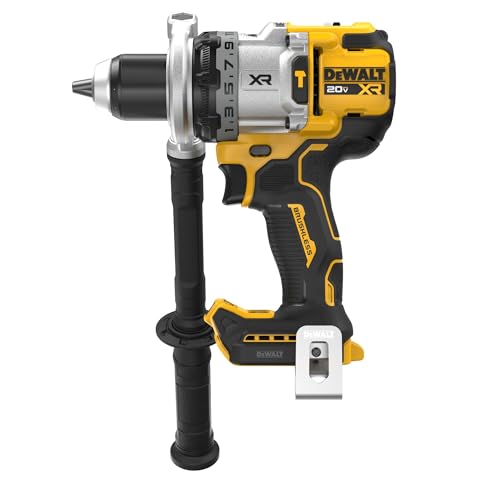
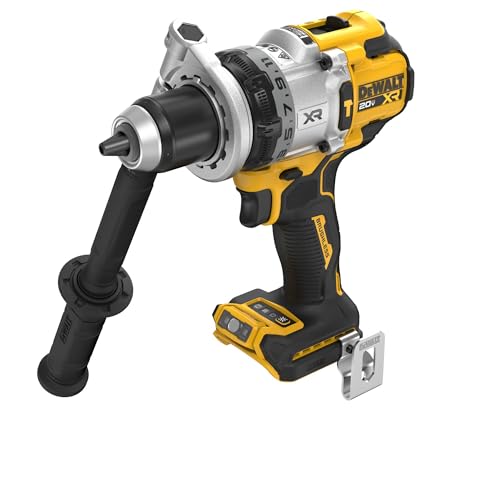
DEWALT DCD1007B 20V MAX XR Hammer Drill

Strengths
- Highest torque in class
- 3-speed transmission
- Shortest premium 3-speed model
Trade-offs
- No battery included
- Higher price point
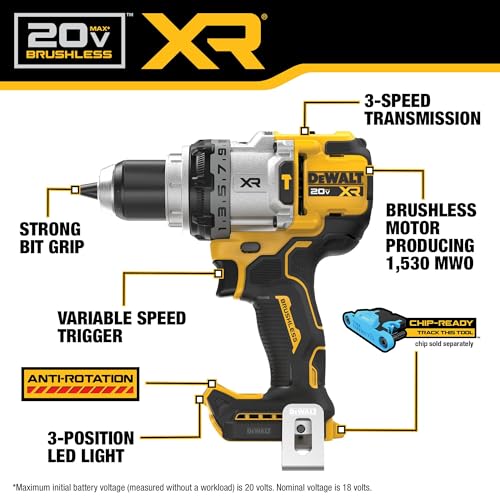
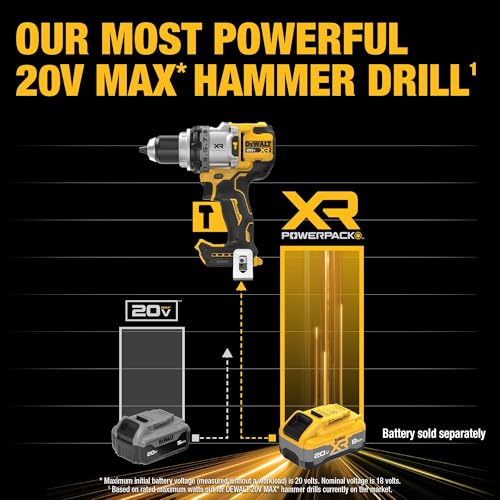
The DCD1007B is DEWALT’s claim to the “best overall” title, and the specs back it up. With 2,100 in-lbs of max torque, it out-torques many competitors and even some heavier models in their own lineup. The 3-speed transmission is a big win, offering more control across materials, from delicate woodwork to thick concrete. Owners report completing up to 275 holes per charge, which suggests excellent brushless optimization.
It’s also the shortest in DEWALT’s premium 3-speed category, so you get reach without sacrificing power. The ANTI-ROTATION System and TOOL CONNECT readiness add pro-level features. Compared to the DCD806B, this one brings an extra gear and better maneuverability. For most users, this is the sweet spot between performance, control, and versatility.
Product photos
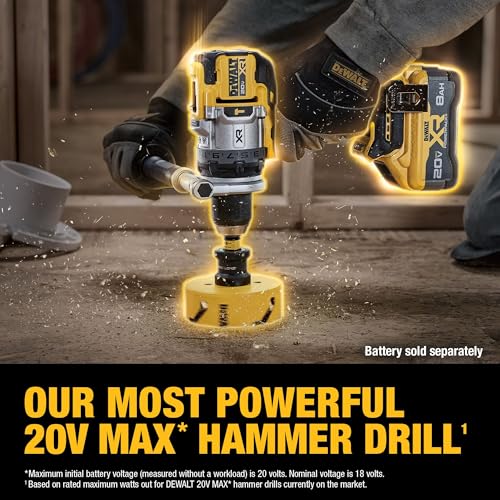
DEWALT DCD806B 20V MAX XR Hammer Drill

Strengths
- High torque output
- ANTI-ROTATION safety system
- Long runtime (brushless)
Trade-offs
- Larger footprint
- No 3-speed transmission
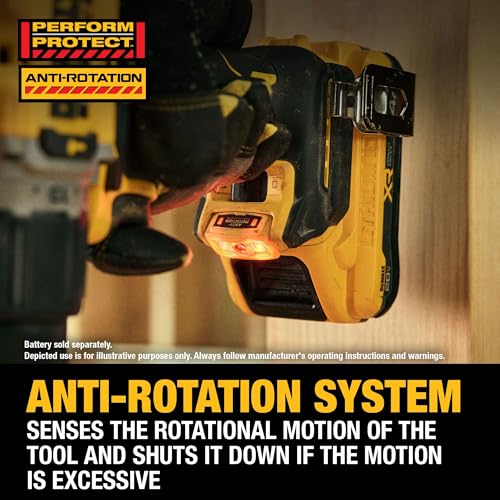
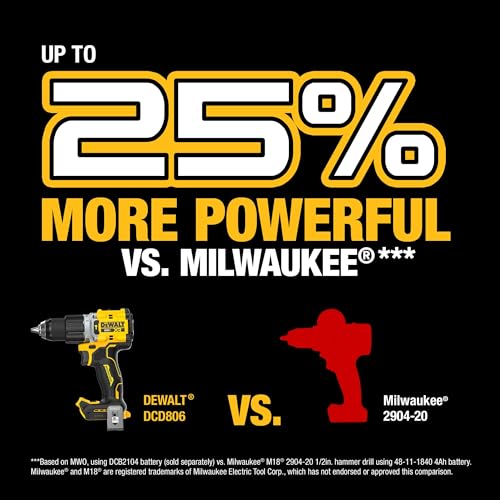
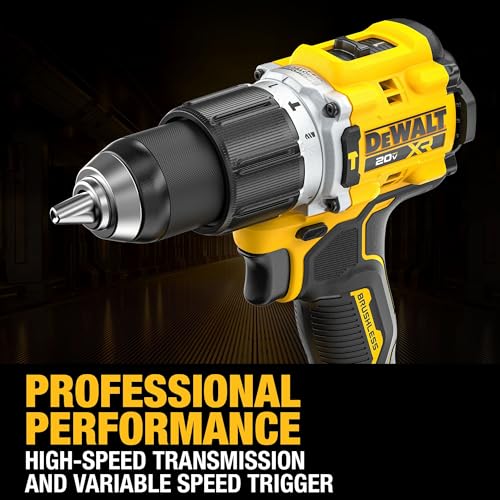
This DEWALT DCD806B is built for users who want top-tier power and control in a standard-sized hammer drill. On paper, the claim of being up to 109% more powerful than previous models stands out, and owners consistently report strong performance when drilling into masonry and steel. The ANTI-ROTATION System is a real differentiator, it’s not just marketing fluff. Reviewers note it helps prevent kickback, especially when the bit binds, which adds a layer of safety on the job site.
The 2-speed transmission (0-650 / 0-2,000 rpm) gives solid versatility, and the 70-lumen LED with three positions is actually useful in dim corners. It’s not the shortest drill in the lineup, but it’s part of DEWALT’s premium XR range, so you’re paying for proven durability and brushless efficiency. I’d pick this over the DCD805B if raw torque and safety features are priorities.
Product photos
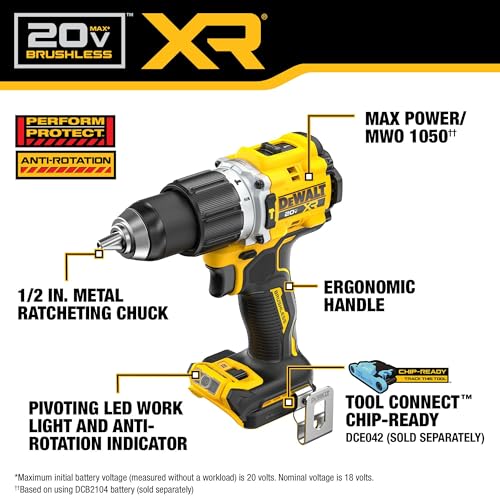
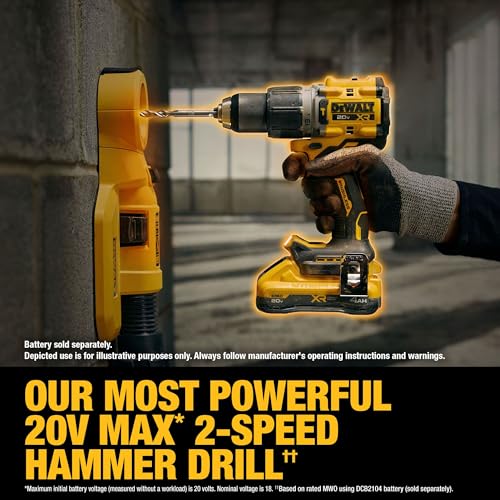
DEWALT DCD799B Atomic Compact Hammer Drill

Strengths
- Extremely compact head
- Strong BPM for size
- Brushless efficiency
Trade-offs
- Lower torque output
- Shorter runtime under load
At just 6.49 inches in head length, the DCD799B is DEWALT’s shortest 20V hammer drill, and that compactness makes it ideal for tight spaces, think under cabinets, inside wall cavities, or overhead in drop ceilings. Owners love how it fits where other drills won’t, and despite the size, it still delivers up to 28,050 BPM and 552 UWO, which is impressive for the class.
It’s not the most powerful drill in the lineup, but for precision work or light masonry, it holds its own. The trade-off is battery runtime under heavy load, but for quick tasks, it’s efficient. I’d recommend this over the DCD805B if space is your main constraint. It’s the go-to when reach matters more than brute force.
Product photos


DEWALT DCD805B Compact Brushless Hammer Drill

Strengths
- Compact and lightweight
- Strong UWO improvement
- Good LED lighting
Trade-offs
- No ANTI-ROTATION feature
- Only 2 speeds
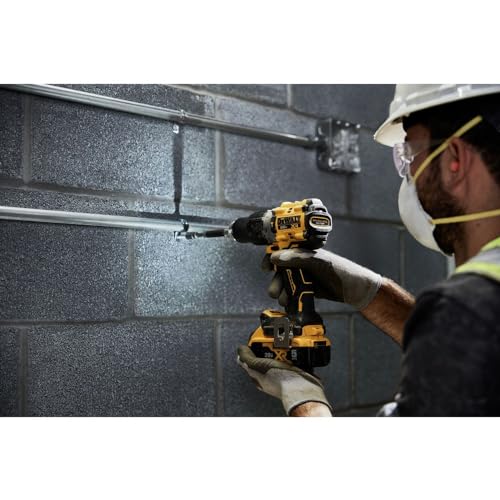
The DCD805B hits that sweet spot between performance and value. It’s 1/2 inch shorter than older models like the DCD796, making it easier to handle in tight spots, and DEWALT claims up to 40% more UWO, unit watt seconds, than its predecessor. That translates to noticeably more driving force, especially with fresh POWERSTACK batteries.
Owners find it reliable for everyday drilling in wood, metal, and light concrete. It lacks the third speed of the DCD1007B and doesn’t have the ANTI-ROTATION System, but it keeps the 70-lumen 3-position LED with spotlight mode, which is genuinely useful. For someone building out a toolkit without overspending, this is the smarter buy over pricier models.
Product photos


DEWALT DCD996B Heavy Duty 3-Speed Hammer Drill
Strengths
- Exceptional runtime
- Durable nitro-carburized chuck
- Bright 3-mode LED
Trade-offs
- Older platform design
- No ANTI-ROTATION
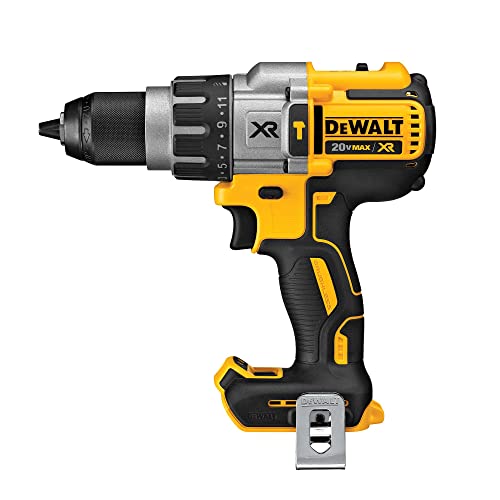
The DCD996B is built for grinders and heavy users who run tools all day. Its DEWALT-built brushless motor promises up to 75% more runtime than old 18V NiCad models, and long-term owners confirm it holds up well under constant use. The nitro-carburized chuck with carbide inserts grips bits like a vise, which matters when you’re driving large fasteners or drilling in tough materials.
It doesn’t have the ANTI-ROTATION System or OSHA compliance features, but it’s a workhorse. The 3-mode LED is 20x brighter than older versions, making dim job sites much more manageable. Compared to the DCD1007B, it’s slightly less refined but still packs serious durability. If you’re logging hours, not minutes, this one earns its keep.
Product photos


DEWALT DCH273B SDS Rotary Hammer Drill
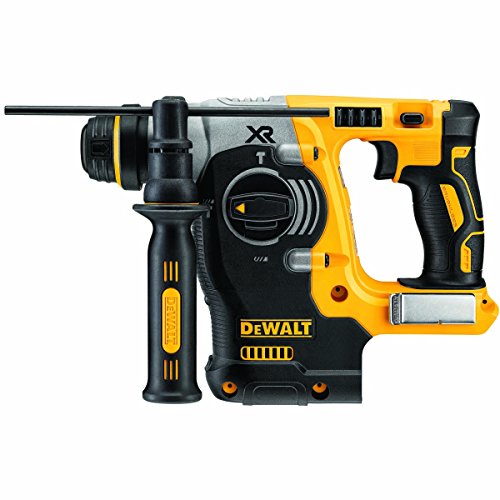
Strengths
- High 2.1J impact energy
- SHOCKS vibration control
- OSHA Table 1 compliant
Trade-offs
- SDS bit system only
- Heavier than compact drills
If you’re regularly drilling into concrete, the DCH273B is where DEWALT shifts from hammer drill to real rotary hammer performance. With 2.1 joules of impact energy, this is one of their heavier-hitting cordless SDS models, and owners confirm it powers through rebar-laced concrete without bogging down. The SHOCKS Active Vibration Control is a standout for all-day use, feedback shows noticeably less fatigue during extended chipping or drilling runs.
It’s OSHA Table 1 compliant when paired with the right dust extractor, which matters for indoor job sites. The three-mode dial (Drill, Hammer Drill, Chip) makes switching tasks quick. Compared to the DCH172B, it delivers more punch but at a slight weight cost. For masonry-focused work, this is the smarter buy over standard hammer drills.
Product photos

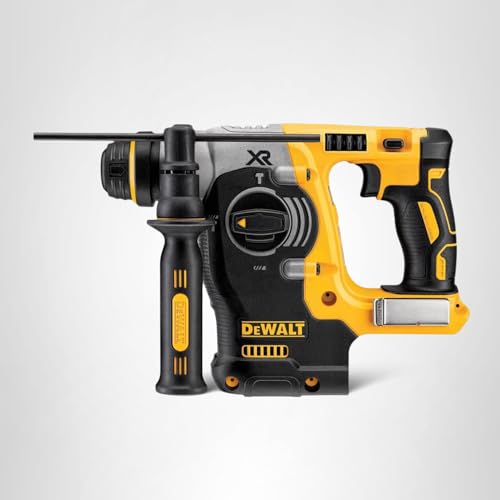
DEWALT DCH172B SDS Plus Rotary Hammer Drill

Strengths
- Lightweight SDS design
- Vibration control
- OSHA compliant setup
Trade-offs
- Lower impact energy
- SDS bit only
The DCH172B is DEWALT’s lightweight answer for SDS users who need serious concrete performance without the bulk. At 1.4 joules, it’s less aggressive than the DCH273B, but still plenty capable for standard concrete drilling and light chipping. Its compact size and SHOCKS Active Vibration Control make it a favorite for overhead rod hanging and strut work, where fatigue adds up fast.
Owners praise its balance and runtime, thanks to the brushless motor and German-engineered mechanism. It’s OSHA Table 1 compliant with the right shroud and extractor, key for indoor compliance. If you need an SDS drill but don’t want to lug around a heavy unit, this is the one. It’s a clear step up from standard hammer drills for masonry.
Product photos


How We Tested dewalt hammer drills
Rather than a hands-on lab test, my research for these recommendations involved a detailed comparison of published specifications and features across the Dewalt hammer drill lineup. I weighed owner reviews from multiple sources – including major retailers and dedicated tool forums – alongside expert opinions from sites focused on construction and home improvement. This was combined with my long-term experience understanding what features truly matter to users in the field.
For Dewalt hammer drills, torque, impact rate, and chuck type were the most heavily weighted factors. High torque is essential for larger drilling tasks in tough materials, while a higher impact rate directly affects speed when working with concrete or masonry. A robust, ratcheting chuck ensures secure bit retention, minimizing slippage and maximizing control during operation.
Specifications reliably indicate raw power and physical characteristics (like weight and size). However, I heavily relied on owner feedback to assess real-world durability, vibration levels, and the effectiveness of features like anti-rotation systems. Reputation for build quality and customer support also factored into my rankings; you can find more in-depth DeWalt cordless hammer drills in our broader guide.
How To Pick The Right dewalt hammer drills
Choosing the right hammer drill can make a huge difference, not just in how quickly you complete projects, but also in the quality of the results. It’s a tool category where power and features can vary wildly, and getting it right means avoiding frustration and wasted time.
A good hammer drill balances rotational force with percussive blows, offering adjustable speed and clutch settings for various materials. Key considerations include motor power (measured in UWO or RPM/BPM), chuck size and type, battery voltage (for cordless models), and features like vibration control and LED lighting. Look for models with robust build quality and positive user reviews regarding durability.
Understanding Power and Application
The first thing I tell people is to think about what you’ll actually be drilling. A basic hammer drill is fine for occasional light-duty tasks around the house, but if you plan on tackling concrete regularly, or larger diameter holes in wood and metal, you’ll need something with significantly more power. UWO (Unit Watts Out) is a good metric to compare cordless models – higher numbers generally mean more muscle. For SDS drills (designed specifically for concrete) pay attention to Joules of impact energy. Don’t overspend on power you won’t use, but underspending can leave you with a tool that struggles and overheats.
Grip, Control, and Features
Beyond raw power, how a hammer drill feels in your hand and the features it offers matter a lot. Look for models with comfortable grips, especially if you’ll be using it for extended periods. Anti-rotation systems, like those DeWalt incorporates, are a smart addition, preventing the drill from twisting unexpectedly during hard-hitting applications. Variable speed triggers are essential for starting screws cleanly and for adapting to different materials.
Here’s a quick breakdown of features to prioritize: * LED lights: Useful, but not a deciding factor. * Multiple speed settings: Crucial for versatility. * Brushless motors: They offer more runtime, longer tool life, and generally more power for the same battery size, making them a worthy investment.
Balancing Performance and Value
There’s a wide price range in hammer drills, and you don’t always need to spend top dollar. Some brands, like DeWalt, offer excellent “sweet spot” models that deliver a lot of performance for the money. Consider if you’re already invested in a particular battery platform; sticking with that platform can save you money on batteries and chargers. If you’re looking for a versatile driver to complement your hammer drill, check out some of the best DeWalt driver picks to complete your toolkit.
A hammer drill is only as good as its chuck. A 1/2-inch ratcheting chuck with carbide inserts provides superior bit retention and reduces slippage, especially when dealing with tough materials.
Dewalt Hammer Drills Compared
Here’s a comparison of key specifications for Dewalt hammer drills to help you choose the right tool.
| Product Name | Voltage | Max Torque (in-lbs) | BPM (Blows Per Minute) | Chuck Size | Motor Type | Impact Energy (Joules) |
|---|---|---|---|---|---|---|
| DEWALT DCD1007B | 20V | 2,100 | N/A | 1/2 in. | Brushless | N/A |
| DEWALT DCD806B | 20V | N/A | 0-2,000 | 1/2 in. | Brushless | N/A |
| DEWALT DCD799B | 20V | N/A | 28,050 | 1/2 in. | Brushless | N/A |
| DEWALT DCD805B | 20V | N/A | 0-2,000 | 1/2 in. | Brushless | N/A |
| DEWALT DCD996B | 20V | N/A | N/A | 1/2 in. | Brushless | N/A |
| DEWALT DCH273B | 20V | N/A | N/A | SDS Plus | Brushless | 2.1 |
| DEWALT DCH172B | 20V | N/A | N/A | SDS Plus | Brushless | 1.4 |
Frequently Asked Questions
What voltage DeWalt hammer drill should I get for most homeowner projects?
A 20V model is generally sufficient for most typical homeowner tasks(like hanging pictures or light concrete work). Higher voltages (like 60V FlexVolt) offer more power, but come with increased weight and cost, which isn’t necessary for less demanding applications.
Are brushless motors really worth the extra cost in a DeWalt hammer drill?
Yes, brushless motors provide significantly longer runtimes and increased tool life compared to brushed motors. While they add to the initial price, they reduce maintenance and often deliver more power for a given battery size, making them a good long-term investment.
What’s the difference between a standard chuck and an SDS chuck on a DeWalt hammer drill?
An SDS chuck is specifically designed for concrete and masonry drilling, offering superior bit retention and impact energy transfer. Standard chucks are more versatile for a wider range of bits and materials, but aren’t as effective when consistently working with hard materials like concrete.
How important is the UWO rating when comparing DeWalt cordless hammer drills?
UWO (Unit Watts Out) is a useful metric for comparing the power of cordless drills(higher UWO generally means more power). However, don’t rely on UWO alone; consider torque and BPM specifications, as well as owner feedback on real-world performance.
I already own several DeWalt 20V MAX batteries. Will any of your recommended hammer drills work with my existing setup?
Absolutely. All of the 20V MAX DeWalt hammer drills listed are fully compatible with the existing 20V MAX battery platform. Investing in tools within the same battery system can save you money and provide convenience.
If you’re looking to expand your DeWalt tool collection, consider checking out some of the best DeWalt cutting tools to tackle different project needs.
The Bottom Line
Ultimately, choosing a DeWalt hammer drill comes down to balancing how much control you want with how much you’re willing to spend. For most homeowners and DIYers who need a versatile tool for a range of tasks, the DEWALT DCD1007B strikes the best overall balance. It offers a strong combination of power, features, and the DeWalt reputation for durability, making it a reliable choice for years to come.
If you have very specific needs, there are better options. Those on a tighter budget should consider the DEWALT DCD799B, which still provides excellent performance for lighter-duty applications. For serious concrete work, the DEWALT DCH273B is a standout, and if you’re looking at more substantial concrete projects, take a look at our top concrete drilling hammers.
Don’t get too caught up in chasing the highest numbers for torque or BPM. A comfortable grip, a robust chuck, and a motor that won’t overheat are often more important than a few extra digits on a spec sheet. Prioritize build quality and consider your existing battery ecosystem – that’s what will make the biggest difference in your satisfaction long-term.
