
8 Best Concrete Saws of 2026
This post contains affiliate links. As an Amazon Associate, we earn from qualifying purchases.
The Evolution R14DCT stands out as the best overall concrete saw for most users, delivering strong performance and reliable dust control. For tighter budgets, the VEVOR 14″ 2600W Electric Concrete Saw offers solid value without sacrificing key features. If you’re tackling bigger jobs and need maximum depth, the VICSEC 14″ is a powerful pick worth considering.
Choosing the wrong concrete saw can turn a manageable job into a dusty, exhausting mess. I’ve seen too many DIYers grab whatever’s cheapest or most powerful without considering their actual needs, then struggle with poor cuts, clogged blades, or unbearable vibration. This guide cuts through the noise, focusing on real-world specs and owner feedback to help you find a saw that matches your project type, power needs, and workspace.
We prioritized cutting depth, motor strength, and dust management, then cross-referenced that with user reports on durability and ease of use. These picks aren’t based on hype, they’re the models that consistently deliver where it matters.
Top 8 Concrete Saws in the Market
The Best Concrete Saws, Reviewed
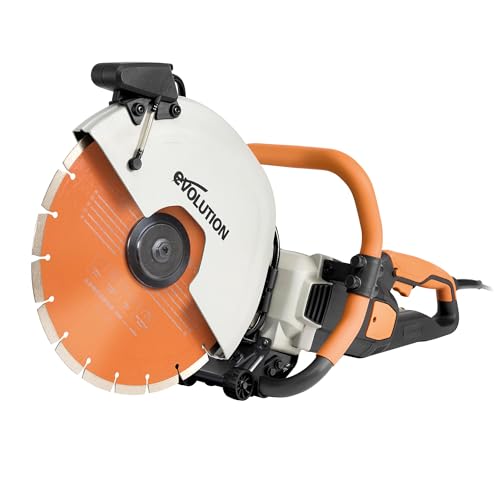
Evolution R14DCT 14″ Electric Concrete Saw
Strengths
- Auto water control
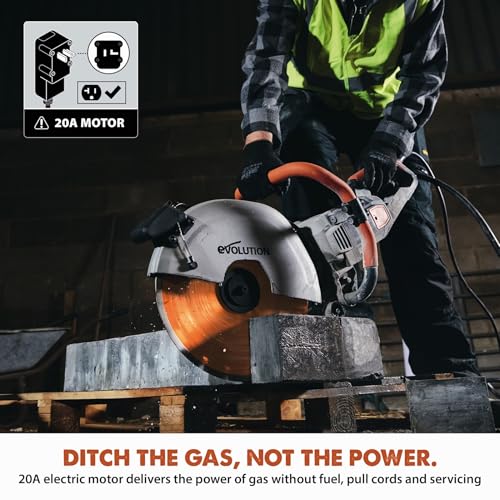
- High-torque 20A motor
- 3-year warranty
Trade-offs
- Requires 20A outlet
- Heavier than cordless
- Higher price point
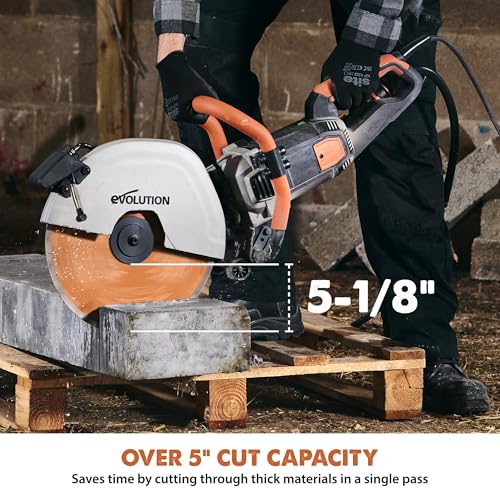
If I had to pick one electric concrete saw for most users, it would be the Evolution R14DCT. It strikes the best balance of power, depth, and smart features. The 20A high-torque motor delivers near-gas performance without the fumes or maintenance, and the 5-1/8-inch depth handles most residential and light commercial cuts. The auto ON/OFF water system is a standout, set it once and it manages dust suppression automatically, which saves time and water.
Owners consistently highlight the build quality: steel skid plate, brass water inlet, sealed switches. It’s built like a pro tool. The rotating blade guard and wraparound handle make it versatile for both flat and vertical cuts. Compared to the VEVOR or XtremepowerUS models, it’s more durable and better engineered. The only real downside is the need for a 20A outlet, which rules it out for some DIYers on 15A circuits.
Product photos



SKIL 7″ Walk Behind Worm Drive Saw
Strengths
- Worm drive durability
- Folding handle
- Rust-resistant build
Trade-offs
- Limited cutting depth
- 7-inch blade
- No 20A plug
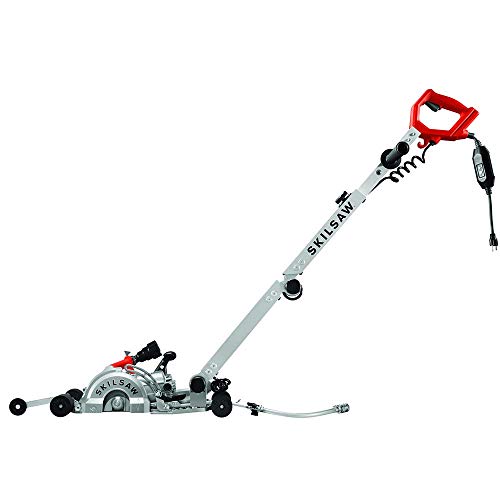
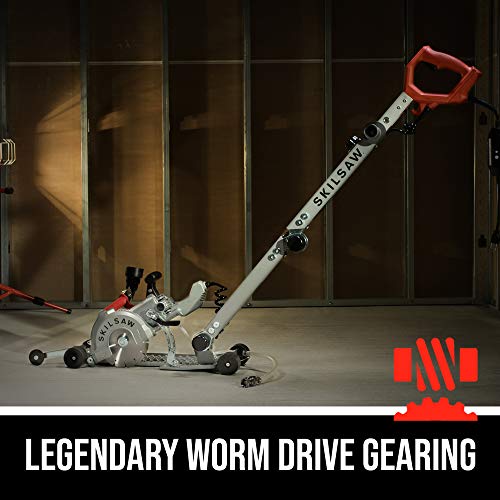
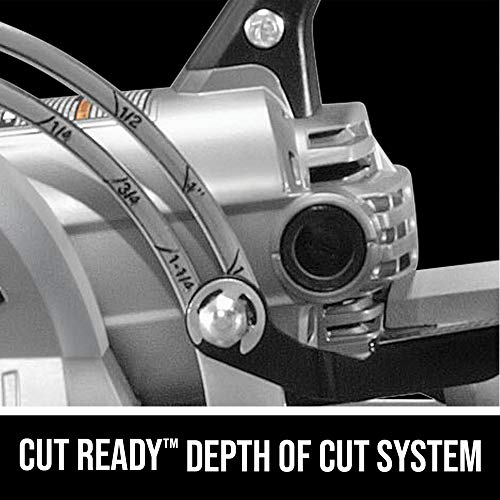
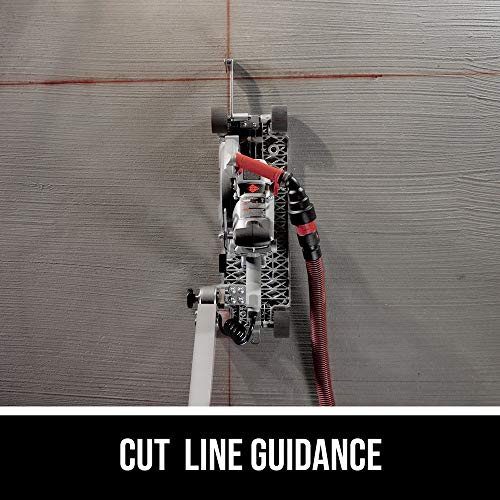
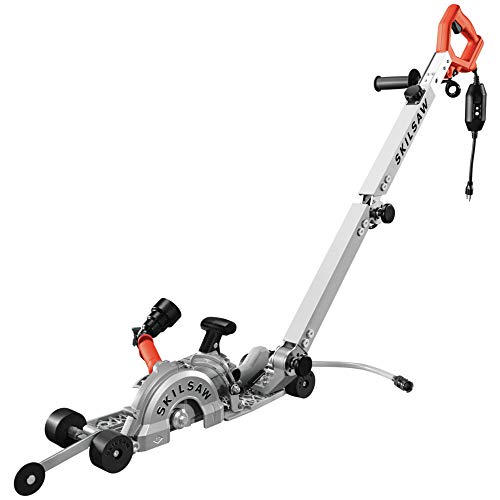
The SKIL SPT79A-10 is one of the few true walk-behind worm drive saws in the electric category, and that design still holds weight for pros who value durability and consistent tracking. The worm drive system delivers more torque at lower RPMs, which helps maintain cut speed in dense or reinforced concrete. It’s lighter than many gas alternatives, and the folding handle makes transport easier, though it’s still awkward for tight spaces.
Owners praise its rust-resistant build and OSHA-compliant dust management, but the 7-inch blade limits max depth to around 2.5 inches, which is shallow compared to others here. It’s not the most powerful, but for repetitive shallow cuts, like control joints in new slabs or sidewalk repairs, it’s reliable and built to last. Compared to the Evolution R14DCT, it’s less versatile but holds up well in wet conditions thanks to its sealed housing.
Product photos

VICSEC 14″ 6800W Electric Concrete Saw

Strengths
- 6800W peak power
- 5.1-inch cutting depth
- Rolling pulley for support
Trade-offs
- Overstated power claims
- Bulky design
- Less refined controls
The VICSEC 14-inch saw claims 6800W of power, which sounds impressive, though real-world performance suggests it’s more about peak draw than sustained output. Still, with a 130mm (5.1-inch) cutting depth and a 350mm blade, it’s one of the deepest-cutting electric models here. The rolling pulley design helps with stability, and owners note it handles granite and reinforced concrete without bogging down too quickly.
The all-in-one dust and water system works as expected, and the saw’s ability to cut wood and masonry makes it versatile for mixed job sites. But that versatility comes at the cost of specialization, it’s not the best at any one thing. Compared to the Evolution R14DCT, it lacks the refined ergonomics and auto water control. I’d pick the Evolution for reliability, but if you need max depth and multi-material use, the VICSEC has merit.
Product photos


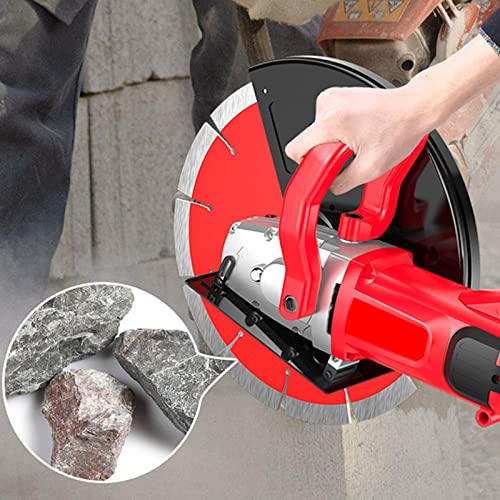
VEVOR 14″ 2600W Electric Concrete Saw

Strengths
- 6-inch cutting depth
- Wet-cut system included
- Wheeled base for stability
Trade-offs
- Not for asphalt
- 15A circuit limits
- Lower durability than premium models
On paper, the VEVOR 14-inch electric concrete saw looks like a solid mid-tier option for DIYers and light contractors who need depth and dust control without stepping into gas-powered territory. With a 2600W motor and a max cutting depth of 6 inches, it’s built for jobs like cutting control joints in slabs or slicing through pavers and brick walls. Owners consistently report that the wet-cutting system works well out of the box, with the built-in pump and water line doing a reliable job suppressing dust, something I always stress for health and visibility on the job.
The wheeled base is a smart touch, giving it a walk-behind advantage without the higher price tag of a full worm drive unit. It’s not going to match gas saws in raw power, but for weekend warriors or small jobbers who want clean, OSHA-conscious cuts, this one delivers. Compared to the Evolution or SKIL walk-behinds, it lacks some durability in the housing materials, but for the value, it’s hard to argue with the feature set.
Product photos


XtremepowerUS 16″ 3200W Electric Cutter

Strengths
- 16-inch blade diameter
- 3200W powerful motor
- GFCI built-in
Trade-offs
- No wheeled base
- Heavy for handheld
- Requires strong power supply
This 16-inch electric saw packs serious power with a 3200W motor and a large-diameter blade, giving it a depth and cutting capacity that rivals some gas models. The 16-inch blade means fewer passes and faster cuts on thick slabs or curbs. The built-in water line and GFCI protection make it safe and compliant for wet cutting, and the dust port helps keep the line visible, something I always look for in a well-designed saw.
It’s heavier than smaller electric models, but the low vibration and ergonomic handles help reduce fatigue. Compared to the VEVOR, it has more power and a larger blade, but lacks a wheeled base, so tracking straight cuts takes more effort. For users who want maximum electric cutting diameter without going cordless, this is a strong contender.
Product photos


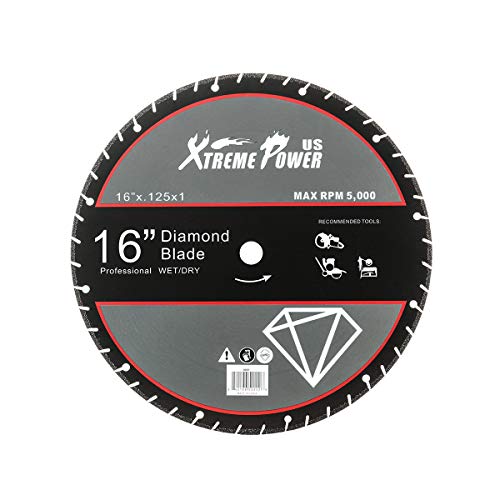
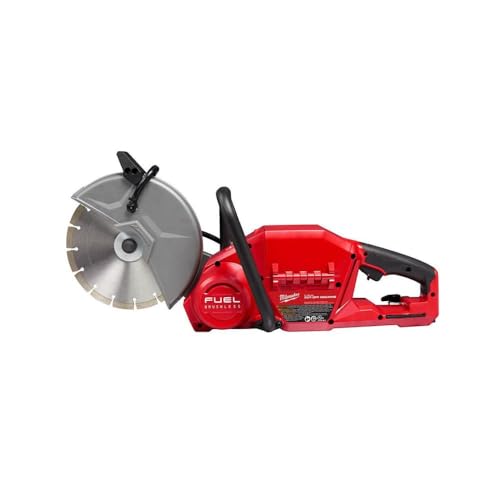
Milwaukee M18 Fuel 9″ Cut-Off Saw

Strengths
- Cordless portability
- RAPIDSTOP brake
- Lightweight design
Trade-offs
- Shallow cut depth
- Battery cost adds up
- Shorter blade life
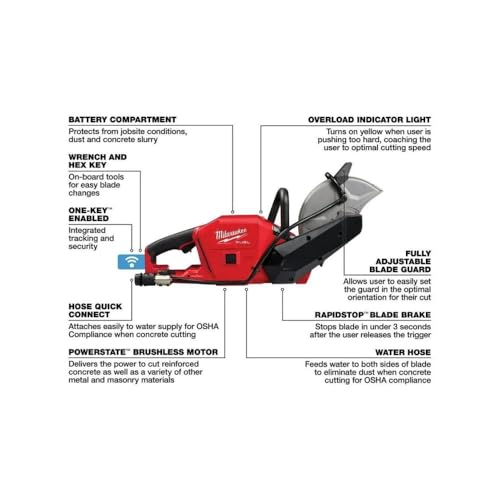
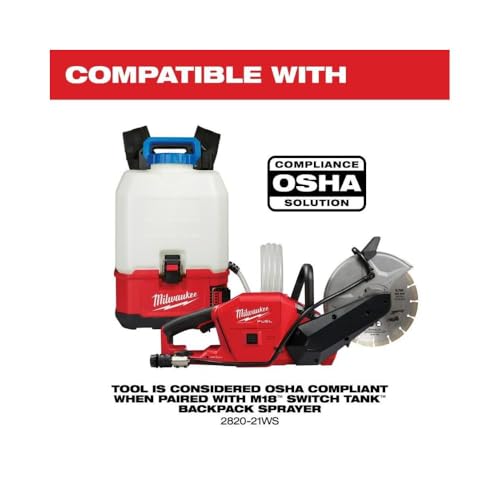
The Milwaukee M18 Fuel 9-inch cut-off saw is a standout for cordless mobility, especially on job sites without easy power access. At 3.4 inches of cut depth, it’s not the deepest, but it’s plenty for slab repairs, curb cuts, or trenching around foundations. What sets it apart is its lightweight design, up to 50% lighter than gas models, and the RAPIDSTOP brake, which improves safety by stopping the blade fast.
Owners love the ONE-Key integration for tool tracking and performance monitoring, a feature that’s more useful on large crews than solo users. The 9-inch blade wears faster than 14-inch models, but the trade-off is unmatched portability. Compared to the Evolution or VEVOR electric models, it’s less powerful but far more flexible. If you’re constantly moving between sites or working indoors, this is the smarter buy.
Product photos
XtremepowerUS 16″ Gas Powered Concrete Saw

Strengths
- Gas-powered freedom
- 5-inch cut depth
- Wet/dry capability
Trade-offs
- Fuel mixing required
- Noisy and heavy
- Higher maintenance
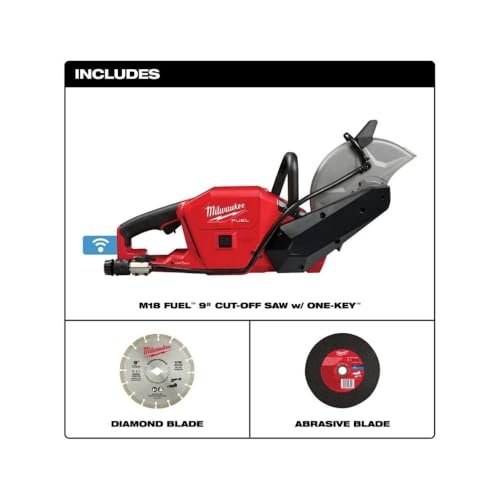
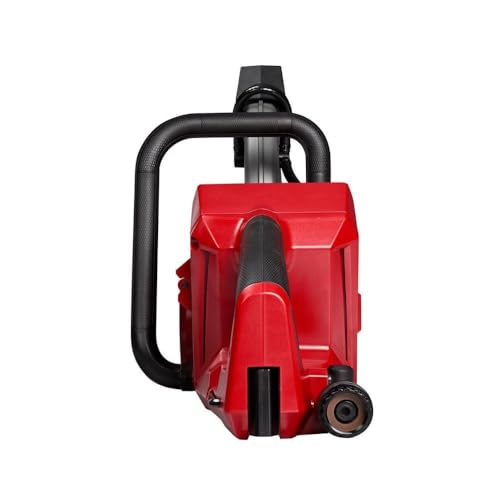
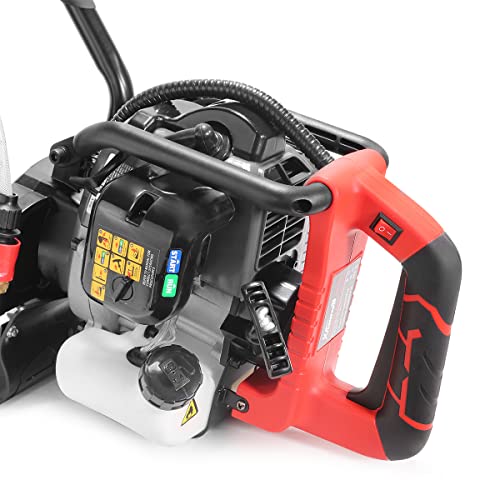
Gas-powered saws still rule when you need maximum depth and no power constraints, and the XtremepowerUS 16-inch model delivers on that front. With a 52cc 2-stroke engine and 5-inch cutting depth, it’s built for heavy-duty demolition, roadwork, or remote job sites. The guide roller helps maintain straight cuts, and the dual dust management lets you run wet or dry, wet mode is a must for dust control.
Owners report solid power delivery, though the engine requires mixing fuel and some maintenance. Vibration is lower than older models, but it’s still tiring over long shifts. Compared to the Milwaukee cordless, it’s heavier and noisier, but it cuts deeper and runs indefinitely with fuel. If you’re working on large outdoor jobs without power, this is the more practical pick.
Product photos


110V Handheld Electric Concrete Chain Saw
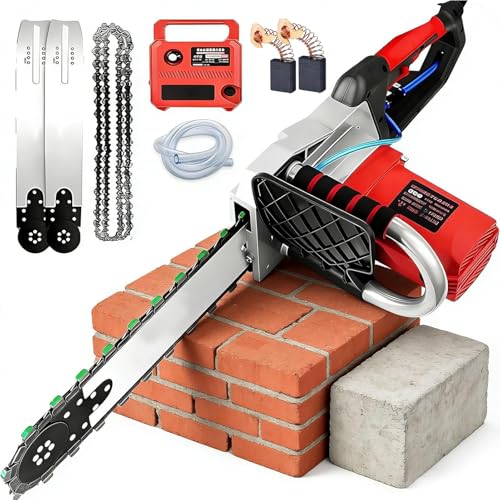
Strengths
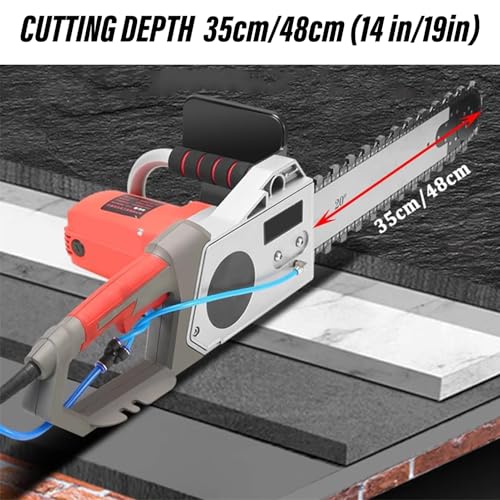
- Up to 19-inch depth
- Diamond chain for flexibility
- Spare carbon brushes included
Trade-offs
- Bulky for overhead use
- High power draw
- Not for fine surface cuts
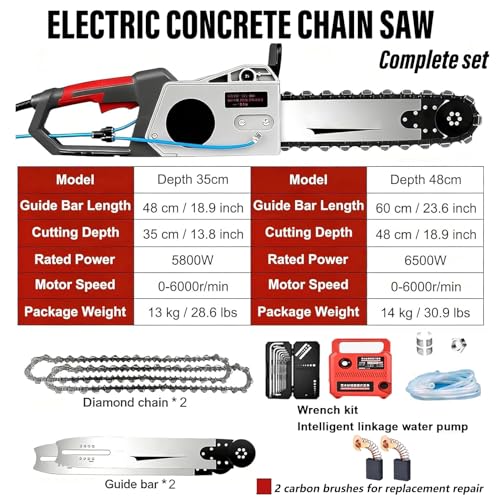
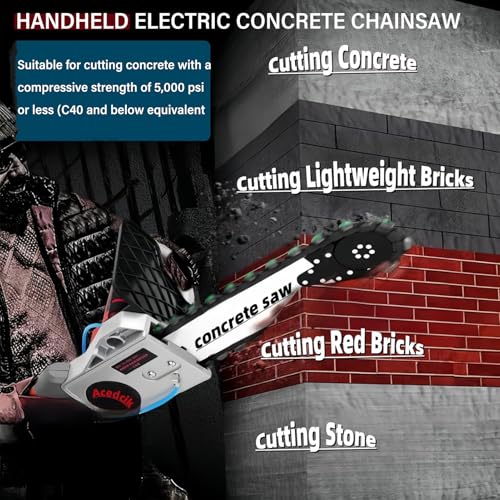
This handheld electric chain saw is built for one thing: deep, flexible cuts in vertical or tight spaces where circular saws can’t go. With a max depth of up to 19 inches and a diamond-tipped chain, it’s a niche tool that excels in wall chasing, deep footing cuts, or utility openings. The 6500W motor is among the strongest in the electric category, and reviewers note it maintains speed well under load, especially when paired with the automatic water feed system that keeps the chain cool and dust down.
It’s not a general-purpose saw, chain saws don’t offer the same flat, precise groove as circular blades, but for demolition or renovation pros needing to slice through thick walls or foundations, this is a serious option. The inclusion of spare carbon brushes is a thoughtful touch, reflecting the kind of long-term maintenance focus I look for in pro gear. It’s heavier than a reciprocating saw, but far more precise for deep concrete work.
Product photos


How We Picked These concrete saws
As someone who’s spent years around job sites and workshops, I know choosing a concrete saw isn’t just about raw power. We approached this guide by first compiling a detailed spec sheet for dozens of models – blade size, motor wattage, cut depth, and features like dust suppression were all carefully compared. Then, we weighed owner reviews from major retailers alongside assessments from reputable tool review sites, looking for consistent praise or complaints. Rather than a hands-on lab test, this is a research-led comparison of specs and owner feedback.
For concrete saws, cutting depth and motor power were the biggest deciding factors. A deeper cut means fewer passes for larger projects, saving significant time. Powerful motors are critical for handling reinforced concrete or harder aggregates without bogging down. Dust control also ranked highly, as both a health and a job-site cleanliness concern. Ultimately, we prioritized saws that offered a strong balance of these elements, considering the intended use case for each.
Specifications reliably indicate a saw’s potential – motor wattage, blade size, and cut depth are all straightforward. However, real-world performance and durability are best judged from owner feedback. We paid close attention to comments about how saws held up over time, ease of use, and the effectiveness of features like dust suppression. You’ll find that many users report success with powerful electric models for a variety of masonry applications.
How To Choose The concrete saws
Choosing the right concrete saw can make a huge difference in how efficiently and safely you complete your projects.
A good concrete saw balances power with control. Key specs to evaluate include motor wattage (or engine displacement for gas models), blade diameter, cutting depth, and dust management features. Look for durable construction, ergonomic design, and features that minimize vibration and ensure user safety. Prioritize models with positive owner reviews regarding longevity and consistent performance.
Power and Cutting Capacity
The first thing I tell people is to think about what you’ll actually be cutting. Don’t overspend on a massive gas-powered model if you only need to occasionally notch concrete for conduit. Electric saws have come a long way, and many now deliver performance comparable to gas, especially for common DIY tasks. Consider the material’s compressive strength; harder concrete requires more power. Blade diameter directly impacts the maximum cutting depth, so match that to your project needs.
Wet vs. Dry Cutting & Dust Control
Dust is a serious health hazard when cutting concrete, and effective dust suppression is essential. Most saws offer wet cutting capabilities – this means you connect a water source to the blade, which cools it, reduces dust, and improves blade life. Some models, like the VEVOR 14″ 2600W Electric Concrete Saw, include integrated water suppression systems, which is a big plus. If you’re working indoors or in a sensitive environment, prioritize saws with robust dust ports and the ability to connect to a shop vacuum. For more information, check out our guide to concrete cutting saws.
Ergonomics and Features
Concrete saws can be physically demanding to operate, so ergonomics matter. Look for features like adjustable handles, anti-vibration technology, and a comfortable grip. Walk-behind models, like the SKIL 7″ Walk Behind Worm Drive Saw, can reduce fatigue on larger projects. Here’s what I look for when evaluating features:
- A simple blade guard adjustment. (Too many complicated adjustments are just frustrating.)
- A wheeled skid plate. (Makes guiding the saw along a cut much easier and cleaner.)
- A robust motor brake. (Rapid stopping is a critical safety feature, especially if you need to quickly react during a cut.)
Don’t skimp on safety. Always wear appropriate personal protective equipment (PPE) – including safety glasses, a dust mask or respirator, hearing protection, and gloves – when operating a concrete saw.
If you need even more power for demanding applications, you might also want to explore hydraulic concrete saws for their increased torque and durability. For specialized cutting, like deep wall cuts, consider top wall saws. And if portability is paramount, explore handheld concrete saws.
Concrete Saws Compared
Here’s a comparison of key specifications for various concrete saws to help you make an informed decision.
| Product Name | Power (W) | Blade Diameter (in) | Max Cut Depth (in) | Corded/Cordless | Water Feed |
|---|---|---|---|---|---|
| Evolution R14DCT | 2000 | 14 | 5.1/8 | Corded | Yes |
| SKIL 7″ Walk Behind | N/A | 7 | N/A | Corded | Yes |
| VICSEC 14″ | 6800 | 14 | 5.1 | Corded | Yes |
| VEVOR 14″ | 2600 | 14 | 6 | Corded | Yes |
| XtremepowerUS 16″ Electric | 3200 | 16 | N/A | Corded | Yes |
| Milwaukee M18 Fuel 9″ | N/A | 9 | 3.4 | Cordless | Yes |
| XtremepowerUS 16″ Gas Powered | 2000 | 16 | N/A | Gas | Yes |
| 110V Handheld Electric Chain Saw | 5800/6500 | 14/19 | 14/19 | Corded | Yes |
Frequently Asked Questions
What blade material is best for cutting concrete?
Diamond blades are the only practical choice for cutting concrete. They offer the necessary hardness and durability to grind through the abrasive material, lasting significantly longer than other blade types.
Can I use a concrete saw to cut asphalt?
Yes, you can, but use a diamond blade specifically designed for asphalt. Asphalt is less abrasive than concrete, so a different blade formulation will provide a cleaner cut and longer lifespan.
What’s the difference between a walk-behind and a handheld concrete saw?
Walk-behind saws are self-propelled and better suited for large, straight cuts, reducing operator fatigue. Handheld saws are more maneuverable and ideal for smaller jobs or cuts in tight spaces.
How often should I replace a concrete saw blade?
It depends on the material and the frequency of use, but generally, replace the blade when you notice a significant decrease in cutting speed or an increase in required effort. A dull blade creates more friction, heat, and strain on the saw.
Are there alternatives to consider if I only need to make occasional cuts?
If you only have a few cuts to make, renting a concrete saw from a local tool rental center is often more economical than purchasing one. You can also explore reliable concrete cut-off tools for lighter-duty applications.
The Bottom Line
Choosing a concrete saw always involves balancing what you want with what you need. Do you prioritize sheer cutting power and the ability to tackle any job, or are you looking for something more manageable for occasional use? For the best overall combination of power, features, and value, I believe the Evolution R14DCT stands out as a strong choice for a wide range of homeowners and professionals.
If you’ve got specific needs, though, there are other excellent options. For those on a tighter budget, the VEVOR 14″ offers a lot of capability for the price. And if you need portability and the convenience of cordless operation, the Milwaukee M18 Fuel 9″ is a solid performer. Don’t overlook the usefulness of petrol-powered cut-off saws if you need to work remotely and need consistent power.
Ultimately, specs tell you what a saw can do, but durability, ease of use, and dust control are what determine how well it does it. Focus on those real-world factors, prioritize safety, and choose a saw that feels comfortable and well-built. A well-chosen tool, combined with proper technique, will always deliver better results than chasing the highest numbers on a spec sheet.
