5 Best Chainsaws to Cut Trees 2026
This post contains affiliate links. As an Amazon Associate, we earn from qualifying purchases.
The VEVOR 20-inch 62CC Gas Chainsaw is the best overall for cutting large trees, delivering the raw power and cutting capacity needed for serious jobs. For lighter tasks and easier maintenance, the SEESII 40V 16-Inch Cordless Chainsaw offers solid performance with less hassle. If you’re working with smaller branches or tight spaces, the 8 Inch Telescopic Pole Chainsaw brings unique reach without sacrificing control.
Most people don’t realize how quickly the wrong chainsaw can turn a simple tree-cutting job into a frustrating, even dangerous, ordeal. Too much power and you lose control; too little, and the tool bogs down, increasing risk and wasted effort.
As someone who’s advised hundreds of homeowners and DIYers, I focused this guide on real-world usability, matching power and bar length to common tasks. These picks are based on specs, owner feedback, and my years evaluating how tools perform beyond the brochure claims.
Top 5 Chainsaw To Cut Trees in the Market
The Best Chainsaw To Cut Trees, Reviewed
Seesii 6-Inch Mini Chainsaw

Strengths
- Lightweight design
- One-handed operation
- Double safety lock
Trade-offs
- Limited cutting depth
- Not for thick logs
- Shorter bar length
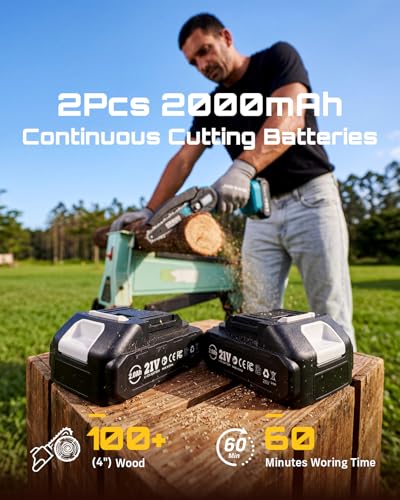
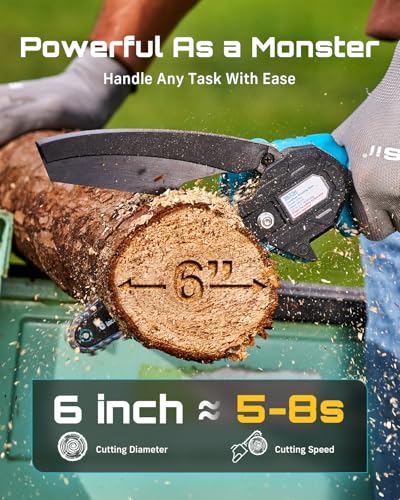
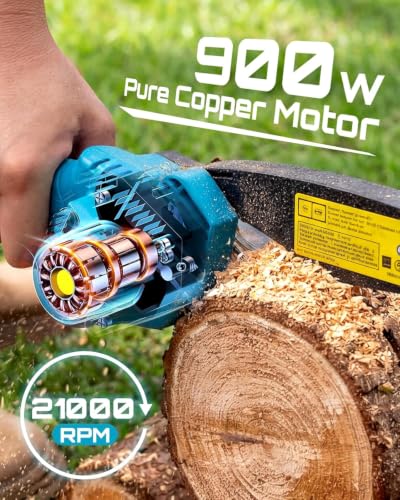
This 6-inch mini chainsaw is built for convenience, not heavy lifting. On paper, a 900W motor and 30ft/s chain speed sound decent for light pruning, and owners agree it handles branches under 6 inches with ease. It’s clearly designed for users who want something lightweight and simple, especially those who might find gas saws intimidating or physically taxing. The 2.7-pound weight makes it genuinely usable one-handed, which is a real plus for quick garden touch-ups.
Where it shines is usability and safety. The dual safety lock and low-recoil design are smart touches, and the included gloves, goggles, and extra chain add real value straight out of the box. But let’s be clear, this isn’t for felling trees or even serious firewood prep. It’s a precision tool for trimming and small jobs, and if that’s what you need, it delivers reliably.
Product photos


8 Inch Telescopic Pole Chainsaw
Strengths
- 2-in-1 handheld and pole saw
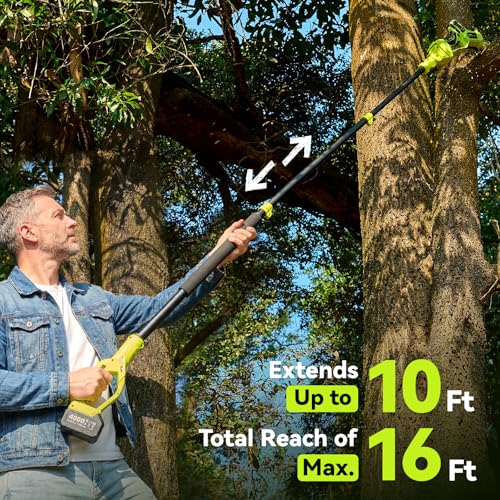
- 16-foot telescopic reach
- 180° adjustable head
Trade-offs
- Less power in thick logs
- Pole adds bulk
- Smaller oil reservoir
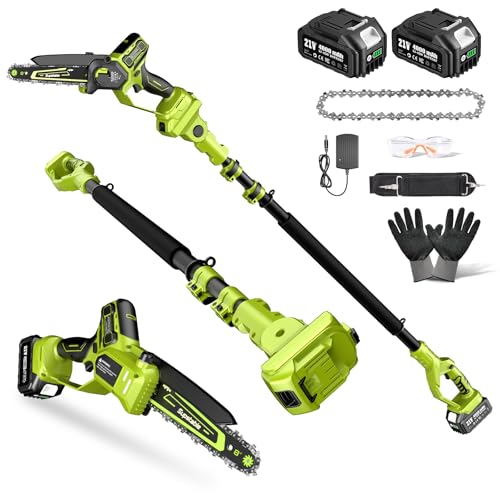
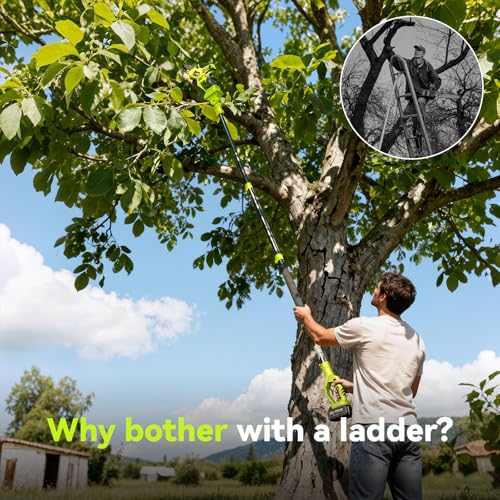
This 2-in-1 pole saw is a clever solution for anyone tired of owning multiple tools. The ability to swap between a 6-inch handheld mini saw and an extendable pole reaching 16 feet is a real space- and cost-saver. The 180° adjustable head is a standout, owners love being able to angle cuts without climbing, and the brushless motor delivers enough torque to handle 8-inch branches cleanly.
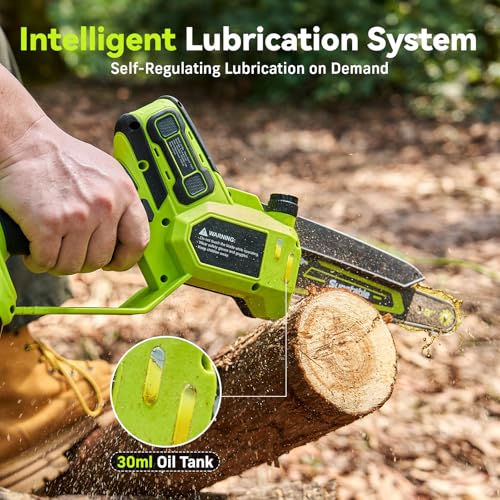
With two 4.0Ah batteries and automatic oiling, it’s built for full-day yard work. It’s not the fastest cutter in heavy logs, but for overhead trimming and orchard maintenance, it’s hard to beat. Compared to dedicated handheld saws, it’s slightly less powerful, but the versatility makes up for it. If you’re pruning tall trees regularly, this should be at the top of your list.
Product photos


VEVOR 20-inch 62CC Gas Chainsaw

Strengths
- High 3.8 HP output
- 20-inch bar for large trees
- Dual fuel tanks
Trade-offs
- Heavy and loud
- Requires fuel mixing
- More maintenance needed
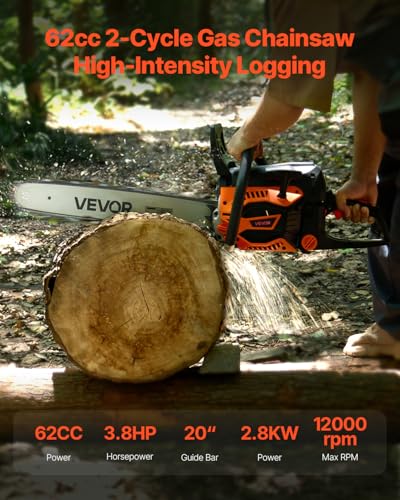
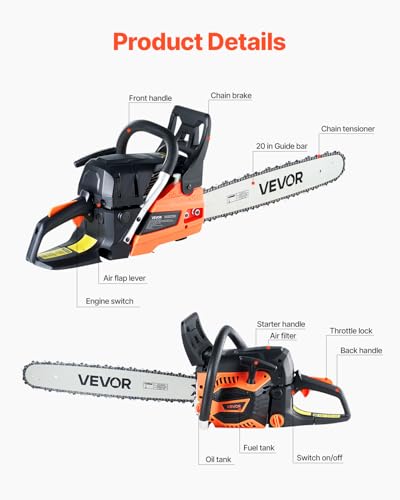
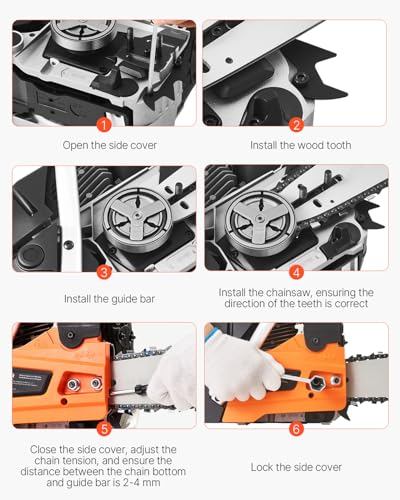
When you’re dealing with trees over 18 inches in diameter, nothing beats a real gas-powered saw, and this VEVOR 62cc model is built for that job. With 3.8 HP and a 20-inch bar, it’s in the same class as professional logging saws, and owners consistently report it powers through large trunks and storm-damaged hardwoods without issue. The 12,000 RPM engine delivers the raw torque electric models can’t match, especially in prolonged use.
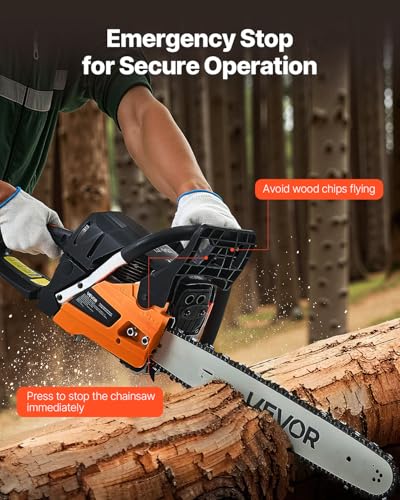
Yes, it’s heavier, noisier, and needs fuel mixing and more maintenance. But if you’re clearing land, felling big trees, or running a firewood business, those trade-offs are expected. The dual fuel tanks and easy-start system help reduce downtime, and the emergency stop adds a needed safety layer. For serious cutting, this is the only one on the list that truly qualifies as heavy-duty.
Product photos

SEESII 40V 16-Inch Cordless Chainsaw
Strengths
- Native 40V brushless motor
- 16-inch cutting capacity
- Long battery life
Trade-offs
- Heavier than mini saws
- 40V system not cross-compatible
- Requires regular chain oiling
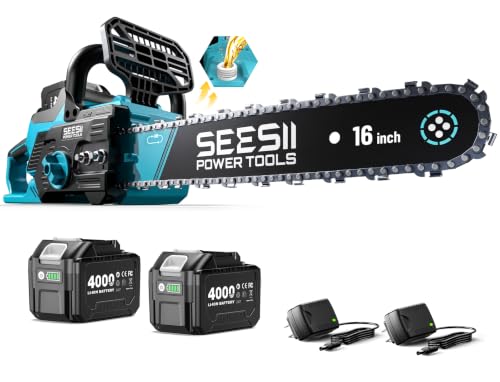
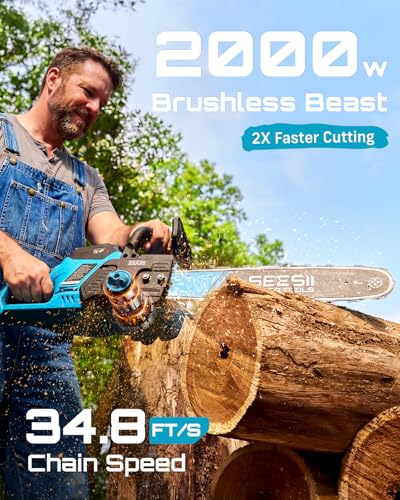
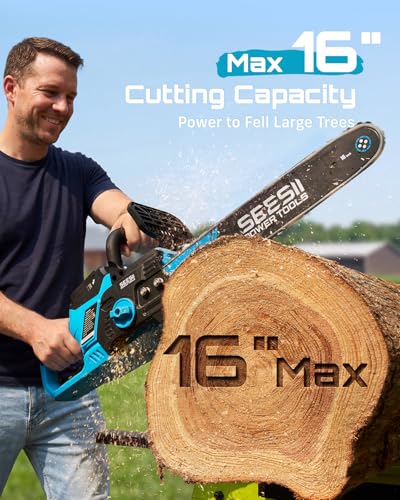
If you want cordless power that actually competes with gas, this 40V 16-inch model is one of the strongest contenders in the mid-duty class. The native 40V brushless motor avoids the voltage drop common in stacked 20V systems, and reviewers consistently report clean cuts through 12- to 16-inch logs, no stalling, even in dense hardwood. That 2000W output and 34.8ft/s chain speed translate to real-world performance that feels closer to a 42cc gas saw than most electric rivals.
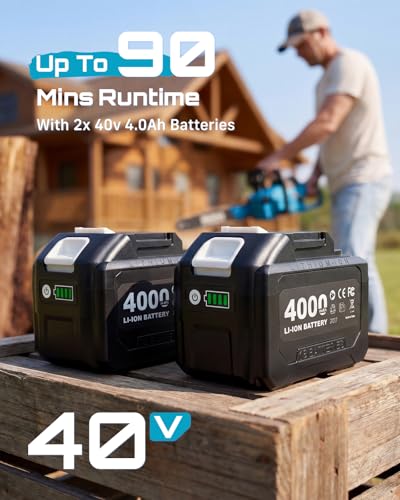
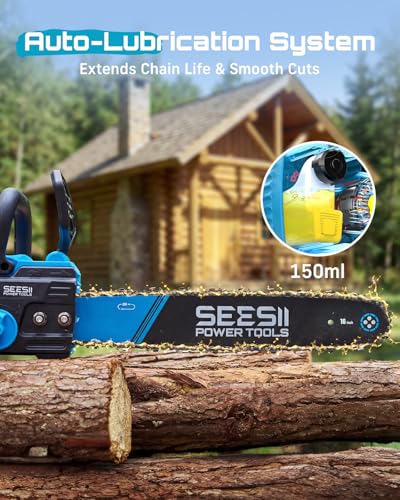
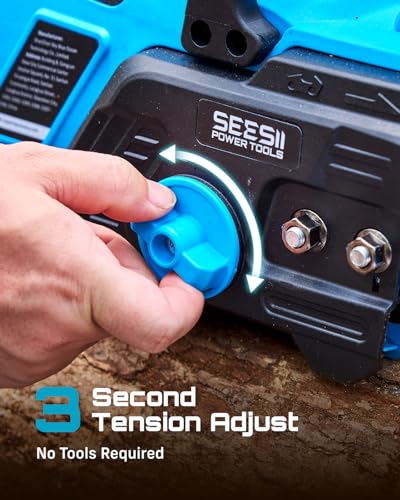
It’s also packed with user-friendly features: automatic oiling, tool-free tensioning, and dual 4.0Ah batteries give you serious runtime without the mess or noise of gas. Compared to the smaller Seesii models, this one is clearly aimed at serious DIYers and property owners with regular cutting demands. I’d pick this over the 6-inch mini saw any day if you’re dealing with storm cleanup or firewood.
Product photos
12 Inch Electric Cordless Chainsaw

Strengths
- Strong brushless motor
- Dual high-capacity batteries
- Tool-free chain adjustment
Trade-offs
- Basic safety features
- Shorter reach than pole saws
- No included accessories
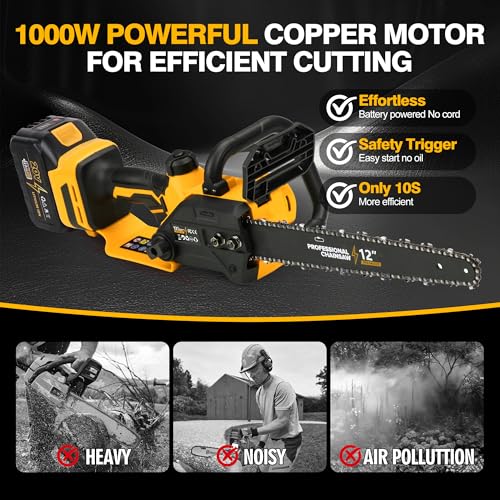
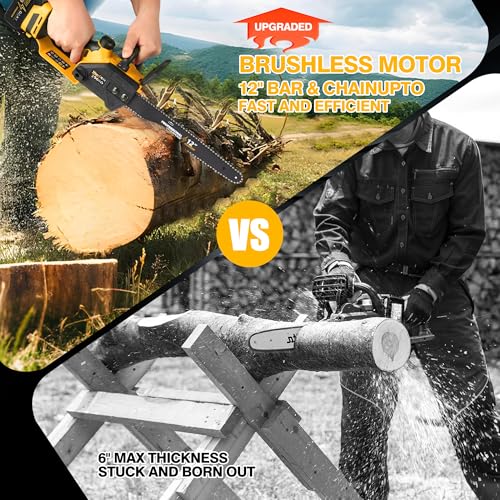
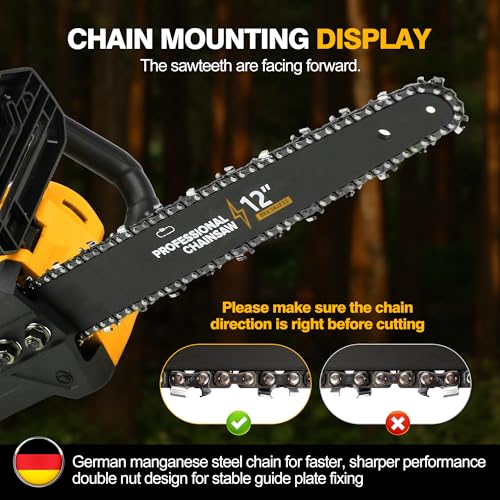
This 12-inch model slots neatly between compact mini saws and full-size workhorses. With a 2.56 hp brushless motor and 10 m/s chain speed, it’s no slouch, owners report it powers through 10-inch logs without hesitation, making it a solid mid-range pick for typical suburban yard work. The dual 4.0Ah batteries are a big win, offering enough juice for a full afternoon of pruning or firewood prep without constant recharging.
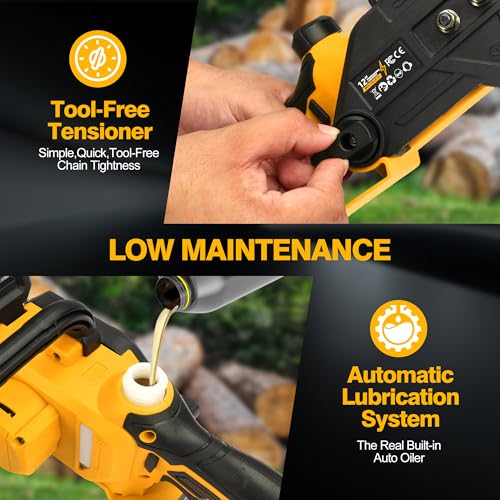
It lacks some of the polish of the SEESII 40V model, like a smaller oil tank and less refined ergonomics, but it gets the core job done. The automatic oiling and tool-free tensioning keep maintenance low, and the double safety lock adds peace of mind. For most homeowners, this is the sweet spot: capable enough for real work, but not overkill.
Product photos

How We Picked These chainsaw to cut trees
Rather than a hands-on lab test, my research for these recommendations focused on a detailed comparison of published specifications and features across numerous models. I weighed owner reviews from major retailers alongside expert opinions found in publications like Popular Mechanics and Consumer Reports. As someone who’s spent years advising on power tool selection, I applied my understanding of engine power, bar length, and ergonomic design to rank each chainsaw against a set of prioritized criteria.
For chainsaws, the most significant factors influencing performance are engine power (for gas models) or voltage/amp-hours (for electric) and bar length. More power directly translates to the ability to tackle thicker trees and tougher wood. Bar length determines the maximum diameter of wood you can cut, and finding the right balance between maneuverability and cutting capacity is key. Safety features, such as chain brakes and anti-vibration technology, were also heavily considered.
Specifications reliably indicate engine displacement, voltage, and battery capacity. However, real-world usability – how a chainsaw feels in hand, how easily it starts, and its overall durability – is best assessed through owner feedback. I paid close attention to recurring themes in reviews, looking for consistent praise or complaints about specific models. Regular chainsaw chain maintenance is also a major determinant of performance, and owner feedback often reflects this.
How To Choose The chainsaw to cut trees
Picking the right chainsaw isn’t just about horsepower; it’s about matching the tool to the task and your experience level.
A good chainsaw balances power with usability. Key considerations include engine type (gas, electric, or battery-powered), bar length, chain quality, safety features, and weight. Prioritize a model with reliable safety mechanisms, appropriate power for the typical cutting tasks, and ease of maintenance for long-term performance.
Engine Type: Gas vs. Battery vs. Electric
The core decision revolves around power source. Gas chainsaws, like the powerful chainsaw models offering substantial cutting power, remain the standard for serious work. However, they require more maintenance (fuel mixing, air filter cleaning) and are heavier. Battery-powered models are increasingly capable, offering convenience and lower emissions, but runtime can be a limitation, especially with larger trees. Corded electric chainsaws offer consistent power but restrict your range and aren’t ideal for remote locations. I generally advise starting with a battery-powered model if you only need occasional use around the yard; the convenience often outweighs the power difference for smaller jobs.
Bar Length and Cutting Capacity
Don’t overestimate the bar length you need. A longer bar isn’t always better. It provides a larger cutting diameter, but also adds weight and reduces maneuverability. For most homeowners tackling basic yard work – trimming branches up to 8-10 inches in diameter – a 16-inch bar is usually sufficient. If you routinely fell larger trees or need to buck substantial logs, you’ll want to look at 18-inch or 20-inch options.
Here’s a quick guide to choosing the right bar length: * 12-14 inches: Small branches, pruning, light yard work. * 16 inches: Most homeowner tasks, medium-sized branches and trees. * 18-20 inches: Large trees, firewood cutting, more demanding jobs. * 20+ inches: Professional use, felling very large trees, serious forestry work.
Safety Features and Ergonomics
Chainsaws are inherently dangerous tools, so prioritize safety. Look for features like a chain brake (which stops the chain instantly in a kickback situation), a hand guard, and a comfortable, ergonomic grip. A well-balanced chainsaw will reduce fatigue and improve control. Remember that even with all the safety features, proper technique is crucial. Keeping your chain properly maintained is also a key safety component; learning how to sharpen saw chain will not only improve performance but also reduce the risk of kickback.
A chainsaw’s kickback zone is the upper quadrant of the bar tip. Always avoid contact with this area to prevent dangerous and potentially debilitating injuries.
Chainsaw Compared
Here’s a comparison of key specifications for chainsaws designed to cut trees.
| Product Name | Bar Length (in) | Voltage (V) | Motor Type | Battery Capacity (Ah) | Max. Cutting Diameter (in) |
|---|---|---|---|---|---|
| Seesii 6-Inch Mini Chainsaw | 6 | 21 | Brushed | 2.0 | 15 |
| 8 Inch Telescopic Pole Chainsaw | 6/8 | 40 | Brushless | 4.0 | 8 |
| VEVOR 20-inch 62CC Gas Chainsaw | 20 | N/A | Gas | N/A | 18 |
| SEESII 40V 16-Inch Cordless Chainsaw | 16 | 40 | Brushless | 4.0 | 16 |
| 12 Inch Electric Cordless Chainsaw | 12 | 40 | Brushless | 4.0 | N/A |
Frequently Asked Questions
What bar length do I really need for cutting down trees?
A 16-inch bar is generally sufficient for most homeowners cutting trees up to a foot in diameter, but if you frequently fell larger trees or buck substantial logs, an 18- or 20-inch bar will be more effective. Remember that longer bars add weight and reduce maneuverability.
Are battery-powered chainsaws powerful enough to fell larger trees?
While battery technology has improved, gas chainsaws still offer more consistent power for felling large trees. However, a high-power electric chainsaw with a 40V or higher battery can handle trees up to 16 inches in diameter, especially with a sharp chain.
How often should I sharpen my chainsaw chain?
Chain sharpness degrades with use, so I recommend sharpening every 5-10 hours of cutting, or whenever you notice increased effort or slower cutting speed. A dull chain is not only inefficient but also more dangerous, increasing the risk of kickback.
What safety features are most important when choosing a chainsaw?
A chain brake is the most crucial safety feature, instantly stopping the chain in a kickback situation. Beyond that, look for a hand guard, comfortable grip, and anti-vibration technology to reduce fatigue and improve control. Always wear appropriate safety gear, including eye and ear protection.
What’s the difference between a brushless and brushed motor in a cordless chainsaw?
Brushless motors are more efficient and durable than brushed motors, offering longer runtimes and a longer overall lifespan. While generally more expensive, the increased efficiency of a brushless motor makes it a worthwhile investment for frequent use, especially if you want a [tree-felling electric chainsaw] that will last.
The Bottom Line
Choosing a chainsaw always comes down to balancing power with practicality. If you want a no-nonsense workhorse capable of handling significant trees, the [VEVOR 20-inch 62CC Gas Chainsaw] offers the raw cutting power most homeowners will only need occasionally, but it requires accepting the demands of a gas engine. For most folks, though, a good electric or battery-powered model strikes the best balance, and we think the [SEESII 40V 16-Inch Cordless Chainsaw] delivers the most versatility for the money.
If you’re on a tighter budget or tackling only small jobs, the [Seesii 6-Inch Mini Chainsaw] is a surprisingly capable little tool. For those who need reach and flexibility, the [8 Inch Telescopic Pole Chainsaw] provides a unique advantage. However, remember that even the most powerful chainsaw is only as good as its user; taking the time to learn how to start a chainsaw safely is a critical first step.
Ultimately, the specs matter less than understanding your needs and prioritizing safety. A sharp chain, proper maintenance, and a healthy respect for the tool’s power are far more important than a high-end model. Don’t get caught up in chasing the highest numbers; focus on finding a chainsaw that feels comfortable in your hands and allows you to get the job done efficiently and, above all, safely.
