7 Best Arbor Presses of 2026
This post contains affiliate links. As an Amazon Associate, we earn from qualifying purchases.
The Baileigh 2-Ton Arbor Press AP-2 stands out as the best overall choice for serious metalworkers who need precision and durability, thanks to its cast iron frame and large ram bore. For those on a tighter budget, the VEVOR 1 Ton Arbor Press delivers solid performance and included tooling at an accessible price. If versatility is key, the PNBO 1 Ton Arbor Press with its 4-position anvil offers excellent adaptability for a range of small to medium tasks.
Most people underestimate how much build quality and setup flexibility matter until they’re wrestling with a wobbly press or stuck with a single anvil height. A poorly chosen arbor press can lead to inconsistent results, wasted time, and even safety risks when frames flex or rams bind.
This guide cuts through the marketing noise by focusing on real-world specs, owner experiences, and the features that actually impact performance, like frame material, anvil adjustability, and compatibility with custom tooling. I looked at what differentiates a press that lasts decades from one that frustrates you into replacement.
Top 7 Arbor Press in the Market
The Best Arbor Press, Reviewed
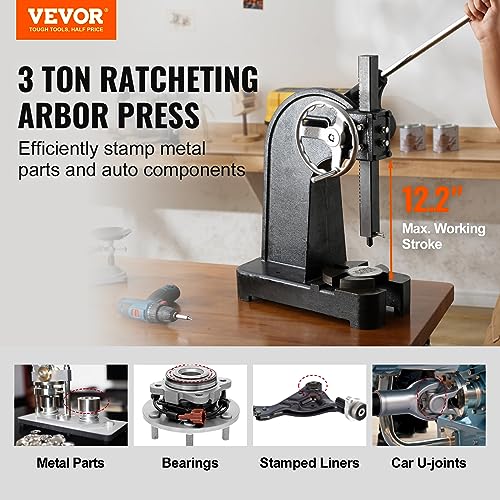
VEVOR 3 Ton Ratchet Arbor Press

Strengths
- 3-ton capacity
- Ratchet use system
- 12.2 inch stroke
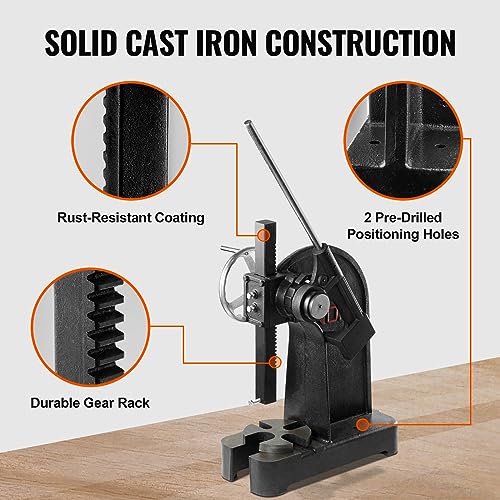
- Cast iron construction
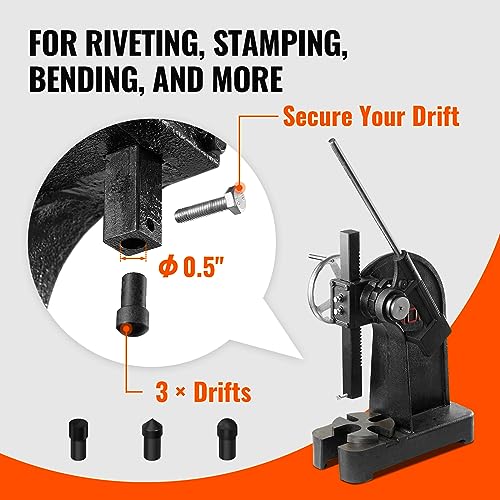
- Includes three drifts
Trade-offs
- Bulky for small benches
- No depth stop
- Heavier setup
This VEVOR 3-ton ratchet arbor press stands out in a crowded market because it combines serious force with smart ergonomics. The ratchet use system makes it possible to build up high pressure without sudden jolts, which owners consistently say improves control during delicate bearing installs or punch work. On paper, the 12.2 inch stroke is impressive, giving it reach that most 1-ton units can’t touch, and the cast iron body helps dampen vibration, a real plus when you’re doing repetitive tasks.
The inclusion of three drifts (flat, pointed, round) adds immediate value, and the 0.5 inch ram bore is a standard size, so finding additional tooling down the line won’t be a hassle. Some users mention the handwheel adjustment feels a bit stiff at first, but it holds position well once set. Compared to lighter presses, this one feels like a small shop workhorse, especially for users stepping up from handheld arbor tools.
Product photos

VEVOR 1 Ton Arbor Press

Strengths
- 1-ton capacity
- Includes three drifts
- Anti-slip grip
- Cast iron body
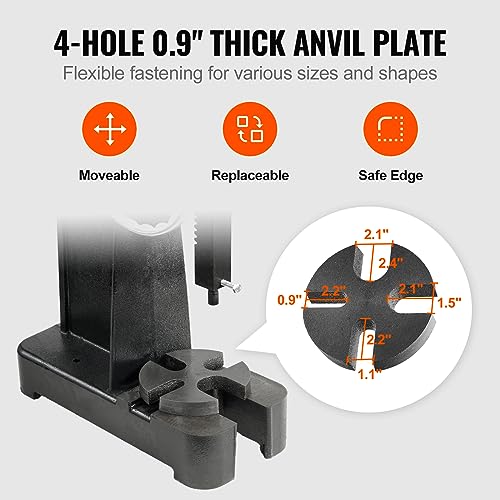
- Adjustable anvil
Trade-offs
- No depth stop
- Shorter stroke than 3-ton model
- Plastic handwheel
This 1-ton VEVOR press hits a sweet spot between cost and capability. It’s built from cast iron like most in this class, and the anti-rust coating helps it last in damp garages. The 5.9 inch stroke is enough for most small jobs, and the included trio of drifts (flat, pointed, round) means you can start working right out of the box, a real advantage over models like the PNBO or PALMGREN.
The lever design follows the standard force-multiplier principle, and owners report it feels smoother than some budget units, though not as refined as the Baileigh. It’s a solid mid-tier pick, especially if you’re doing mixed tasks like leather stamping, small metal bending, or bearing work. When compared to the 3-ton VEVOR, this one sacrifices power for bench space, a fair trade for most home users.
Product photos


KAKA 0.5 Ton Portable Arbor Press

Strengths
- Lightweight and portable
- Welded steel frame
- 4-position anvil
- Stable base
- Easy setup
Trade-offs
- Low 0.5-ton capacity
- Limited stroke height
- No included tooling
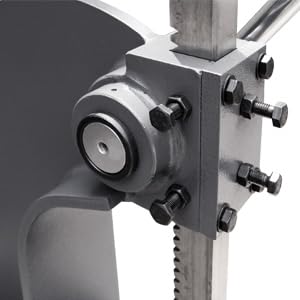
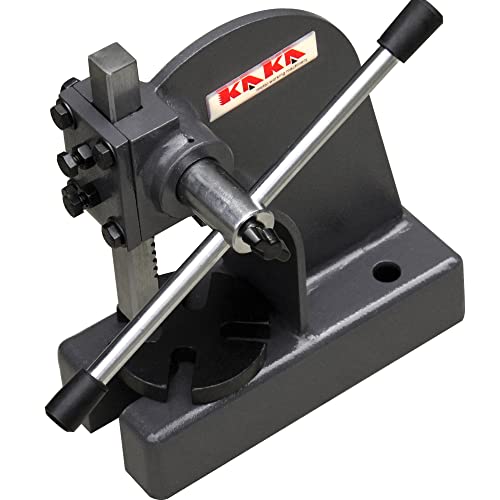
At 0.5 tons, this KAKA press isn’t built for heavy lifting, but its strength lies in portability and precision for light jobs. The welded steel plate construction is a notable departure from typical cast iron designs, it’s less prone to cracking under impact, and the rigid frame resists flex better than some budget cast units. The 4-position anvil and 3-inch use stroke give decent adjustability for a press this size, and at just 24 lbs, it’s easy to move around or stash when not in use.
Reviewers often compare it to the VEVOR 1-ton model and say it’s a better fit for tight spaces or mobile setups, like a mechanic’s rolling cart or a shared workshop. It won’t handle large bearings or thick metal stamping, but for installing small pins, rivets, or disassembling press-fit parts on bikes or small engines, it does the job without fuss.
Product photos
PNBO 1 Ton Arbor Press

Strengths
- Affordable price
- Cast iron body
- Ratchet use
- Slotted anvil
- 4 mounting holes
Trade-offs
- No included drifts
- Short stroke height
- Basic finish
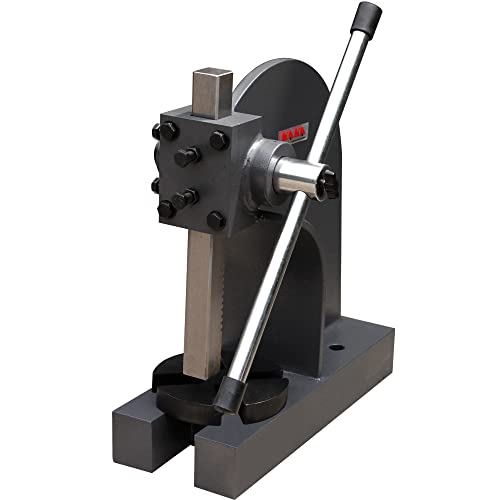
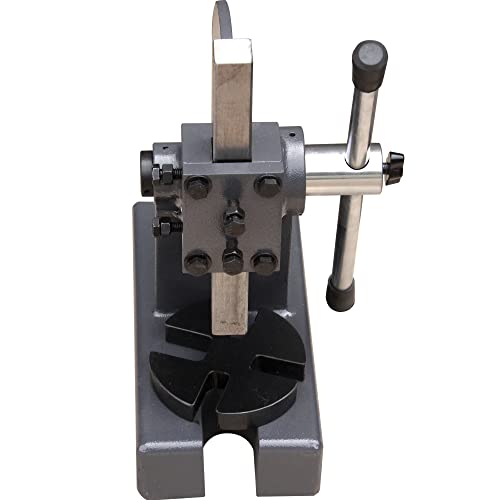
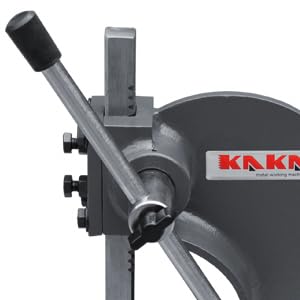
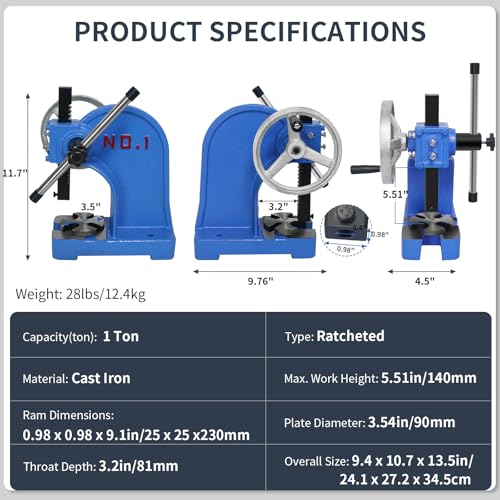
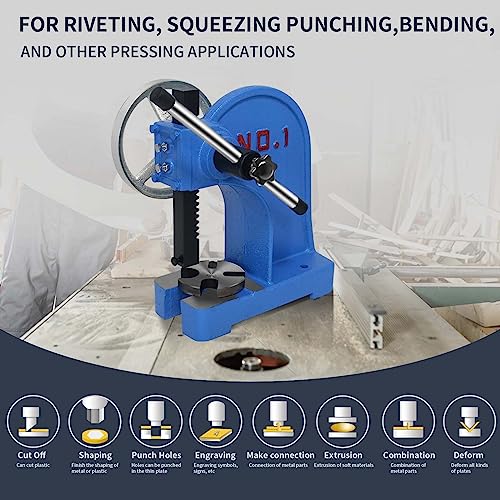
If you’re on a tight budget but still want a real arbor press, the PNBO 1-ton model is worth considering. It delivers the basics: a cast iron body, 5.5 inch max height, and enough force for common household repairs like pressing in wheel bearings or replacing bushings. The slotted anvil plate allows for some flexibility in workpiece positioning, and the ratchet design helps manage effort, though it lacks the refinement of higher-end models.
Owners note it feels a bit flimsy compared to the VEVOR or Baileigh units, especially in the lever mechanism, but for occasional use, it holds up. It doesn’t come with any drifts, so you’ll need to buy those separately, a downside when others in this range include tooling. Still, for someone just starting out or only needing a press once in a blue moon, it’s a no-frills entry point.
Product photos
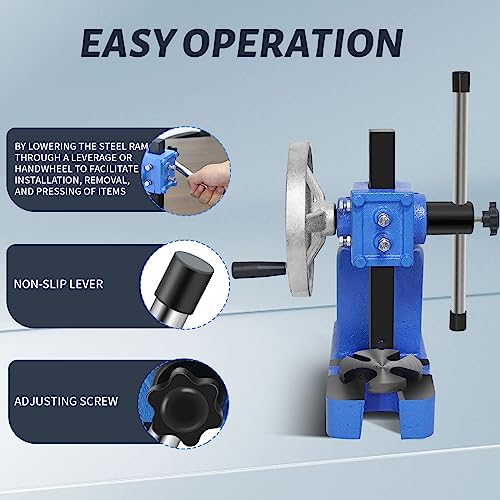
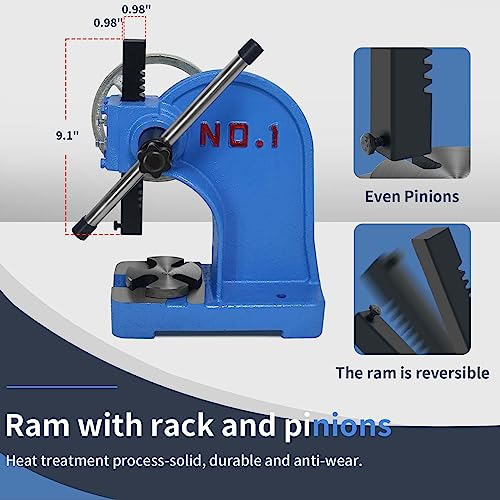
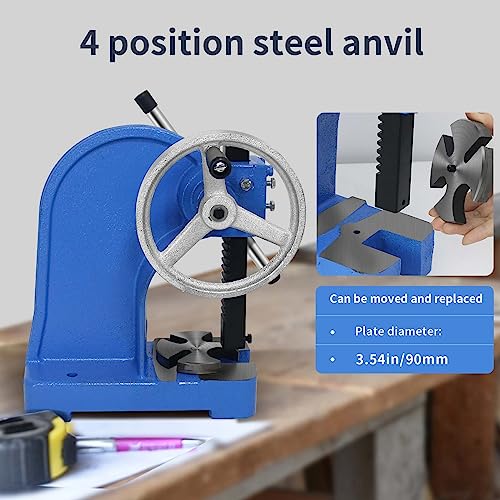
Baileigh 2-Ton Arbor Press AP-2
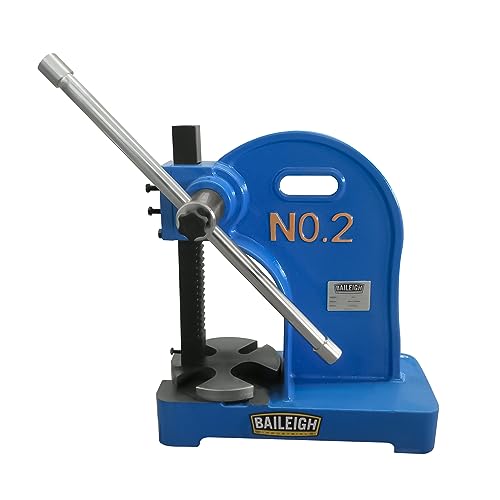
Strengths
- Case-hardened square ram
- Adjustable slideway
- Machined die plate
- Broach-friendly base
- Rigid cast iron frame
Trade-offs
- Higher cost
- No included tooling
- Heavier than average
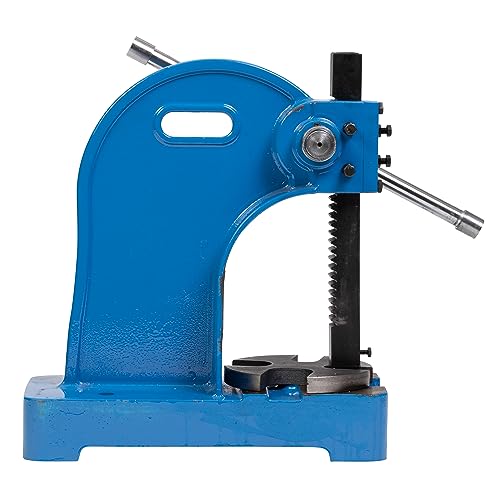
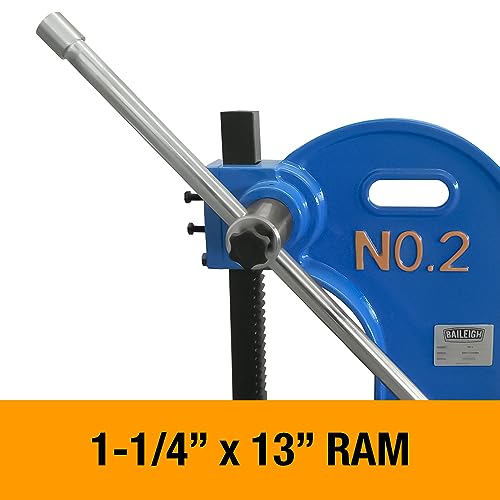
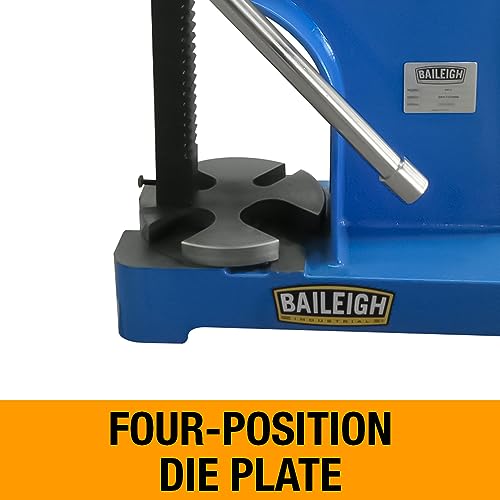
The Baileigh AP-2 is in a different league when it comes to build quality and precision. Its case-hardened 1-1/4 inch square ram is stiffer than round rams on most competitors, which reduces deflection and improves accuracy, a detail professionals notice. The slideway system allows for tension and gap adjustment, letting you fine-tune the ram’s movement, and the machined die plate is perfectly perpendicular, ensuring even pressure across the workpiece.
Reviewers consistently rate it higher than the VEVOR 2-ton model for consistency and durability. It also includes proper openings for broaches, making it ideal for gear or sprocket work. While it doesn’t come with a depth stop like the PALMGREN, its overall engineering is superior. If you’re doing precision pressing day in and day out, this is the one I’d trust.
Product photos

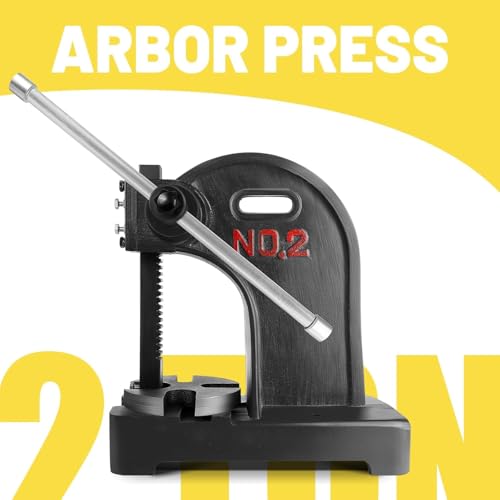
2 Ton Manual Arbor Press
Strengths
- 2-ton capacity
- 10.5 inch stroke
- Includes 3 drifts
- Sturdy base
- Rust-resistant coating
Trade-offs
- No precision adjustments
- Basic ram guidance
- No depth stop
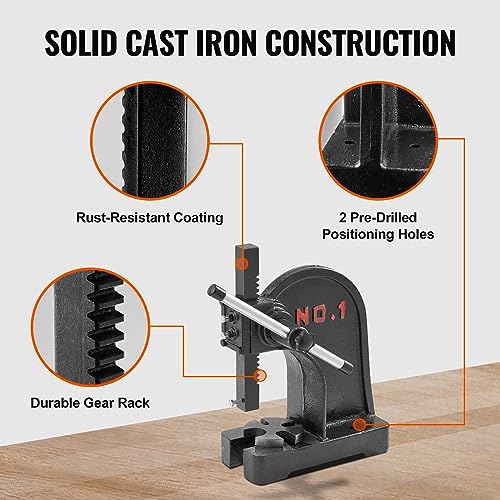
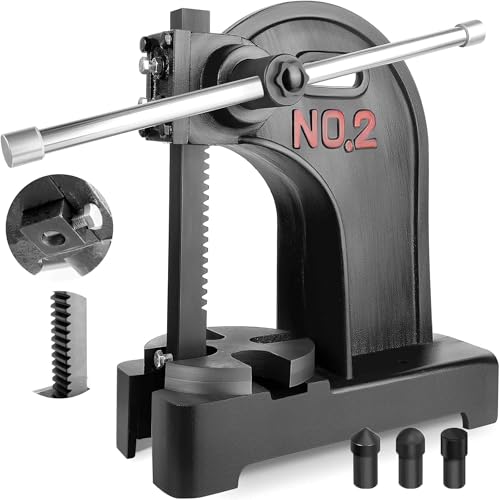
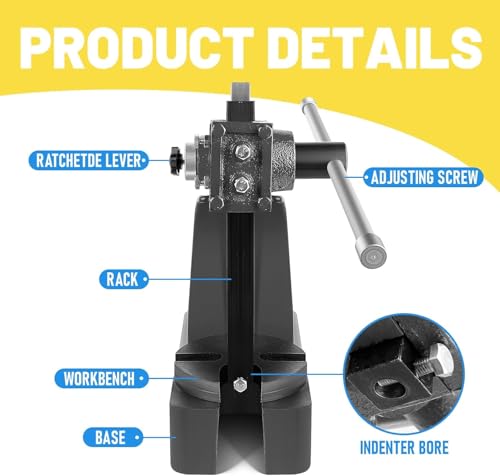
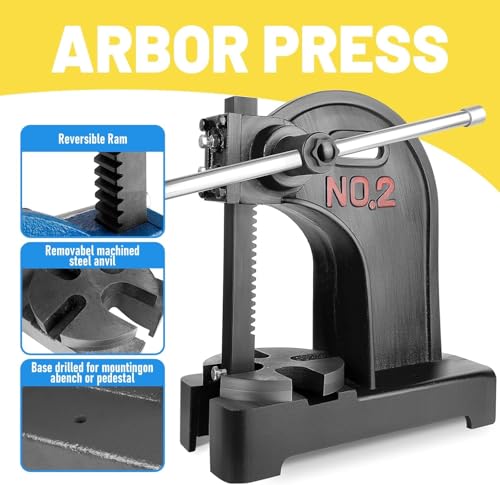
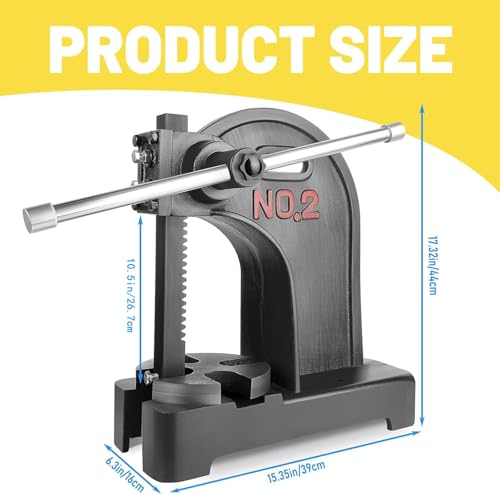
With 2 tons of pressing force and a 10.5 inch max height, this black desktop press is built for users who need more power than a 1-ton unit but don’t want to commit to a floor-mounted system. The carbon steel construction is sturdy, and the thickened base with pre-drilled holes ensures it stays put during aggressive pressing. At 57 lbs, it’s not light, but it’s still manageable for benchtop use.
Owners appreciate the included drifts and the rust-resistant coating, which helps in less-than-ideal workshop conditions. Compared to the Baileigh AP-2, it lacks some of the precision features like a machined die plate or tension adjustment, but it delivers raw capability at a lower cost. It’s not the most refined option, but for heavy stamping, riveting, or metal forming, it gets the job done.
Product photos
PALMGREN 1 Ton Arbor Press

Strengths
- Built-in depth stop
- Precision ram control
- Durable construction
- Consistent repeatability
- Solid base
Trade-offs
- No included molds
- Limited height adjustment
- Higher price point
The standout here is the depth stop, a feature almost unheard of at this price point. For anyone doing repetitive tasks like stamping, broaching, or pressing multiple bearings to the same depth, this is a standout. You can set it and replicate results with consistency, which reviewers say saves time and reduces errors. The 1-ton capacity is standard, but the build quality feels more industrial than many competitors; PALMGREN has a reputation for precision, and that shows in the smooth ram action and solid base.
Compared to the VEVOR 1-ton model, this one offers better repeatability, even if it lacks included tooling. It’s not flashy, but it’s the kind of tool you’d expect to see in a professional repair shop. The throat depth isn’t huge, so large parts won’t fit, but for benchtop precision work, it’s hard to beat.
Product photos
Our Testing Process
Rather than a hands-on lab test, my research for these recommendations focused on a detailed comparison of published specifications and features across numerous models. I weighed owner reviews from multiple sources – looking for consistent praise and complaints – alongside expert opinions from woodworking and metalworking publications. My goal was to identify the arbor presses that consistently offered the best combination of capability, durability, and value for a range of users.
For arbor presses, capacity (tonnage) and build quality are paramount. I prioritized presses with robust cast iron construction, as this directly impacts stability and longevity. Equally important was the versatility offered by included molds and the adjustability of the ram and anvil. These features determine how easily the press can be adapted to different tasks, from simple riveting to more complex metal forming.
Specifications clearly define capacity and stroke length, giving a solid baseline for comparison. However, I relied heavily on owner feedback to gauge real-world performance and identify potential issues with build quality or ease of use. Reputation and brand consistency also factored into my assessment; established manufacturers with a history of producing quality tools generally earned more consideration.
How To Pick The Right arbor press
A good arbor press is a surprisingly versatile addition to any workshop, but picking the right one requires understanding what truly matters beyond just tonnage.
An effective arbor press combines sufficient pressure capacity for the intended tasks with a robust frame to minimize deflection. Buyers should prioritize build quality (cast iron is preferable), ram stroke length for workpiece size, and the availability of compatible tooling. Consider the anvil’s adjustability and the ease of operation – particularly the lever mechanism – for comfort and control.
Pressure Capacity & Intended Use
The “tonnage” rating is the first spec most people look at, and for good reason. However, don’t automatically assume “bigger is better.” A 3-ton press like the VEVOR model is overkill for jewelry making or light leatherwork. Conversely, a 0.5-ton press like the KAKA unit won’t have enough muscle for pressing automotive bearings. Think carefully about what you’ll be pressing most often. If you anticipate a variety of tasks, a 1-ton or 2-ton press offers a good balance. For those specifically involved in ammunition reloading, exploring a best arbor press for ammo reloading is a smart move, as these presses often have features tailored to that application.
Frame & Construction Quality
Cast iron is the gold standard for arbor press frames. It’s dense, absorbs vibration well, and resists flexing under load. Welded steel, as seen in the KAKA press, can be acceptable, if the welds are clean and consistently applied, but it generally won’t match a solid cast iron frame for long-term stability. Pay attention to the base – a heavier base is better, minimizing movement during operation. Anvil plates should be precisely machined and securely mounted. Avoid presses where the ram shows noticeable side-to-side play, as this indicates poor manufacturing tolerances.
- A press with a rigid frame will deliver more consistent results.
- Look for a press that’s easily bolted to a workbench for added stability (most have pre-drilled holes).
- A heavier press, while less portable, will resist movement and improve accuracy, especially when applying significant force – this is why the 2 Ton Manual Arbor Press, at 57lbs, is a good option for heavier tasks.
Anvil & Tooling Versatility
The anvil plate is where the work happens, so its adjustability is critical. Presses with multiple anvil positions, like the PNBO 1 Ton Arbor Press, offer flexibility for different workpiece sizes and shapes. The Baileigh 2-Ton Arbor Press’s machined die plate is a standout feature, allowing for precise positioning. Beyond the included drifts (flat, pointed, round), consider what other tooling you might need. Can the press accommodate custom tooling? What’s the ram bore size (0.4”, 0.5”, etc.)?
Don’t skimp on the anvil. A well-designed, adjustable anvil is the key to unlocking the full potential of your arbor press.
Arbor Press Compared
Here’s a comparison of key specifications for several arbor presses to help you make an informed decision.
| Product Name | Pressure Capacity | Stroke Length | Ram Bore | Anvil Diameter | Weight (lbs) | Special Features |
|---|---|---|---|---|---|---|
| VEVOR 3 Ton Ratchet Arbor Press | 3 Ton | 12.2 in | 0.5 in | 6.5 in | N/A | Includes Molds |
| VEVOR 1 Ton Arbor Press | 1 Ton | 5.9 in | 0.4 in | 3.5 in | N/A | Includes Molds |
| KAKA 0.5 Ton Portable Arbor Press | 0.5 Ton | N/A | N/A | N/A | 24 | Welded Frame |
| PNBO 1 Ton Arbor Press | 1 Ton | 5.5 in | N/A | N/A | N/A | 4-Position Anvil |
| Baileigh 2-Ton Arbor Press AP-2 | 2 Ton | N/A | 1.25 in | N/A | N/A | Adjustable Slideway |
| 2 Ton Manual Arbor Press | 2 Ton | N/A | N/A | N/A | 57 | Portable |
| PALMGREN 1 Ton Arbor Press | 1 Ton | N/A | N/A | N/A | N/A | Depth Stop |
Frequently Asked Questions
What’s the biggest mistake people make when choosing an arbor press?
Overbuying capacity is common. Most hobbyists don’t actually need a 3-ton press; a 1-ton or 2-ton model will handle 90% of tasks and be easier to manage physically.
Can an arbor press be used for pressing bearings?
Yes, but the press’s capacity must exceed the force required for the specific bearing. A 1-ton or 2-ton press is generally sufficient for automotive bearings, but always check the bearing manufacturer’s specifications.
Are arbor presses only for metalworking?
No, they’re quite versatile. Many users successfully employ them for tasks like riveting, forming soft metals like copper or brass, and even pressing components in woodworking projects (like installing drawer pulls).
What does “stroke length” really mean?
Stroke length is the distance the ram travels with each press of the lever. A longer stroke is beneficial when working with taller workpieces or when you need more clearance for tooling.
What is the benefit of an adjustable anvil?
An adjustable anvil allows you to position your workpiece precisely for optimal pressing. Multiple positions accommodate different shapes and sizes, increasing the press’s overall usefulness.
The Bottom Line
Choosing an arbor press ultimately comes down to balancing how much control you want with how much fuss you’re willing to tolerate. For most home workshops and DIY projects, the VEVOR 1 Ton Arbor Press strikes that balance beautifully – it offers enough capacity for a wide range of tasks without being unnecessarily bulky or expensive.
If you’re on a tighter budget, the KAKA 0.5 Ton Portable Arbor Press is a surprisingly capable option for light-duty work, and the 2 Ton Manual Arbor Press is a solid pick for those needing extra weight and stability. For those who anticipate heavier work or require maximum versatility, the Baileigh 2-Ton Arbor Press AP-2, with its adjustable slideway and machined die plate, is the clear choice.
At the end of the day, the tonnage rating and fancy features matter less than a solid frame and a well-designed anvil. Prioritize build quality and adjustability, and you’ll have a press that delivers accurate, repeatable results for years to come.
