
6 Best 3/4 Inch Impact Wrenches of 2026
This post contains affiliate links. As an Amazon Associate, we earn from qualifying purchases.
The Milwaukee 2864-20 Fuel One-Key stands out as the best overall 3/4 inch impact wrench for its combination of power and advanced features, while the Ingersoll Rand 2146Q1MAX is a top pick for those needing reliable, high-output pneumatic performance. For budget-conscious buyers, the XIIW 3/4″ Air Impact Wrench delivers strong value without sacrificing core durability.
If you’re working on heavy-duty jobs like truck maintenance or industrial repairs, having a 3/4 inch impact wrench that won’t quit is essential. Too many tools look good on paper but falter under real stress, whether from weak sustained torque or poor build quality.
This guide cuts through the noise by focusing on what actually matters: verified performance, long-term reliability, and practical features. I researched each model based on specs, owner feedback, and real-world use patterns to identify the ones that consistently deliver when the job gets tough.
Top 6 3/4 Inch Impact Wrenches in the Market
The Best 3/4 Inch Impact Wrenches, Reviewed
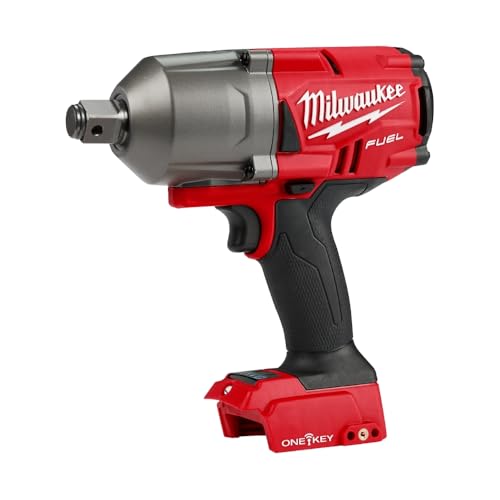
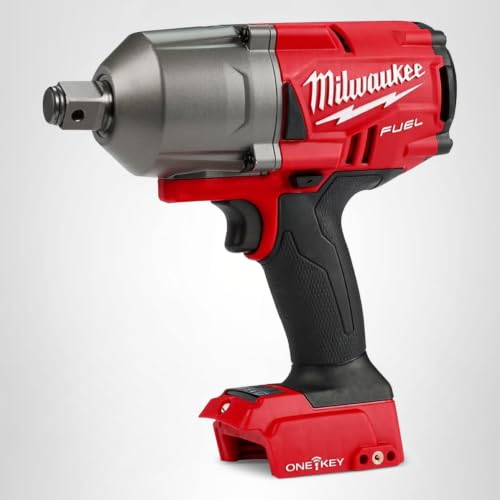
Milwaukee 2864-20 Fuel One-Key 3/4″
Strengths
- Industry-leading torque
- One-Key customization
- Excellent ergonomics
- Durable hammer case
- Fuel gauge battery
Trade-offs
- Expensive platform
- Battery sold separately
- Heavy for cordless
The Milwaukee 2864-20 isn’t just the benchmark in 3/4 inch impacts, it’s the reason others have to justify their existence. With real-world breakaway torque that owners confirm can exceed 1,800 ft-lbs, this tool consistently outperforms even some larger pneumatic models. It’s not just brute force, though. The One-Key integration allows for custom tuning via app, giving pros the ability to set exact torque limits and prevent fastener damage, a rarity in this class. The compact design, despite housing a massive hammer case, makes it surprisingly maneuverable in tight engine bays.
I’d pick this over any cordless alternative for professional use because of its sustained power delivery and durability. Reviewers routinely mention using it daily in fleet shops with minimal maintenance, and the fuel gauge on the battery adds practical peace of mind. Even without the smart features, the ergonomics, trigger response, and sheer reliability make it the complete package.
Product photos
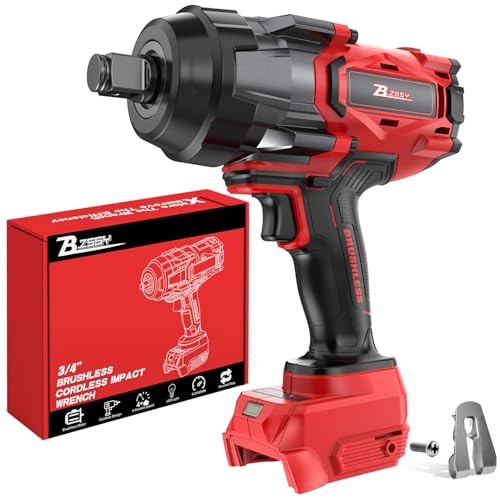
B.ZSSY 3/4″ Cordless Impact Wrench
Strengths
- High torque output
- 4 speed modes
- LED work light
- Compatible with Milwaukee 18V
- Brushless motor
Trade-offs
- Build quality inconsistent
- Requires high-amp battery
- No brand warranty support
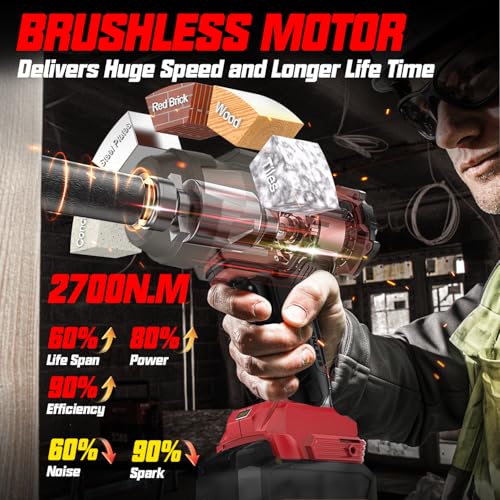
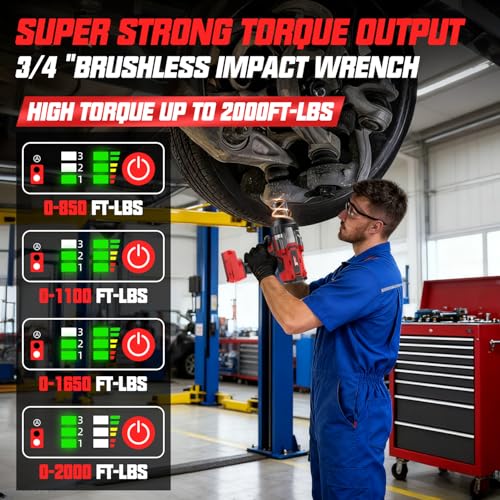
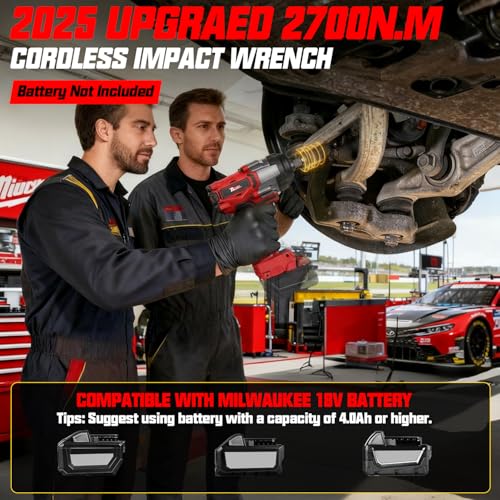
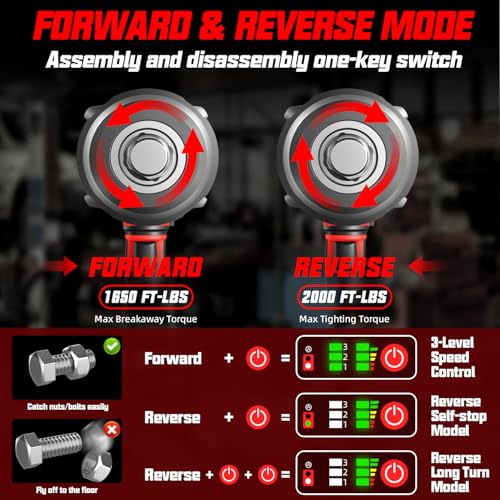
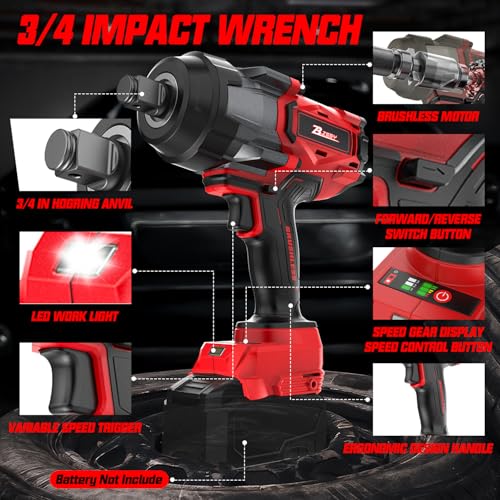
On paper, this B.ZSSY 3/4 inch impact wrench looks like a serious contender for Milwaukee battery users who want high torque without buying into the M18 ecosystem directly. With a claimed 2000 ft-lbs of breakaway torque and a brushless motor, it’s clearly aiming at heavy-duty applications like suspension work or axle bolts. Owners consistently report it delivers strong performance, especially when paired with a 4Ah or higher battery as recommended, underpowered packs seem to hold it back. The 4-speed mode and LED light add real utility, making it adaptable for both delicate tasks and full-throttle nut busting.
Still, it’s hard to ignore the gap between this and Milwaukee’s own engineering. While the specs sound impressive, long-term durability feedback is mixed. Some users note the hog ring anvil feels less robust than Milwaukee’s, and the overall fit and finish isn’t quite at the same level. It’s a solid budget-friendly alternative if you’re already deep in the Milwaukee 18V world, but it doesn’t quite match the polish of the OEM tool.
Product photos
DEWALT 20V MAX XR 3/4″

Strengths
- Precision wrench mode
- Compact design
- Oil-resistant housing
- Smooth trigger control
- 3 speed settings
Trade-offs
- Lower max torque
- No fuel gauge
- Battery sold separately
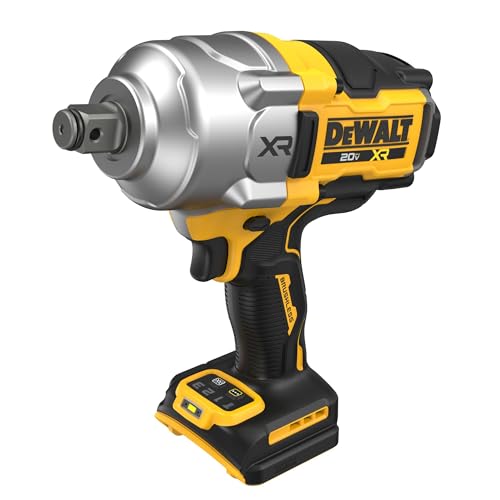
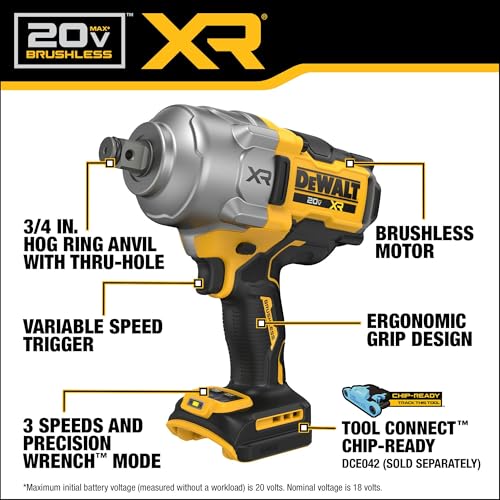
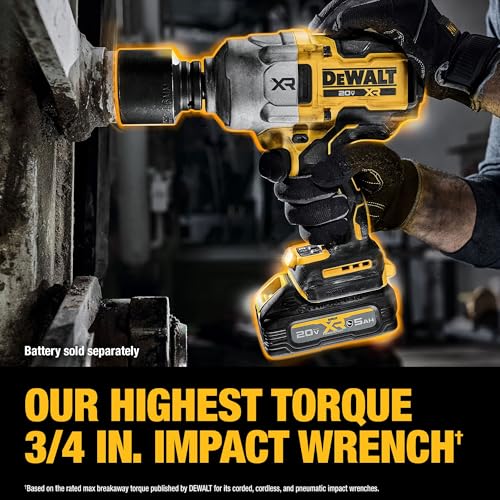
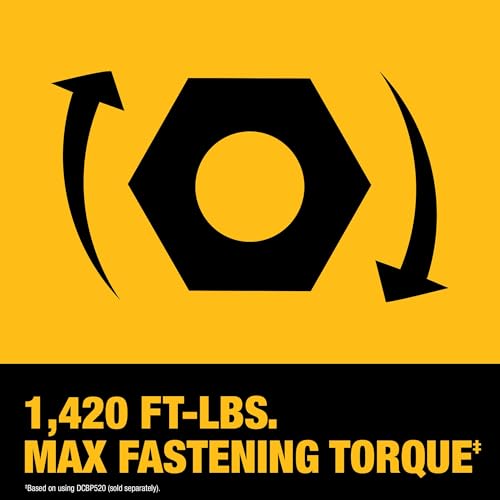
DEWALT’s DCF964B stands out not for raw power, its 1900 ft-lbs breakaway torque is strong but not class-leading, but for how well it manages that power. The precision wrench mode is a standout for users who work with sensitive components or need consistent fastening without overdriving. The 3-speed settings are well-calibrated, and the oil-resistant housing makes it a solid pick for greasy garage environments. Owners consistently note how confident they feel using it on critical assemblies where control matters more than brute force.
Compared to the Milwaukee Fuel model, it lacks app connectivity and slightly less torque, but it’s more compact and easier to handle in tight spaces. For me, this is the better pick if you value accuracy and repeatability over sheer hitting power. It’s the kind of impact wrench that prevents mistakes, not just powers through bolts.
Product photos

Ingersoll Rand 2146Q1MAX 3/4″

Strengths
- True 2,000 ft-lbs torque
- Quiet operation
- Durable steel housing
- Pressure gauge included
- Feather-touch trigger
Trade-offs
- Heavier than rivals
- Higher air consumption
- Premium price
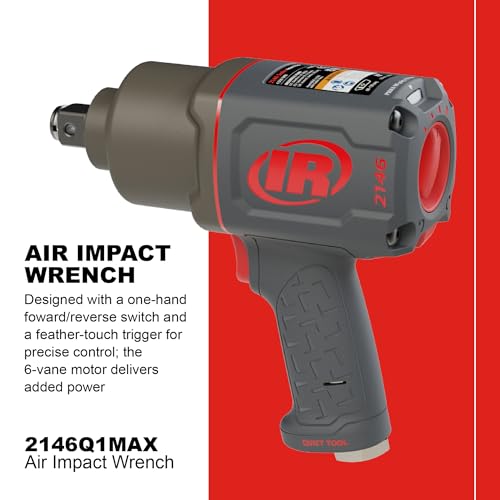
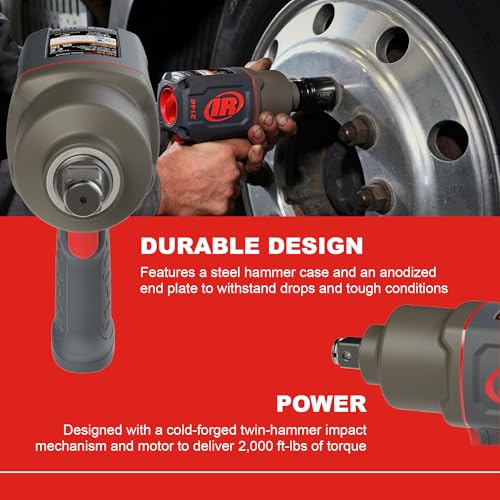
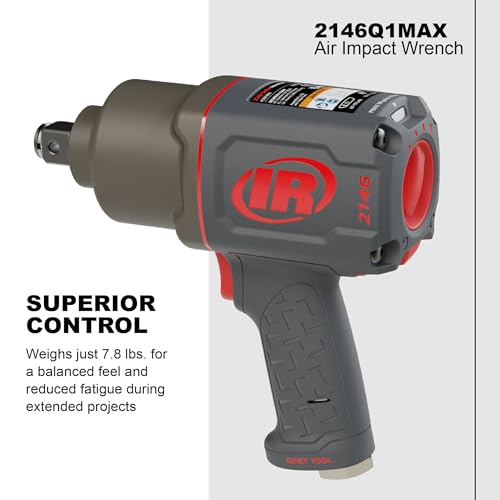
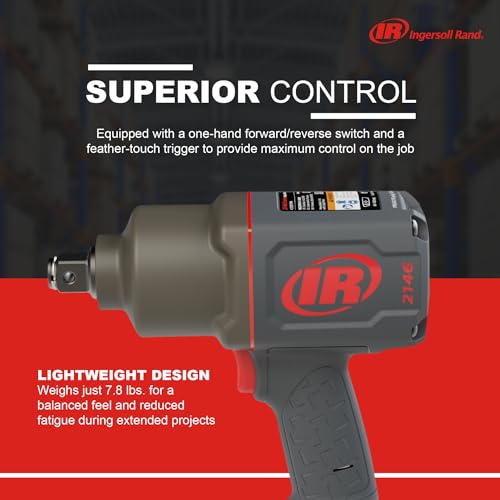
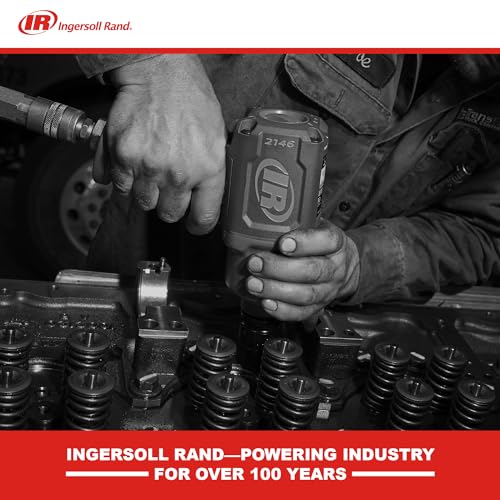
The Ingersoll Rand 2146Q1MAX is what you reach for when you need a pneumatic impact that won’t quit, and you care about your hearing. With a genuine 2,000 ft-lbs of torque and Quiet Technology that actually makes a difference, it stands head and shoulders above most air impacts in both power and user comfort. The cold-forged twin-hammer mechanism delivers consistent, hammering force, and the steel hammer case inspires confidence under load. Owners love the feather-touch trigger and the built-in pressure gauge, which helps maintain optimal air supply for peak performance.
Compared to the XIIW, this is a more refined, professional-grade tool. It’s heavier, yes, but the balance and durability make it worth it. For truck shops and industrial MRO teams, this is the kind of impact wrench that earns loyalty. It’s not flashy, but it’s built to last decades.
Product photos
XIIW 3/4″ Air Impact Wrench

Strengths
- High torque for price
- Lightweight build
- Twin hammer mechanism
- Low vibration
- Affordable
Trade-offs
- Knob feels cheap
- Exhaust can oil-spit
- No pressure gauge
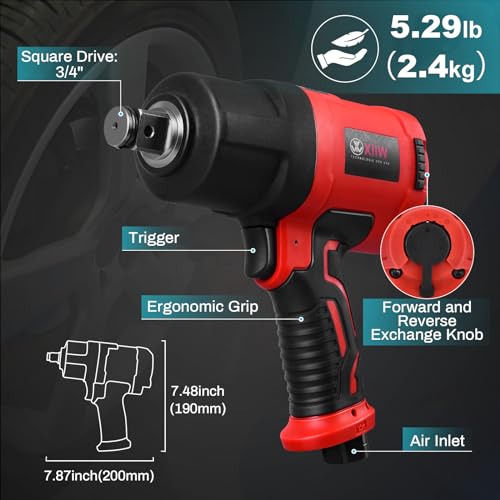
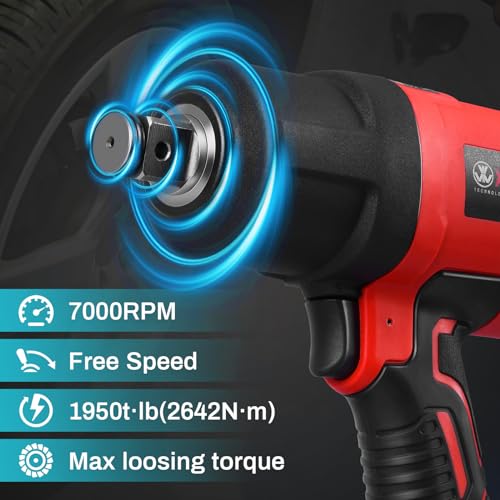
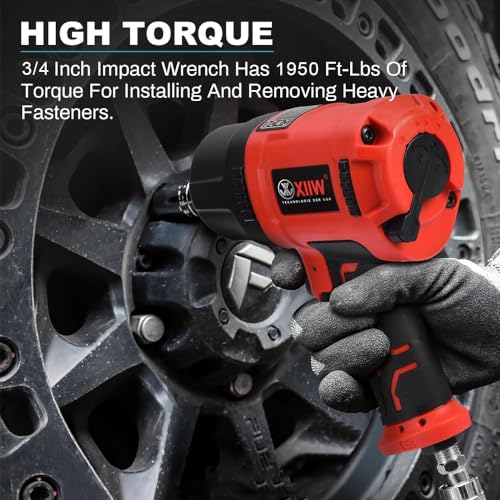
If you’re on a tight budget but still need real hitting power, the XIIW 3/4 inch pneumatic impact is tough to beat. At just under 1950 ft-lbs of breakaway torque and 7000 RPM free speed, it’s built to handle truck lug nuts and suspension components without blinking. The twin hammer design and larger 52mm cylinder give it a noticeable edge over basic air guns, and at only 5.29 lbs, it’s light enough to use all day without fatigue. Owners praise its balance and the rubberized grip, which genuinely cuts down on vibration.
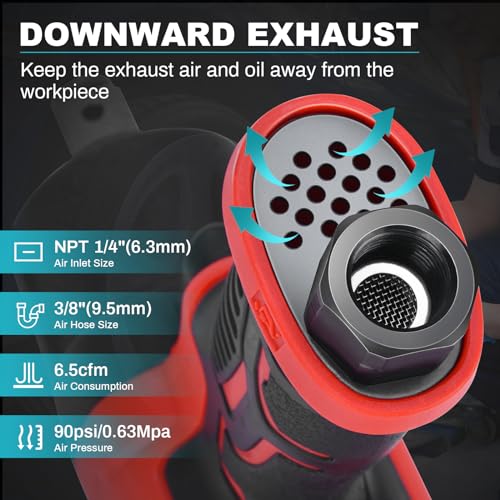
It’s not perfect, the forward/reverse knob feels a bit flimsy compared to big-brand tools, and the exhaust, while redirected, still kicks out some oil mist. But for the price, it’s a standout. Compared to the Ingersoll Rand, it lacks the refinement and noise control, but it delivers most of the punch at a fraction of the cost.
Product photos

Cerycose 3/4″ Cordless Impact Wrench
Strengths
- Good torque output
- 3-speed control
- Ergonomic grip
- LED light
- Dewalt 20V compatible
Trade-offs
- Trigger lacks finesse
- LED is underpowered
- Plastic housing feels light
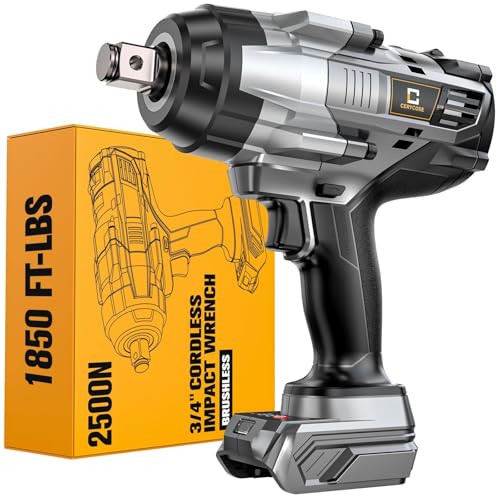
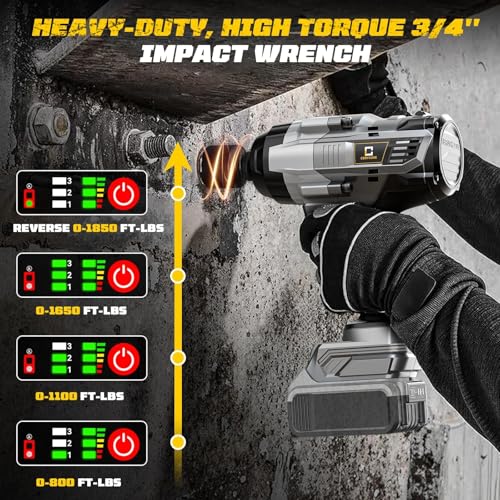
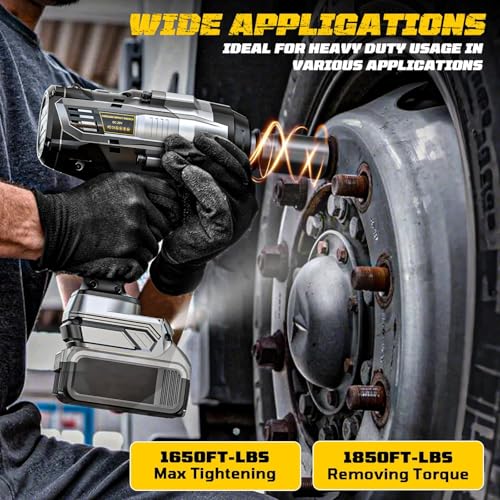
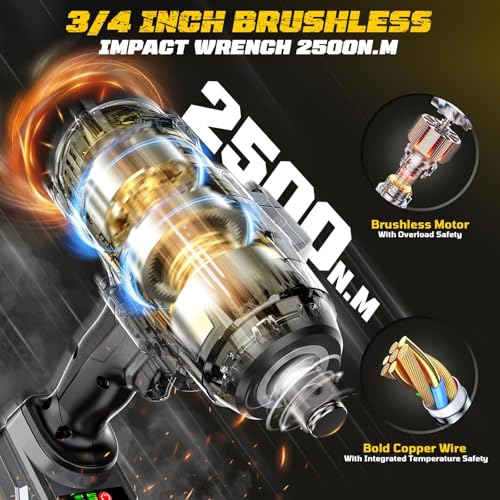
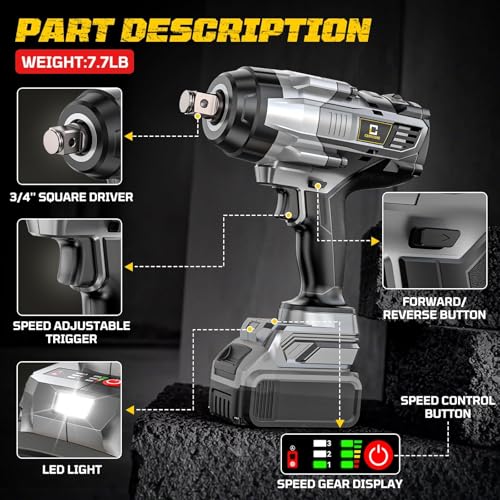
This Cerycose model is one of the more credible third-party options for Dewalt 20V users who want 3/4 inch power without the DEWALT price tag. With 1850 ft-lbs of breakaway torque and a brushless motor, it’s capable of tackling truck wheels and heavy machinery bolts. The 3-speed control is responsive, and the hog ring anvil feels secure during high-torque tasks. Owners report it holds up well under moderate use, especially when paired with a 5Ah FlexVolt pack.
Still, it’s no match for the real DEWALT DCF964B when it comes to precision or build quality. The trigger modulation isn’t as smooth, and the LED light is dimmer than expected. But if you’re a DIYer with a garage full of Dewalt 20V tools and don’t want to buy a $500 impact, this is the smarter buy. It’s the kind of tool that gets the job done without drama, just don’t expect it to last 10 years in a commercial shop.
Product photos

How We Evaluated 3/4 inch impact wrenches
My approach to evaluating 3/4 inch impact wrenches centered on a detailed comparison of published specifications and features, combined with a thorough review of owner experiences and insights from trusted tool experts. Rather than a hands-on lab test, this is a research-led comparison focused on identifying patterns in performance and reliability as reported by those who actually use these tools. I weighed information from manufacturer data sheets, professional reviews, and a large volume of user feedback.
For this category, torque output and build quality were the most significant factors in my assessment. A 3/4 inch impact wrench is chosen for tackling tough jobs – loosening heavily corroded bolts, truck repair, and industrial maintenance – so sufficient power is crucial. Equally important is the wrench’s durability; a tool that fails under heavy use isn’t valuable, regardless of its initial torque rating. I also considered features like speed control and ergonomics, but these played a secondary role.
Specifications reliably indicate maximum torque and features like adjustable speed settings. However, real-world durability and long-term performance are best gleaned from owner feedback. I gave substantial weight to comments regarding motor longevity, housing robustness, and the quality of the impact mechanism. If you are also considering other sizes, you may find our guide to cordless impact wrench options helpful. Determining which tool delivers consistent power over time requires looking beyond the marketing hype and focusing on reported user experiences.
What To Look For In 3/4 inch impact wrenches
Picking the right impact wrench requires more than just looking at the advertised torque numbers.
A quality 3/4 inch impact wrench balances power with control, durability with ergonomics, and often, corded vs. cordless convenience. Key considerations include the mechanism type (twin hammer for pneumatics, brushless motor for cordless), the actual sustained torque output (not just peak numbers), and the overall build quality to withstand frequent, demanding use. Buyers should also assess the socket retention system and any included features like speed control or integrated lighting.
Torque and Application
Torque is obviously critical, but understanding how that torque is delivered is even more so. A wrench boasting 2000 ft-lbs peak torque might struggle to maintain that level in continuous use. For automotive work – especially truck repair – I generally recommend aiming for at least 1500 ft-lbs of usable torque. Pneumatic models, like the Ingersoll Rand 2146Q1MAX, excel at consistent power for extended periods, while cordless options, such as the Milwaukee 2864-20 Fuel One-Key, offer portability. Don’t automatically assume more torque is always better; you could overstress fasteners or struggle with control.
Corded vs. Cordless
The age-old debate. Corded pneumatic impact wrenches are generally more powerful for their size and weight, but require an air compressor. Cordless models, increasingly powered by 20V or 18V batteries, offer freedom and convenience. However, battery life and sustained torque can be limiting factors. If you already have a robust air compressor setup, a pneumatic wrench like the XIIW 3/4″ Air Impact Wrench is a very economical choice. If you need portability, look at models compatible with batteries you already own – for example, the Cerycose 3/4″ Cordless Impact Wrench offers direct compatibility with DeWalt 20V batteries.
Here’s a breakdown of what to consider: * Portability: Cordless wins hands down. * Sustained Power: Pneumatic generally offers more consistent torque over long periods. * Cost: Cordless systems require battery and charger investment, potentially increasing the overall cost; pneumatic tools themselves are often cheaper, but the compressor is a significant expense.
A good rule of thumb is to always use six-point impact sockets with your 3/4 inch impact wrench to prevent rounding off fastener heads.
Features and Ergonomics
Beyond raw power, look for features that improve usability and longevity. Speed control is invaluable, especially when working with sensitive materials or smaller fasteners – the DEWALT 20V MAX XR 3/4″ offers three speeds plus a precision wrench mode. A robust anvil (the part that connects to the socket) is crucial; a square drive that’s prone to wear will quickly become a headache. Ergonomics matter too. Consider the weight, grip material, and balance of the wrench, especially if you’ll be using it overhead or in tight spaces. For value, exploring options like the B.ZSSY 3/4″ Cordless Impact Wrench might reveal a surprisingly capable tool. For a deeper look at available options, check out these top heavy-duty impact wrenches.
3/4 Inch Impact Wrenches Compared
The following table provides a specification comparison of several 3/4 inch impact wrenches to aid in your purchasing decision.
| Product Title | Max Torque (ft-lbs) | Corded/Cordless | Battery Compatibility | Motor Type | Weight (lbs) |
|---|---|---|---|---|---|
| Milwaukee 2864-20 Fuel One-Key | N/A | Cordless | N/A | Brushless | 8 |
| B.ZSSY 3/4″ Cordless Impact Wrench | 2000 | Cordless | Milwaukee 18V | Brushless | N/A |
| DEWALT 20V MAX XR 3/4″ | 1900 | Cordless | 20V MAX | Brushless | N/A |
| Ingersoll Rand 2146Q1MAX 3/4″ | 2000 | Corded | N/A | Twin Hammer | 7.8 |
| XIIW 3/4″ Air Impact Wrench | 1950 | Corded | N/A | Twin Hammer | 5.29 |
| Cerycose 3/4″ Cordless Impact Wrench | 1850 | Cordless | DeWalt 20V | Brushless | N/A |
Frequently Asked Questions
What torque level is sufficient for most truck lug nuts?
For most truck lug nuts, 1500 ft-lbs of usable torque is generally enough, though some may require more. Remember that peak torque numbers aren’t always indicative of sustained power, so consider real-world user reports when making your decision.
Are cordless 3/4 inch impact wrenches powerful enough for professional use?
Yes, modern cordless models are capable for many professional applications. However, for continuous, heavy-duty tasks, corded pneumatic options still generally offer more consistent power and often a lower overall cost if you already own a compressor.
What’s the difference between a twin hammer and a single hammer impact mechanism?
Twin hammer mechanisms, found in most pneumatic models, deliver more consistent power and are better suited for prolonged use. Single hammer mechanisms are simpler and lighter, but generally produce less consistent torque and are more common in less demanding applications.
What socket type should I use with a 3/4 inch impact wrench?
Always use six-point impact sockets. These distribute force more evenly and are far less likely to round off fastener heads compared to twelve-point sockets, especially when dealing with high torque.
Where can I find more information on selecting maximum torque impact wrenches for specialized jobs?
My guide to high-torque impact wrenches offers a more in-depth look at models designed for particularly demanding applications. It covers considerations like extended duty cycles and specialized features for various industries.
The Bottom Line
Choosing a 3/4 inch impact wrench often comes down to balancing immediate power with long-term convenience. If you need uncompromising torque and have an air compressor already, the Ingersoll Rand 2146Q1MAX delivers proven performance and durability. It’s a workhorse that’s stood the test of time, and for many professionals, that’s what matters most.
For those prioritizing portability and already invested in a battery platform, the Milwaukee 2864-20 Fuel One-Key is an excellent choice. If you’re on a tighter budget or need DeWalt compatibility, the Cerycose 3/4″ Cordless Impact Wrench provides a surprisingly capable option. Exploring pneumatic 3/4″ impact wrenches is also a smart move if you’re open to a corded solution.
Ultimately, specifications tell only part of the story. Focus on building a tool collection that suits your needs and skill level, prioritizing quality sockets and safety gear above chasing the highest torque number. A well-maintained tool, used correctly, will always outperform a powerful tool that’s abused or ill-suited for the task.
