6 Best Zesting Tools of 2026
This post contains affiliate links. As an Amazon Associate, we earn from qualifying purchases.
The Microplane Classic Twin Pack Zester is the overall best choice for most home cooks, thanks to its razor-sharp photo-etched blade and reliable performance. If you’re watching your budget, the Spring Chef Stainless Steel Zester delivers solid results at a lower price. For those who want convenience, the Dreamfarm Ozest stands out with its self-cleaning design.
Zesting should be quick and clean, but a dull or awkward tool can turn it into a messy chore that risks your fingers. Too many zesters either tear the peel, clog easily, or feel unstable in hand.
This guide cuts through the clutter by focusing on what matters: sharpness, build quality, safety, and real-world usability. I researched top models based on specs, owner feedback, and years of working with kitchen tools to help you pick one that actually works well and lasts.
Top 6 Zesting Tools in the Market
The Best Zesting Tools, Reviewed
Dreamfarm Ozest Self-Cleaning Zester
Strengths
- Self-cleaning pop button
- Fluffy, fine zest
- Blade cover doubles as measurer
Trade-offs
- Higher price point
- Limited grating surface
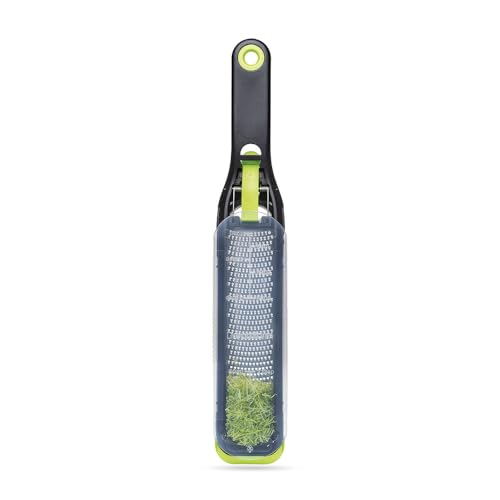
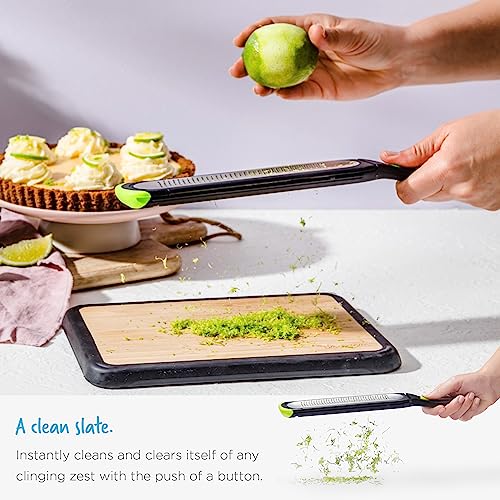
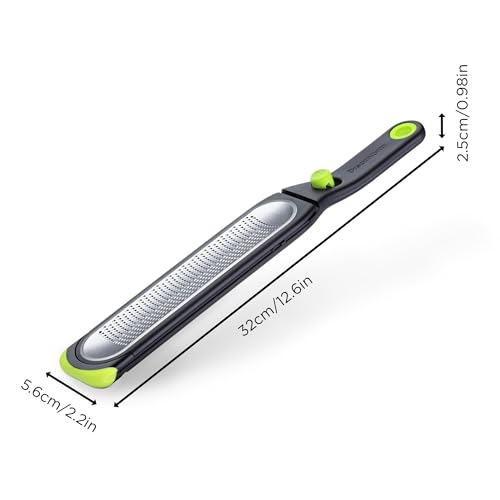
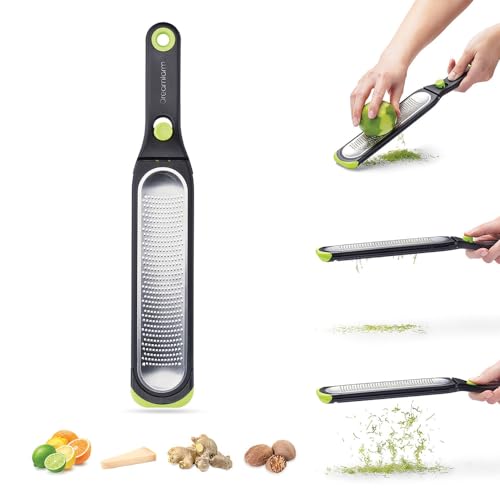
The Dreamfarm Ozest is the most thoughtful redesign of the zester I’ve seen in years. Its pop-button self-cleaning feature actually works, push the lever, and the trapped zest clears in one go. No more picking fibers out of tiny holes. The concave design increases contact with the fruit, so zesting is faster and safer, with less wrist strain.
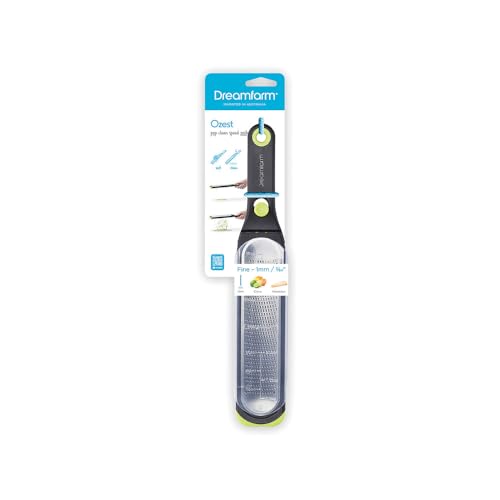
With 441 photo-etched blades, it produces the fluffiest, most aromatic zest I’ve seen outside a professional kitchen. The cover doubles as a 2-tbsp measuring cup, which is genius for recipes. While pricier, owners consistently say it’s worth it. In my view, this is the closest thing to a ‘best overall’ zester right now.
Product photos
Microplane Classic Twin Pack Zester
Strengths
- Surgical-grade blade
- Effortless fine zesting
- Made in USA
Trade-offs
- No blade cover included
- Can be sharp on fingers
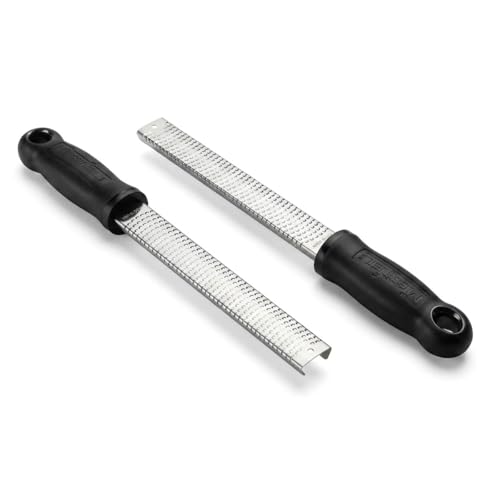
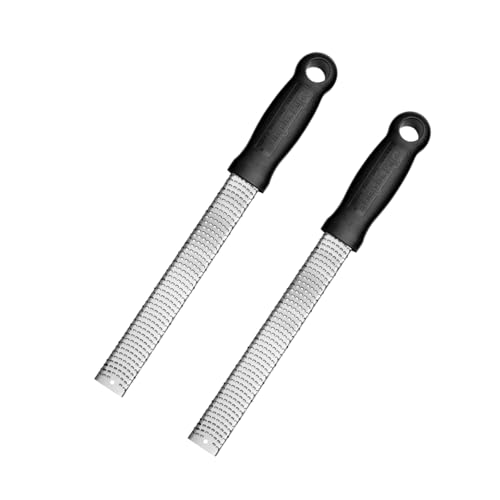
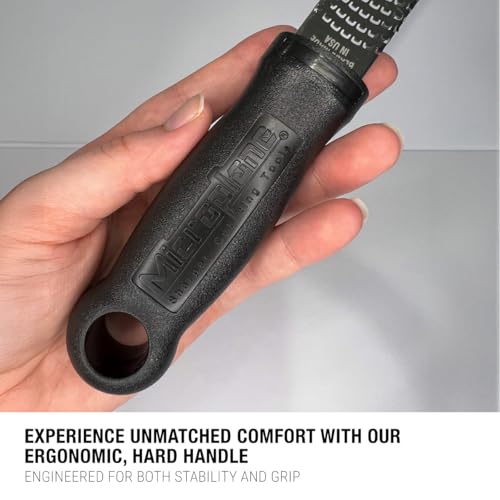
The Microplane Classic is the tool that made zesting tools famous, and for good reason. Its surgical-grade stainless steel blade is photo-etched for precision, delivering ultra-fine, fluffy zest without dragging up the bitter pith, a problem that plagues lesser graters. Owners consistently report that it outperforms bulkier tools on citrus, hard cheese, and even nutmeg, making it a staple in both home and pro kitchens.
Having seen dozens of imitations come and go, I can say this one still sets the benchmark. The twin pack is smart, one for the kitchen drawer, one for the bar cart or gift-giving. While it lacks a handle guard, the hanging hole makes storage easy. For pure zesting performance, few tools touch the original Microplane.
Product photos

Spring Chef Stainless Steel Zester
Strengths
- Multi-purpose use
- Includes blade cover
- Comfortable grip
Trade-offs
- Zest slightly coarser
- Not ideal for fine garnishes
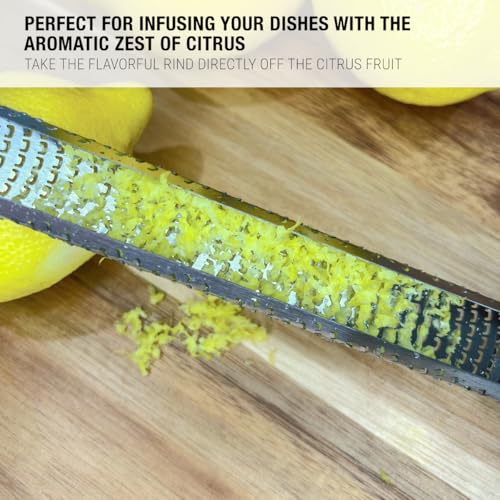
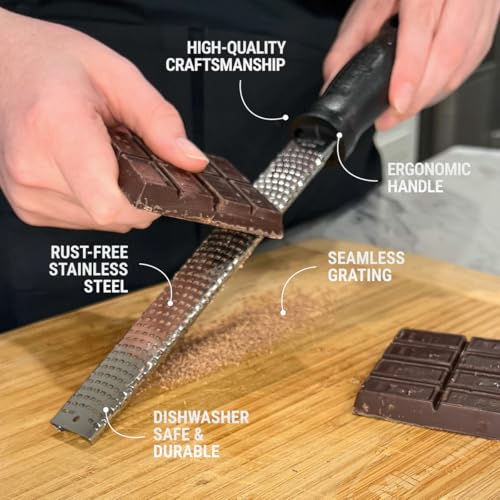
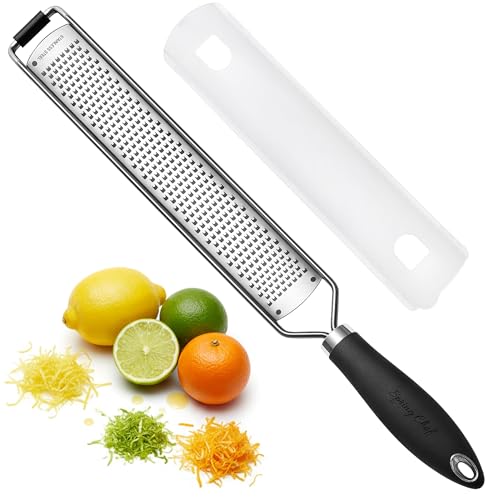
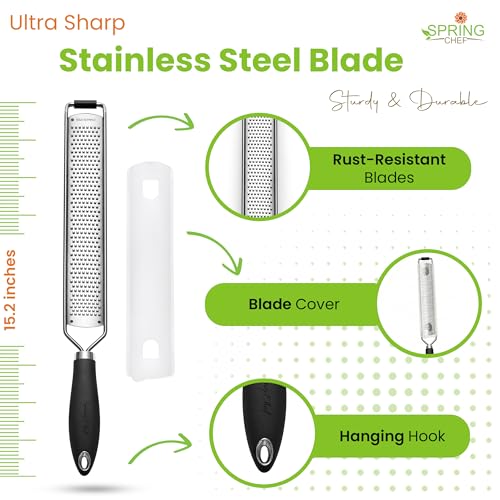
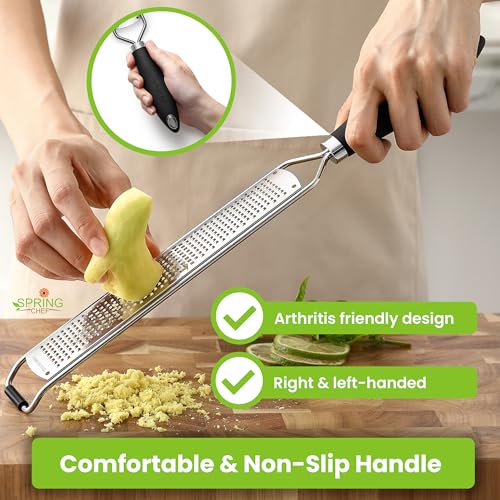
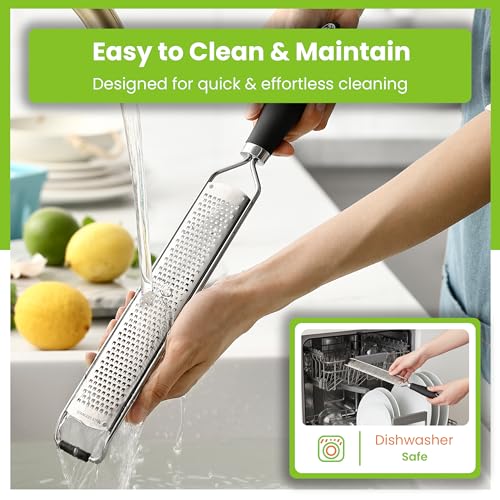
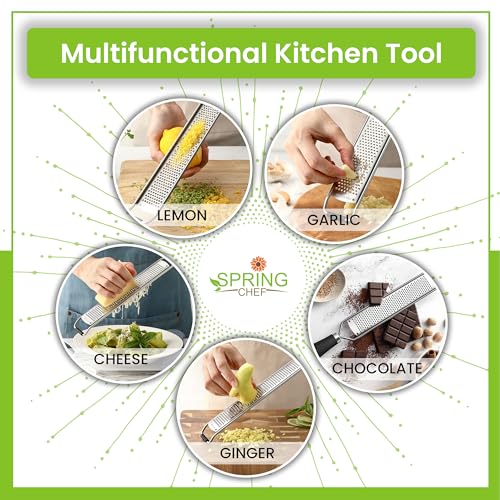
This is the workhorse of zesting tools, built for people who want one grater that can handle citrus, cheese, garlic, and ginger without switching tools. The 304 stainless steel blade is thick and resists bending, and the non-slip handle gives real control, even when grating small limes or slippery ginger.
What pushes it ahead of basic Microplane clones is the included blade cover, which makes storage safer and cleaner. Owners praise its durability and versatility, especially in busy kitchens. It’s not quite as fluffy on citrus zest as the Dreamfarm, but for multitasking, it’s one of the smarter buys. If you hate clutter, this is the grater to grab.
Product photos
Rainspire 2-in-1 Zester & Channel Knife
Strengths
- Affordable 2-in-1 design
- Non-slip handle
- Good for light use
Trade-offs
- Less precise blades
- Prone to clogging
- Build quality average
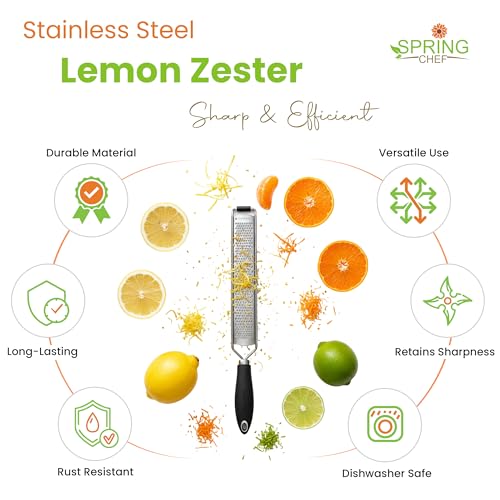
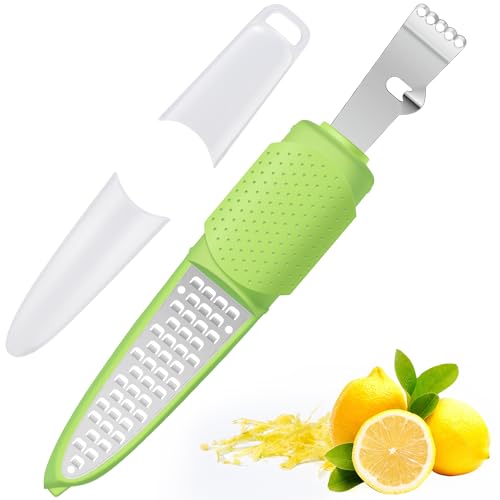
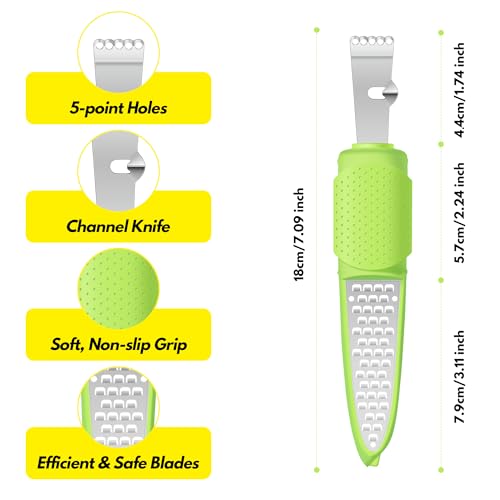
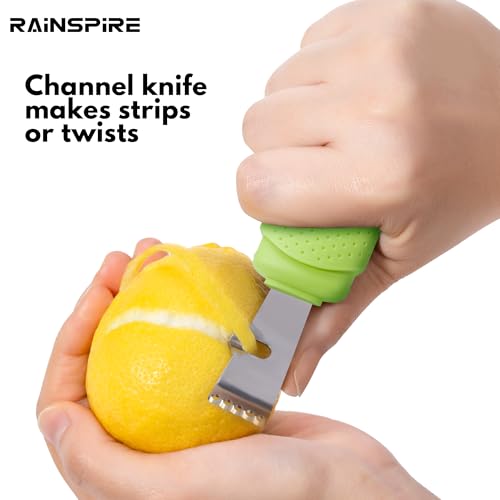
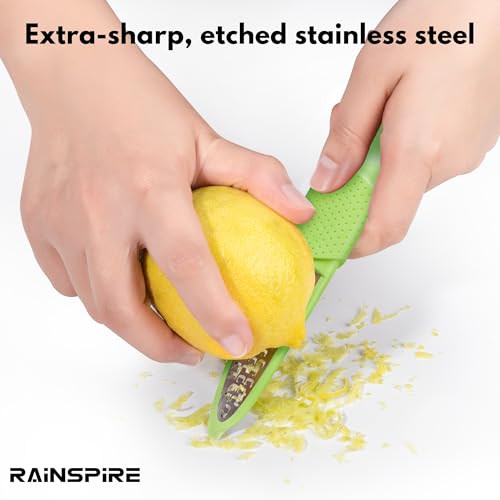
This 2-in-1 tool tries to deliver both zesting and channeling at a budget price, and on paper, that sounds great. The stainless steel head stays sharp enough for basic citrus work, and the soft-grip handle is comfortable for short sessions. It does manage to produce decent zest and can carve small twists, which is more than some ultra-cheap models offer.
But when compared to the Microplane or Dreamfarm, it falls short in blade precision and build quality. Some owners report clogging and uneven shreds, especially with harder citrus. It’s functional, but not refined. Still, for occasional use or a beginner’s kit, it gets the job done without breaking the bank.
Product photos


Channel Knife with Wood Handle
Strengths
- Curved blade design
- Elegant cocktail twists
- Sturdy wood handle
Trade-offs
- Single-purpose tool
- Not for grating
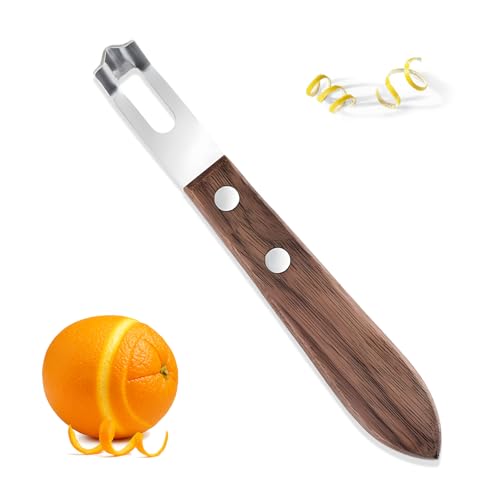
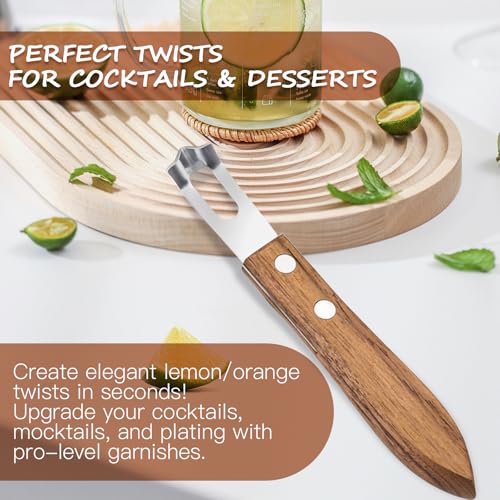
If you’re serious about cocktails, this channel knife earns its place behind the bar. The curved blade is designed specifically for peeling clean, elegant citrus twists, the kind that float perfectly on a bourbon sour or martini. Unlike flat zesters, it removes just the colored zest in a smooth arc, minimizing pith and maximizing presentation.
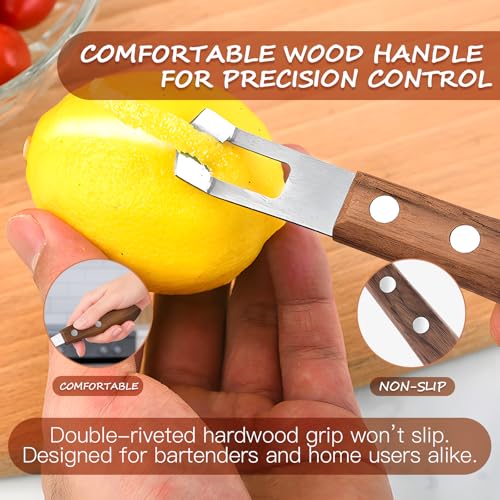
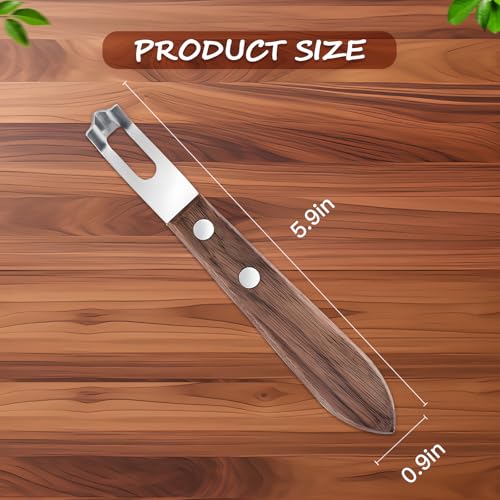
The wood handle feels solid and looks sharp on a bar top, and the double-riveted construction suggests it’ll last. Reviewers note it’s a favorite among home mixologists who want pro results. While it’s not a grater, it does one job exceptionally well. For garnishes, this is the specialist tool worth owning.
Product photos


Restaurantware German Standard Zester
Strengths
- Ergonomic handle
- Dishwasher safe
- Compact and sturdy
Trade-offs
- Small grating surface
- No blade cover
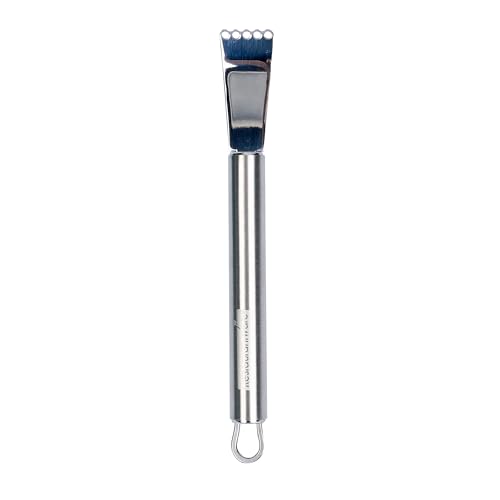
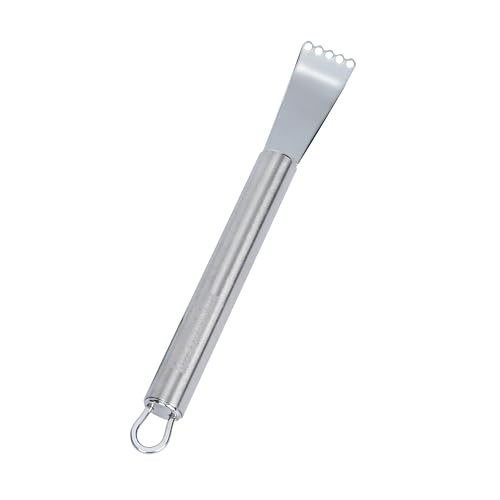
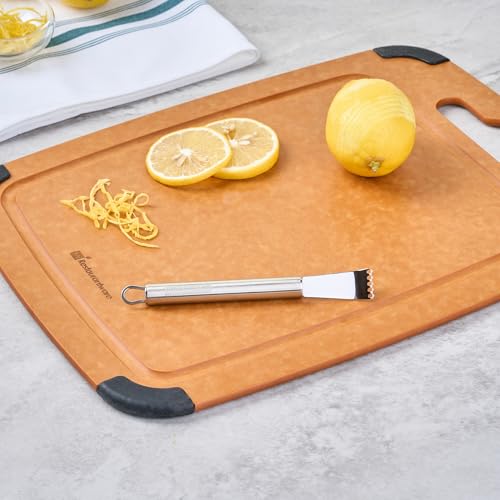
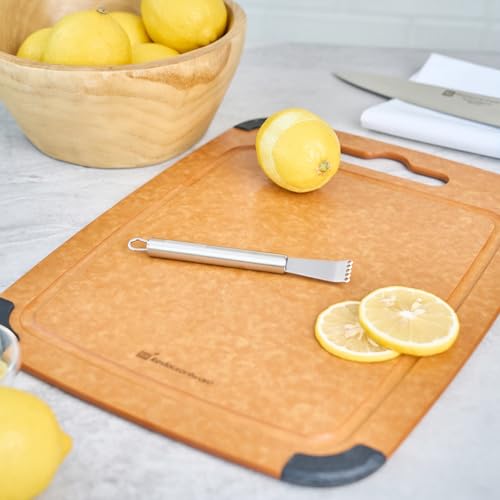
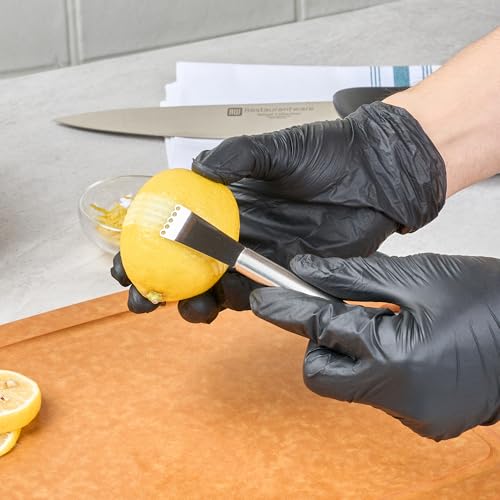
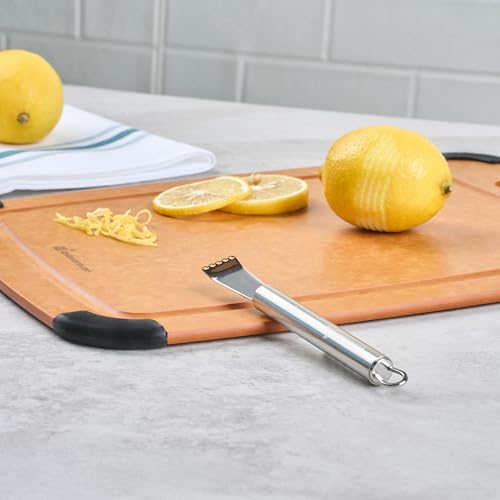
This zester stands out for one thing: ergonomic comfort. The handle is contoured to reduce hand fatigue, which matters when you’re zesting multiple lemons for marmalade or a catering gig. The German-standard blades are sharp and precise, removing zest cleanly without gouging, and the compact size fits well in smaller hands or crowded drawers.
It’s not flashy, but it’s built for daily use. Reviewers in commercial kitchens say it holds up under pressure, and the dishwasher-safe design helps with workflow. While it doesn’t offer grating versatility like the Spring Chef, it excels at its core job. For anyone with hand sensitivity or high-volume needs, this is a quiet standout.
Product photos
How We Tested zesting tools
Rather than a hands-on lab test, this is a research-led comparison of published specifications and owner feedback. I focused on identifying models with consistently high ratings across multiple retailers and cooking websites, then compared features like blade material, ergonomics, and cleaning methods. We weighed professional chef reviews alongside those from home cooks to get a well-rounded view of real-world performance.
For zesting tools, blade sharpness and ease of cleaning are paramount. A dull blade makes the job frustrating and even dangerous, while a difficult-to-clean zester quickly becomes a nuisance. Beyond that, I gave significant weight to build quality – how well the tool will hold up to repeated use – and ergonomics, as comfortable handling is essential for efficiency and safety.
Specifications reliably indicate blade material (stainless steel is preferred) and overall dimensions. However, owner feedback proved crucial for assessing sharpness retention, how well the zester handles different types of citrus, and the effectiveness of any self-cleaning features. Reputation and consistent positive mentions regarding durability also factored heavily into my recommendations; you can find more about tool durability in our oscillating tool reviews.
How To Pick The Right zesting tools
A good zester is about more than just getting flavorful zest; it’s about speed, safety, and how much effort the tool demands.
A quality zester should feature a sharp, durable blade (typically stainless steel or photo-etched), a comfortable grip that allows for controlled pressure, and a design that minimizes the risk of grating your knuckles. Look for models with protective covers for storage and easy cleanup – self-cleaning options are a plus. The blade density impacts zest fineness; more blades generally mean a fluffier result.
Blade Material & Construction
The blade is where everything starts, and stainless steel is the dominant material for a reason. Don’t assume all stainless steel is equal though. Photo-etched blades, like those found in the Microplane models, are generally sharper and retain their edge longer than stamped blades. Cheaper zesters often use a thicker, less refined stainless steel that requires more force and doesn’t produce the same fine zest. I’ve seen a lot of folks overlook this, but the blade’s construction impacts how much pith you pick up, and nobody wants bitter zest.
Ergonomics & Safety Features
Zesting involves applying pressure while moving a sharp blade across a surface, so ergonomics matter a lot. A comfortable, non-slip handle is crucial to prevent fatigue and maintain control. Look for handles made from materials like rubber or textured plastic. Equally important are safety features. Protective blade covers are a must-have for storage, and some models, like the Dreamfarm Ozest, include covers that double as measuring tools. If you’re considering a channel knife for garnishes, a well-weighted wooden handle can provide better control than a flimsy plastic one.
Here’s what I suggest when evaluating a zester’s safety and comfort:
- A basic plastic handle will get the job done, but it won’t be as comfortable for extended use.
- Rubberized or textured handles provide a much more secure grip, especially when your hands are wet.
- A thoughtfully designed blade guard is worth the extra cost; it protects your fingers and keeps the blade clean when not in use.
Don’t settle for a zester that feels awkward or slippery. A comfortable grip translates to better control, safer operation, and less hand fatigue.
Versatility & Value
While dedicated zesters excel at their primary task, consider whether you need a multi-purpose tool. Spring Chef’s zester, for example, handles cheese and ginger well in addition to citrus. If you’re also interested in creating citrus twists for cocktails, a 2-in-1 zester and channel knife, such as the Rainspire, could be a sensible option. A lot of home cooks find themselves reaching for a set of oscillating multi-tools for kitchen tasks too, so think about how this tool fits into your overall kitchen setup. Ultimately, the best value comes from a zester that meets your specific needs without unnecessary frills. After all, if you only ever zest lemons, you don’t need a tool designed for everything else.
Zesting Tools Compared
Here’s a comparison of key specifications for popular zesting tools.
| Product Name | Blade Material | Blade Type | Handle Material | Features | Length (in.) |
|---|---|---|---|---|---|
| Dreamfarm Ozest Self-Cleaning Zester | Stainless Steel | Photo-Etched | Plastic | Self-Cleaning | N/A |
| Microplane Classic Twin Pack Zester | Stainless Steel | Photo-Etched | Plastic | USA Made | 8 |
| Spring Chef Stainless Steel Zester | Stainless Steel | Razor-Sharp | Plastic | Non-Slip Handle | N/A |
| Rainspire 2-in-1 Zester & Channel Knife | Stainless Steel | Holes/Channel Knife | Plastic | 2-in-1 | N/A |
| Channel Knife with Wood Handle | Stainless Steel | Channel Knife | Wood | Cocktail Garnishes | N/A |
| Restaurantware German Standard Zester | Stainless Steel | Fine Grater | Plastic | Ergonomic Grip | 5.7 |
Frequently Asked Questions
What’s the difference between a microplane and a traditional box grater for zesting?
A microplane zester creates very fine, fluffy zest because of its photo-etched blades, while a box grater tends to produce coarser zest and can sometimes include more of the bitter pith. Microplanes are also generally easier to clean and store.
Can I use a zester for anything other than citrus fruit?
Yes, you can. Many zesters work well for grating hard cheeses like Parmesan, ginger, nutmeg, and even chocolate. Some models, like the Spring Chef, are specifically marketed for multiple uses, offering good value for your money.
How do I clean a zester effectively?
Most zesters are dishwasher safe, but hand washing is often recommended to preserve the blade’s sharpness. Self-cleaning zesters, like the Dreamfarm Ozest, have a built-in mechanism to remove zest buildup with a simple swipe. If you’re using a standard zester, a small brush can help dislodge stubborn pieces.
What’s the best way to store a zester to protect the blade and my fingers?
Always store your zester with a blade guard or cover. This protects the sharp blade from damage and prevents accidental cuts when reaching into a drawer. A protective sheath is especially important if you don’t plan to wash it immediately after use.
Are more expensive zesters always better?
Not necessarily. While higher-priced zesters often feature superior blade construction and ergonomics, a well-made, simpler zester can perform admirably for most home cooks. You might also find that a set of cordless oscillating multi-tools can cover more kitchen tasks, but a dedicated zester is still the best choice for frequent use.
The Bottom Line
Choosing a zesting tool often comes down to balancing control and convenience. If you want the very best zest quality and don’t mind a little extra care in cleaning, the Dreamfarm Ozest Self-Cleaning Zester stands out as the strongest overall performer. It’s a bit pricier, but the self-cleaning feature and exceptionally sharp blade are worth it for serious cooks.
For those on a tighter budget, or who simply need a reliable zester for occasional use, the Spring Chef Stainless Steel Zester is a fantastic choice. If you’re looking for versatility and also plan on making citrus garnishes, I recommend the Rainspire 2-in-1 Zester & Channel Knife. And for those looking for a wider range of precision tools, exploring the world of best rotary tools can open up even more kitchen possibilities.
Ultimately, the most important factors aren’t blade density or self-cleaning gimmicks. A sharp blade, a comfortable grip, and a design that prioritizes safety will deliver the best results, and the most enjoyable experience, no matter which zester you choose.
