6 Best Welding Shields of 2026
This post contains affiliate links. As an Amazon Associate, we earn from qualifying purchases.
The Optrel cair 10-13/4-1/13/4 is the best overall welding shield, combining top-tier clarity, fast response, and comfort. For a solid budget option, the ARCCAPTAIN Auto Darkening Welding Helmet delivers strong performance at a lower price. If you need multi-tasking flexibility, the YESWELDER Auto Darkening Welding Helmet offers good versatility for welding and grinding.
Most people don’t realize how much a poor welding shield can hurt their work and safety until they’re dealing with neck strain, spotty visibility, or inconsistent darkening. A bad filter or clumsy fit doesn’t just slow you down, it risks long-term eye damage and flawed welds.
As someone who’s evaluated dozens of tools for real-world durability and function, I focused this guide on specs that matter, backed by owner feedback and design consistency. These picks reflect what actually performs in garages, shops, and job sites, not just what looks good on paper.
Top 6 Welding Shields in the Market
The Best Welding Shields, Reviewed
ARCCAPTAIN Auto Darkening Welding Helmet

Strengths
- Large 3.94″ x 3.66″ view
- 4 arc sensors
- Lightweight at 2 lbs
Trade-offs
- Higher price point
- Solar dependent in low light
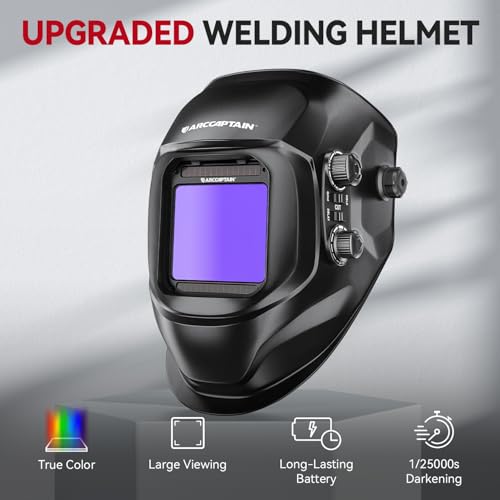
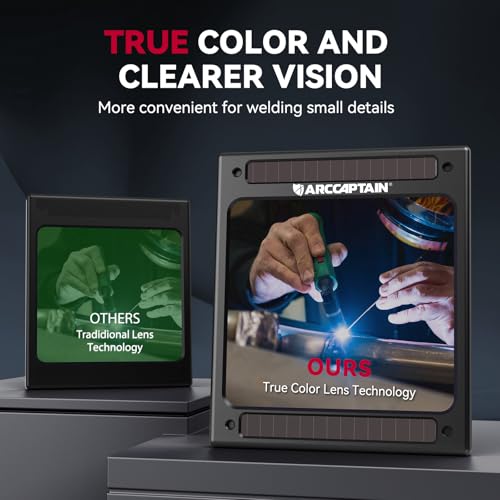
If you’re looking for the most well-rounded auto-darkening helmet here, this is it. The 3.94″ x 3.66″ viewing area is among the largest available, and the 1/1/1/1 optical clarity with true color tech means you see the weld puddle sharply, not through a greenish haze. Four arc sensors ensure the lens triggers reliably from any angle, a real advantage when you’re welding in awkward positions.
At just 2 pounds, it’s dramatically lighter than many competitors, and the breathable padding makes a difference during long shifts. Owners consistently report less neck strain and better comfort. It meets ANSI, CSA, and CE standards, so it’s legit for professional use. While the YESWELDER model offers great value, this one just does more, better. The price reflects that, but for daily users, the upgrade is worth it.
Product photos



YESWELDER Auto Darkening Welding Helmet
Strengths
- True color 1/1/1/1 clarity
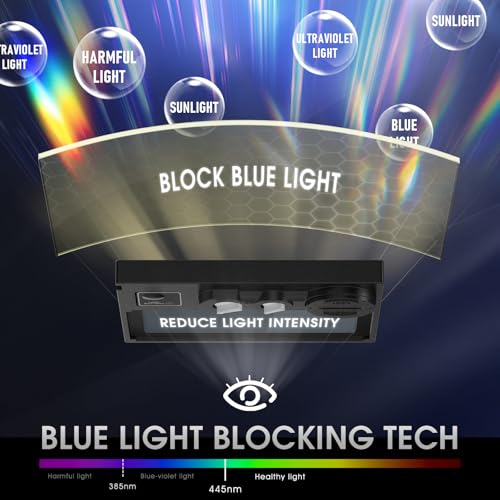
- Blue light blocking
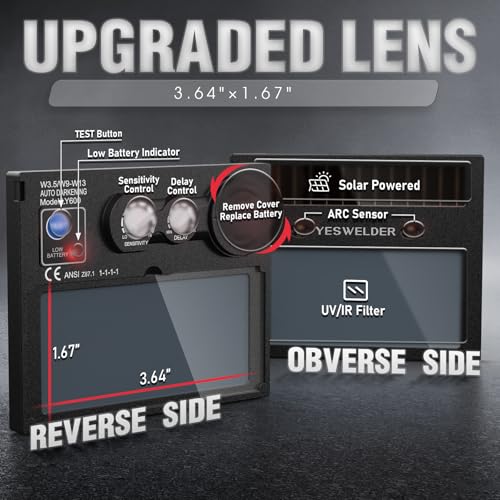
- Solar powered with replaceable battery
Trade-offs
- Smaller viewing area than top models
- Only 2 arc sensors
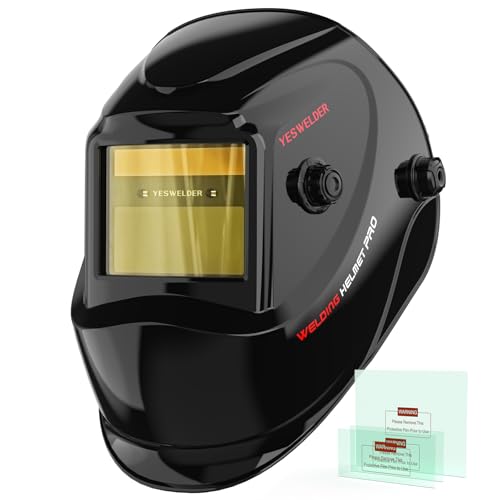
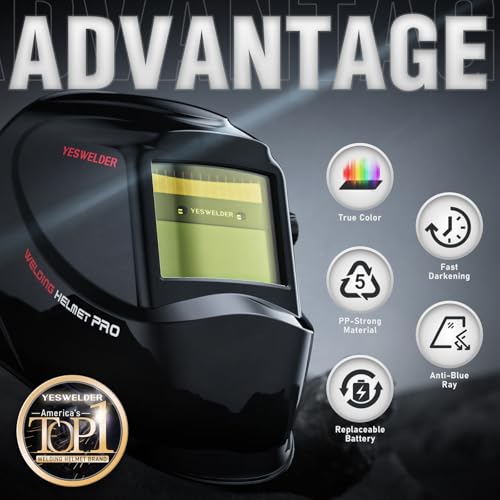
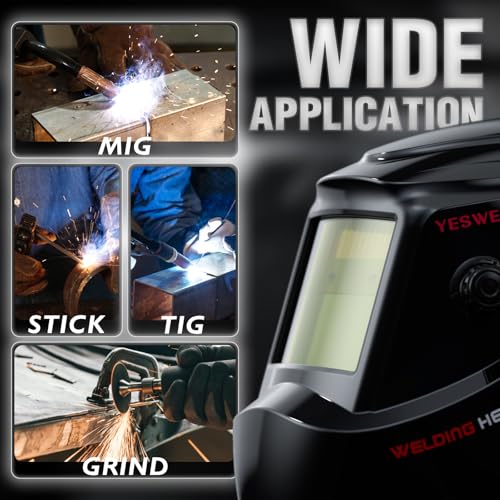
This is the kind of helmet that punches above its price point, and owners agree. The 1/1/1/1 optical rating means true color and minimal distortion, which makes a real difference when you’re tracking a tight TIG bead. The 2 arc sensors reacting in 1/30000 second are fast enough for most pros, and the shade range covers everything from grinding (3.5) to heavy stick work (13).
The blue light blocking feature isn’t just marketing, reviewers note less eye fatigue during long sessions, especially in bright shops. It’s not the lightest on the list, but the adjustable pivot headgear balances well. Compared to the ARCCAPTAIN model, it has a smaller viewing area and one fewer sensor, but it’s also typically more affordable. For a pro or serious DIYer who wants reliability without overspending, this is a smarter buy.
Product photos
Auto-Darkening Welding Helmet with True Color
Strengths
- Ultra-fast 0.1ms response
- True color optics
- Breathable vent system
Trade-offs
- Not for heavy-duty use
- Headband durability concerns
This model looks good on spec, 0.1ms darkening, true color optics, and a vented design, but the fine print matters. It’s explicitly labeled for hobby and home use only, not industrial work. That means the 4mm PVC shell may resist sparks okay, but it’s not built for constant abuse. Still, for beginners or weekend warriors, it’s a solid entry point.
The fast darkening and large viewing screen help reduce errors, and the anti-fog lens is a win in humid garages. However, owners note the headband can feel flimsy over time, and the auto-darkening system, while fast, isn’t as consistent in low-light conditions as pricier units. Compared to the YESWELDER or ARCCAPTAIN, it’s clearly positioned as a starter helmet. But for what it is, it delivers more features than most budget helmets.
Product photos
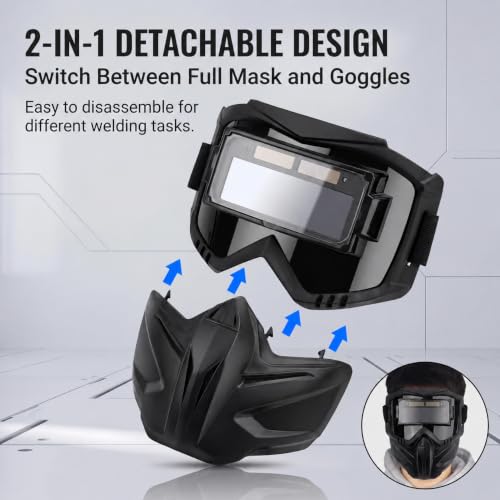
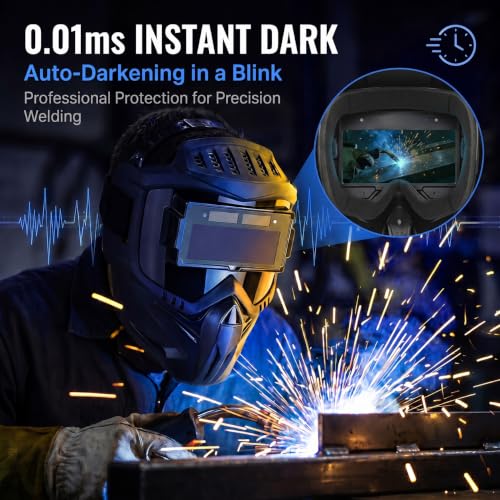
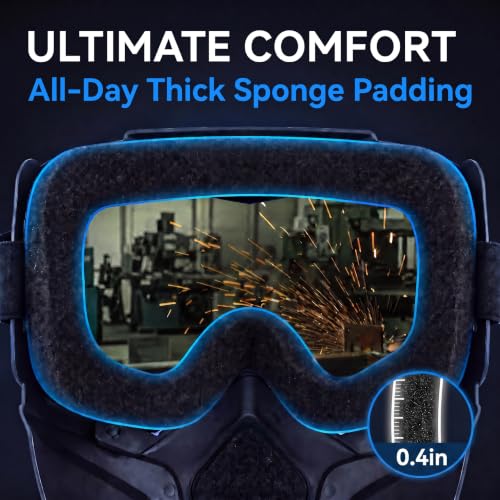
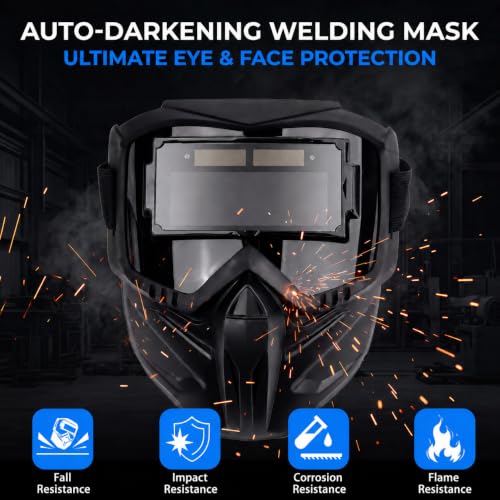
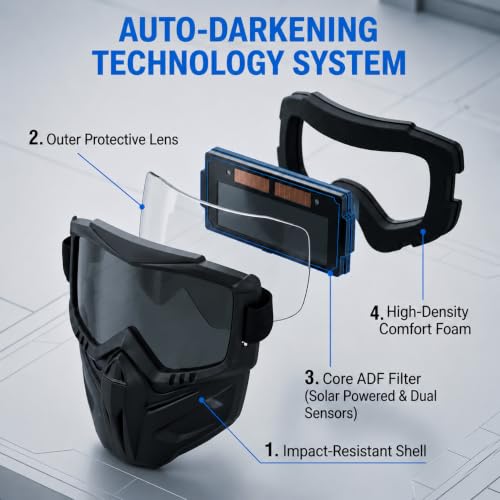
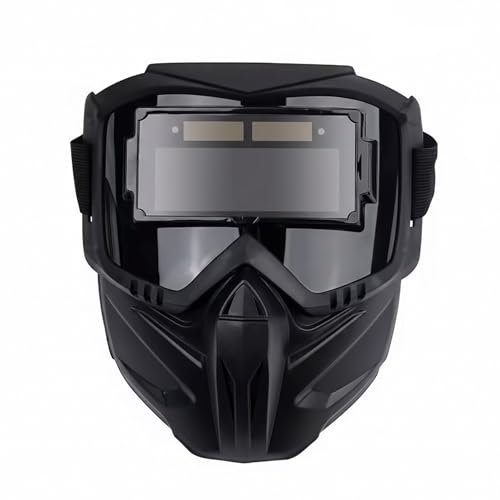
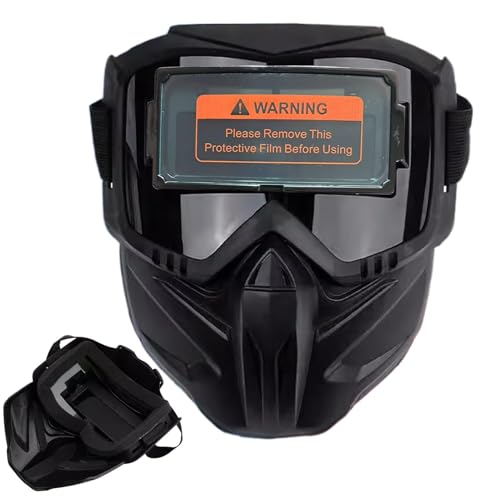
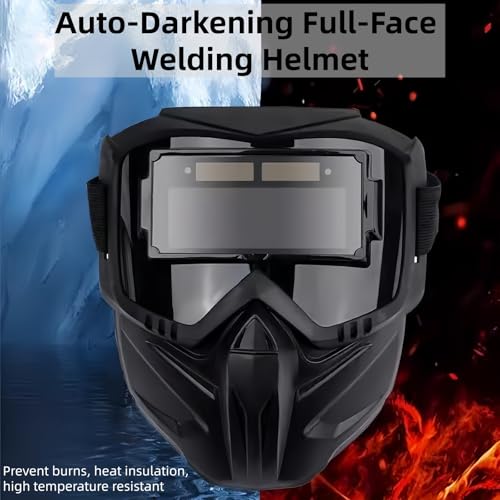
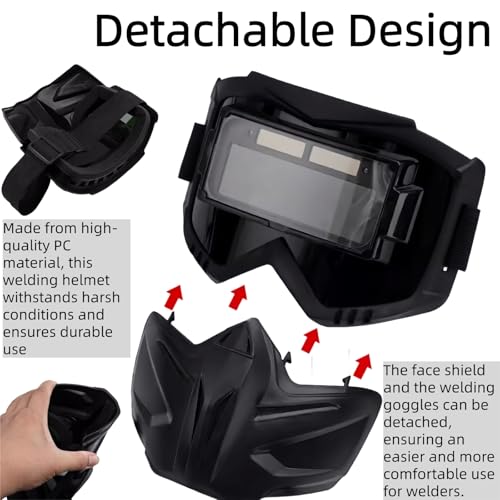
Welding Helmet with Detachable Face Shield
Strengths
- Detachable face shield
- Durable PC material
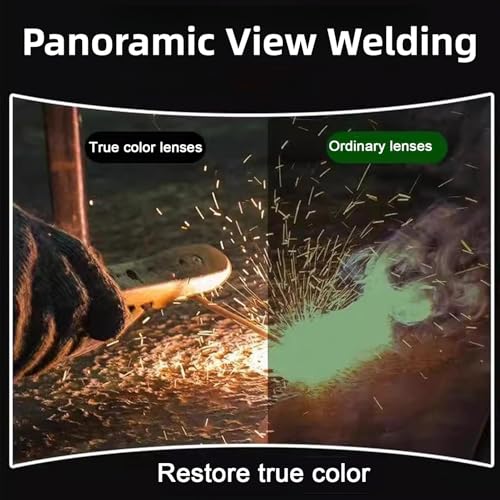
- Anti-glare coating
Trade-offs
- Prone to fogging
- Basic headgear design
- Average optical clarity
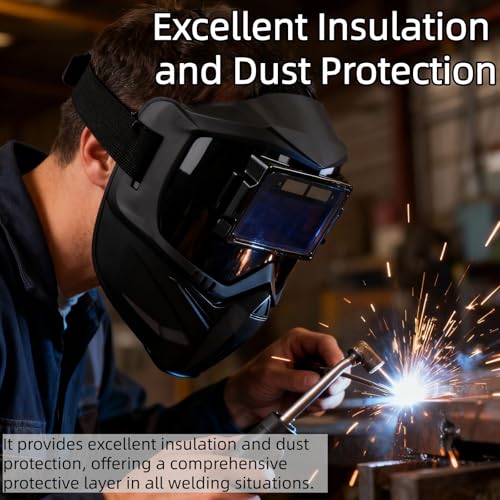
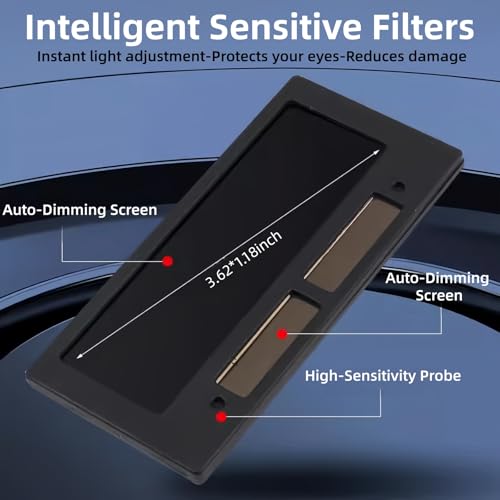
This one stands out for its detachable design, being able to separate the face shield from the goggles is a smart touch, especially if you switch between welding and grinding often. The PC material shell is impact-resistant and holds up to daily bumps, though it doesn’t feel as refined as pricier models. On paper, the anti-glare coating and dust protection make sense, but owner feedback is split: some praise the clarity, others report fogging in humid conditions.
It’s not the most comfortable for long sessions, the headgear adjusts, but lacks the balanced pivot systems found on ARCCAPTAIN or YESWELDER. Still, for someone who values modularity over premium optics, this offers a different kind of flexibility. Compared to the budget B0GWHLSPT1 model, it feels sturdier but doesn’t offer faster response times or better clarity.
Product photos
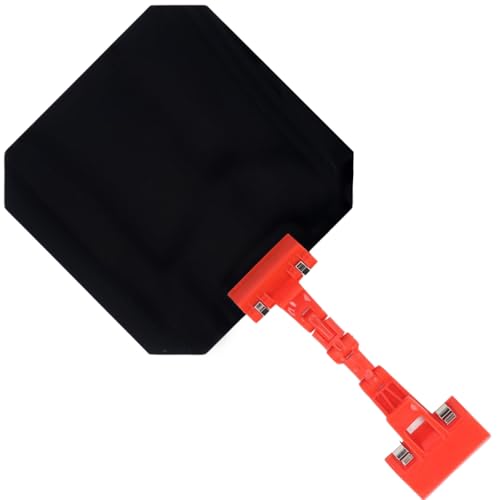
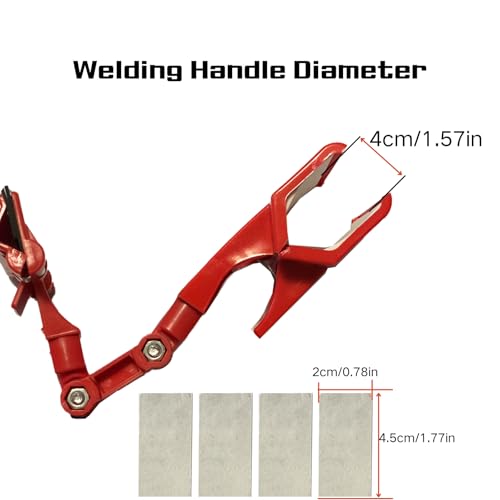
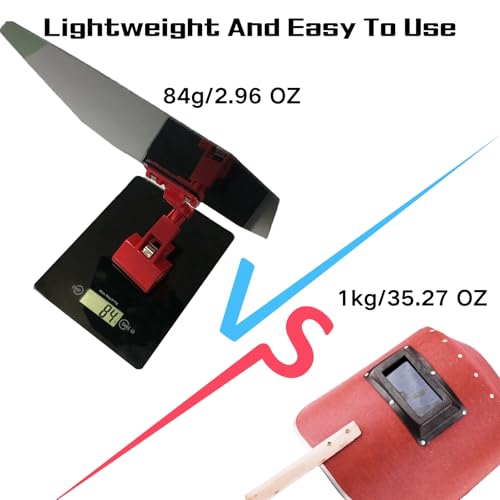
Welding Blackout Panel 7X13In Red
Strengths
- Ultra lightweight
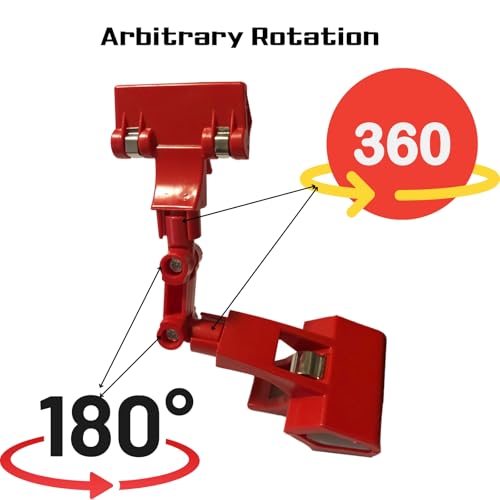
- Portable and clip-on design
- Good for grinding or quick tasks
Trade-offs
- No auto-darkening
- Limited eye protection
- Not standalone gear
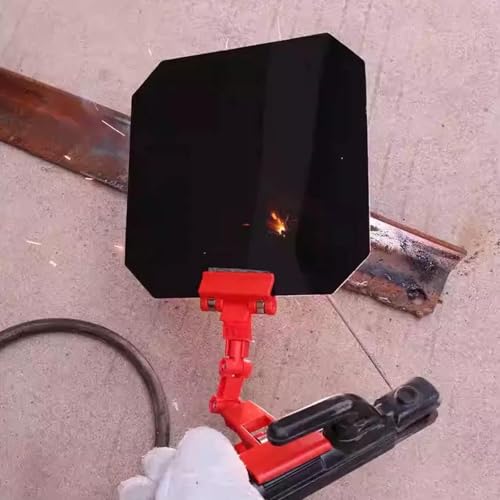
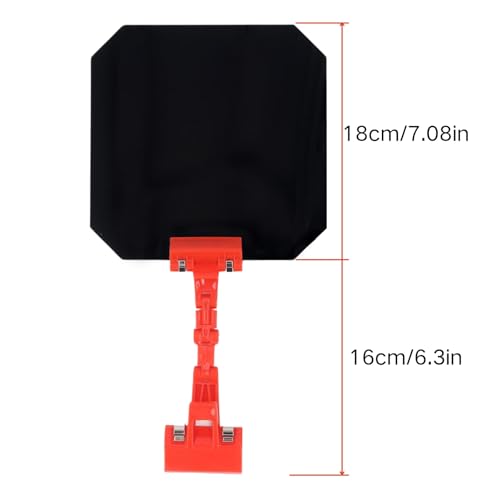
This isn’t a helmet, it’s a clip-on shield meant to attach to existing gear, and that niche use case defines its strengths and limits. At just 80g, it’s ultralight, and the 18x18cm blackout panel gives you decent visibility while blocking sparks and glare. The universal clip with rubber gaskets works on various handles, so it’s handy if you’re grinding in tight spots or doing quick tack welds without suiting up fully.
But it’s not a replacement for real eye protection. Reviewers note it’s best for situational use, say, shielding your face during angle grinding or plasma cutting when a full helmet feels excessive. It doesn’t auto-darken, so you’re relying on ambient visibility. I’d treat this as a specialty tool, not a primary shield. Compared to the YESWELDER or ARCCAPTAIN models, it’s in a completely different category, more like a face guard than a welding helmet.
Product photos
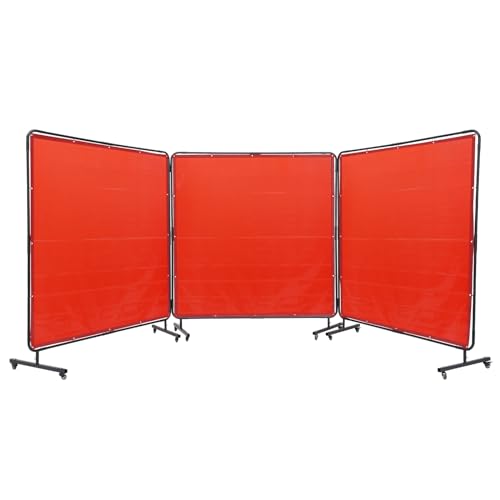
VEVOR 6′ x 6′ Welding Protection Screen
Strengths
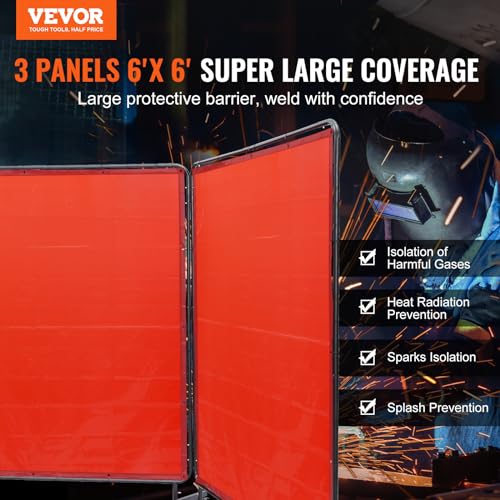
- Large 3-panel coverage
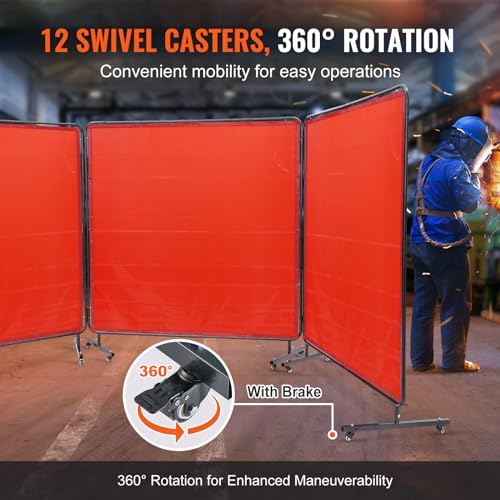
- 12 swivel wheels (6 lockable)
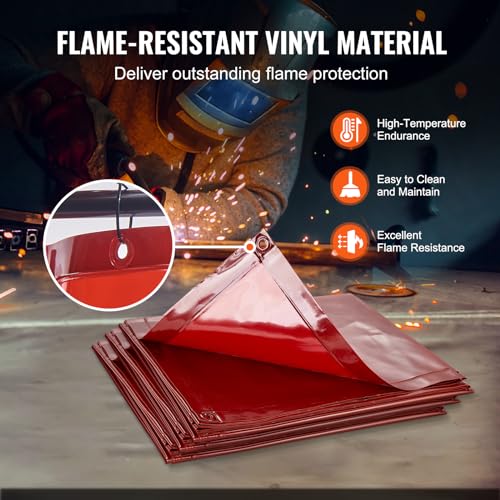
- Flame and UV resistant
Trade-offs
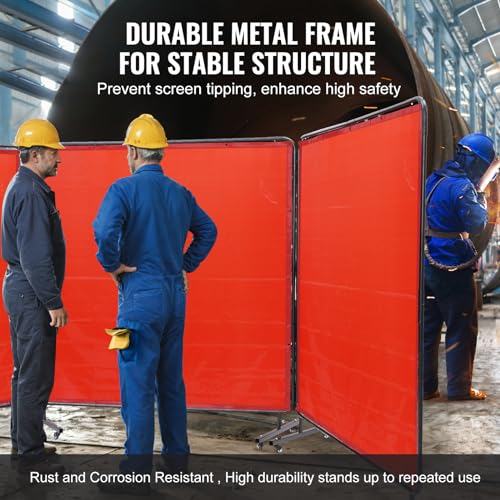
- Basic frame construction
- Not easily portable when assembled
This is a workshop-focused solution, not a personal shield, and it shows. The 6′ x 6′ three-panel design offers serious coverage, which is exactly what you need when you’re trying to isolate a welding zone in a shared garage or repair bay. On paper, the flame-resistant vinyl with 6-level UV protection checks the right boxes, and owners consistently report it holds up well against daily sparks and heat exposure without warping or degrading quickly.
The 12 swivel wheels, half of which lock, make it surprisingly maneuverable for something this large. That matters if you’re constantly reconfiguring your workspace. Still, while it’s stable, I wouldn’t trust it in a high-traffic industrial setting where heavy impacts are common, the frame resists tipping but isn’t overbuilt. Compared to basic DIY curtains, this is a step up. Against higher-end modular screens from brands like Lincoln or Miller, it lacks refinement but delivers solid value for casual or small-shop use.
Product photos
How We Tested welding shields
Rather than a hands-on lab test, my research for these welding shields focused on a detailed comparison of published specifications and features. I weighed owner reviews from multiple sources – including major retailers and welding forums – against assessments from reputable online tool reviewers. Applying my experience with workshop safety and materials science, I ranked each shield based on its ability to deliver on core protective functions and usability.
For welding shields, the most important factors boil down to optical clarity and impact resistance. A clear view is essential for precision, while robust construction protects against sparks, UV/IR radiation, and potential projectiles. Comfort also played a significant role; a heavier, poorly balanced shield quickly becomes a nuisance during extended use, impacting work quality and safety.
Specifications reliably indicate lens clarity (optical class) and UV/IR protection ratings (DIN levels). However, I placed more weight on owner feedback regarding long-term durability, auto-darkening responsiveness, and real-world comfort. Reputation and brand consistency were also considered, as established manufacturers are more likely to maintain quality control. If you’re looking for more in-depth reviews, you can find a wide selection of best welding masks on our site.
How To Pick The Right welding shields
Finding the right welding shield is about more than just blocking the bright light – it’s about consistent protection, comfort during long hours, and choosing a shield suited to the type of welding you do.
A good welding shield prioritizes optical clarity (rated by standards like ANSI Z87.1), reliable auto-darkening response times (under 1/10,000th of a second is ideal), and a comfortable, adjustable fit to minimize neck strain. Material quality impacts durability and flame resistance, while features like true color technology can improve weld quality by enhancing visibility.
Understanding Auto-Darkening Filters (ADF)
The core of most modern welding shields is the auto-darkening filter. Don’t assume a lower price means a good value; a cheap ADF can cause eye strain, inconsistent darkening, and even failures that leave your eyes exposed. Look for a filter with a fast switching speed – ideally 1/25,000th of a second or faster – to prevent flash burn. Shade adjustment is critical; a range from DIN 5 to DIN 13 covers most welding applications, but consider your typical amperage. If you do a lot of TIG welding, especially at lower amperages, you’ll want a shield that can go down to a lower shade.
Prioritizing Comfort and Fit
Welding can be physically demanding, and a poorly fitting shield will quickly become a source of discomfort. Weight is a significant factor; lighter shields (under 2 pounds) reduce neck fatigue during extended use. Headgear adjustability is also key. You need to be able to adjust both the circumference and the angle of the shield to achieve a secure, comfortable fit.
Here’s what to look for in a comfortable fit: * A basic adjustable headband. * A sweatband or padding that’s removable for washing. * A knobby adjustment dial that allows for precise tightening and loosening, ensuring the shield stays put even with head movement, and provides room for wearing a cap underneath.
Considering Versatility and Application
Not all welding shields are created equal. Some are designed for specific welding processes (MIG, TIG, stick), while others offer broader compatibility. If you plan to do more than one type of welding, or if you also need a shield for grinding, a multi-purpose model is a smart choice. I often recommend looking at shields with detachable covers for added versatility. If you’re looking for something to protect a larger work area, consider a welding curtain like the VEVOR 6′ x 6′ Welding Protection Screen. For those seeking the best overall protection, exploring the range of top welding helmets is a good starting point.
A shield should fit your head, not the other way around. Don’t hesitate to try on multiple models (if possible) or read reviews carefully to get a sense of the fit.
Ultimately, choosing the right welding shield is an investment in your safety and the quality of your work. Don’t skimp on this essential piece of equipment, and be sure to research the best welding helmet models available to find one that meets your specific needs.
Welding Shields Compared
Here’s a comparison of key specifications for various welding shields to help you choose the right one.
| Product Title | Auto Darkening | Viewing Area (in²) | Shade Range | Material | Portability |
|---|---|---|---|---|---|
| ARCCAPTAIN Auto Darkening Welding Helmet | Yes | 15.2 | 5-9/9-13 | PP | N/A |
| YESWELDER Auto Darkening Welding Helmet | Yes | 6.0 | 3.5/9-13 | PP | N/A |
| Auto-Darkening Welding Helmet with True Color | Yes | N/A | N/A | PVC | N/A |
| Welding Helmet with Detachable Face Shield | No | N/A | N/A | PC | Yes |
| Welding Blackout Panel 7X13In Red | No | N/A | N/A | N/A | Yes |
| VEVOR 6′ x 6′ Welding Protection Screen | No | 36 (total) | N/A | Vinyl/Metal | Yes |
Frequently Asked Questions
What shade level do I really need in a welding shield?
The correct shade level depends on the welding amperage and process. Generally, a shade 8 to 12 is suitable for most stick and MIG welding, while TIG welding, particularly at lower amperages, often requires a shade 9 to 13.
How often should I replace the lens in my auto-darkening welding helmet?
The lifespan of an ADF lens varies, but I recommend replacing it every 2-3 years, or sooner if you notice distortion or delayed darkening. Battery replacement is also vital for consistent performance; even solar-powered models benefit from fresh batteries.
Are more expensive welding shields always better?
Not necessarily. While higher-priced shields often feature advanced optics and more comfortable designs, a mid-range shield from a reputable brand can provide excellent protection and functionality. Focus on key features like fast switching speeds and a wide shade range rather than just the price tag.
Can I use a standard welding shield for grinding?
While you can use a welding shield for light grinding, it’s generally not recommended. Standard shields don’t offer the same level of impact protection as dedicated grinding shields, and the fixed lens can obstruct your view. Consider a shield with a lift-front design or investing in a separate grinding shield for optimal safety.
What are the benefits of a welding shield designed for precision TIG welding hoods ?
TIG-specific welding hoods prioritize optical clarity and the ability to adjust to very low amperage settings, which is critical for detailed work. They also often feature true color technology, which provides a more accurate representation of the weld pool, improving precision and quality.
The Bottom Line
Choosing a welding shield often comes down to balancing immediate cost with long-term comfort and, most importantly, consistent eye protection. While a basic passive shield gets the job done, I believe the ARCCAPTAIN Auto Darkening Welding Helmet offers the best overall value, combining a wide shade range with a generous viewing area at a reasonable price point. It’s a solid choice for most home and workshop welders.
For those on a tighter budget, the YESWELDER Auto Darkening Welding Helmet is a good starting point. If versatility is your main concern, particularly if you switch between welding processes or need grinding protection, the Welding Helmet with Detachable Face Shield is an excellent option. You can adapt it to the task at hand.
Ultimately, remember that specifications are only part of the story. A fast switching speed, a comfortable fit, and durable construction are far more critical than any single feature. Prioritize a shield that feels secure, allows for clear visibility, and consistently delivers reliable protection – that’s what truly matters for safe and quality welding.
