
5 Best Welding Helmets Under $200 of 2026
This post contains affiliate links. As an Amazon Associate, we earn from qualifying purchases.
The ARCCAPTAIN Intelligent Auto-Shade Helmet is the best overall pick under $200, offering top-tier clarity, speed, and seven arc sensors. For tighter budgets, the YESWELDER Large View Auto Darkening Helmet delivers exceptional value with a massive 15.3-inch viewing area and solid performance across the board.
Welding helmets under $200 have to balance performance, protection, and comfort without breaking the bank. Too many skimp on lens quality or sensor reliability, leaving you squinting or adjusting mid-bead.
I researched the field by comparing specs, real-world owner feedback, and build quality to identify the models that deliver where it matters most, optical clarity, fast auto-darkening, and all-day comfort. These picks reflect what actually works for DIYers and pros alike.
Top 5 Welding Helmet Under $200S in the Market
The Best Welding Helmet Under $200S, Reviewed
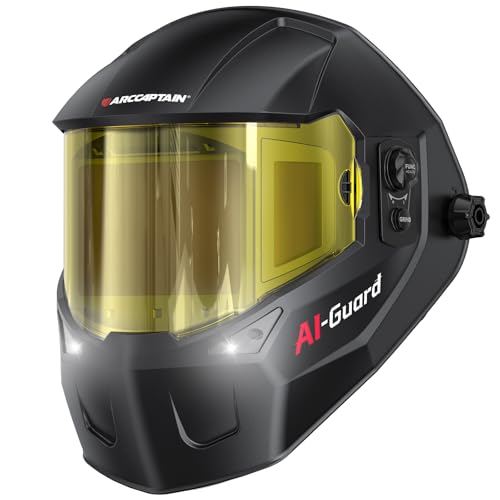
ARCCAPTAIN Intelligent Auto-Shade Welding Helmet
Strengths
- True-color panoramic view
- Internal screen controls
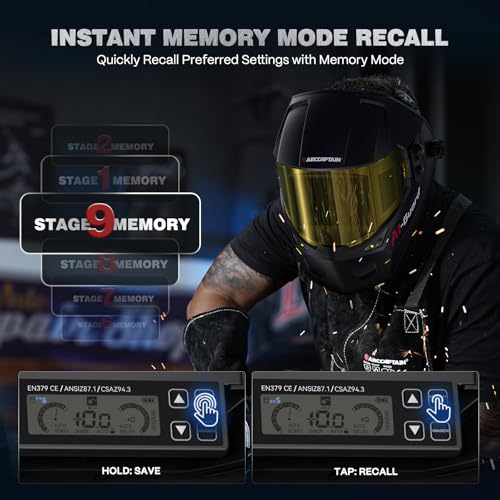
- Memory mode storage
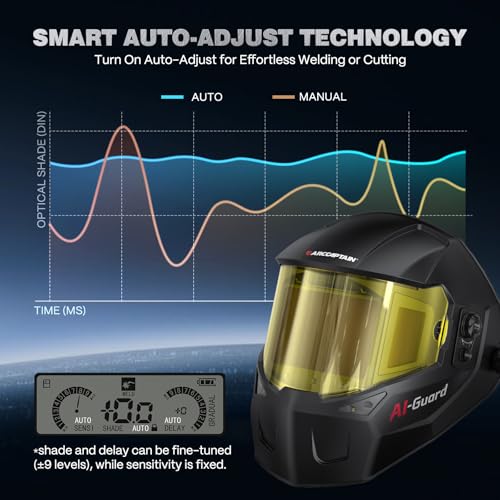
- Smart auto-shade adjustment
- Long battery life with LED off
Trade-offs
- LED reduces runtime by half
- Slightly bulkier design
- Higher price within range
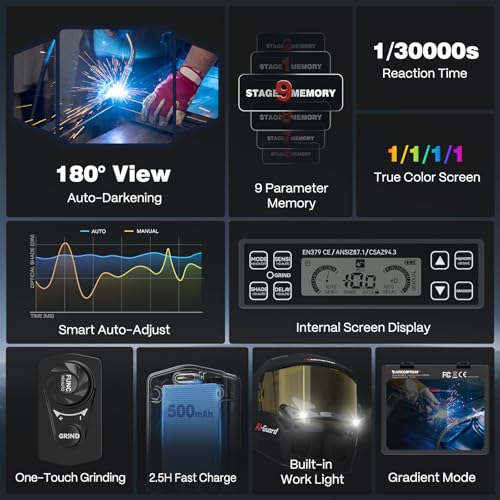
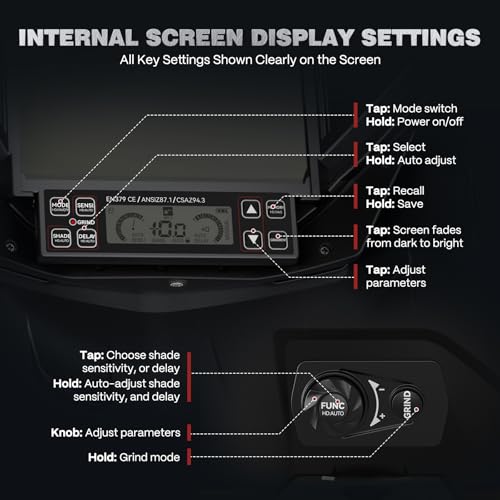
This helmet stands out in the sub-$200 class with a feature set that leans into smart functionality. The intelligent auto-shade adjustment is a real differentiator, owners consistently report it adapts well to erratic arcs, especially during TIG work where consistency matters. Having internal screen controls means you’re not fumbling with external dials, and the ability to save up to 9 memory modes is something I typically see on pricier pro models.
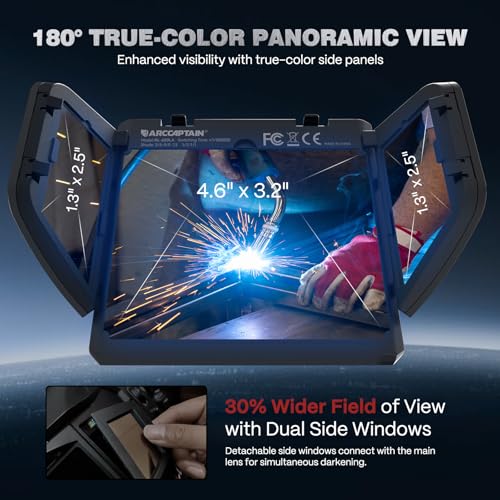
The 7.2″ panoramic view with side windows is a serious upgrade for spatial awareness, and the 1/1/1/1 optical clarity delivers what reviewers describe as a ‘crisp, natural’ weld pool image. The built-in LED work light is a thoughtful touch for dim shops, though it cuts runtime noticeably. Still, with solar assist and a 500mAh battery, it’s built for long sessions. Compared to the YESWELDER models, this one feels more like a system than just a mask.
Product photos
YESWELDER True Color Solar Powered Helmet
Strengths
- Lowest price point
- Blue light protection
- Solar powered
- ANSI/CSA certified
- Magnifier compatible
Trade-offs
- Small viewing area
- Only 2 arc sensors
- No memory or presets
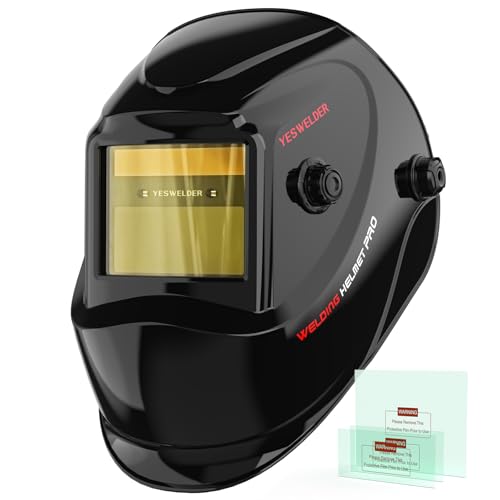
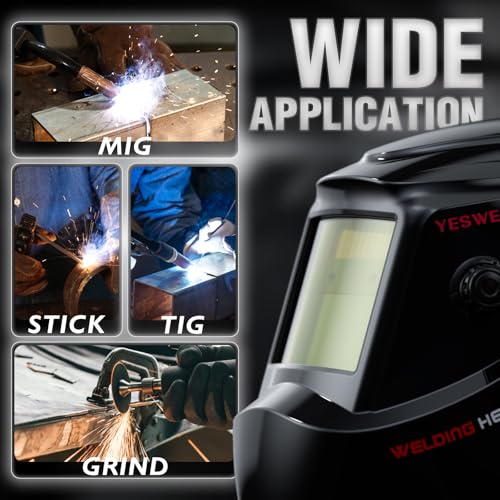
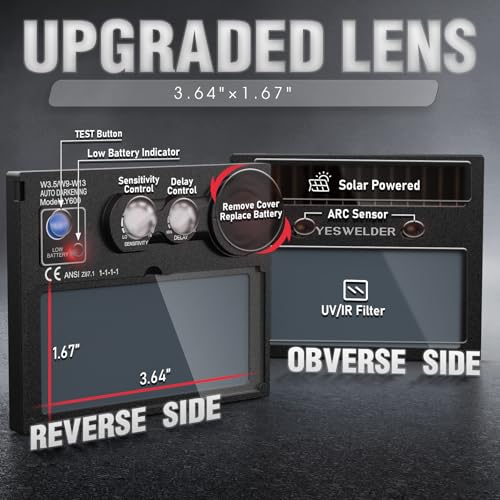
This is the bare-bones workhorse of the lineup, capable, reliable, and priced to move. At just 3.64″x1.67″, the viewing area is narrow compared to others here, and with only 2 arc sensors, it’s more prone to false triggers or lag in inconsistent lighting. But for basic MIG or stick work, it gets the job done.
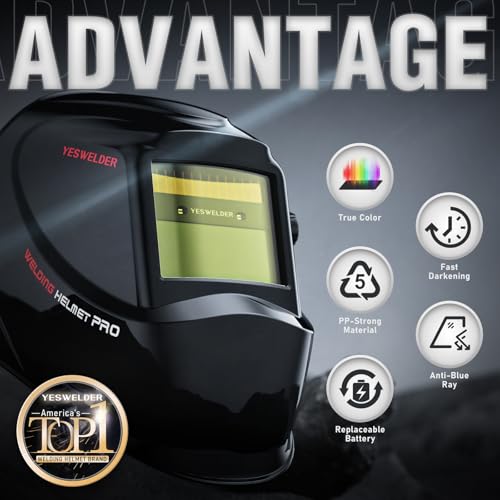
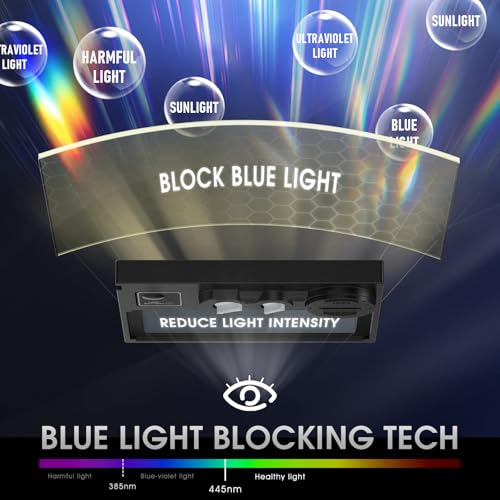
Owners appreciate its simplicity: solar powered, ANSI-certified, and durable enough for occasional use. The blue light blocking adds a touch of comfort, and the adjustable headgear keeps it stable. When stacked against the B07M5WKCYX, the difference in screen size and sensor count is obvious, but so is the price gap. I’d recommend this only if you’re on a tight budget and weld infrequently.
Product photos
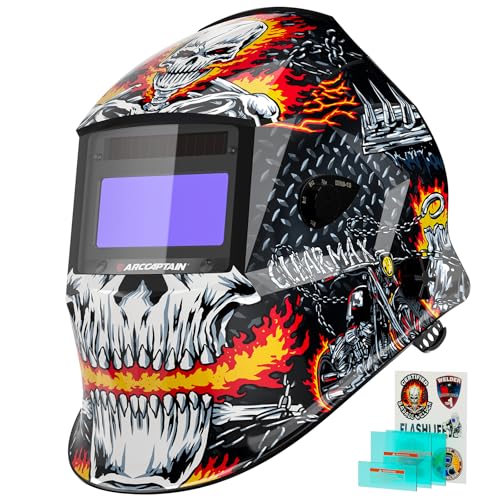
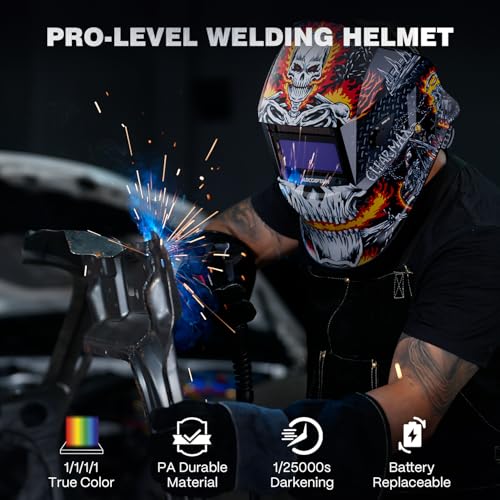
ARCCAPTAIN HSH-S800 Skeleton Knight Helmet
Strengths
- Ultra-light at 1 lb
- Durable PA material
- Efficient solar charging
- True color lens
- 12-in-1 smart filter
Trade-offs
- No memory mode
- Narrow screen width
- No internal display
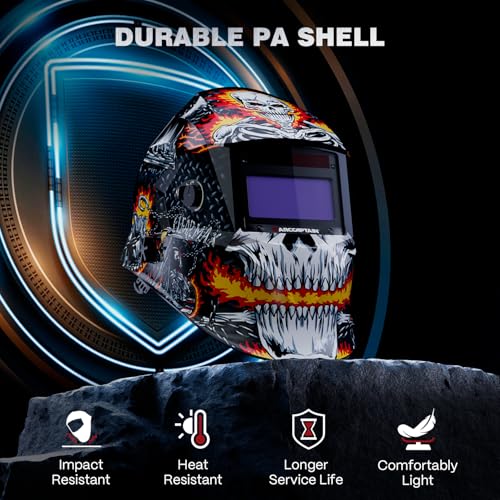
At just 1 lb, this is the lightest helmet in the under-$200 bracket, and that makes a real difference during overhead or all-day welding. The skeleton-style design cuts weight without sacrificing coverage, and the PA material shell is both strong and flexible, owners report it handles bumps and heat better than standard PP.
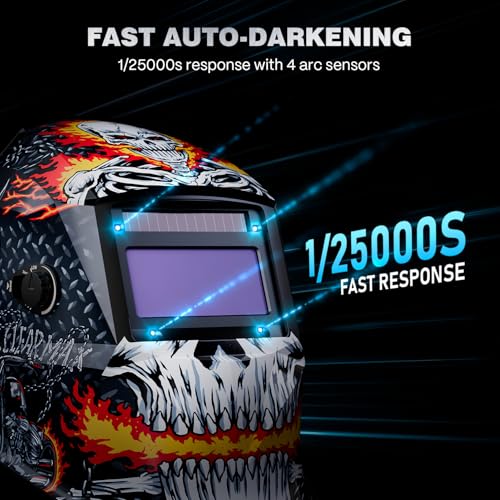
The 3.86″x1.69″ screen is average in size, but the 1/1/1/1 clarity and true color tech keep the image sharp. It switches at 1/25,000s, which is fast, though not the fastest here. What impresses is the claimed 200% longer service life, reviewers confirm the solar charging is efficient and the CR2450 battery lasts longer than expected. It lacks memory modes, but for pure comfort and endurance, this is my pick for high-use scenarios.
Product photos
YESWELDER Large View Auto Darkening Helmet
Strengths
- Largest central lens
- True color 1/1/1/1 clarity
- Blue light blocking
- 4 arc sensors
- Magnifier compatible
Trade-offs
- Heavier than lightweight models
- No memory function
- Basic headgear padding
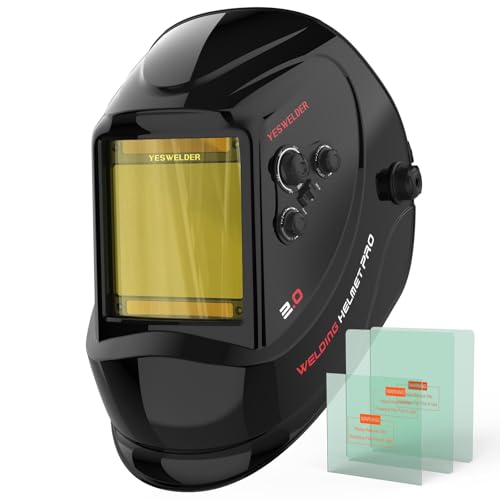
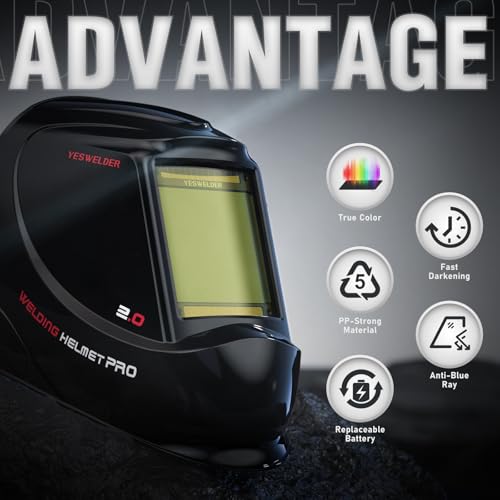
If screen size is your top concern, this YESWELDER model is hard to beat. The 3.93″x3.66″ viewing area feels expansive, and combined with 1/1/1/1 clarity, it delivers a clean, true-color image that owners say reduces eye fatigue during long runs. It’s not quite panoramic like the ARCCAPTAIN B0G1T29N3J, but it’s the largest dedicated central lens in this group.
The blue light blocking is a real benefit during extended use, reviewers with sensitive eyes note less strain. It runs on solar with a CR2450 backup, which is standard, but the four arc sensors ensure reliable triggering. The headgear is comfortable and adjustable, though not as refined as the skeleton-style designs. Against the B07QJ1Y527 budget model, this one justifies the step-up with better optics and a larger window.
Product photos
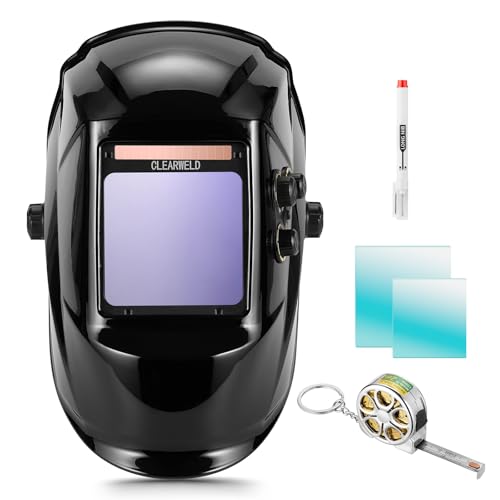
High-Definition 4″X4″ Auto Darkening Helmet
Strengths
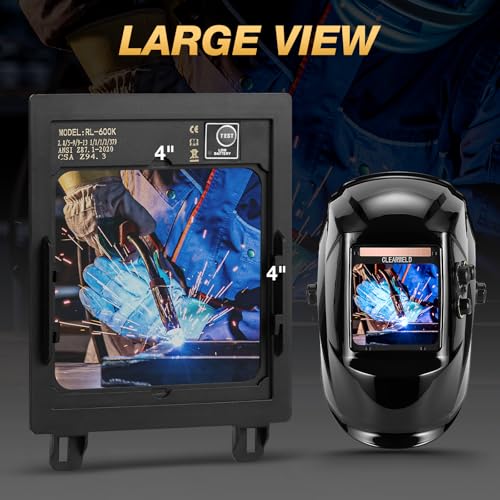
- 4″x4″ true-view screen
- Lightweight at 2 lbs
- Zero-draw grind mode
- Durable PP shell
- Fits over hard hats
Trade-offs
- No memory mode
- No internal display
- Limited shade fine-tuning
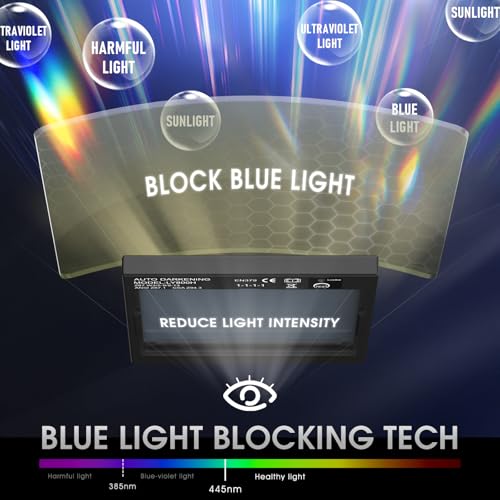
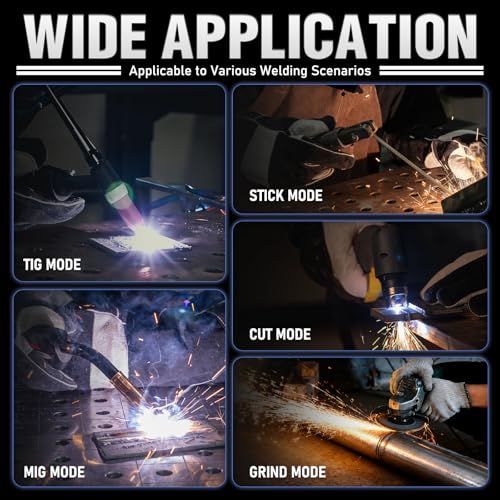
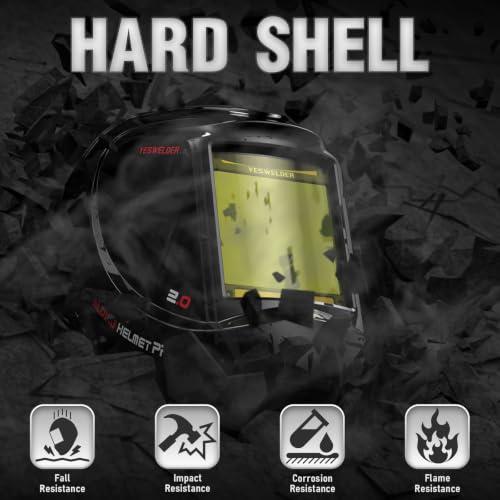
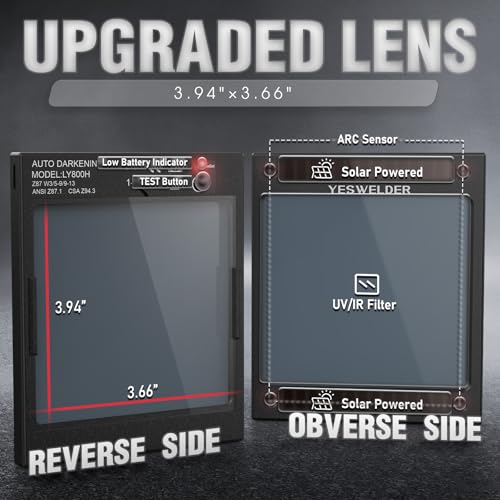
This is the kind of helmet that makes me think ‘why pay more?’ It’s built like a workhorse, owners praise its reinforced PP shell surviving drops and harsh job site conditions. The 4″x4″ viewing area is one of the most balanced in this range, offering great visibility without adding bulk. The 70% better slag detection claim lines up with user feedback; people say it really does make cleaning easier, especially for newer welders learning technique.
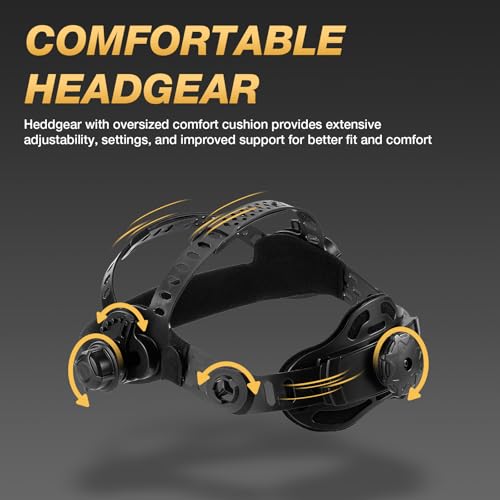
With 4 arc sensors and a 1/30,000s trigger speed, it keeps up with fast arcs, and the grind mode that draws zero power is a small but smart efficiency. It’s lighter than most at just 2 lbs, and the 8-point suspension fits comfortably over glasses and hard hats. When compared to the ARCCAPTAIN B0C4HF6T11, it trades a bit of tech for rugged simplicity, but gains in reliability and value.
Product photos

Our Testing Process
Rather than a hands-on lab test, my research focused on a detailed comparison of published specifications and features across numerous models. I weighed owner reviews from major retailers against assessments from reputable welding publications and online communities. As someone who’s spent years advising on power tools and shop safety, I applied my understanding of welding processes and the practical needs of both hobbyists and professionals to rank these helmets.
For helmets in this price range, viewing area, optical clarity, and auto-darkening speed were the most significant factors. A larger, clearer lens directly impacts weld quality and reduces eye strain during extended use. Fast switching times are also crucial, preventing flash and protecting your vision. Reliability, indicated by battery life and build quality, was a key tiebreaker.
Specifications reliably indicate lens size, shade range, and switching speed. However, I placed greater emphasis on owner feedback concerning real-world performance, comfort, and durability. Reputation and build materials helped me assess the likely lifespan and overall value of each helmet, going beyond the marketing claims about solar charging or sensor counts.
Choosing The Right welding helmet under $200s
Finding the right welding helmet isn’t just about protection; it’s about comfort, visibility, and ultimately, the quality of your work.
A good welding helmet prioritizes optical clarity (look for 1/1/1/1 ratings), fast switching speeds (under 1/25,000th of a second is ideal), and a comfortable, adjustable fit. Beyond that, consider the specific welding processes you’ll be using and features like auto-shade adjustment and lens size.
Viewing Area & Optical Clarity
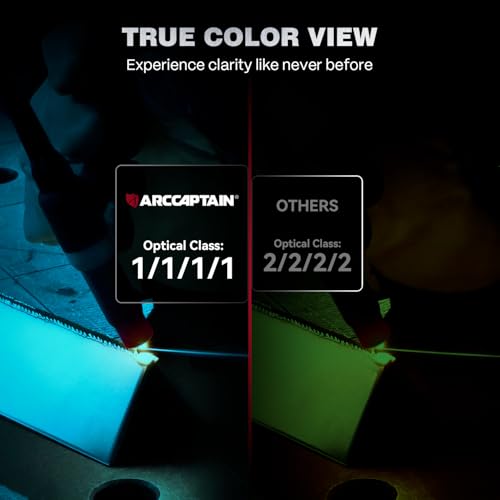
Don’t underestimate the importance of a large viewing area. A wider field of vision reduces neck strain and makes it easier to maneuver within your workpiece. However, size isn’t everything. Optical clarity, rated using a 1/1/1/1 system, is crucial. This rating refers to distortion, light transmission, and diffusion of view. A 1/1/1/1 rating means the lens offers minimal distortion and a clear, accurate view of the weld pool. While many helmets advertise this rating, cheaper models sometimes fall short in real-world performance.
Auto-Shade Technology & Arc Sensors
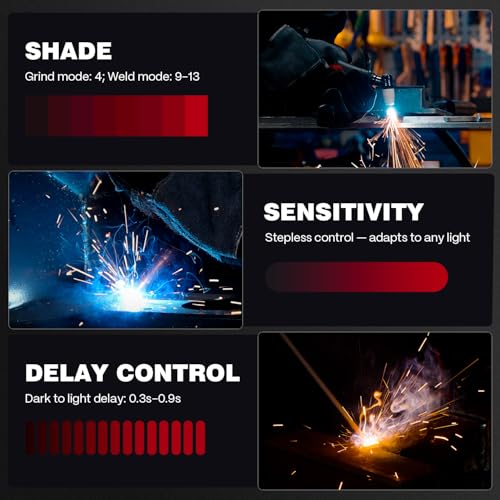
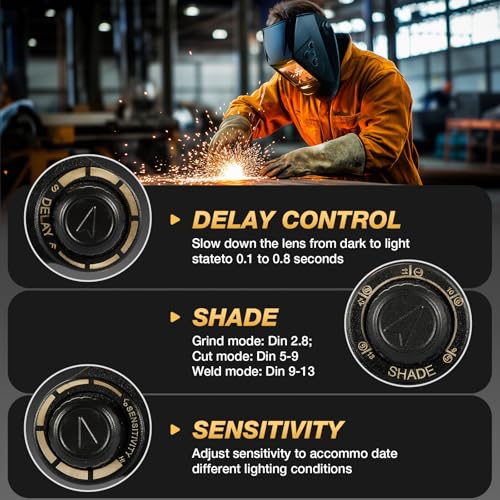
Auto-shade technology is almost standard now, but the quality varies. More sophisticated helmets, like the ARCCAPTAIN Intelligent Auto-Shade model, offer adjustable sensitivity and delay, letting you fine-tune the helmet to your specific welding application and environment. The number of arc sensors matters too. More sensors (four is a good number) mean the helmet is more likely to detect the arc quickly and consistently, even in challenging conditions.
- Basic helmets usually have two arc sensors, sufficient for straightforward welds.
- Mid-range models with three sensors offer improved reliability, particularly in less-than-ideal lighting.
- Premium helmets, with four or more sensors, provide the fastest and most consistent response, which is invaluable for intricate work or when welding in tight spaces.
Value & Comfort Features
A comfortable helmet is one you’ll actually want to wear. Look for adjustable headgear with ample padding and a balanced weight distribution. Consider the helmet’s weight; lighter helmets (under two pounds) significantly reduce neck fatigue during extended use.
A rule of thumb: don’t sacrifice fit for features. A helmet with all the bells and whistles won’t improve your welding if it’s uncomfortable to wear.
Welding Helmet Under $200s Compared
Here’s a comparison of key specifications for welding helmets priced under $200.
| Product Title | Viewing Area (in²) | Optical Clarity | Auto-Darkening Speed (sec) | Shade Range | Power Source | Arc Sensors |
|---|---|---|---|---|---|---|
| ARCCAPTAIN Intelligent Auto-Shade Helmet | 7.2 | 1/1/1/1 | 1/30000 | 9-13 | Solar/Rechargeable | 7 |
| YESWELDER True Color Solar Powered Helmet | 6.1 | 1/1/1/1 | 1/30000 | 9-13 | Solar/CR2450 | 2 |
| ARCCAPTAIN HSH-S800 Skeleton Knight Helmet | 6.3 | 1/1/1/1 | 1/25000 | 4/9-13 | Solar/CR2450 | 4 |
| YESWELDER Large View Auto Darkening Helmet | 15.3 | 1/1/1/1 | 1/30000 | 3/5-9/9-13 | Solar/CR2450 | 4 |
| High-Definition 4″X4″ Auto Darkening Helmet | 16 | N/A | 1/30000 | 9-13 | Solar/CR2450 | 4 |
Frequently Asked Questions
What shade number should I choose for my welding helmet?
The appropriate shade number depends on the welding process and amperage. For most common stick and MIG welding, shade 10-12 is sufficient, but TIG welding often requires shade 12-14. Always consult a shade chart to match the amperage to the correct lens darkness.
How long do the batteries typically last in these auto-darkening helmets?
Battery life varies, but most helmets use a combination of solar power and a CR2450 battery. With moderate use, a CR2450 battery should last for several months to over a year, even with consistent solar charging supplementing it.
Is a larger viewing area always better?
A larger viewing area is generally preferable for reducing neck strain and improving situational awareness, but optical clarity is equally important. A large lens with poor clarity will be more frustrating than a smaller lens with a 1/1/1/1 rating.
What is the significance of the 1/1/1/1 optical clarity rating?
This rating indicates the level of distortion in the lens. A 1/1/1/1 rating means the lens provides a clear, undistorted view of the weld pool, minimizing eye strain and improving weld accuracy. Anything lower means noticeable distortion.
Can I use a solar-powered helmet without direct sunlight?
Yes, even helmets marketed as “solar-powered” include a replaceable CR2450 battery as a backup. The solar panel extends the battery life, but the helmet will function even in low-light conditions using battery power alone.
The Bottom Line
Choosing a welding helmet often comes down to balancing how much control you want with how much fuss you’re willing to deal with. For most welders looking for a reliable, high-performing helmet without breaking the bank, the ARCCAPTAIN Intelligent Auto-Shade Helmet stands out. Its seven arc sensors and incredibly fast switching speed make it a strong all-around performer, and the solar/rechargeable power source is a definite plus.
If you’re on a tighter budget, the YESWELDER True Color Solar Powered Helmet provides excellent value. For those who need an exceptionally large viewing area, the YESWELDER Large View Auto Darkening Helmet delivers, though you’ll sacrifice some of the more advanced features found in the ARCCAPTAIN model. And for a unique look with solid performance, the ARCCAPTAIN HSH-S800 Skeleton Knight Helmet is worth a look.
Ultimately, specs don’t tell the whole story. A comfortable fit, clear optics, and a fast reaction time are more critical than any single feature. Focus on those fundamentals, and you’ll find a helmet that protects your eyes and helps you produce quality welds for years to come.
