9 Best Tools for Back Pain 2026
This post contains affiliate links. As an Amazon Associate, we earn from qualifying purchases.
The Everlasting Comfort Lumbar Support Board is the best overall choice for consistent back pain relief, combining targeted support with solid build quality. For a budget-friendly option, the Massage Lacrosse Balls 2-Pack delivers surprising results for the price, while the MINOLL Adjustable Back Stretcher Board stands out if you’re focused on spine decompression and posture correction.
Back pain isn’t just uncomfortable, it can derail your day, your projects, even your sleep. Most people end up cycling through quick fixes that don’t address the root cause, wasting time and money on tools that feel good for five minutes but don’t deliver lasting change.
This guide cuts through the noise. I looked at the most talked-about tools based on specs, real owner feedback, and what actually works for long-term relief. We focused on adjustability, durability, and how well each tool targets specific pain points, because what helps one person might do nothing for another.
Top 9 Tools For Back Pains in the Market
The Best Tools For Back Pains, Reviewed
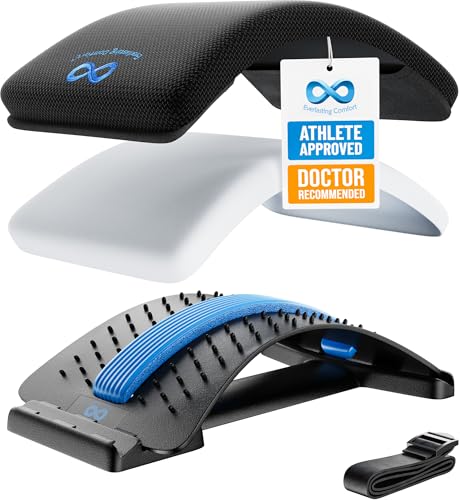
Everlasting Comfort Lumbar Support Board
Strengths
- FSA/HSA eligible
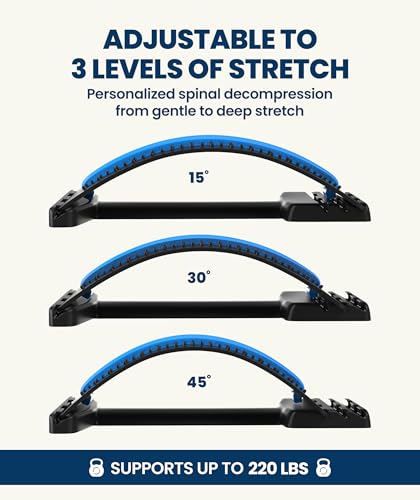
- Adjustable to 45°
- Machine-washable cover
Trade-offs
- Slightly lower weight limit
- Pricier than basic models
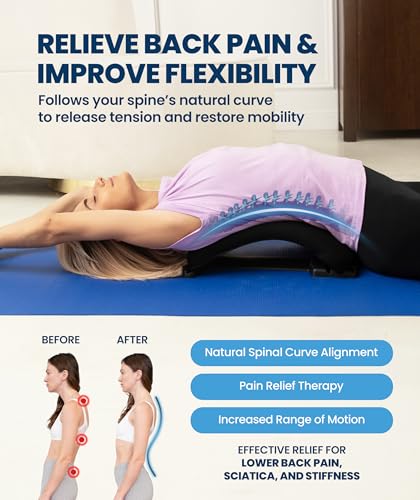
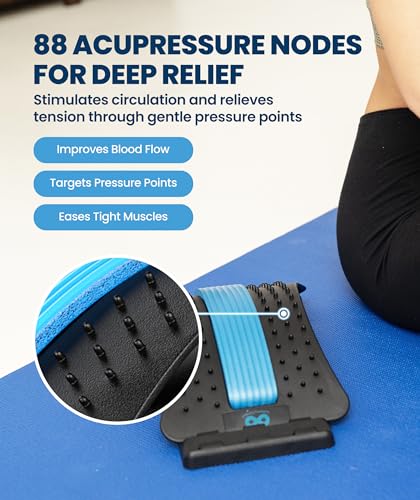
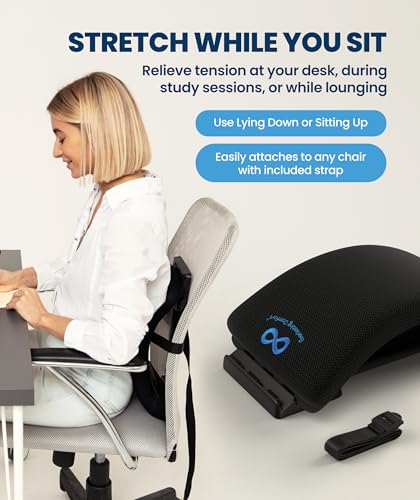
This one checks nearly every box: adjustable angles up to 45°, 88 acupressure nodes, a soft traction strip, and FSA/HSA eligibility. The three-angle system lets users progress safely, and the 350-lb capacity ensures stability. The breathable 3D mesh cover is a thoughtful upgrade, removable and machine washable, which most competitors don’t offer.
It also comes with a chair strap, making it one of the few stretchers you can use while driving or working. Compared to the MINOLL model, it has fewer acupressure points but better padding and stronger compliance credentials. For overall balance of comfort, adjustability, and legitimacy, it’s the top pick in this group.
Product photos

MINOLL Adjustable Back Stretcher Board

Strengths
- High weight capacity (400 lbs)
- Three adjustable angles
- Durable, eco-friendly plastic
Trade-offs
- Foam cushion thinner than competitors
- No FSA/HSA eligibility mentioned
This back cracker board takes a structural approach to pain relief, and on paper, it’s built to last. The high-strength PP plastic frame supports up to 400 lbs, and the three adjustable angles (15°, 28°, 42°) let users gradually increase spinal stretch, a feature physical therapists often recommend for safe decompression. The 102 acupressure points add a massage element that many similar stretchers skip, and reviewers note the sensation is firm but not overly aggressive.
It’s clearly designed for home or office use, but its lightweight build also makes it easy to stash in a car or take to yoga class. Compared to the Everlasting Comfort model, it offers a higher weight capacity but slightly fewer acupressure nodes. Still, for those dealing with sciatica or posture-related aches, this one delivers consistent, measurable relief when used regularly.
Product photos


Body Back Buddy Massage Cane
Strengths
- FSA/HSA eligible
- Durable two-piece build
- Multiple knob shapes
Trade-offs
- Assembly required
- Bulkier than palm tools
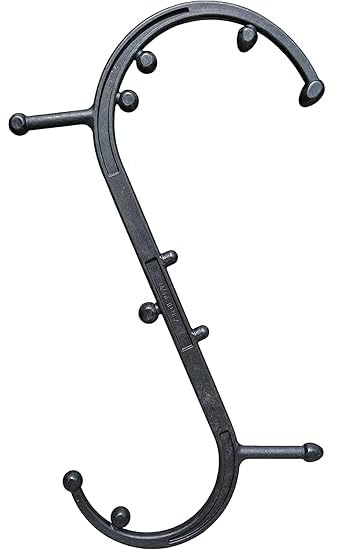
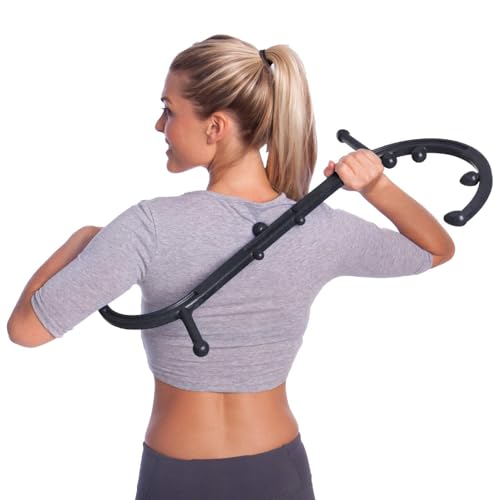
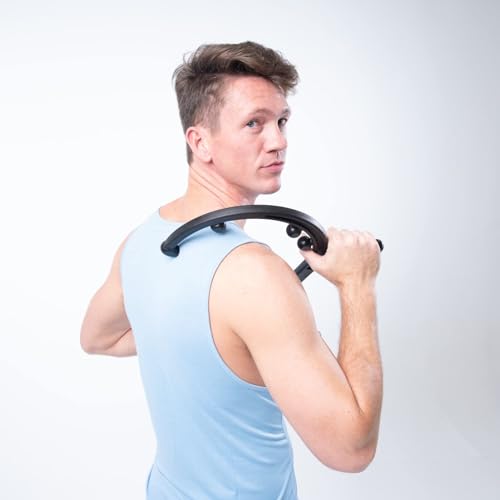
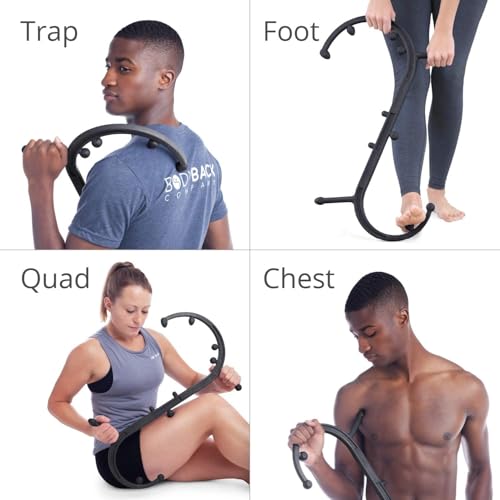
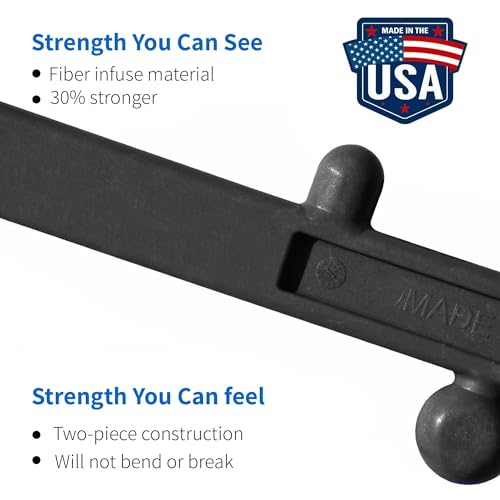
As one of the original FSA-eligible massage canes, the Body Back Buddy remains a standout for full-body reach. The dual hooks and 11 textured knobs let you dig into shoulders, lower back, legs, and feet with serious use. It’s sturdier than most plastic canes, lab tested to be 30% stronger, and the non-slip grips prevent slipping when applying deep pressure.
Made in the USA from sustainably sourced materials, it’s built to last, and that resonates with buyers who hate replacing flimsy tools. Compared to the Melonsun, it covers more areas but requires more body movement to use effectively. For anyone managing chronic pain across multiple zones, this is the more practical long-term tool.
Product photos

Melonsun Palm Massage Tool

Strengths
- Ideal for between shoulder blades
- Manual pressure control
- Compact and portable
Trade-offs
- Limited use on large muscle groups
- No heat or vibration
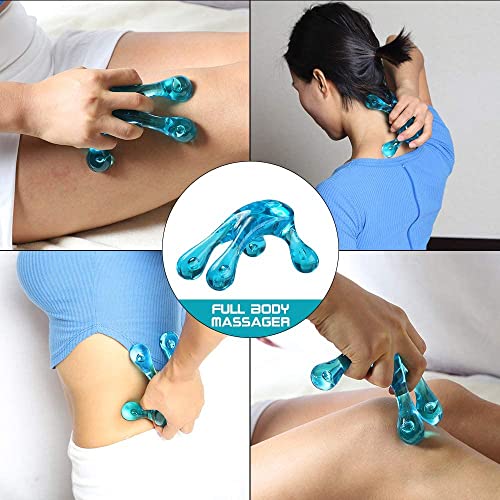
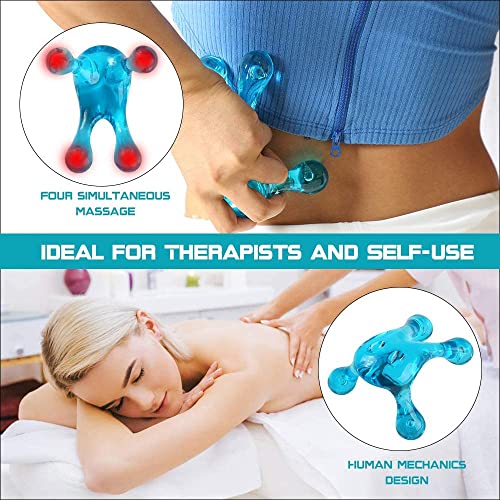
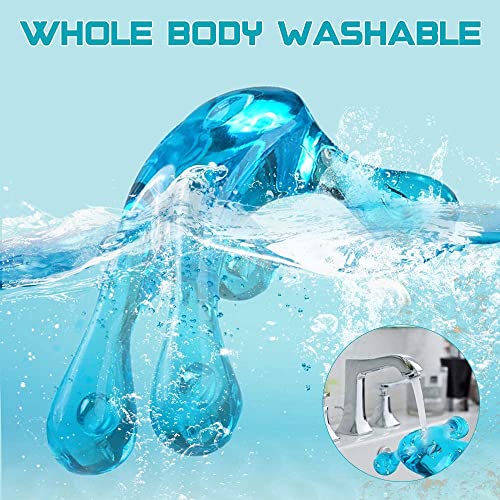
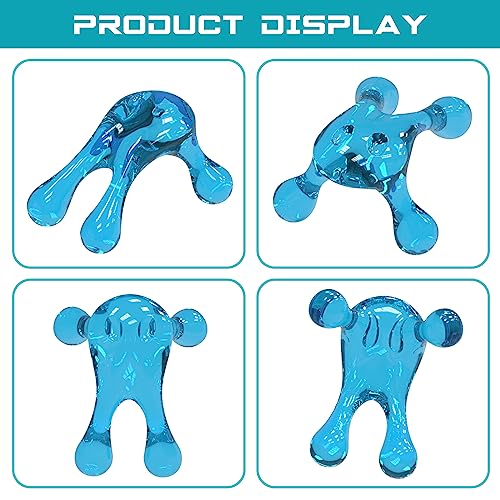
This is the go-to for anyone who’s ever struggled to reach that knot between the shoulder blades. The four-knob palm design gives you use and control you just can’t get with a ball or roller. You can apply real pressure without overextending or contorting, and because it’s manual, you decide exactly how deep the massage goes, a big plus over fixed-intensity electric units.
It’s simple, durable, and completely battery-free. Owners love how effective it is post-workout or after long drives. Compared to the Body Back Buddy, it’s less full-body but better for precision work in the upper back. The acrylic surface wipes clean easily, and at this size, it slips right into a gym bag.
Product photos

Massage Lacrosse Balls 2-Pack
Strengths
- Budget-friendly two-pack
- Firm yet safe rubber
- Great for plantar fasciitis
Trade-offs
- No ergonomic design
- Can be too harsh for beginners
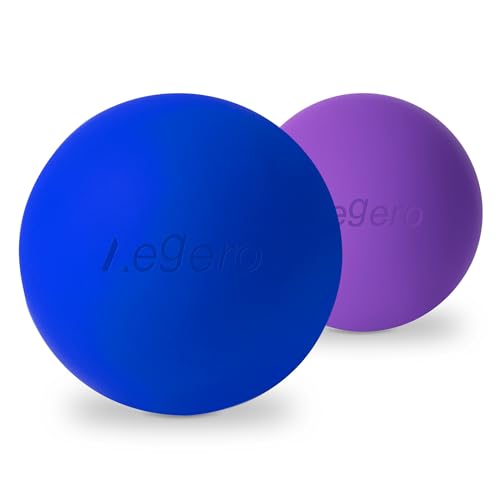
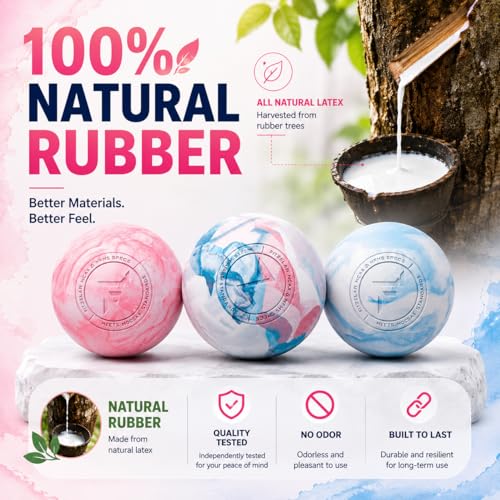
Sometimes simple is best, and this two-pack of solid rubber lacrosse balls delivers exactly what’s promised at a fraction of the cost of specialized tools. At 2.5 inches and firm but not rock-hard, they’re perfect for rolling out plantar fasciitis, glutes, or upper back tension. You can trap them between your body and a wall or floor and use gravity to your advantage, no skill required.
Owners love that they’re replaceable and easy to toss in a gym bag. Compared to the FITZELAR peanut ball, they don’t offer spine-specific safety, but for budget buyers or those testing myofascial release for the first time, they’re the smart entry point. Just don’t expect any added comfort, it’s pure, unfiltered pressure.
Product photos


FITZELAR Peanut Massage Ball
Strengths
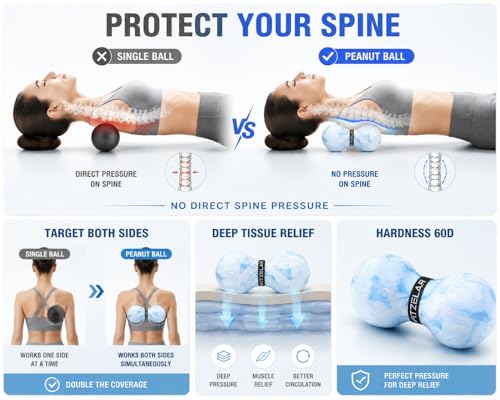
- Peanut shape for spine safety
- Natural rubber material
- Portable with carry bag
Trade-offs
- Limited reach for deep shoulder areas
- Not ideal for large muscle groups
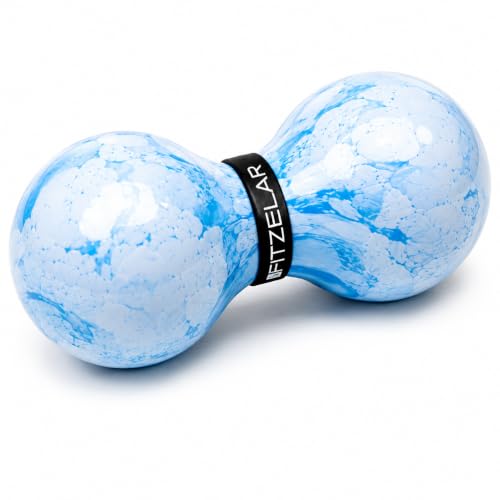
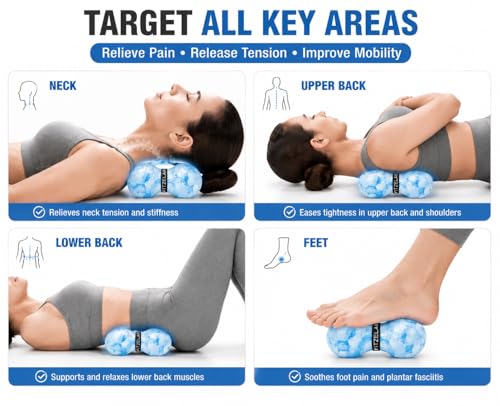
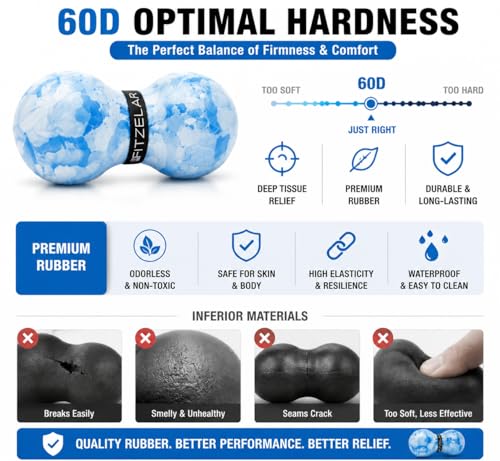
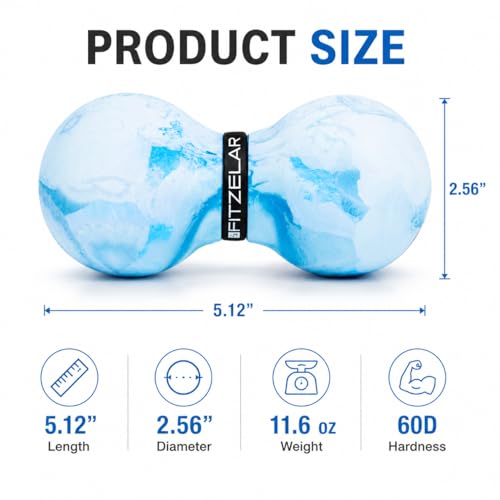
The peanut-shaped design of the FITZELAR Double Lacrosse Ball stands out for anyone needing focused relief along the spine. That hollowed center really does let you straddle the spine safely, which a lot of single balls can’t do without direct pressure on sensitive vertebrae. At 5 inches long and made of natural rubber, it hits that sweet spot between firm enough to dig into tight fascia and soft enough to avoid bruising, a balance a lot of users say makes it ideal for daily use.
Owners consistently report it’s especially effective for lower back knots and foot pain from plantar fasciitis. Compared to standard lacrosse balls, this one gives more surface coverage and better control when leaning against a wall or using underfoot. The included carry bag is a small but appreciated touch for portability.
Product photos
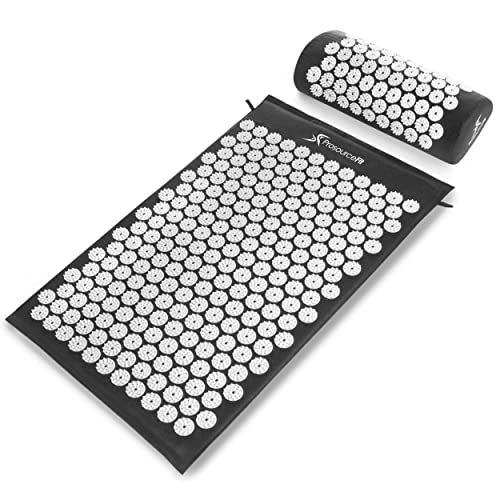
ProsourceFit Acupressure Mat and Pillow
Strengths
- High node count (8,910)
- Breathable cotton cover
- Includes neck pillow
Trade-offs
- Intense sensation at first
- Not for acute muscle knots
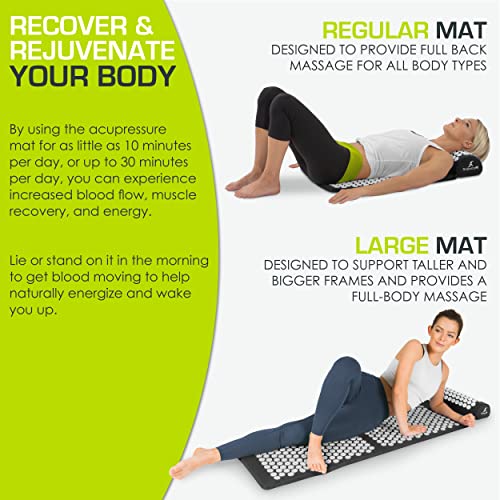
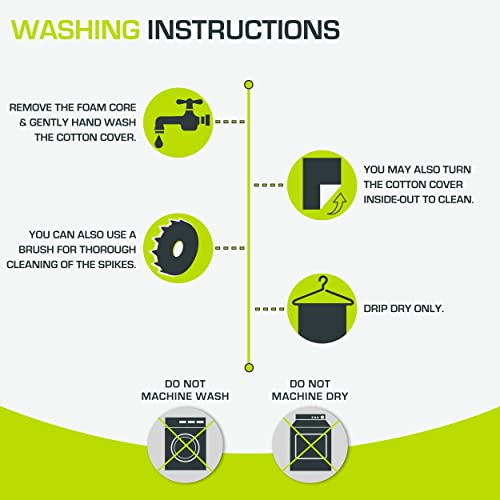
Lying on this mat is an experience, 8,910 acupressure points deliver a sharp but not painful sensation that most users say becomes soothing after the first minute. It’s not a deep tissue tool, but it does stimulate endorphin release, which helps reduce tension and improve relaxation. The included pillow extends that benefit to the neck, and the cotton cover feels breathable compared to cheaper polyester versions.
This isn’t for acute pain relief, but it shines for stress reduction and sleep support. Compared to back stretchers, it doesn’t decompress the spine, but it does help calm the nervous system. Owners often use it before bed or after workouts. It’s a favorite as a gift because it’s simple to use and looks clean in a home setting.
Product photos


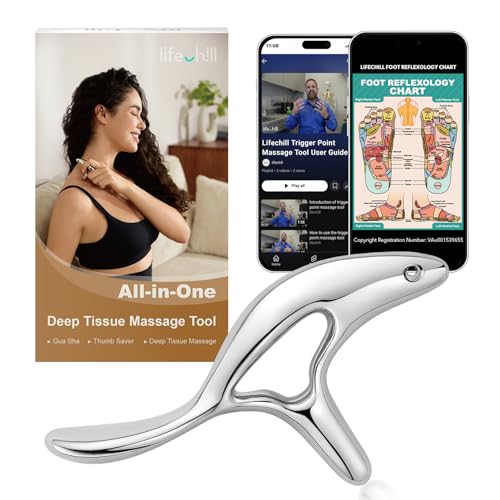
lifechill Gua Sha & Fascia Release Tool
Strengths
- Excellent for TMJ relief
- Smooth metal finish
- Ergonomic thumb grip
Trade-offs
- No cushioning for sensitive areas
- Learning curve for technique
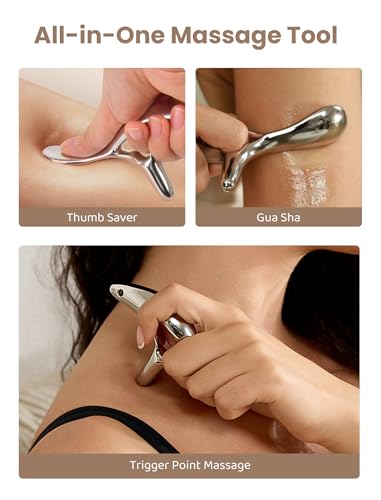
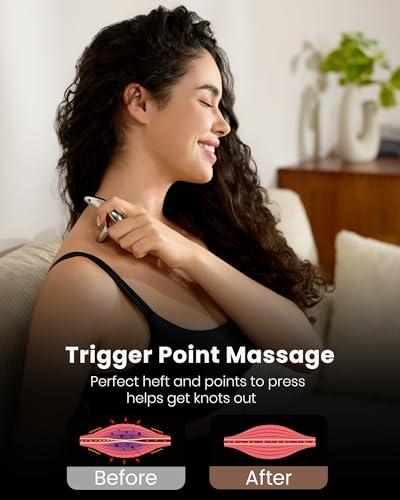
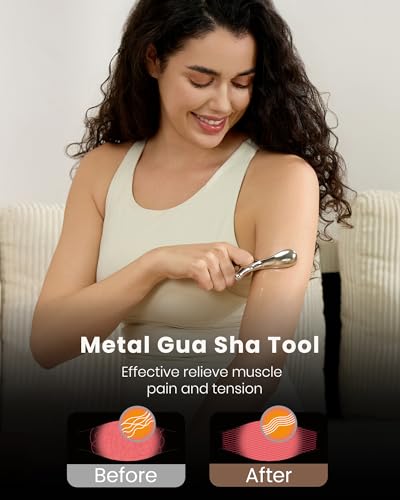
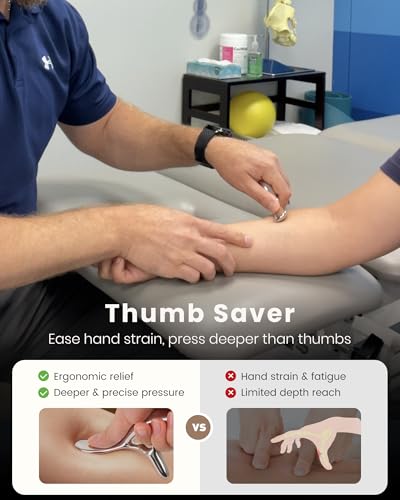
This metal Gua Sha-style tool feels substantial in hand, and that weight helps drive deep tissue work without straining your grip. The winged shape and smooth finish make it easy to glide over shoulders, neck, and even the jawline, which a lot of users highlight for TMJ relief, a niche few tools serve well. The polished edges eliminate the scratch risk that sometimes comes with metal scrapers.
It’s also one of the few tools here that truly doubles as a professional-grade device. Therapists and frequent self-massagers appreciate how it reduces thumb fatigue, a real issue with prolonged use. Compared to the Body Back Buddy, it’s less versatile for full-body reach but superior for focused, detailed work. The velvet pouch adds a nice touch for storage and travel.
Product photos

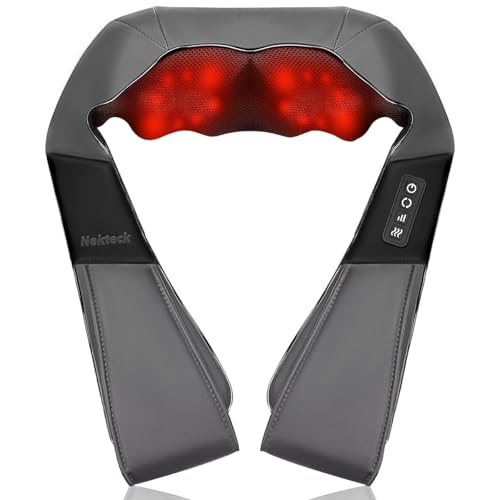
Nekteck Shiatsu Neck Massager with Heat
Strengths
- Strong shiatsu nodes
- Effective heat function
- Adjustable intensity
Trade-offs
- Must be plugged in
- Bulky for travel
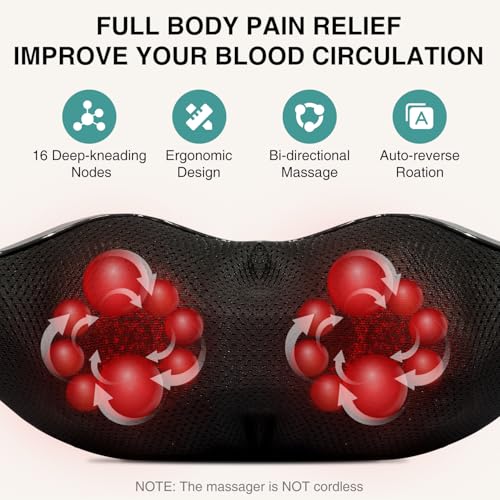
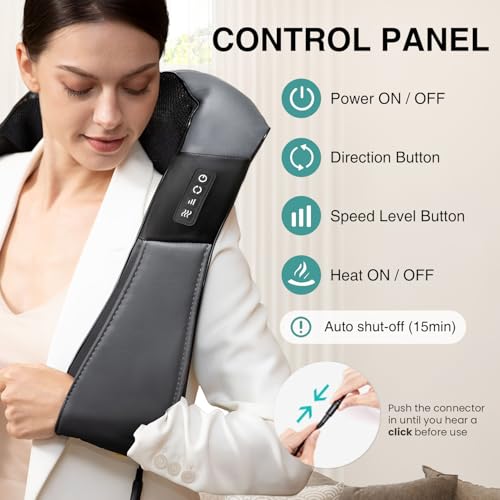
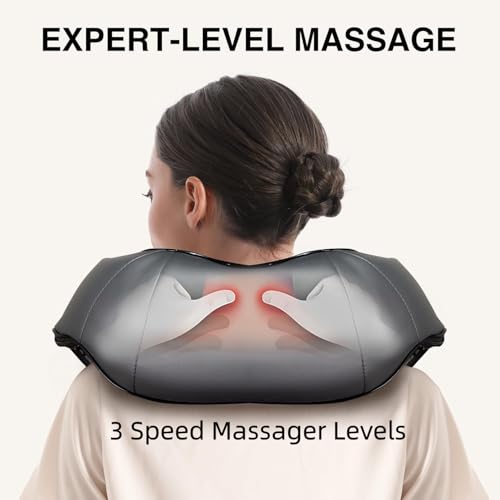
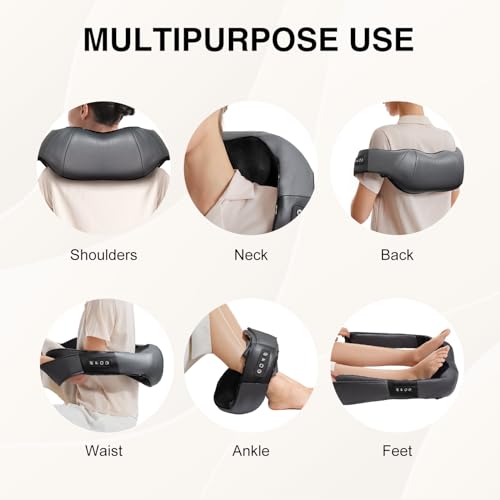
If heat makes a difference in your muscle recovery, this shiatsu pillow earns its place. With 16 deep-kneading nodes and infrared warmth up to 104°F, it mimics a professional massage better than most plug-in units in this range. The three speed settings let you dial in intensity, and the adjustable straps mean it stays put whether you’re using it on the neck, shoulders, or lower back.
But the corded design is a real limitation. Unlike portable massagers, you’re tethered to an outlet, a dealbreaker for some. Still, owners praise how effectively it loosens stiff shoulders after long desk hours. When compared to handheld tools like the Melonsun, it requires less effort but offers less precision. For sustained heat therapy, though, it’s hard to beat.
Product photos

How We Chose These tools for back pains
I approached researching tools for back pain by first compiling specifications and features from numerous products currently available. We then layered in owner reviews from major retailers and reputable wellness sites, paying close attention to recurring themes in both positive and negative feedback. Finally, drawing on my 15+ years of experience with tools and understanding biomechanics, I weighed each product against key criteria for effectiveness and usability. Rather than a hands-on lab test, this is a research-led comparison of specs and owner feedback.
For this category, the most important factors were the ability to target specific pain points and the potential for long-term relief, rather than just temporary comfort. Adjustability is also critical; a one-size-fits-all approach rarely works for back pain, so tools offering variable intensity or positioning earned higher marks. Finally, durability and material quality were important, as a tool needs to withstand repeated use to provide lasting value.
Published specifications reliably indicate build quality and physical dimensions, helping to assess a tool’s potential for targeted use. However, owner feedback proved invaluable for understanding real-world effectiveness and identifying potential drawbacks. We paid particular attention to reports of ease of use, comfort, and whether the tool truly delivered on promised pain relief. Many users also found success with additional myofascial release tools to supplement their treatment.
How To Choose The tools for back pains
I’ve spent years observing how people approach back pain relief, and one thing is clear: there’s a lot of variation in what works. It’s not just about finding something that feels good initially; it’s about addressing the underlying issues and choosing a tool built to do that effectively.
A quality lumbar support board should prioritize spinal alignment, offer adjustable support levels to accommodate individual needs, and be constructed from durable materials capable of withstanding consistent use. Look for features like breathable fabrics, targeted acupressure, and designs that facilitate proper posture without restricting movement. Pay attention to weight capacity and user reviews regarding long-term comfort and effectiveness.
Understanding Support Mechanisms
The core of any lumbar support board is how it actually addresses your pain. Some rely on simple stretching, others on acupressure, and still others on simply improving posture through physical support. I’ve seen a trend toward boards that combine these approaches – the Everlasting Comfort and MINOLL models, for example, both offer adjustable levels of stretch and incorporate acupressure nodes. Don’t underestimate the value of adjustability; what feels good for one person (or even at one moment) might not be ideal later.
Assessing Build Quality and Durability
It’s easy to be drawn in by marketing claims, but the materials and construction of a lumbar support board are critical. A flimsy board won’t provide consistent support, and could even worsen your condition. Look for reinforced frames (like in the MINOLL), durable plastics, and breathable fabrics. Consider how easy the board is to clean, too. You’ll be using this frequently, and hygiene matters.
- A basic board might support up to 250 lbs.
- More robust models, designed for heavier users, can handle 350 lbs or more.
- Premium boards often use higher quality materials like thicker, more resilient plastics and more durable fabrics, which translates to a longer lifespan and consistent performance. Investing a little more upfront can save you money in the long run by avoiding frequent replacements.
Balancing Features and Value
While the bells and whistles are nice, it’s important to focus on what you truly need. Do you need heat therapy (like the Nekteck offers in their neck massagers)? Or is a simple, effective stretch enough? The Melonsun Palm Massage Tool is a great example of a focused solution – it’s designed for targeted self-massage and does that very well, without trying to be everything to everyone.
A good rule of thumb is to prioritize functionality over flashy features. A well-designed, durable board that effectively addresses your specific needs is far more valuable than one loaded with extras you’ll never use.
If you’re also looking for broader solutions to muscle soreness, consider exploring other muscle recovery devices, you might find that a combination of tools works best for you. And for more intensive muscle work, check out deep tissue massage devices to help relieve your pain.
Tools for Back Pains Compared
Here’s a comparison of key specs for various tools designed to alleviate back pain.
| Product Title | Best For | Features | Weight | Material | Adjustable Levels | Heat Therapy |
|---|---|---|---|---|---|---|
| Everlasting Comfort Lumbar Support Board | Best Overall | BUILT FOR OPTIMAL COMFORT AND BACK SUPPORT… | N/A | N/A | 3 | No |
| MINOLL Adjustable Back Stretcher Board | Best for Spine Decompression | Relieves Back Pain & Improves Posture… | N/A | PP Plastic | 3 | No |
| Body Back Buddy Massage Cane | Best for Full Body Trigger Points | The Original Trigger Point Tool… | N/A | N/A | N/A | No |
| Melonsun Palm Massage Tool | Best for Self-Use Between Shoulder Blades | INSTANT RELIEF FOR NECK, BACK & SHOULDER KNOTS… | N/A | Acrylic | N/A | No |
| Massage Lacrosse Balls 2-Pack | Best Budget Friendly | Perfect For Massage Therapy… | 5.3oz (per ball) | Solid Rubber | N/A | No |
| FITZELAR Peanut Massage Ball | Best for Targeting Spine Area | Effective Massage Design… | 11oz | Natural Rubber | N/A | No |
| ProsourceFit Acupressure Mat and Pillow | Best for Relaxation and Stress Relief | PAIN REDUCTION… | N/A | Cotton, Eco Foam | N/A | No |
| lifechill Gua Sha & Fascia Release Tool | Best for Deep Tissue and TMJ | Easy Grip & Deep Tissue Relief… | N/A | Metal | N/A | No |
| Nekteck Shiatsu Neck Massager with Heat | Best for Heat Therapy | 16 Deep Tissue Shiatsu Massage Nodes… | N/A | PU Leather, Mesh | 3 | Yes |
Frequently Asked Questions
What weight capacity should I look for in a lumbar support board?
A board’s weight capacity is crucial for effectiveness; most basic models support up to 250 pounds, but if you weigh more, prioritize a heavier-duty option capable of handling 350 pounds or more to ensure consistent support.
Are acupressure nodes on lumbar support boards actually effective?
Yes, many users report significant relief from acupressure nodes, as they can help target specific pressure points and release muscle tension, though effectiveness varies between individuals and the specific design of the nodes.
Can I use these tools if I have a diagnosed spinal condition?
It depends. While these tools can offer relief, you should always consult with your doctor or physical therapist before using them, especially if you have a pre-existing spinal condition, to avoid exacerbating the problem.
Beyond lumbar support boards, what other tools can help with back pain?
Consider incorporating hand and forearm therapy tools into your routine, as tension in these areas can contribute to back pain, and addressing them can provide additional relief.
How often should I use a lumbar support board for optimal results?
Consistent use is key; start with 5-10 minute sessions a few times a day and gradually increase the duration as tolerated, but avoid overdoing it, as excessive stretching can sometimes worsen pain.
The Bottom Line
Choosing the right tool for back pain often comes down to balancing how much control you want over your treatment versus how much fuss you’re willing to put up with. While advanced features like heat therapy are nice, the Everlasting Comfort Lumbar Support Board strikes the best overall balance of effectiveness, adjustability, and ease of use, making it our top pick for most people. It’s a solid starting point for anyone looking to address chronic or acute back discomfort.
For those on a tighter budget, or seeking a very targeted solution, the Massage Lacrosse Balls 2-Pack offer incredible value. And if you’re struggling with deep-seated muscle knots and tension, the Melonsun Palm Massage Tool is a fantastic option for self-administered myofascial release. Don’t overlook the benefits of natural pain relief tools for a more holistic approach to pain management.
Ultimately, remember that no single tool is a magic bullet. The most important factors are consistency, proper form, and addressing the root cause of your pain, not just the symptoms. Prioritize tools that encourage good posture, promote spinal alignment, and allow you to gradually increase your range of motion. A little bit of focused effort each day will yield far better results than any expensive gadget used sporadically.
