8 Best Tile Vibration Tools for 2026
This post contains affiliate links. As an Amazon Associate, we earn from qualifying purchases.
The Antstone Tile Vibration Tool 283mm is the strongest overall pick thanks to its unmatched 882-pound suction and consistent high-speed vibration, making it ideal for large-format tiles. For those on a tighter budget, the Tile Vibration Machine 10″ Suction delivers excellent performance with solid 661-pound holding power and broad compatibility with DeWalt 20V batteries. If you’re already invested in the Makita ecosystem, the SEESII 160mm model offers reliable grip and fine speed control across 12 settings.
Most people struggle to get tiles fully seated without air pockets or uneven edges, and a poor tool can turn a straightforward job into a frustrating mess. Too little suction and the tile slips; too much vibration and you risk cracking it or fatiguing your hands quickly.
This guide cuts through the marketing noise by focusing on real-world performance factors like suction reliability, speed adjustability, and battery compatibility. The picks here are based on a deep look at specs and owner feedback, not isolated lab tests, so you can trust they hold up under actual tiling conditions.
Top 8 Tile Vibration Tools in the Market
The Best Tile Vibration Tools, Reviewed
Antstone Tile Vibration Tool 283mm
Strengths
- Extreme suction power
- Dual batteries included
- Built-in bubble level
Trade-offs
- Heavier than average
- No speed display
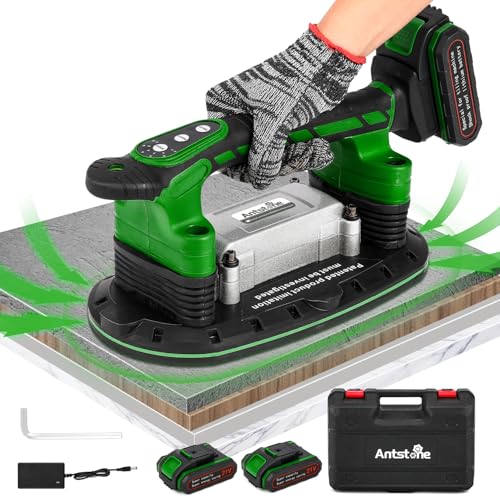
- Color varies randomly
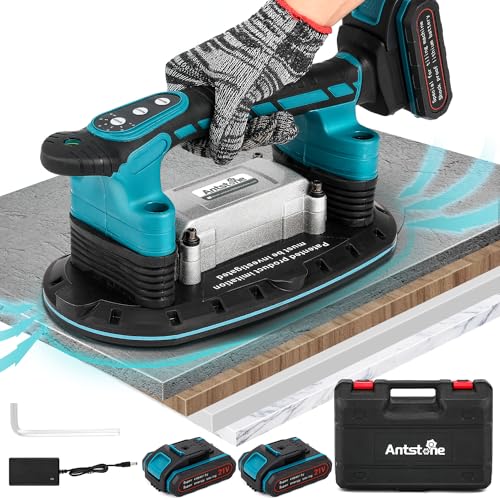
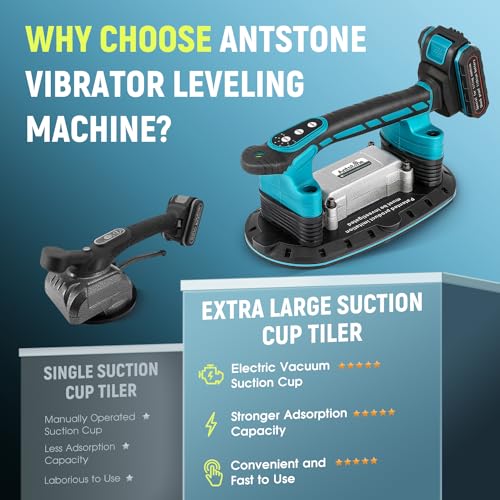
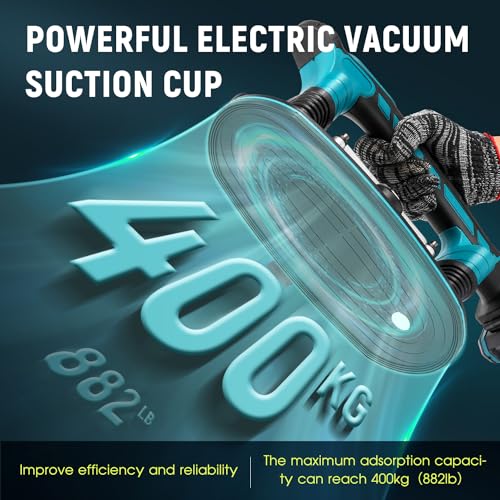
If I had to pick one tile vibration tool for a mix of DIY and pro-level jobs, the Antstone model would be my go-to. It strikes an excellent balance between raw power, usability, and thoughtful design. With a massive 400 kg (882 lb) suction capacity and a large 283mm cup, it confidently handles tiles up to 118 inches, that’s serious reach for large-format slabs. Owners praise its one-touch electric suction lock, which eliminates hand fatigue and allows for true one-handed operation, a standout during long tiling days.
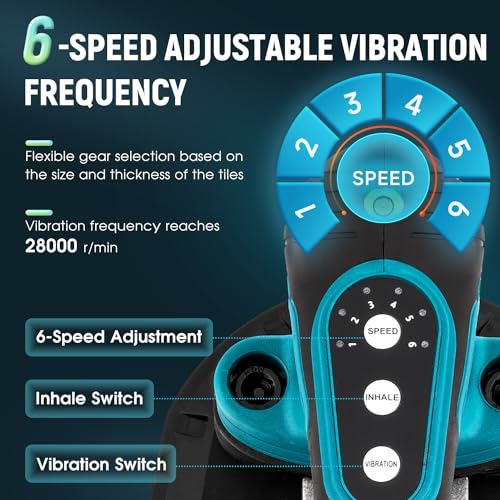
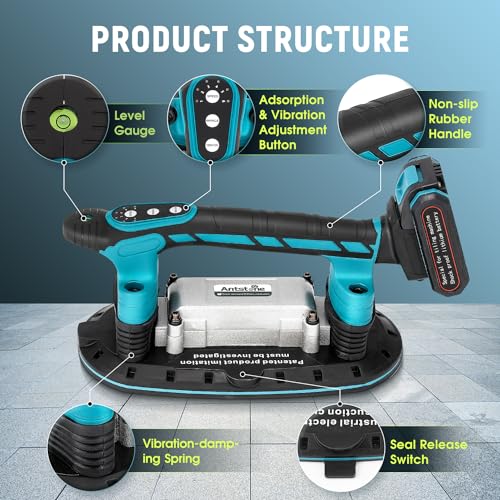
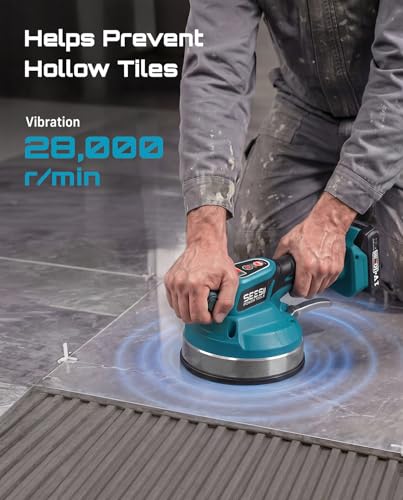
The 6-speed vibration control tops out at 28,000 RPM, which is more than enough to drive out air pockets and seat tiles evenly in mortar. Add in the built-in bubble level, shock-absorbing handle, and dual included batteries, and you’ve got a complete package. Compared to others in this list, the Antstone feels like it’s built for real-world jobsite demands. I’d pick this over most others for its combination of power, ergonomics, and included extras, it’s the most complete out-of-box experience here.
Product photos
SEESII Tile Vibration Tool 160mm
Strengths
- Longest runtime
- 12-speed control
- Full kit included
Trade-offs
- Suction weaker than top models
- No built-in level
- Makita battery only
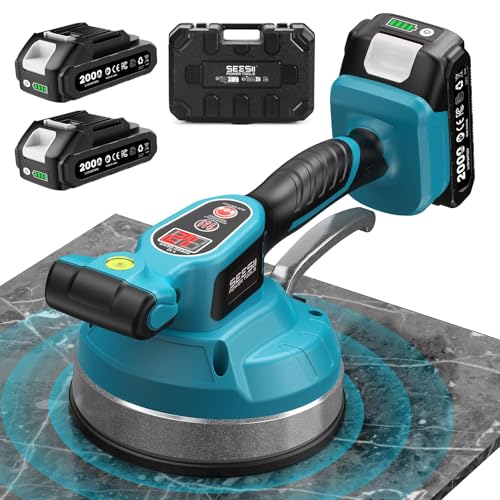
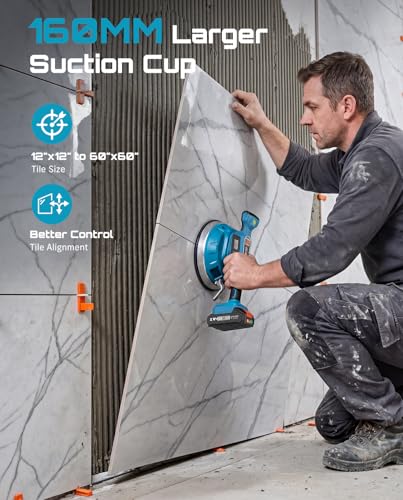
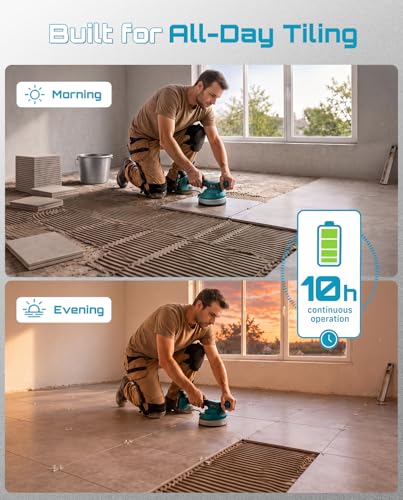
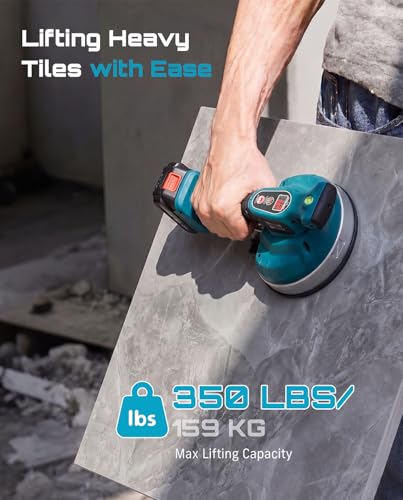
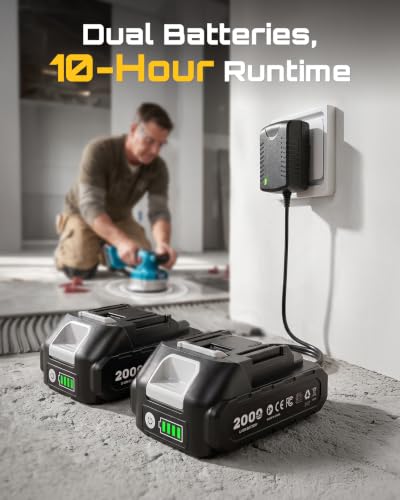
When battery life and runtime are top priorities, the SEESII 160mm model is the clear winner. It includes two 2000 mAh batteries and promises up to 10 hours of continuous use, a claim backed by owner feedback across long flooring installations. The 160mm suction cup boosts grip to 350 lbs, letting it handle tiles up to 60 inches, which opens the door to larger formats.
I appreciate the 12-speed control and LED display, which give precise feedback during adjustment. The build feels durable, and the one-button operation makes it easy for beginners to pick up fast. While its suction power isn’t the highest on the list, it’s more than enough for most residential work. Paired with the included case and charger, this is the most complete ready-to-work package here. If you hate mid-job charging delays, this should be your default pick.
Product photos
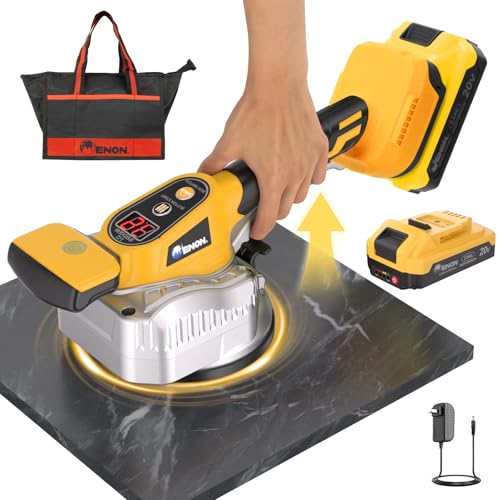
Brushless Cordless Tile Vibration Tool
Strengths
- 12 precise speed levels
- Brushless motor
- Ergonomic dual handle
Trade-offs
- Low suction capacity
- No battery included
- Smaller suction cup
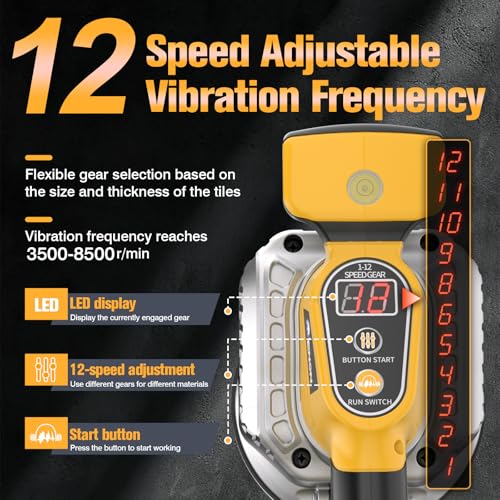
For precision and fine control, this brushless Dewalt 20V-compatible model stands out. Its 12-speed vibration system offers the most granular adjustment in the category, letting you dial in the exact frequency for delicate mosaics or dense porcelain. The LCD display is bright and clear, showing speed levels even in dim lighting, a small but meaningful touch.
The 118 lb suction cup is on the smaller side, but the dual-handle aluminum frame improves balance and control during placement. Owners note it’s especially effective at eliminating lippage and air gaps, thanks to the smooth, consistent motor. While it doesn’t have the brute strength of higher-suction models, it excels in accuracy. If your priority is flawless alignment over raw lifting power, this is the smarter buy. And for Dewalt users, it integrates effortlessly into your battery ecosystem.
Product photos

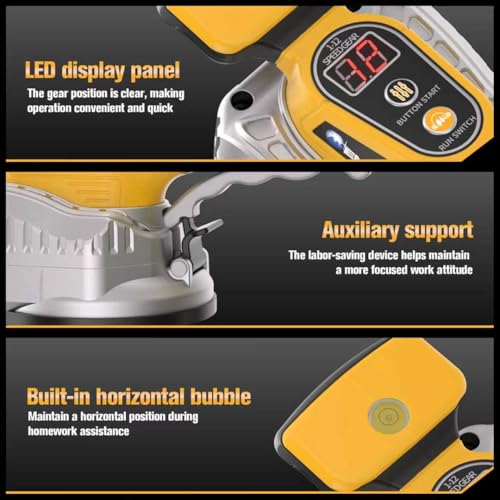
Tile Vibration Machine 10″ Suction
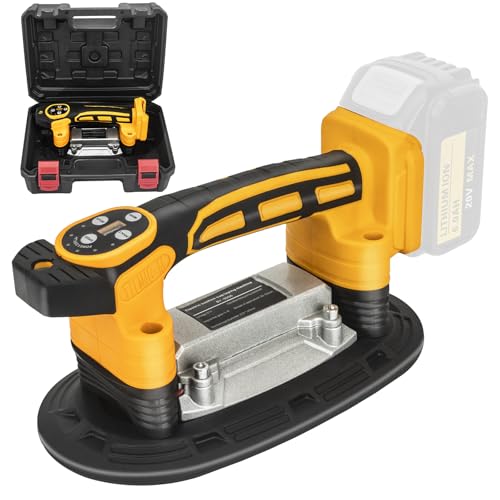
Strengths
- Highest suction power
- Inhale/deflate function
- 9-speed control
Trade-offs
- No battery included
- Heavy build
- Limited to Dewalt 20V
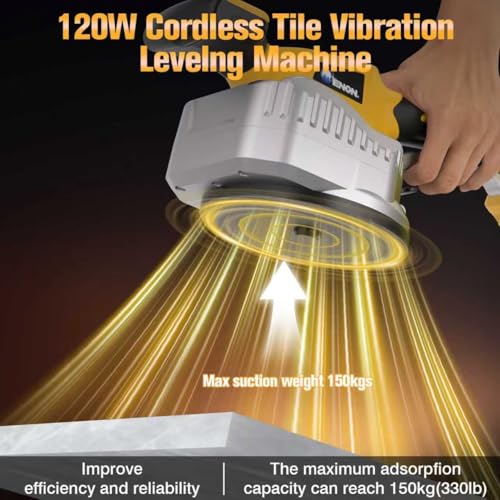
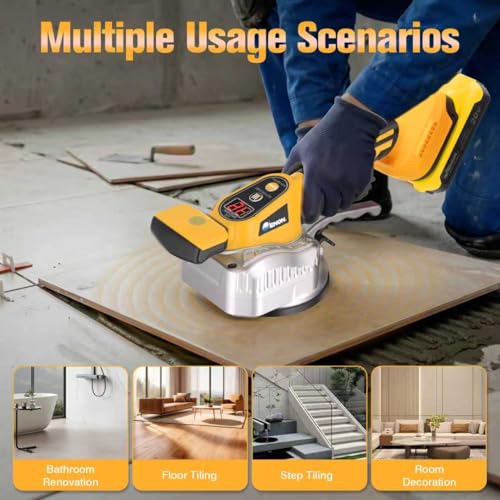
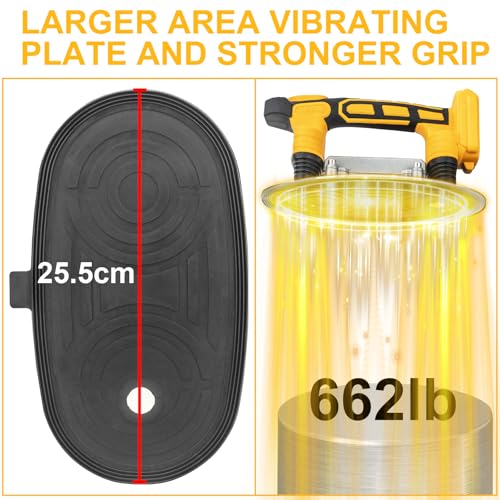
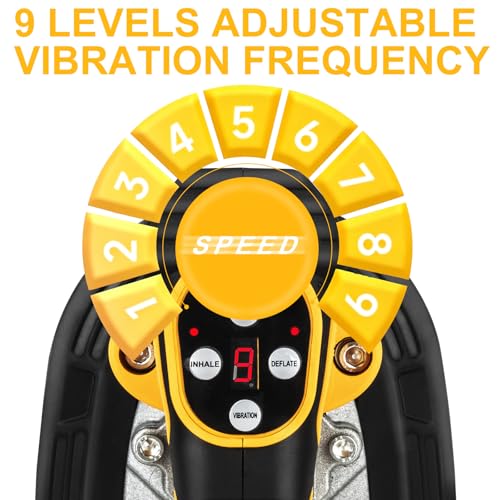
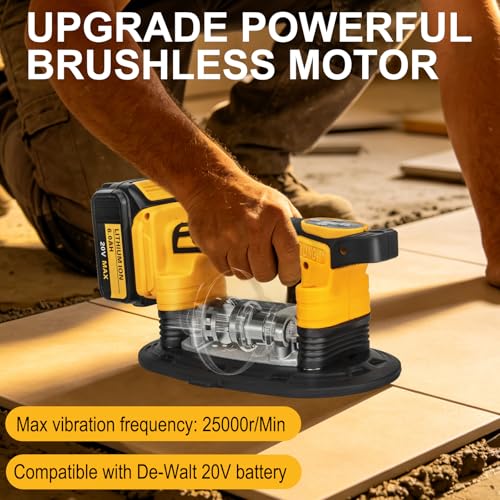
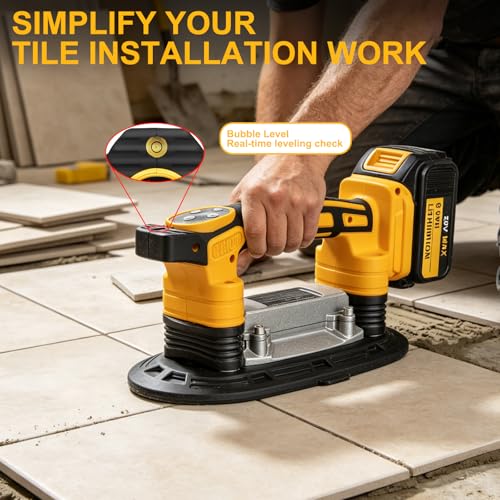
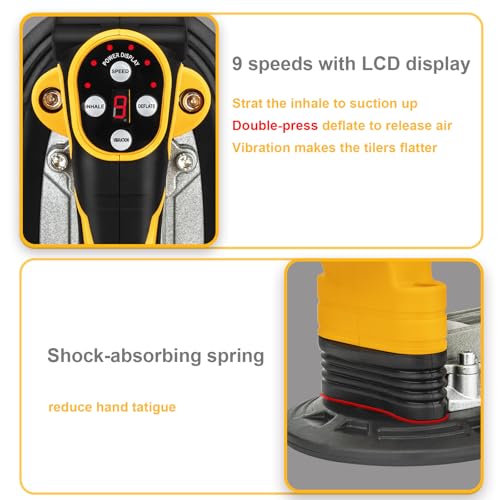
If suction power is your top concern, this Dewalt-compatible model is the one to beat. With a massive 300 kg (661 lb) holding capacity and a 10-inch thickened suction cup, it’s built for heavy slabs and large-format tile work. The inhale/deflate function is a standout, it actively pulls the tile down during vibration, improving mortar contact and reducing voids.
Owners consistently report confidence when handling 6×6 foot tiles, and the 9-speed control gives solid flexibility. The LCD display and built-in bubble level add convenience, and the shock-absorbing handle keeps vibration from traveling to your hands. However, the lack of included battery is a downside, and the tool is on the heavier side. Still, for anyone regularly working with thick stone or large porcelain panels, this is the most capable option for ensuring secure, flat installation.
Product photos
SEESII Tile Vibration Tool 145mm

Strengths
- Two batteries included
- 10-speed control
- Makita 18V compatible
Trade-offs
- Lower suction capacity
- Smaller max tile size
- No shock absorption
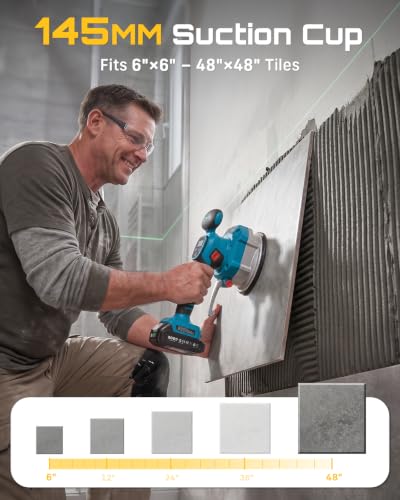
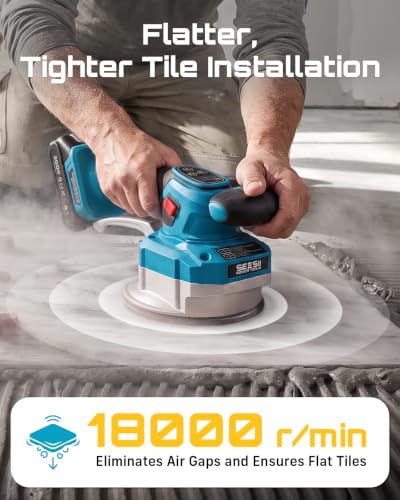
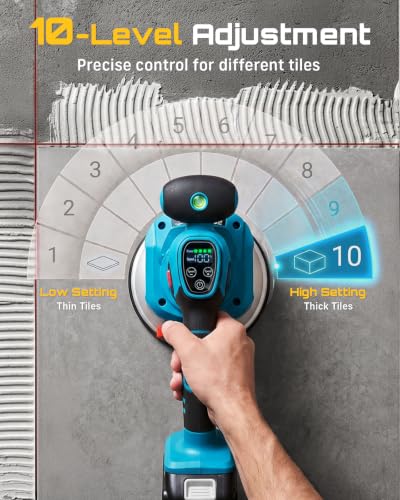
The SEESII 145mm model hits a sweet spot between price and performance, making it my pick for the best value bundle. It includes two batteries and a storage case, rare at this tier, and runs on Makita 18V power, one of the most common platforms out there. With 10 speed settings and a 220 lb suction cup, it handles tiles up to 48 inches, which covers most residential projects.
Owners consistently highlight the 10-hour runtime as a major win, especially for weekend warriors who hate stopping to recharge. The ergonomics are solid, and the built-in spirit level adds practicality. While it doesn’t match the Antstone in raw power, it delivers 80% of the performance at a much friendlier price. If you’re a DIYer doing kitchen or bathroom upgrades, this gives you pro-level features without the pro-level cost. The only real trade-off is suction strength, 220 lbs is good, but not enough for heavy stone.
Product photos

Ecarke Cordless Tile Vibration Tool
Strengths
- Cordless convenience
- 8-speed control
- Milwaukee 18V compatible
Trade-offs
- Limited suction power
- No battery included
- Smaller suction cup
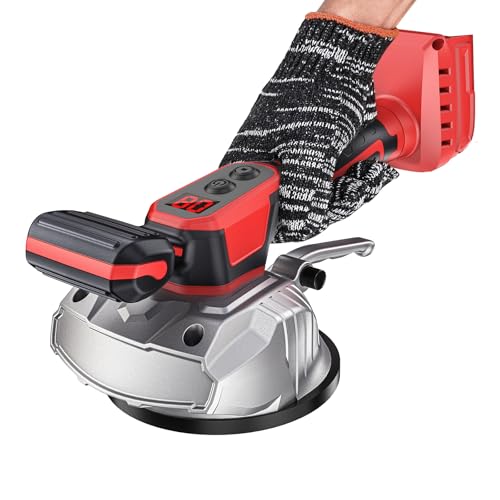
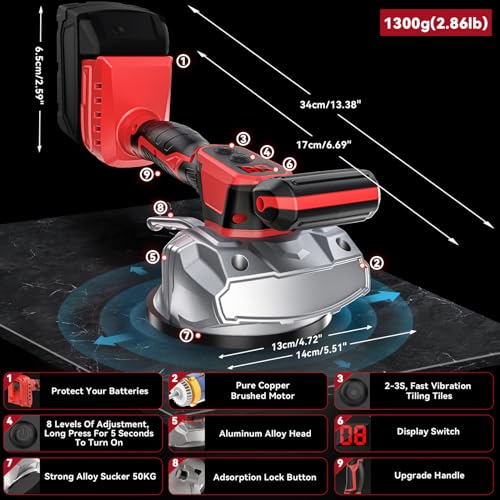
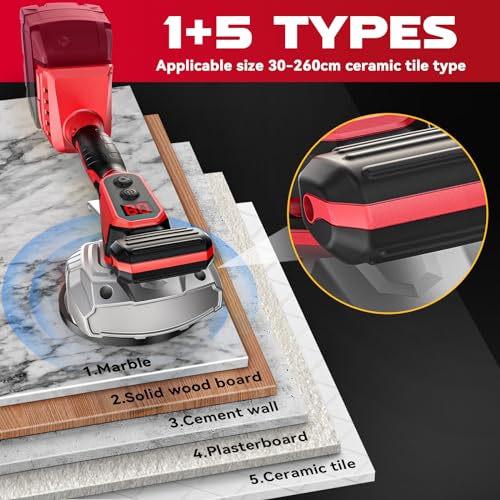
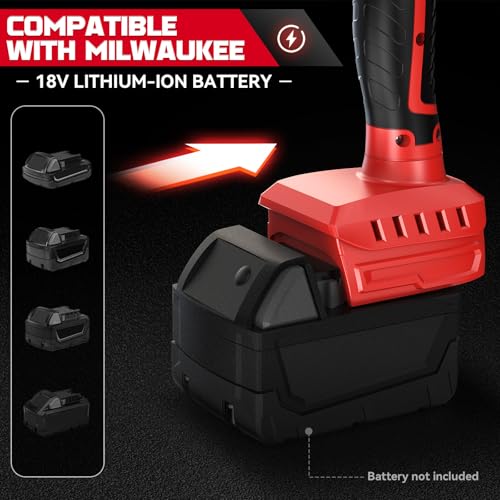
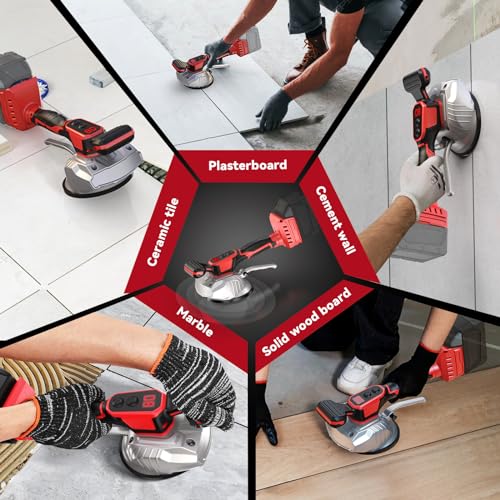
For budget-focused DIYers who already own Milwaukee 18V batteries, the Ecarke tile vibration tool makes a compelling entry-level option. On paper, it delivers the core functionality you need, cordless portability, 8-speed control, and a digital display that helps fine-tune vibration intensity. The 5.1-inch suction cup holds up to 110 lbs, which is adequate for tiles up to about 47 inches, and owners consistently report it performs reliably on standard ceramic and porcelain jobs around the house.
Where it stands out is affordability and compatibility. If you’re deep into the Milwaukee ecosystem, this tool integrates smoothly without needing extra batteries. That said, while the 50 kg suction limit is acceptable for smaller projects, it’s noticeably weaker than top-tier models. For large slabs or heavy stone, I’d want more holding power. Still, for weekend tiling in bathrooms or kitchens, this is a functional, no-frills pick that gets the job done without breaking the bank.
Product photos

Tile Vibration Tool for Dewalt 20V

Strengths
- Pure copper motor
- Digital display
- Locking suction button
Trade-offs
- No battery included
- Only 8 speeds
- Average suction power
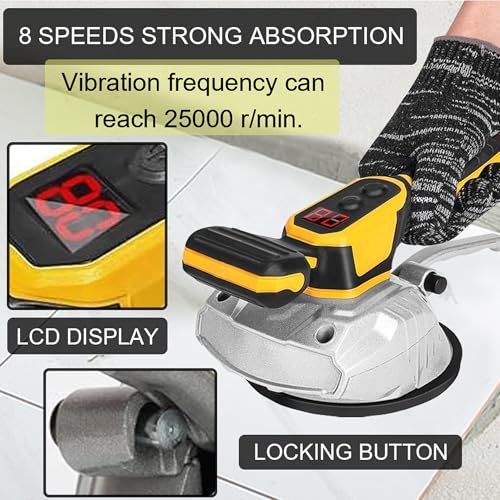
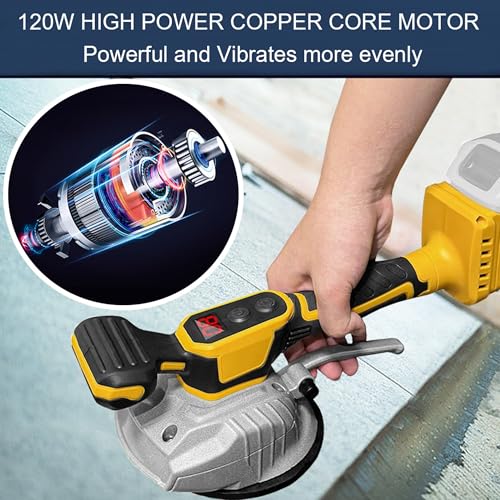
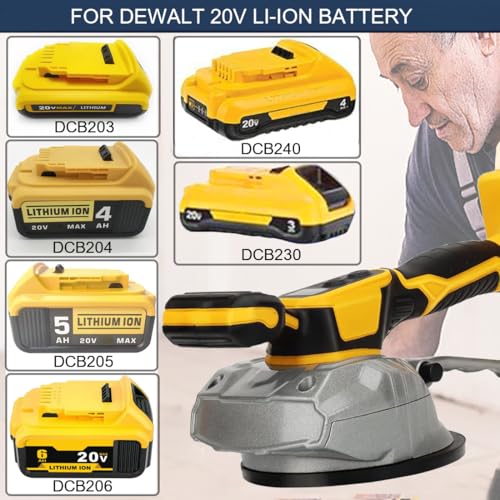
This model earns its “Best for Precision Work” label by focusing on control, consistency, and fine-tuned adjustment, all critical when laying tile in high-visibility areas. The 8-speed system may have fewer levels than others, but it’s paired with a smart digital display and a pure copper motor that delivers smooth, even vibration. Owners note it’s especially effective at minimizing air gaps and ensuring full mortar adhesion, even on dense porcelain.
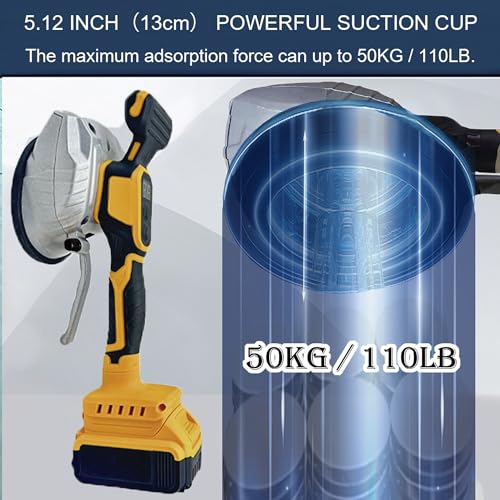
The 110 lb suction is modest, but sufficient for tiles up to 47 inches, and the locking suction button frees up your hands during placement. The aluminum alloy head and odorless rubber pad add to its durability. While it doesn’t stand out in power or battery life, it shines in reliability and refinement. For detail-heavy work like feature walls, backsplashes, or custom flooring patterns, this is the tool I’d trust to deliver clean, professional results.
Product photos
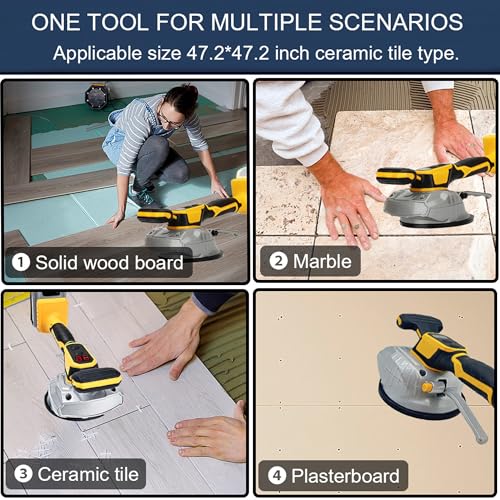
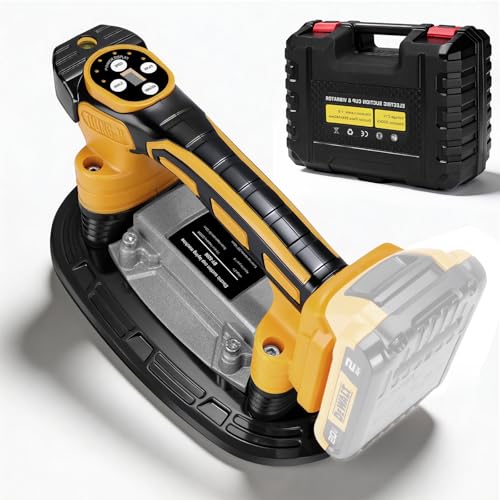
2 IN 1 Tile Vibration & Suction
Strengths
- Dual vibration and suction modes
- 9-speed control
- Works on textured surfaces
Trade-offs
- Battery not included
- Specialized suction cup
- Slightly bulky design
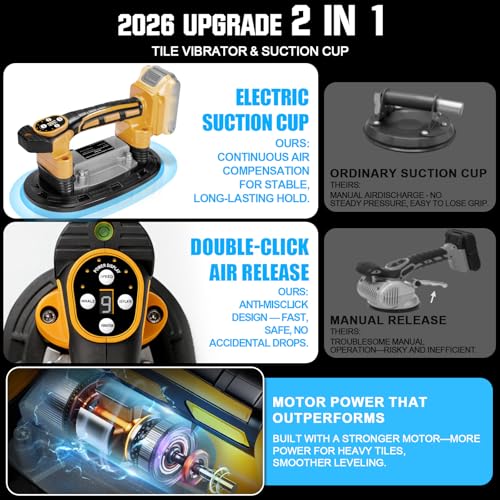
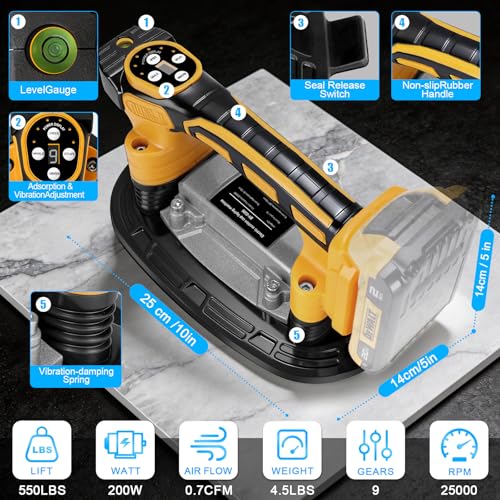
This Dewalt 20V-compatible 2-in-1 tool stands out by blending high-frequency vibration with strong suction in a single rugged unit, a setup that makes sense if you’re doing both lifting and leveling. The 250 kg (551 lb) holding capacity is solid, and the 9-speed control gives you more granularity than most competitors. Owners note it works especially well on textured or rough surfaces where standard suction tools struggle, thanks to its reinforced cup and edge clamps.
What I like is the dual functionality, it’s not just a vibrator, but a capable lifting aid. That versatility means fewer tools in your kit for complex jobs. However, the suction cup size is specific (22.5×12 cm), so you’ll need to double-check compatibility with your tile dimensions. And since it doesn’t include a battery, it’s only a value if you already own Dewalt 20V packs. For remodelers juggling multiple tasks, this is a smart hybrid. For pure vibration work, though, simpler models might be more efficient.
Product photos


How We Evaluated tile vibration tools
Rather than a hands-on lab test, this selection is based on a research-led comparison of published specifications and owner feedback. I looked at features like suction power, vibration speed control, battery life, and overall design, weighing them against user reviews from multiple sources. We also considered expert opinions from sites covering tile installation and tool performance, focusing on real-world usability and durability. My goal was to identify tools that consistently deliver accurate and efficient results for a range of tiling projects.
For tile vibration tools, suction power and adjustable speed settings were the most heavily weighted factors. The ability to securely hold a variety of tile sizes and materials – from smaller mosaics to large format slabs – is critical. Equally important is fine-grained control over the vibration itself; too little and the tile won’t seat properly, too much and you risk damaging it or the substrate. I also prioritized tools offering long runtimes or compatibility with widely available battery platforms.
Specifications reliably reveal maximum suction capacity and vibration speeds, but owner feedback provides crucial insight into how those specs translate to real-world performance. I paid close attention to comments regarding ease of use, ergonomic design, and the tool’s ability to handle different tile types and surfaces. Positive reviews often highlighted consistent performance and reduced fatigue, while negative ones pointed to issues with suction loss or insufficient vibration control. If you’re looking for versatility in your power tools, you might also want to consider the best cordless oscillating tools for other home renovation tasks.
Choosing The Right tile vibration tools
Finding the right tool can make a huge difference in the quality – and speed – of a tiling project.
A good tile vibration tool balances suction power with precise vibration control. Look for adjustable speed settings to accommodate different tile sizes and materials, a robust suction cup capable of handling the weight of your tiles, and ergonomic features to minimize fatigue during extended use. Battery life and compatibility are also key considerations, especially for larger jobs.
Suction Power and Tile Size
The amount of suction a tool delivers is directly tied to the size and weight of the tiles you’ll be working with. Don’t assume a higher number automatically means better performance; consider your specific needs. Many tools list a maximum weight capacity, but remember that’s often for ideal conditions – a perfectly smooth, flat tile on a flat surface. If you’re dealing with textured tiles or uneven surfaces, you’ll want to err on the side of caution and choose a tool with a higher rating. I’ve seen too many projects slowed down by a tool that just couldn’t reliably hold the tile in place.
Vibration Control and Speed Settings
Consistent vibration is essential for properly setting tiles and eliminating air pockets. But “consistent” doesn’t mean “one speed fits all.” Different tile types – porcelain, ceramic, marble, even the size of the tile – require different vibration intensities. Here’s what I look for:
- A wide range of speeds is ideal.
- Digital speed displays (like on the Ecarke) offer more precise control than simple buttons.
- A high maximum RPM (revolutions per minute) is great for larger format tiles or particularly stubborn mortar, but it’s useless if you can’t dial it down for delicate work.
A little vibration goes a long way. Start with the lowest speed setting and gradually increase it until you achieve full tile contact without excessive bouncing or slippage.
Battery Life and Compatibility
Cordless convenience is a huge benefit with these tools, but a dead battery mid-project is a major setback. If you already have a platform of batteries – say, Dewalt 20V or Makita 18V – prioritize tools compatible with those batteries. This saves you money and the hassle of managing yet another charging system. If you’re starting from scratch, consider the total cost of ownership, including the price of batteries and a charger. For extensive renovations, checking out our recommendations for top tile cutting tools can help you prepare for other essential tasks. And while you’re at it, don’t overlook the value of a quality oscillating tool recommendations for making precise cuts and adjustments.
Tile Vibration Tools Compared
Here’s a comparison of key specifications for various tile vibration tools to help you make an informed decision.
| Product Name | Suction Capacity | Vibration Speed (RPM) | Battery Compatibility | Speed Settings | Suction Cup Size |
|---|---|---|---|---|---|
| Antstone Tile Vibration Tool 283mm | 882 lbs (400 kg) | 28,000 | N/A | 6 | N/A |
| SEESII Tile Vibration Tool 160mm | 350lbs/150kg | N/A | Makita 18V | 12 | 160mm |
| Brushless Cordless Tile Vibration Tool | 118 lbs | 8,500 | DeWalt 20V | 12 | 5.0 inch |
| Tile Vibration Machine 10″ Suction | 661lbs/300kg | 25,000 | DeWalt 20V | 9 | 10 inch |
| SEESII Tile Vibration Tool 145mm | 220lbs | N/A | Makita 18V | 10 | 145mm |
| Ecarke Cordless Tile Vibration Tool | 110lbs / 50kg | N/A | Milwaukee 18V | 8 | 5.1″ |
| Tile Vibration Tool for Dewalt 20V | 110lbs / 50kg | 25,000 | DeWalt 20V | 8 | 5.12 inch |
| 2 IN 1 Tile Vibration & Suction | 551 lbs / 250 kg | 25,000 | DeWalt 20V | 9 | 9×5 inch |
Frequently Asked Questions
What tile types are these vibration tools best suited for?
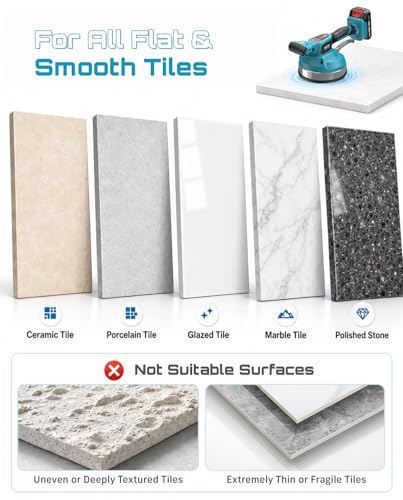
Most tools handle ceramic and porcelain well, but larger format tiles and natural stone like marble really benefit from a tool with higher suction power (over 400kg) and adjustable speed settings. Textured tiles also require more suction to ensure a secure hold.
Can I use these tools on vertical surfaces?
Yes, many are designed for vertical applications, but you’ll want a model with strong, reliable suction and potentially a longer battery life, as maintaining consistent pressure can drain power faster. Look for tools specifically mentioning vertical tiling in their product descriptions.
How much vibration is too much?
Excessive vibration can crack tiles or damage the substrate. I recommend starting with the lowest speed setting and gradually increasing it until the tile fully contacts the mortar without bouncing or slipping. Consistent, even contact is the goal.
What if I already have batteries from a specific brand?
Prioritize tools that share your existing battery platform (like Dewalt 20V or Makita 18V). This avoids needing extra chargers and batteries, saving you money and simplifying your toolkit. Compatibility is a key consideration.
Are there other tools I might need for efficient tile work?
Absolutely. Before you start, consider tools for cutting tiles, applying grout, and cleaning up afterwards. For stubborn grout, you may find best grout removal tools to be extremely helpful in preparing the surface.
The Bottom Line
Choosing a tile vibration tool really comes down to balancing how much control you want with how much fuss you’re willing to deal with. If you value ultimate power and a wide range of adjustability, the Antstone Tile Vibration Tool 283mm stands out as a strong choice – it offers impressive suction and vibration speeds.
For those already invested in a specific battery platform, the SEESII Tile Vibration Tool 160mm (Makita) or the Tile Vibration Tool for Dewalt 20V are excellent options. They offer convenience and cost savings by eliminating the need for additional batteries and chargers. If you need something smaller and more maneuverable, the Ecarke Cordless Tile Vibration Tool is a good pick. And if you also want to explore other versatile power tools, take a look at our best corded oscillating tools guide.
Ultimately, specs don’t tell the whole story. Focus on getting a tool with reliable suction, adjustable speed, and an ergonomic design. Those fundamentals – a secure hold, precise control, and comfortable handling – will have a far greater impact on the quality of your tile work than any single feature or maximum rating.
