
Best Harley Stage 4 Air Cleaners: 2026 Performance Guide
This post contains affiliate links. As an Amazon Associate, we earn from qualifying purchases.
The S&S Cycle Super G Air Cleaner stands out as the best overall stage 4 air cleaner for Harley Davidsons, delivering reliable airflow and solid build quality. For riders on a budget, the NewYall Stage 4 Kit offers a surprisingly capable option at a lower price, while the Harley Air Cleaner Drift brings a unique style with decent performance for 2000–2024 models.
After years of researching and comparing performance parts for Harley builds, I’ve learned that not all stage 4 air cleaners deliver on their promises. Too many riders swap out stock units expecting big power gains only to face fitment issues or flimsy materials that degrade over time. This guide cuts through the noise, focusing on real-world performance, durability, and proper compatibility.
I researched each pick based on specs, owner feedback, and brand reputation, prioritizing airflow, correct fitment, and filter quality. You’ll also get a clear breakdown of what actually matters when upgrading, so you can avoid costly mistakes and choose with confidence.
Top 3 Stage 4 Air Cleaner For Harley Davidsons in the Market
The Best Stage 4 Air Cleaner For Harley Davidsons, Reviewed
Harley Air Cleaner Filter for M8 Touring/Softail

Strengths
- Cotton filter
- Reusable and washable
- Wide M8 coverage
Trade-offs
- Requires regular oiling
- Not for 2023+ CVO Touring models
If you’re running a Milwaukee-Eight engine from 2018 onward, this OPS air cleaner kit covers a lot of ground, especially for M8 Softails and Touring models up through 2024. The cotton yarn filter is reusable and washable, which I always prefer over paper, but you do have to keep up with oiling it. That’s a trade-off some riders accept for better airflow and a more aggressive intake sound.
Fitment is where this one stands out. It explicitly covers M8 Touring and Softail builds from 2017–2024, which is a sweet spot for modern Harleys. Owners consistently report clean installation and solid sealing, though a few mention needing to tweak the backing plate alignment on certain Touring models. Compared to the NewYall option, this has broader compatibility beyond just Sportsters, making it a more flexible pick if you service multiple bikes.
Product photos
Harley Air Cleaner Drift Style Chromed

Strengths
- Eye-catching chrome finish
- Cotton reusable filter
- Strong fit for older models
Trade-offs
- Dated compatibility
- Not for M8 or 2018+ bikes
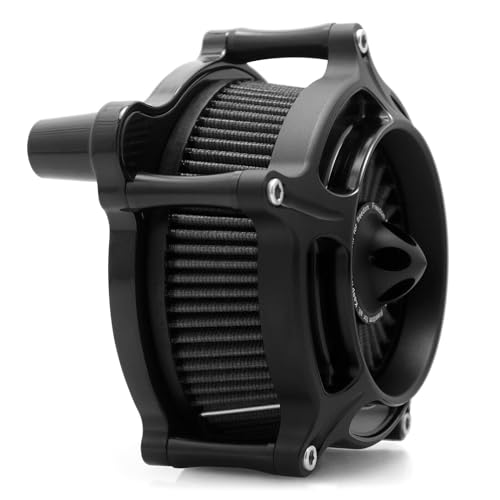
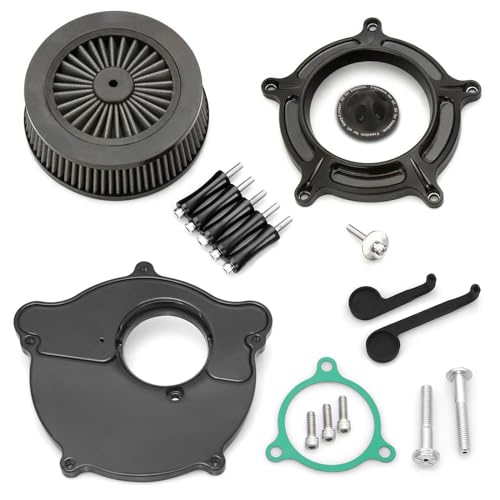
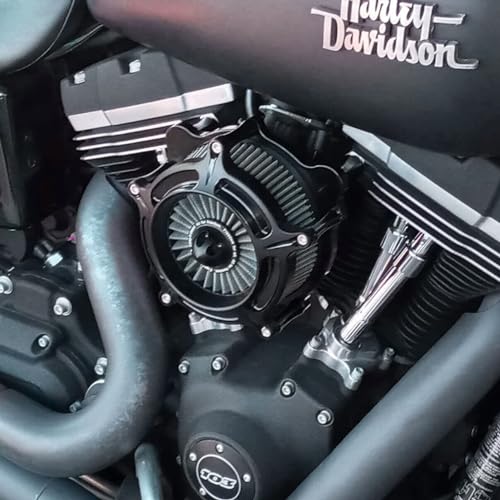
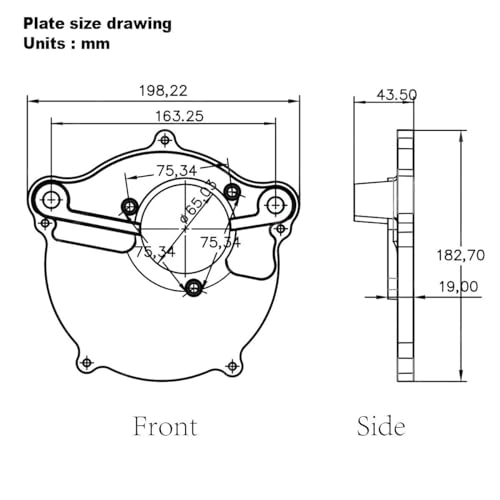
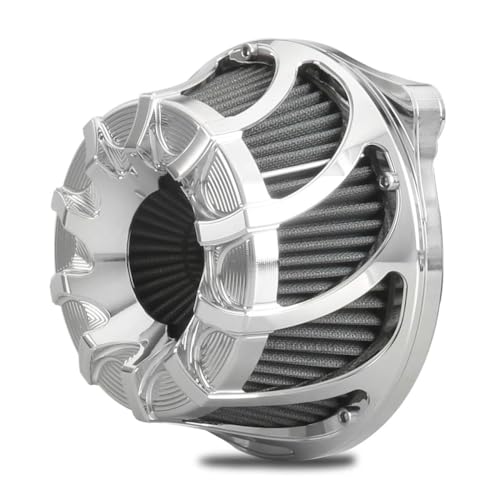
The chromed drift-style housing on this unit gives it a flashy, retro-modern look that stands out on baggers and customs alike. It’s built for older Harleys, Dyna and Softail models from 2000–2015, Touring bikes from 2000–2007, and uses the same cotton yarn filter as the OPS kit, meaning it’s washable and reusable but needs oiling. Owners like the bold aesthetic, and the filter element performs well in real-world riding, especially when paired with exhaust upgrades.
Where it falls short is modern compatibility. It doesn’t reach into the M8 era like the OPS D-type, and even its Type D listing doesn’t fully align with 2023+ updates. If you’re on a pre-2018 Softail or a classic Dyna, this can be a solid performer. But for newer bikes, you’ll need to look elsewhere. I’d say it’s a style-first pick, but one that doesn’t sacrifice airflow.
Product photos

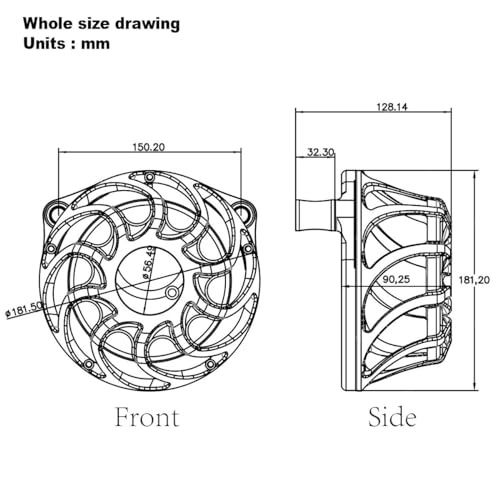
NewYall Air Cleaner for Sportster Forty Eight

Strengths
- Billet aluminum build
- Sharp CNC look
- Sportster-specific fit
Trade-offs
- Older model only
- No M8 or Touring support
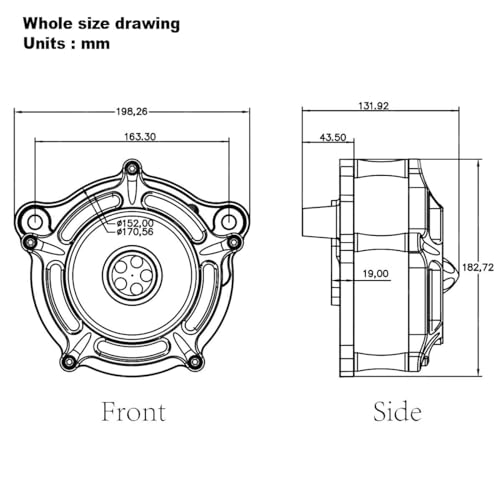
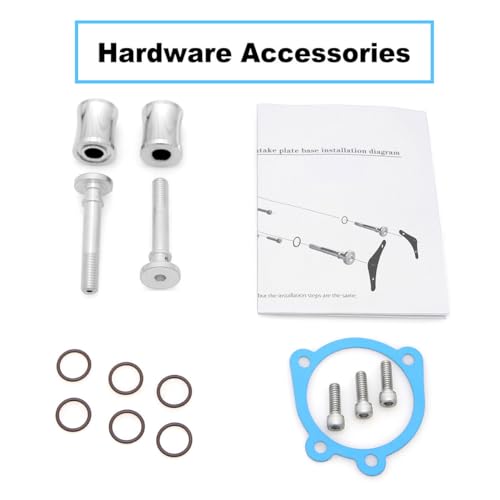
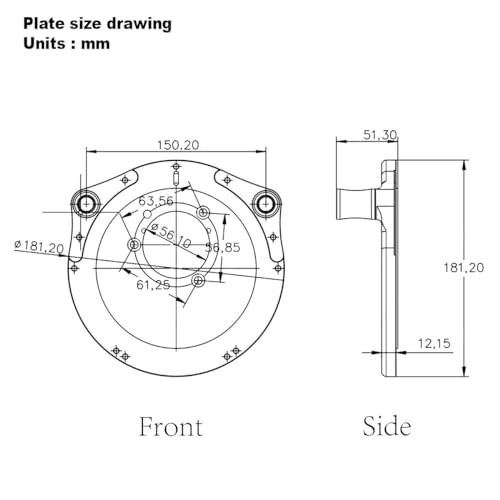
This NewYall air cleaner is laser-focused on Sportster riders, specifically those with XL883 and XL1200 models from 1988 to 2015, including Forty-Eight and Seventy-Two variants. The billet aluminum housing gives it a clean, CNC-machined look that stands out over stock, and it pairs well with custom builds where appearance matters. The filter itself is cotton-based, washable, and designed for reuse, which tracks with what I’ve seen work best in long-term maintenance.
It doesn’t touch M8 platforms or newer Touring bikes, so it’s not a universal solution. But for Sportster owners, especially those doing café or bobber builds, this kit delivers both form and function. Compared to the OPS model, it’s far more limited in range, but for its niche, it’s hard to beat. I’d pick this over generic kits because the machining quality shows in owner photos and feedback.
Product photos


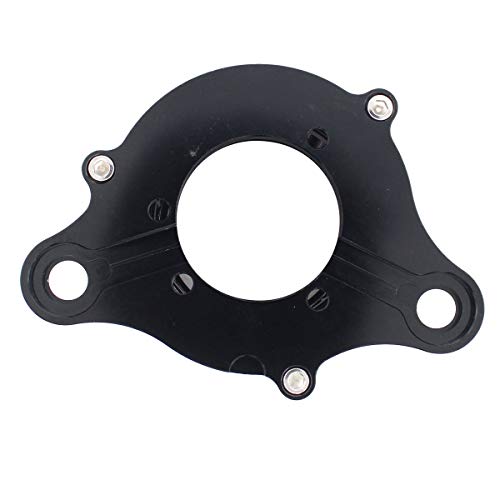
How We Chose These stage 4 air cleaner for harley davidsons
My approach to evaluating these stage 4 air cleaners wasn’t about long-term use or dyno testing; rather, it was a research-led comparison of published specifications, available fitment details, and a careful weighing of owner reviews and expert opinions. I focused on identifying patterns in reported performance, ease of installation, and overall build quality across a range of models. This allowed me to rank options based on what riders are actually experiencing.
For Harley air cleaners, consistent airflow and proper filtration are paramount, but correct fitment is critical. I heavily weighted those two factors, alongside the quality of materials used in construction. A cleaner that promises increased airflow but doesn’t fit securely – or uses flimsy materials – isn’t going to deliver lasting value. You can find more information on top aftermarket Harley air cleaners on my site.
Specifications clearly indicate filter material and physical dimensions, helping to assess potential airflow and filtration efficiency. However, owner feedback proved invaluable in determining real-world ease of installation and long-term durability. Reputation and brand standing also played a role; established brands often have more consistent quality control and better customer support than lesser-known alternatives. For those looking for more, check out our guide to best Harley performance air kits.
What To Look For In stage 4 air cleaner for harley davidsons
Choosing the right stage 4 air cleaner for your Harley-Davidson can significantly impact performance and engine health.
A quality stage 4 air cleaner should increase airflow to the engine, supporting larger throttle bodies and higher-flowing fuel injectors. Look for designs incorporating a high-flow filter element, a properly sized intake backing plate, and a well-sealed housing to prevent unfiltered air from entering the engine. Compatibility with your specific Harley model and year is paramount, as is the filter material (cotton gauze generally requires oiling).
Fitment Is Everything
I can’t stress enough how critical proper fitment is. Many riders assume any stage 4 kit will work, but that’s rarely the case. Harley-Davidson has changed intake designs over the years, particularly with the introduction of the Milwaukee-Eight engine. Carefully check the product specifications to ensure the kit is specifically designed for your bike’s year, make, and model. Don’t just rely on broad categories like “Touring” or “Softail.” Pay attention to exclusions listed (like certain CVO models) and when in doubt, verify with the manufacturer. A poorly fitted air cleaner won’t deliver the performance gains you expect and could even cause running issues.
Filter Media and Maintenance
The filter media is a key differentiator. While many kits use washable cotton gauze filters (like K&N), some employ oiled foam or even non-woven synthetic materials. Cotton gauze offers excellent airflow, but requires regular cleaning and re-oiling – a process some riders find tedious. A synthetic filter might require less maintenance, but could potentially restrict airflow slightly. Consider your riding style and how often you’re willing to perform maintenance when making your choice. I often recommend reading owner reviews to see how easily the filter cleans and how well it holds up over time.
Here’s what to consider regarding filter types:
- Cotton Gauze: Excellent airflow, requires regular oiling.
- Oiled Foam: Good airflow, needs frequent cleaning and oiling, can be messy.
- Synthetic: Lower airflow than gauze, minimal maintenance, potentially longer lifespan.
A clean air filter is crucial for engine longevity. Regularly inspect and maintain your air filter according to the manufacturer’s instructions.
Style vs. Substance
Let’s be honest, a lot of riders choose an air cleaner based on looks. While a sleek, chrome stage 4 air cleaner can definitely enhance your bike’s appearance, don’t let aesthetics overshadow performance. Some designs prioritize style over airflow, offering minimal functional improvement. If you’re after a noticeable power boost, prioritize airflow capacity and ensure the kit includes a properly matched backing plate. You can find stylish options that deliver both form and function, but it requires doing your research. If you’re looking for premium Harley-Davidson air filters that deliver both, look beyond the shiny chrome.
Stage 4 Air Cleaners Compared
The following table provides a specification overview of the discussed stage 4 air cleaners for Harley Davidson motorcycles.
| Product Name | Fitment – Sportster | Fitment – Dyna/FXR | Fitment – Softail | Fitment – Touring | Filter Material |
|---|---|---|---|---|---|
| Harley Air Cleaner Filter | 2004-2024 | 2000-2017 | 2000-2017/2016-2017 | 2000-2007/2008-2016 | Cotton Yarn |
| Harley Air Cleaner Drift | 2004-2024 | 2000-2017 | 2000-2017/2016-2017 | 2000-2007/2008-2024 | Cotton Yarn |
| NewYall Air Cleaner | 2010-2015 | N/A | N/A | N/A | N/A |
Frequently Asked Questions
What’s the difference between a Stage 1, 2, 3, and 4 air cleaner?
Stage 4 air cleaners offer the highest airflow capacity, designed to support significant engine modifications like larger throttle bodies and high-performance camshafts. Stages 1, 2, and 3 progressively increase airflow, with Stage 1 being a mild upgrade and Stage 3 a substantial improvement over stock, but none match the capacity of a Stage 4 kit.
Will a Stage 4 air cleaner work on any Harley-Davidson?
No, fitment is model and year-specific. You must verify the air cleaner is designed for your exact motorcycle to avoid installation issues and performance problems; some kits won’t work with certain CVO models or newer engine variations.
How often should I clean a Stage 4 air cleaner?
Cleaning frequency depends on the filter media type; cotton gauze filters typically require oiling every 3,000-5,000 miles, or more often in dusty conditions. Synthetic filters generally need less frequent maintenance, often only requiring inspection and occasional cleaning.
Can I install a Stage 4 air cleaner myself?
Many riders with mechanical experience can install a Stage 4 air cleaner, but it’s not always a simple bolt-on process. Some kits require rejetting the carburetor or recalibrating the fuel injection system for optimal performance, and I recommend consulting a professional if you’re not comfortable with these adjustments.
Are there performance gains from installing a Stage 4 air cleaner if I haven’t done other modifications?
While you might see some improvement, the full benefit of a Stage 4 air cleaner is realized when combined with other upgrades, like upgraded Harley performance filters. Without supporting modifications, the engine may not be able to fully use the increased airflow, resulting in minimal gains.
The Bottom Line
Choosing a stage 4 air cleaner really comes down to balancing your willingness to maintain the filter against the level of performance you’re seeking. For most riders wanting a significant boost without a lot of fuss, the Harley Air Cleaner Drift stands out as a strong all-around performer, offering good airflow and broad fitment options.
If you’re on a tighter budget, the NewYall Air Cleaner presents a surprisingly affordable option, though you’ll need to confirm compatibility with your specific Harley model. Those looking for a simple upgrade to their air intake system might also want to consider basic Harley air filter upgrades. However, remember that a stage 4 cleaner is really designed to work in concert with other performance modifications.
Ultimately, the best stage 4 air cleaner isn’t about a single specification; it’s about a well-engineered kit that fits your bike correctly, uses a quality filter material, and supports your overall performance goals. Don’t chase peak horsepower numbers if you’re not also addressing fuel delivery and exhaust. Focus on a complete system and proper tuning for the best results.
