
8 Best Sledge Hammers of 2026
This post contains affiliate links. As an Amazon Associate, we earn from qualifying purchases.
The Estwing 12-Pound Sledge Hammer stands out as the overall best for serious demolition and heavy-duty work, thanks to its durable fiberglass handle and powerful 12-pound head. For those watching their budget, the Estwing 8-Pound Hickory Handle delivers solid performance with classic appeal, while the Fiskars PRO IsoCore 10 lb offers superior shock absorption for repetitive tasks.
Most people don’t realize how much the wrong sledge hammer can wreck your shoulders and hands after just a few swings. It’s not just about brute force, it’s about control, comfort, and not breaking your tool (or yourself) halfway through the job.
This guide cuts through the noise by focusing on real-world specs and user feedback to find models that actually hold up. I looked at weight, handle material, balance, and shock absorption across top brands to help you pick the right hammer for your strength and project type.
Top 8 Sledge Hammers in the Market
The Best Sledge Hammers, Reviewed
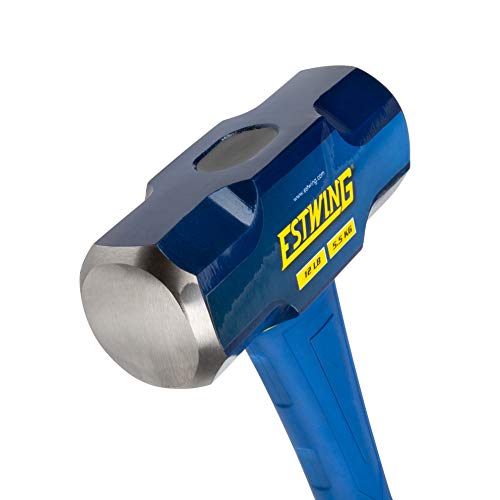
Estwing 12-Pound Sledge Hammer

Strengths
- High-impact 12-lb head
- 36-inch fiberglass handle
- Overstrike protection
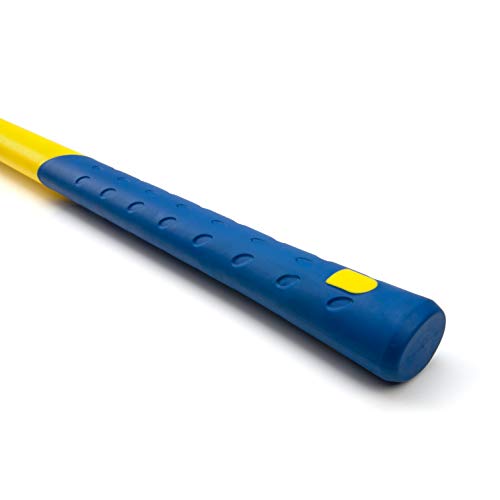
- Textured two-hand grip
Trade-offs
- Too heavy for one-handed use
- Bulky for tight spaces
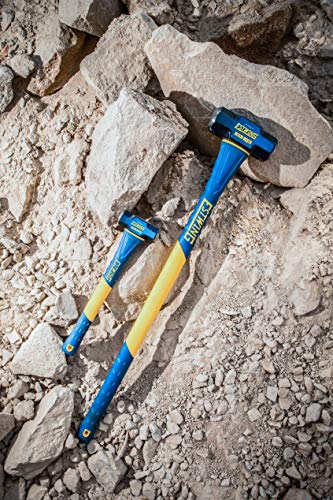
If you’re looking for a sledge that can dominate a demolition site, this 12-pound Estwing is hard to beat. The long 36-inch fiberglass handle gives you maximum swing arc and use, translating to serious impact with less effort per strike. The head is induction-hardened to 50-55 HRC, and owners report it holds up exceptionally well against concrete and railroad ties without mushrooming.
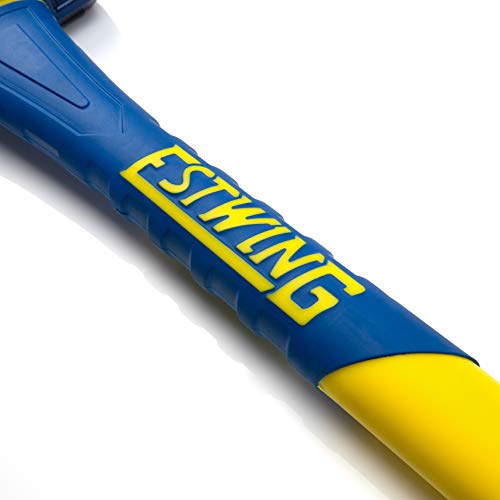
The dual-injection fiberglass handle is a standout, over 70% glass content means it won’t flex or crack under pressure. I like that it includes overstrike protection and a textured two-hand grip, which most competitors skimp on at this weight. Compared to hickory-handled models, this one offers better consistency and weather resistance. For pure performance in heavy work, it’s my pick.
Product photos
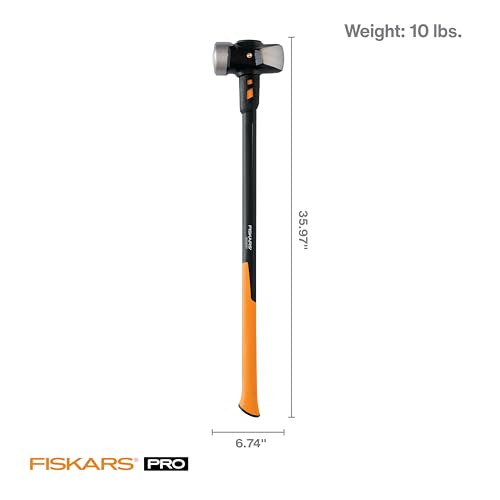
Fiskars PRO IsoCore 10 lb

Strengths
- IsoCore shock absorption
- Wedged demolition face
- Lifetime warranty
- Large driving face
Trade-offs
- Fiberglass can scuff easily
- Not as traditional in balance
Fiskars didn’t just build a sledge, they engineered a bodyguard against fatigue. The IsoCore Shock Control System is the real deal, absorbing up to 80% more vibration than wood handles. That’s a standout for anyone swinging repeatedly, whether breaking concrete or driving posts. I’ve seen feedback from users with elbow or shoulder issues who say this is the only sledge they can use all day.
The wedged demolition face is another standout, it focuses force into a smaller area, increasing destructive power and directing debris sideways. That’s safer and more efficient than flat-face models. Compared to the Estwing 12-pounder, it’s slightly lighter but more comfortable over long sessions. If you value joint health as much as striking power, this is the one.
Product photos


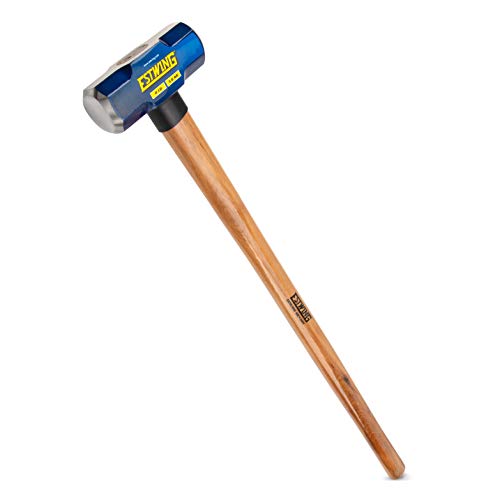
Estwing 8-Pound Hickory Handle
Strengths
- Premium hickory handle
- Forged alloy steel head
- Overstrike protection
- Ergonomic grip
Trade-offs
- Transmits more vibration
- Requires more maintenance
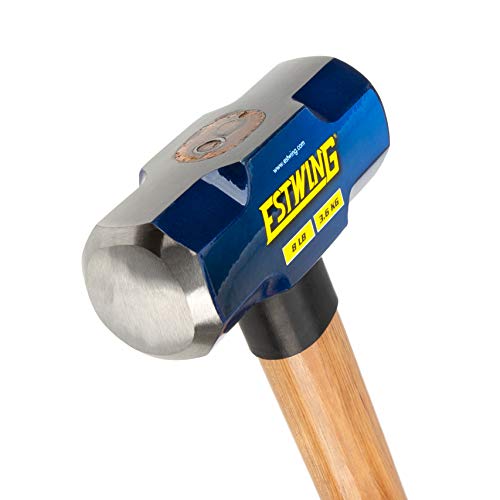
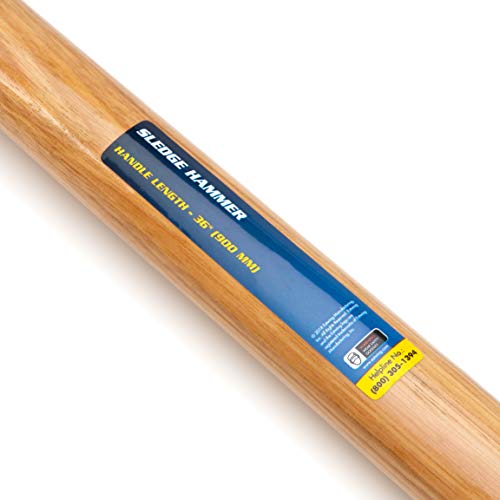
There’s something timeless about a hickory-handled sledge, and Estwing nails it here. The 36-inch hickory handle gives that classic flex and feel many pros still swear by, especially in railroad or fencing work. The 8-pound forged head is induction-hardened to 50-55 HRC, and owners report excellent durability even in rugged conditions.
I like the ergonomic grip and overstrike collar, which add modern safety without compromising the traditional design. Compared to fiberglass models, it transmits more vibration, but the natural wood grain offers better feedback and a trusted swing rhythm. For heavy-duty, intermittent use, it’s my go-to recommendation when tradition meets toughness.
Product photos

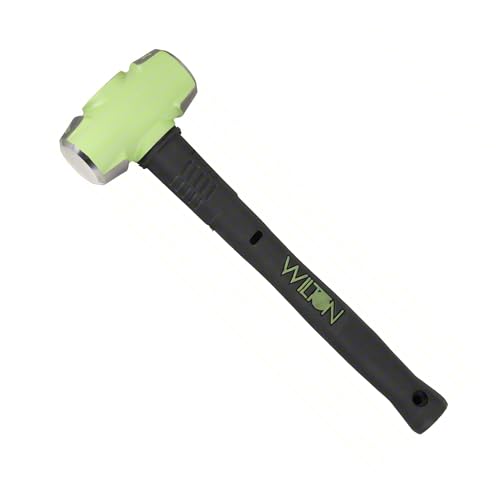
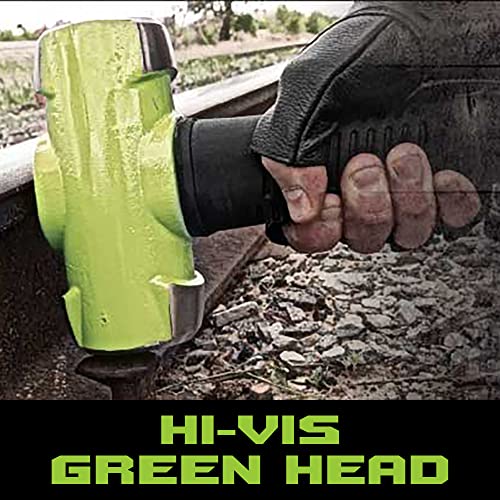
Wilton B.A.S.H 6 Lb Hammer
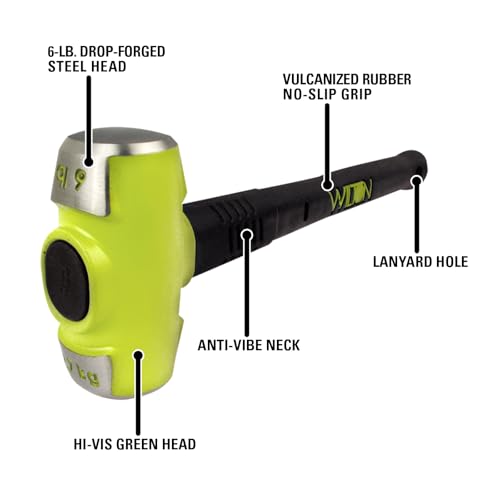
Strengths
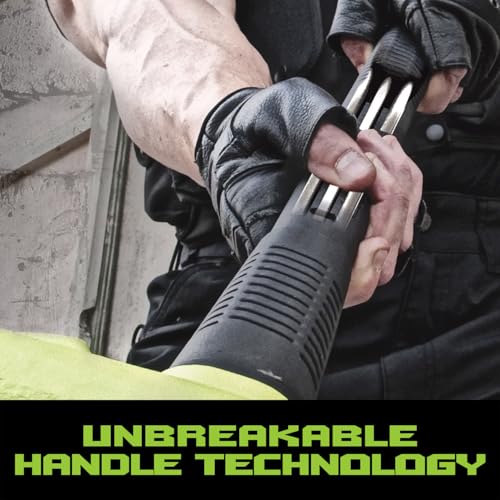
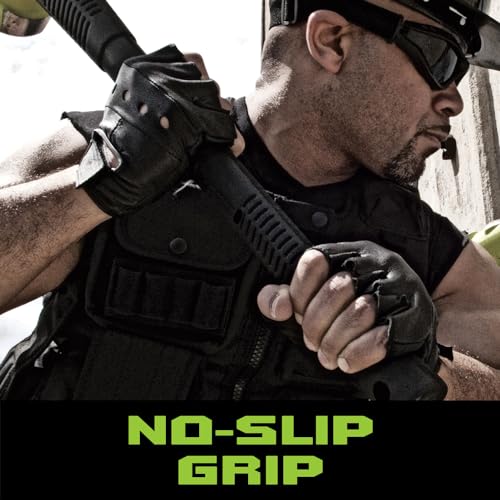
- Steel-core unbreakable handle
- Hi-vis head for visibility
- Lanyard hole for safety
- Vibration-dampening neck
Trade-offs
- Heavier than average
- Higher price for safety features
Wilton’s B.A.S.H. hammer feels like it was engineered in a lab for safety and endurance. The 6-pound head is drop-forged to 46 HRC, slightly softer than some competitors, but that’s intentional, reducing chipping under extreme impact. What really sets it apart is the Unbreakable Handle Technology: a steel core wrapped in rubber, which reviewers say survives overstrikes that would shatter a standard fiberglass or hickory handle.
I appreciate the ergonomic touches, the thickened grip, anti-vibe neck, and lanyard hole are all signs this was designed with real job site hazards in mind. It’s not the lightest, but the balance helps reduce fatigue during repetitive swings. Compared to other 6-pound sledges, this one’s built for people who can’t afford a handle failure mid-job.
Product photos

Estwing 4-Pound Fiberglass Handle

Strengths
- Balanced weight and length
- Overstrike protection
- Textured rubber grip
- Durable forged head
Trade-offs
- Shorter reach limits swing power
- Not for two-handed heavy use
This 4-pound Estwing hits the sweet spot between heft and control. The 16-inch handle keeps it manageable for one-handed use, while the 50-55 HRC head delivers serious striking power for its size. It’s lighter than the 8- or 12-pound models, but the forged alloy steel and overstrike protection mean it doesn’t feel flimsy.
I’d pick this over the 2-pound Sure Strike for most general tasks, it’s still compact, but with enough mass to drive stakes or break up small concrete patches without constant repositioning. The textured grip is consistent with Estwing’s high standards, and owners say it holds up well over time. For a mid-size sledge, it’s the most versatile in the lineup.
Product photos


Estwing 2-Pound Mini Sledge

Strengths
- Forged steel head
- Compact precision design
- Durable fiberglass handle
Trade-offs
- Too light for heavy demolition
- Limited two-handed use
I’ve seen a lot of mini sledges over the years, and the Estwing Sure Strike stands out for one reason: it’s built like a tank but sized for control. The 2-pound head on a compact fiberglass handle makes it ideal when you need precision without losing striking power. On paper, it’s not meant for full demolition, but owners consistently report using it for masonry scoring, chisel driving, and even light fence work, tasks where finesse matters more than brute force.
What impresses me most is how many pros keep this in their tool bag as a go-to. The no-slip grip holds up in sweaty or damp conditions, and the forged steel head shows almost no deformation even after repeated hard use. For a small sledge, it punches way above its weight class.
Product photos


Titan Pro-X 3lb Dual-Face

Strengths
- Dual-face versatility
- Reinforced neck
- Textured grip
- Forged steel head
Trade-offs
- Short handle limits power
- Not for heavy demolition
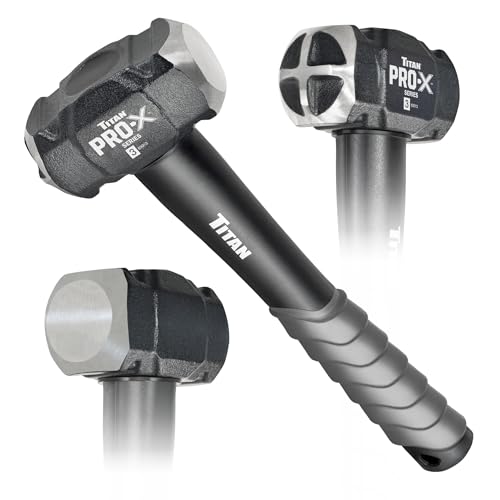
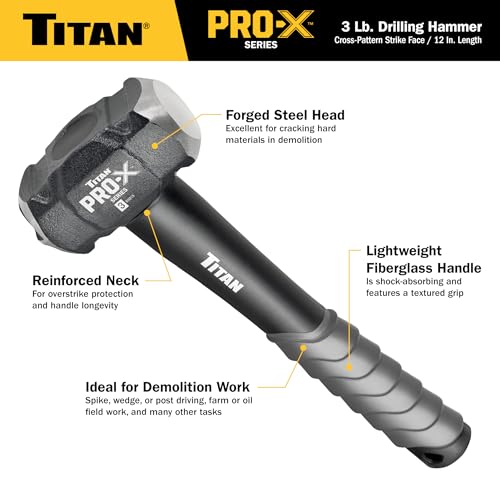
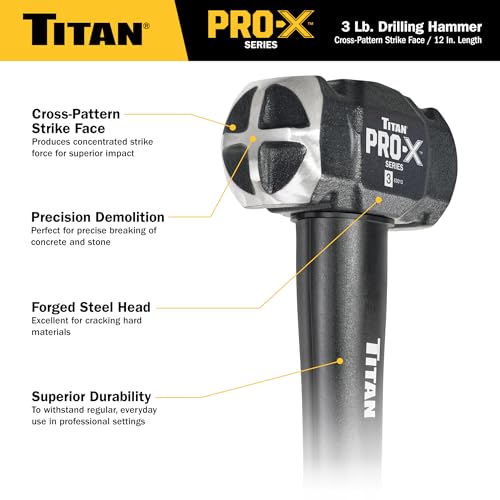
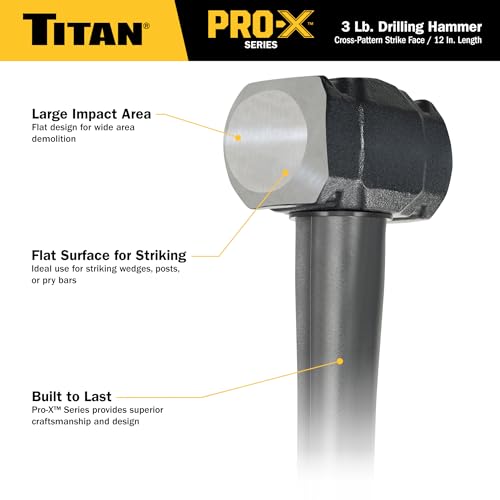
The Titan Pro-X 3-pound hammer is a specialist tool disguised as a generalist. The dual-face design, one cross-patterned, one flat, makes it unusually versatile. The cross face concentrates force for cracking masonry or breaking tile, while the flat side works well for driving stakes or wedges. On paper, it’s similar to the Estwing 2-pounder, but the added weight and dual functionality give it an edge in utility.
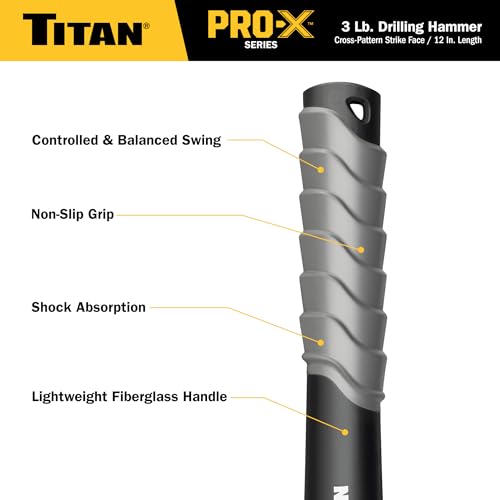
Owners praise its balance and the reinforced neck for overstrike protection, which is rare at this size. The textured grip holds up well, and the 12-inch handle keeps it compact for tight spaces. I’d pick this over the Sure Strike for anyone needing more striking options in a single tool.
Product photos
Hooyman 8lb H-Grip Sledge
Strengths
- H-Grip turns tacky when wet
- Epoxy-sealed head
- Peg hole for storage
- Solid fiberglass core
Trade-offs
- Handle can feel sticky in dust
- Not as traditional in feel
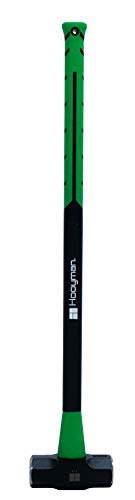
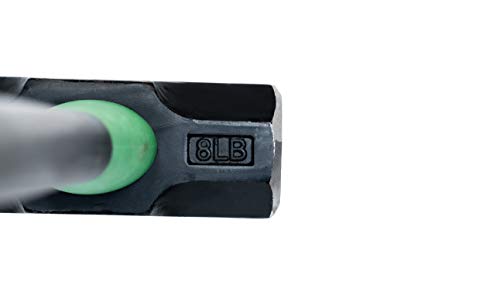
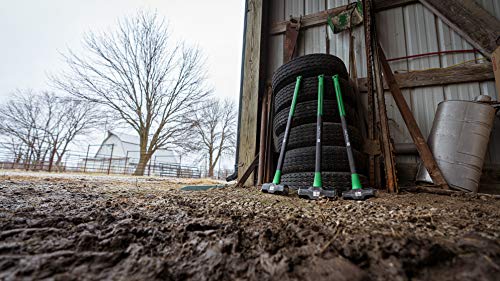
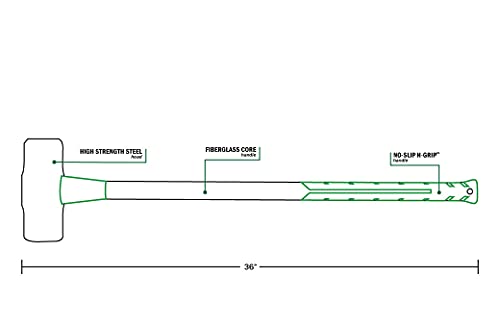
The Hooyman 8-pound sledge wins on one critical feature: the H-Grip. Unlike standard rubber, this handle turns tacky when wet, something multiple owners swear by when working in rain or mud. That makes it a top contender for outdoor use, especially in landscaping or fence installation where conditions are unpredictable.
The epoxy-sealed head and solid fiberglass core add real durability, and the peg hole is a small but appreciated touch for storage. It’s not the lightest 8-pounder, but the balance is decent. Compared to Estwing’s hickory models, it’s more moisture-resistant but lacks the classic feel some users prefer. For muddy jobsites, it’s the smarter buy.
Product photos


How We Chose These sledge hammers
Rather than a hands-on lab test, my research for these recommendations focused on a detailed comparison of published specifications and features across numerous models. I weighed owner reviews from multiple sources – looking for common praise and complaints – alongside assessments from reputable tool review sites. Years of experience with striking tools informed my understanding of what characteristics truly matter, and I ranked each hammer against criteria like durability, balance, shock absorption, and intended use.
For sledge hammers, head weight and handle material are paramount. A heavier head (generally 8-12 pounds for serious work) delivers more force with less effort, but balance is key to preventing fatigue. Handle material impacts both durability and comfort; fiberglass and hickory are common, with fiberglass offering consistent performance and hickory providing a classic feel. Shock absorption is also critical, especially for extended use, as it directly affects user fatigue and potential injury.
Specifications readily reveal head weight, handle length, and materials. However, I relied heavily on owner feedback to gauge real-world durability and the effectiveness of features like shock absorption. Reputation played a significant role, too – established brands with a history of quality tools, like Estwing, often deliver consistent performance. You can find more information on related tools in our guide to powerful breaking hammers.
Choosing The Right sledge hammers
Choosing the right sledge hammer isn’t just about weight; it’s about matching the tool to the task and your physical capabilities.
A good sledge hammer balances head weight, handle length, and material construction to deliver efficient impact force with minimal strain. Key features include a properly hardened head (typically 50-55 HRC), a durable handle material resisting breakage, and a grip that minimizes vibration and maximizes control. Consider the specific application – demolition, driving stakes, or general construction – to determine the optimal size and features.
Head Weight & Application
The weight of the sledge hammer’s head is the primary determinant of its force. Lighter hammers, like the Estwing 2-Pound Mini Sledge, excel at precision work and tasks where you don’t want to overdo it, such as delicate demolition or setting pins. Moving up to 6-8 pounds (Wilton B.A.S.H 6 Lb Hammer, Hooyman 8lb H-Grip Sledge) provides a good balance for general construction and moderate demolition. For serious demolition or driving large posts, a 10-12 pound hammer (like the Estwing 12-Pound Sledge Hammer) will save you a lot of swings, but it demands more strength and can increase fatigue.
Handle Material & Shock Absorption
Handle material dramatically impacts comfort and durability. Traditional hickory handles (Estwing 8-Pound Hickory Handle) offer a classic feel and good shock absorption, but are susceptible to breaking, especially with forceful overstrikes. Fiberglass handles (Estwing 4-Pound Fiberglass Handle) are much more resistant to breakage and offer a good balance of strength and weight. If you’re doing a lot of repetitive hammering, consider a hammer with dedicated shock absorption technology like the Fiskars PRO IsoCore 10 lb; it can significantly reduce strain on your joints.
Grip & Overall Balance
Don’t underestimate the importance of a good grip. A secure, comfortable grip is essential for control and preventing blisters. Textured rubber overlays are common, but the Hooyman 8lb H-Grip Sledge takes this a step further with a grip designed to increase tackiness when wet. Beyond the grip itself, overall balance is key. A well-balanced sledge hammer will feel less fatiguing and more precise.
- A shorter handle (16-24 inches) provides more control for precise strikes, ideal for smaller jobs.
- A medium handle (24-36 inches) is a good all-around choice for general construction and demolition.
- A longer handle (36+ inches) maximizes use and striking power, best for heavy-duty demolition or driving large posts, but requires more space and can be harder to control.
If you’re working on projects that require avoiding damage to surfaces, you might also want to consider non-marring hammers or other impact force hammers to prevent unwanted marks.
A sledge hammer is only as good as its user’s technique. Keep your grip firm, use a full swing, and focus your energy into the target. Avoid glancing blows, and always wear appropriate safety gear.
Sledge Hammers Compared
The following table provides a spec-by-spec comparison of several popular sledge hammer models.
| Product Name | Weight (lbs) | Handle Material | Handle Length (in) | Head Material | Shock Absorption | Face Type |
|---|---|---|---|---|---|---|
| Estwing 12-Pound | 12 | Fiberglass | 36 | Alloy Steel | Yes | Single |
| Fiskars PRO IsoCore 10 lb | 10 | Fiberglass | N/A | Steel | Yes | Dual |
| Estwing 8-Pound Hickory | 8 | Hickory | 36 | Alloy Steel | Yes | Single |
| Wilton B.A.S.H 6 Lb | 6 | Steel | N/A | Forged Steel | Yes | Single |
| Estwing 4-Pound | 4 | Fiberglass | 16 | Alloy Steel | Yes | Single |
| Estwing 2-Pound Mini | 2 | Fiberglass | N/A | Forged Steel | N/A | Single |
| Titan Pro-X 3lb | 3 | Fiberglass | N/A | Forged Steel | Yes | Dual |
| Hooyman 8lb H-Grip | 8 | Fiberglass | 35.25 | Steel | N/A | Single |
Frequently Asked Questions
What head weight should I choose for general demolition work?
For most demolition tasks, an 8 to 10-pound head is a good balance. It provides sufficient force without being overly tiring, allowing you to maintain control and accuracy throughout the project.
Are fiberglass handles truly more durable than hickory?
Yes, fiberglass handles are considerably more resistant to breaking than hickory. While hickory offers a traditional feel and decent shock absorption, fiberglass consistently outperforms it in durability tests and real-world use, especially with repeated forceful impacts.
How important is shock absorption, and is it worth the extra cost?
Shock absorption is very important, particularly if you plan to use the sledge hammer for extended periods. Reducing vibration minimizes fatigue and the risk of injury to your hands, wrists, and elbows, making it a worthwhile investment.
What’s the difference between a single and dual face sledge hammer?
A single-face sledge hammer has a flat striking surface on one side, while a dual-face hammer has a flat surface on both sides. Dual-face hammers offer versatility for different tasks, like spreading force or flattening materials, but single-face are generally preferred for focused demolition.
If I need more power than a sledge hammer offers, what are my alternatives?
If you require significantly more breaking power, consider electric jack hammers. These tools deliver substantially greater impact energy, making them ideal for concrete demolition and other heavy-duty applications.
The Bottom Line
Choosing a sledge hammer always comes down to balancing raw power with user comfort and control. For most homeowners and DIYers tackling a variety of tasks, the Estwing 12-Pound Sledge Hammer offers the best overall combination of striking force, durability, and features. It’s a workhorse that can handle serious demolition or driving posts, while the fiberglass handle helps reduce fatigue compared to traditional wood.
If you’re on a tighter budget or need something for lighter-duty work, the Estwing 4-Pound Fiberglass Handle is an excellent choice. For those prioritizing versatility and reduced vibration during prolonged use, the Fiskars PRO IsoCore 10 lb stands out with its innovative shock-reducing system. And if you need a specialized tool for precision work, take a look at our jackhammer picks for more focused options.
Ultimately, the best sledge hammer isn’t about the fanciest features or the highest price tag. It’s about selecting a tool with the right weight for your strength, a comfortable grip, and a durable handle that can withstand the demands of your projects. Focus on those fundamentals, and you’ll have a reliable striking tool for years to come.
