7 Best Sand Blasters for Cars 2026
This post contains affiliate links. As an Amazon Associate, we earn from qualifying purchases.
The LE LEMATEC Sand Blaster Gun Kit is the best overall choice for most car projects, delivering reliable performance with common abrasives and straightforward setup. For budget-conscious buyers, the Inokraft Leak-Proof Portable Sand Blaster offers solid value without sacrificing key features. If you need heavy-duty capacity and dust control, the VEVOR 28 Gallon Vacuum Sand Blaster stands out for larger jobs.
Stripping paint and rust from a car isn’t just about power, it’s about control, consistency, and avoiding costly mistakes. Too many people buy a blaster without checking their compressor specs or understanding media types, only to end up with clogged lines and spotty results.
This guide cuts through the noise. Based on specs, owner feedback, and my experience with workshop tools, I’ve focused on models that deliver real-world reliability, efficient media use, and compatibility with typical home shop setups. You’ll see what actually matters when choosing a system that works for your car project.
Top 7 Sand Blaster For Cars in the Market
The Best Sand Blaster For Cars, Reviewed
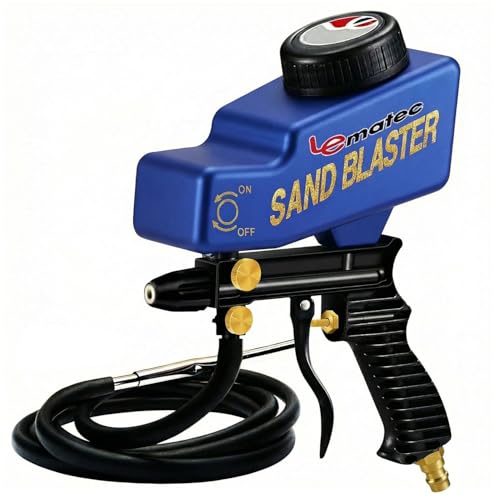
LE LEMATEC Sand Blaster Gun Kit
Strengths
- Dual feed modes
- High pressure rating
- Serviceable design
Trade-offs
- Needs high CFM
- No tank included
- Siphon mode less efficient
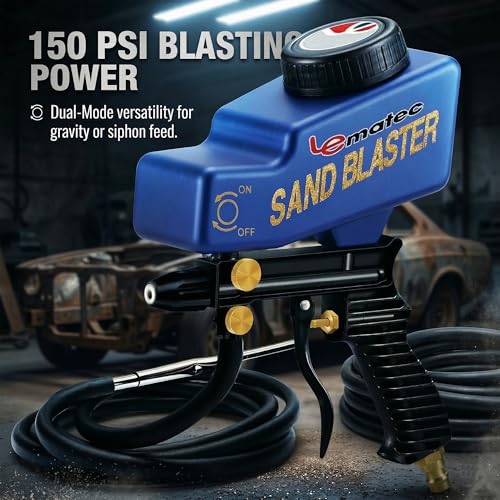
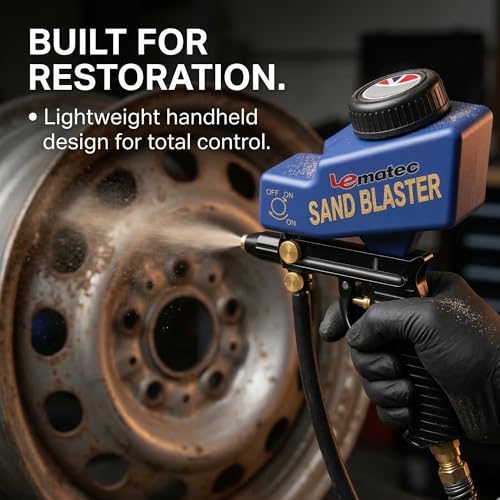
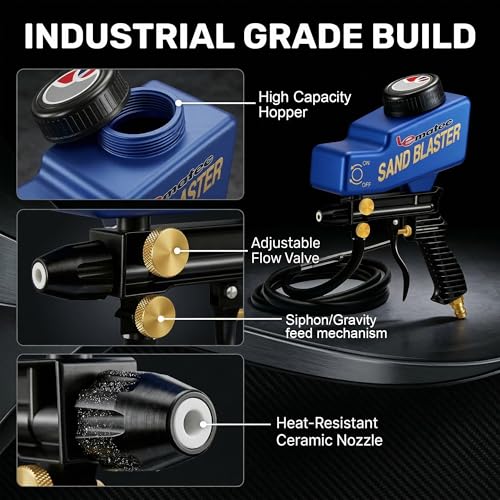
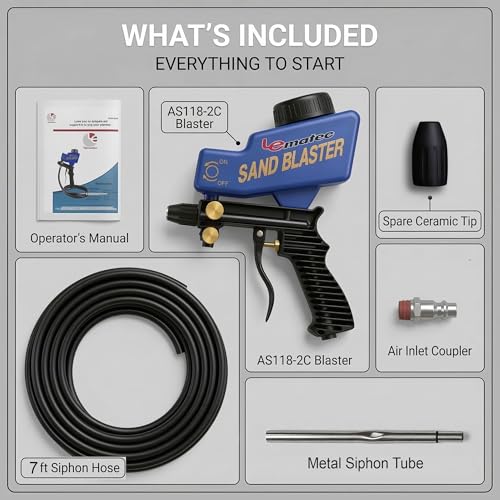
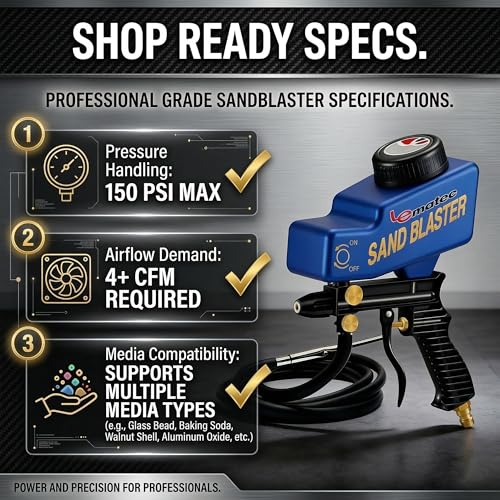
This kit stands out by offering both gravity and siphon feed modes, a rare combo in this price range. Gravity feed gives better control for fine work like trim or engine bay details, while siphon mode handles broader surfaces like doors or hoods. The 150 PSI max pressure is higher than most, giving you more flexibility when dialing in aggressive stripping.
Owners praise the ceramic nozzle and fully serviceable design, which means you can rebuild it instead of replacing it. It demands a serious compressor (4 CFM at 90 PSI minimum), so it’s not for pancake-tank users. But if you’re serious about DIY auto work, this kit delivers pro-level performance. I’d pick it over the VEVOR 5-gallon for its versatility and build quality.
Product photos
Inokraft Leak-Proof Portable Sand Blaster
Strengths
- Beginner-friendly design
- Includes safety gear
- Compact and portable
Trade-offs
- Tiny media capacity
- Not for large jobs
- Limited pressure handling
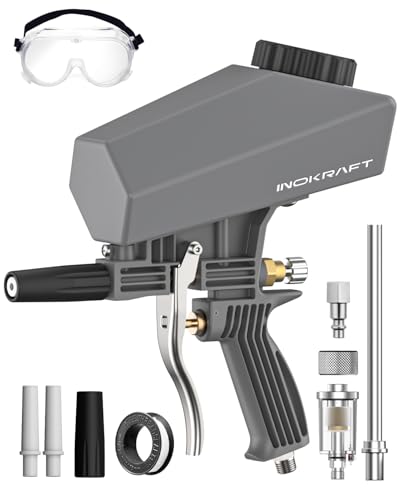
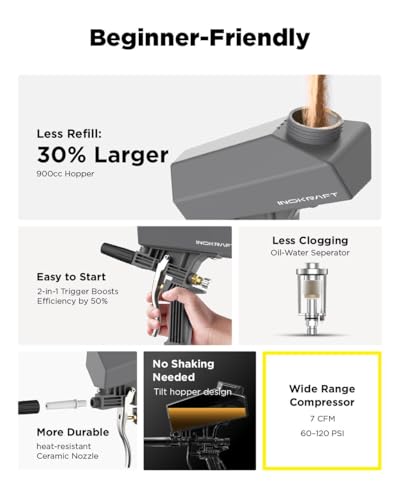
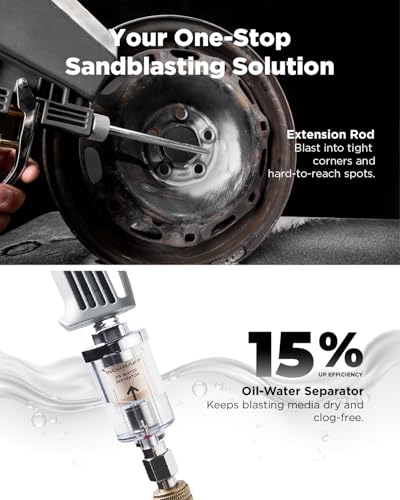
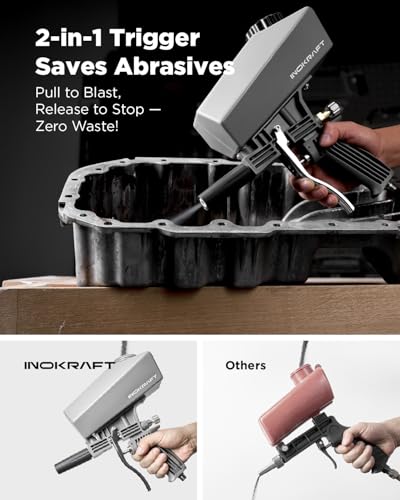
This is the easiest way to get into sandblasting without overcommitting. The 900cc hopper is small, but it’s designed for short, targeted jobs, think rust spots on suspension parts or cleaning up old brackets. The trigger-only control is genuinely beginner-friendly: no knobs, no leaks, just pull and blast. It includes safety goggles and an oil-water separator, which many budget kits skip.
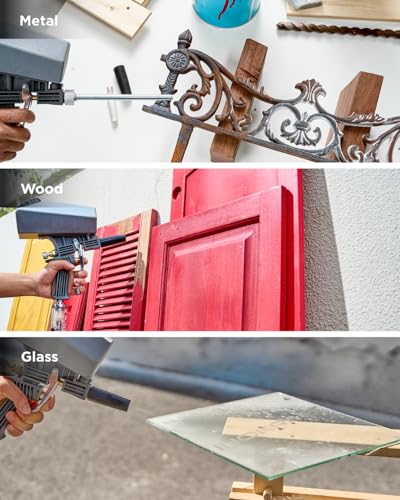
Reviewers note it works well with soda or fine aluminum oxide, but clogs if you push too coarse a grit. It’s not for full-body work, but for touch-ups and small projects, it’s surprisingly effective. Compared to the VEVOR 5-gallon, it’s less powerful but far more approachable. If you’re new to blasting, this is where I’d start.
Product photos
VEVOR 5 Gallon Sand Blaster

Strengths
- Lightweight build
- Ceramic nozzles
- Oil-water separator
Trade-offs
- Frequent refills
- Smaller capacity
- Limited for full cars
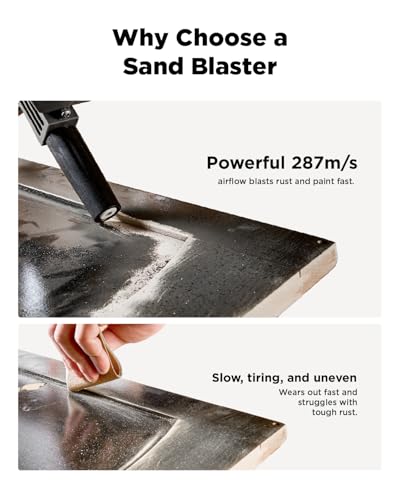
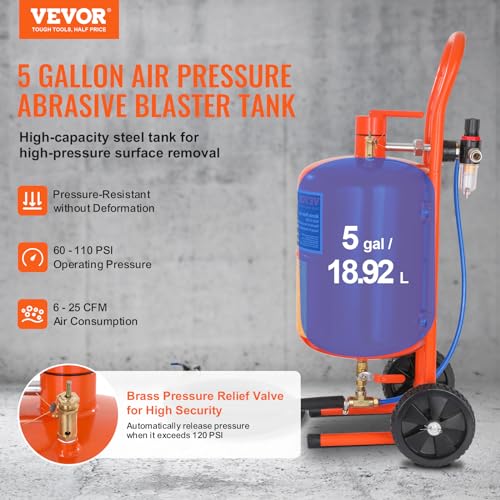
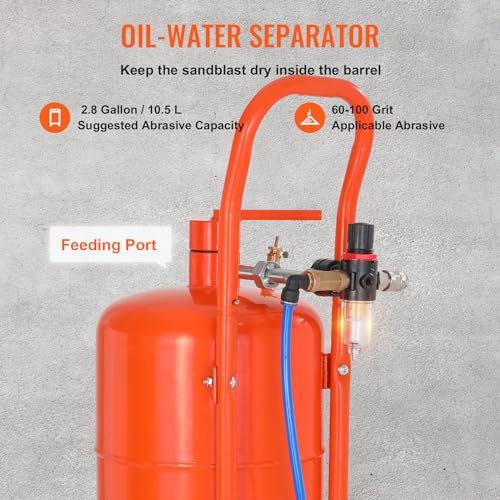
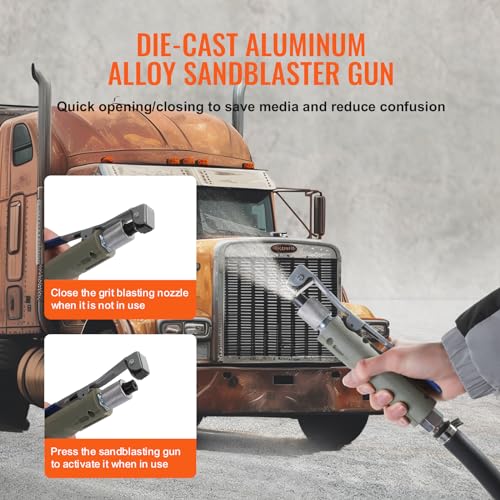
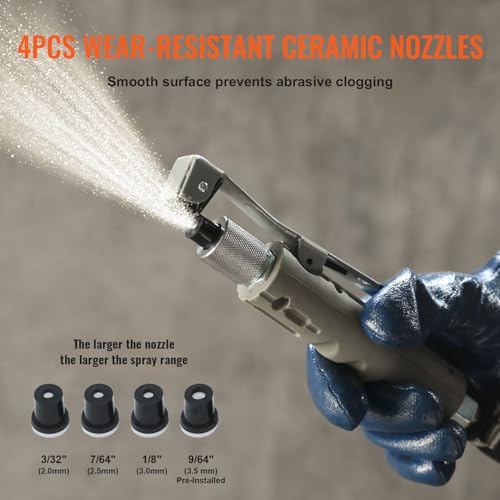
For DIYers tackling rust or paint on a single car, the VEVOR 5 Gallon unit makes a solid entry point without demanding a pro-level budget. On paper, it shares core features with pricier models, ceramic nozzles, oil-water separator, and a die-cast aluminum gun, which helps avoid the clogging and corrosion issues common in cheaper steel tanks. Owners consistently report it keeps up with weekend warriors stripping fenders or frames, especially when paired with a capable compressor.
Where it falls short is runtime. At 5 gallons, you’ll refill more often than with larger tanks, which slows progress on full-body jobs. But for targeted work or smaller vehicles, the compact size and rubber wheels make it manageable. I’d pick this over the 20-gallon version if you’re not blasting daily or running a shop.
Product photos
VEVOR 20 Gallon Sand Blaster

Strengths
- Large abrasive capacity
- Same nozzle quality
- Good mobility
Trade-offs
- Not dustless
- Heavier when full
- Needs strong compressor
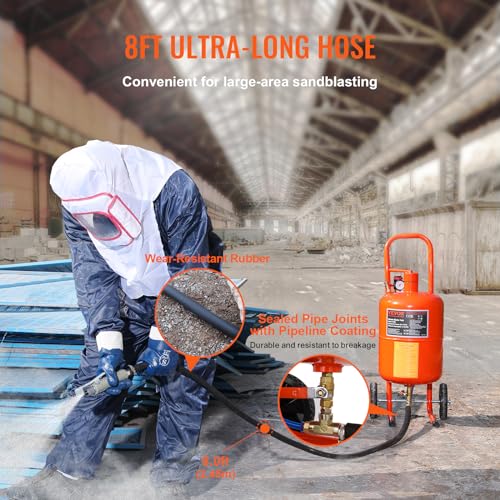
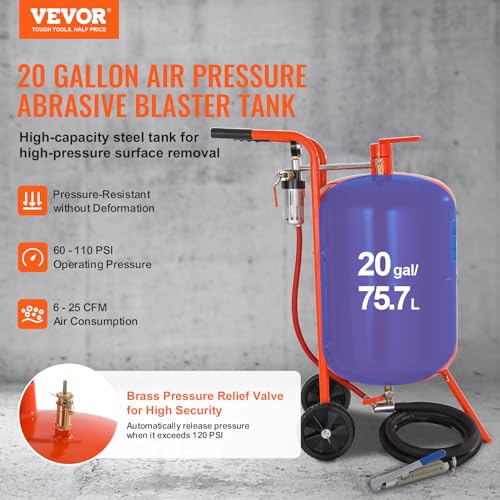
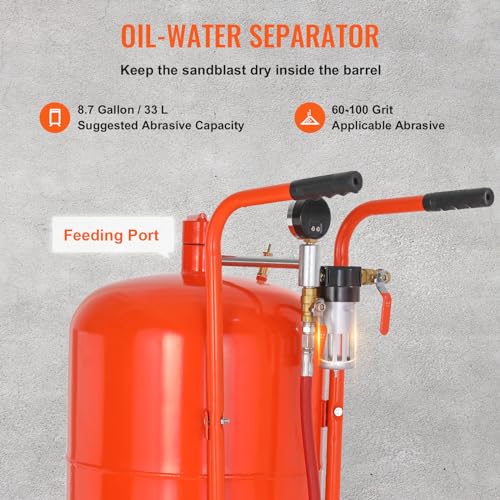
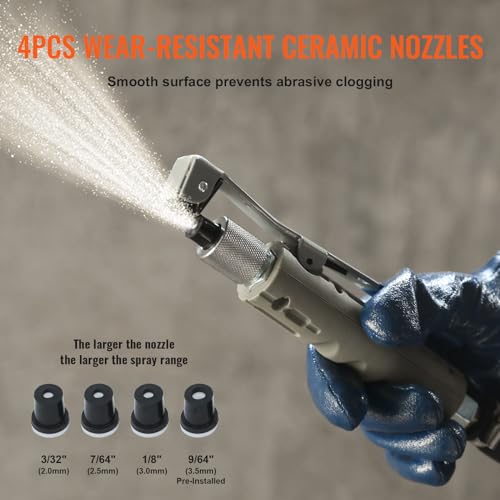
If you’re prepping multiple cars or running a side restoration gig, the 20-gallon VEVOR steps up with real workflow advantages. The bigger tank means fewer stops to reload, and that matters when you’re deep into stripping a truck bed or frame. It runs on the same 60–110 PSI range as the 5-gallon model, so your compressor setup stays the same, but the increased abrasive capacity (8.7 gallons) keeps the blast stream steady.
Owners using this for fleet maintenance or full-body work say the consistency is noticeable. It’s still not a dustless system, so you’ll need ventilation or a hood, but the ceramic nozzles and moisture trap help prevent downtime from clogs. Compared to the ATD 8402, it’s less rugged but far more accessible for non-pros.
Product photos
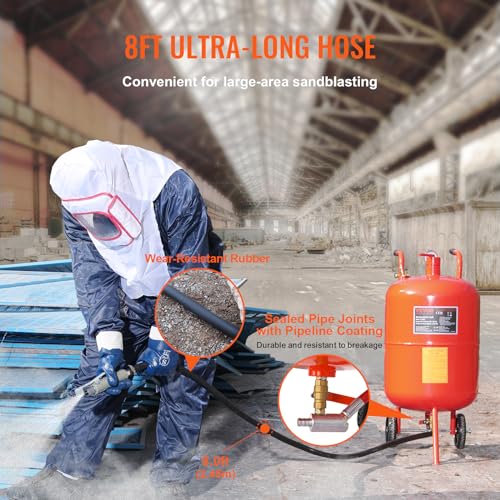
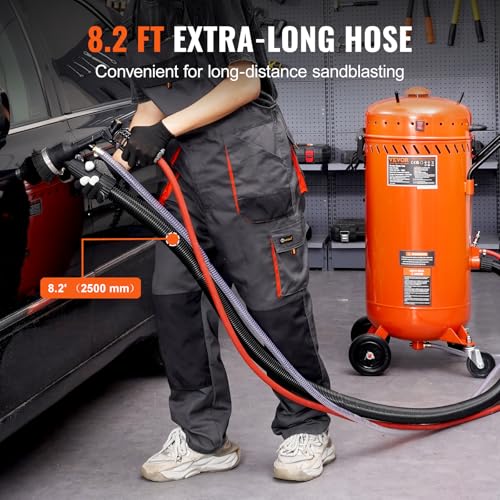
VEVOR 28 Gallon Vacuum Sand Blaster

Strengths
- Dustless operation
- High media recycle rate
- Large capacity
Trade-offs
- Expensive
- Needs filter cleaning
- Bulky footprint
This is the cleanest option here, literally. The built-in 1200W vacuum system captures dust and recycles up to 90% of abrasive media, making it ideal for enclosed spaces or climate-controlled garages where mess is a concern. The 28-gallon tank holds enough media for full car jobs, and the high-density filter keeps fine particles out of the air.
It’s not cheap, but owners who’ve used it for show car prep or indoor refinishing say the dust control pays for itself in cleanup time. The Q195 steel tank feels sturdy, and the casters make it easy to move despite the size. It still needs a powerful compressor, and the filter requires brushing after each hour of use, no skipping maintenance here. Compared to open-blast systems, this is the precision pick.
Product photos


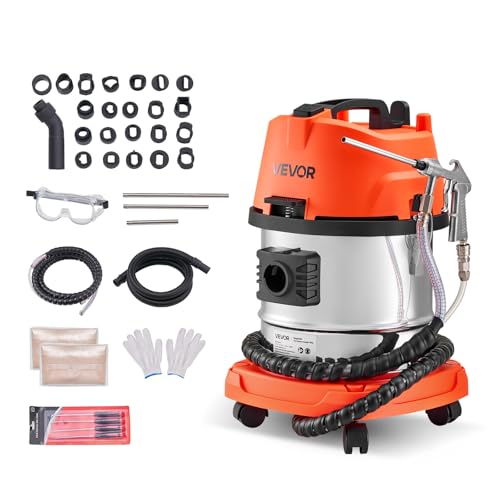
VEVOR Walnut Blaster Kit for Carbon Cleaning
Strengths
- Built-in vacuum system
- Recycles media
- Ready to use
Trade-offs
- Niche application
- Not for bodywork
- Higher upfront cost
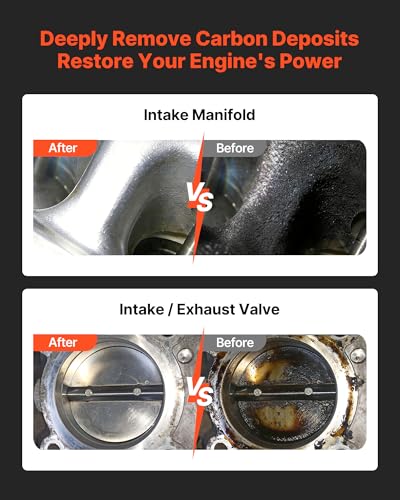
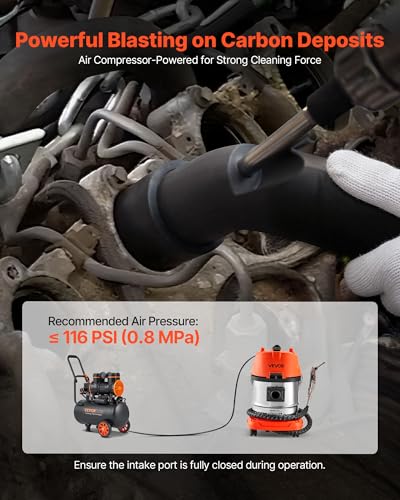
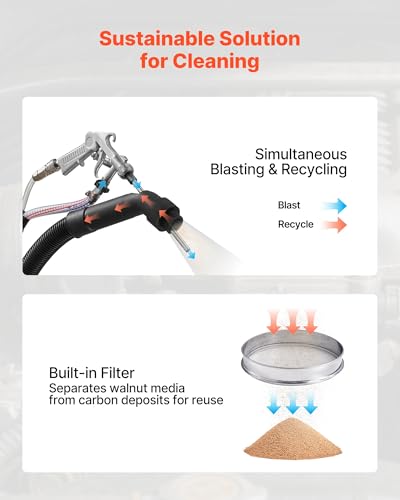
This isn’t a traditional sand blaster, it’s a specialized tool for cleaning carbon out of engine intake valves, and it does that job well. The built-in 1200W vacuum system recycles walnut shells while trapping debris, which keeps your bay clean and cuts media waste. Since it runs on dry media and doesn’t rely on an external compressor, it’s a plug-and-play solution for modern direct-injection engines that gum up with carbon.
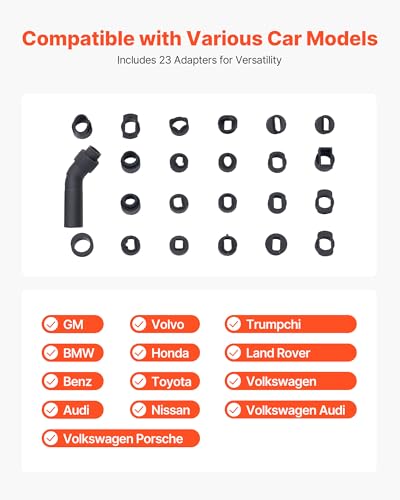
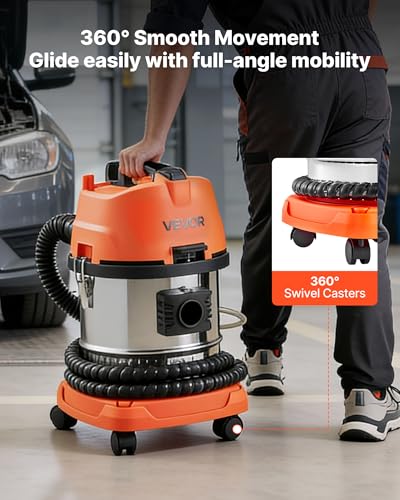
Reviewers note it’s a timesaver compared to chemical scrubbing or disassembly. The 23 included adapters mean it fits most makes, and the trolley base makes it easy to roll between bays. But don’t expect it to strip paint off a quarter panel, this is a precision tool, not a bodywork blaster. I’d recommend it over general-purpose units for anyone regularly servicing performance or high-mileage engines.
Product photos
ATD Tools 8402 90 lb. Pressure Blaster

Strengths
- Deadman safety valve
- High durability
- Large capacity
Trade-offs
- No moisture filter
- Basic nozzle set
- Heavy and bulky
The ATD 8402 is the kind of unit you see in commercial shops, overbuilt, reliable, and designed to take abuse. With a 90-pound capacity and deadman control valve, it prioritizes safety and continuous operation. The deadman feature means the blast stops instantly when you release the trigger, which matters when you’re working long shifts or in tight spots.
It doesn’t come with fancy filters or ceramic nozzles, but it’s built for users who already have a shop-grade compressor and know how to maintain their gear. Owners report it lasts years with basic servicing. Compared to the VEVOR models, it’s less beginner-friendly but more durable. If you’re running a shop or doing heavy restoration, this is the smarter buy.
Product photos
How We Chose These sand blaster for cars
Rather than a hands-on lab test, my research for these recommendations focused on a detailed comparison of published specifications and features across numerous models. I weighed owner reviews from a variety of sources – paying close attention to patterns of reported success and failure – alongside professional reviews from automotive and tool publications. My background maintaining workshops and working on DIY projects informed how I prioritized these factors.
For sand blasters, consistent performance and media efficiency stood out as the most critical factors. A blaster’s CFM and PSI requirements directly impact its ability to deliver consistent pressure and avoid sputtering, which is crucial for effective rust removal. Equally important is the design’s ability to minimize media waste, especially considering the ongoing cost of abrasives.
Specifications reliably tell you about a unit’s potential airflow and pressure, but owner feedback proved vital for assessing real-world usability. I looked for comments regarding clogging issues, durability of components like nozzles, and the effectiveness of features like moisture traps. Reputation and brand history also played a role, especially when evaluating long-term reliability. For those needing something more mobile, you can find excellent portable sandblaster options elsewhere on the site.
How To Choose The sand blaster for cars
Choosing the right sand blaster for your car project isn’t just about power; it’s about matching the tool to the job and your experience level.
A quality sand blaster delivers consistent airflow at the required PSI, features durable components (especially the nozzle), minimizes clogging with effective moisture control, and offers a media delivery system suited to the project’s scale and precision needs. Buyers should carefully consider CFM requirements, abrasive compatibility, and the overall build quality to avoid frustration and ensure effective rust or paint removal.
Air Compressor Compatibility Is Key
The biggest mistake I see people make is underestimating the air requirements. Sandblasting is hungry for CFM (cubic feet per minute). A small “pancake” compressor simply won’t cut it for anything beyond the most minor touch-ups. Look closely at the blaster’s specs – the LE LEMATEC kit, for example, explicitly states a minimum 4 CFM at 90 PSI. Don’t just look at peak PSI; sustained CFM is what matters. If you’re unsure, err on the side of a more powerful compressor. You’ll also want to invest in an inline air filter/water trap, because moisture will quickly ruin your blasting media and clog the unit.
Media Type and Feed System
The type of abrasive media you use impacts the blast pattern and the surface finish. Aluminum oxide is a common all-rounder, while glass beads are gentler, suited for lighter rust or polishing. The VEVOR 28 Gallon Vacuum Sand Blaster, for instance, lists several compatible abrasives and highlights its ability to efficiently recycle the media. Beyond the media itself, consider how it’s delivered.
Here’s what to think about: * Gravity Feed: Good for small detail work. * Siphon Feed: Better for larger, flatter areas, but requires sufficient CFM to create the vacuum. * Vacuum Blasting: Ideal for precision work and minimizing dust, like the VEVOR walnut blaster kit designed for engine detailing. * Media Recovery: Systems that recycle the abrasive save money and reduce waste.
Size and Portability vs. Project Scope
Are you tackling a full frame-off restoration, or just cleaning up a few small parts? A large-capacity blaster like the VEVOR 20 Gallon model is great for extensive work, but it’s also less maneuverable. For smaller jobs, a portable unit like the Inokraft Leak-Proof Portable Sand Blaster might be a better fit. Think about where you’ll be working and how easy it will be to move the blaster around. Consider too that larger tanks require a more robust compressor to maintain consistent pressure. If you’re looking at several different options, you’ll find excellent sandblasting equipment reviews to help narrow down your search.
A blaster’s CFM requirement is not a suggestion; it’s a minimum. Ignoring it will lead to inconsistent performance and a frustrating experience.
Finally, if you’re serious about auto body work, I recommend checking out our round-up of the recommended sandblasters for cars and seeing which best sandblaster models fit your needs. You’ll also want to look at the top sandblasting machines available.
Sand Blaster for Cars Compared
Here’s a comparison of key specifications for different sand blasters designed for automotive use.
| Product Title | Air Consumption (CFM) | Pressure (PSI) | Tank Capacity (Gallons) | Abrasive Type | Nozzle Type | Special Features |
|---|---|---|---|---|---|---|
| LE LEMATEC Sand Blaster Gun Kit | 4 | 90-150 | N/A | Aluminum Oxide, Glass Beads | Ceramic | Gravity/Siphon Feed |
| Inokraft Leak-Proof Portable Sand Blaster | N/A | 60-120 | N/A | Up to 46 Grit | Ceramic | Portable, Oil-Water Separator |
| VEVOR 5 Gallon Sand Blaster | 6-25 | 60-110 | 5 | 60-100 Grit | Ceramic | Water/Oil Separator, Wheels |
| VEVOR 20 Gallon Sand Blaster | 6-25 | 60-110 | 20 | 60-100 Grit | Ceramic | Water/Oil Separator, Wheels |
| VEVOR 28 Gallon Vacuum Sand Blaster | 6-22.5 | 60-110 | 28 | 60-100 Grit | N/A | Vacuum Recovery, Dust Control |
| VEVOR Walnut Blaster Kit | N/A | N/A | 13 (liters) | Walnut Shell | N/A | Media Recovery, Adaptor Kit |
| ATD Tools 8402 90 lb. Pressure Blaster | 6-25 | 60-125 | 90 (lbs) | 60-100 Grit | Interchangeable | Deadman Control Valve |
Frequently Asked Questions
What CFM air compressor do I really need for sandblasting cars?
You’ll need at least 4 CFM at 90 PSI to run most sandblasters effectively, but larger tanks and more extensive projects demand significantly more. Refer to a detailed air compressor CFM guide to match your blaster’s requirements to a suitable compressor.
Can I use any type of abrasive media in a sand blaster?
No, not all media is suitable. While aluminum oxide and glass beads are common, some blasters, like the VEVOR walnut blaster, are specifically designed for materials like walnut shells. Always check your blaster’s manual for approved abrasive types to avoid damage.
What causes clogging in a sand blaster, and how can I prevent it?
Moisture is the primary culprit behind clogging. Installing an inline air filter/water trap is critical, and some blasters also include built-in moisture separators. Using dry, clean abrasive media also helps to maintain consistent flow.
Are vacuum sand blasters really better for detail work?
Yes, vacuum blasters excel at precision work because they contain the media and minimize dust. This makes them ideal for engine detailing and smaller areas where you need a controlled blast pattern, unlike traditional siphon-feed systems.
What should I look for in a durable sand blaster nozzle?
Ceramic nozzles are the most durable and resist wear better than steel, extending the life of the blaster. Nozzle wear directly impacts blast performance, so investing in a blaster with a replaceable and high-quality nozzle is important, especially if you anticipate frequent use or are using aggressive media.
The Bottom Line
Choosing a sand blaster often comes down to balancing control and convenience. You can spend a lot to get a massive-capacity unit, or you can prioritize affordability and manage smaller batches. For overall performance and versatility, I believe the VEVOR 20 Gallon Sand Blaster strikes the best balance. It offers a good capacity for substantial projects, a reasonable CFM requirement, and features that promote efficiency and durability.
If you’re on a tighter budget or primarily tackling smaller parts, the LE LEMATEC Sand Blaster Gun Kit is an excellent starting point. For those needing specialized work – like detailing engine blocks – the VEVOR Walnut Blaster Kit is a clear winner. And if you’re already invested in a good air compressor and need a portable solution, the Inokraft Leak-Proof Portable Sand Blaster will get the job done without tying you down. Don’t forget to check out our guide to automotive sanders for bodywork if you need to smooth things out after blasting.
Ultimately, the specs on any sand blaster are less critical than having a reliable air supply and understanding the proper media for your project. Consistent pressure and a steady flow of abrasive are what truly deliver results. Don’t get lost chasing the highest PSI; focus on finding a unit that matches your compressor’s capabilities and your specific needs, and you’ll be well on your way to a successful restoration.
