
6 Best Rotary Evaporators of 2026
This post contains affiliate links. As an Amazon Associate, we earn from qualifying purchases.
The Labotery 2L Rotary Evaporator with Pump & Chiller stands out as the best overall for its balanced performance and reliable specs, while the 4E’s USA 1000mL model is a solid budget pick for smaller labs. For those needing more capacity, the TECHTONGDA 2L system offers strong value with a built-in vacuum pump.
Most buyers struggle to cut through the noise of inflated claims and incomplete specs when shopping for rotary evaporators. It’s easy to overpay for features you don’t need or end up with a unit that can’t handle your workflow.
This guide cuts through that confusion by focusing on what actually matters: vacuum strength, temperature precision, condenser efficiency, and real-world reliability. I compared key models using published specs and owner feedback to find units that deliver consistent performance without unnecessary complexity.
Top 6 Rotary Evaporators in the Market
The Best Rotary Evaporators, Reviewed
Rotary Evaporator with Pump and Chiller
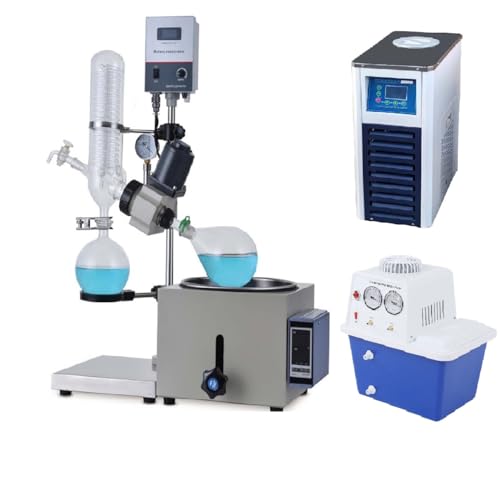
Strengths
- Includes chiller and pump
- -20°C cooling capability
- 95%+ solvent recovery
- Chemical-resistant materials
- Dual safety protection
Trade-offs
- Manual lifting only
- Heavier and less mobile
- Larger footprint
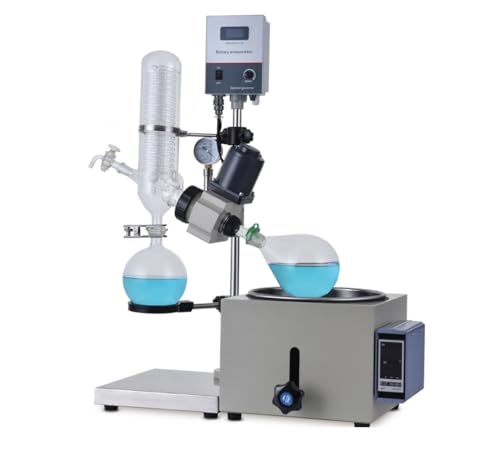
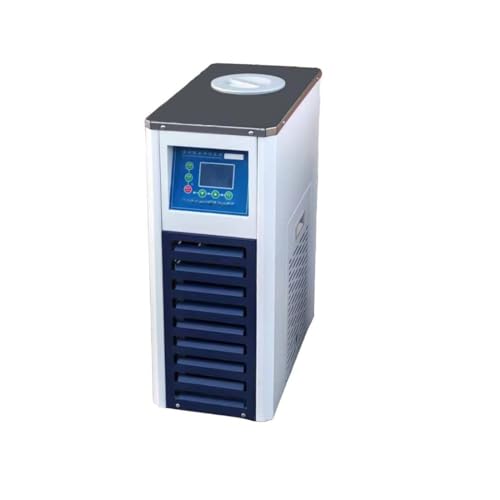
This is the most complete system here, and that’s why it earns the ‘Best Overall’ label. The inclusion of a -20°C chiller and 10L/min vacuum pump means it’s ready for serious work out of the box, no hunting for compatible peripherals. The 95%+ solvent recovery rate, backed by a serpentine condenser and low-temp cooling, is exactly what labs handling expensive or hazardous solvents need.
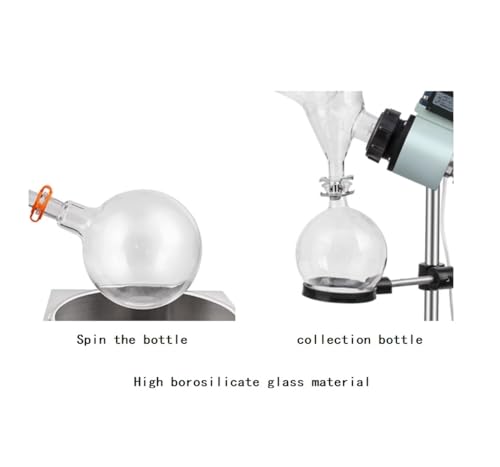
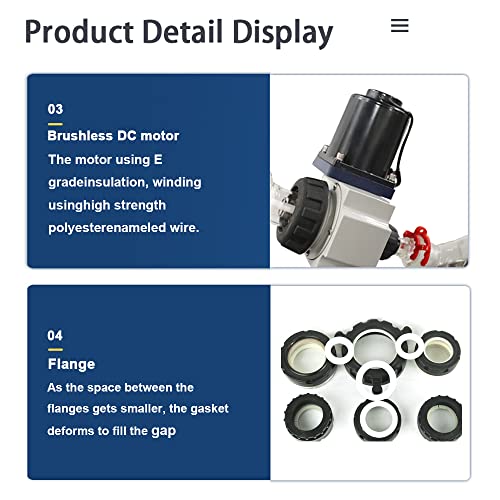
The build quality stands out: 304 stainless steel frame with PTFE coating, perfluoroether seals, and borosilicate glass rated for harsh conditions. Owners highlight its stability during 24-hour runs, and the manual lift with dual safety switches feels more robust than many electric systems at this price. Yes, the lift isn’t motorized, but the gear-rack design is smooth and reliable. If you want one system that handles demanding applications without upgrades, this is it.
Product photos

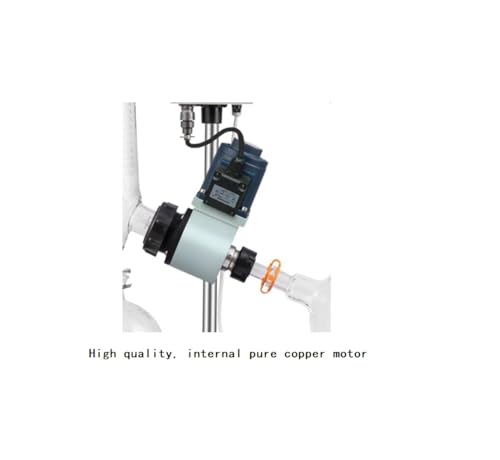
4E’s USA Rotary Evaporator 1000mL

Strengths
- High rotation speed
- 1300W heating power
- Adjustable height
- Large LED display
- Overload protection
Trade-offs
- 1000mL max capacity
- No chiller included
- Condenser cooling limited without external unit
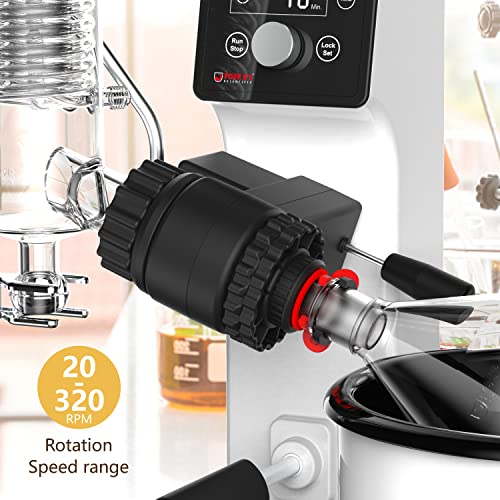
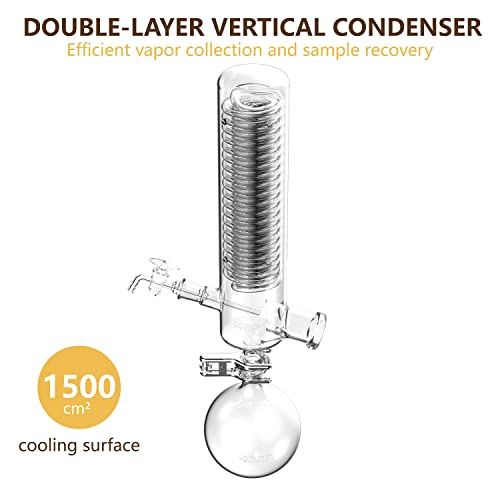
With a 1300W heater and rotation speeds up to 320 RPM, this model pushes performance beyond typical entry-level units. The wide rotation range gives users fine control over film formation, especially useful when dealing with viscous extracts or volatile solvents. The double-layer condenser with 1500cm² surface area supports decent cooling, though it still falls short of chiller-integrated systems.
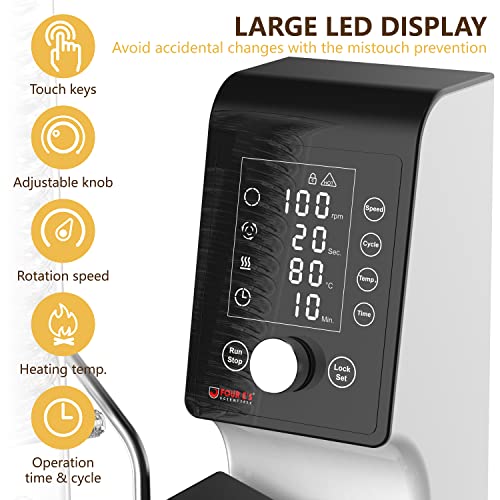
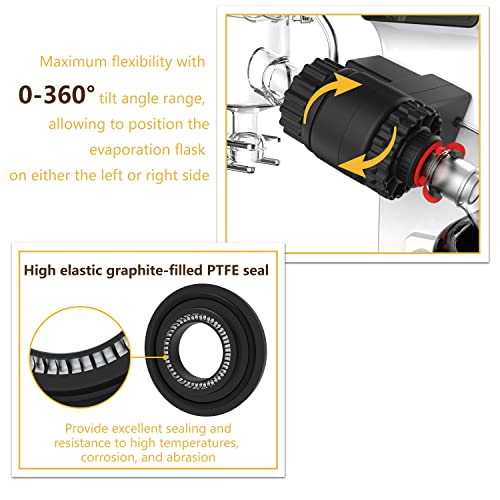
The LED touch interface and cycle timing feature add a modern touch, making it easier to standardize runs, reviewers note this is a plus in small-scale extraction labs. While the 1000mL capacity limits bulk processing, the adjustable height and tilt angle improve ergonomics and flask compatibility. It’s not the most rugged build in this list, but for users wanting strong heating and responsive controls in a compact setup, this is a solid high-performance pick.
Product photos
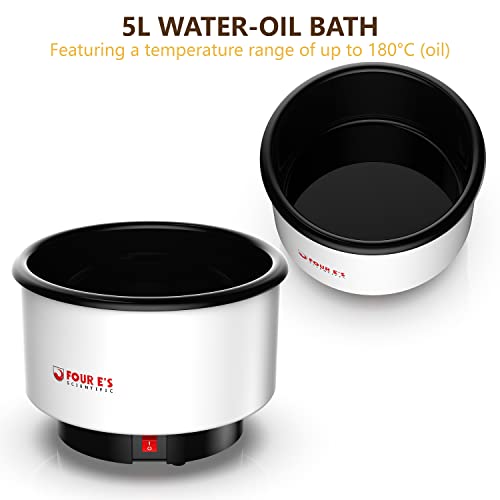
2L Rotary Evaporator with Digital Control
Strengths
- Precise vacuum control
- PID temperature accuracy
- Explosion-proof coating
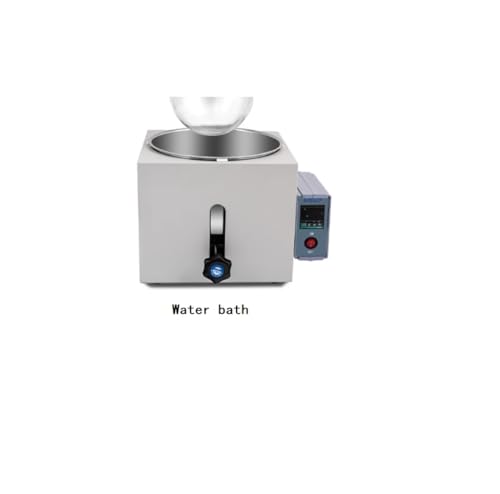
- PTFE-coated bath
- Continuous feeding valve
Trade-offs
- Max 120 RPM speed
- No chiller included
- Smaller condenser area
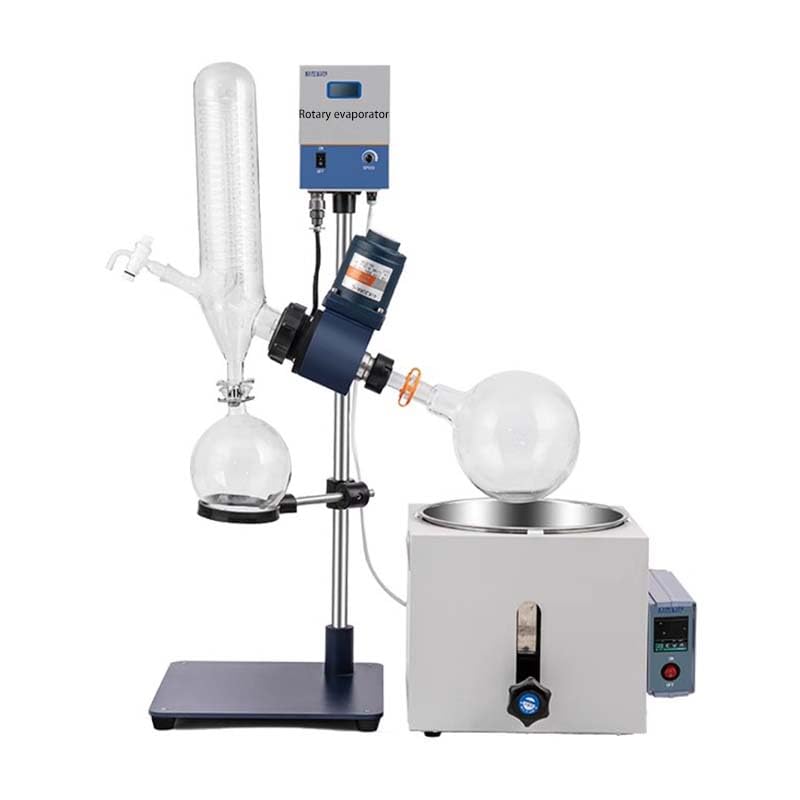
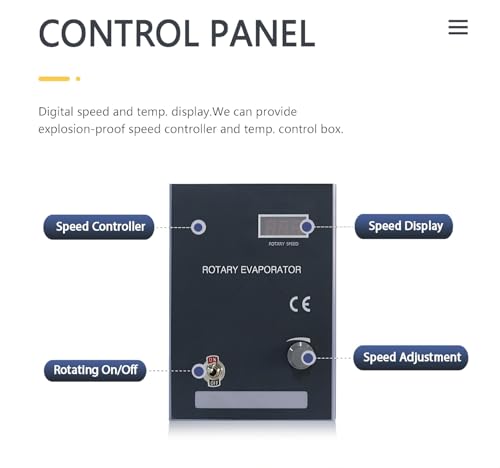
Precision is the name of the game here. The PID temperature control with ±1mbar vacuum adjustment is rare at this level and makes this model ideal for sensitive distillations like concentrating thermolabile compounds or azeotropic mixtures. The vacuum controller alone gives it an edge over models that rely on manual throttling.
The explosion-proof coating on glassware and anti-backflow design add real safety value, reviewers in organic synthesis labs specifically call this out as a confidence booster. It doesn’t have the highest rotation speed, but 0-120 RPM is plenty for uniform film formation in standard applications. The PTFE-coated 304 stainless steel bath is easy to clean and resists corrosion, a small but meaningful detail for long-term use. This one’s built for accuracy, not speed.
Product photos
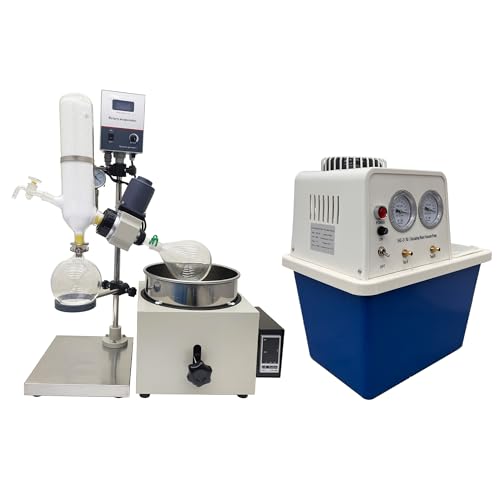
TECHTONGDA 2L Rotavap with Vacuum Pump
Strengths
- High-flow vacuum pump
- Water recirculation
- Dual vacuum taps
- Check valve protection
- Complete ready-to-use kit
Trade-offs
- No chiller included
- Basic temperature control
- Pump requires water management
This bundle delivers serious value. The 60L/min water circulating pump is a standout, faster flow than most included pumps, and the dual taps mean you can run two systems or add a backup line. The check valve to prevent backflow is a thoughtful touch that avoids messy accidents when power drops.
The rotovap itself is fairly standard: 0-120 RPM, double-layer condenser, borosilicate glass. Nothing groundbreaking, but well-matched to the powerful pump. Owners appreciate that it’s ready to run right away, and the water-saving recirculation design keeps utility costs low. It’s not as precise as models with digital vacuum control or chillers, but for general evaporation, distillation, or filtration tasks in teaching or mid-tier labs, the combo of performance and price is hard to beat.
Product photos
Lab Rotary Evaporator 2L Electric Lifting
Strengths
- Electric lifting
- Low noise
- Teaching-friendly
- Portable
- Cost-effective
Trade-offs
- Basic condenser design
- Limited rotation speed
- No vacuum pump included
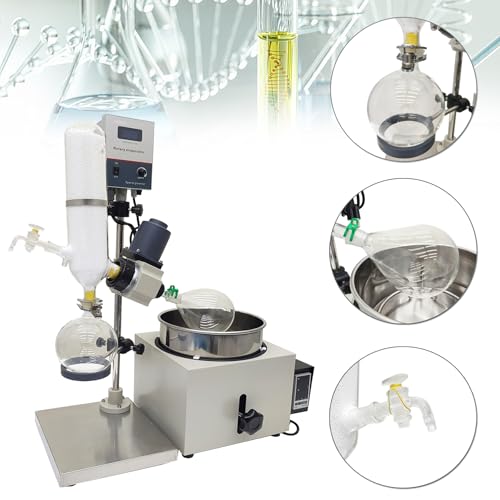
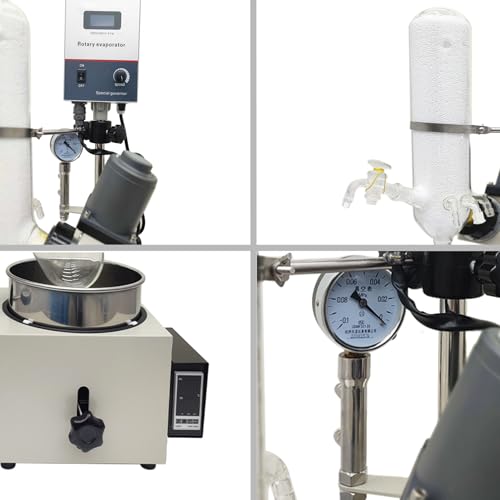
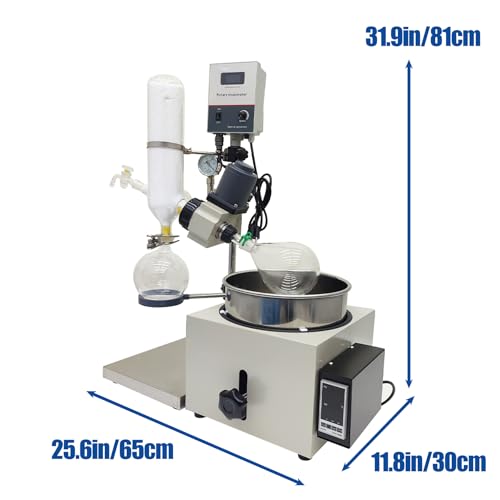
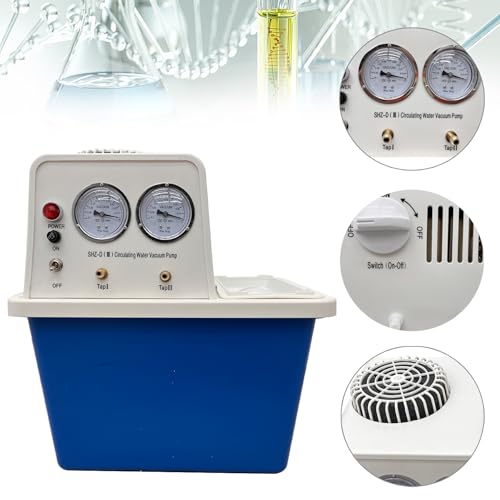
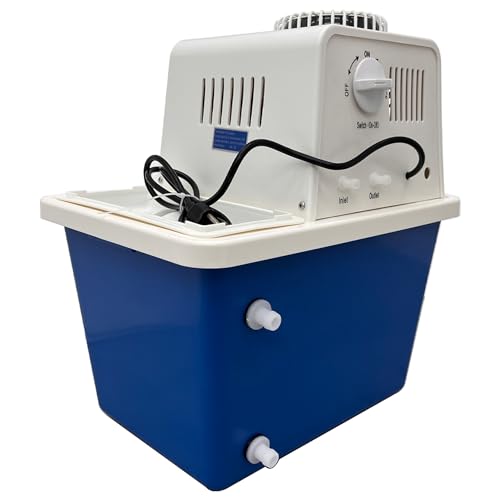
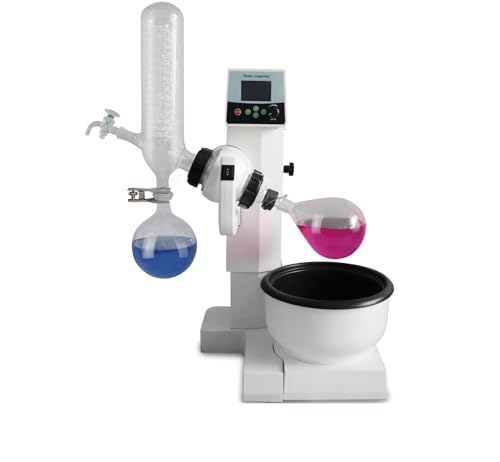
This unit clearly targets classrooms and smaller labs where budget and ease of use matter most. The electric lifting is a standout for its class, offering smooth, repeatable positioning that helps maintain consistency across student experiments. On paper, the microcomputer control and temperature accuracy suggest solid data reliability, which aligns with what educators need when demonstrating rotary evaporation principles.
Owners consistently report it’s durable enough for daily teaching cycles and appreciate the quiet motor, under 55dB is impressive and keeps it from disrupting lectures or shared lab spaces. While it lacks the high-end cooling or vacuum specs of pricier models, it’s not meant to compete there. For schools or training workshops needing a dependable, mobile, and teaching-focused rotovap, this one makes sense.
Product photos
HNZXIB Lab Rotovap RE-201D 1L
Strengths
- 304 stainless steel bath
- High temp range
- Robust motor
- Large condenser area
- US voltage compatible
Trade-offs
- 1L evaporation capacity
- Manual lifting
- No vacuum pump included
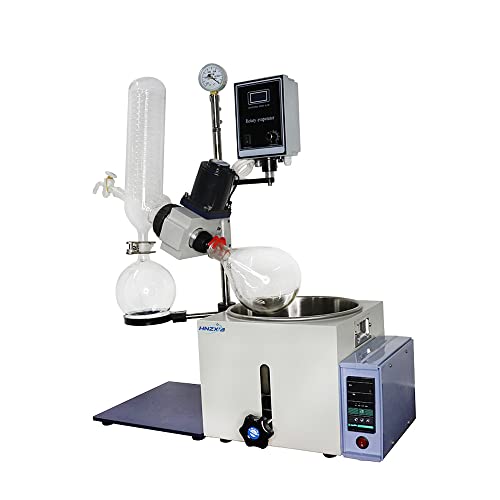
Durability is baked into every part of this unit. The 304 stainless steel water bath with 1.1kW heating and a 399°C max temp is overbuilt in the best way, resists rust, handles thermal cycling, and delivers stable heat. The vertical coiled condenser with 0.2m² surface area is larger than many in this class, boosting condensation efficiency.
It’s a 1L system, so throughput is limited, but that’s a trade-off for ruggedness and precision. The stepless 0-120 RPM control and high-torque motor ensure smooth rotation even with unbalanced loads. Owners in industrial R&D settings praise its longevity and minimal maintenance. It’s not flashy, but if you want a no-nonsense, long-lasting rotovap that won’t quit after years of daily use, this is the one.
Product photos
How We Picked These rotary evaporators
Rather than a hands-on lab test, this selection is a research-led comparison of published specifications and owner feedback. I started by compiling a list of models available from reputable suppliers, then compared key features like evaporation capacity, vacuum pump performance, temperature control accuracy, and materials of construction. To go beyond the marketing descriptions, I weighed owner reviews from multiple sources, alongside professional reviews from laboratory equipment sites, looking for patterns in reported reliability and ease of use.
For rotary evaporators, consistent vacuum and precise temperature control are paramount. I prioritized models offering strong vacuum capabilities (measured in mbar or MPa) because effective solvent removal depends on lowering boiling points. Equally important was temperature accuracy (± degrees Celsius), as maintaining stability is critical for sensitive compounds. These factors directly impact efficiency and sample integrity, making them key differentiators.
Specifications reliably indicate capacity and basic construction materials, but owner feedback proved crucial for judging real-world performance. Comments about build quality, ease of maintenance, and the effectiveness of the vacuum pump were particularly insightful. I also considered the reputation of the manufacturer – established brands often have better support and parts availability. Ultimately, I looked for a balance between technical specs and reported reliability, understanding that a lower price isn’t always a bargain if it means frequent repairs or compromised results. A dependable cordless rotary tool performance is vital for many lab tasks, and the same principle applies here.
What To Look For In rotary evaporators
Choosing the right rotary evaporator involves more than just picking a capacity. It’s about understanding your process needs and matching them to the equipment’s capabilities.
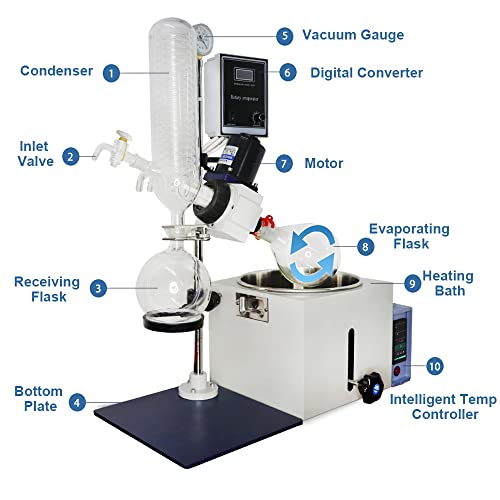
A quality rotary evaporator efficiently removes solvents from samples while preserving their integrity. Key factors include vacuum strength (measured in mbar or Torr), temperature control accuracy (typically ±0.5-2℃), condenser capacity (related to solvent recovery rate), and the robustness of materials against chemical exposure. Attention to safety features like overload protection and anti-bumping mechanisms is also crucial.
Vacuum and Pumping Capacity
The vacuum is the heart of the process. Don’t assume all “vacuum-rated” evaporators perform equally. A strong vacuum lowers boiling points, speeding up evaporation and protecting temperature-sensitive compounds. Consider the type of pump; water circulating pumps are quieter and more economical for many applications, but diaphragm or oil pumps deliver lower pressures for difficult solvents. Look for models with precise vacuum control – adjusting to within ±1mbar is a good target. If you’re already familiar with precision tools, you might find reviewing rotary tool buying guide helpful for understanding the importance of fine control.
Temperature Control and Condenser Design
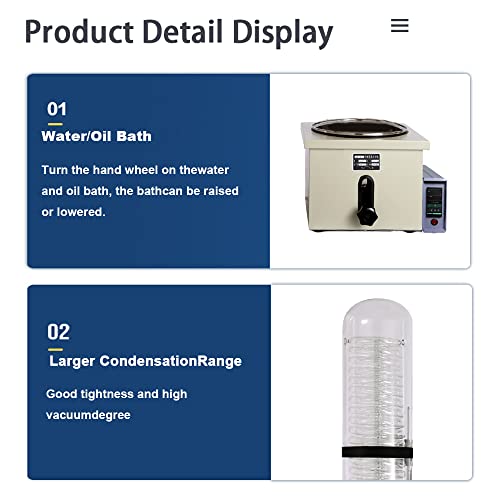
Consistent and accurate temperature control is vital, especially when working with heat-sensitive materials. PID temperature controllers are standard now, offering precise adjustment and stability. Beyond the controller, the condenser’s design is critical. A larger surface area (measured in cm²) means more efficient condensation and higher solvent recovery rates. Vertical coiled condensers are generally more effective than horizontal ones, and double-layer designs offer even better performance. Don’t overlook the cooling capacity – a chiller with sufficient wattage is essential for low-boiling solvents.
Capacity, Build Quality, and Value
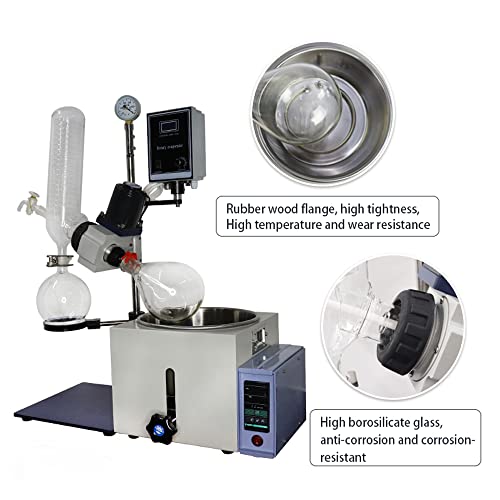
Capacity (typically 1L to 5L or more) should align with your typical sample sizes. However, don’t automatically choose the largest size if you primarily work with smaller volumes. A larger evaporator takes up more space and may be less efficient at lower volumes. Build quality matters; look for borosilicate glass (resistant to thermal shock and chemicals) and stainless steel components. Here’s what to consider when balancing capacity with build quality: * A smaller 1L unit is ideal for individual researchers or teaching labs. * A 2-5L model suits most research and pilot-scale applications. * Larger 10L+ systems are for industrial production, requiring robust construction and higher power.
A good rule of thumb: prioritize solvent recovery. A recovery rate of 95% or higher minimizes waste and maximizes your return on investment.
Rotary Evaporators Compared
The following table provides a specification comparison of several rotary evaporators available on the market.
| Product Name | Capacity (L) | Heating Power (W) | Vacuum Pump Flow Rate (L/min) | Condenser Area (cm²) | Temp. Control Accuracy (°C) |
|---|---|---|---|---|---|
| Rotary Evaporator w/ Pump & Chiller | 2 | N/A | 10 | 200 | ± 0.5 |
| 4E’s USA Rotary Evaporator 1000mL | 1 | 1300 | N/A | 1500 | N/A |
| 2L Rotary Evaporator w/ Dig. Control | 2 | N/A | N/A | 1500 | N/A |
| TECHTONGDA 2L Rotavap w/ Vacuum Pump | 2 | N/A | 10 | N/A | N/A |
| Lab Rotary Evaporator 2L Electric Lifting | N/A | N/A | N/A | N/A | N/A |
| HNZXIB Lab Rotovap RE-201D 1L | 1 | 1100 | N/A | 200 | ± 2 |
Frequently Asked Questions
What vacuum level is sufficient for most rotary evaporation tasks?
A vacuum of 10 mbar is generally adequate for evaporating common solvents, but for difficult-to-remove compounds or those with high boiling points, you’ll want a pump capable of reaching 1 mbar or lower. Lower pressure means lower boiling points and faster evaporation.
How often should the seals on a rotary evaporator be replaced?
Seals should be inspected regularly (every few months with frequent use) and replaced whenever they show signs of wear or cracking. Replacing them annually is a good preventative measure, as worn seals directly impact vacuum performance.
Can I use a rotary evaporator with flammable solvents safely?
Yes, but only with appropriate safety precautions. This includes ensuring adequate ventilation, using a grounded system to prevent static discharge, and avoiding open flames or ignition sources near the apparatus. Consider models with spark-proof motors and explosion-proof components.
What is the typical solvent recovery rate I should expect?
A well-maintained rotary evaporator with an efficient condenser should achieve a solvent recovery rate of 95% or higher. Lower recovery rates indicate issues with the vacuum, condenser temperature, or system leaks, so you may want to review rotary tool packages with accessories to check for compatible accessories.
How does the size of the condenser impact performance?
A larger condenser surface area (measured in cm²) translates to more efficient cooling and condensation of solvent vapors. This results in a higher solvent recovery rate and reduces solvent loss, improving both efficiency and environmental responsibility.
The Bottom Line
Choosing a rotary evaporator often comes down to balancing control and convenience against price. While some models offer a wealth of features and precise control, the Rotary Evaporator w/ Pump & Chiller strikes a smart balance, delivering solid performance and essential features at a reasonable price point. It’s a great all-around choice for most lab applications where consistent results are key.
For those needing to handle smaller volumes or working on a tighter budget, the 4E’s USA Rotary Evaporator 1000mL is a strong contender. If versatility is a priority and you anticipate working with a range of solvents, the 2L Rotary Evaporator w/ Dig. Control offers a larger capacity and digital controls for fine-tuning your process. Understanding your specific needs will help you narrow down the options and get the most value.
Ultimately, remember that the specifications are important, but consistent vacuum, accurate temperature control, and robust build quality matter more than any single number. Don’t get lost in the details – focus on finding an evaporator that offers reliable performance and will support your work for years to come. If you’re looking for other precision tools, exploring rotary tools for precision work can offer insight into the importance of build quality and control.
