7 Best Pocket Chainsaws of 2026
This post contains affiliate links. As an Amazon Associate, we earn from qualifying purchases.
The CAMPNDOOR Pocket Chainsaw is the best overall for its aggressive tooth design and durable 65Mn steel, while the ProSSS offers solid performance at a lower price and doubles as a survival tool with its paracord handle. For those needing more reach, the 55-inch SENSILIN limb saw pulls ahead for tree work.
Most people don’t realize how much variation there is in pocket chainsaws, some barely cut through dry branches, while others slice through green wood with real authority. It’s easy to grab the cheapest option or the one that folds the smallest, only to be stuck with a flimsy chain or a handle that slips in your grip when it matters most.
I looked at dozens of models, weighing specs against real-world owner feedback to find the ones that actually perform when you’re off-grid, in a storm cleanup, or deep in the woods. These picks balance cutting power, durability, and packability based on what users report and how the tools are built.
Top 7 Pocket Chainsaws in the Market
The Best Pocket Chainsaws, Reviewed
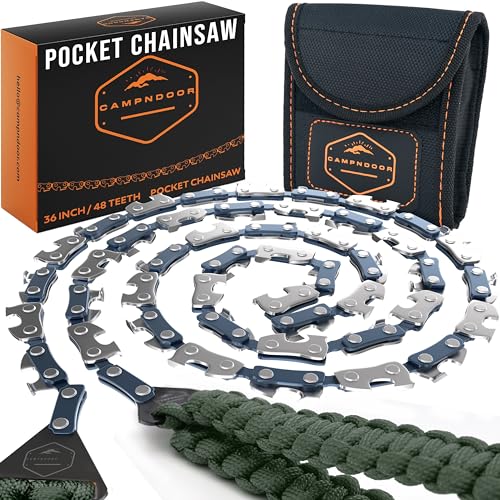
CAMPNDOOR 48 Teeth Pocket Chainsaw
Strengths
- Dual tooth design
- Extremely durable
- Lifetime warranty
Trade-offs
- Higher price
- Slightly stiff initial use
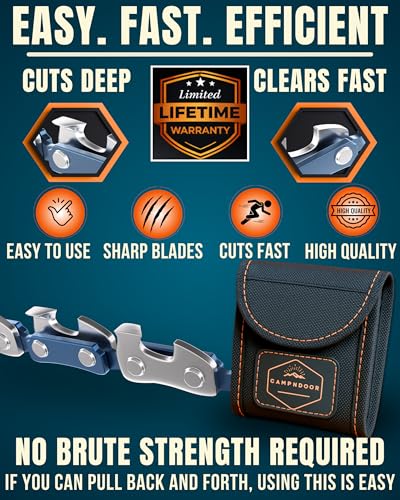
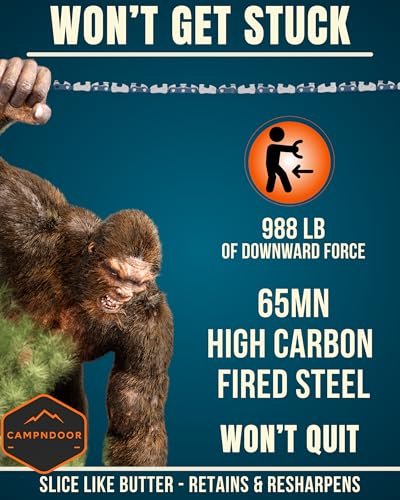
This CAMPNDOOR model is the one I’d recommend as the overall best pick for most users. With 48 Tiger Claw teeth and a 65Mn steel chain tested to 4000 Newtons, it’s built to last and engineered for speed. The dual tooth design, 48 cutting teeth and 48 clog-clearing teeth, means it cuts fast and resists jamming, a common pain point with cheaper models.
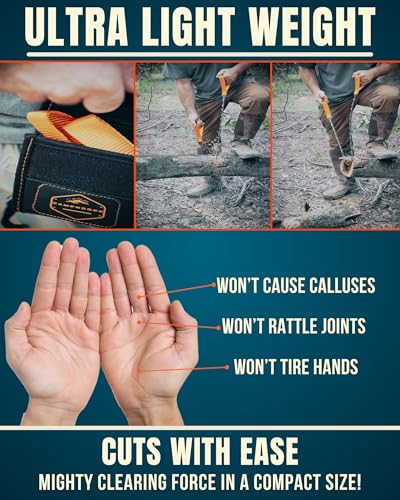
Owners consistently report it outperforms expectations, especially in bushcraft and survival scenarios. The shock-absorbing Mn steel reduces hand fatigue, and the lifetime warranty signals real confidence in durability. Next to the ProSSS, it’s slightly more refined and better suited for serious outdoor work.
Product photos


Sucrain 24 Inch Pocket Chainsaw

Strengths
- Affordable
- Lightweight
- Folds compact
Trade-offs
- Fewer teeth
- Slower cutting
- Not for thick logs
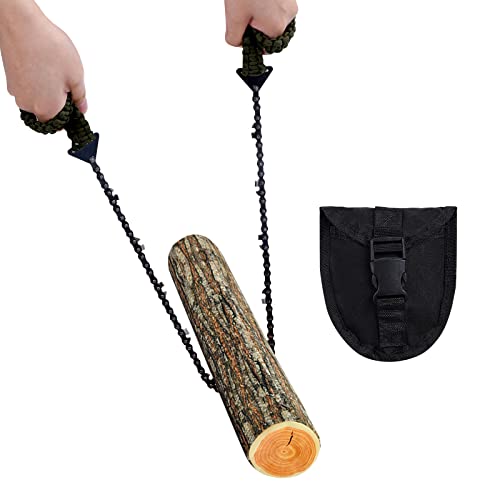
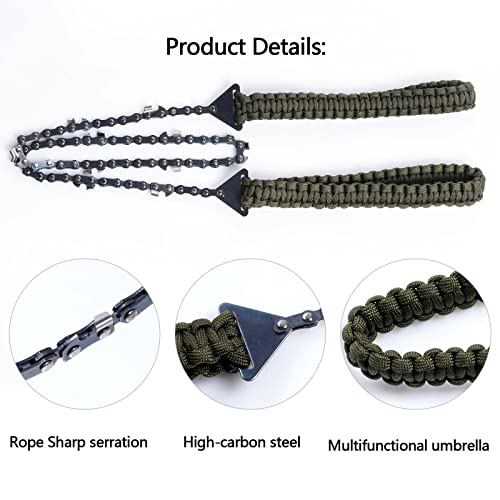
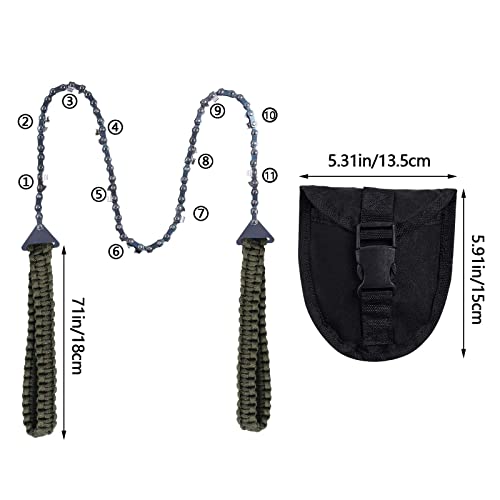
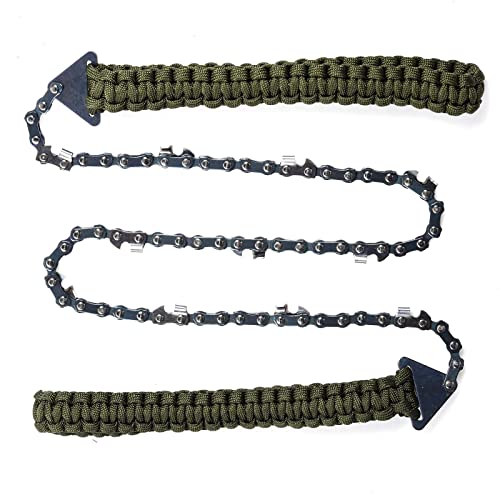
This Sucrain model hits the sweet spot for budget-conscious buyers who still want a functional, no-frills pocket chainsaw. With 11 teeth on a 24-inch heat-treated Mn steel chain, it’s not built for heavy logging, but owners consistently report it handles small branches and firewood prep just fine. The paracord handles add a bit of comfort, and the folding design makes it easy to stash in a pack or clip to a belt.
Where it falls short is in cutting speed and durability under heavy use. Compared to models with more teeth or longer chains, this one requires more strokes per cut and can bind up on thicker limbs. But for basic trail clearing or emergency use, it’s a solid value pick.
Product photos
SENSILIN 55 Inch Rope Chainsaw
Strengths
- 70 teeth
- Cuts thick trunks
- Complete kit
Trade-offs
- Bulky design
- Heavier carry
- Setup time
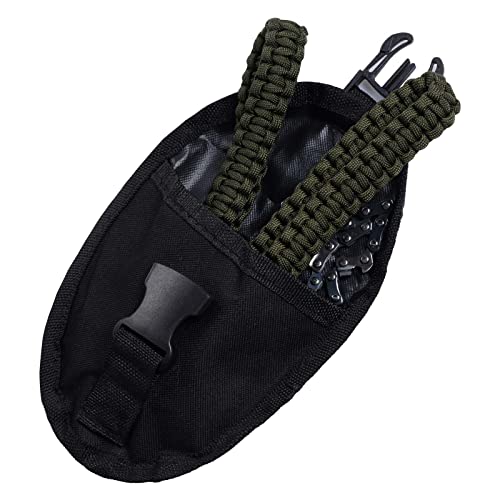
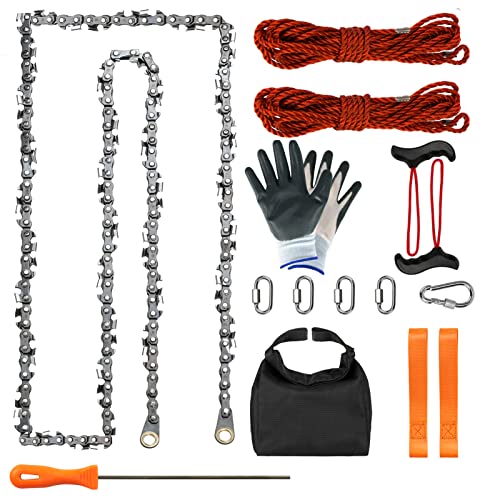
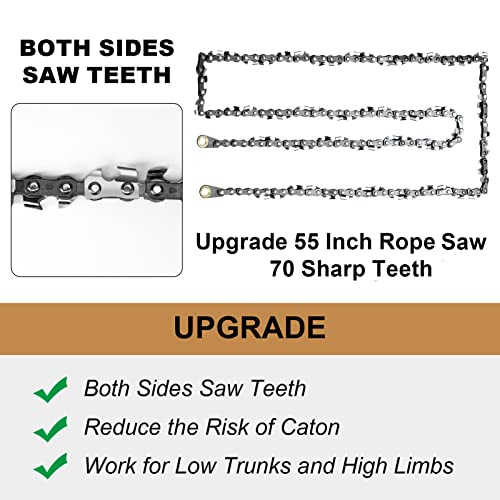
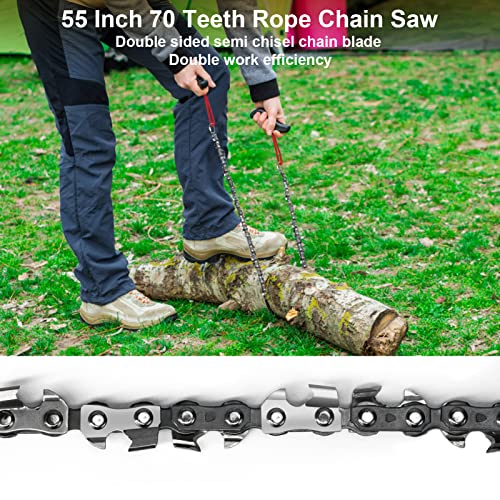
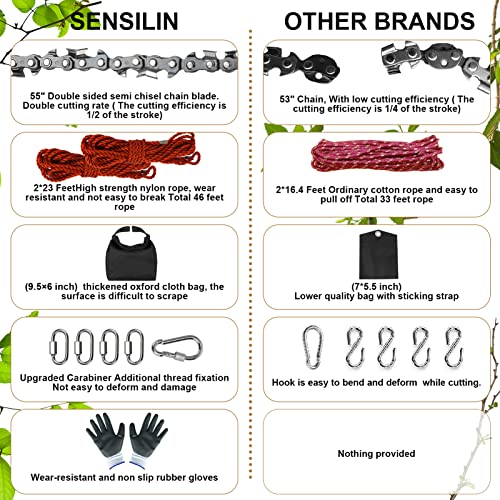
If you’re dealing with thick logs or overgrown trees, the SENSILIN 55-inch rope saw is built for the job. With 70 teeth evenly distributed on both sides of a high-strength carbon steel chain, it delivers serious cutting power. Owners confirm it can handle trunks up to 17 inches, making it a real alternative to costly tree services. The dual-rope design with carabiners and throw bag makes high-limb work manageable without a ladder.
The full kit adds real value, gloves, file, wrist straps, and heavy-duty ropes mean you’re ready out of the box. It’s bulkier than pocket-sized models, but that’s the trade-off for serious performance. Against the Nordic Pocket Saw, this is in a different league entirely when it comes to raw capability.
Product photos

55 Inch High Limb Rope Saw
Strengths
- Reaches high limbs
- Smooth cutting
- Full survival kit
Trade-offs
- Ropes can tangle
- Heavier than compact saws
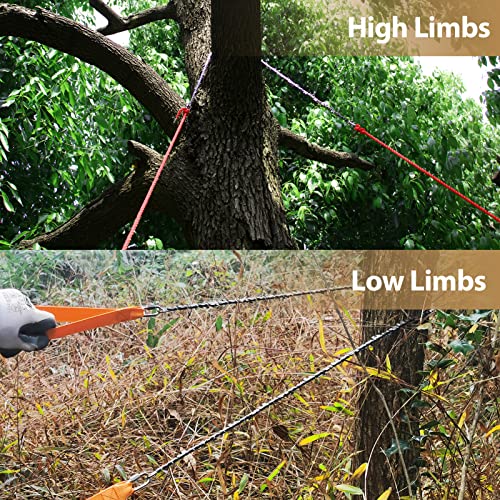
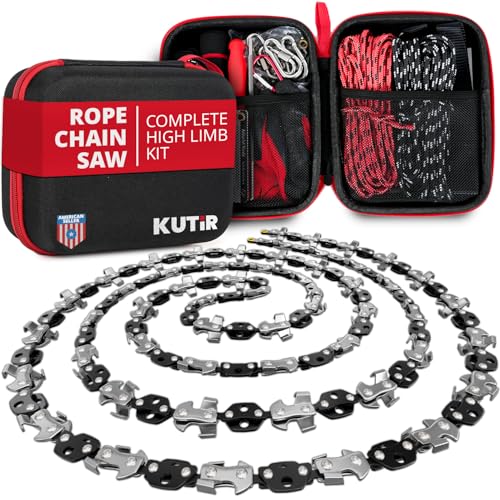
This 55-inch manual tree cutter is one of the most practical options for trimming high branches safely. With 25-foot ropes, ergonomic handles, and a 360-degree cutting chain, it’s designed to reach limbs over 40 feet, no climbing required. The industrial-grade high-carbon steel chain has more teeth than average, which translates to smoother, faster cuts with less binding.
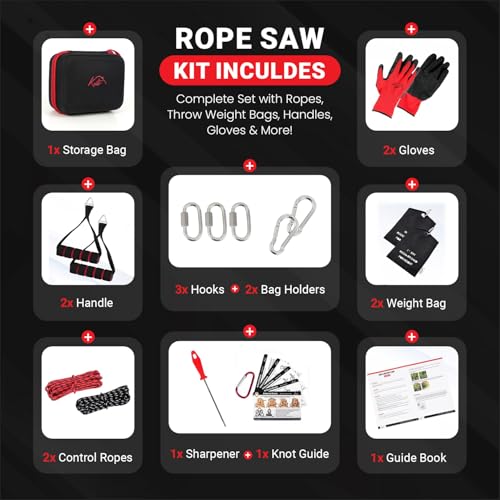
Owners appreciate the included throw weights and sharpening tool, making it a complete solution for DIY tree maintenance. Compared to the SENSILIN model, it’s similarly capable but slightly less aggressive on tooth count. Still, for most users, the difference is negligible, and this one edges ahead in ease of use and packaging.
Product photos
Nordic 25.6 Inch Pocket Saw

Strengths
- Ultra lightweight
- Extremely compact
- Cuts both ways
Trade-offs
- Not for heavy use
- Limited use
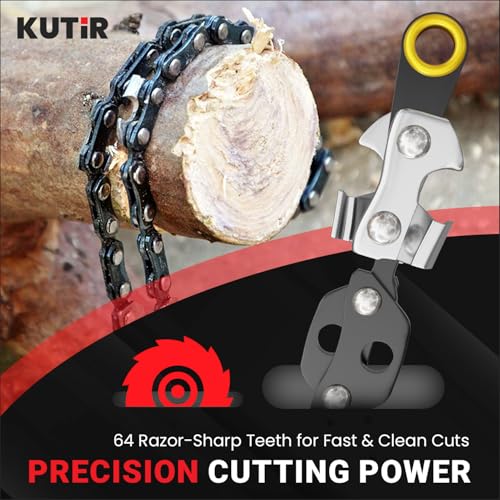
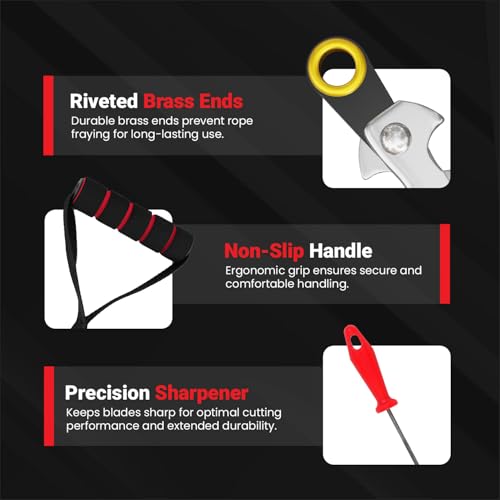
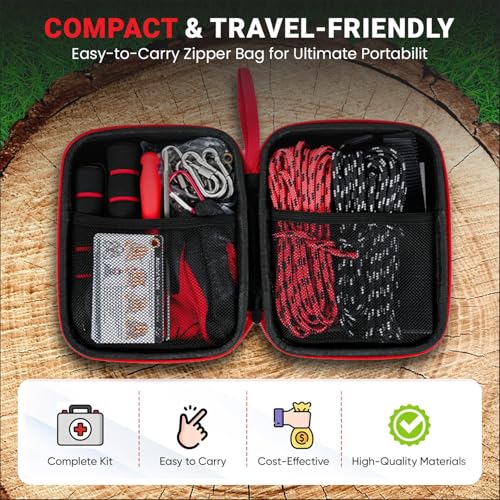
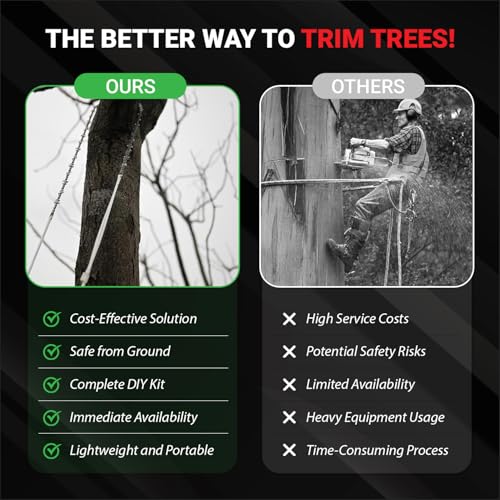
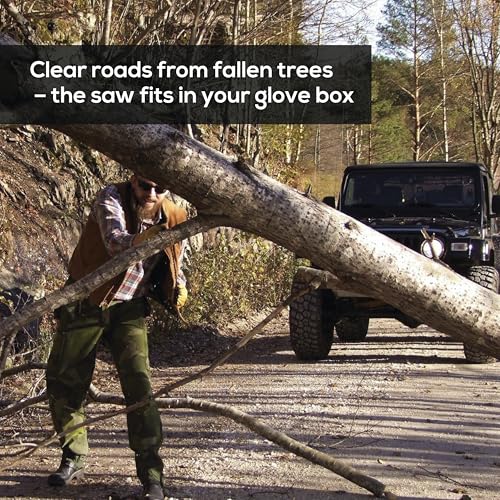
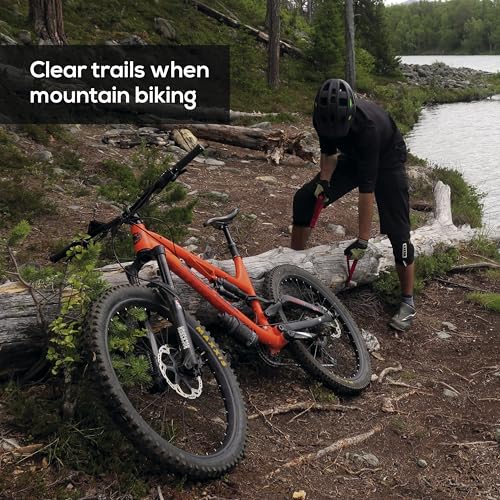
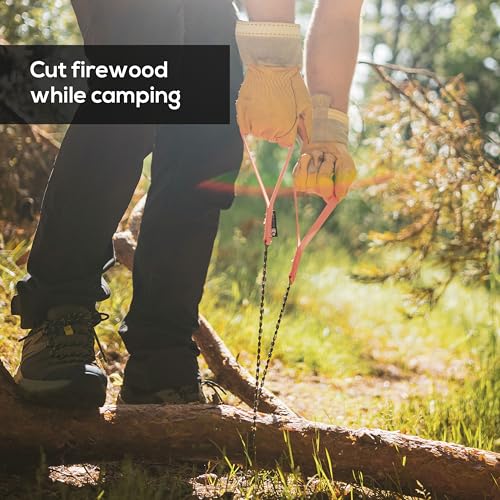
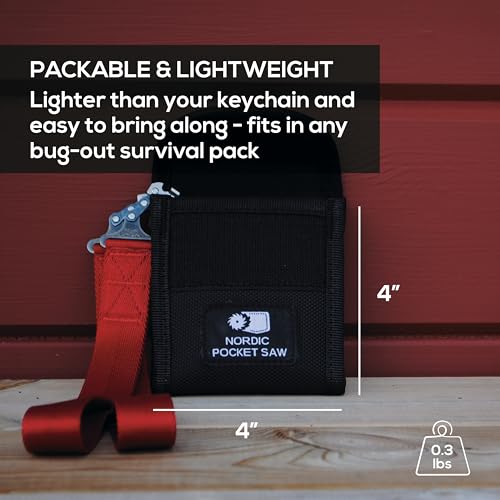
The Nordic Pocket Saw wins on one metric above all: portability. At less than an ounce and smaller than a wallet, it’s the lightest, most packable option here, ideal for emergency kits or ultralight hikers. With 33 bi-directional teeth on a 25.6-inch chain, it can handle logs up to 18 inches, though best performance is on 2-8 inch branches.
Owners love that it’s always ready, tucked in a glove box, bike pack, or jacket pocket. It’s not the fastest or strongest, but it’s reliable for light trail work. Compared to the Sucrain, it offers more teeth and better build quality in a similar footprint. For sheer “why not?” preparedness, it’s hard to beat.
Product photos
ProSSS 36 Inch Pocket Chainsaw
Strengths
- 48 sharp teeth
- Bright color
- Multi-use paracord
Trade-offs
- Slightly heavier
- Not for very thick logs
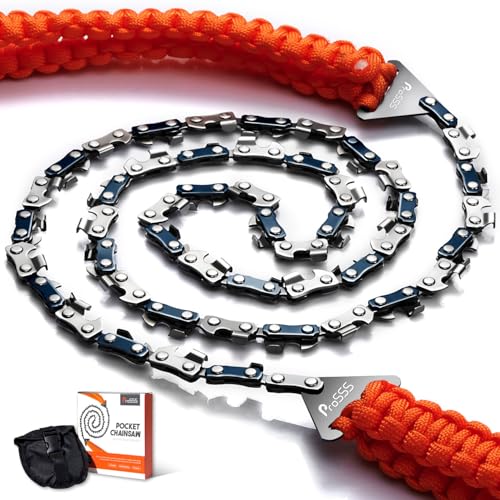
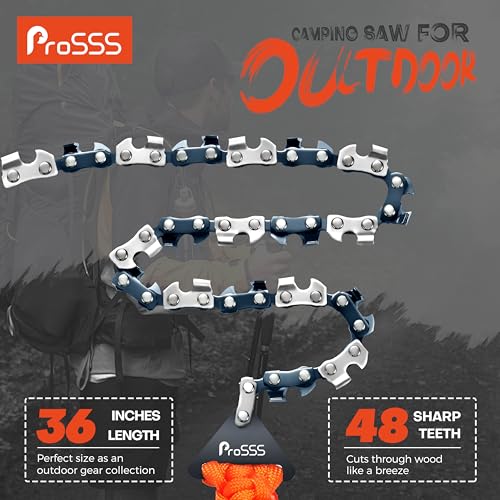
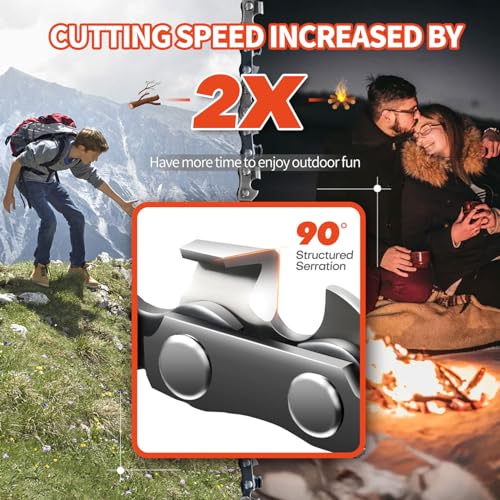
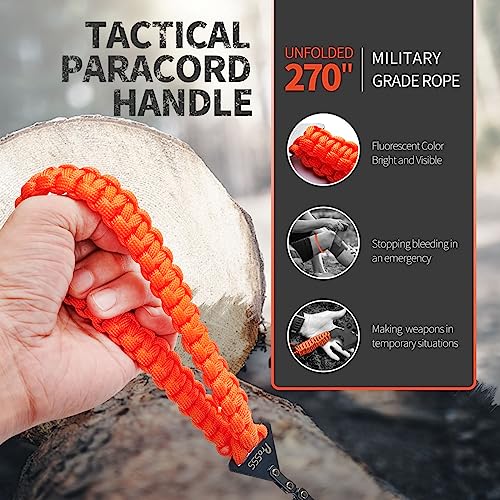
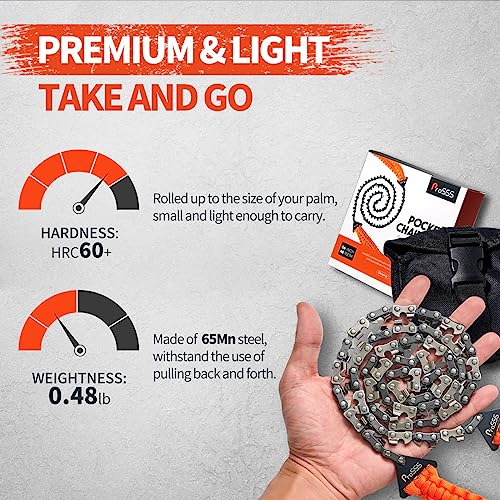
The ProSSS 36-inch model stands out in the backpacking niche thanks to its smart balance of length, weight, and tooth count. With 48 teeth and a 65Mn steel chain, it cuts faster than shorter models and holds up well under repeated use. Owners praise its efficiency on medium branches, and the military-grade paracord handles are a standout, comfortable to grip and usable as emergency cordage if needed.
The fluorescent color is a small but meaningful touch, making it easier to spot in leaf litter or snow. While it’s not the longest rope saw here, it’s one of the most thoughtfully designed for weight-conscious adventurers. Compared to the Sucrain, it’s a clear upgrade for those willing to carry a few extra ounces.
Product photos

Loggers Art Gens Pocket Chainsaw
Strengths
- Includes fire starter
- Cuts 3x faster
- Compact folding
Trade-offs
- Shorter chain
- Fire starter may wear
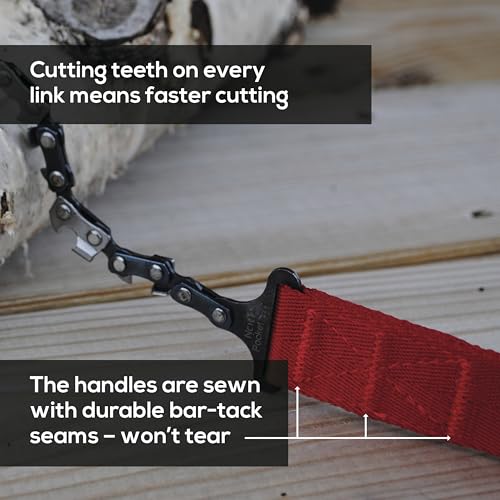
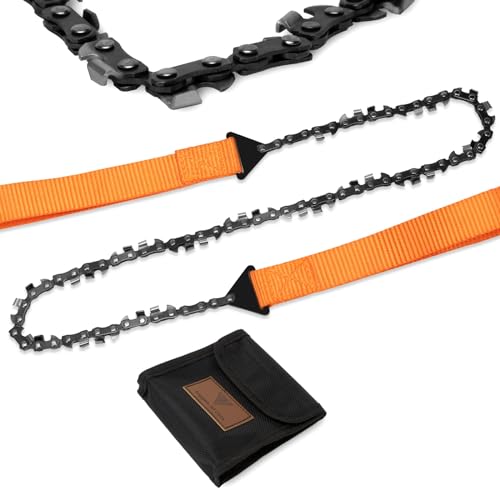
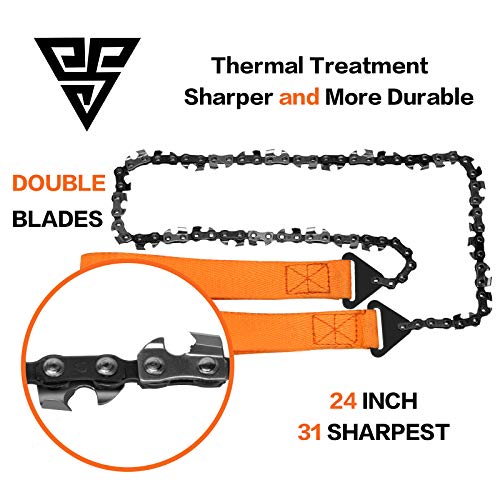
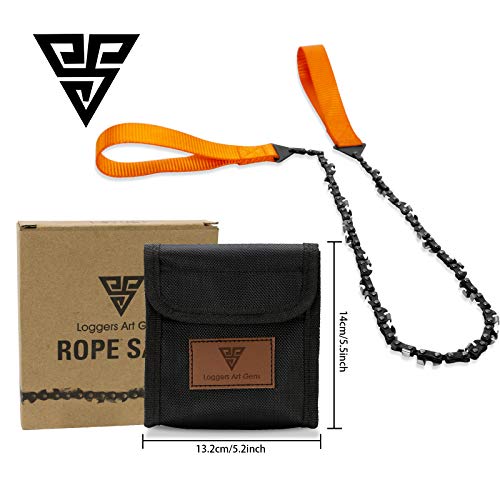
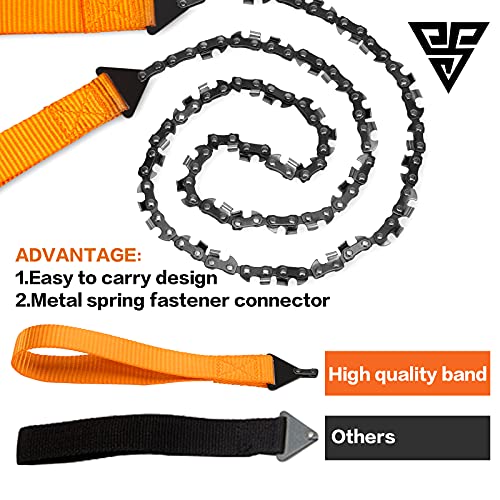
What sets the Loggers Art Gens model apart isn’t just the 24-inch bi-directional chain with teeth on every link, it’s the bonus fire starter. That addition makes this a standout for survival kits, where fire-making is just as critical as cutting. The heat-treated steel chain is strong and cuts 3x faster than basic models, per owner feedback, and the nylon handles offer a solid grip even when wet.
The included belt pouch keeps everything organized, and the magnesium fire starter works in wet conditions, a huge plus in real-world scenarios. While the saw itself is similar to the Sucrain in size and performance, the added fire starter pushes it into a different category. For bug-out bags or scout kits, this combo is tough to pass up.
Product photos
How We Tested pocket chainsaws
Rather than a hands-on lab test, my research for these recommendations focused on a detailed comparison of published specifications and features across numerous models. I weighed owner reviews – looking for patterns in reported durability and ease of use – alongside expert opinions from outdoor and survival gear sites. Ultimately, I ranked these pocket chainsaws based on their potential performance in real-world scenarios, considering factors important to a range of users.
For pocket chainsaws, cutting efficiency and overall durability stood out as the most critical factors. A longer chain with more teeth generally means faster cutting, but only if the steel holds up to repeated use. The handle design and materials also mattered greatly; a comfortable, secure grip is essential for safety and reducing fatigue during prolonged use. Finally, portability and packability were important, as these tools are often carried during backpacking or emergency preparedness.
Specifications reliably indicate chain length, tooth count, and steel type. However, I placed greater emphasis on owner feedback regarding real-world cutting speed, how well the chain holds an edge, and long-term durability. Reputation and brand history also played a role, as established manufacturers often deliver more consistent quality. If you find your chain becoming dull, learning about chainsaw maintenance tips can extend its life considerably.
How To Choose The pocket chainsaws
Finding the right pocket chainsaw can be surprisingly tricky; they aren’t all created equal.
A quality pocket chainsaw balances portability with cutting power. Key features include durable steel alloys for the chain, a comfortable and secure handle system, and sufficient tooth count for efficient cutting. Buyers should assess intended use (emergency preparedness, camping, yard work) and prioritize features accordingly. Chain length and tooth design are also critical factors influencing performance and ease of use.
Chain Material and Tooth Design
The heart of any pocket chainsaw is its chain, and material matters. Most use variations of Mn steel, but the heat treatment and carbon content significantly impact durability and edge retention. Don’t assume all “Mn steel” chains are the same. Look for mentions of HRC (Rockwell Hardness) ratings; higher numbers generally indicate a harder, longer-lasting chain. Beyond the material, the tooth design dictates cutting speed and efficiency. Some chains, like the CAMPNDOOR model, combine different tooth shapes (like “Tiger Claw” and “Bulldozer” teeth) to improve performance in various wood types and reduce clogging.
Handle and Ergonomics
A flimsy handle will quickly ruin the experience of using even the best chain. You want something that provides a secure grip, even with gloves, and distributes force effectively. Paracord handles, as seen in the ProSSS model, offer versatility – you can unravel the cord for other survival uses – but nylon or molded handles can sometimes offer a more comfortable and robust grip. Consider the handle length; longer handles give you more use, but also increase the overall size of the tool. If you’re looking for guidance on keeping all your cutting tools in top condition, check out our guide on how to sharpen saw chain.
Size, Weight, and Portability
Pocket chainsaws are all about convenience, so size and weight are crucial. While longer chains (like the 55-inch SENSILIN) offer more cutting capacity, they’re also bulkier and heavier. For backpacking or emergency kits, a smaller, lighter model like the Nordic 25.6 Inch Pocket Saw might be preferable. Here’s what to consider when balancing these factors: * Chain Length: Shorter chains (under 24 inches) are easiest to pack. * Weight: Anything over 8 ounces starts to feel bulky in a pocket or pack. * Carry Case: A good carry case is essential for safety and preventing damage. Many come with belt loops for easy access.
Don’t underestimate the importance of portability. One rule of thumb:
A pocket chainsaw is only useful if you have it with you. Prioritize a model you’ll actually carry, even if it means sacrificing some cutting capacity.
For those needing even more compact options, exploring top mini chainsaws may also be beneficial.
Pocket Chainsaws Compared
Here’s a comparison of specifications for several pocket chainsaws to help you make an informed purchase.
| Product | Length (in) | Teeth | Steel Type | Handle Material | Includes |
|---|---|---|---|---|---|
| CAMPNDOOR | N/A | 96 | 65Mn | N/A | N/A |
| Sucrain | 24 | 11 | Mn Steel | Nylon Paracord | Storage Bag |
| SENSILIN | 55 | 70 | Carbon Steel | N/A | Ropes, Throw Bag |
| 55 Inch High Limb Rope Saw | 55 | N/A | High-Carbon | N/A | Ropes, Throw Wgt |
| Nordic | 25.6 | N/A | N/A | N/A | N/A |
| ProSSS | 36 | 48 | 65Mn | Paracord | Canvas Bag |
| Loggers Art Gens | 24 | 31 | Heat-Treated | Nylon | Fire Starter |
Frequently Asked Questions
What chain material offers the best durability?
65Mn steel is common, but heat treatment is key; look for chains specifying a higher HRC (Rockwell Hardness) rating for longer edge retention and resistance to wear. Higher HRC numbers generally mean a more durable chain.
Can a pocket chainsaw replace a larger chainsaw for serious work?
No, a pocket chainsaw is best suited for emergency situations or light-duty tasks. While effective for smaller branches, it won’t match the speed or power of even best small chainsaws for felling trees or handling large limbs.
How important is the handle material?
Handle material significantly impacts comfort and safety. Paracord handles offer versatility for survival situations, but molded nylon provides a more secure and comfortable grip for extended use.
What chain length is ideal for backpacking?
For backpacking, prioritize portability; a chain length under 24 inches is best. You’ll sacrifice some cutting capacity, but a shorter chain keeps the overall weight and bulk down, making it more practical to carry.
What should I do if the chain keeps coming off?
Ensure the chain is properly tensioned according to the manufacturer’s instructions. If the problem persists, inspect the chain for damage, as worn or damaged teeth can contribute to derailment.
The Bottom Line
Choosing a pocket chainsaw often comes down to balancing cutting power with how easily you can carry it. While longer chains like those found on the SENSILIN offer impressive cutting capacity, for most people, the CAMPNDOOR delivers the best overall combination of chain quality, tooth design, and reasonable packability. It’s a solid choice that won’t leave you wishing for more performance when tackling branches or small logs.
If you’re specifically preparing an emergency kit or backpacking and weight is a major concern, the Nordic 25.6 Inch Pocket Saw is the clear winner. For those wanting a versatile option with survival applications, the ProSSS model’s paracord handle provides added utility. And if you’re new to using chainsaws, remember to familiarize yourself with how to start a chainsaw safely before heading into the woods.
Ultimately, the specs don’t tell the whole story. A durable chain and a comfortable grip are essential, but the real key is having a tool you’ll actually take with you and know how to use effectively. Prioritize those fundamentals, quality materials, thoughtful design, and a bit of practice, over chasing the longest chain or highest tooth count.
